Which California Perennials To Cut Down In Late Fall And Which To Leave Alone
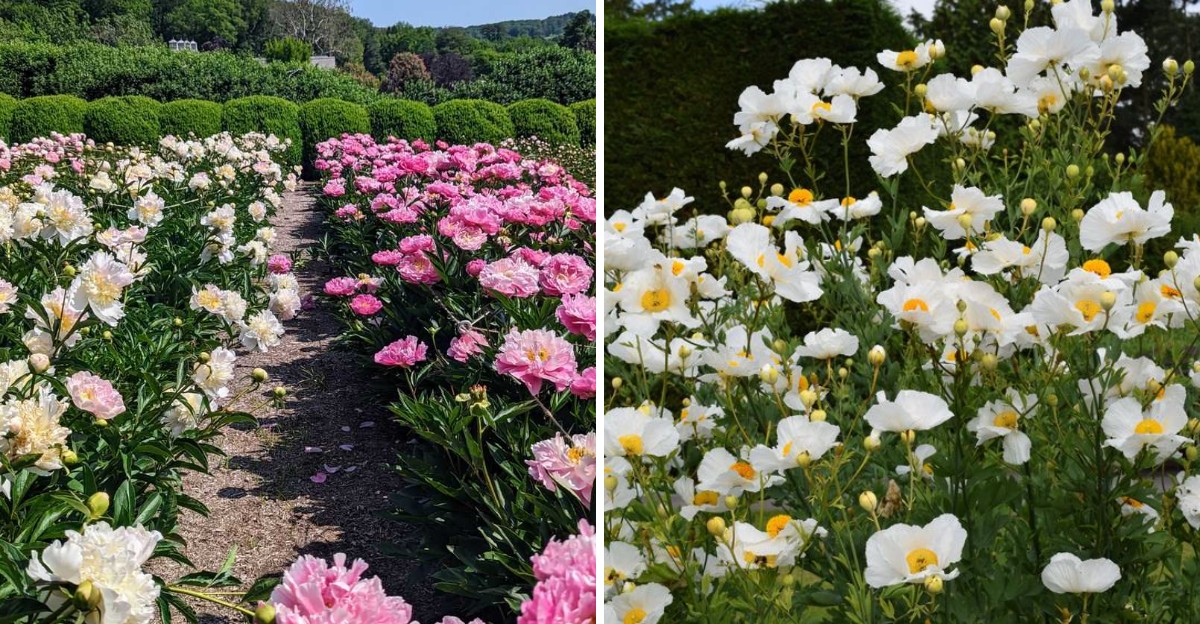
A fuzzy gray fungus can linger on leftover stems of one lush spring bloomer, waiting to blacken next year’s buds. Cutting those stems right down to the soil once cool weather arrives removes its cozy winter hiding spot.
Other favorites wake up with fall rains and push fresh leaves now, so a hard chop would erase the coming bloom season. Evergreen clumps with colorful foliage also use those leaves like a winter coat that protects the crown.
Take it from someone who once chopped a semi-dormant native to the ground in a summer panic. You might notice low green rosettes already hugging the soil at the base of some tired-looking stems.
Plenty of tidy California fall cleanups remove protection, food, or shelter that certain plants quietly depend on. A few clues hiding in crowns, rosettes, and fading stalks could reveal where to snip and where to wait until spring.
1. California Fuchsia
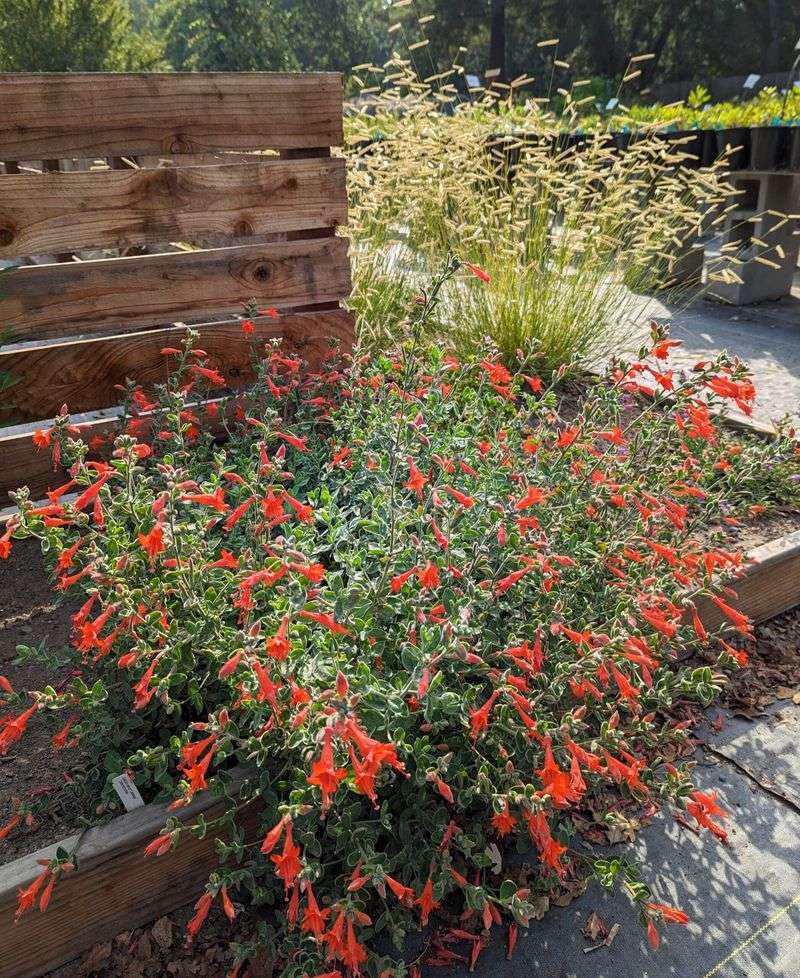
Hummingbirds treat those scarlet tubes like a late-summer snack bar, and the show often runs well into autumn. Once the flowers fade and stems turn woody and gray, Epilobium canum is ready for a serious haircut.
Native plant nurseries often suggest cutting this sprawling perennial almost to the ground in late fall or early winter. It spreads by underground runners, so fresh shoots pop back up when spring warmth returns to the soil.
I love how forgiving it is, because even a clumsy chop rarely sets it back for long. Leave about two or three inches of stem so you can easily spot where the crown sits later.
Without that cut, old stems pile up and the plant can look scraggly and sparse by next summer. A fresh start keeps new growth tidy and dense, with soft gray-green leaves filling the gaps quickly.
Wait until most blooms have finished, since late flowers still feed hummingbirds heading south or settling in nearby. Some gardeners split the job, trimming half now and the rest after the first decent winter rain.
Skip fertilizer after pruning, because this tough native prefers lean, fast-draining soil and very little fuss. Too much water or food tends to make the stems floppy and short-lived in many home gardens.
Personally, I toss the clean clippings into my compost pile, where they break down fairly fast. By April you will see a carpet of new shoots, ready for another fiery season of blooms.
2. Shasta Daisy
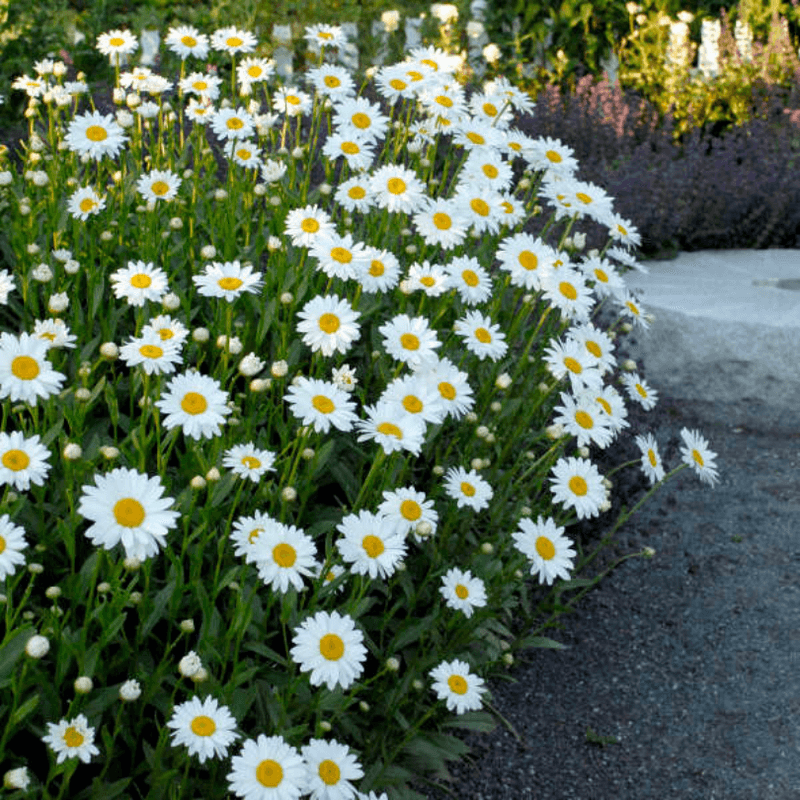
Those cheerful white petals look fresh for months, yet by late fall the stems usually flop over brown and tired. Shasta daisy, Leucanthemum x superbum, handles a fall trim well as long as you protect its leafy base.
Look closely near the soil and you will find low green rosettes already forming for next year. Those little clusters are the plant’s future, so cut old stems just above them and not through them.
I like using clean bypass pruners here, since ragged cuts on soggy stems can invite rot during rainy weeks. Wipe the blades with a disinfecting wipe between clumps if any plants showed leaf spots this season.
Removing the faded stalks also cleans up hiding spots where snails and slugs love to spend winter. Coastal gardens with mild, damp weather tend to see more of these slimy visitors chewing on fresh leaves.
Shasta daisies were bred by Luther Burbank in Santa Rosa, which makes them a fun local success story. He named the flower after snowy Mount Shasta, and the bright petals do echo that wintry peak.
Every three or four years, consider dividing crowded clumps in fall or early spring to keep blooms strong. Older centers often thin out, while the younger outer pieces bounce back with far more energy.
After trimming, spread a thin layer of mulch around the plant but keep it off the rosettes. You will thank yourself in spring when tidy green mounds appear instead of a tangle of brown sticks.
3. Bearded Iris
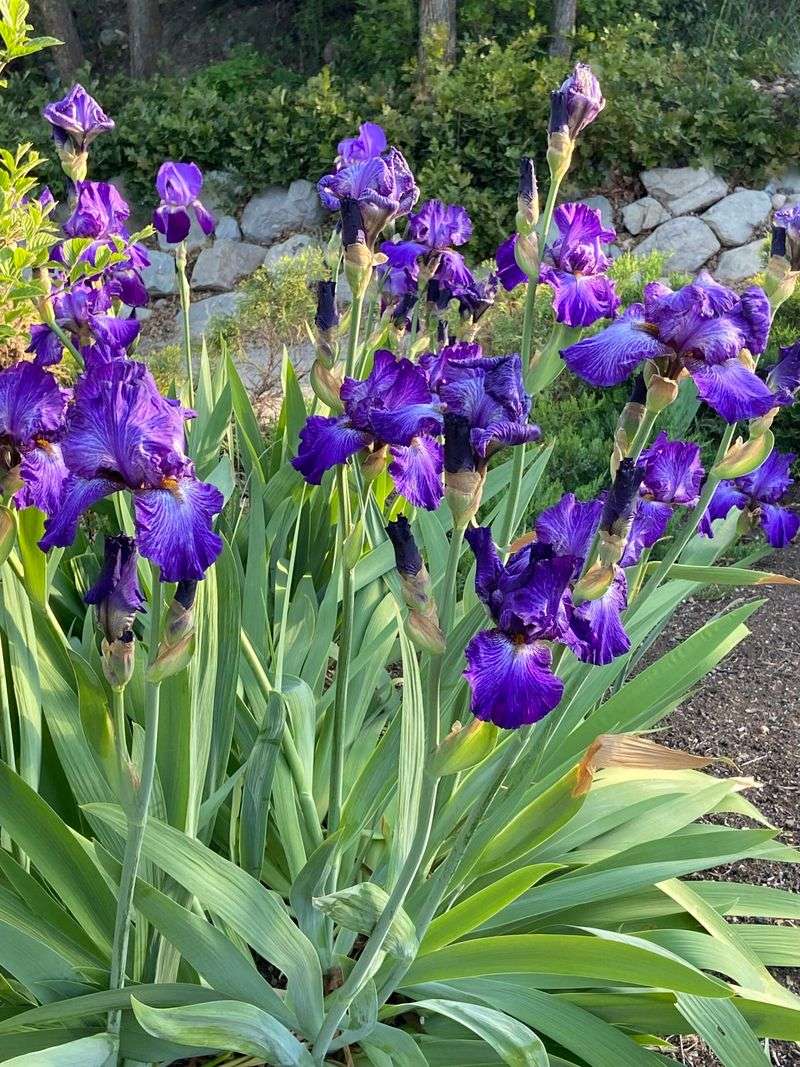
Those sword-shaped fans look tough, but by late fall the outer leaves often turn tan and spotty along the tips. Bearded iris, Iris germanica, gets a real boost when you clear away that tired, discolored foliage.
Fungal leaf spot spreads by splashing rain, so old infected leaves can seed trouble for next spring. Pull off brown leaves with a gentle tug, or snip them off right where they meet the rhizome.
For healthy green leaves, many growers trim the fans down to about six inches tall in a neat shape. I have to admit those short trimmed clumps look adorable, almost like rows of tiny green arrowheads.
Keep the chunky rhizomes exposed to sun, since bearded iris dislikes having its top buried under soil or mulch. Heavy mulch traps moisture against the rhizome and can lead to soft rot during a wet winter.
Bag the trimmed leaves instead of composting them, especially if you spotted brown streaks or fuzzy patches. Home compost piles rarely get hot enough to break down fungal spores in a reliable way.
Watch for mushy, foul-smelling rhizomes while you work, because bacterial soft rot sometimes hides beneath tidy leaves. Cut away any soft parts with a clean knife, then let the wound dry in open air.
Reblooming types may still carry buds in mild areas, so leave any stalks that are still flowering. Come spring, the cleaned clumps send up fresh fans and fat buds with far fewer problems to manage.
4. Herbaceous Peony
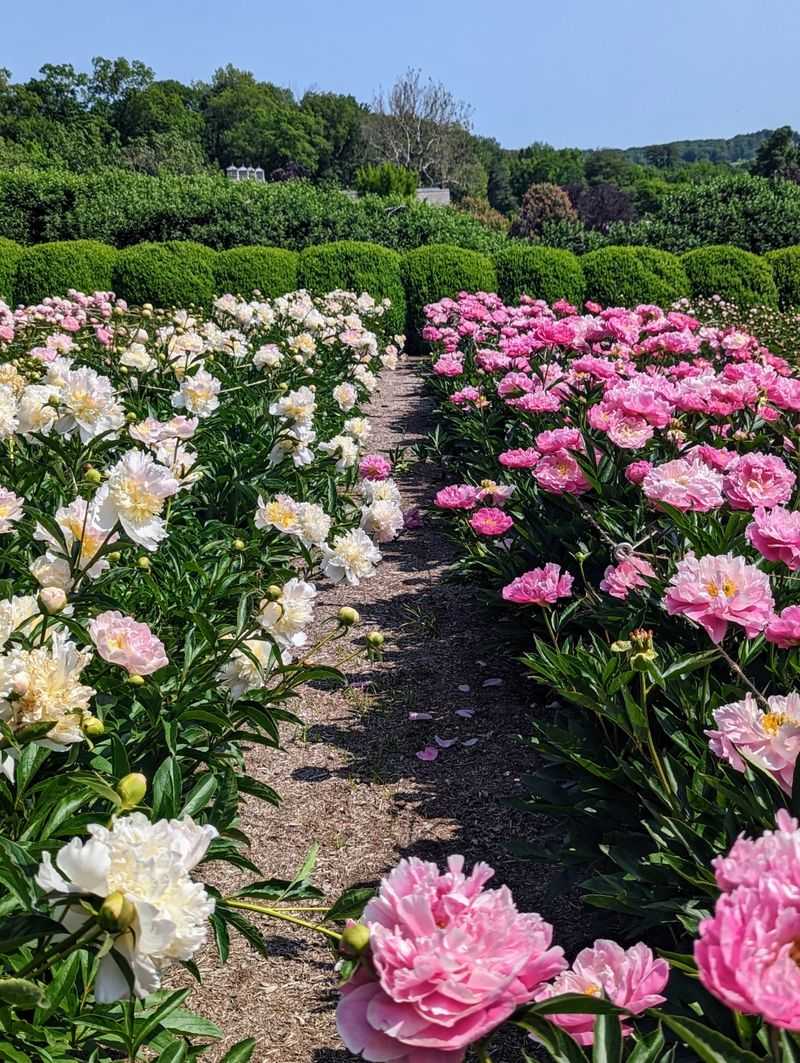
Plenty of people are surprised that peonies grow here, yet low-chill varieties bloom nicely in many inland gardens. Herbaceous peonies drop their leafy stems after frost or cool weather, and that is your cue to step in.
Cut every stem right down to the soil once the leaves turn bronze or start to collapse. Leaving foliage over winter gives botrytis blight, a fuzzy gray fungus, a cozy place to linger.
That same fungus can blacken new shoots and buds next spring, which is a heartbreaking sight. I can’t imagine waiting a whole year for those huge blooms, only to watch them shrivel early.
Toss the clippings in the green bin or trash rather than your backyard compost to stop spores spreading. Rake up fallen leaves around the base too, since they carry the same fungal risk as stems.
Avoid this step for tree peonies, which keep woody stems and should only lose broken or weak branches. Mixing up the two types is a common mistake that can set a tree peony back for seasons.
Peonies need winter chill to form buds, so they perform best in the cooler foothills and inland valleys. Mild coastal yards often struggle, so pick varieties sold as low-chill and plant the eyes shallowly.
Mark the spot with a small stake, because the bare ground is easy to forget during winter chores. When red shoots poke through in early spring, you will know your fall cleanup paid off beautifully.
5. Matilija Poppy
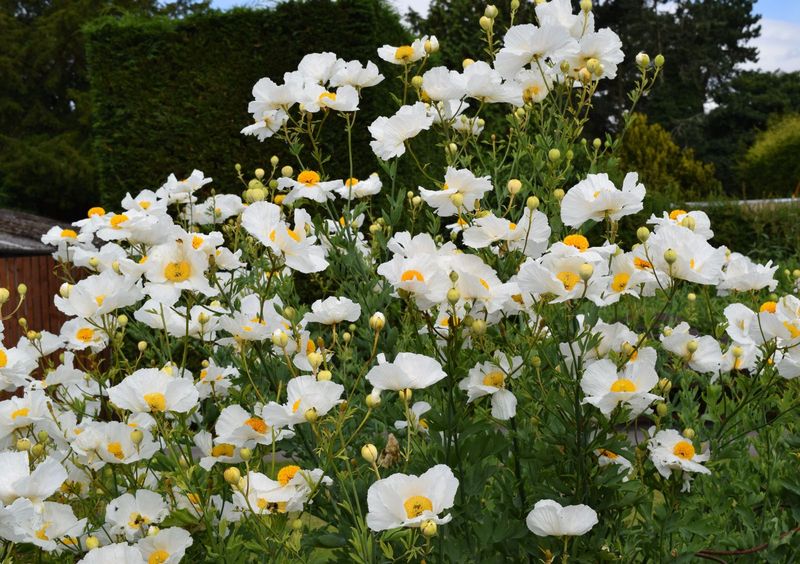
Nicknamed the fried egg plant, this native bloomer flashes papery white petals around a bright yellow center. Romneya coulteri grows tall and gangly by fall, and many native gardeners cut it almost to the ground.
Native plant experts often suggest cutting stems back to a few inches after the plant goes dormant in fall. Fresh shoots then rise with winter rains, producing healthier stems and bigger blooms by late spring.
I love how dramatic the comeback feels, going from stubby brown sticks to eight-foot giants in months. Wear gloves and long sleeves, because the gray stems and leaves can feel scratchy against bare skin.
Be warned that this plant spreads aggressively by underground roots once it settles into a sunny spot. Give it plenty of room or plant it near a path or wall that helps limit its wandering.
Avoid digging around the crown, since Matilija poppy famously resents root disturbance and sulks after being moved. Pruning is fine, but transplanting an established clump often ends in disappointment for even skilled gardeners.
Hold back on summer water too, because this chaparral native prefers dry soil once it gets established. Soggy roots in heavy clay can lead to rot, especially when fall rains arrive after a long drought.
Back in 1890, it was reportedly considered for state flower before the California poppy took that honor. That history makes your yearly fall chop feel like caring for a genuine piece of local heritage.
6. Common Yarrow
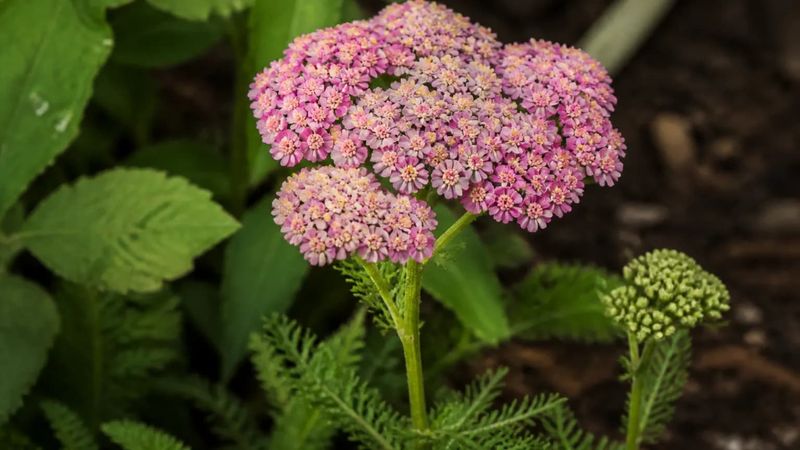
Feathery leaves and flat flower clusters make yarrow one of the easiest perennials to love in a dry garden. Achillea millefolium is native across much of the West, and it needs only a light fall cleanup.
Snip the brown flower stalks down to the base once they finish, but keep the fresh green leaves. Those low ferny rosettes carry the plant through winter and give pollinators an early start in spring.
I believe yarrow gets less credit than it deserves, since it tolerates foot traffic and summer drought. Some gardeners even mow it as a lawn substitute, trimming it a few times each year for a soft carpet.
Leaving a few seed heads standing is fine if you want birds to visit or plants to reseed. Just know it spreads readily by both seeds and roots, so a few volunteer plants may appear later.
Use sharp shears for big patches, since cutting dozens of stalks one by one gets tedious fast. Gather the stems in one hand and slice across them, which saves time and keeps edges neat.
Skip rich fertilizer, because yarrow grown in soft soil gets tall and floppy instead of compact. Lean, well-drained ground keeps the stems sturdy enough to stay upright during windy spring storms here.
Every few years, divide crowded patches in fall when rains soften the soil and roots settle fast. Share the extra clumps with friends, because this tough little native thrives in sunny yards almost anywhere.
7. Hummingbird Sage
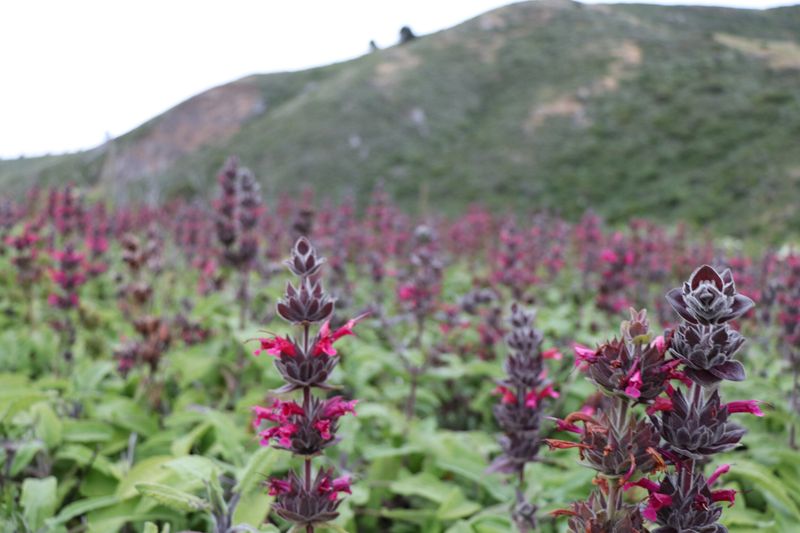
Rub one wrinkled leaf and your fingers smell like a citrusy herb garden for the rest of the afternoon. Hummingbird sage, Salvia spathacea, wakes up with fall rains, so cutting it back now would be a mistake.
This shade-loving native grows its lush leaves in the cool season and blooms from late winter into spring. Magenta flower spikes then pull in hummingbirds looking for nectar when few other plants are flowering yet.
Personally, I only remove old flower stalks and a few crispy leaves left over from the summer drought. Anything green stays put, since those fresh leaves power the coming bloom season you have waited for.
During hot months, this sage often goes semi-dormant, looking a bit ragged until the weather cools down. Many new gardeners panic and chop it hard, but that brown phase is perfectly normal behavior.
It spreads slowly by underground rhizomes, forming a lovely groundcover beneath oaks and other tall trees. Dry shade under oaks is tough to fill, so this plant solves a real landscaping headache.
Leaving the old seed stalks a little longer also gives small birds a chance to nibble on seeds. Wait until late spring, after flowering ends, before doing any real tidying of the spent stems and leaves.
Water lightly during long dry spells, though established plants under oaks need very little summer irrigation. Too much summer water near oak roots can harm the trees, so keep things on the dry side.
8. Coral Bells
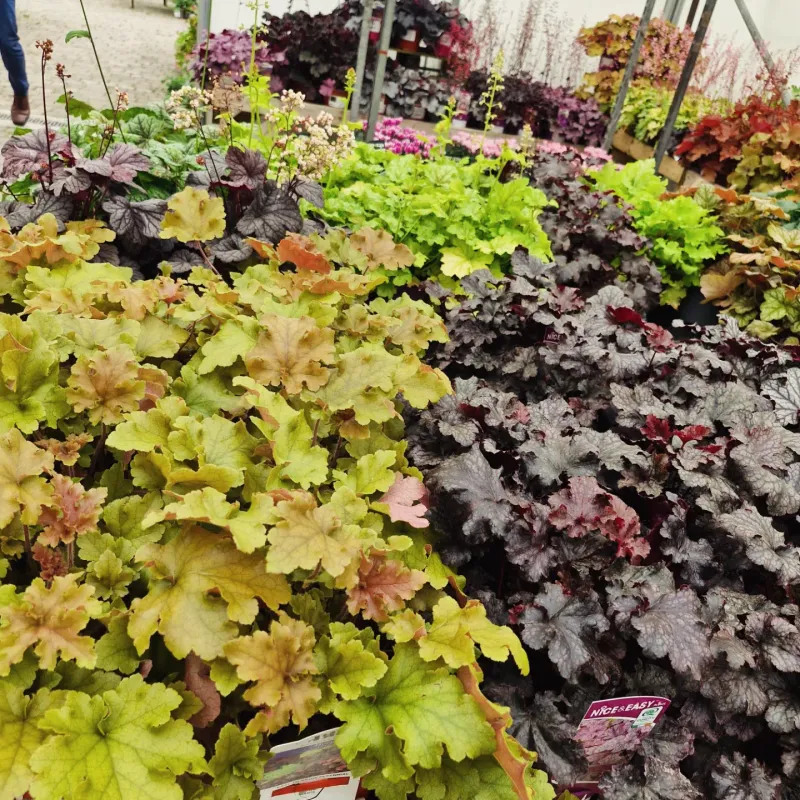
Coral bells wear their leaves like a winter coat, and that foliage quietly guards the crown from cold snaps. Heuchera stays evergreen in most mild gardens, so a fall chop removes protection the plant actually needs.
Several species grow wild in the West, including island alum root, Heuchera maxima, from the Channel Islands. Many garden hybrids also thrive here, showing off purple, lime, or caramel leaves all year long.
I like how a clump of dark leaves brightens up a gray December bed better than many flowers. Your only fall job is to snip off faded flower stalks and any leaves that look brown or torn.
Save bigger cleanup for early spring, when you can pull away tired old leaves before new growth arrives. Gentle tugs usually free them easily, leaving the fresh center of the plant tidy and ready to grow.
Over time, coral bells tend to push upward, leaving bare woody stems sticking out above the soil line. When that happens, dig and replant the crown a little deeper in fall or early spring.
Watch for black vine weevil damage, which shows up as notched leaf edges and plants that suddenly wilt. Hand-picking the adult beetles at night with a flashlight works surprisingly well in small home gardens.
Give them part shade and well-drained soil, especially in hot inland areas where afternoon sun scorches leaves. With a little shelter, these plants reward you with color long after your summer bloomers have faded.