8 Houseplants That Handle Texas Homes Swinging Between Heat and Freeze
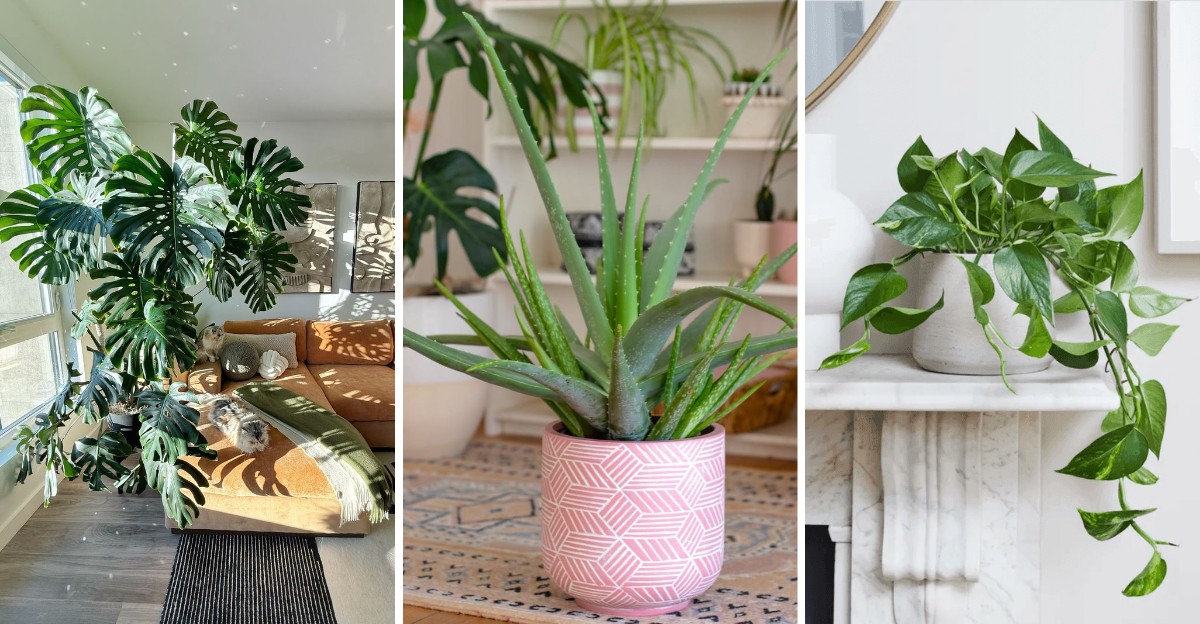
During the February 2021 winter storm, Dallas hit minus two degrees, and plenty of living rooms felt like walk-in coolers. Six months later, those same homes were baking under a sun that turned west-facing windows into little ovens.
Texas houses rarely hold one steady climate, even when the thermostat insists everything is perfectly fine and calm. Sunny rooms run hot, while drafty corners near old windows can feel ten degrees cooler on winter nights.
I learned the hard way that most tropical houseplants sulk once temperatures slide below fifty degrees Fahrenheit. My first fiddle-leaf fig dropped half its leaves after one chilly week beside a leaky patio door.
Some tough characters shrug off those swings, though, and a few even seem to enjoy the drama. Before the next wild cold front rolls through the Lone Star State, these plants deserve a spot in your home.
1. Snake Plant
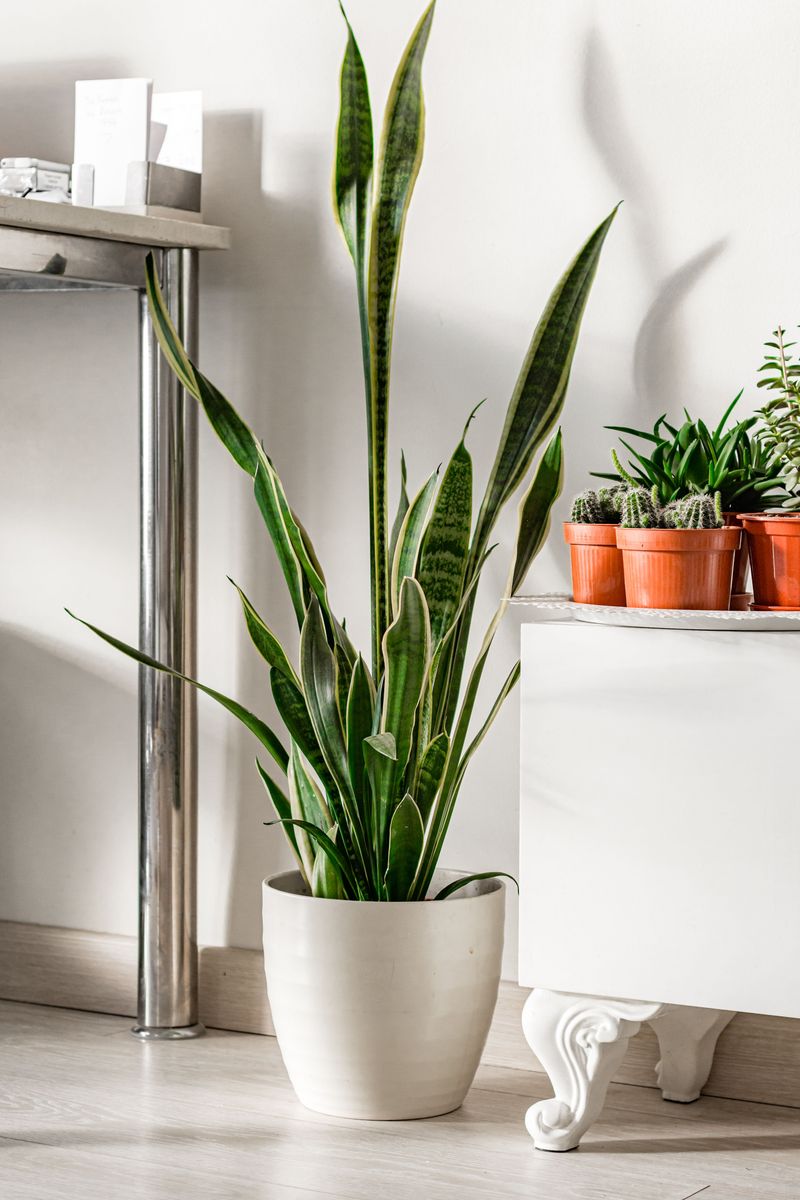
Leaves as stiff as rulers make the snake plant look like it was designed by an architect with patience. I once forgot mine for nearly six weeks, and it greeted me looking smug and perfectly upright.
Botanists now call it Dracaena trifasciata, though most plant tags still list the older name Sansevieria trifasciata. Native to tropical West Africa, it stores water in thick leaves and creeping underground stems called rhizomes.
That built-in water tank explains why summer heat rarely bothers it, even in a stuffy upstairs bedroom. Warm rooms between seventy and ninety degrees suit it nicely, and growth speeds up during long summer days.
Cold is a different story, so keep it above fifty degrees whenever a hard freeze settles in. Chilled leaves can turn soft and mushy, and that damage spreads quickly once wet soil gets involved too.
Overwatering causes more trouble than any heat wave, especially during winter when the plant barely grows at all. Let the soil dry out fully, then water deeply and empty the saucer within about thirty minutes.
A gritty cactus mix in a clay pot helps extra moisture escape instead of lingering around the roots. Bright, indirect light keeps the stripes bold, although it tolerates dimmer hallways better than most houseplants do.
Pet owners should know the ASPCA lists snake plants as toxic to cats and dogs if chewed. Place it on a sturdy stand or shelf, and curious noses will have a harder time reaching it.
2. ZZ Plant
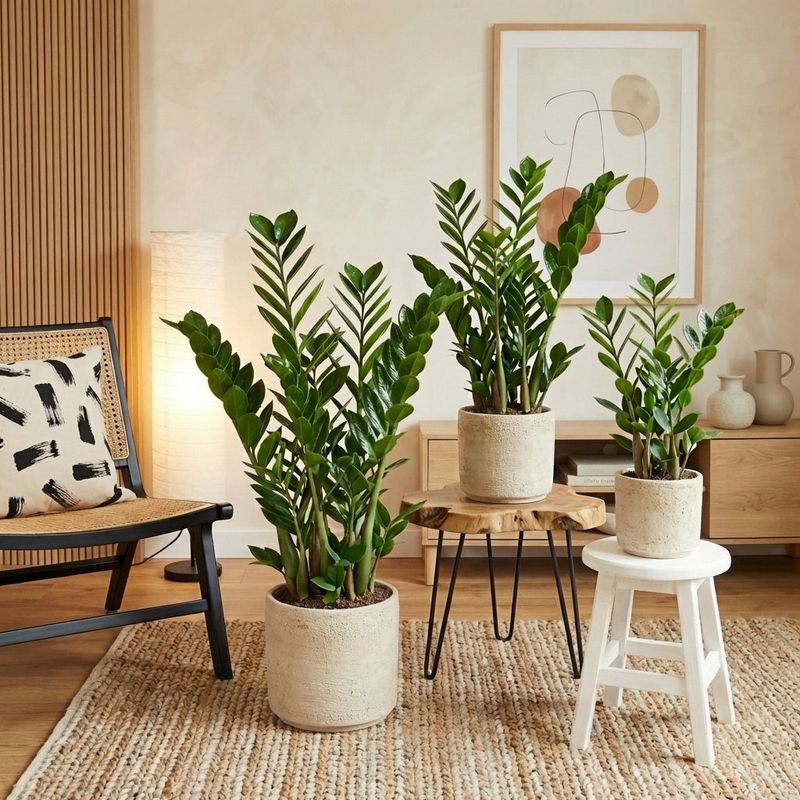
Glossy leaflets on the ZZ plant shine so evenly that guests often reach out to check if they are plastic. I did exactly that at a friend’s house, and she still teases me about it every single holiday.
Zamioculcas zamiifolia comes from eastern Africa, where it handles long dry spells between seasonal rains with ease. Its secret sits below the soil in potato-like rhizomes that store water for weeks at a time.
Those swollen roots make it a fantastic match for busy households that travel during hot summer months. Water only when the soil feels dry several inches down, which might mean every two or three weeks.
Heat rarely fazes it, but chilly air is another matter, so aim to keep rooms above sixty degrees. Brief dips into the fifties usually cause little harm, yet longer cold spells can trigger yellow leaves.
During winter, move it away from exterior doors and single-pane windows that leak cold air at night. An interior wall or a spot near a warm kitchen gives it a cozier, steadier place to rest.
Low to medium indirect light works fine, which makes it a favorite for offices with few windows. Harsh afternoon sun can scorch the leaflets, so a sheer curtain helps if your only window faces west.
All parts of the plant contain calcium oxalate crystals that can irritate mouths, so keep it from pets. Wearing gloves while repotting also makes sense, since the sap may bother sensitive skin for some folks.
3. Cast Iron Plant
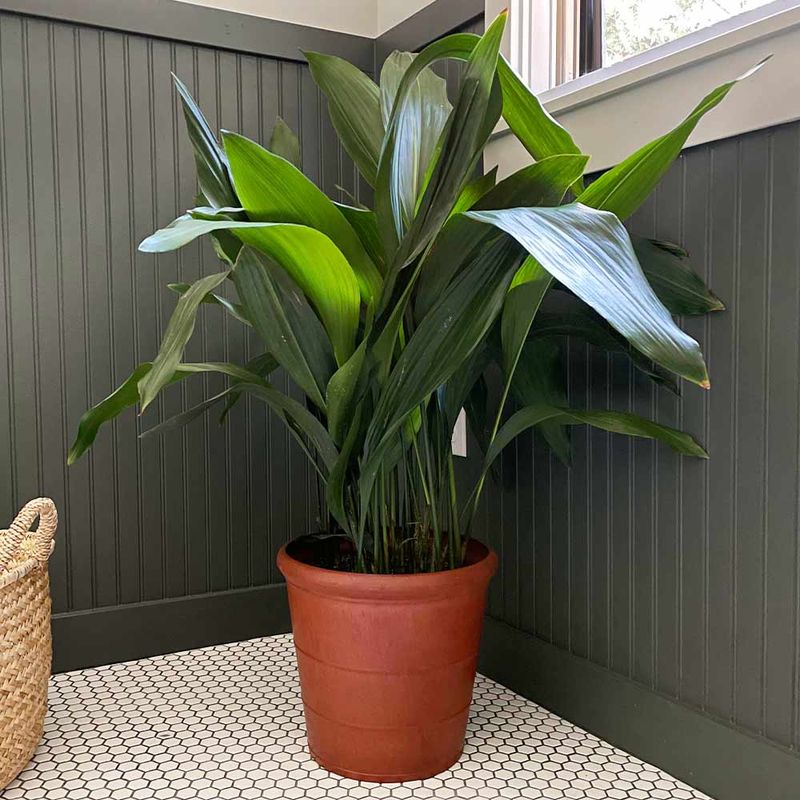
Victorian parlors filled with smoky gas lamps once hosted cast iron plants when few other greens could cope. Nicknames rarely fit this well, and I have watched mine shrug off neglect that sent ferns into sulks.
Aspidistra elatior grows wild on small Japanese islands, producing broad, dark green leaves on sturdy upright stalks. Each leaf can reach about two feet long, giving corners a lush look without much effort from you.
Its cold tolerance stands out among indoor plants, since it handles chilly rooms in the forties without complaint. Many Texas gardeners even grow it outdoors in shady beds, where it survives typical winters in much of the state.
That toughness makes it a smart pick for drafty entryways and bedrooms where older windows let winter air sneak inside. Summer heat suits it fine too, as long as direct sun stays off those wide leaves.
Bright sunlight bleaches and burns the foliage, so give it low to moderate indirect light instead. A north-facing room or a dim stair landing can work surprisingly well for this patient grower.
Water when the top inch or two of soil feels dry, and ease up during cooler months. Soggy roots cause more problems than drought, so pick a pot with a drainage hole every time.
Growth is slow, often just a few new leaves each year, so buy the largest plant you can afford. The ASPCA lists it as nontoxic to cats and dogs, which makes it a relaxed choice for pet homes.
4. Pothos
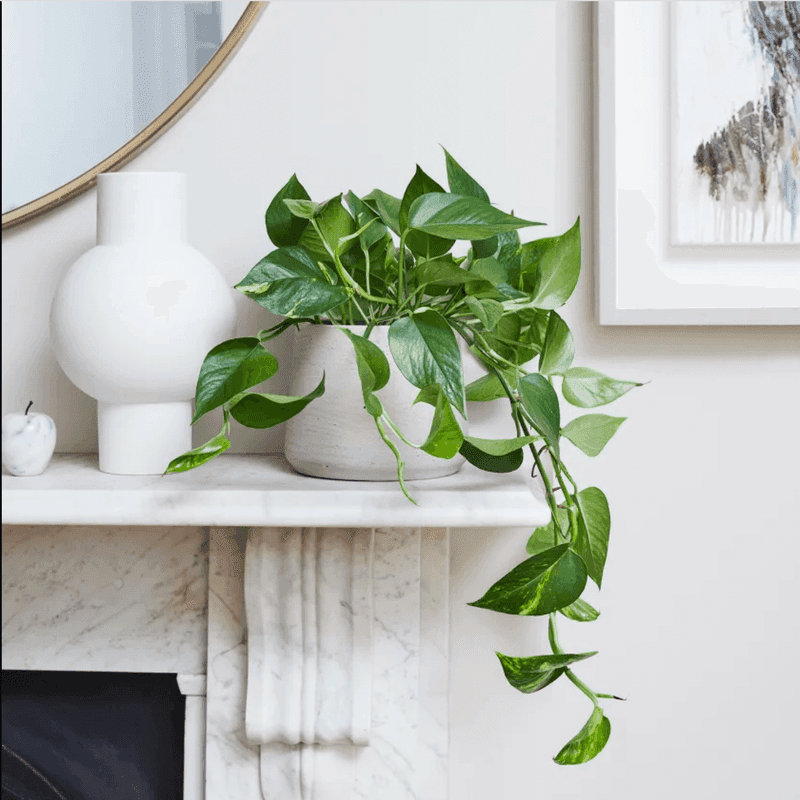
Cuttings of pothos root in a simple glass of water, and I have shared dozens with friends over the years. My kitchen vine started as one stem from a coworker and now trails across the top of the cabinets.
Epipremnum aureum is native to Mo’orea in French Polynesia, where it climbs trees using sturdy aerial roots. Indoors, the heart-shaped leaves stay smaller, often splashed with gold or creamy white depending on the variety.
Warm rooms between sixty and eighty-five degrees keep it growing steadily through the long, sticky summer months. Heat waves rarely slow it down, though leaves may droop until you give the soil a drink.
Cold air is its weak spot, so keep stems away from windows once nights drop toward fifty degrees. Leaves touching frosty glass can develop dark patches that will not recover, so trim them off cleanly.
Let the top inch or two of soil dry before watering, then soak it until water drains out. Yellow leaves usually signal soggy roots, while crispy brown edges point to a pot left dry too long.
Bright, indirect light keeps variegated types colorful, though plain green forms tolerate dim corners with less fading. A hanging basket near an east window lets the vines spill down while catching gentle morning light.
Pothos contains calcium oxalate crystals, so hang it high if your cat likes to nibble trailing greenery. Regular pinching encourages fuller growth, and every trimmed piece becomes another free plant for someone you love.
5. Chinese Evergreen
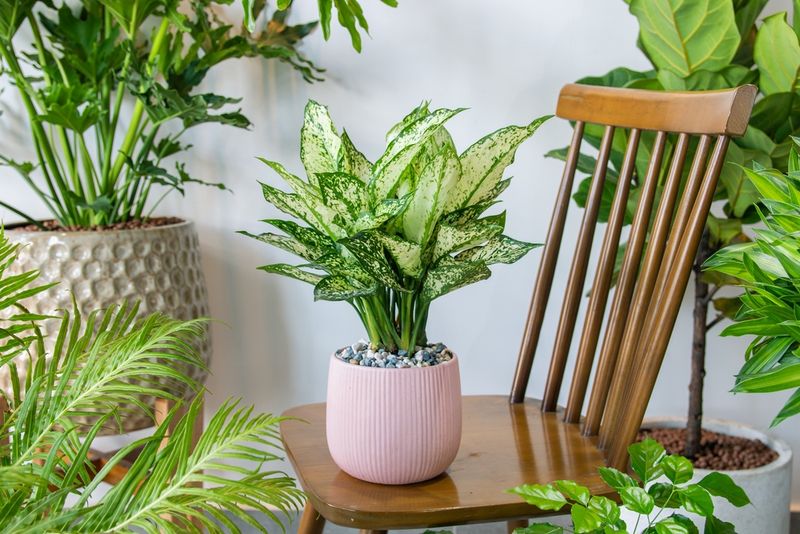
Pink-speckled leaves on some Chinese evergreen varieties look painted by hand, and they glow in dim rooms. Not going to lie, I bought my first one purely for the color and stayed for its easygoing attitude.
Aglaonema species come from tropical forests of Southeast Asia, where they grow beneath taller trees in filtered light. Older green types handle low light well, while red and pink hybrids prefer a bit more brightness.
Summer heat suits it nicely, and steady warmth between sixty-five and eighty degrees keeps new leaves coming. It does dislike cold, though, and temperatures below about sixty degrees can trigger chill damage on leaves.
That sensitivity means placement matters most when a freeze hits and drafty windows start leaking icy air. Move it toward the middle of a warm room, well away from exterior doors and chilly window glass.
Damaged leaves often show dark, water-soaked patches that appear a few days after the cold spell passes. Snip those leaves at the base, and the plant usually pushes out fresh growth once warmth returns.
Water when the top inch or two of soil feels dry, and reduce watering a bit during winter. Dry indoor air from heaters can brown leaf tips, so grouping plants together helps raise humidity slightly.
Slow growth keeps it tidy for years, which makes it ideal for desks and narrow bookshelves. Keep it away from pets, since the ASPCA notes its calcium oxalate crystals can irritate mouths and stomachs.
6. Spider Plant
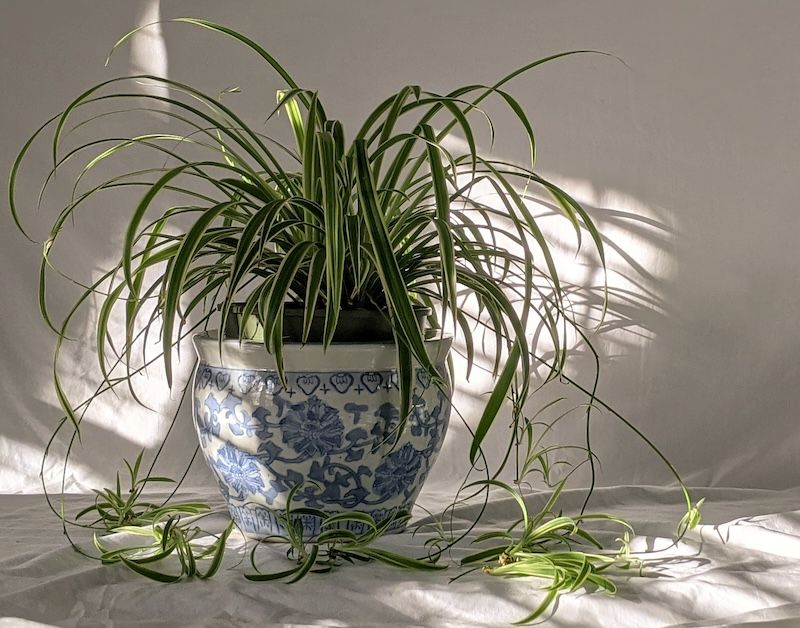
Baby plantlets dangling from long stems make spider plants look like they are hosting a lively family reunion. Don’t laugh, but I keep a jar of rooting babies on my windowsill just to give them away.
Chlorophytum comosum is native to southern Africa, where it grows in shaded spots with thick, water-storing roots. Those fleshy roots help it bounce back after a missed watering during a scorching summer week.
Spider plants handle cooler rooms better than many tropicals and grow happily between about sixty and eighty degrees. They can tolerate brief dips toward the mid-forties, though anything near freezing will damage the arching leaves.
In the warmest parts of South Texas, some gardeners grow them outdoors in shade as a ground cover. Indoors, they still appreciate protection from frosty windows when a strong cold front sweeps through the region.
Brown leaf tips are common and often come from fluoride or salts in tap water building up. Rainwater or distilled water can help, and trimming the tips at an angle keeps the plant looking neat.
Bright, indirect light encourages more plantlets, while dimmer rooms slow growth but rarely cause serious problems for the plant. Water when the top inch of soil feels dry, and let extra water drain freely from the pot.
The ASPCA lists spider plants as nontoxic to cats and dogs, which makes them friendly for pet households. Cats do love chewing the leaves, though, so a hanging basket saves your plant from constant nibbling.
7. Aloe Vera
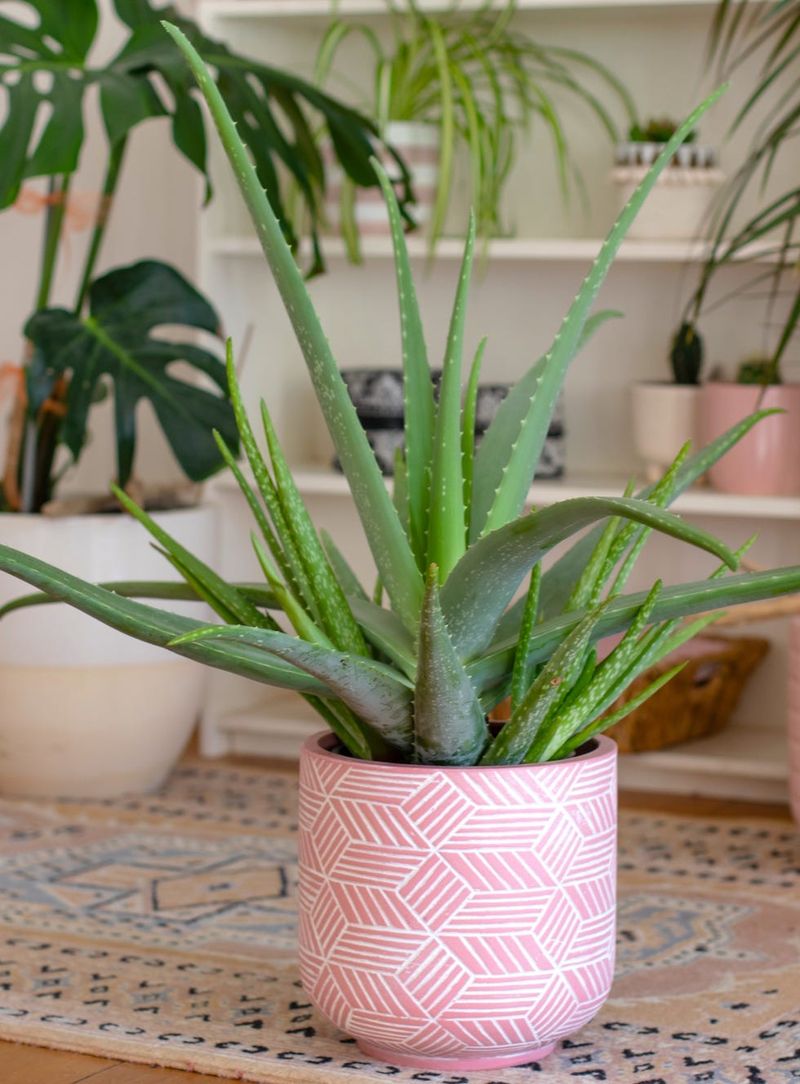
Snapping open an aloe leaf reveals a cool, clear gel that has been used on minor burns for centuries. I’m the first to admit I kept mine only for sunburns until it surprised me with a yellow flower spike.
Aloe vera likely originated on the Arabian Peninsula and has adapted to hot, dry places around the world. Thick leaves store water, so heat rarely bothers it as long as light and drainage stay generous.
This succulent loves sun, so a bright south or west window works well during most of the year. In low light, leaves stretch and flop over, which is a clear sign the plant wants more brightness.
Cold is the real enemy, and freezing temperatures turn the leaves soft and translucent, leaving damage that rarely recovers. Keep it above about forty-five degrees, and pull it back from icy glass during freezing nights.
If yours summers outdoors on a patio, bring it inside well before the first frost arrives. Afternoon sun in July can scorch even an aloe, so a little shade during peak heat helps.
Plant it in fast-draining cactus mix inside a terracotta pot that lets extra moisture escape quickly. Water deeply only when the soil is dry, which might mean once a month during cool winter weeks.
Pups often pop up around the base, and you can separate them to start new plants easily. Keep it away from pets, since the ASPCA lists aloe as toxic to cats and dogs.
8. Monstera Deliciosa
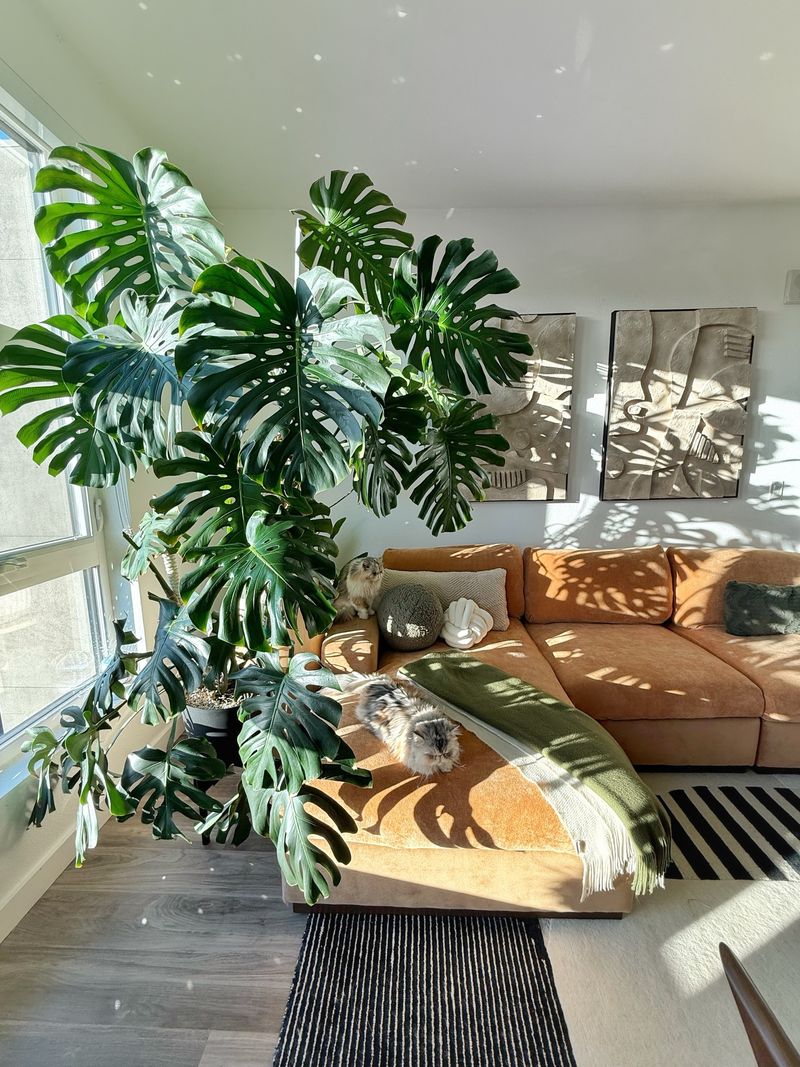
Holes in a mature monstera leaf may help wind and light pass through, according to several botanical theories. Here’s what gets me, though: those dramatic splits only appear once the plant feels settled and well fed.
Monstera deliciosa is native to tropical forests from southern Mexico to Panama, where it climbs tall trees. Indoors, it rewards steady care with huge, glossy leaves that can stretch two feet wide or more.
Warm, humid rooms between sixty-five and eighty-five degrees feel like home to this vigorous tropical climber. Summer heat in a bright living room often triggers a burst of new leaves every few weeks.
Cold drafts are another story, and temperatures below about fifty degrees can cause dark, damaged leaves. When a freeze or power outage hits, move it away from windows and cluster it with other plants.
Bright, indirect light helps produce those famous splits, while deep shade usually leads to smaller, solid leaves. Keep it a few feet from a west window, since hot afternoon rays can scorch the foliage.
Let the top two inches of soil dry before watering, and cut back during short winter days. A moss pole gives aerial roots something to grip, which encourages larger leaves as the vine climbs upward.
Its sap contains calcium oxalate crystals, so keep it out of reach of pets and curious toddlers. Give it room to spread, and it may become the showpiece plant your whole family talks about.