8 Plants That Look Even Better Covered in New York Snow
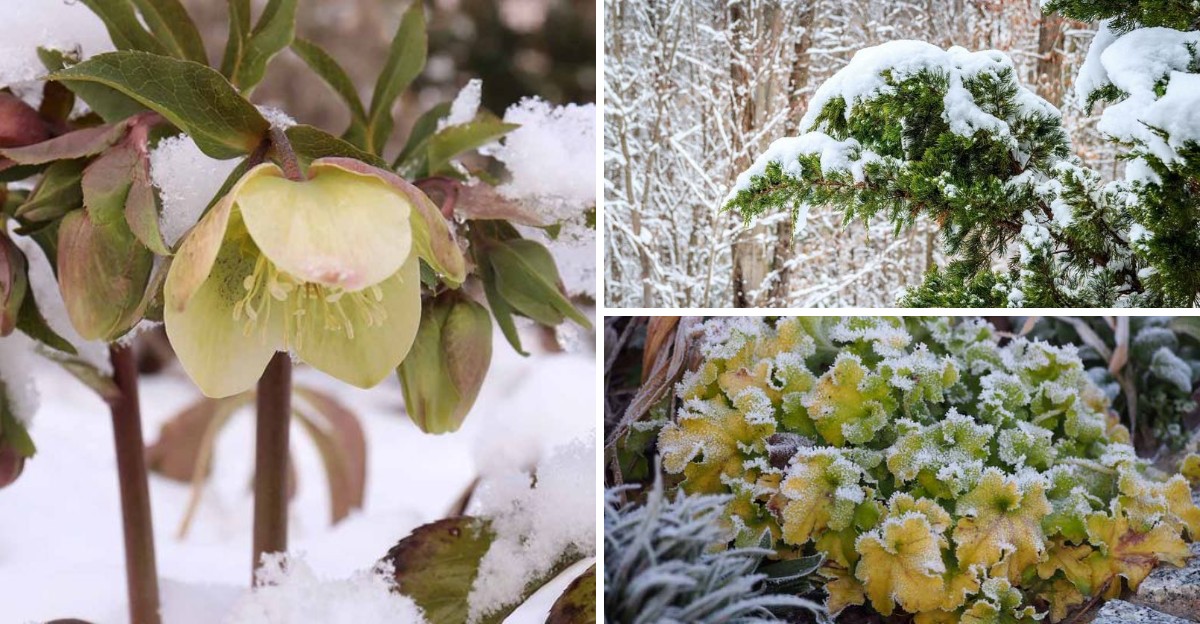
Fresh snow is mostly trapped air, sometimes over ninety percent, which makes it a surprisingly cozy blanket for sleeping roots. That fluffy layer does more than insulate, because it also turns ordinary branches and stems into instant winter art.
New York gardens get plenty of snow, and some upstate spots near the Great Lakes see well over 100 inches. That means our yards spend months under white, so the plants poking through really need to earn their spot.
I used to sulk all winter and ignore the garden until crocuses showed up in spring. Then one snowy morning, a single red shrub outside my kitchen window changed my mind about the whole season.
Trust me on this one, the right plants make a snowy New York yard look better than summer. My family now thinks I cheer for snowstorms, and honestly, they are not entirely wrong.
1. Winterberry Holly
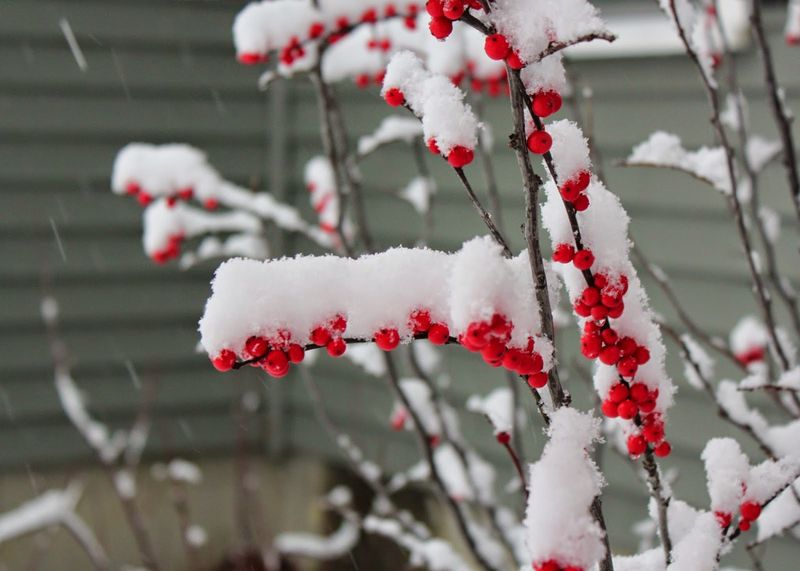
Few sights stop me in my tracks like scarlet berries glowing on bare branches right after a fresh snowfall. Winterberry, or Ilex verticillata, is a native holly that drops its leaves in fall and keeps the fruit.
Those berries often hang on well into winter, until hungry robins and bluebirds finally decide they taste good enough. I love watching that snack bar open up on gray afternoons when food is scarce for birds.
Fair warning, winterberry plants are either male or female, and only the females produce those famous red berries. Plant one male, such as Jim Dandy or Southern Gentleman, within about fifty feet of several females.
Match bloom times too, since Jim Dandy suits early bloomers like Red Sprite while Southern Gentleman pairs with Winter Red. Garden centers usually label these partners clearly, so a quick question at checkout saves you years of berry-free disappointment.
Winterberry handles USDA zones 3 through 9, so it shrugs off cold winters across nearly every corner of New York. It naturally grows in swamps and pond edges, so soggy, acidic soil suits it really well.
Average garden soil works fine too, though very alkaline ground can turn the leaves yellow over time. Give it full sun for the heaviest crop, since shady spots mean noticeably fewer berries each fall.
My favorite trick is planting a group near a dark evergreen, where the red berries practically glow against snow. Snip a few branches for your front porch pots, and the shrub will hardly notice they are gone.
2. Red Twig Dogwood
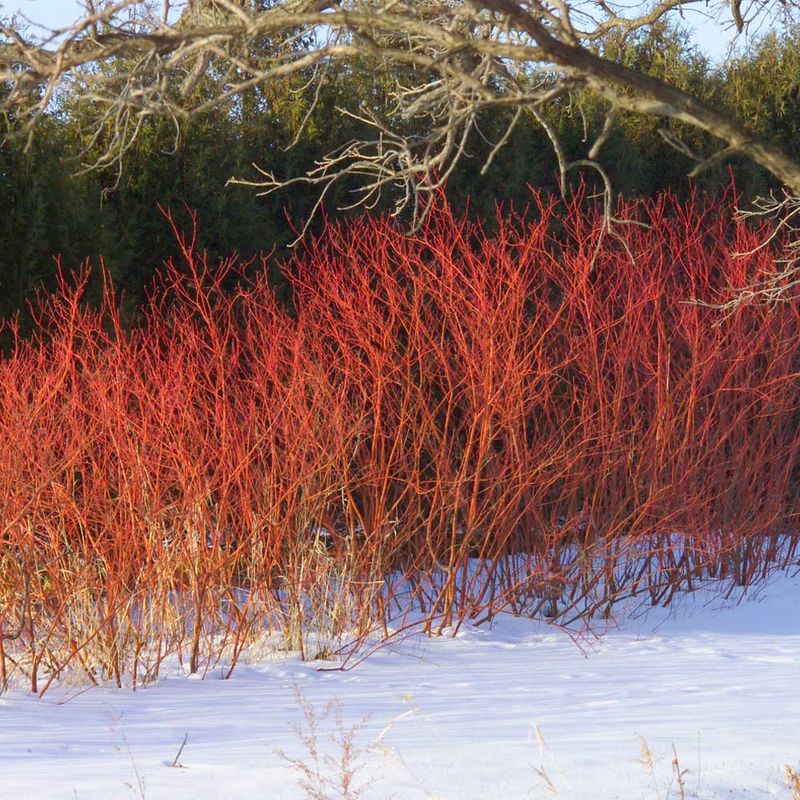
Nothing in my yard looks more like it got plugged into an outlet than red twig dogwood after a snowstorm. Those glossy crimson stems seem to buzz with color when everything around them turns white and quiet.
Known to botanists as Cornus sericea, this shrub grows wild across much of northern North America, including New York wetlands. It is hardy down to zone 2, so even the chilliest Adirondack yards can grow it without fuss.
Moist soil makes it happiest, and it handles soggy spots and heavy clay where fussier shrubs often sulk. That rain garden corner you could not figure out might be the perfect home for a small group.
I learned the hard way that old stems fade to a dull brownish gray within a few years. The brightest red shows up on young growth, so regular pruning keeps the show looking fresh.
Each spring before leaves appear, cut about one third of the oldest stems right down to the ground. Some gardeners cut the whole shrub back every few years instead, and it bounces back quickly.
Full sun brings out the richest stem color, while partial shade gives you a softer, less intense red. Wild plants can spread into wide thickets, so leave room or choose a compact cultivar like Arctic Fire.
Summer brings flat clusters of small white flowers, followed by whitish berries that birds gobble up fast. Still, winter is its real moment, especially when those red stems poke through a fresh layer of snow.
3. River Birch
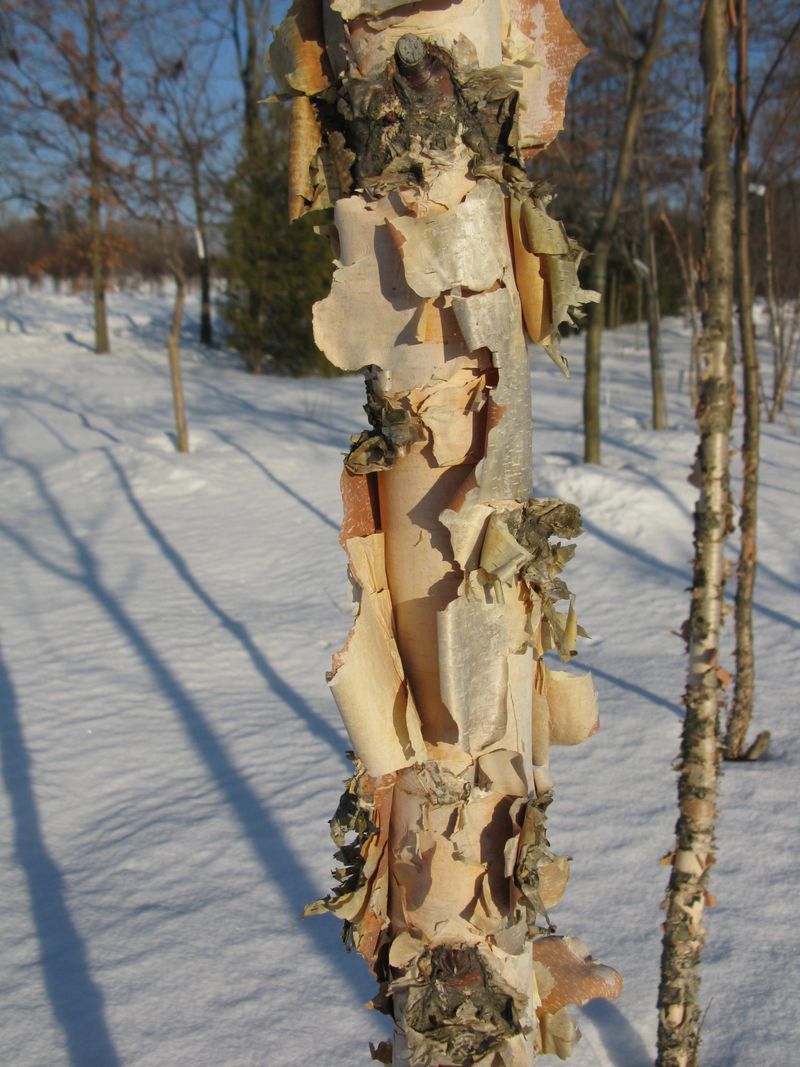
Don’t laugh, but I have stood in the snow admiring a tree trunk for longer than I want to admit. River birch bark curls away in papery sheets of warm cinnamon and creamy tan that flutter in winter wind.
Against a bright white snowbank, those shaggy trunks look like something out of a storybook illustration. Its scientific name is Betula nigra, and it grows naturally along streams and riverbanks in the eastern United States.
Most birches sulk in hot summers and fall prey to bronze birch borer, a nasty boring beetle. River birch shows strong resistance to that pest, which makes it a much safer bet for home landscapes.
It is hardy in USDA zones 4 through 9, which covers most yards outside the very coldest mountain pockets. Moist, acidic soil suits it best, and it handles periodic flooding better than most shade trees.
Give it room, because it often reaches 40 to 70 feet tall with a wide, spreading crown. Smaller cultivars like Little King stay closer to 10 feet, which suits tight suburban lots nicely.
Pick a multi-trunk form if you can, since several stems mean more peeling bark to enjoy each winter. Alkaline soil can cause yellow leaves, so a quick soil test before planting saves headaches later.
Young trees show smoother bark at first, so be patient while the shaggy look develops over several seasons. I promise the wait pays off the first time snow settles in those curly bark ribbons.
4. Hellebore
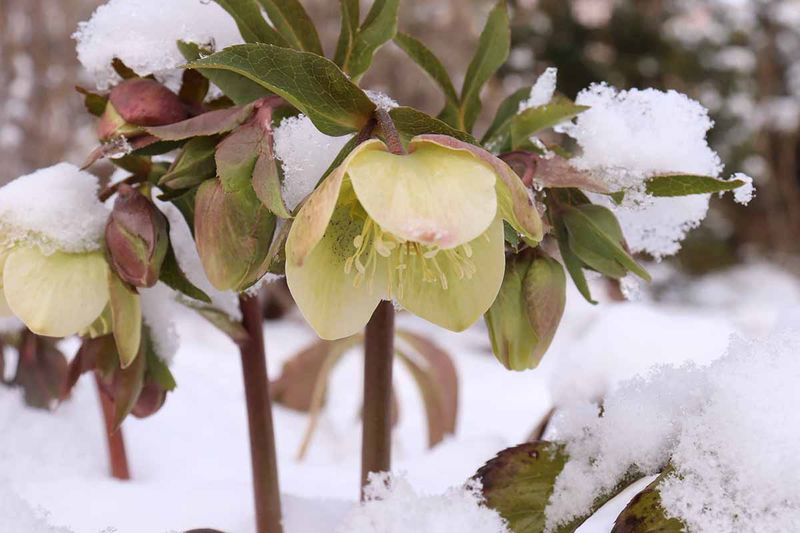
Flowers in the snow sounded like a fairy tale until I found hellebore buds nodding above a late March snowfall. Those cupped blooms in dusky plum and creamy white look almost too delicate for such cold weather.
Most garden hellebores sold today are hybrids called Helleborus x hybridus, often nicknamed Lenten rose for their early timing. They are not roses at all, since they belong to the buttercup family along with clematis.
Upstate gardens usually see blooms from late winter into spring, depending on how stubborn the cold is that year. Downstate yards near the coast often get flowers a few weeks earlier than colder inland spots.
Hellebores are hardy in USDA zones 4 through 9, and their leathery leaves stay green through much of winter. Plant them in partial shade under deciduous trees, where they get spring sun and summer cover.
Rich, well-drained soil with plenty of compost keeps them thriving, but soggy ground in winter invites root rot. A sloped bed or slightly raised spot gives you the best chance at healthy clumps for years.
Every year I snip off the tattered old leaves just as flower buds appear, so the blooms show clearly. That simple cleanup also cuts down on leaf spot disease, which loves hanging out on battered foliage.
Deer and rabbits mostly leave them alone, because every part of the plant is toxic if eaten. Wear gloves while dividing or trimming, since the sap can irritate skin, and keep curious pets away.
5. Eastern Red Cedar
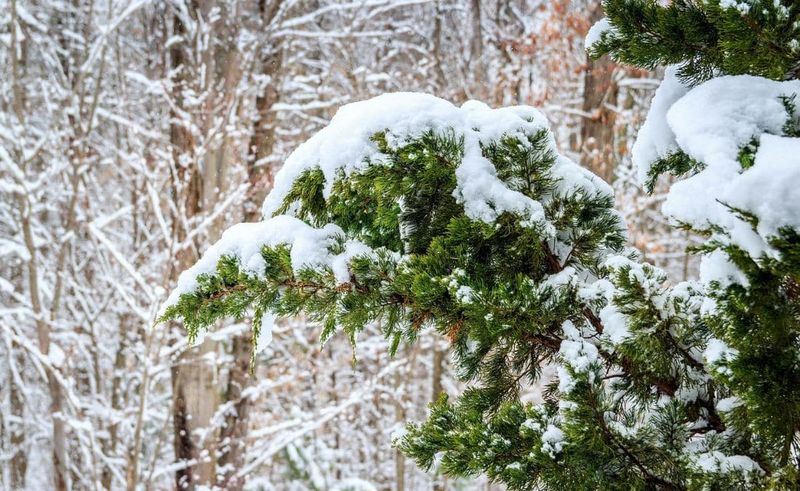
Snow piles onto eastern red cedar like frosting on a green cone, and I could stare at it all day. Funny enough, it is not a true cedar but a juniper, known to scientists as Juniperus virginiana.
Female trees carry dusty blue cones that look exactly like berries, and they hang on well into winter. Cedar waxwings got their name from their fondness for these fruits, and you will often spot flocks feasting.
Dense foliage also shelters songbirds from icy wind, which matters a lot during long, bitter cold snaps. I have watched juncos tuck into my cedar during storms like it was their personal hotel.
Hardy in USDA zones 2 through 9, the tree handles dry, sandy soil and roadside salt with little complaint. Give it full sun, because shade makes it thin and scraggly instead of dense and handsome.
Expect a pyramid shape that can reach 30 to 65 feet over time, so plan its spot carefully. Narrow cultivars like Taylor stay slim, reaching about 20 feet tall and only a few feet wide.
One honest caution, this juniper hosts cedar-apple rust, a fungus that bounces between junipers and apple trees. In spring you may see orange jelly horns on the branches, which look strange but rarely harm the cedar.
If you grow apples or crabapples nearby, choose rust-resistant varieties or keep the two plants farther apart. Spores can travel a long way, so distance helps but resistant varieties are the more reliable fix.
6. Boxwood
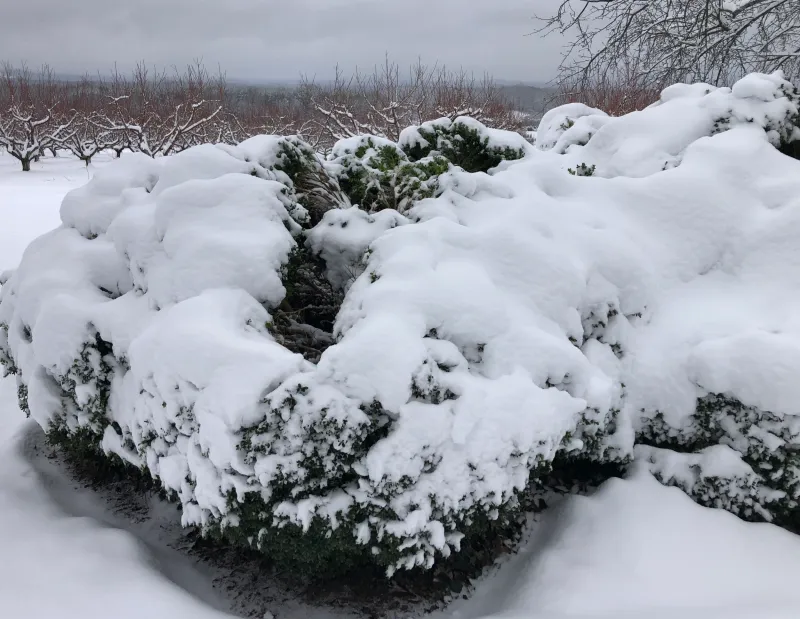
Snow turns a plain boxwood hedge into a row of soft marshmallows, and I find that oddly soothing. Those tiny glossy leaves stay green all winter, giving the garden shape when perennials have vanished underground.
Boxwood has been shaped into hedges and garden mazes for centuries, which explains its fancy, formal reputation. Truth is, it fits casual gardens nicely too, especially when you let it grow into loose rounded mounds.
For snowy regions, pick cold-tough choices like Korean boxwood hybrids such as Green Velvet or Green Mountain. Many of these handle zone 4 or 5 winters, which covers a big chunk of New York.
Winter sun and drying wind can turn leaves bronze, so a sheltered spot on the east side helps. Water deeply in late fall before the ground freezes, since evergreens keep losing moisture all season.
Heavy wet snow can splay branches apart, so brush it off gently with a broom instead of shaking hard. Sweep upward from below, because pushing down on frozen stems can snap them in the cold.
I’m not going to sugarcoat it, boxwood has real troubles lately, including boxwood blight and the box tree moth. The moth was first confirmed in western New York in 2021, so inspect plants carefully before buying.
Choose blight-resistant cultivars and space plants for good airflow, which helps leaves dry quickly after rain. Report suspicious caterpillars or webbing to your local Cornell Cooperative Extension office for quick, friendly advice.
7. Little Bluestem
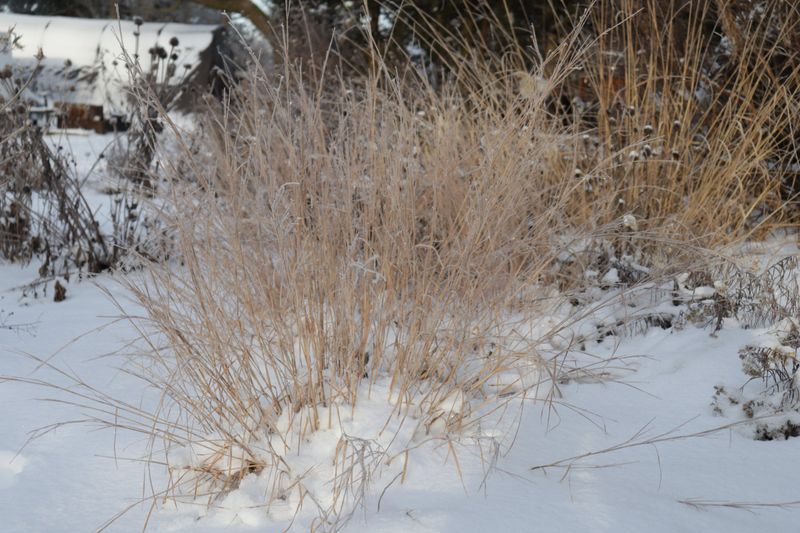
Little bluestem pulls off a neat magic trick every single fall, swapping its blue-green summer blades for coppery orange. Poking through snow, those warm clumps look like little campfires scattered across a quiet frozen meadow.
Botanists call it Schizachyrium scoparium, which is quite a mouthful for such a modest native prairie grass. It once covered huge stretches of the Great Plains, and it also grows wild in parts of New York.
Fluffy silvery seed heads line the stems by late fall, and they sparkle when frost or sunlight hits them. Juncos and sparrows pick at those seeds through winter, so your garden doubles as a bird feeder.
It grows in USDA zones 3 through 9 and really loves full sun with lean, well-drained soil. I’m guilty of pampering plants, but rich soil and heavy watering make this grass flop over sideways.
Skip the fertilizer and let it tough things out, since neglect keeps the clumps upright and tidy. Cultivars like Standing Ovation and The Blues were selected for sturdier stems and stronger seasonal color.
Leave the foliage standing all winter, because it adds texture and gives overwintering insects a cozy hideout. Cut the clumps down to a few inches in early spring, just before fresh green shoots appear.
Planted in a loose drift rather than a single clump, it creates a glowing ribbon of color. I like mixing it near dark evergreens so that copper shade pops even harder against fresh snow.
8. Coral Bells
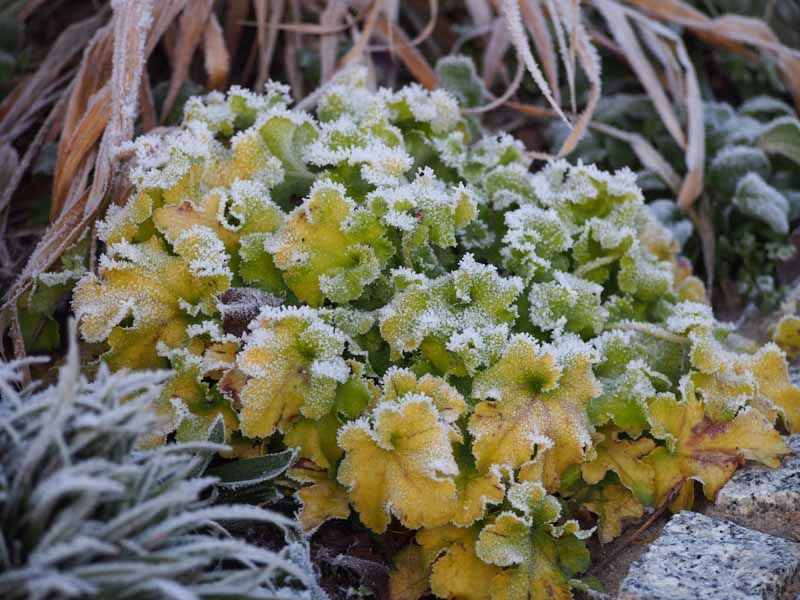
Brushing snow off a coral bells clump feels like unwrapping a gift, because the leaves underneath are often still colorful. Deep burgundy or bright lime foliage peeking out from white fluff instantly brightens a gloomy February walk.
Heuchera is the official genus name, and gardeners grow it mainly for leaves rather than its tiny summer flowers. Hummingbirds still visit those wiry flower spikes, so the blooms earn their keep in warmer months.
Several species grow wild in eastern North America, including Heuchera americana, which shows up in rocky woods. Breeders have crossed them into hundreds of cultivars, with leaf colors ranging from silver to nearly black.
Coral bells handle USDA zones 4 through 9, though in colder spots the foliage stays only partly evergreen. Snow cover actually helps here, shielding the leaves from harsh drying wind and wild temperature swings.
Bare winters are a real risk, because freezing and thawing can push the shallow crowns right out of the soil. A light layer of shredded leaves or mulch after the ground freezes helps keep them tucked in place.
Partial shade suits most varieties, and well-drained soil rich in compost keeps their roots from rotting. Heavy clay that stays soggy in winter is another common headache, since wet roots rot easily.
Come early spring, trim away any ragged or scorched leaves so fresh growth has room to shine. Tuck a few along a path edge, where you can admire them each time you shovel the walk.