8 Signs of Fire Ants in Your Florida Lawn Before You Get Stung
Some ants in southern yards can lock their legs together and float on floodwater as a living raft for days. I learned that fact after a soggy storm, and I have watched my Florida lawn more closely ever since.
Those same tiny builders hide most of their homes underground, sometimes several feet below the grass you mow. One colony can hold over two hundred thousand workers, and each one carries a sting that burns.
Don’t tell anyone, but my first run-in with them happened barefoot, while I chased a runaway garden hose. You might notice clues long before that moment, if you know where to look across Florida grass.
Most of the warning signs are easy to spot once your eyes learn what the soil is telling you. Hear me out, because a few of those clues might be sitting right beside your favorite flower bed.
1. Fluffy Dirt Mounds With No Hole On Top
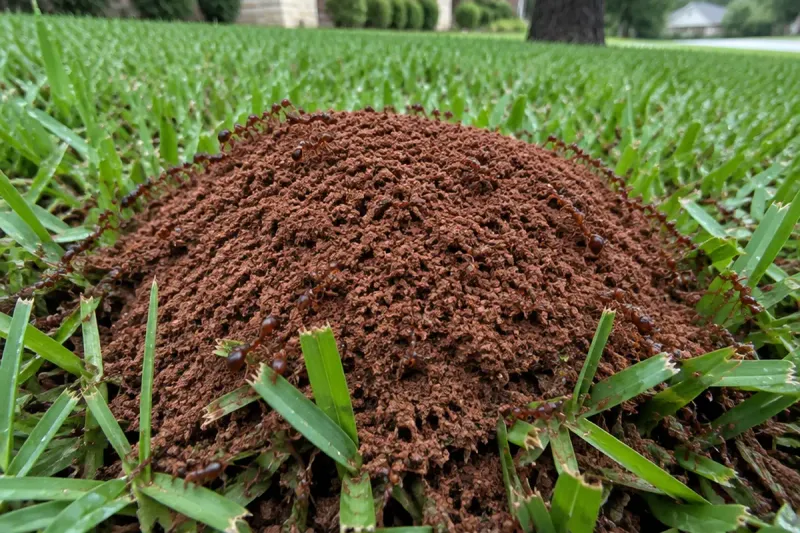
Most ant hills look like tiny volcanoes, but these mounds skip the crater and keep their front door hidden. I love how sneaky that design feels, since the ants actually come and go through tunnels away from the pile.
University of Florida experts say the workers enter through underground foraging tunnels that can open several feet from the mound. So a smooth dome with no visible opening is one of the clearest early clues you can find.
The soil itself often looks crumbly and fluffy, almost like someone stirred it with a fork and walked away. In sandy yards, mounds may sit lower and flatter, so they blend in with the grass more easily.
Mature mounds can reach about eighteen inches tall in heavy clay, though most lawn mounds stay much smaller. Size can fool you, because a modest bump may still hide a busy colony living right underneath it.
You need to resist the urge to poke the pile with a stick or the toe of your shoe. Even a light tap can send hundreds of defenders racing up the stick toward your hand within seconds.
Personally, I walk the yard every couple of weeks and scan sunny open spots, where these mounds appear most. A quick look from a few feet away tells you plenty without risking a painful surprise.
Mark any suspicious mound with a small flag so family members and mowers can steer clear of it. That simple habit buys you time to choose a treatment, such as a labeled bait, on a calm day.
2. Fresh Ant Mounds Popping Up After A Summer Rain

After a soaking afternoon storm, my lawn sometimes looks like it grew a crop of brand new dirt bumps overnight. What surprises me most is how fast the colony gets to work once the ground turns soggy.
Water fills the lower tunnels, so the ants move their young upward and pile fresh soil above the grass. Mounds that seemed flat for weeks can suddenly look tall and fluffy again by the next sunny morning.
During long dry spells, the colony often digs deeper to reach cooler and moister soil far below the surface. That habit explains why a yard can look clean in a drought and crowded with mounds after rain.
Keep in mind that a fresh mound often belongs to an older colony that was hiding there all along. The ants simply rebuild their roof after the water pushes them closer to the air they need.
You can turn this habit into an advantage by scheduling a slow lawn walk the day after rainfall. Wear closed shoes and long pants, and tuck the cuffs into your socks for extra protection.
Florida’s rainy season usually runs from late spring into early fall, so these walks matter most then. I like to count new mounds each time, because a rising number tells me the problem is growing.
One caution here matters a lot, since baits work poorly when the ground and the granules are wet. Wait for dry grass and a forecast without rain before you spread any product labeled for these ants.
3. Reddish Brown Ants Boiling Out Of Disturbed Soil
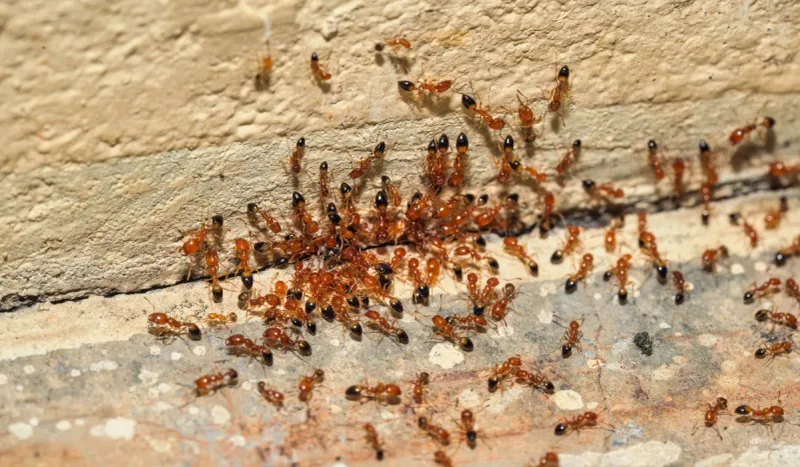
Brush a mound with a rake handle, and the surface seems to boil with angry reddish brown ants in seconds. Unlike many timid ants that scatter, these defenders rush straight toward whatever just touched their home.
Each worker grabs skin with its jaws, then curls its body and stings again and again in a circle. Within about a day, many people notice small white pustules forming where the venom went in.
Those little blisters are a signature of this species, so doctors and extension agents use them as an identifier. Still, I would much rather confirm the ants with my eyes than with my ankles, thank you.
A safe test involves tossing a small twig or dry leaf onto the mound from a few steps away. Watch closely, because a fast and furious swarm crawling up the twig is a strong hint you found them.
Colors run from coppery red to darker brown, with the rear section usually a shade deeper than the front. Native ants can look similar, so the furious swarming reaction matters more than color alone for identification.
I can’t imagine letting kids or pets play near a mound that reacts this way, even for a minute. Teach young gardeners to step back and tell an adult instead of stomping the pile in revenge.
If you do get stung, wash the area gently with soap and cool water, and avoid popping the pustules. Seek medical help right away if swelling spreads widely or breathing feels difficult after any sting.
4. Worker Ants Of Mixed Sizes Marching Together
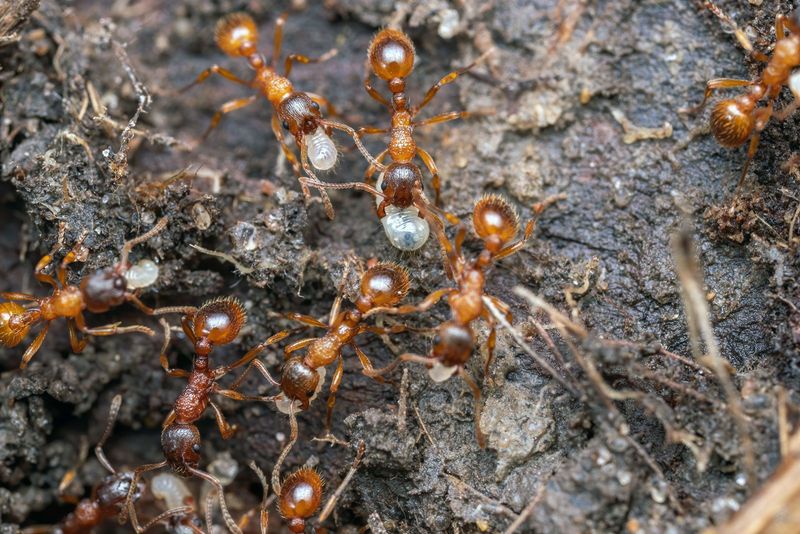
Peek at a fire ant trail with a magnifying glass, and you will spot tiny workers beside surprisingly chunky ones. Scientists call this mix polymorphism, and it is one of the easiest ways to tell these ants apart.
Workers in a single colony range from about one eighth inch to roughly one quarter inch long. Many common yard ants, by contrast, send out workers that all look nearly the same size.
I love how that size spread works like a built-in crew, with bigger ants tackling heavier jobs. Smaller workers tend to stay inside caring for the young, while larger sisters often venture out more.
Look closer and you might notice two small bumps, called nodes, on the narrow waist behind the legs. Their antennae also end in a two-part club, though spotting that detail usually takes a hand lens.
You need to keep your hands off during this detective work, since even the tiniest worker can sting. I drop a crumb of cookie or a potato chip near a trail, then watch from a safe distance.
Within half an hour, foragers usually cover the snack, which makes size differences much easier to compare. A phone camera with zoom works nicely too, and the photo can help an extension office confirm things.
County extension offices across the state often help residents identify ant samples or photos at little or no cost. Knowing exactly which ant you have matters, because some native species are harmless and even helpful neighbors.
5. Winged Ants Flying Out Of Lawn Mounds
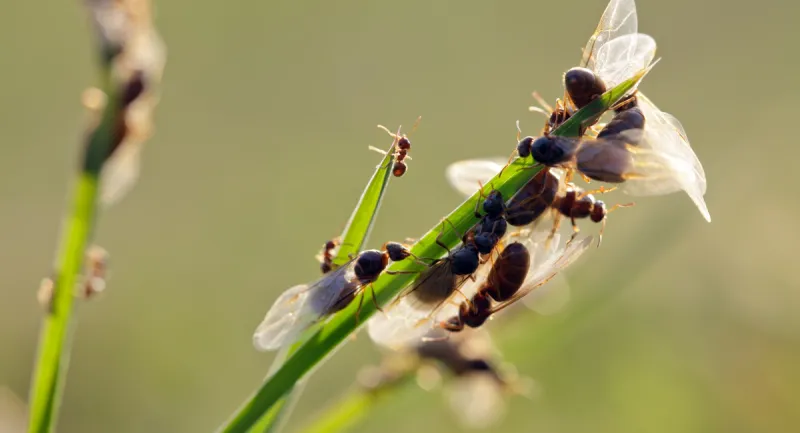
A warm, sunny morning after rain can turn a quiet mound into a launch pad for shiny winged ants. These are young queens and males heading out on mating flights, and the sight honestly stops me mid-step.
Flights can happen in many months in warm climates, though spring and early summer are especially busy times. Workers crowd the mound surface first, then the winged ants climb grass blades and lift off.
After mating high in the air, a new queen lands and pulls off her wings before digging a tiny chamber. Each successful queen can start a fresh colony, which is how lawns get new mounds season after season.
Spotting loose shed wings on a patio or sidewalk can be another sneaky clue that flights happened nearby. Wingless queens wander about looking for soft soil, so a few odd ants on pavement deserve a glance.
I have to admit the first swarm I saw looked like smoke drifting up from my front lawn. Winged males cannot sting at all, but the workers guarding the launch are especially feisty that day.
Note the exact mounds where you see flights, since those colonies are mature and worth treating first. UF experts suggest broadcasting bait across the whole yard in spring or fall to reach hidden colonies too.
Neighbors share this problem, because queens can fly a good distance before choosing a landing spot. Some Florida communities coordinate treatment across many yards, which helps slow the arrival of new mounds.
6. Ant Mounds Hugging Sidewalks And Tree Trunks
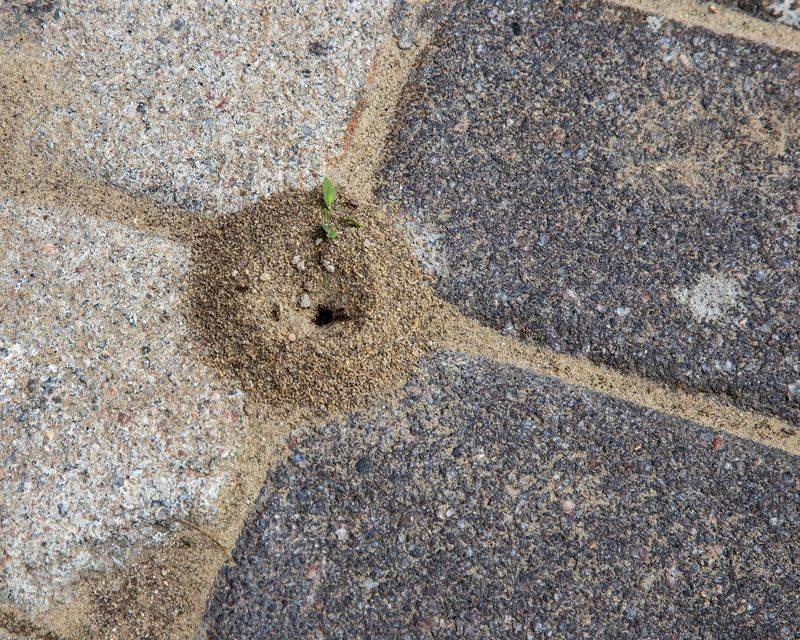
Sometimes the sneakiest mound in the yard hides right against the warm edge of a concrete sidewalk. Fire ants seem to adore these spots, and I find them tucked along my driveway nearly every summer.
Pavement soaks up heat during the day, which helps the colony keep its young warm and growing quickly. Cracks and seams also give workers easy tunnels, so a little loose sand along an edge deserves attention.
Tree bases are another favorite, especially where roots lift the soil and create small hidden pockets. Rotting stumps and landscape timbers can shelter colonies too, often with barely any visible dirt above them.
You might notice loose granules of soil sprinkled around a stepping stone, almost like spilled brown sugar. Lifting that stone slowly with a long tool often reveals a busy chamber full of scrambling workers.
Personally, I check flower bed borders too, since mulch and edging create cozy, sheltered spaces ants enjoy. Potted plants sitting on soil can hide a colony underneath, so tilt them carefully before moving them.
Gloves with snug cuffs make a huge difference whenever you weed along edges or pull up old stumps. Brush off your sleeves often, because ants climbing your arms tend to sting together once one gets alarmed.
Individual mound treatments work well near sidewalks, where spreading bait across the pavement would only waste product. Follow the label closely, and keep treated areas off limits to children and pets until the product settles.
7. Ants Crowding Air Conditioner And Utility Boxes
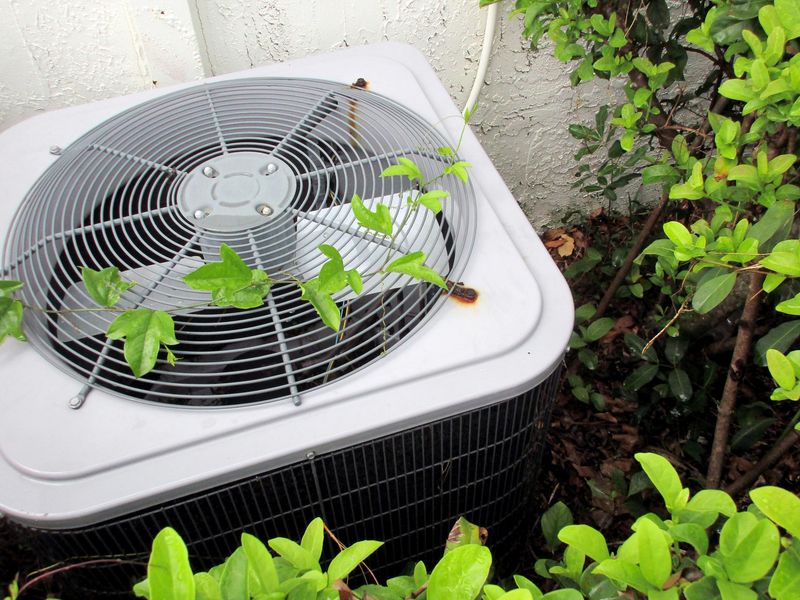
Few things surprise homeowners more than an air conditioner that quits because ants packed themselves inside it. Fire ants are drawn to electrical fields, and they will crowd switches and contacts in surprising numbers.
When one worker gets zapped, it releases chemical signals that call even more nestmates to the same spot. Their crowded bodies can bridge contacts or short circuits, which leads to repair bills nobody enjoys.
I like to peek around the outdoor AC unit every few weeks during warm months, flashlight in hand. Look for loose soil piled against the pad, or small ant clusters gathered near wiring and seams.
Pool pump housings and landscape lighting transformers attract these ants as well, so add them to your checklist. Utility company boxes belong to the provider, so call them instead of opening the cover yourself.
You need to turn off power before inspecting any equipment, because ants and electricity make a risky pair. A licensed technician can clear packed ants from contactors safely if the unit already stopped working.
Keeping the ground around the pad free of mulch piles and clutter makes the whole area less inviting. A yard-wide bait program also reduces the number of colonies that might wander toward your equipment later.
Summer heat in Florida pushes air conditioners hard, so a breakdown from ants feels extra miserable then. A quick monthly glance costs you almost nothing, and it might save a sweaty weekend waiting for repairs.
8. Ant Trails Swarming Outdoor Pet Food Bowls
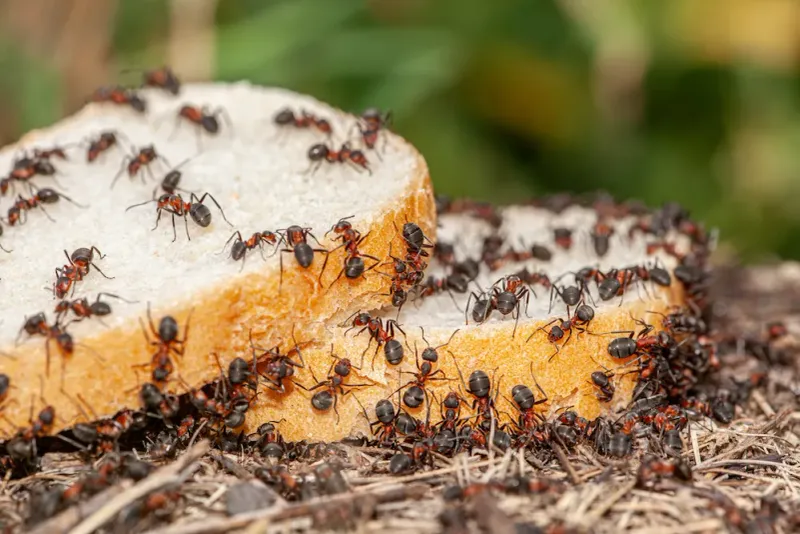
My dog once walked away from his dinner bowl and stared at me like I had served him a puzzle. A closer look showed a thin reddish line of ants marching right over the kibble and the rim.
Fire ants eat a wide range of foods, and they especially crave protein along with greasy or sugary scraps. Pet food checks most of those boxes, so outdoor bowls become magnets for foragers searching the yard.
Foraging tunnels and surface trails can stretch many feet from the mound, so the colony may sit surprisingly far away. Following the trail backward from a safe distance often leads you straight to a hidden nest.
Workers forage most actively when soil temperatures feel comfortable, roughly between seventy and ninety five degrees Fahrenheit. In hot summer afternoons they often pause, then return to the bowls during cooler mornings and evenings.
You might notice the same kind of trail near grills or under backyard citrus trees dropping ripe fruit. Any spot with spilled food gives foragers a reason to visit, and they recruit friends very quickly.
Personally, I now feed pets indoors or pick up outdoor bowls as soon as mealtime ends each day. Setting a bowl inside a shallow tray of soapy water creates a moat that stops most curious climbers.
Pets that get stung on the face or paws deserve a call to the vet, especially if swelling spreads. Catching these foraging lines early is easily one of the kindest favors you can do for furry family members.