Valley Fever Spores in Arizona Soil Make a Mask a Smart Habit When You Dig
A mask is a smart habit when you dig in Arizona, because soil can hold fungal spores that cause Valley fever. Those spores are tiny, and a shovel can lift them into the air as dust.
Most people who breathe them in never get sick, but some do. A few simple habits can lower your exposure without taking the joy out of gardening.
The Fungus Is Not in Every Arizona Yard

Valley fever is real in Arizona, but the fungus behind it is picky about where it lives. Coccidioides grows in certain desert soils, and CDC information on Valley fever areas says it is not spread evenly and may be absent from some places, even inside mapped regions.
That means your yard might have it, or it might not. Arizona’s own disease protocol notes that most soil in endemic states is free of the fungus.
Nobody can tell by looking at a patch of dirt, which is why simple habits make more sense than worry.
Think of it like hidden pockets rather than a blanket over the whole state. Some gardeners dig for decades without a problem.
Others live in spots where the fungus is more likely. Since you can’t know for sure, it helps to treat dusty digging with a little extra care.
The goal is balance. You don’t need to fear every flowerbed or avoid your garden.
You just want to be thoughtful when your work sends dust into the air.
How Digging Can Put Spores in the Air
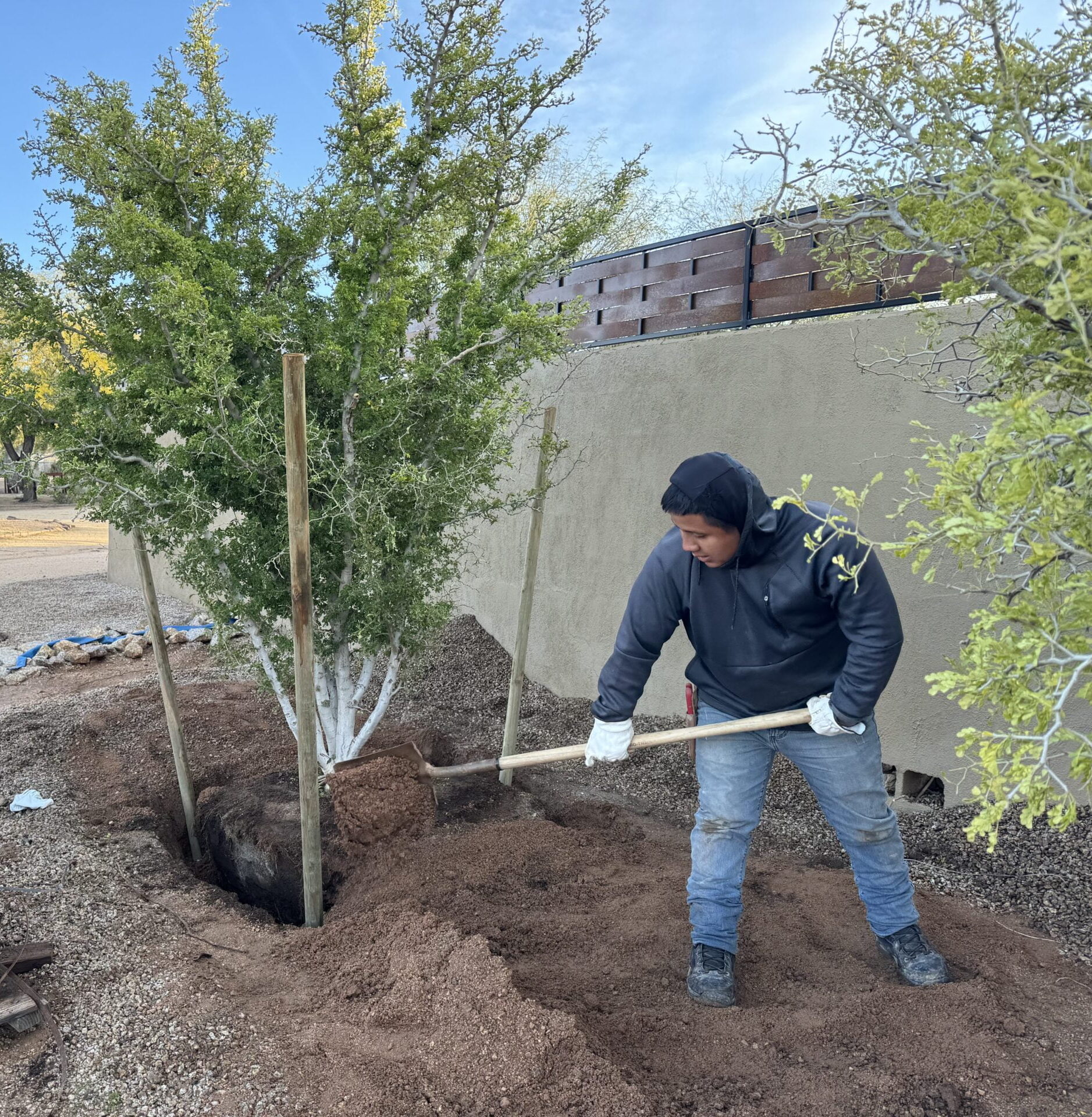
Every shovelful of dry dirt can send up a little puff of dust. If the soil happens to hold Coccidioides, CDC prevention guidance explains that disturbing it can put the spores into the air, where they can be breathed in.
Breathing is the main way people get infected. Simply touching soil is not the usual route, so you don’t need to panic about dirty hands.
Valley fever also does not spread from person to person, so a sick friend is not a risk to you.
Here is the reassuring part. CDC symptom information notes that many people who breathe in spores never get sick.
Still, some do become ill, and you can’t predict who.
That is why the dust matters. Less dust in the air means fewer spores to breathe, if any are there at all.
The rest of this article is about cutting down that dust.
Pay Attention When Gardening Raises Dust
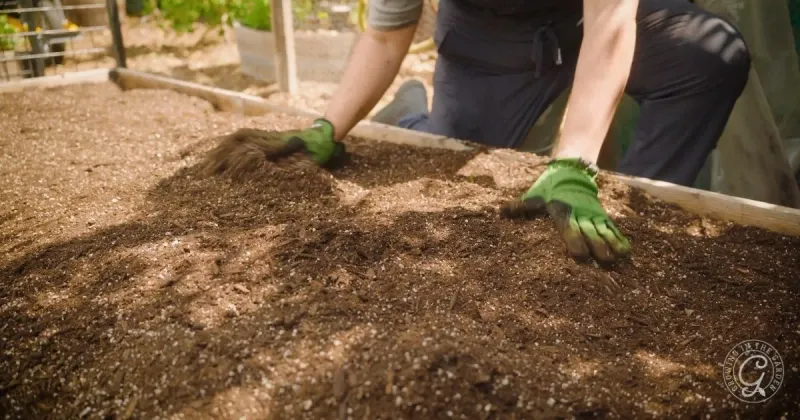
Some garden jobs barely stir the ground, and others kick up a haze. Pulling a weed from damp soil is one thing.
Breaking up hard, dry caliche-heavy ground or turning over a whole bed is another.
Watch for visible dust. If you can see it drifting around your boots or hanging in the air, that is your cue to adjust.
CDC guidance suggests avoiding dusty areas when you can and using a respirator when you can’t.
Not every task carries the same risk, and a dusty afternoon does not mean you will get sick. It simply means more chance of breathing in whatever is in the dirt.
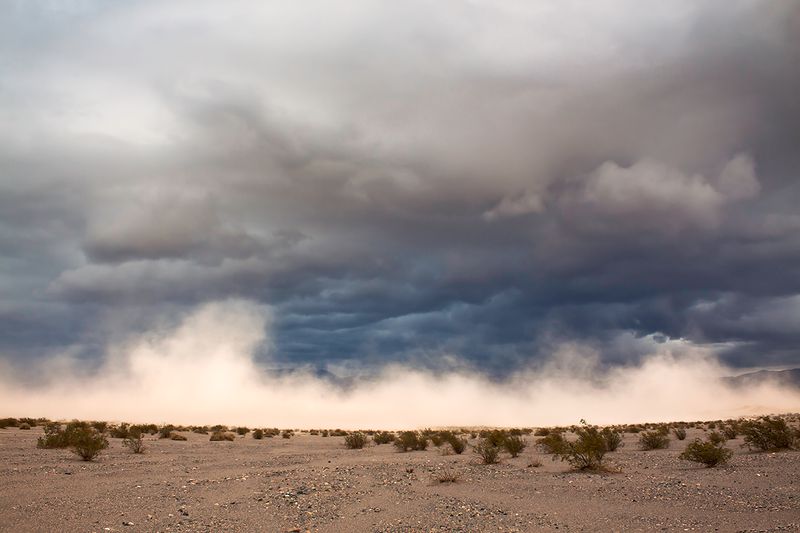
What about big wind events? A 2021 GeoHealth study found no consistent rise in Valley fever cases after dust storms.
Even so, pausing outdoor work in thick dust is a sensible way to avoid a lungful of grit.
Reduce Dust Before and During Digging
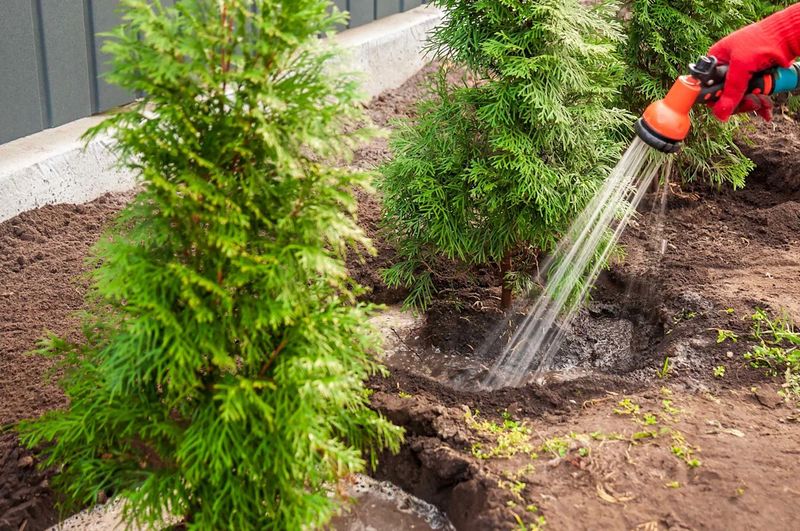
Water is your best friend here. Wetting the soil before you dig keeps dust down, so give the area a gentle soak and let it sink in.
Damp, not muddy, is the sweet spot.
Other habits help too. Limit hand digging when a tool or a short job will do, and stay upwind of the dust when you can.
If winds pick up or a dust storm rolls in, pause the work and try again another day.
These steps appear in California public health guidance and are meant to lower exposure, not to guarantee protection.
Workers on construction sites follow more detailed rules. NIOSH worker guidance covers employers and employees, so treat it as occupational advice rather than a rulebook for your backyard.
Use a Well-Fitting N95 in Dusty Conditions
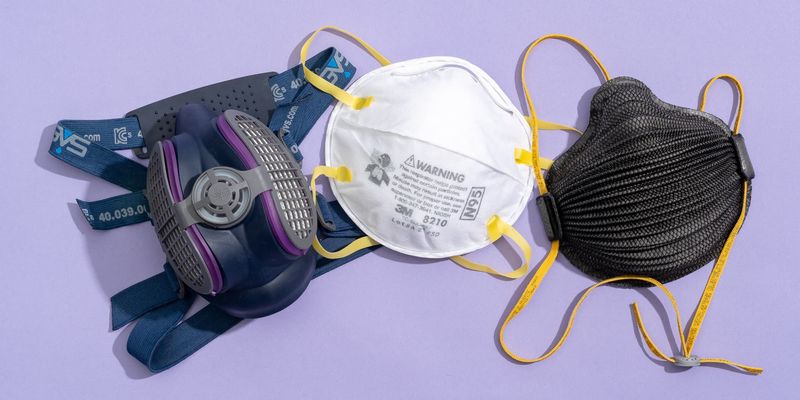
When dust can’t be avoided, a fitted N95 is a reasonable extra step. Look for one marked NIOSH-approved, since that label tells you it met federal filtering standards.
Cloth masks and loose paper ones are not the same thing.
Fit matters a lot. NIOSH instructions for N95 use explain that the mask should seal closely against your face, because gaps can undermine how well it works.
Facial hair and loose straps are common culprits.
Respirators can make breathing harder. If you have heart or lung problems, talk with a clinician before using one.
NIOSH selection guidance covers choosing the right type.
An N95 is not a promise of protection, and you don’t need one for every quick garden chore. Save it for the dusty jobs, along with wetting the soil first.
Who Is More Likely to Become Seriously Ill?
Anyone can get Valley fever, but some people face a higher chance of severe illness. CDC lists people with weakened immune systems, diabetes, or pregnancy among them.
It also names people who are Black or Filipino, and those over 60.
Notice the word severe. These factors are about how sick someone might get, not about who can be infected.
A healthy 30-year-old can catch it too.
If you fall into one of these groups, you may want to be a little more careful about dusty digging. You might also ask a family member to handle the heaviest soil work, or wet the ground well before you start.
A chat with your healthcare provider can help you sort out what makes sense for you. Gardening can stay a joy with a few smart changes.
Know What Symptoms to Watch For

If spores do cause illness, symptoms may start about one to three weeks after breathing them in. That gap makes it easy to forget the dusty afternoon in the garden.
CDC lists cough, fever, fatigue, headache, shortness of breath, aches, and rash as possible signs.
Plenty of other illnesses cause the same symptoms, so you can’t diagnose Valley fever on your own. A cold or the flu can feel very similar.
Only a healthcare provider can sort it out, often with tests.
The trigger for a call is persistence. If symptoms linger or get worse, contact your provider.
Mention that you live in Arizona and have been digging or working in dust.
That detail can help your provider decide what to check. Early answers can bring peace of mind and, if needed, proper care.
Make Dust Awareness Part of Your Routine
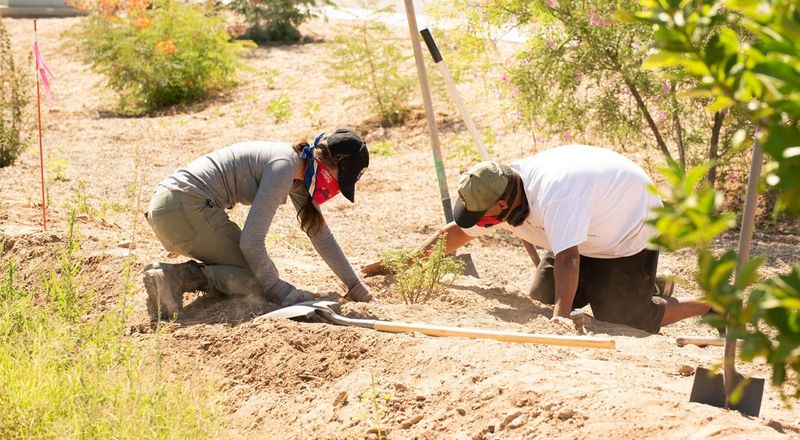
Gardening in the desert can be a pleasure when you stay alert to dust. Notice when your work stirs it up, wet the soil where you can, and slow down when the wind rises.
If dust can’t be avoided, consider a fitted N95, as CDC guidance suggests.
None of this guarantees you will avoid Valley fever, and none of it is a universal rule. It just tilts the odds a little in your favor.
A damp shovel and a good seal beat a cloud of dust every time.