Who’s Responsible When Ice Brings a Neighbor’s Branch Down on Your Fence in Ohio?
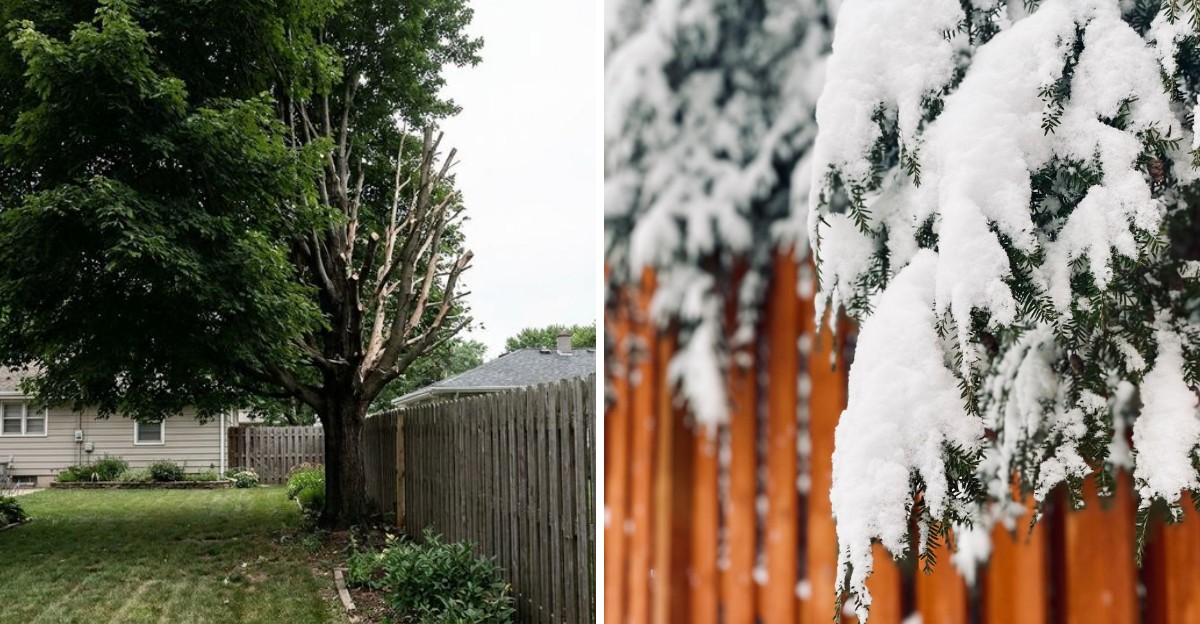
Half an inch of ice can add hundreds of pounds to a single tree limb. That is enough weight to snap a healthy branch and flatten a fence panel in one loud crack.
I still remember the sound of my first ice storm. It was part thunderclap, part breaking glass, and then a long, sad crunch.
In Ohio, the cleanup question shows up fast. Your neighbor owns the tree, so they should pay, right?
For years, I assumed the same thing.
The legal answer surprised me, and it may surprise you too. A lot depends on what that tree looked like before the storm, and on a few simple steps you take after it.
When the ice finally lets go, the bill doesn’t always land where you’d expect.
That Snapped Limb on Your Fence Might Not Be Your Neighbor’s Bill
Few winter sights sting like a glittering, ice-heavy branch resting on top of your crushed fence boards. Your first instinct is probably to march next door with a repair estimate.
Hold that thought for a moment. In Ohio, the person who owns the tree is not automatically the person who pays.
Courts look at why the branch fell, not just where it came from.
Ice storms are a classic example of a natural force nobody controls. When freezing rain coats a limb, the extra weight can be huge.
Even a sturdy, well-kept tree can lose a branch under that load.
So the big question becomes simple. Was this a healthy tree that gave way to nature, or a weak tree that was a known problem?
Your answer shapes everything that comes next, from insurance to neighbor talks.
I like to treat that first hour as fact-gathering time. Look closely at the broken end of the branch.
Is the wood pale and solid, or dark, crumbly, and hollow? That small detail often hints at which way the responsibility leans.
Snap a few clear photos before anyone moves anything. Those pictures may matter more than you expect once the ice melts.
Healthy Trees Felled by Freezing Rain Usually Count as an Act of God
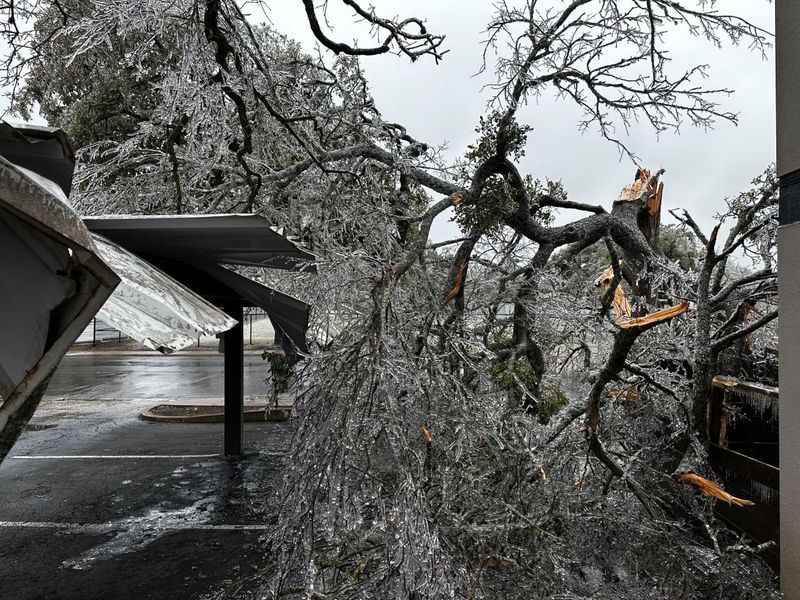
Lawyers have an old-fashioned phrase for storms like this. They call them acts of God, meaning natural events no reasonable person could prevent.
Under Ohio law, a tree owner is generally not liable when a healthy tree or limb falls because of ice, wind, or lightning. If nothing looked wrong with the tree beforehand, your neighbor usually owes nothing for your fence.
That can feel unfair at first. Your fence did nothing wrong either!
Still, the rule makes sense when you flip it around. You would not want to pay for your neighbor’s shed if your sound oak dropped a limb in a freak storm.
In these cases, your own homeowners insurance is typically the place to turn. Most standard policies cover fences as other structures, even when the tree belongs next door.
You will usually pay your deductible first.
One quick tip saves a lot of grumbling. Check your deductible before you file.
If a few fence boards cost less than that amount, paying out of pocket may be easier, and it keeps a small claim off your record.
Friendly neighbors sometimes split the cost anyway. Asking politely never hurts, even when the law does not require it.
A Rotten or Hollow Trunk Can Shift the Blame Next Door

Now for the twist that changes the story. Negligence is the big exception to the act of God rule.
If your neighbor knew, or reasonably should have known, that the tree was unsafe, they may be on the hook. Ohio courts call this notice.
Actual notice means they were told or clearly saw the problem. Constructive notice means the danger was obvious enough that a reasonable owner would have noticed.
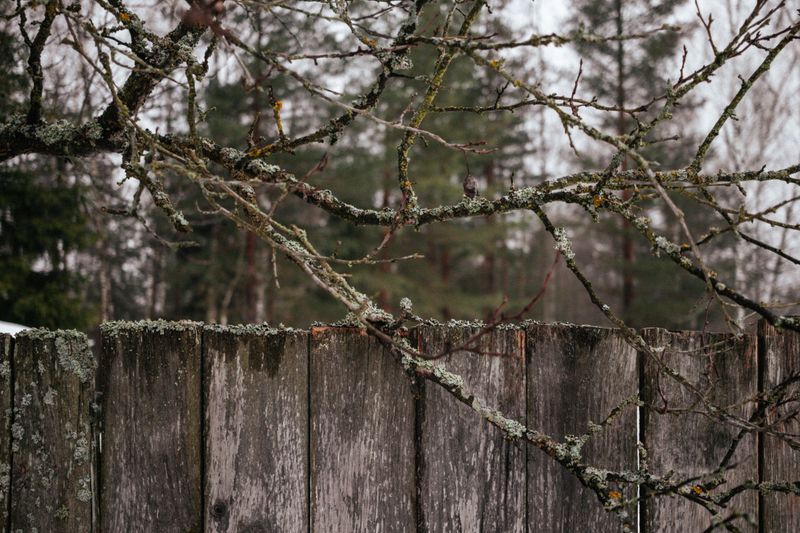
Picture a limb with no leaves for two summers, or a trunk with a gaping hollow. When ice finally brings that weak wood down, a court may see a preventable accident instead of pure bad luck.
Your insurance company may also care about this detail. After paying your claim, an insurer can sometimes seek repayment from the neighbor’s insurer through a process called subrogation.
You might even recover your deductible that way.
Proving negligence takes evidence, though. Photos of the tree before the storm, dated messages, and an arborist’s opinion all help.
A quick look at the broken wood can also show decay that was there long before the ice arrived.
For larger losses, a short chat with an attorney is worth the time.
Cracked Bark and Leafless Limbs Are Warning Signs Worth Spotting
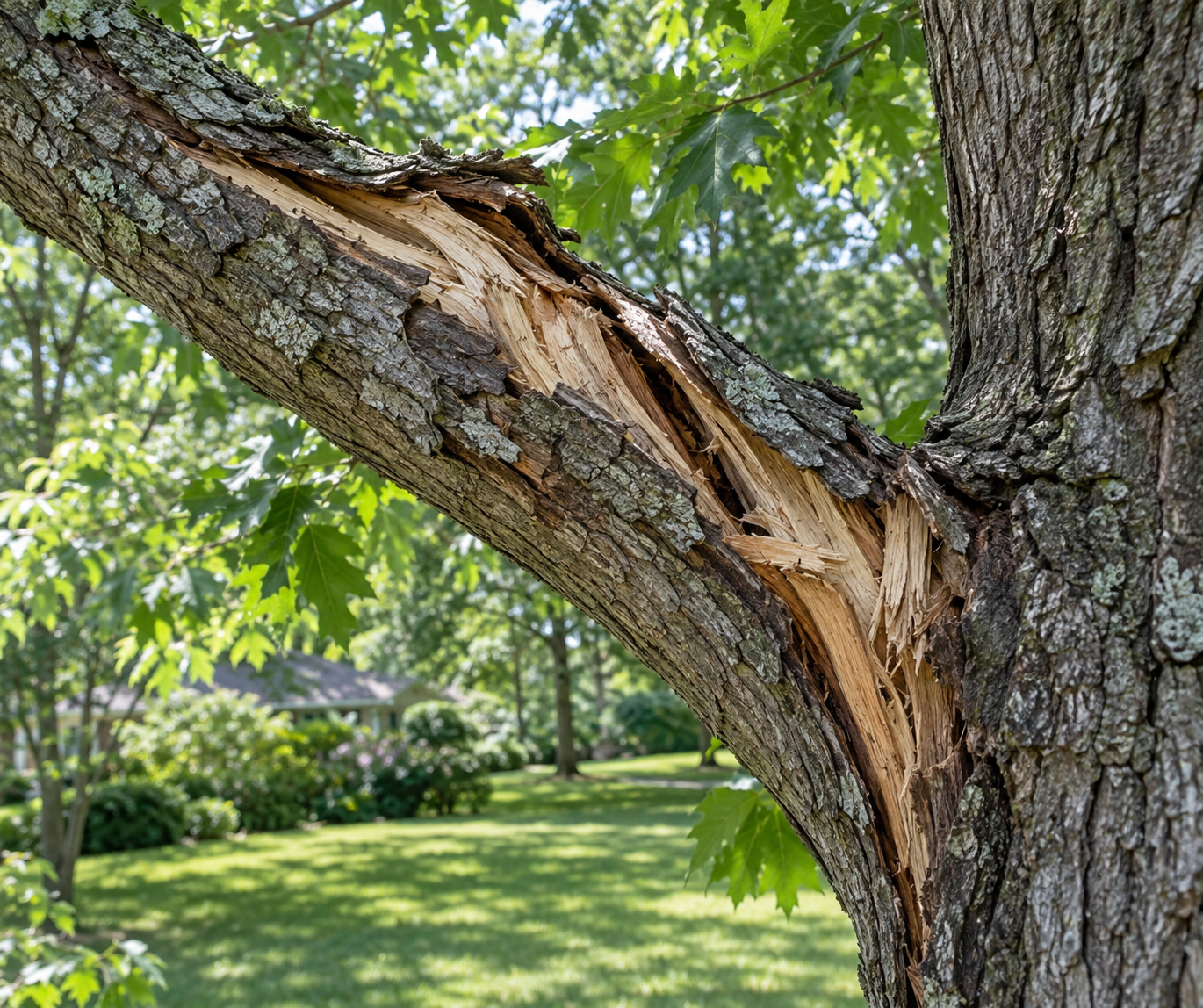
Trees tend to whisper before they shout. Learning their warning signs is a handy skill for any gardener with a fence line.
Start with the trunk. Long vertical cracks, peeling patches of bark, and soft, spongy spots often point to internal trouble.
Mushrooms or shelf-like fungi near the base can signal root or trunk decay.
Next, check the crown in summer. Branches without leaves while the rest of the tree is green are a red flag.
So are limbs that grow from tight, V-shaped crotches, since those joints tend to split under heavy loads.
Leaning matters too. A tree that suddenly tilts more after soggy weather, especially with soil heaving up on one side, deserves attention.
Ohio State University Extension notes that species like Bradford pear, silver maple, and Siberian elm are especially prone to ice breakage. Their brittle wood and weak branch angles just do not handle glaze well.
Bradford pear is also invasive in the state, so it is a poor choice to plant anyway.
Honestly, I make a habit of a slow walk along the fence each fall. Five minutes of looking up can spare you a big headache when winter arrives.
A Polite Note About That Leaning Maple Creates a Helpful Paper Trail
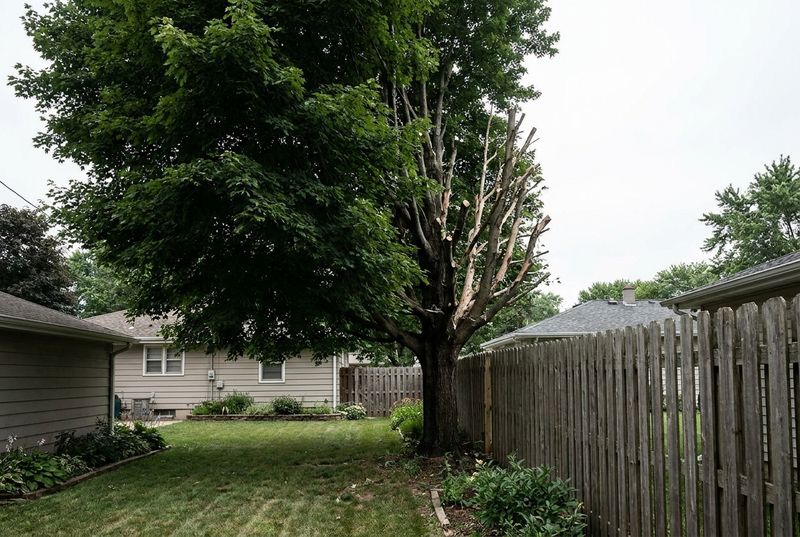
Good fences may make good neighbors, but good conversations make better ones. If a tree next door worries you, talk about it early.
Keep it friendly and specific. Point out the crack, the bare limb, or the lean.
Most folks have no idea their tree has a problem, and many are grateful for the heads-up.
After that chat, follow up in writing. A short, kind email or letter works well.
Mention what you saw, the date, and maybe include a photo. Certified mail adds proof of delivery if things feel tense.
That written record matters a lot. If the tree later drops a limb on your fence, your note helps show the owner had notice of the danger.
That can tip the case toward negligence instead of an act of God.
Want to go a step further? Suggest a certified arborist take a look.
The International Society of Arboriculture has an online search tool for finding certified pros near you.
Tone is everything here. A note that sounds like a threat can sour a friendship fast.
Write the way you would want a neighbor to write to you, calm and helpful.
Trimming Overhanging Branches From Your Side Is Usually Fair Game
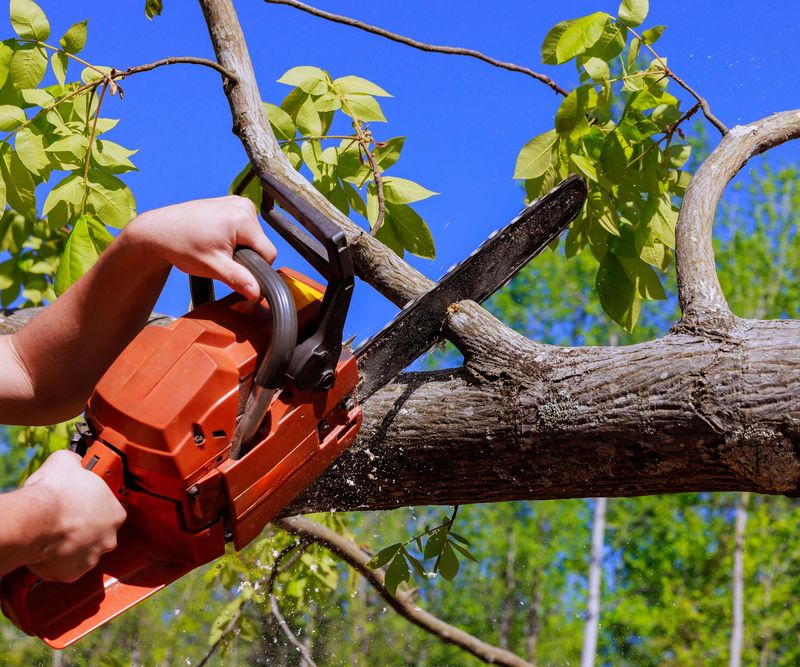
Ohio gives you a handy tool called self-help. You can generally trim branches and roots from a neighbor’s tree that cross onto your property.
There are some ground rules, though. Cut only up to the property line.
Stay on your side unless your neighbor gives permission to step over. You also cover the cost yourself.
The biggest catch? You cannot harm the tree as a whole.
Heavy cutting that leaves a tree lopsided, unstable, or in decline can make you liable. Ohio even has a law, R.C. 901.51, that allows triple damages for recklessly injuring or cutting someone else’s tree.
Timing helps too. Late winter is a great window for pruning most deciduous trees in the state, since branches are bare and easy to see.
Skip that plan for oaks, though. Ohio State Extension suggests avoiding oak pruning from spring into summer to reduce the risk of oak wilt.
For big limbs, call a certified arborist. Heavy cuts near fences and power lines are tricky and risky.
Never touch branches near utility lines yourself.
A quick word with your neighbor before cutting keeps the peace. Nobody likes surprise chainsaws.
Photograph the Crushed Fence Panels Before Calling Your Insurer
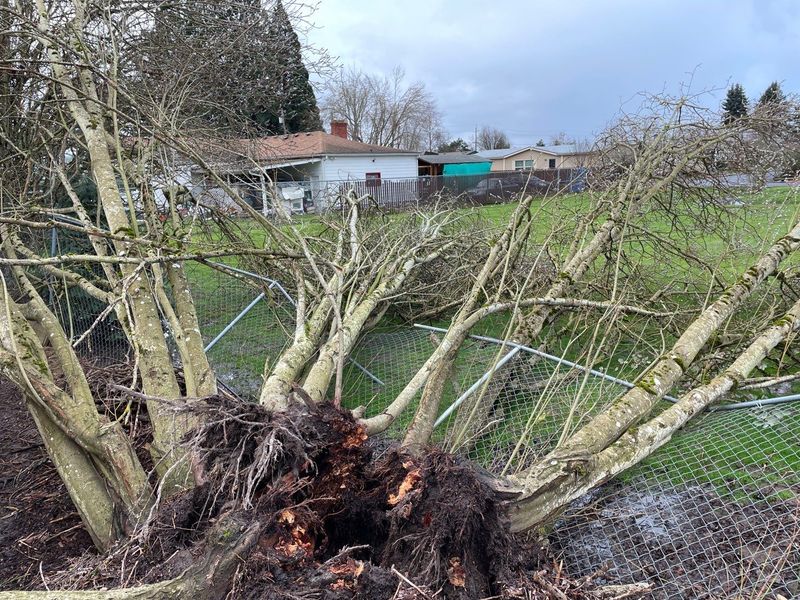
Grab your phone before you grab your saw. Clear photos are the backbone of any smooth insurance claim.
Shoot wide pictures that show the whole scene, including where the tree stands. Then move in close on the broken fence posts, snapped boards, and the jagged end of the limb.
Take a short video if you can.
Next, call your insurance company or file online. Most policies cover fences under other structures coverage.
Ask about tree debris removal too. Many policies only pay for hauling away a tree when it damages a covered structure, and there is often a cap, commonly around $500 to $1,000.
Reasonable temporary fixes are usually fine. If your dog needs a secure yard, prop up the fence or add temporary panels.
Save receipts for everything.
Safety comes first, every time. Ice-loaded trees can drop more limbs hours after the storm passes.
Stay clear of any branch touching a power line and call your utility right away.
Get a couple of repair quotes from local fence contractors. After big ice storms, these companies get busy fast, so an early call helps you land a spot on their schedule.
Sturdy Native Trees and Smart Pruning Help Your Fence Survive Next Winter
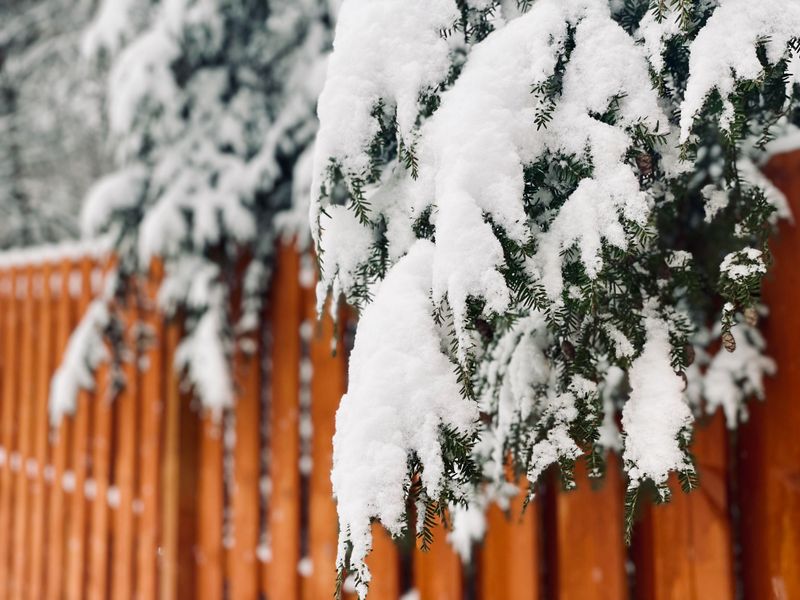
Prevention is the happiest ending to this whole story. A little planning now means fewer cracking sounds at 3 a.m. next winter.
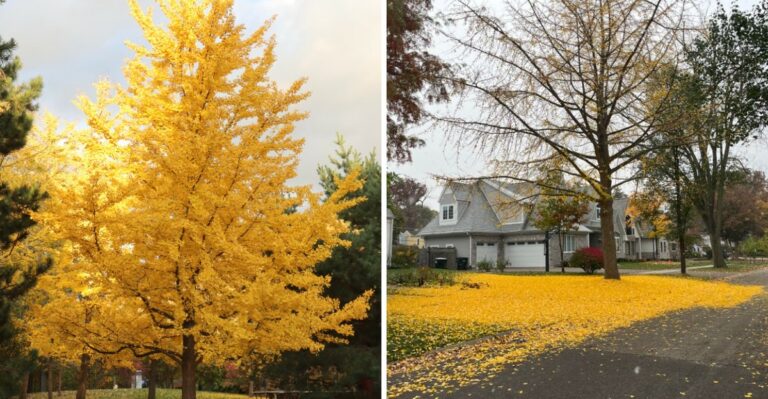
Start with what you plant. Ohio State Extension lists several trees that handle ice well, including white oak, bur oak, ginkgo, and black walnut.
Many of these are native, and they reward you with strong wood and long lives.
Placement matters as much as species. Give new trees plenty of room from fences, sheds, and property lines.
A tree that will grow 60 feet wide does not belong three steps from your neighbor’s yard.
Young trees benefit from structural pruning. Removing weak, narrow crotches early helps a tree build a sturdier frame that sheds ice loads better.
One more useful habit is an annual check-in with your neighbors. Walk the shared fence line together each fall and talk about any trees that look off.
It turns a possible fight into teamwork.
The bottom line for homeowners is simple. Healthy trees and true storms usually mean your own insurance pays.
Neglected trees with clear warning signs can shift that cost next door. Stay observant, keep records, and stay kind.