Common Georgia Yard Trees That Ranked Low For Wind Resistance After Southern Hurricanes
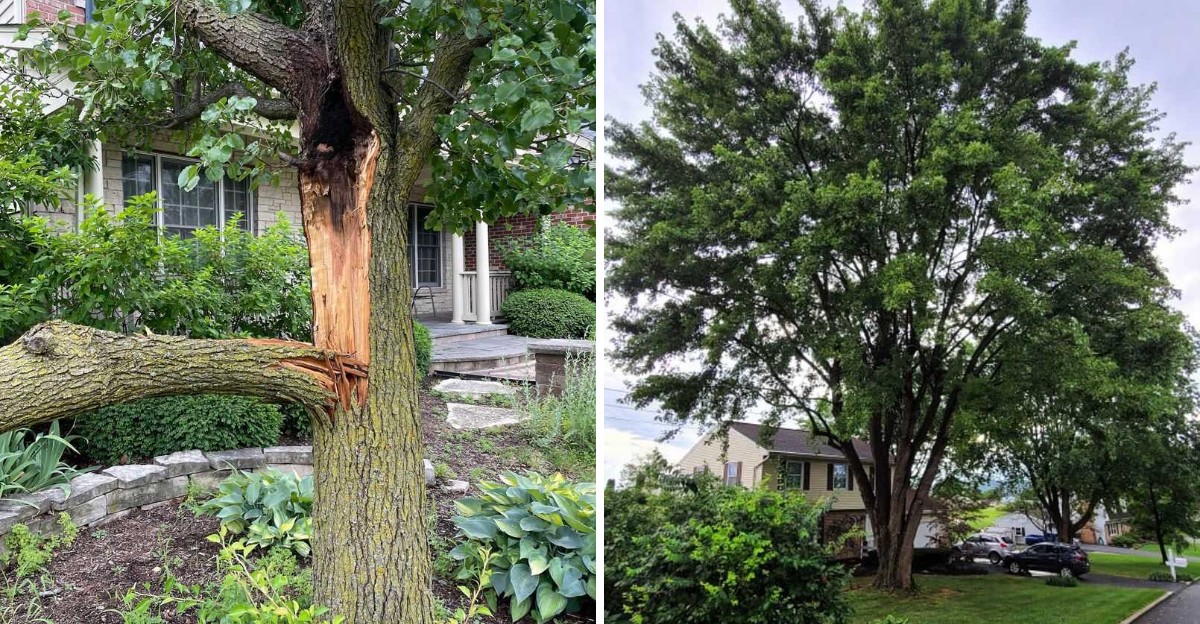
Hurricane Helene tore across eastern Georgia in 2024 and left Augusta streets buried under snapped trunks and tangled limbs. Some yards lost nearly every big tree, while the house next door kept its whole shady canopy standing.
Arborists who study storm damage across the South keep noticing the same species lying across driveways and roofs.
Researchers in Florida and the Carolinas have even ranked common trees by how well they survived hurricane winds.
I have to admit, a few of my favorite shade trees landed near the bottom of those lists. You might be surprised how many familiar backyard trees share the same hidden weaknesses in wood and roots.
Some grow fast and tall, yet their branches snap like pretzel sticks when gusts start pushing hard. Which trees in your own yard deserve a closer look before the next big storm rolls through?
1. Water Oak
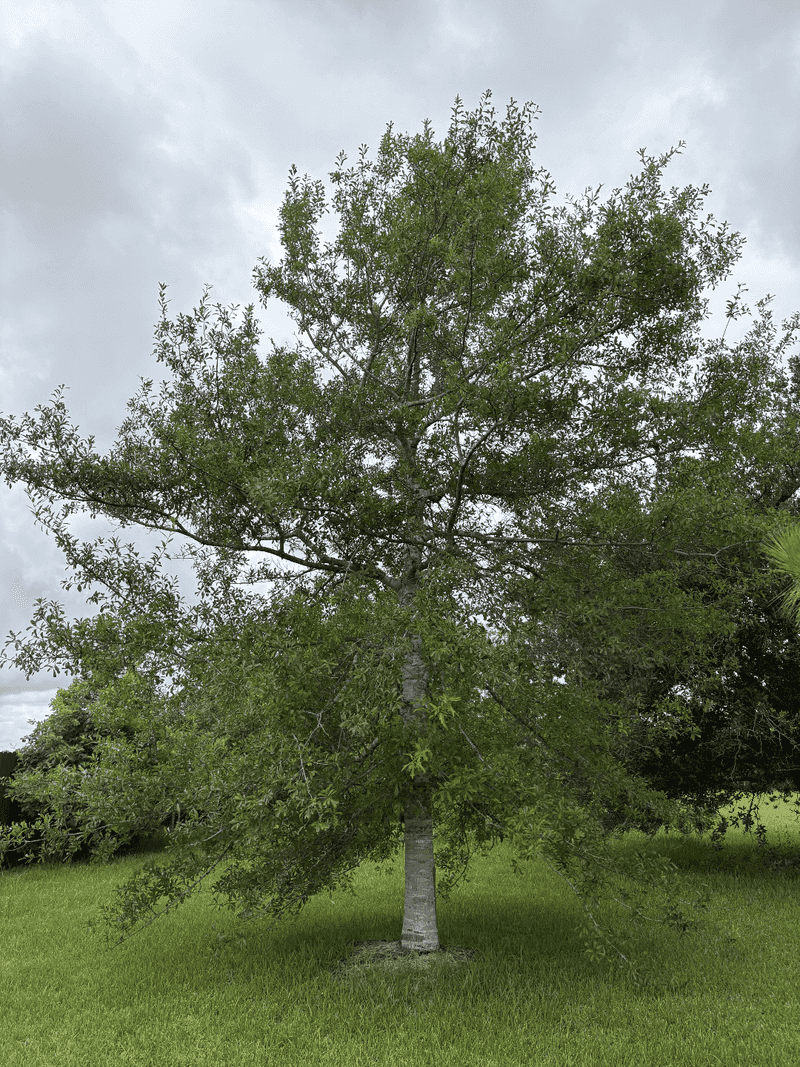
Water oaks grow so fast that a sapling planted by your grandparents may already tower over your roofline today. I love their glossy, narrow leaves, but these trees hide some serious trouble beneath that friendly green canopy.
Quercus nigra often reaches 60 to 90 feet tall and handles soggy clay soil better than many oaks.
That easygoing nature made it a favorite street and yard tree across Atlanta neighborhoods for many decades.
The catch is a fairly short lifespan, usually around 60 to 80 years before serious decline starts showing. As trunks age, internal rot often spreads quietly inside them while the outside still looks healthy and full.
Shallow roots add to the problem, especially when heavy hurricane rain soaks the ground for days at a time. Storm studies from Florida and the Gulf Coast consistently rank water oak among the least wind-resistant common trees.
Personally, I would ask a certified arborist to inspect any large water oak growing within reach of your house.
Watch for mushrooms sprouting near the base or long cracks running up the trunk, since both can signal decay.
If you plan a replacement, live oak or white oak offers far stronger wood and much better storm records. Plant it well away from buildings, and give the young tree several years of steady watering during dry spells.
A little planning now can spare you a frightening night listening to limbs crack outside your window. Your future self will thank you for choosing a tougher oak before the next storm season arrives.
2. Laurel Oak
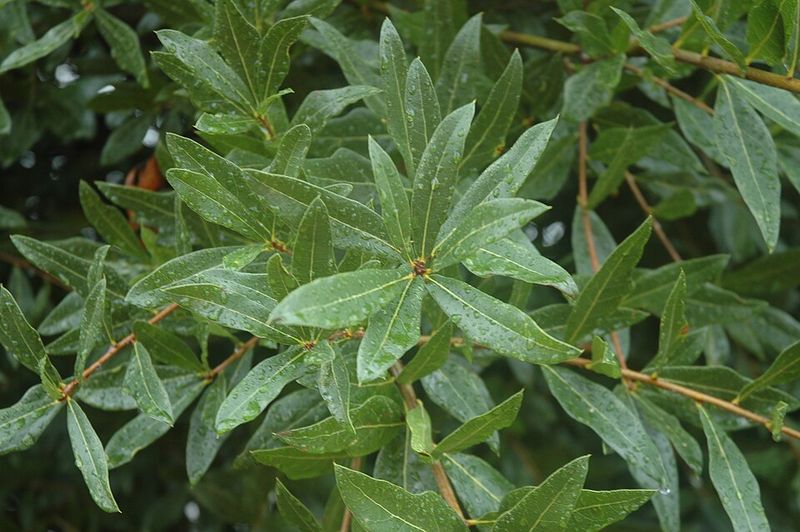
Laurel oaks keep their shiny leaves so late into winter that many folks mistake them for evergreen live oaks. I fell for that trick once, and the difference in storm toughness turned out to be huge.
Quercus laurifolia grows quickly to around 40 to 60 feet and adapts to many soils in full sun.
Its narrow, dark green leaves give a tidy look that made it popular in coastal yards and subdivisions.
Speed comes with a price, because fast-growing oaks often build softer wood that splits under heavy wind loads. After several Florida hurricanes, researchers found laurel oaks survived far less often than nearby live oaks did.
Like its cousin the water oak, it tends to develop decay as it ages past middle life. Older trees in lawns can drop big limbs even during ordinary summer thunderstorms, not just named hurricanes.
You can tell laurel oak apart by its leaves, which are smooth and flat rather than curled under. Live oak leaves usually roll slightly at the edges and feel thicker, almost leathery, between your fingers.
That quick leaf check matters, because live oak ranks among the most wind-tough trees anywhere in the South. Knowing which one shades your patio helps you decide how much pruning and inspection it really needs.
For mature laurel oaks near homes, schedule an arborist visit every few years and remove weak limbs early.
Thinning the crown lightly lets wind pass through instead of pushing against a solid wall of leaves.
3. Pecan
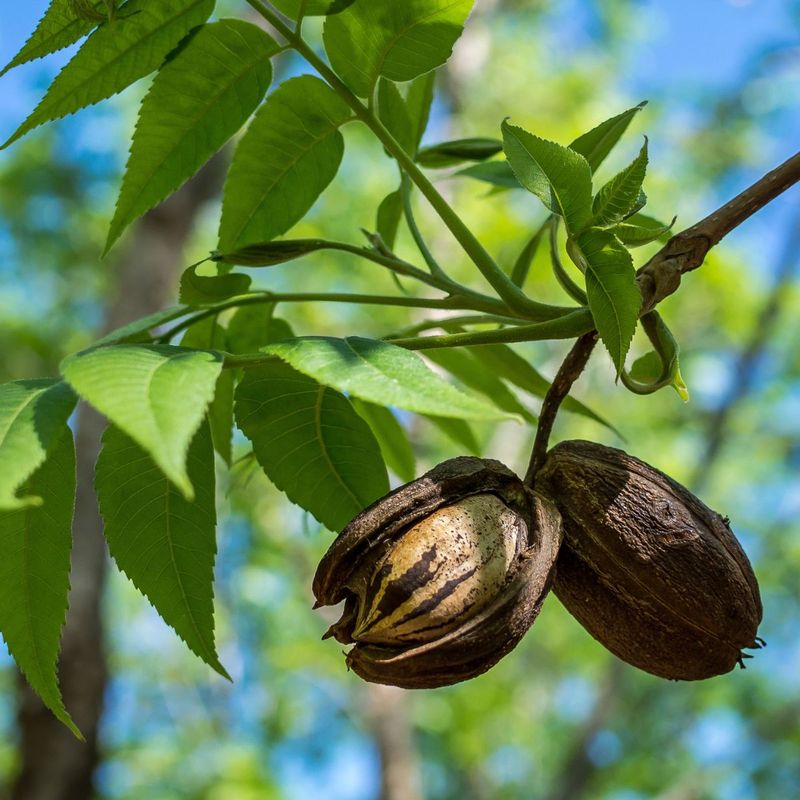
Few things say Southern fall like a sack of fresh pecans, and Georgia grows more of them than almost anywhere.
Sadly, those beloved nut trees ranked near the bottom when hurricanes tested which yard trees could stay upright.
Carya illinoinensis can soar past 100 feet, with long compound leaves and a broad, spreading crown overhead. It loves deep, well-drained soil and full sun, which describes plenty of south Georgia farm country.
Hurricane Michael in 2018 and Helene in 2024 both flattened huge numbers of orchard trees across the region.
Growers reported that younger trees, especially those under about 20 years old, were often pushed over or uprooted.
Older pecans usually stayed rooted but lost massive limbs, which crashed down with enough force to crush fences. That heavy crown full of nuts in early fall acts almost like a sail during peak hurricane season.
I still adore pecans, but I would plant one far from your house and any nearby power lines. Give it plenty of clearance, since the canopy alone gets enormous with age and spreads wider than many expect.
Regular pruning by a pro can remove weak, crowded limbs and lower the risk of storm breakage. Watch for branches with narrow, tight crotches, because those V-shaped joints often split first in strong gusts.
If you inherit an old backyard pecan, enjoy the harvest while keeping an honest eye on its condition. A yearly look after leaf drop makes cracks and hollow spots much easier to spot from the ground.
4. Loblolly Pine
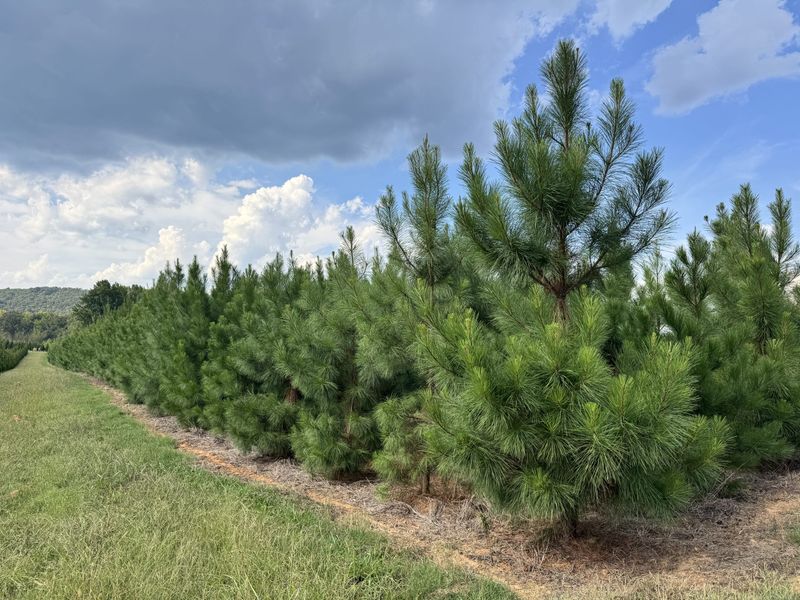
Loblolly pines fill so many Southern skylines that their long needles practically carpet half the backyards I know.
Those tall, swaying trunks look graceful on calm days, yet hurricanes reveal a much less charming side.
Pinus taeda grows fast to 80 to 100 feet, carrying needles in bundles of three and prickly cones. It handles many soil types and craves full sun, which explains why it pops up nearly everywhere.
University storm surveys rate southern pines only medium-low for wind resistance compared with sturdier hardwoods like live oak. Pines often snap partway up the trunk, leaving jagged spikes, or tip over when soggy soil loosens roots.
Saturated ground is the real villain here, since several days of rain before landfall weakens the root grip. Their fine branches also struggle under ice, so winter storms in north Georgia can cause trouble too.
Personally, I like pines best in groups, because trees growing together in a stand tend to shelter one another. A lone tall pine standing in an open lawn catches the full force of every passing gust.
Keep new pines at a distance roughly equal to their mature height from your home whenever possible.
Avoid digging trenches or parking heavy equipment near existing trees, since damaged roots raise the risk of uprooting.
Signs worth checking include a new lean in the trunk or cracked, heaving soil on one side. Bark beetles also target stressed pines, so call an arborist if you spot pitch tubes on the bark.
5. Silver Maple
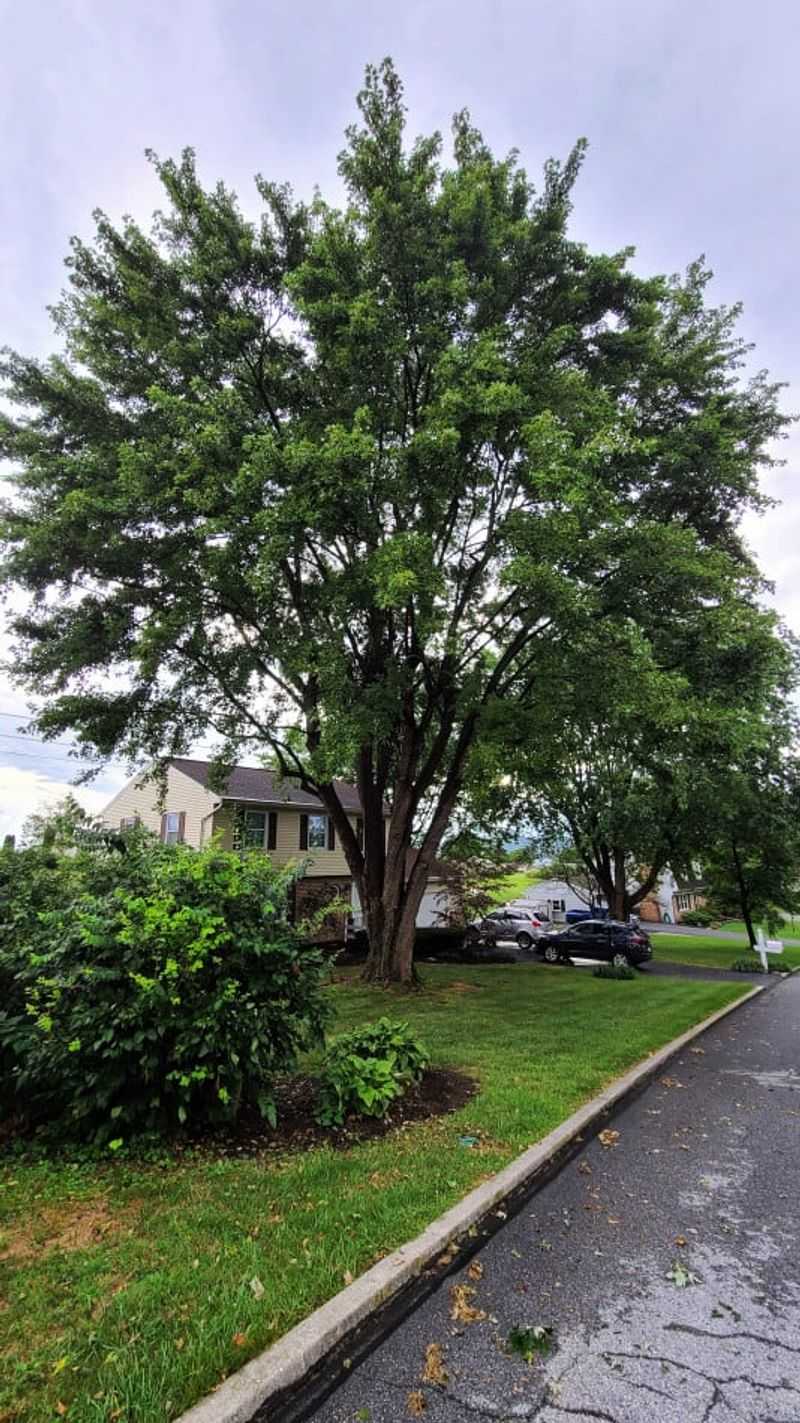
Silver maple leaves flash their pale undersides in every breeze, turning a whole tree into a shimmering show. I understand the appeal, yet arborists often warn homeowners to think twice before planting one near a house.
Acer saccharinum grows quickly to 50 to 80 feet and spreads wide, tolerating wet soil and partial shade.
Its deeply lobed leaves and speedy growth made it a popular quick-shade choice for new subdivisions years ago.
Unfortunately, that rapid growth produces weak, brittle wood that breaks easily when strong winds bend the branches. Shallow roots struggle to anchor in wet soil, which makes uprooting a real worry during long hurricane rains.
Many silver maples start shedding big limbs and developing decay after only about 20 years in a yard. Their multiple trunks often form tight unions with bark trapped inside, creating built-in weak spots that eventually split.
The roots also love hunting for water, so they sometimes crack sidewalks or invade older sewer lines nearby.
That habit adds one more reason to keep these trees well away from foundations and buried pipes.
If you already have a silver maple, hire a certified arborist to check those trunk unions regularly. Cabling or careful pruning can sometimes extend its useful life without removing the whole tree right away.
For a new planting, native red maple offers attractive fall color, although both maple species are rated medium-low for wind resistance. Red maples also feed early pollinators with tiny scarlet flowers before most other trees leaf out.
6. Bradford Pear
Every spring, Bradford pears burst into clouds of white blossoms that, I have to admit, smell a bit like old fish.
That odd perfume is honestly the least of their problems once a strong storm starts rattling the neighborhood.
This cultivar of Pyrus calleryana usually grows 20 to 30 feet tall with a neat, egg-shaped crown. Nurseries sold millions because it tolerated poor urban soil and looked tidy along driveways and parking lots.
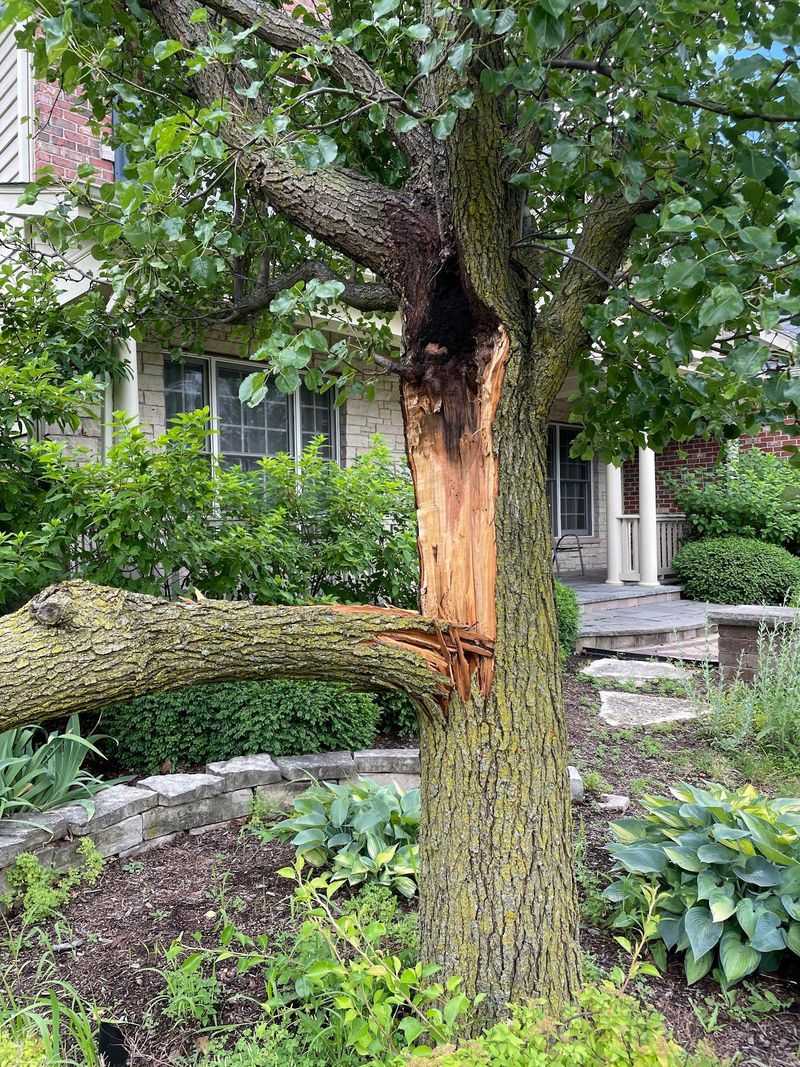
The trouble hides in its structure, since many branches sprout from one spot at very narrow angles. Those tight V-shaped joints split apart easily, and whole trees often break in half around 20 years old.
Storm surveys across the South list Bradford pear among the trees most likely to fail in high winds. Even ordinary thunderstorms can peel big sections away, leaving a lopsided stump where a pretty tree once stood.
Callery pears have also escaped into the wild, crossbreeding and forming thorny thickets that crowd out native plants. South Carolina now bans their sale, and Georgia experts strongly recommend against planting them anywhere at all.
Please skip this tree in any new landscape, and consider replacing existing ones before they cause damage.
Some southern communities even run bounty programs that swap a removed Callery pear for a free native tree.
For similar spring flowers, native fringe tree or serviceberry gives you white blooms without the weak wood. Both stay pleasantly smaller and feed hungry birds, so they fit nicely into most suburban yards.
7. Leyland Cypress
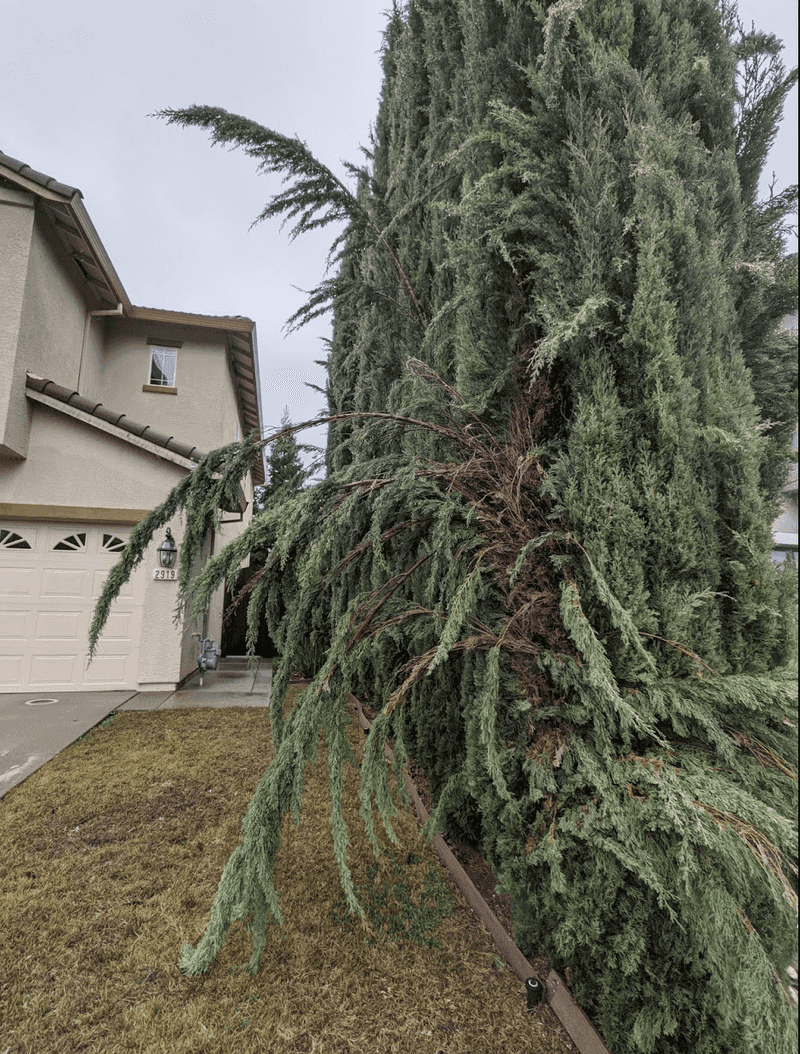
Leyland cypress became the go-to privacy screen because it grows several feet a year and looks instantly lush. I get the temptation, but those soft green walls can topple like dominoes when hurricane winds arrive.
This hybrid, known as × Cuprocyparis leylandii, can reach 60 to 70 feet with a dense, columnar shape.
Its feathery, scale-like foliage stays green all year, which explains its popularity along property lines and roads.
The big weakness lies underground, where a shallow root system struggles to hold such a tall, heavy top. When soil gets saturated during long storms, entire rows can lean over or pull their roots straight out.
Wind hits that dense foliage like a solid sail, giving moving air almost no gaps to pass through. Planting them crowded together for quick privacy also weakens roots, since neighbors compete hard for space and water.
Disease adds more stress, as Seiridium and Botryosphaeria cankers often attack Leylands during hot, humid southern summers.
Stressed trees with brown, sunken patches on branches become even more likely to fail during the next storm.
Personally, I would mix several shorter evergreens instead of planting one long row of the same tree. Native options like eastern red cedar or southern wax myrtle create a softer, more varied screen.
If you keep existing Leylands, water deeply during droughts and trim out any browning sections promptly. Topping them is a poor fix, since it creates weak sprouts that break even more easily later.
8. Tulip Poplar
Tulip poplars rocket skyward so fast that a young tree can add several feet in a single good year. I love spotting their orange and green flowers in spring, though you often need binoculars to see them.
Liriodendron tulipifera ranks among the tallest hardwoods in eastern North America, often topping 100 feet in rich soil.
Its four-lobed leaves look like tiny shirts, and they turn bright golden yellow when autumn finally arrives.
That impressive height comes with somewhat brittle wood, which helps explain why storms knock it around so badly. Hurricane damage surveys in the Southeast rank tulip poplar among the trees with the lowest wind resistance.
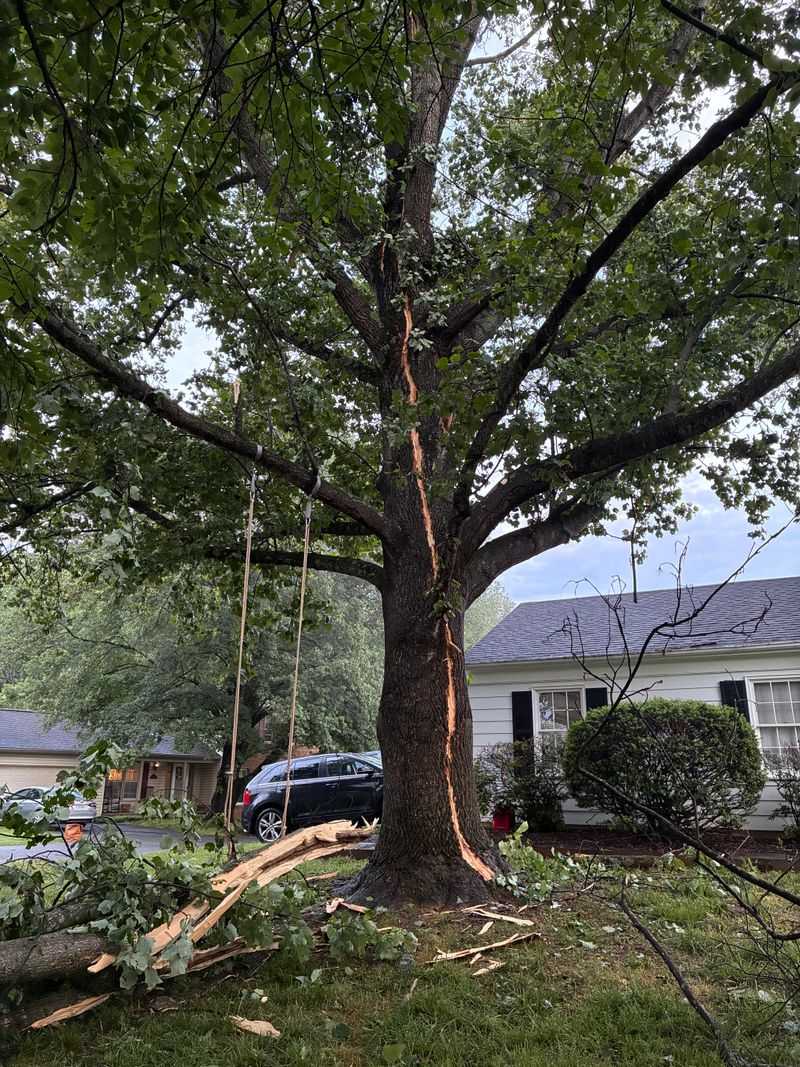
Tall trunks with branches clustered high up act like long levers, so strong gusts carry extra force. Their height also makes them frequent lightning targets, which can leave hidden cracks that weaken the wood.
Across north Georgia forests, tulip poplar remains a wonderful native tree for bees and hungry hummingbirds. Plant one where it has open space, well away from your roof and any spot where people gather.
Experts often suggest a distance of at least its mature height from any building you care about. Because it grows so tall, that might mean 80 feet or more, so smaller lots may need other choices.
For mature trees near homes, ask an arborist to check for lightning scars or decay every few years.
Removing weak upper limbs before storm season can make your tall native neighbor a much safer companion.