Leaf Piles In Georgia No Longer Need A Burn Permit But State Safety Rules Still Apply
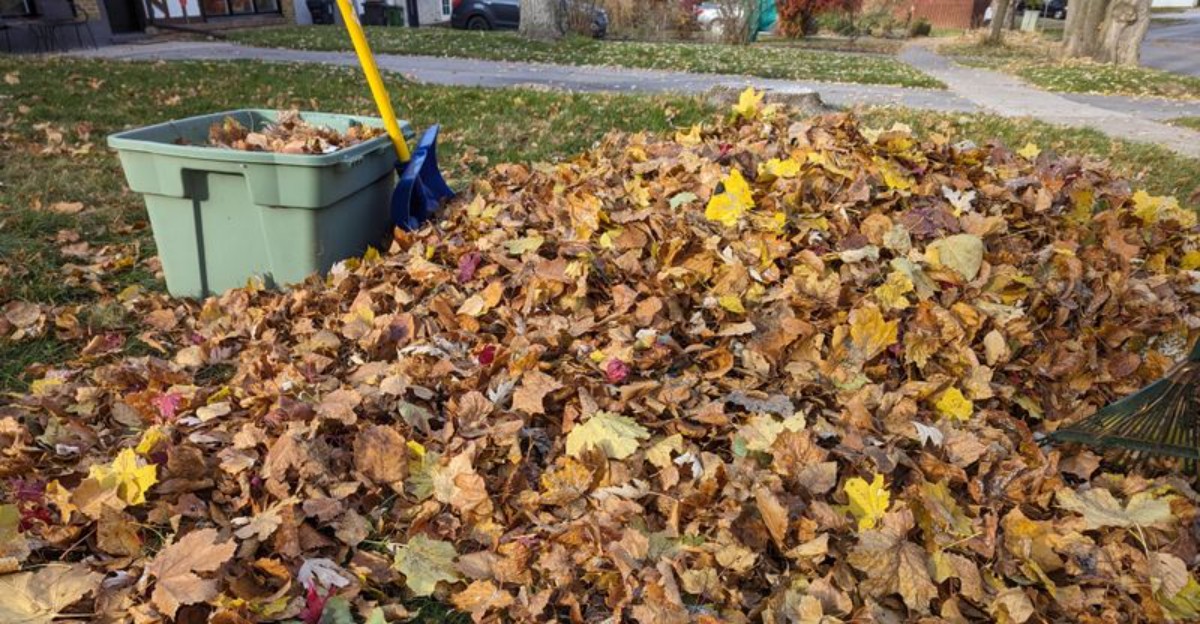
For decades, a quick phone call stood between you and that crackling heap of oak leaves in the backyard. That call quietly vanished from state law in July 2021, and plenty of Georgia homeowners still have no idea.
I remember the old routine well. You dialed, waited, and hoped the answer came back yes before the afternoon breeze picked up.
Now the paperwork step is gone for hand-piled yard debris on your own land.
I love the freedom, but I also respect what still stands in its place. A short list of state rules covers distance, timing, weather, and who has to stay nearby.
Skip one, and a cozy fall chore can turn into a fine or a runaway fire.
What exactly changed, and which rules did lawmakers keep firmly in place for your next cool, still afternoon?
1. That Phone Call Before Lighting Your Leaf Pile Is History
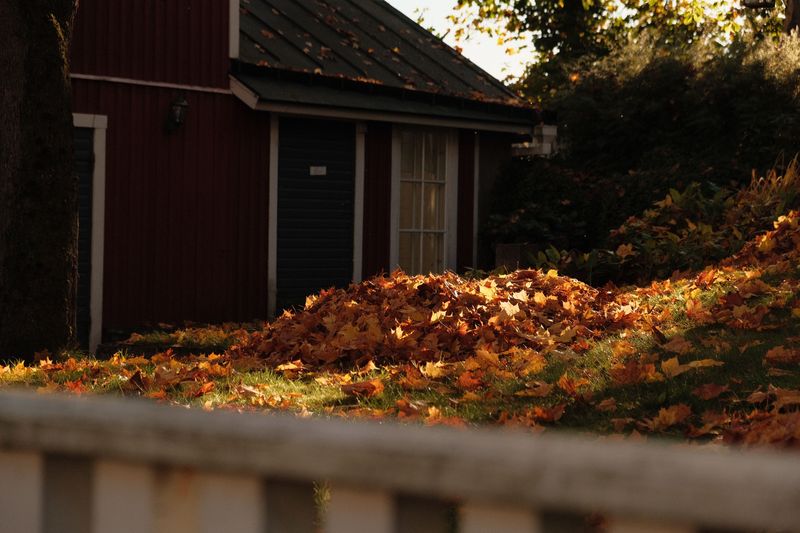
Honestly, I did a little happy dance when I first read the update. Since July 1, 2021, homeowners no longer need to call the Georgia Forestry Commission or get a state permit before burning hand-piled natural yard debris on their own property.
The change came from Senate Bill 119, which amended the state code covering outdoor burning, O.C.G.A. 12-6-90. Lawmakers wanted to make routine fall cleanup simpler for regular folks with a few rakes worth of leaves and twigs.
It worked, and the old permit line now handles far fewer backyard calls.
Fewer phone calls does not mean fewer rules, though. The law swapped the permit for a set of safety standards you are legally expected to follow every single time you strike a match.
Forestry folks often sum them up with the handy acronym S-S-T-A-R.
Each letter points to a requirement. The two S’s stand for space, T is time, A is attendance, and R covers reasonable precautions.
Treat it like holding a driver’s license. Nobody checks in before every trip to the store, yet the speed limit still applies.
Breaking these burn rules can lead to misdemeanor charges and make you liable for damage if flames escape.
2. Hand-Piled Leaves And Small Limbs Are What The Exemption Covers
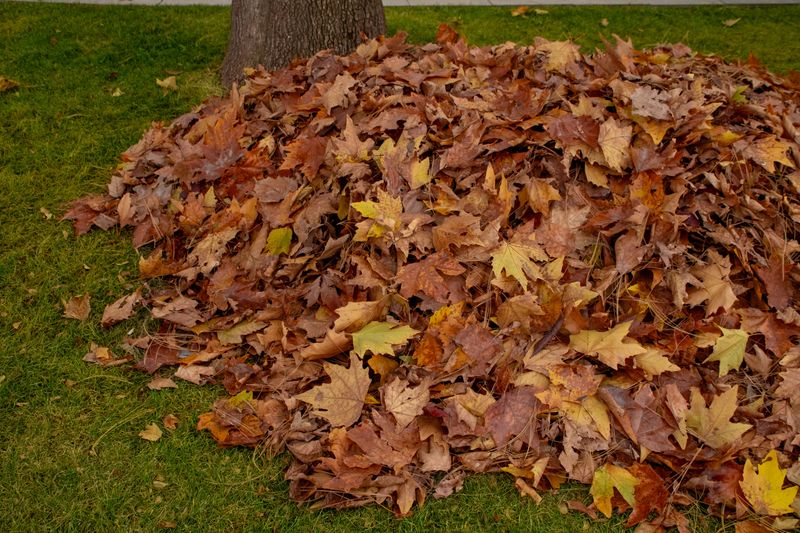
Fallen oak leaves, pine straw, sweetgum balls, and the small branches a spring storm tossed across the lawn all fit the bill.
The exemption covers hand-piled natural vegetation that grew on your property, the kind of stuff you gather with a rake, a wheelbarrow, or your own two hands.
That hand-piled detail matters more than many people realize. Once a project involves a bulldozer pushing up stumps or a contractor clearing a lot, you have left backyard territory.
Land-clearing, agricultural, and forestry burns still require an official permit from the state forestry commission.
Size and purpose are the quick test I use. If you could reasonably build the pile yourself over a weekend, it likely counts as residential yard debris.
If it took heavy equipment or covers acres, pick up the phone or go online for a permit first.
Georgia rules require the debris to come from the property where it’s burned. Hauling leaves over from a neighbor’s yard or a rental property to burn at your place isn’t allowed.
Keep piles modest, too. A smaller heap burns hotter and faster, throws less smoke, and stays far easier to manage than one giant mound that smolders for hours.
3. Keep Your Burn Pile 50 Feet From The House And 25 Feet From The Woods
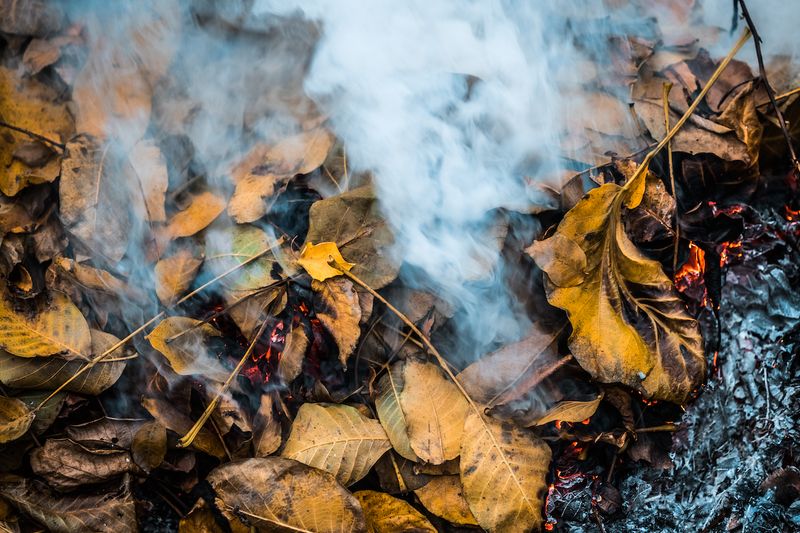
Fifty feet sounds like plenty until you actually pace it off in a typical suburban yard. State rules require your burn pile to sit at least 50 feet from any structure, and that includes your house, a garage, a shed, a deck, or a neighbor’s outbuilding.
A second distance applies to wild spaces. Keep the fire at least 25 feet from woodlands, forestland, or open fields with flammable material such as dry grass or brush.
Those are the two S’s in S-S-T-A-R, and both are minimums, not targets.
For burning leaves in Georgia, my favorite trick for getting it right is simple. Grab a tape measure or count roughly 17 long steps for 50 feet, then mark the spot with a stake before you start raking.
Look up as well as around. Low branches, overhead power lines, and evergreen limbs can catch drifting embers even when the ground spacing checks out.
Clear a ring of bare soil a few feet wide around the pile, too. That simple fire break gives creeping flames nothing to chew on.
If your lot is too small to meet these distances, burning is off the table, and composting or curbside pickup becomes your best move.
4. Sunrise To Sunset Burning With A Grown-Up Standing Guard
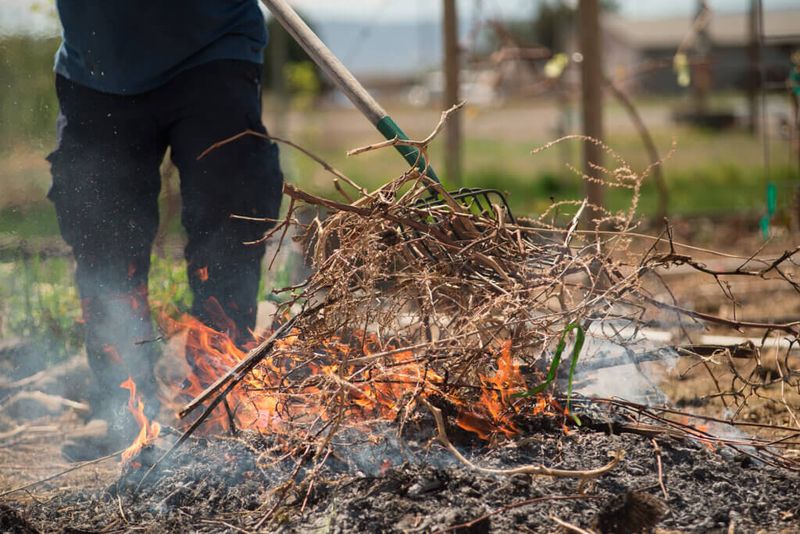
Daylight sets the schedule for every leaf fire. Burning is allowed only between sunrise and sunset, which is the T in S-S-T-A-R, so plan your start time with the finish line in mind.
I like to light my small piles by mid-morning. That leaves hours of daylight for the flames to settle into gray ash, and it beats scrambling to douse glowing coals as the sky turns orange.
The A stands for attendance, and it may be the most important letter of the bunch. A responsible adult must stay with the fire the whole time until it is fully out.
Running inside for a snack or heading to the store while it smolders does not count as attending.
Kids love watching a fire, and that curiosity is wonderful. Still, keep them and pets back at a safe distance while a grown-up stays in charge.
Out means out. Stir the ashes with a shovel, soak them with water, and stir again until you can hold your hand just above the spot without feeling heat.
Leftover embers can rekindle hours later, especially on a breezy evening.
5. Windy Dry Afternoons Are A Bad Match For Smoldering Leaves
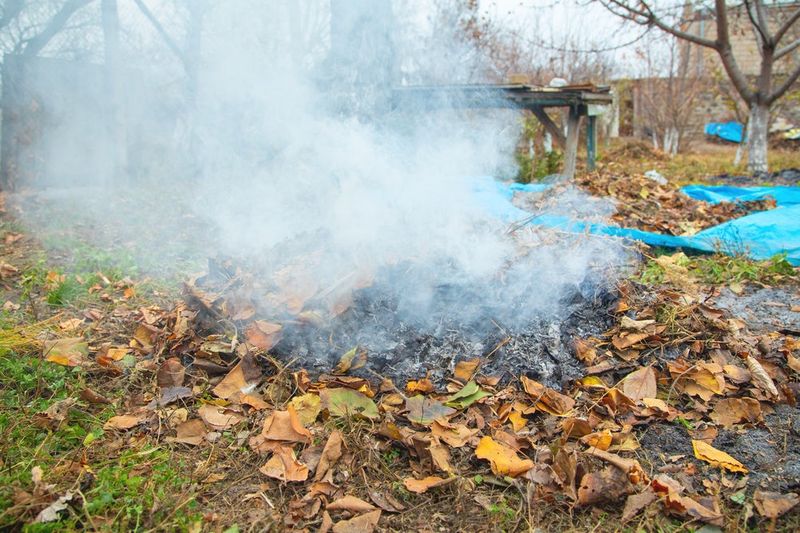
Ever watched a single burning leaf lift off a pile and sail across the yard? That tiny ember is why the R in S-S-T-A-R, reasonable precautions, leans so heavily on weather.
Skip burning on gusty days, particularly when winds top about 10 miles per hour. Low humidity is another red flag, since dry air turns leaves and grass into kindling.
Fall in the Southeast often brings crisp, low-humidity afternoons that feel perfect for yard work but are risky for fire.
Before lighting anything, check the National Weather Service forecast for red flag warnings or fire weather watches in your area. The Georgia Forestry Commission also shares fire danger updates and can tell you when conditions look iffy.
Gear up like you mean it. Keep a charged garden hose or another pressurized water source within reach, along with a rake and a shovel.
A bucket of water is a helpful backup but rarely enough by itself.
Rain earlier in the week is your friend. Slightly damp ground surrounding the pile slows any wandering flames.
If the forecast turns windy after you start, stop adding fuel and put the fire out rather than gambling on calmer skies.
6. Summer Smog Season Puts Metro Atlanta Leaf Fires On Hold
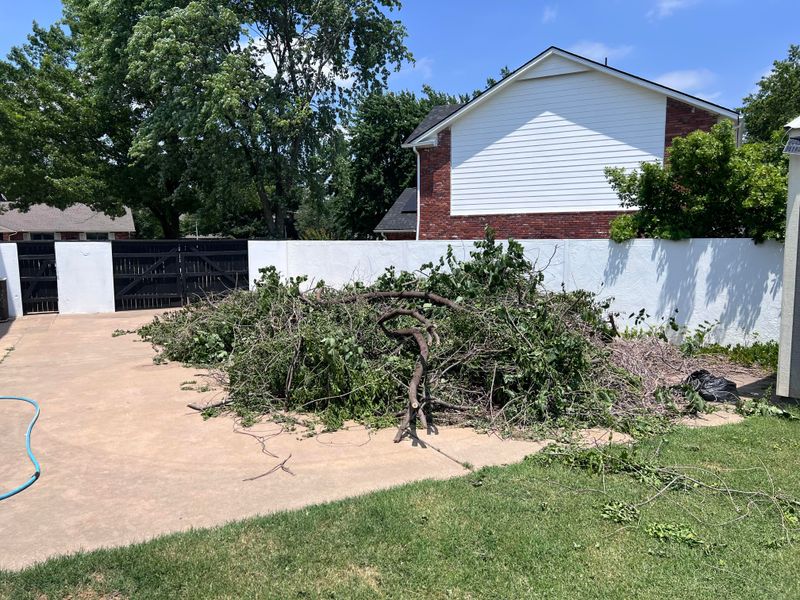
Summer smog is the surprise twist many newcomers miss. Every year from May 1 through September 30, the Environmental Protection Division enforces an outdoor burning ban in 54 counties, mostly across metro Atlanta and surrounding regions.
Hot, sunny days help ground-level ozone form, and smoke from yard fires adds to the problem. Ozone can irritate lungs and make breathing harder for kids, older adults, and anyone with asthma.
The ban keeps one avoidable source out of the air during peak season.
Leaf piles and yard debris fall squarely under the ban. Cooking fires, such as grills, and small recreational fires in a fire pit are generally allowed, but check local rules to be sure.
Even those fires should stay small and supervised.
Timing works out nicely for most gardeners, honestly. The big leaf drop usually arrives from late October into December, after the ban lifts.
Spring cleanup is the trickier stretch, so finish any pruning burns before May arrives.
Not sure if your county is on the list? The state EPD website posts the full roster of affected counties.
A two-minute search can save you a fine and a very awkward chat with a firefighter.
7. Tires, Plastic, And Lumber Do Not Belong On The Brush Pile
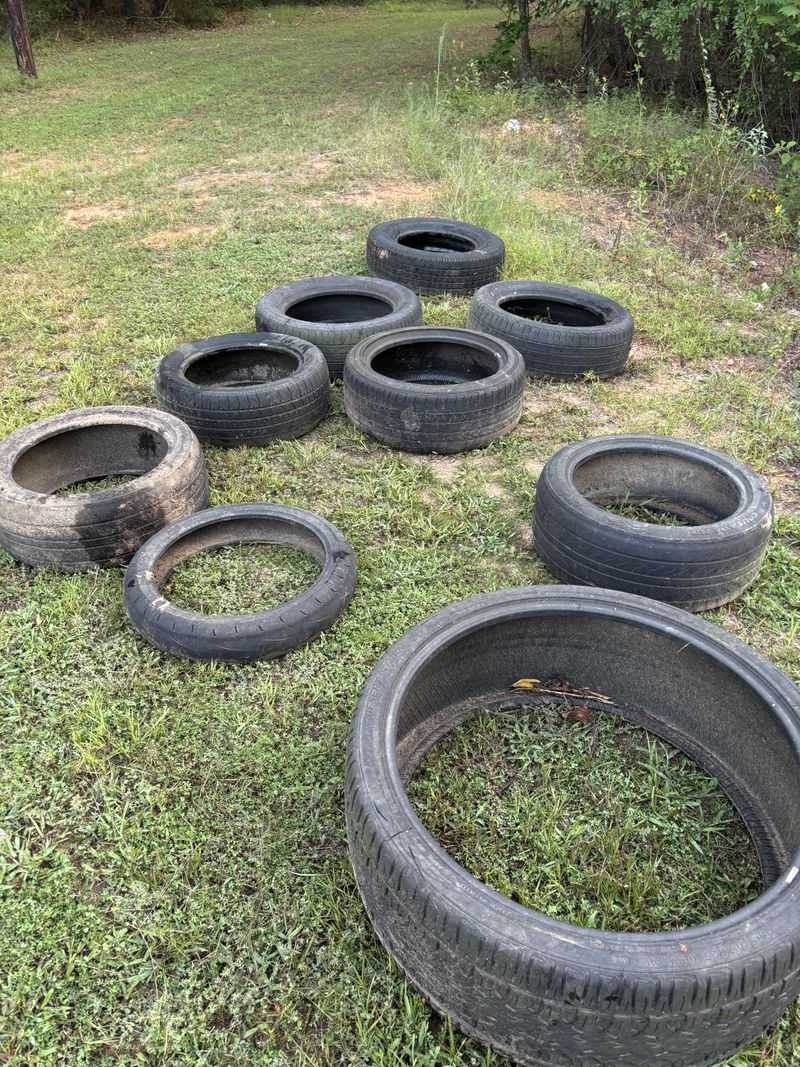
That stack of old fence boards behind the shed might look like perfect fuel, but it stays off the leaf pile. State law bans burning man-made materials year-round, no permit exemption included.
The forbidden list is long. Tires, shingles, plastics, treated or painted lumber, household garbage, and construction debris are all off-limits.
Even scrap lumber from a weekend project counts.
The reason goes beyond paperwork. Burning these materials releases toxic smoke loaded with chemicals that can harm your lungs, your neighbors, and nearby soil and water.
Treated wood, for example, may contain preservatives you do not want drifting into the vegetable garden.
Watch for sneaky items, too. Plastic plant pots, nursery tags, landscape fabric scraps, and old garden hoses often get tossed into the leaf heap by accident.
A quick sort before lighting keeps the pile clean.
Treat the burn pile as a nature-only zone. Leaves, pine needles, twigs, and untreated branches from your own trees belong there, and almost nothing else does.
In Georgia, take the rest to your county landfill, recycling center, or a scheduled bulk pickup. Many communities also host hazardous waste days for paint and chemicals.
8. Your County Fire Department Might Have Stricter Leaf Burning Rules
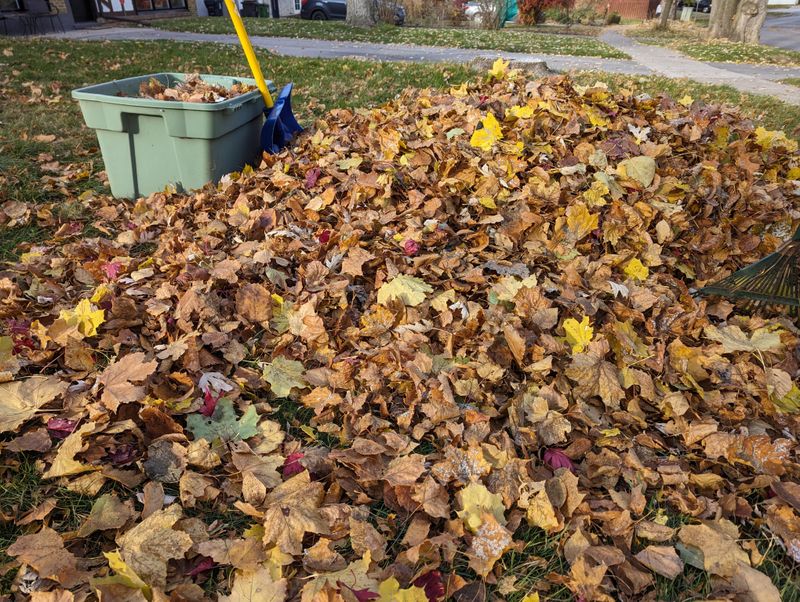
Statewide rules set the floor, not the ceiling. Counties and cities across Georgia can pass stricter outdoor burning ordinances, and plenty of them do.
Some communities require larger setbacks or limit pile size. Others ban open burning inside city limits all year, which surprises folks who just moved from a rural area.
A quick call to your local fire department or code enforcement office clears up any confusion.
Homeowners associations sometimes add their own restrictions as well. Read your covenants before lighting up, since a neighbor complaint can follow even a legal fire.
Of course, burning is only one option, and personally, I think it is often the least useful. Those leaves are free garden gold.
Run them over with a mower and leave the shredded bits on the lawn, where they break down and feed the soil.
Extra leaves make fantastic mulch around shrubs and perennials, or a rich start for a compost pile. Your local UGA Extension office offers free guides on composting and leaf mulching.
Whatever you choose, the takeaway is simple. No permit is needed for your backyard leaf pile, but space, time, attendance, weather, and local rules still decide whether a match should touch it.