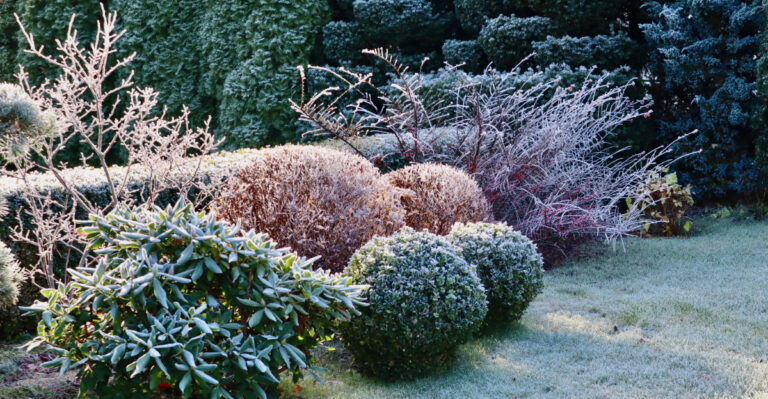
7 Garden Jobs Worth Doing Over Thanksgiving Weekend In Michigan
Detroit’s Thanksgiving parade first rolled down Woodward Avenue in 1924, starting more than a century of floats and bands. Meanwhile, Michigan backyards hold their own quiet parade of chores that most people happily ignore until spring.
You may be surprised to discover how much garden work still makes sense once the leaves are down. Plants look asleep, yet roots and bark keep reacting to every icy wind and surprisingly sunny afternoon.
I love that slow stretch after the big meal, when the house is noisy and the Michigan yard is calm. An hour outside in my old gloves feels better than another slice of pie, and I mean that.
A few small tasks this weekend can spare you cracked bark and a weedy mess next April. So which jobs truly earn a spot between leftovers and football, and which ones can wait for spring?
1. Clear Out Diseased Tomato Vines And Seedy Weeds
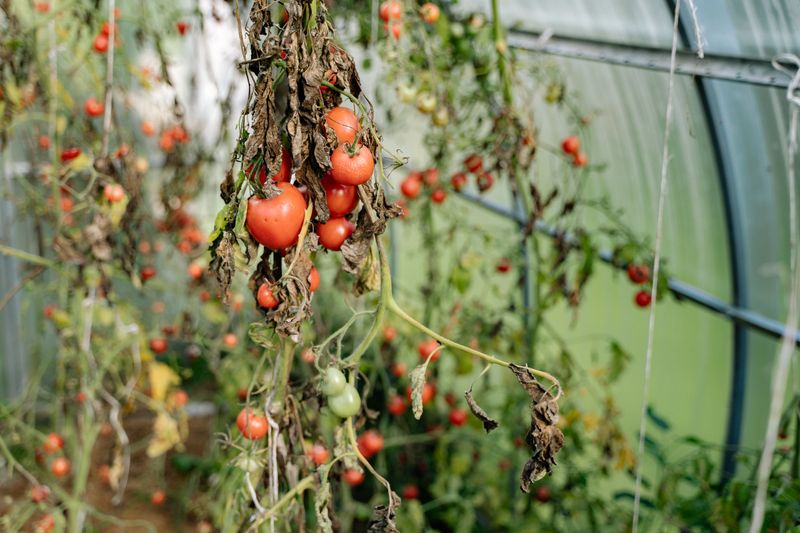
Last summer’s blighted tomato vines can hide fungal spores that patiently wait in your beds for next year’s crop. Pulling those tired vines now feels oddly satisfying, like cleaning out the fridge after a holiday feast.
Michigan State University Extension recommends removing diseased plant material instead of tossing it onto the home compost pile. Backyard piles rarely get hot enough to break down stubborn pathogens, so bag that debris or send it away.
Rotten fruit deserves the same treatment, because fallen apples and mushy squash give pests a cozy winter hideout. I walk my beds with a bucket and grab anything that looks soft or suspiciously fuzzy.
Weeds that already dropped seed are another priority, since one plant can scatter thousands of seeds across your garden. Pull them gently so the ripe seed heads stay intact, then bag them before the wind helps out.
Healthy perennials are a different story, and I happily leave plenty of them standing until spring arrives. Coneflower seed heads feed goldfinches, while hollow stems can shelter native bees through the cold months.
Ornamental grasses also earn a reprieve, since their tawny plumes catch snow and look lovely against gray skies. Birds and beneficial insects will thank you, even if a tidy neighbor raises an eyebrow at your garden.
The trick is sorting sick plants from healthy ones, rather than clearing every bed down to bare soil. A little judgment now means fewer problems next summer and a backyard that still feels alive in winter.
2. Wrap Young Maple Trunks Against Winter Sunscald
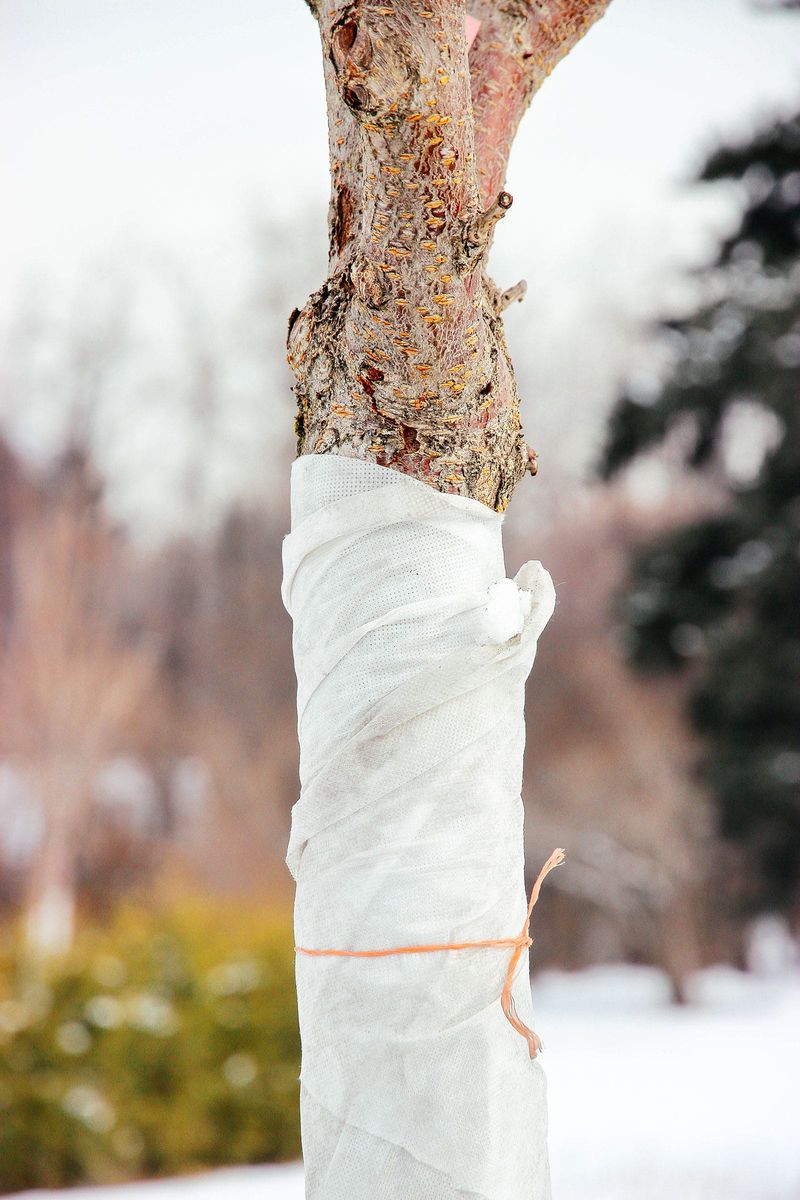
Bright February sunshine can warm the south side of a young tree trunk far above the frigid air temperature. Once the sun drops, that bark cools fast, and the sudden swing can split it like a dropped dish.
Gardeners call this damage sunscald, and thin-barked youngsters like maples and young fruit trees are frequent victims. The long vertical cracks often show up in spring, well after the real harm quietly happened.
Light-colored paper tree wrap or a white plastic guard reflects sunlight and keeps bark temperatures more even. Start wrapping at the soil line and spiral upward to the lowest branches, overlapping each turn slightly.
Spring removal matters just as much, so set a phone reminder for April before the wrap slips your mind. Wraps left on through summer can trap moisture and invite insects to settle in under the cover.
Evergreens face a different winter problem, because drying winds pull moisture from needles and broad leaves. A burlap screen on the windward side helps arborvitae and boxwood keep their color until spring.
I set my burlap on stakes a few inches away from the plant, rather than wrapping it tight. That small gap lets air move freely and keeps the foliage from staying damp all winter.
Hungry deer and rabbits are the other winter threat, especially once snow buries their usual meals. Hardware cloth cylinders around young trunks and sturdy fencing around shrubs can save months of careful growth.
3. Clean And Oil Your Shovels And Pruners Before Storage
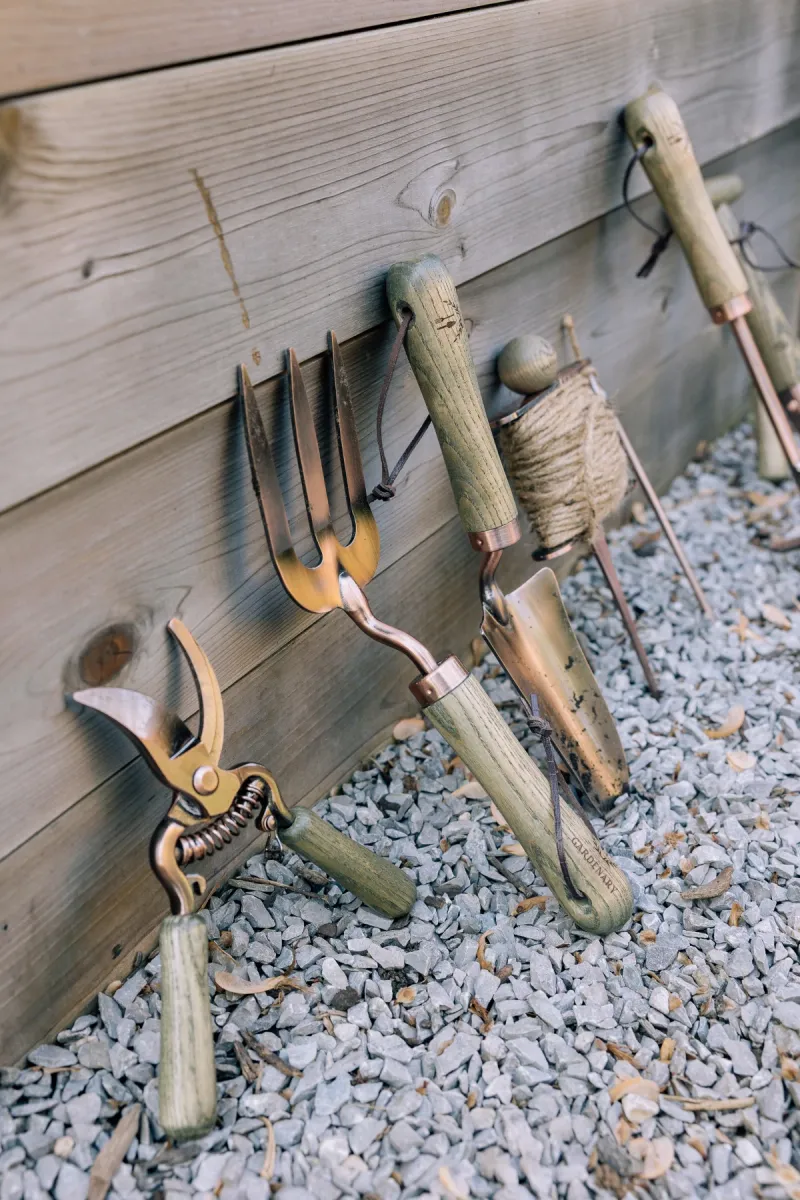
Nothing ruins a spring morning faster than grabbing your favorite pruners and finding the blades frozen with rust. Ten minutes of care this weekend can prevent that grim moment and keep your tools working for years.
Start by knocking off caked soil with a stiff brush, then rinse the metal and let it dry thoroughly. Sticky sap on pruner blades usually comes off with warm soapy water and a scrubbing pad.
Once everything is dry, rub a thin coat of mineral oil over the metal parts to block moisture. Wooden handles appreciate a quick wipe of boiled linseed oil, which helps prevent cracks and splinters.
An old trick I still love is a bucket of sand mixed with oil for storing hand tools. Plunging a trowel into it a few times cleans and coats the blade in one easy motion.
Gas-powered equipment needs attention too, so add fuel stabilizer or run the tank empty following the manual. Old gasoline can gum up small engines, and that sticky residue is a common reason mowers refuse to start.
Garden hoses deserve a little love as well, since trapped water expands when it freezes and splits them. Drain each hose fully, then coil it loosely and hang it somewhere sheltered like a garage wall.
Remove batteries from cordless tools and store them indoors, where temperatures stay steadier through the winter. Your future self will feel wonderfully smug in April, reaching for tools that work on the first try.
4. Give Thirsty Evergreens A Deep Drink Before The Ground Freezes
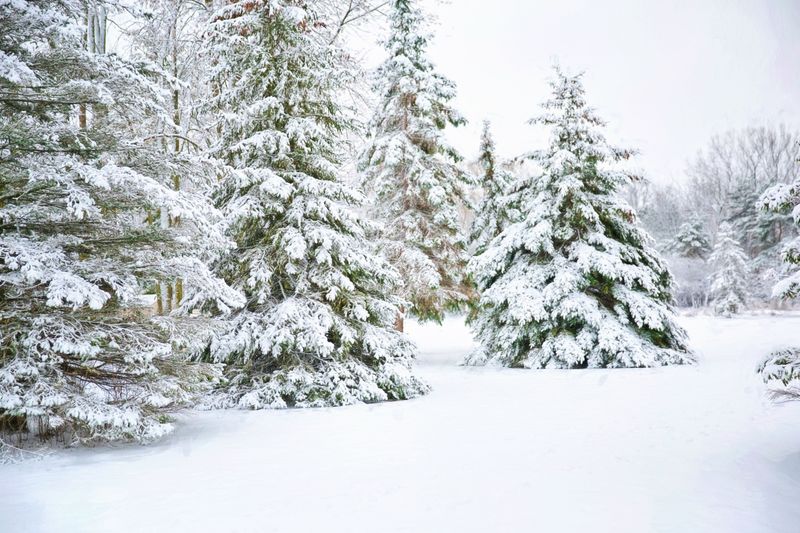
Pine needles and holly leaves keep losing water all winter, even while frozen soil locks moisture away. That slow leak is why some evergreens turn crispy and brown by March, a problem called winter burn.
A deep watering before the ground freezes gives roots a reserve to draw from during those long months. Moist soil also holds heat better than dry soil, which helps buffer roots against sharp cold snaps.
Newly planted trees and shrubs need this drink most, because their roots have not spread far yet. Anything you planted this year, whether a small yew or a young oak, deserves a long soak.
I like to lay a hose at the drip line and let it trickle slowly for an hour or so. Slow water sinks deep instead of running off, which is exactly what thirsty roots need right now.
Check the soil first by pushing a finger or trowel a few inches down near the roots. If it already feels damp from recent rain or snowmelt, you can skip the hose this weekend.
Pick a mild afternoon when temperatures climb above freezing, so the water soaks in rather than icing over. A layer of shredded bark mulch afterward helps hold that moisture and keeps soil temperatures steadier.
Once you finish, drain the hose and shut off outdoor spigots so frozen pipes stay off your holiday menu. Sprinkler systems should be blown out before hard freezes too, ideally by a pro with the right compressor.
5. Tuck Forgotten Tulip And Daffodil Bulbs Into Unfrozen Soil
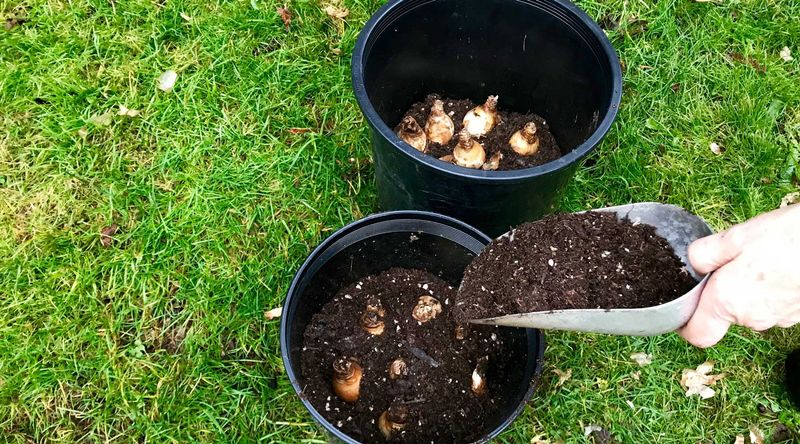
That paper bag of tulip bulbs hiding in the garage is not a lost cause, at least not yet. As long as you can dig a hole, there is still a decent chance for spring color.
Most bulbs ideally go in during October, when soil cools and roots have weeks to settle in. Still, many gardeners in southern Michigan plant successfully into early December when the ground stays workable.
I have planted bulbs in snow flurries more than once, and most of them bloomed like nothing happened. A late planting usually beats leaving bulbs in storage, where they slowly dry out and shrivel.
Before you start, give each bulb a gentle squeeze and toss any that feel mushy or hollow. Firm bulbs with a little dry papery skin are perfectly fine, even if they look a bit tired.
Plant large bulbs like tulips and daffodils about six to eight inches deep, pointy end facing up. Smaller bulbs such as crocus and snowdrops only need about three to four inches of soil above them.
Pick a spot with good drainage, since bulbs sitting in soggy ground tend to rot over winter. Water well after planting to settle the soil and encourage roots before the deep freeze arrives.
Squirrels love freshly dug soil, so lay chicken wire over the bed or sprinkle some crushed gravel on top. Daffodils are rarely bothered at all, because their bulbs contain compounds that most rodents avoid eating.
6. Prune Bare Apple Branches And Summer Blooming Shrubs
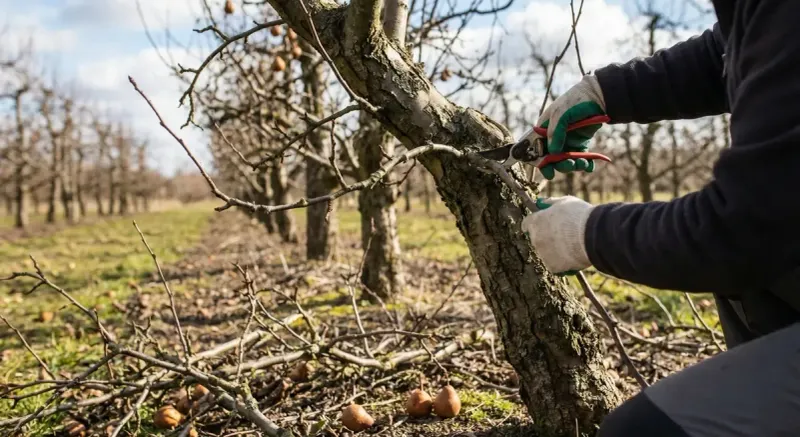
Bare branches tell the truth, and late November is when every crossed limb and awkward angle suddenly shows itself. Without leaves in the way, you can study a tree like a sketch and plan each cut carefully.
Broken branches and obviously diseased wood can come off now, since they serve no purpose and invite trouble. Snow and ice will load those weak limbs soon, and a clean cut beats a jagged storm break.
Heavier shaping of apple and pear trees is usually better saved for late winter, around February or March. Fruit specialists note that fresh fall cuts can be more prone to cold injury during harsh stretches.
So this weekend, I simply walk around my trees with flagging tape and mark the branches I want removed. When late winter arrives, the plan is already set and the pruning goes much faster on a chilly morning.
Summer-blooming shrubs like panicle and smooth hydrangeas flower on new growth, so trimming them while dormant works fine. Some gardeners leave the dried flower heads for winter interest, which looks lovely under frost and is perfectly reasonable too.
Hold off on lilacs and forsythia, because those spring bloomers already set next year’s flower buds last summer. Cutting them now would mean trading April blossoms for a tidier shape, which feels like a poor bargain.
Oaks deserve special caution, since pruning them between April and July can spread oak wilt disease. Dormant season cuts are much safer, so this is a fine weekend to tackle that low oak limb.
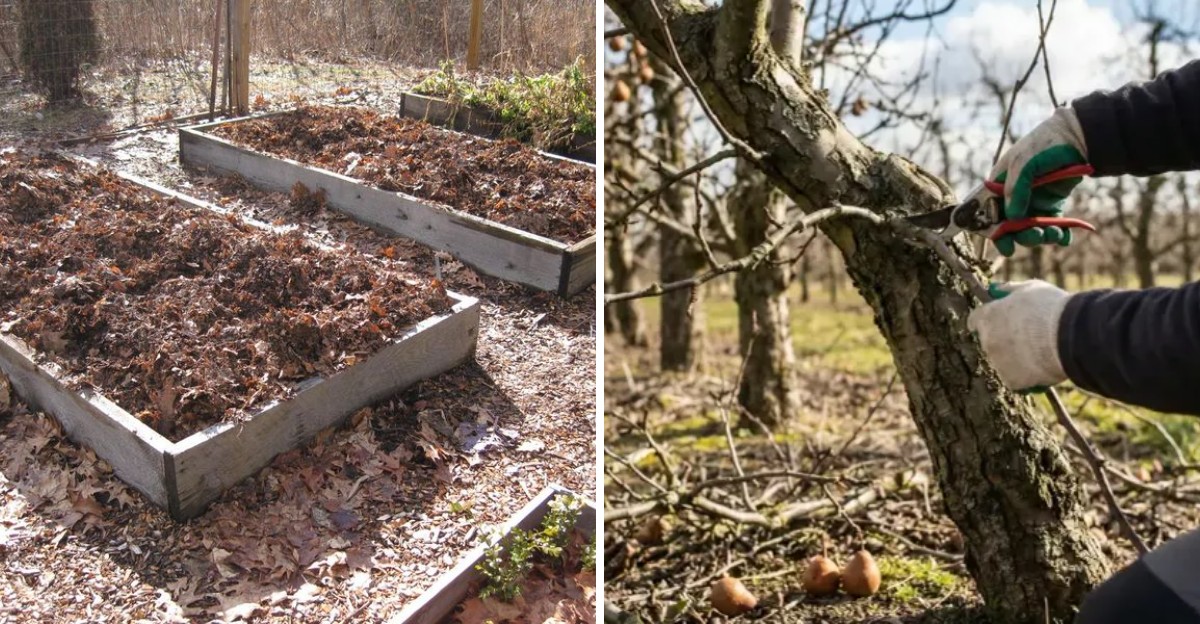
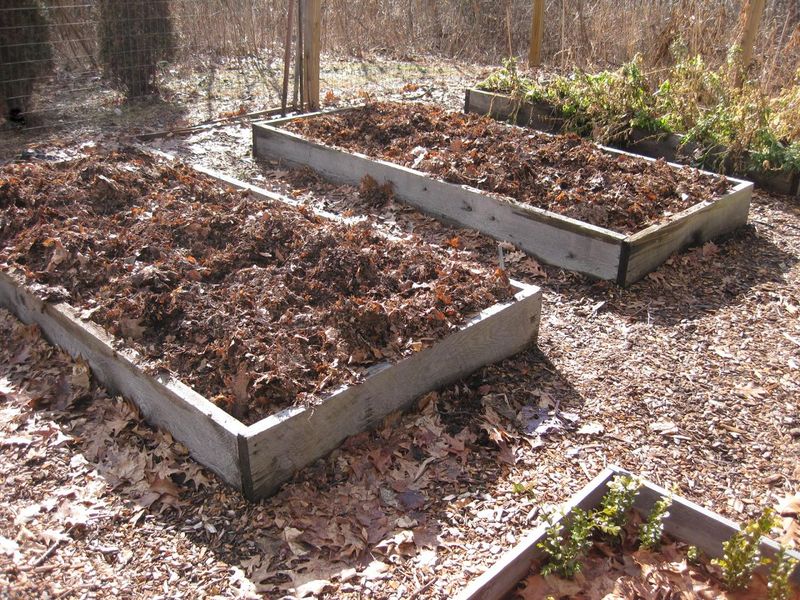
7. Blanket Empty Vegetable Beds With Compost And Shredded Leaves
Soil labs are often quieter in late fall, which makes Thanksgiving weekend a sneaky smart time to test. Results return in time to plan spring fixes, instead of arriving after your tomatoes are already planted.
MSU Extension sells home soil test kits, and you can mail a sample if the ground is unfrozen. Scoop from several spots about six inches deep, then mix them in a clean bucket before sending a cupful.
While you wait, spread a one to two inch layer of finished compost across empty vegetable beds. Winter freezes and thaws, plus busy earthworms, will slowly work that goodness into the soil for you.
Shredded leaves make a wonderful free topping, and I run mine over with the mower before spreading them. Whole leaves can mat into a soggy sheet, but chopped ones break down much faster by spring.
Cover crops like winter rye are terrific soil builders, but timing matters more than most people expect. Across much of Michigan, rye establishes best when sown by early or mid October, well before Thanksgiving.
Seed scattered this late may sprout poorly or sit dormant, so a mulch blanket usually works better now. Jot a note on your calendar for next September, when cover crop seed can go in on time.
Bare soil left uncovered can erode during spring rains and crust over in ways seedlings struggle to push through. Covered beds stay softer and richer, and honestly, they make the first spring planting day feel like a gift.