Why Michigan Homeowners Should Pause Squirrel Feeding In Winter
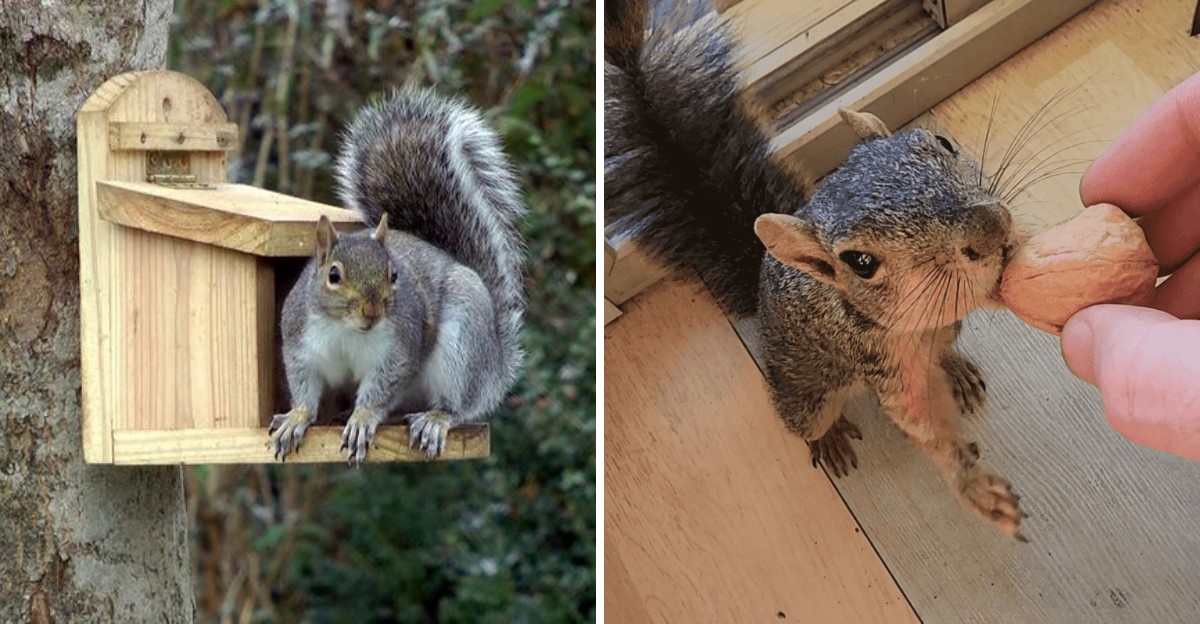
A single gray squirrel can bury thousands of nuts in one fall, then find many of them again by smell, even under a foot of snow.
That buried pantry is a winter survival plan built over millions of years. It’s fascinating that a small rodent with a brain about the size of a walnut can manage such a careful food system without any help from us.
Even so, plenty of well-meaning Michigan homeowners step in anyway, scattering corn and peanuts across frosty decks.
It’s easy to understand why, since those bushy tails flicking against white snow are hard to resist, and watching them scamper feels like a little show put on just for you.
Still, a handout that seems kind on a cold January morning can quietly change how these busy neighbors eat, gather, and behave around your house. What really happens when the free buffet opens every day?
1. Those Busy Backyard Squirrels Already Packed Their Winter Lunch
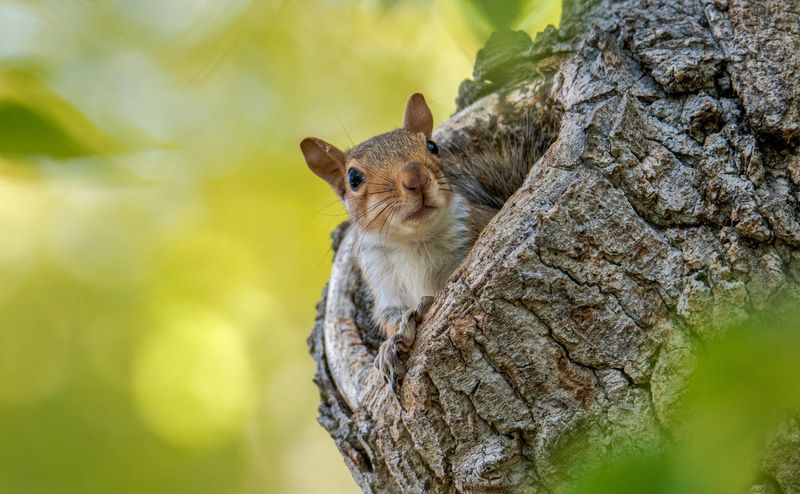
Back in October, while you were raking leaves, your local squirrels were working overtime. Gray and fox squirrels in Michigan spend fall stashing acorns, walnuts, and hickory nuts in hundreds of small holes, a habit scientists call scatter hoarding.
Red squirrels take a different path. They pile cones and seeds into one big storage spot called a midden, often at the base of a conifer.
Squirrels do not hibernate, so these hidden snacks are their main winter fuel. On the coldest days, they often stay tucked inside leaf nests or tree cavities and come out only to grab food from their stash.
Their thick winter coats and fat reserves help them ride out snowy weeks.
Healthy squirrels are well prepared for a normal Michigan winter. Our handouts rarely fill a real gap, and they can pull animals away from the work their bodies are designed to do.
Here’s a fun bit worth knowing. Many of the nuts squirrels forget to dig up sprout into new oaks and walnuts each spring.
When they skip their own pantry for your feeder, fewer of those buried treasures get moved around, and the woods lose a little of that free tree planting.
2. Daily Peanut Piles Can Make A Squirrel Lazy About Foraging
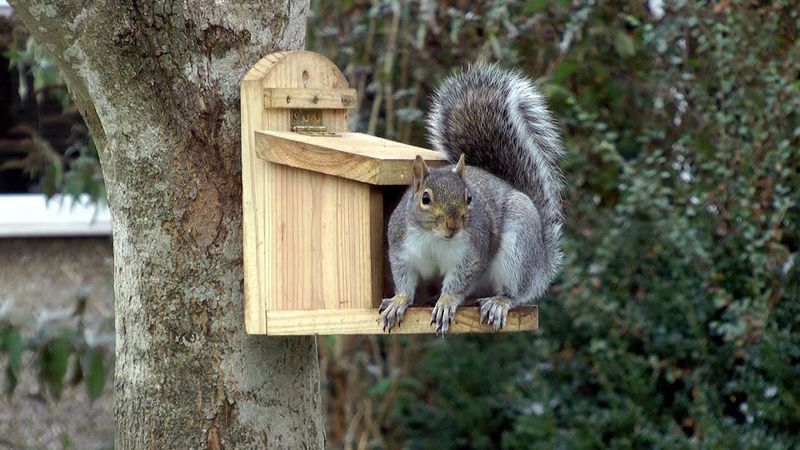
Call it the drive-thru effect. Once squirrels learn that a certain deck serves free peanuts every morning, many of them stop searching as hard on their own.
Wildlife experts point out that animals fed by people can grow dependent on that easy source. Squirrels are clever, and they quickly figure out where the effort is lowest.
That shortcut feels harmless until the food suddenly stops.
Winter plans change for people all the time. You might head south for a few weeks, catch the flu, or simply forget a refill during a blizzard.
Squirrels counting on your schedule may then burn energy waiting around a spot that no longer delivers.
Steady feeding can also draw extra squirrels into one small area. More mouths in a single yard means more competition once spring arrives and the handouts end.
My honest take is simple. If you have already been feeding all winter, taper off slowly instead of stopping cold.
Offer smaller amounts every few days, then less often, so local squirrels have time to shift back to their buried stash and natural foods. A gradual change is kinder than a sudden empty dish.
3. Crowded Feeding Spots Help Mange And Squirrel Pox Spread
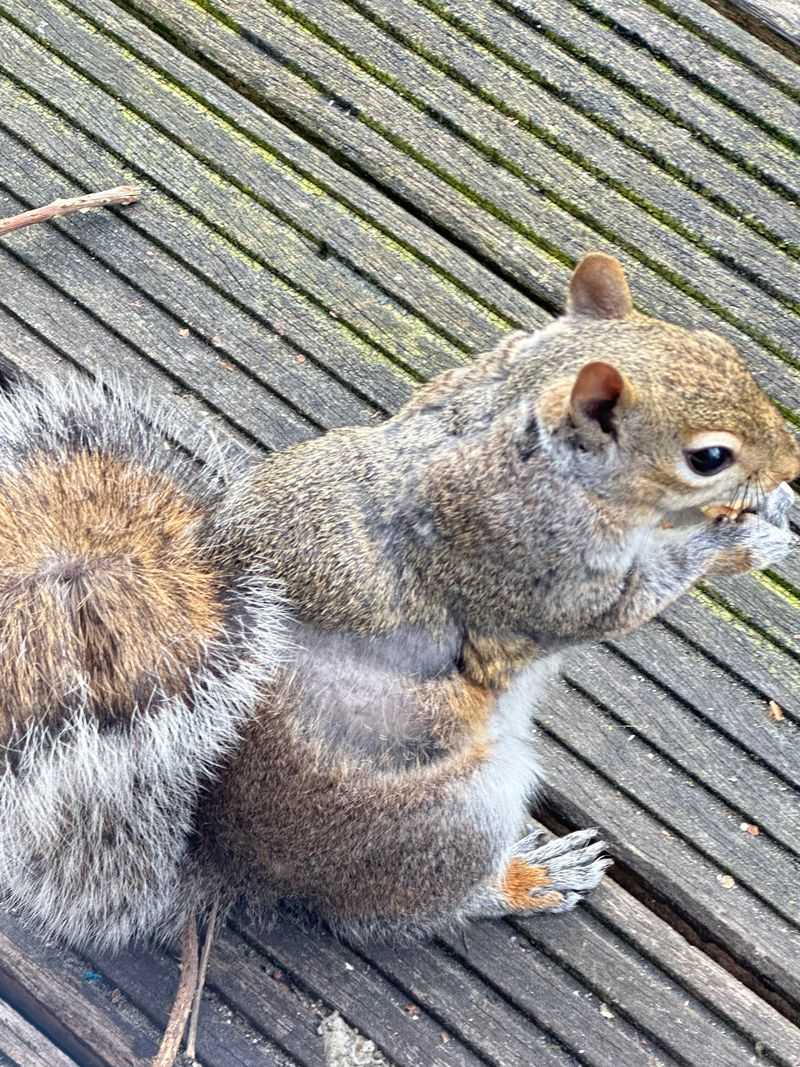
Ever spotted a squirrel with bald, crusty patches in the middle of winter? That patchy look is often caused by mange mites, and it can be rough on an animal trying to stay warm.
Squirrels that gather at one feeding station sit nose to nose and share the same surfaces. That close contact helps mites, fleas, and other parasites hop from one animal to the next.
Squirrel fibroma, a pox-like virus that causes lumps on the skin, can also pass more easily where animals bunch together.
In the wild, squirrels spread out across many trees and yards. Food in nature is scattered, so they naturally keep a little distance.
A pile of corn on the ground changes that pattern overnight.
Wet, moldy seed adds another layer of trouble. Snow and freeze-thaw cycles can turn leftover grain into a soggy mess that grows mold and bacteria.
If you see a squirrel with fur loss or odd lumps, the best move is to stop feeding for a while. Clean up old food and rinse any trays with a mild bleach solution.
Spreading animals out is one of the simplest ways to slow these problems.
4. Corn And Bread Are Junk Food For A Squirrel’s Body
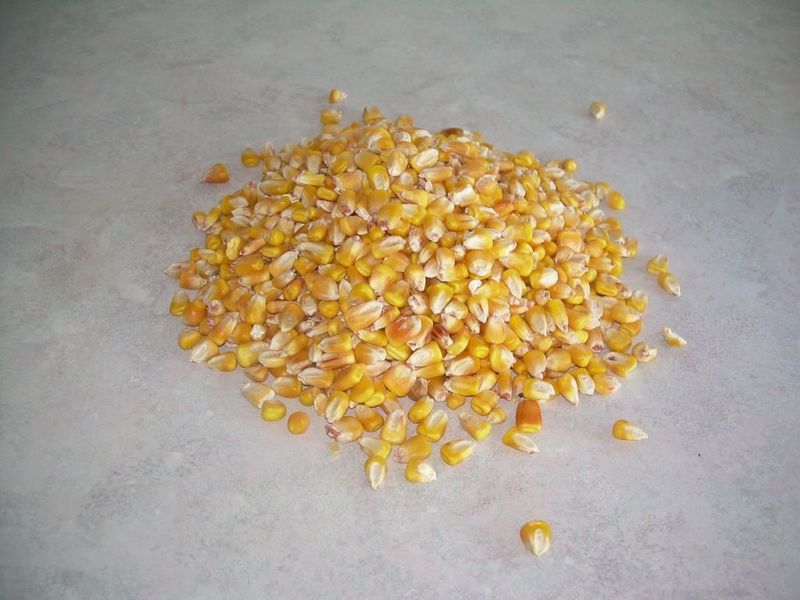
Dried corn might be the most popular squirrel treat sold in stores. Sadly, it is a lot like feeding a kid candy bars for breakfast every day.
Corn, bread, crackers, and salted peanuts are high in starch or fat but low in the calcium squirrels need. Wildlife rehabilitators often see squirrels with metabolic bone disease, a condition where bones grow weak from too little calcium.
Poor diets are a major reason.
Raw peanuts bring their own worry. They are technically legumes, and in damp storage they can grow molds that produce aflatoxins, which may harm a squirrel’s liver.
Compare that to what squirrels pick on their own. Acorns, walnuts, hickory nuts, tree buds, maple seeds, and even fungi give them a wider mix of nutrients.
Squirrels also gnaw on shed deer antlers and old bones for minerals.
So what can you do if you love having them around? Skip the bagged corn and bread entirely.
Planting a native oak, hickory, or hazelnut gives squirrels real food for years, and your yard gets shade and beauty in return. That feels like a much better gift than a bucket of kernels.
5. A Well-Fed Squirrel May Eye Your Warm Attic Next
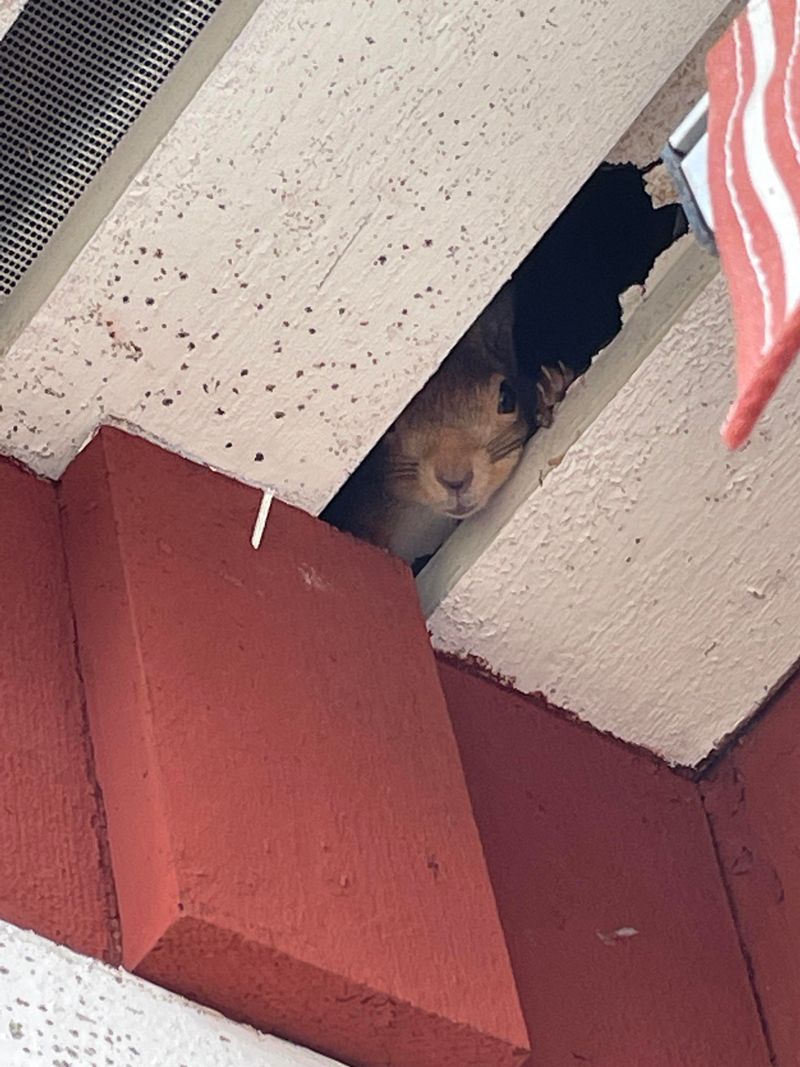
Picture this cost instead. Pest control companies say attic squirrel repairs can easily run into hundreds of dollars, and sometimes much more.
Squirrels drawn close to your house for food quickly notice what else your home offers. Gaps in soffits, loose vents, and chimney openings look like cozy winter dens.
Late winter is also when gray squirrels start mating, and females go looking for safe spots to raise their first litter.
Once inside, their teeth get busy. Squirrel teeth grow throughout their lives, so they chew on wood, insulation, and even electrical wiring.
Chewed wires can create a real fire risk inside your walls.
A feeder near the house acts like a welcome mat. It keeps squirrels hanging around your siding, gutters, and roof, giving them plenty of time to explore weak spots.
Walk around your home this week and look up. Check for chewed edges, dark stains, or small holes near the roofline.
Seal openings with sturdy hardware cloth or metal flashing, but make sure no animal is trapped inside first. A licensed wildlife control pro can help if you hear scratching overhead in the morning.
6. Hand-Fed Squirrels Can Get Surprisingly Bold Around People
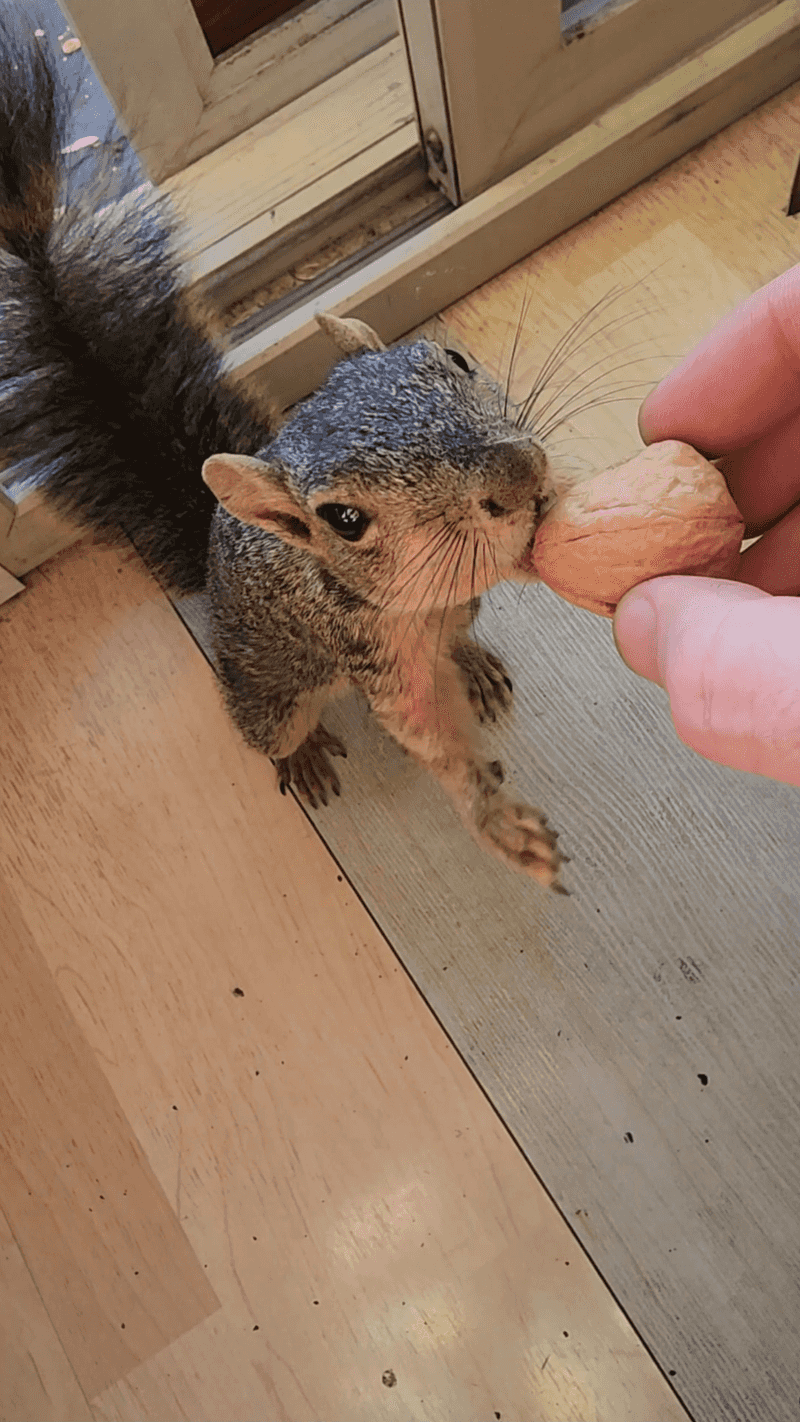
A friend once told me about a squirrel that climbed right up her pant leg looking for a peanut. Funny story, sure, but it shows how fast wild manners can fade.
Squirrels that link people with food can lose their natural caution. Some start approaching kids, pets, or neighbors who have no snacks to share.
A frustrated squirrel may scratch or nip, and those sharp teeth can break skin.
Squirrels are rarely known to carry rabies, according to health agencies. Still, any wild animal bite deserves a good wash with soap and water and a call to your doctor, since wounds can get infected.
Boldness also causes trouble for your neighbors. A squirrel trained to expect food at one house may raid bird feeders, porch pumpkins, or garden beds next door.
Keeping a respectful distance helps everyone. Enjoy watching from your kitchen window instead of tossing treats from the porch.
Avoid hand-feeding completely, and ask kids not to try it either. A squirrel that stays a little shy of people is far more likely to stay safe from cars, dogs, and grumpy neighbors.
7. Native Oaks And Tidy Bird Feeders Help Squirrels The Right Way
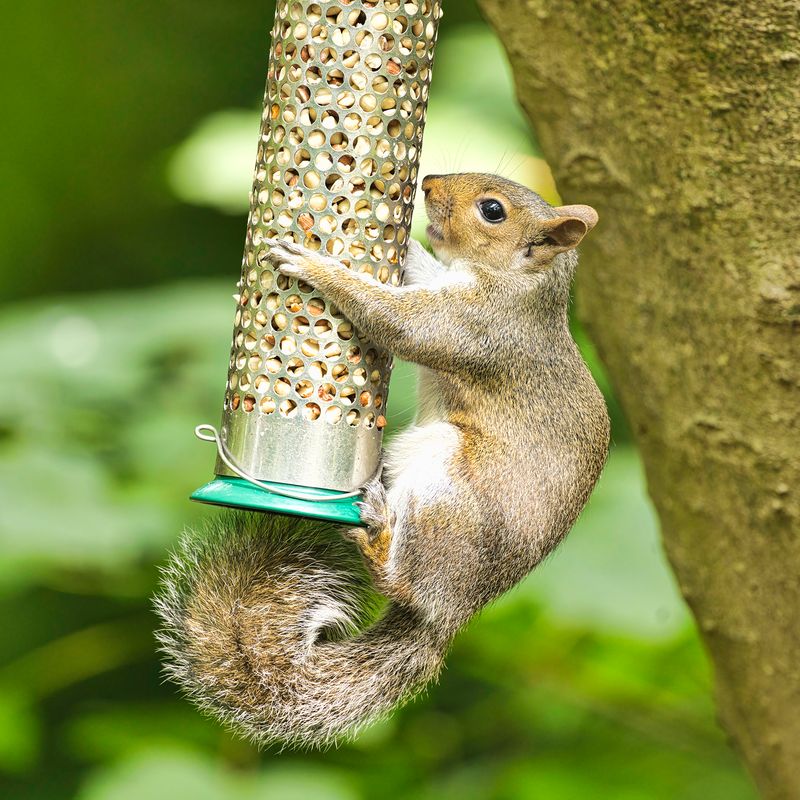
Helping squirrels does not have to mean feeding them. Some of the best support comes from the yard you shape over time.
Native trees are the gold standard. White oak, red oak, bur oak, shagbark hickory, black walnut, and American hazelnut all grow well across much of Michigan and feed squirrels naturally.
They also support hundreds of insects that songbirds rely on, so the whole yard benefits.
Leaving some leaf litter and a brush pile in a back corner gives squirrels and other wildlife shelter. Dead standing trees that pose no risk to people or buildings can offer nesting cavities too.
If you keep bird feeders up this winter, a few habits make a big difference:
Mount feeders on a pole with a cone-shaped baffle placed at least 10 feet from jumping spots. Rake up spilled seed often so it does not pile up and spoil.
Trim tree branches so they sit several feet away from your roof.
Come spring, consider planting one new native nut tree. It may take a few years to bear fruit, but it will feed squirrels long after any bag of corn runs out.
That is a gift with deep roots.