Can Your Indiana Neighbor Keep Using A Private Road That Crosses Your Land?
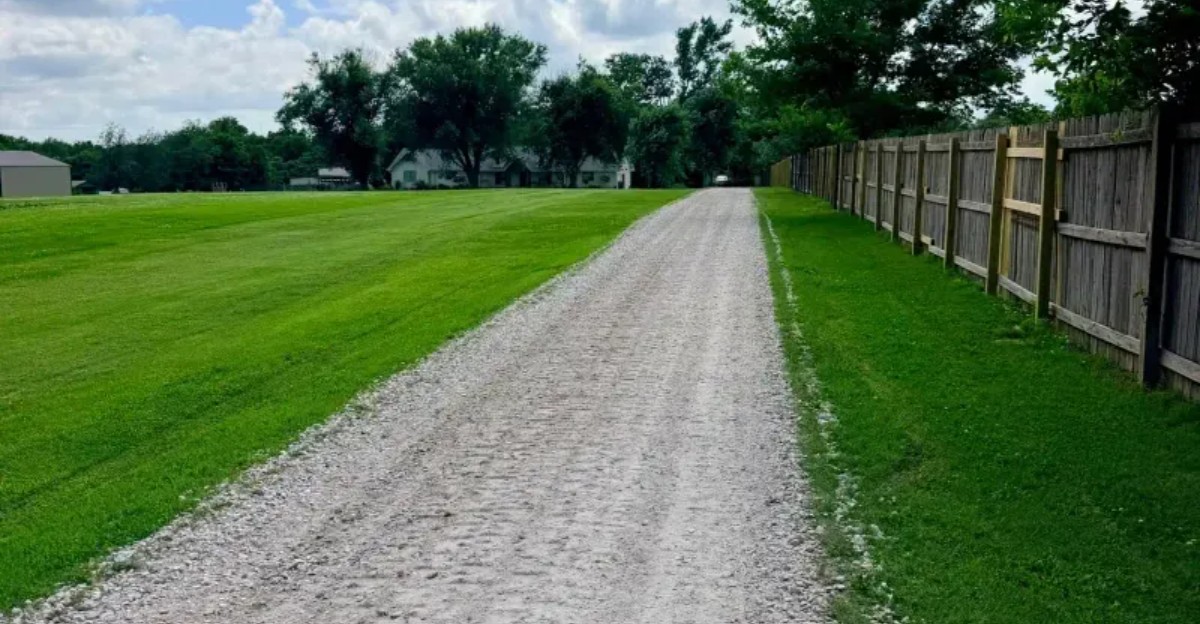
Twenty years of a neighbor’s tires rolling across your gravel lane can quietly turn into a legal right. No paperwork, no handshake, and no permission required.
I learned this the hard way while chatting over a fence about tomato cages. My friend in Indiana had no idea the family next door might have a legal right to drive on the dirt track behind his barn.
You’d think owning the deed settles everything, but it often doesn’t. Old agreements, landlocked parcels, and decades of habit can all give someone else a lasting claim to drive on your ground.
Control over that strip of gravel between the cornfield and the mailbox depends on a few surprising details hiding in county records and family history.
That Gravel Lane Behind Your Barn Might Carry Hidden Legal Rights
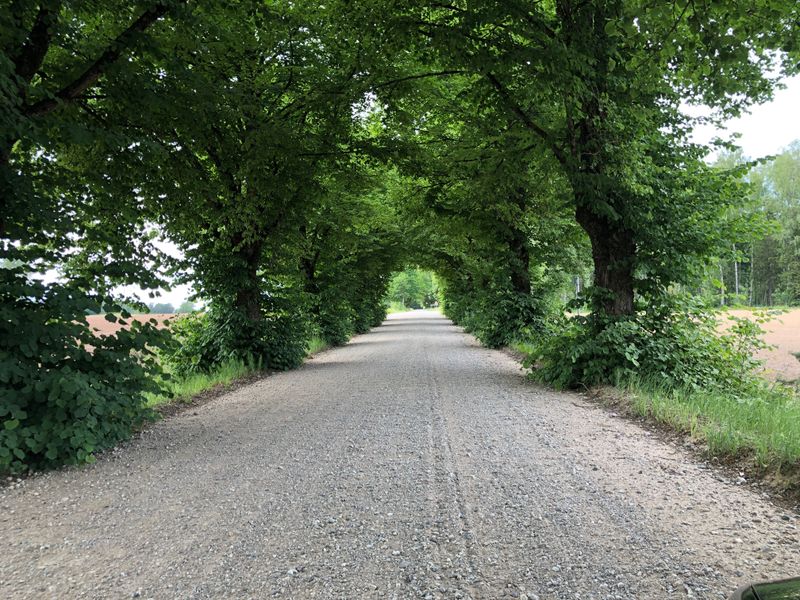
Short answer first. Your neighbor can keep using a private road across your land if a legal easement exists.
An easement is a right to use someone else’s property for a specific purpose, like driving to a house or reaching a field. It does not give your neighbor ownership of the ground. You still own the dirt, pay the taxes, and hold the deed.
Without an easement, though, the picture changes. If your neighbor simply drives across your lane because you were friendly about it, that use is usually treated as permission, and permission can generally be withdrawn.
So the real question is not whether they have been using the road. The question is whether that use has grown into a recognized legal right.
In Indiana, easements mostly form in three ways. Some are written and recorded, some are implied by how land was divided, and some grow out of long, unchallenged use.
Each path has its own rules and proof requirements. Knowing which one applies to your lane will tell you how much control you really have, and whether a polite conversation or a lawyer’s letter makes more sense as your next step.
Check Your Deed And County Records For A Written Road Easement
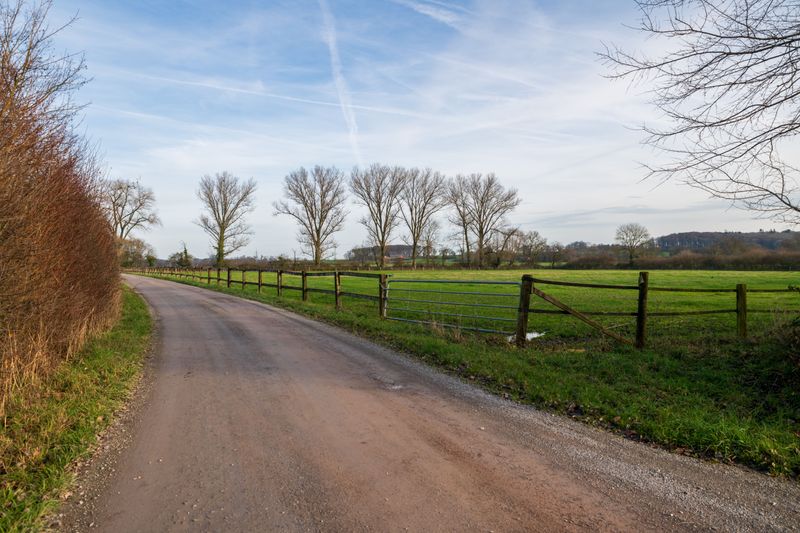
Before you march down the driveway with a strong opinion, grab your deed. The clearest kind of road access is an express easement, which is a written agreement usually recorded with the county.
These documents spell out the location of the road, who can use it, and for what purpose. Many also explain how long the easement lasts, and some even cover who pays for gravel or snow removal.
Here is where it gets sneaky. An easement recorded decades ago can still bind you today, even if the previous owner never mentioned it at closing.
Your county recorder’s office holds these records. Many Indiana counties offer online search tools, but older filings may require a trip to the courthouse or help from a title company.
Look over your title insurance policy too. Recorded easements often appear as exceptions, listed in fine print that most of us skimmed while signing a mountain of papers.
If you find a written easement, your neighbor’s right to use the road is likely solid. If you find nothing, keep digging, because unwritten easements can still exist and carry real legal weight in court.
Twenty Years Of Tire Tracks Can Create A Prescriptive Easement
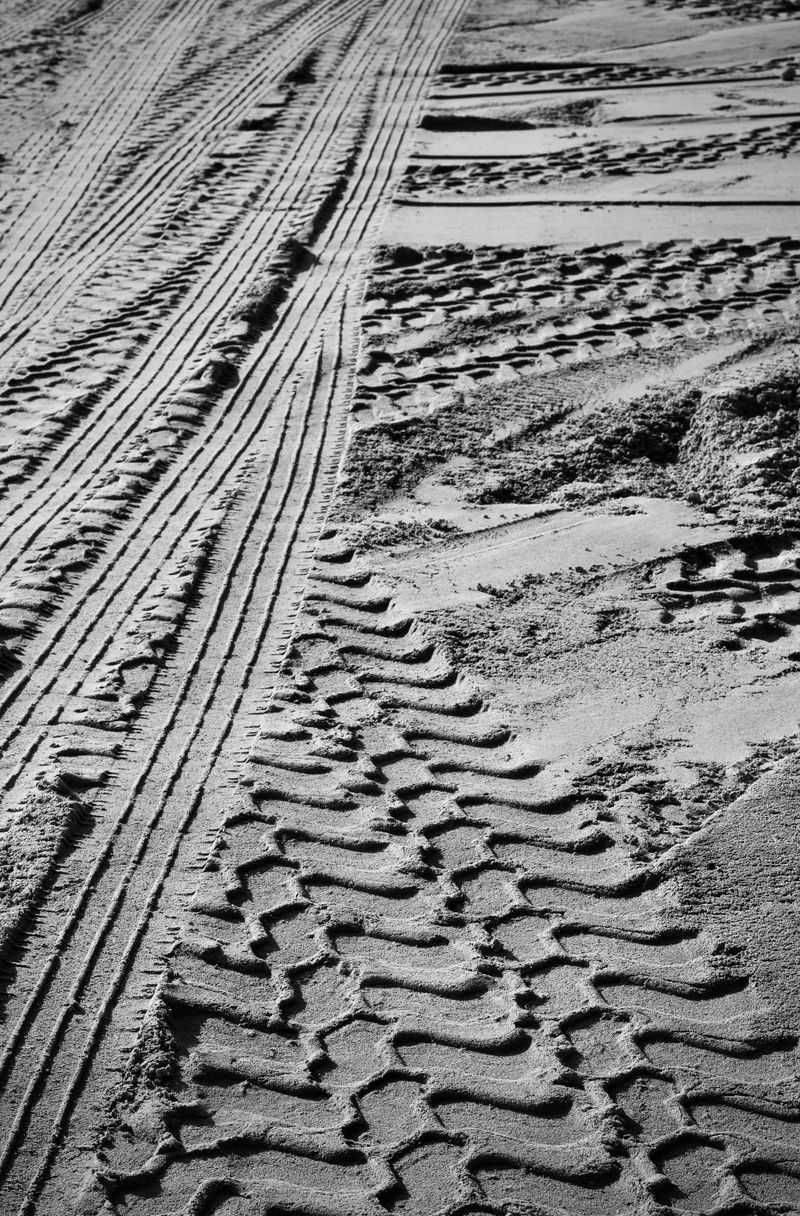
Here’s the rule that surprises most landowners. In Indiana, someone can earn a prescriptive easement by using your land openly and without permission for at least 20 years.
The use must be actual, hostile, open, notorious, continuous, uninterrupted, and adverse under a claim of right. Courts require clear and convincing proof of four elements, which are control, intent, notice, and duration.
The word hostile sounds dramatic, but it does not mean angry neighbors waving pitchforks. It simply means the use happened without the owner’s permission.
Picture the old pattern. A family drives the same farm lane every week from the 1990s onward, nobody asks, and nobody objects. That steady, visible use could grow into a lasting right.
Permission is the big dividing line. If you or a prior owner clearly allowed the use, the twenty-year clock generally does not run in the same way.
Proving these cases is not easy. The neighbor carries the burden, and judges look closely at photos, witness memories, and old records. Still, long habits on a shared gravel path deserve your attention sooner rather than later.
A Landlocked Field Next Door Can Change Everything
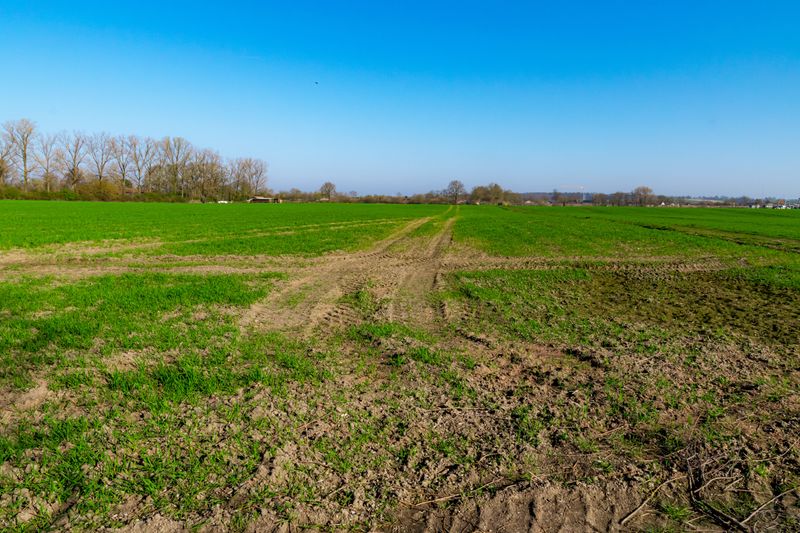
Some neighbors have no other way out. When a parcel has no access to a public road, the law may step in with an easement by necessity.
These usually arise when one larger piece of land gets split. If the sale left one part cut off from any road, courts may find that both parties intended access across the remaining land.
A second type, called an implied easement from prior use, follows similar logic. Say a farmer used a lane to reach the back pasture for years, then sold that pasture. The buyer may keep the right to use that same lane.
Not going to lie, these can feel unfair when you never signed anything. Yet courts see them as honoring what the original owners clearly expected when the land changed hands.
A few clues hint that one may apply. Check whether your property and your neighbor’s were once owned by the same person, and whether their land touches a public road anywhere.
Old plat maps and the county surveyor’s office can help you trace that history. The story of how the land was divided often holds the key.
Driving Rights Are Not The Same As Owning Your Land
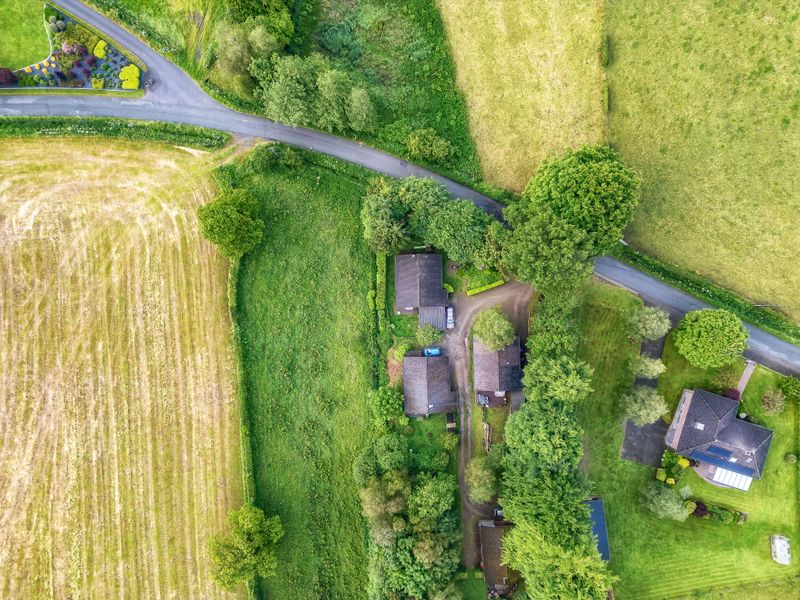
Plenty of folks mix up two very different legal ideas. A prescriptive easement and adverse possession both involve long use, but the results are worlds apart.
Adverse possession can transfer actual ownership of land. In Indiana, it requires 10 years of possession plus payment of the property taxes, and the person claiming it typically needs sole control of the property.
A prescriptive easement only grants the right to use a specific strip for a specific purpose. Your neighbor might gain the right to drive the lane, but the ground beneath stays yours.
Another difference matters a lot for shared roads. For a prescriptive easement, the neighbor does not need exclusive use, so you driving the same lane does not block their claim.
That detail catches many owners off guard. People assume their own daily trips prove the road belongs only to them, yet shared use is generally acceptable for an easement.
Knowing which claim you face helps you stay calm. A neighbor asking to keep driving to their pole barn is usually seeking a narrow right, not trying to take your acreage. That distinction can shape the whole conversation.
Blocking The Shared Driveway Could Backfire On You
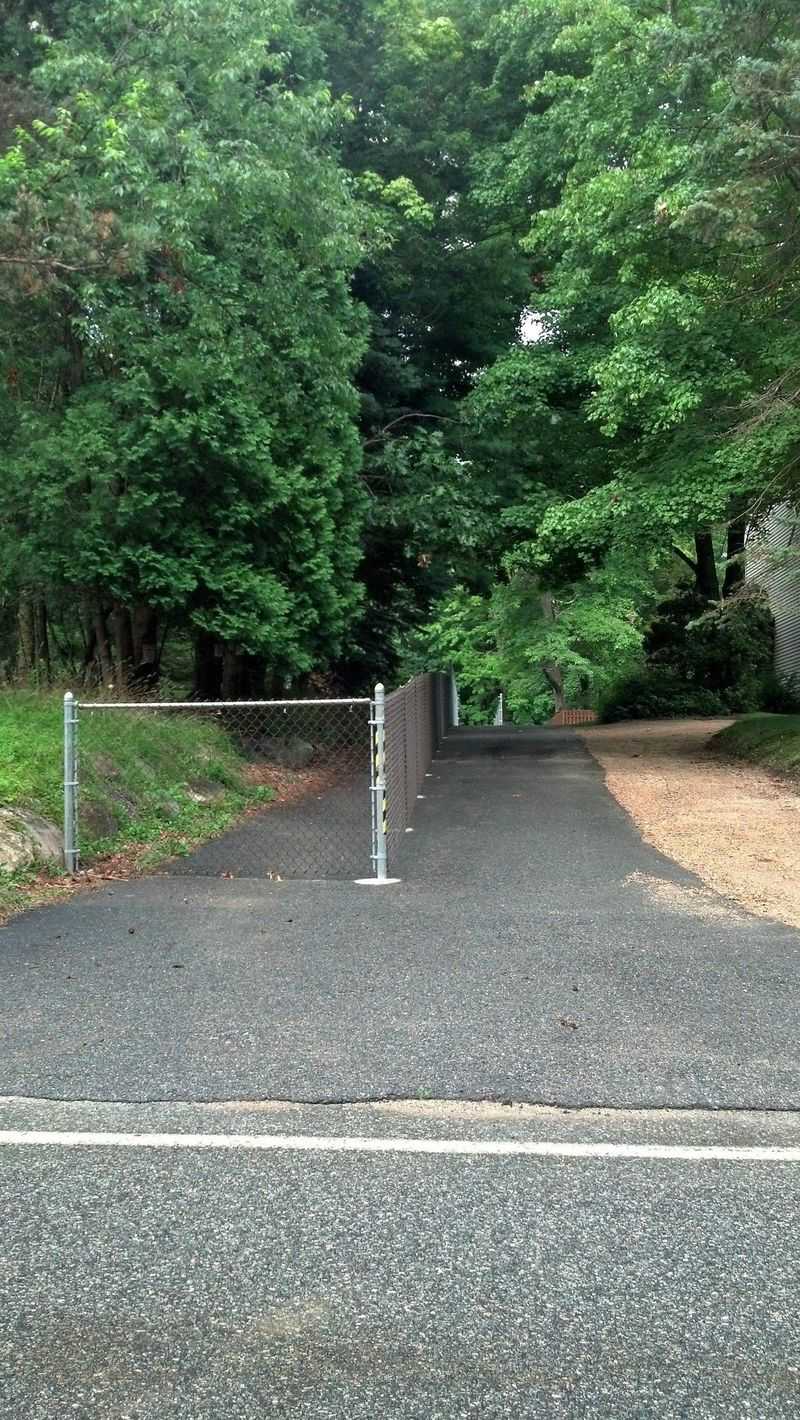
Tempted to drag a farm gate across the lane? Hold that thought, because interfering with a valid easement can land you in court.
When an easement exists, the landowner must allow the permitted use and cannot block or unreasonably interfere with it. Locked gates, parked equipment, or piles of mulch in the path can all cause trouble.
The easement holder has limits too. Their use must be reasonable and stay within the original scope.
An easement for coming and going does not let your neighbor park a camper on your lawn, store firewood, or turn the lane into a commercial trucking route. It covers passage, not a free-for-all.
I’m the first to admit tempers flare over driveways. Mud, speed, and late-night headlights can test anyone’s patience.
A better move is writing down specific concerns, such as heavier traffic or new uses. If use has grown beyond its purpose, that may be a fair point to raise, ideally calmly and with records in hand.
Potholes, Fresh Gravel, And Snowplows Bring Shared Costs
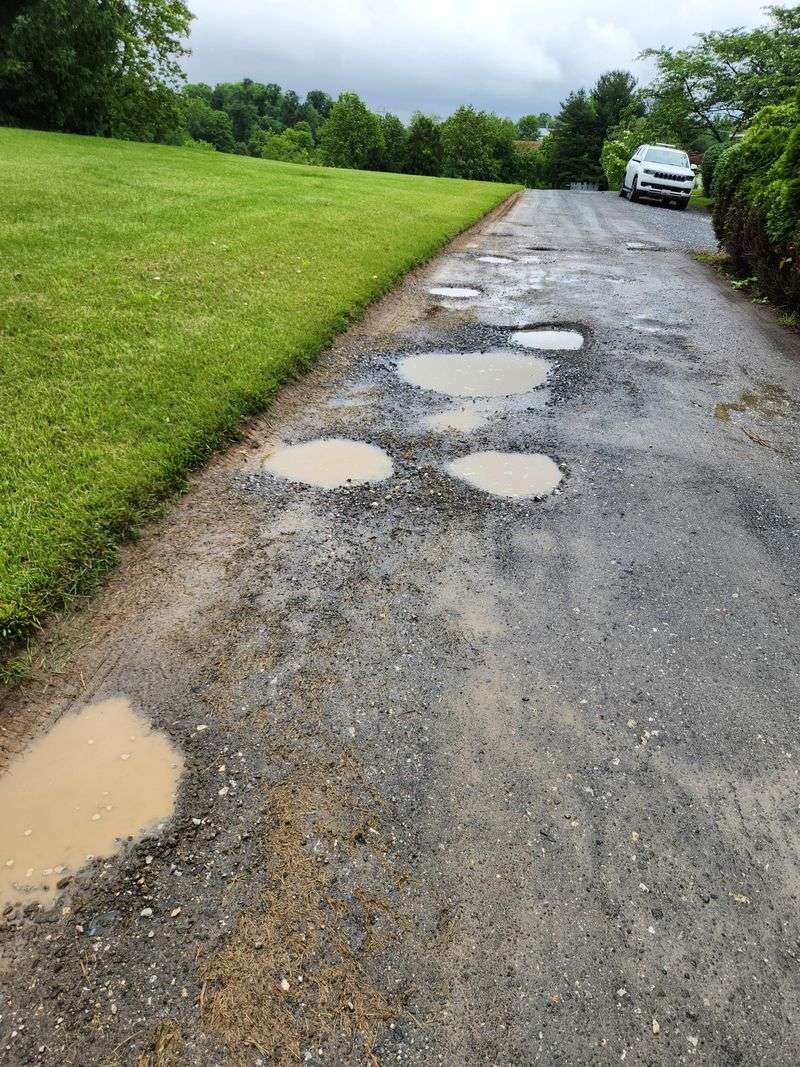
Every spring thaw seems to carve fresh potholes into country lanes. So who pays to fix them?
The written easement is the first place to look. Many agreements spell out who handles grading, gravel, culverts, and snow removal.
When the document stays silent, the easement holder generally carries the duty to maintain the road, and owners who both use it are often expected to share upkeep fairly. That can include resurfacing, plowing, and routine repairs.
Fair does not always mean equal. A neighbor hauling grain trucks daily may wear the road far faster than someone driving a small car twice a week.
A simple written road maintenance agreement can save years of grumbling. List the tasks, split the costs, and decide how you will approve big projects before anyone hires a contractor.
Keep receipts too. Records of who paid for gravel loads or culvert work can help if a disagreement ever reaches mediation or court.
Honestly, a shared road kept in good shape benefits everyone. Smooth gravel protects tires, helps emergency vehicles reach both homes, and keeps that drive to the mailbox a little more pleasant after a long winter.
Talk It Out Over The Fence Before Calling A Lawyer
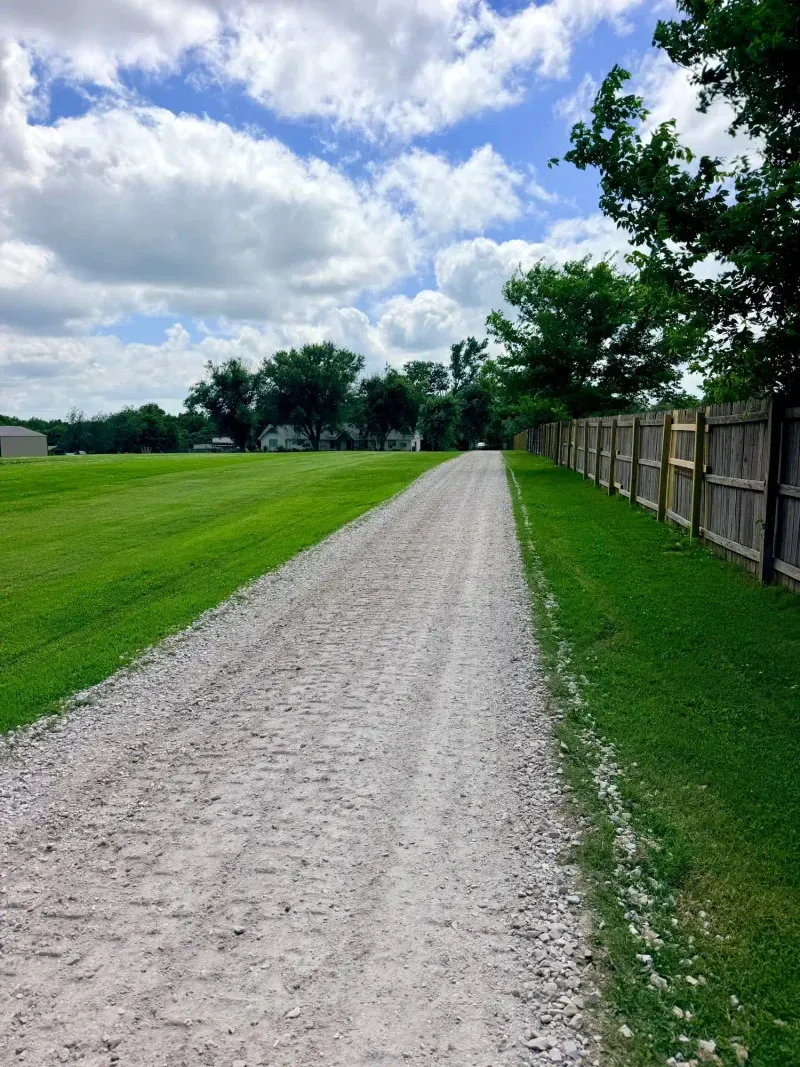
Easements can end, but rarely by accident. The simplest route is a written agreement between you and the easement holder, recorded with the county.
Abandonment is another path. Mere non-use is not enough, though, because there must also be clear evidence that the holder intended to give up the right.
The merger doctrine can wipe the slate clean too. If one person buys both properties, the easement generally ends since nobody needs permission to cross their own land.
An easement by necessity may fade if the necessity disappears, such as when a new public road reaches the once-landlocked parcel.
If you want to prevent a future prescriptive claim, consider giving written permission to use the lane. That permission can help show the use is not hostile.
My best advice is simple. Start with a friendly chat, bring your deed and any survey, and listen to your neighbor’s history with the road.
If talk stalls, formal mediation is often cheaper than a lawsuit. For anything involving recorded rights or twenty-year claims, an Indiana real estate attorney can review your situation and protect your property for years to come.