The November Lawn Secret New Yorkers Overlook, and It’s Better Than Fertilizer
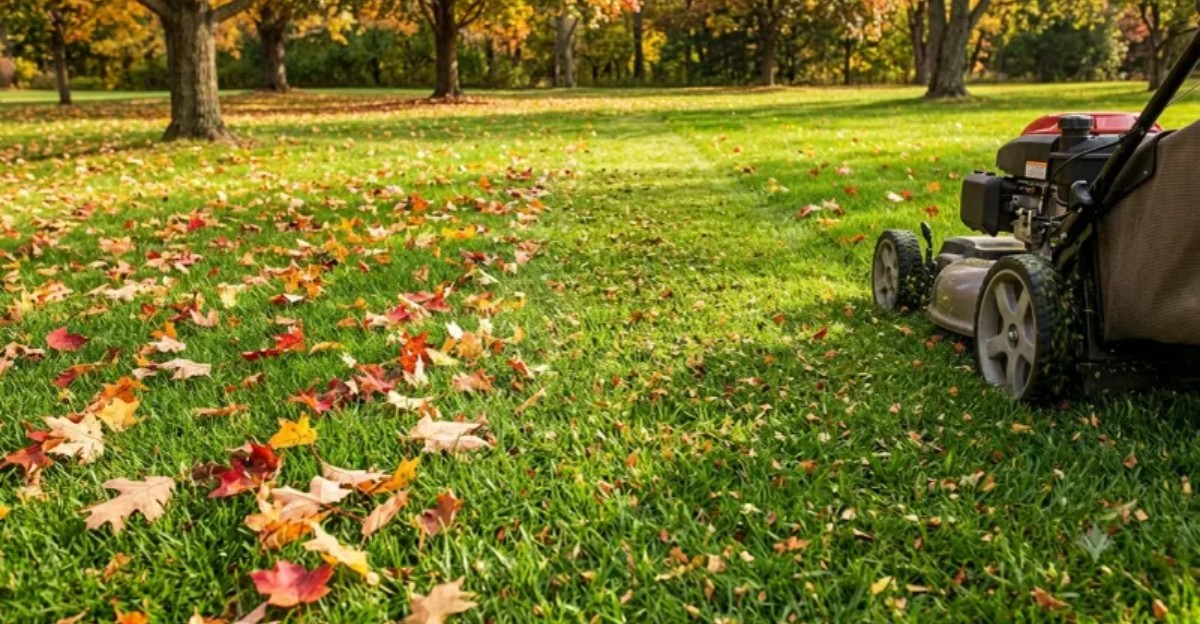
A single mature oak can drop tens of thousands of leaves in one autumn, and most of them get stuffed into paper bags like unwanted mail.
I used to haul those bags to the curb every weekend in November. My back ached, my rake lost teeth, and my lawn still looked tired every April.
Researchers at Michigan State University spent years testing a simple alternative on real turf. Their plots stayed healthier, and some even showed fewer dandelions the next spring. I had to read that part twice.
The trick costs nothing, takes less time than raking, and uses something already sitting on your grass in New York right now. Cornell turf experts have quietly recommended it for years.
So why are so many of us still filling bag after bag at the curb every single fall?
Those Fallen Maple And Oak Leaves Are Worth More Than You Think
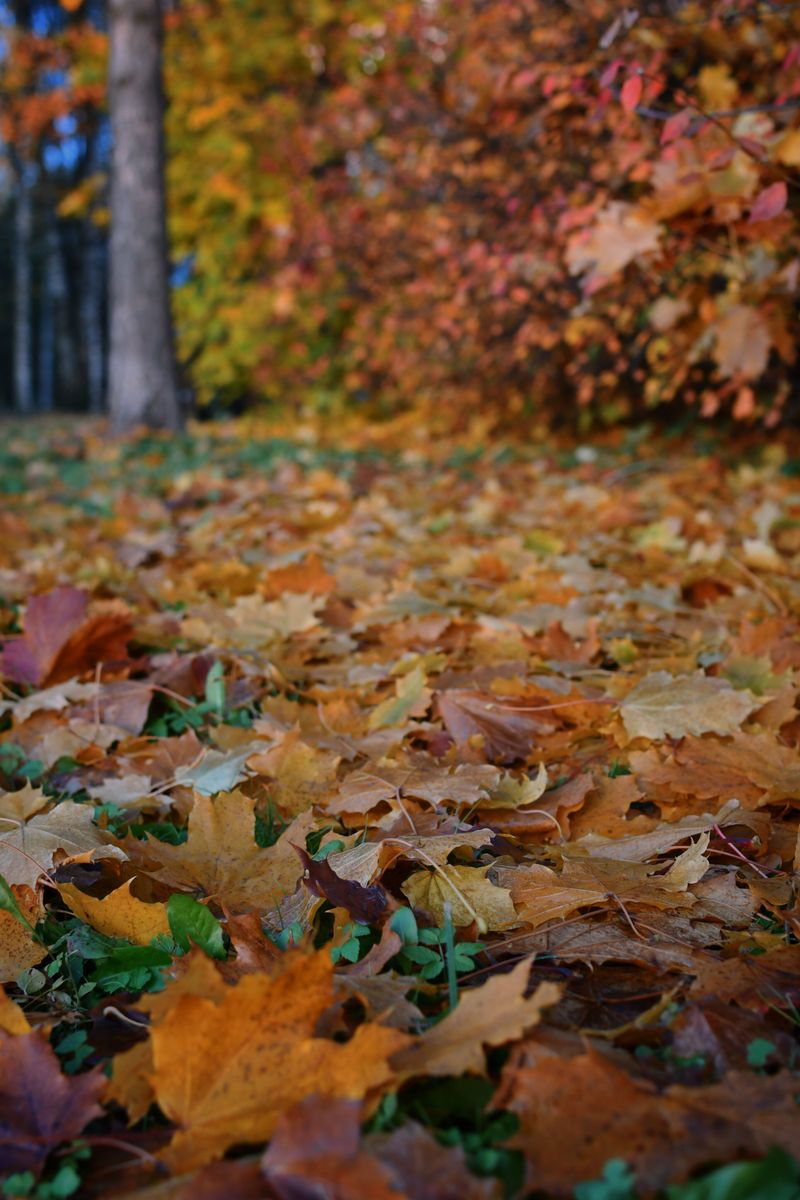
Every autumn, I used to look at a carpet of maple and oak leaves and see nothing but work. Turns out I was staring at a free soil amendment and calling it trash.
Leaves hold carbon plus small amounts of nitrogen, phosphorus, potassium, and calcium that trees pulled from deep in the ground. When leaves stay on your property and break down, those nutrients slowly return to the soil.
Bagging them sends that value to the curb or a landfill.
Leaf matter is not a magic fertilizer, though. The nutrient levels are modest, so the real payoff comes from organic matter.
Organic matter feeds earthworms and soil microbes, and those tiny workers make nutrients easier for grass roots to use.
That is the overlooked secret. Instead of raking, you shred leaves right into the lawn with your mower.
Cornell, Rutgers, and Michigan State turf specialists all support this practice, often called leaf mulching or mulch mowing.
New York yards are packed with leaf producers like sugar maples, red maples, and oaks. That means most homeowners have a big supply waiting for them each November.
So before you grab the rake this weekend, take a second look. That messy layer on your grass may be the cheapest lawn upgrade you will find all year, and it arrives on schedule every fall.
Run Your Mower Over The Leaves Until They Shrink To Dime Size
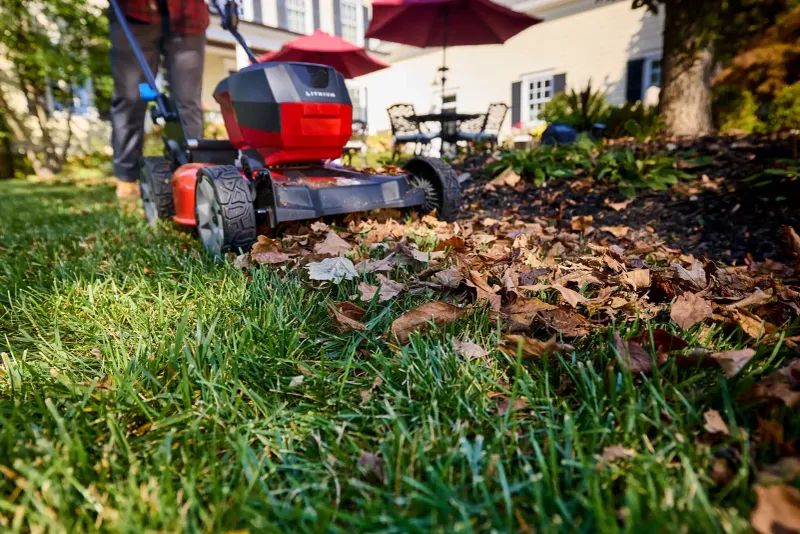
My first try at this was clumsy. I mowed once over a thick layer of wet leaves and ended up with soggy clumps everywhere.
Do better than I did and wait for a dry afternoon. Dry leaves shred cleanly, while wet ones mat together and clog the deck.
Set your mower to about three inches, which suits cool-season grasses in the state.
A dedicated mulching mower or mulching blade works best. A regular rotary mower still does the job, though you may need two or three passes.
Keep the side discharge closed or the bag off if possible.
Your goal is pieces about the size of a dime. Those small bits fall between grass blades and settle on the soil surface.
After mowing, you should see plenty of green grass poking through, with leaf bits mostly hidden below.
Timing matters too. Mow every week or so while leaves are dropping instead of waiting for one giant pile at the end.
A light layer is easy to shred, but a foot of leaves is a different story.
Keep at it through November until the trees are bare. In most of the state, grass is still growing a little this month, so it can absorb leaf bits before snow arrives.
Shredded Leaves Can Beat A Bag Of Fall Fertilizer In One Big Way
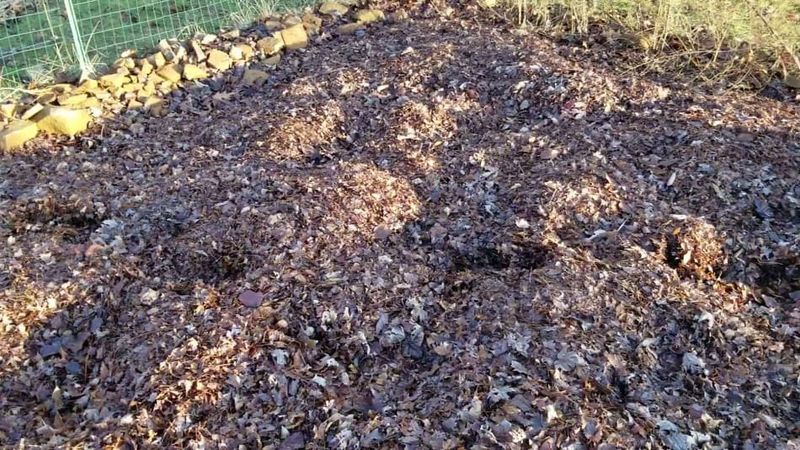
Fertilizer and leaves do different jobs, and that difference explains the headline. A bag of fertilizer feeds grass quickly, while shredded leaves feed the soil itself.
Synthetic fertilizer delivers nutrients fast, but it adds almost no organic matter. Mulched leaves build soil structure over time.
Better structure helps soil hold water in summer and drain more evenly after heavy rain.
Michigan State University research found turf plots receiving shredded maple leaves stayed as healthy as unmulched plots, with no harm to the grass. Some trials also showed fewer dandelions over the following seasons.
Scientists suspect shredded maple leaves may slow dandelion seedling growth, though that effect varies.
Honest truth time. Leaves alone may not supply all the nitrogen a hungry lawn wants.
Cornell and other extension programs suggest getting a soil test before buying any fertilizer.
If your test shows low nutrients, you can still fertilize. Many lawns may need less, though, once leaf mulching becomes a yearly habit.
That saves money and reduces nutrient runoff into streams and lakes.
Some counties, including Suffolk, Nassau, and Westchester, have rules restricting lawn fertilizer timing. State law also limits phosphorus fertilizer use on lawns.
Leaf mulching sidesteps those concerns, which makes it an easy win for any yard.
Thick Wet Leaf Mats Can Smother Your Cool-Season Grass
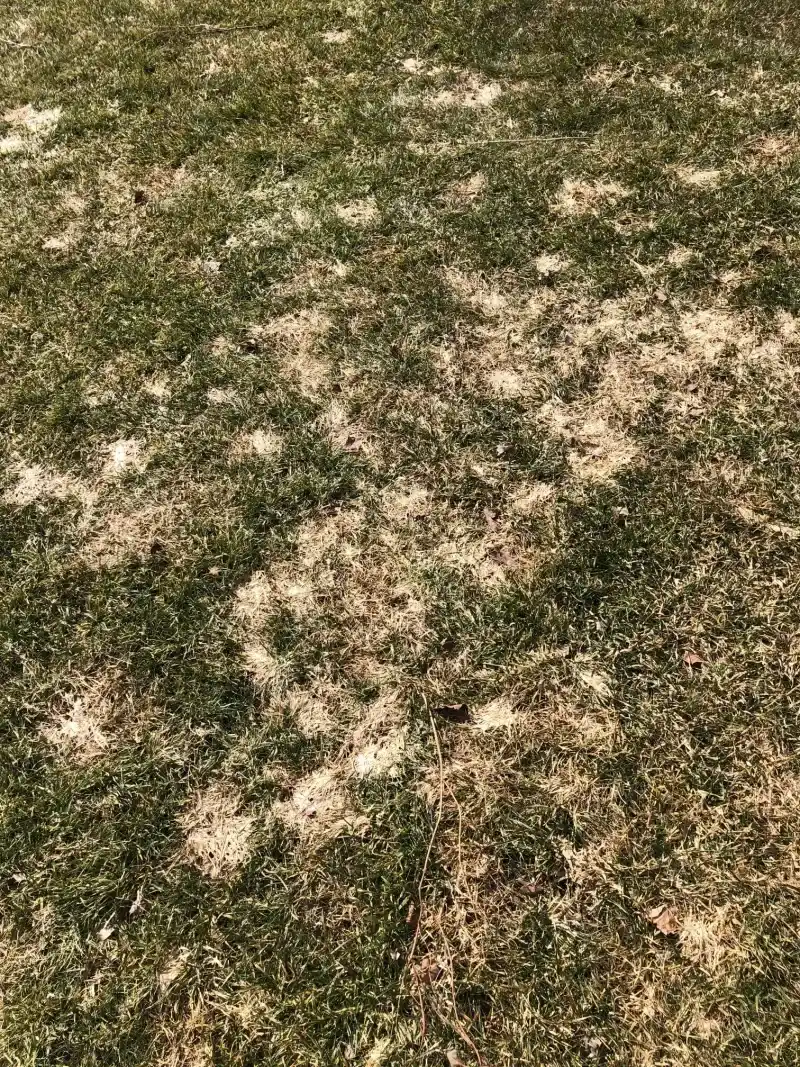
Picture-perfect leaf mulching has one big enemy, and it is laziness. I learned this the year I let a pile sit under my oak tree until December.
Whole leaves left in a thick layer block sunlight and trap moisture against the grass. Kentucky bluegrass, perennial ryegrass, and fine fescues are common in New York lawns.
They keep making food on sunny fall days, so blocking light sets them back.
Wet mats also create a cozy home for snow mold. Snow mold diseases show up as matted, straw-colored or pinkish patches after snow melts.
A clean, open lawn heading into winter helps reduce that risk.
So the rule is simple. Shred everything, and do not let unshredded leaves sit for weeks.
If you cannot see grass blades after mowing, the layer is too heavy.
Oak leaves deserve special attention. They are tough and waxy, so they break down slower than maple leaves.
Give them an extra pass with the mower.
Leaves piling against fences or in low spots can also form soggy drifts. A quick rake to spread them out before mowing fixes the problem.
A little attention now keeps your grass breathing all winter.
Got Too Many Leaves? Garden Beds And Compost Bins Will Gladly Take Them
Some yards sit under so many trees that the lawn cannot handle every leaf. If you live near a row of giant oaks, you know exactly what I mean.
Extra leaves are still treasure. Shred them, then rake or bag the surplus with your mower.
Spread two to three inches around perennials, shrubs, and vegetable beds. The layer insulates soil and protects roots through freeze and thaw cycles.
Keep mulch a few inches away from tree trunks and shrub stems. Piling it against bark can invite rot and rodents.
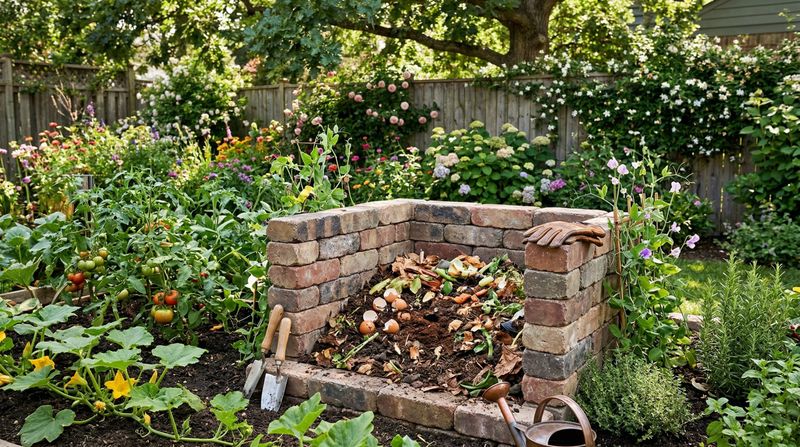
Compost bins love leaves too. Leaves supply the brown, carbon-rich part of a good compost mix.
Pair them with green kitchen scraps or grass clippings, and you will have rich compost by summer.
Another favorite of mine is leaf mold. Pile shredded leaves in a wire ring, keep them damp, and walk away.
In a year or two, you get crumbly dark material that gardeners call black gold.
New York City residents can also check with the city about leaf collection for composting each fall. Many towns upstate run similar programs.
Even surplus leaves can return to the soil somewhere instead of a landfill.
Fireflies, Bumblebees, And Butterflies Count On Leftover Leaf Litter
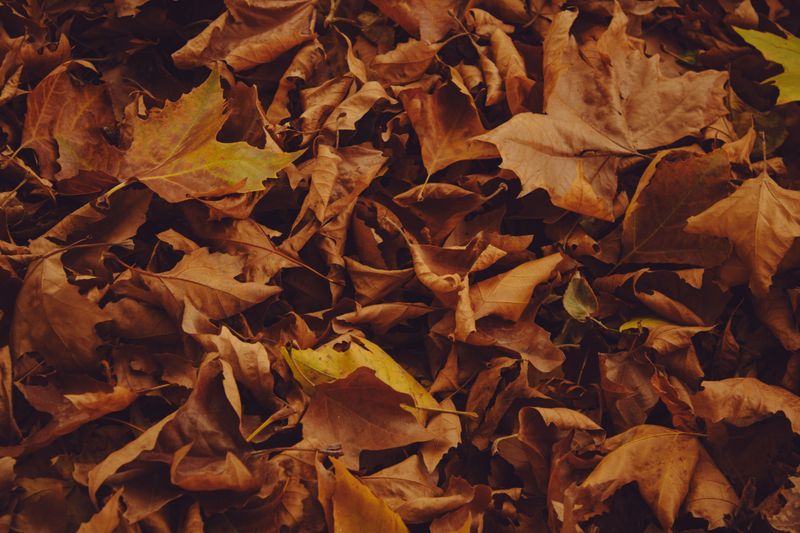
Woolly bear caterpillars, those fuzzy orange and black critters, spend winter tucked under leaves. So do many other insects that New York gardeners love to see in summer.
Queen bumblebees often overwinter just under the soil or leaf litter. Firefly larvae hunt in damp leafy ground.
Several moth and butterfly species pass the cold months as eggs, caterpillars, or chrysalises in fallen leaves.
When we rake and blow every leaf away, we remove that shelter. The Xerces Society and many extension programs encourage leaving some leaves in place for wildlife.
You do not have to let your whole yard go wild. A practical balance works well.
Mulch leaves into the lawn, then leave a looser layer under shrubs, around tree bases, and along back borders.
Those quiet corners become winter hotels. Come spring, the insects emerge and become food for songbirds raising chicks.
Chickadees, for example, feed their young huge numbers of caterpillars.
I started doing this a few years ago. Now I notice more fireflies blinking over my lawn on June evenings, though I cannot prove the leaves caused it.
Either way, it feels like a fair trade for skipping a few hours of raking.
Leaf Blowers And Bags Cost More Than A Weekend Of Raking
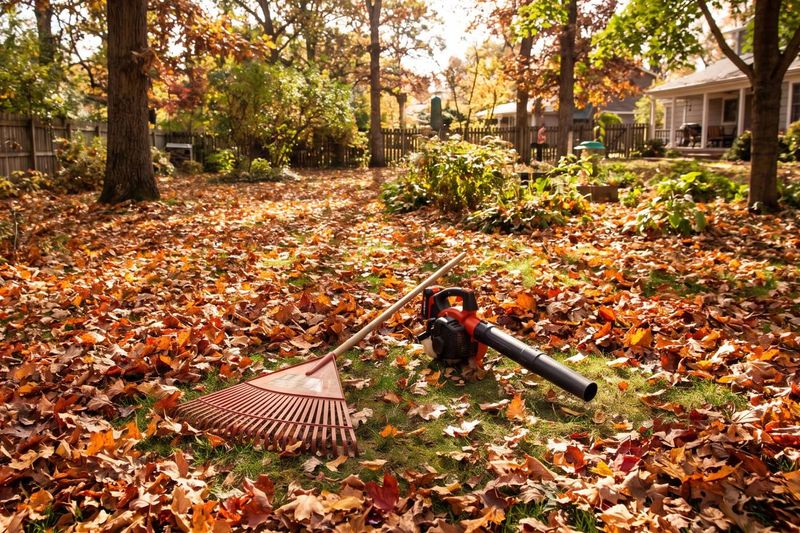
Let me do some quick math from my own garage. Paper leaf bags, a rake replacement, and gas for the blower added up faster than I wanted to admit.
Leaf mulching cuts most of that. You already own a mower, and a mulching blade often costs less than a couple of fertilizer bags.
After that, the leaves are free.
Communities save money too. Yard waste makes up a large share of what towns collect each fall.
Fewer bags at the curb means less hauling, fuel, and processing.
Gas-powered leaf blowers also bring noise and emissions. Some New York communities have passed rules limiting their use during certain seasons or hours.
Check your local ordinance before firing one up early on a Saturday.
Time is the hidden bonus. Mowing over leaves often takes a fraction of the time raking and bagging would.
My Saturday mornings now include coffee on the porch instead of sore shoulders.
Your lawn benefits from fewer purchased products, your wallet stays happier, and your street stays quieter. Add up those small wins over ten autumns, and the savings feel surprisingly real.
Start A Leaf-Mulching Habit Before The First Snow Covers Your Lawn
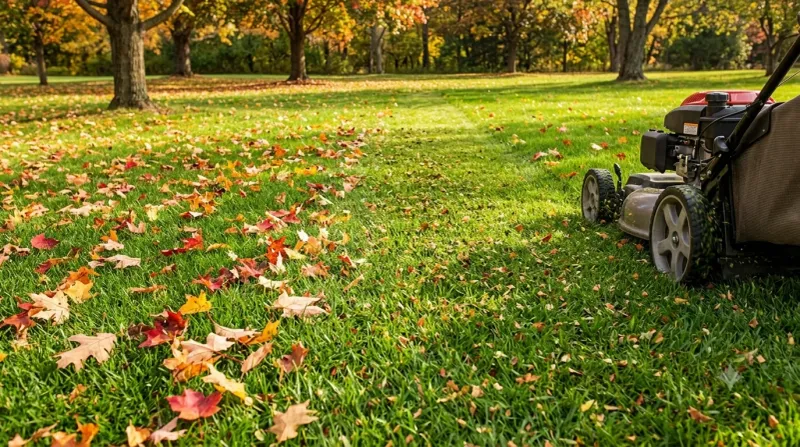
Timing is everything in November. Upstate yards near Buffalo or the Adirondacks may see snow early, while Long Island and New York City often stay open longer.
Watch your local forecast and finish shredding before lasting snow arrives. A last mow at about two and a half to three inches helps grass stand up to winter without matting.
Here is a simple plan I follow each year:
Mow over dry leaves weekly while trees drop them. Move extras into beds or compost.
Leave a light, loose layer in quiet corners for wildlife. Clean and store your mower once the job is done.
Then, in early spring, take a soil test through your local Cornell Cooperative Extension office. The results show whether your lawn needs any fertilizer at all.
Many gardeners find they can apply less after a few seasons of leaf mulching.
Do not expect overnight miracles. Soil improves gradually, one autumn at a time.
Stick with it for two or three years, and you may notice greener grass, spongier soil, and more earthworms.
The best part? Every fall, your trees hand you a fresh supply for free.
All you need to do is stop bagging it.