The Protected Night Shift Eating Tennessee’s Garden Pests Is Heading Underground For Winter
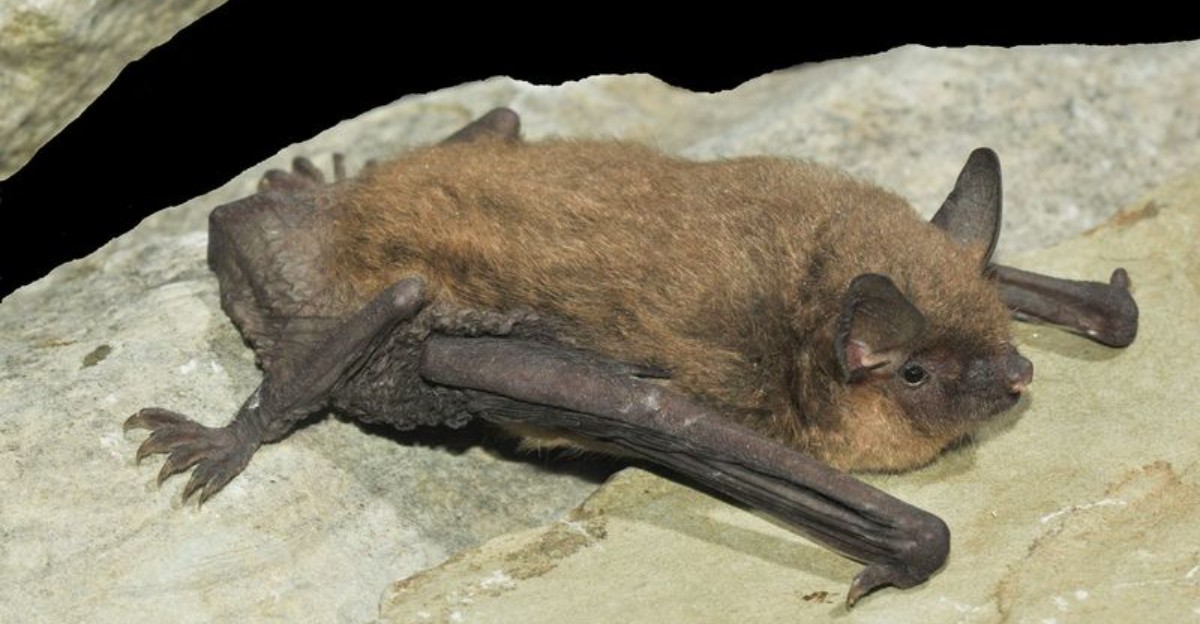
One cave in Tennessee can shelter hundreds of thousands of furry insect hunters through the cold months. Some of them fly in from summer roosts many miles away.
I found that out after wondering why my porch light got so quiet in late fall. The moths were still around on warm nights. The swooping shadows chasing them were not.
You might notice the same thing in your own yard. All summer, a federally protected crew worked the late shift over creeks, fields, and garden rows. Many of these hunters snapped up moths and beetles that chew on crops.
Now the crew has clocked out, and the reason is fascinating. Their winter plans involve deep stone hallways, steady cool air, and a slowed-down heartbeat.
Tennessee’s caves hold the answer to where they go, and a few simple changes in your garden can bring them back next spring.
Those Swooping Shadows Over Your Garden Have a Winter Address

Late summer evenings in my backyard used to come with a flying show. Small bats zipped low over the creek, dipping and turning after moths. By November, the sky felt empty, and I wanted to know why.
The answer lives underground. Many Tennessee bats, including the federally endangered gray bat, leave summer roosts and head to caves to hibernate.
Gray bats are picky about this choice. Most of the species packs into only a small number of caves across its range, and some of those caves sit in Tennessee.
Gray bats are cave specialists all year. In summer, they roost in caves near rivers and lakes, then fly out at dusk to hunt over the water. Their summer caves are usually warmer than the colder caves they pick for winter.
So the bats you saw in July may have moved to a different cave entirely. Some gray bats travel well over a hundred miles to reach their winter spots. That journey happens quietly in early fall, mostly before our first hard freeze.
When your evening sky goes still, the bats have not disappeared. They simply moved somewhere cool, dark, and steady, where winter cannot reach them easily.
Gray Bats Pack Into Cold Caves and Slow Everything Down
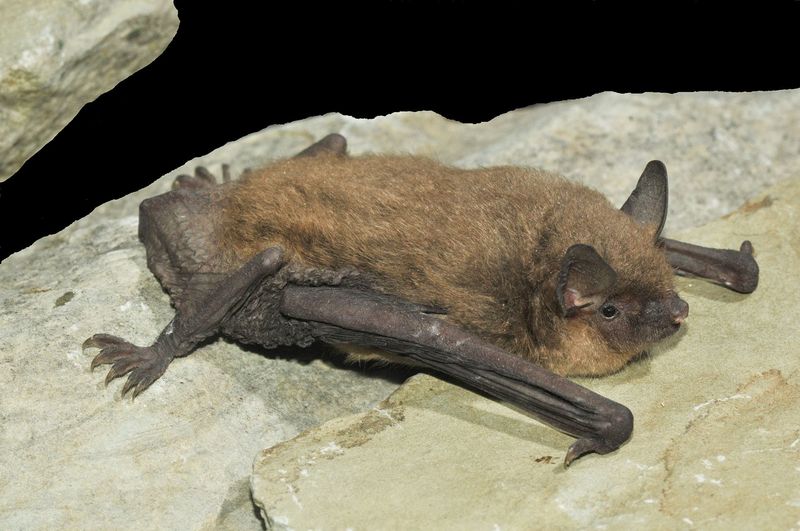
Hibernation sounds cozy, but for a bat it is serious survival math. Insects mostly disappear in cold weather, so a bat has no food source for months. The fix is to shut down and wait.
Inside a winter cave, bats lower their body temperature close to the air around them. Their heart rate and breathing slow way down.
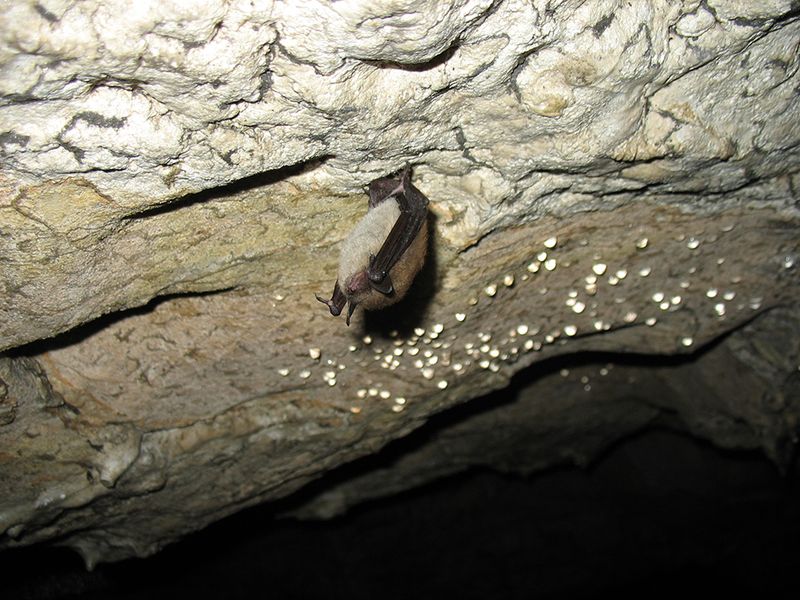
Experts call this state torpor, and it lets a bat stretch its stored fat across the whole winter. Gray bats often hang in tight clusters on cave ceilings. Packing together helps them handle the cold.
Their favorite winter caves tend to be deep and cool, with steady temperatures that stay above freezing.
Fat is the whole budget here. Bats spend late summer and early fall eating heavily to build reserves. Every time a bat wakes up during winter, it burns a big chunk of that savings.
That detail matters more than most people realize. A bat that wakes too often can run out of fuel before spring insects return.
Calm, undisturbed caves give these tiny mammals their best shot at making it to April with energy to spare.
Moths, Beetles, and Mayflies Fill a Gray Bat’s Nightly Menu
Ask a gardener what bats eat, and most will say mosquitoes. That answer is only part of the story.
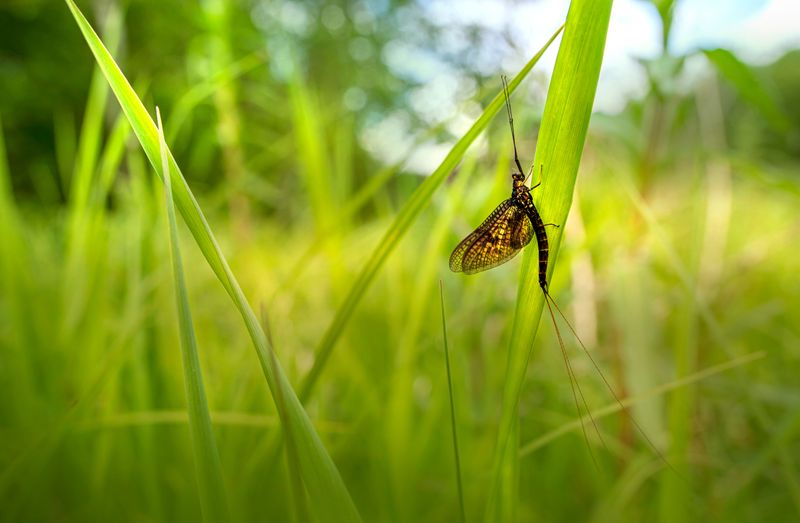
Gray bats mostly hunt over water, so they gobble up mayflies, caddisflies, moths, and beetles.
Several of those insects matter for your plants. Many moth species start life as caterpillars that chew leaves and fruit. Certain beetles feed on crops too, and bats grab plenty of them over fields and streams.
Research on bats in general shows they eat a huge amount for their size. A nursing female may eat close to her own body weight in insects on some nights. Across a large colony, that adds up to tons of bugs over a summer.
Scientists have put a dollar value on this work. One widely cited study estimated that bats save U.S. farmers billions of dollars each year in pest control. Home gardens get a slice of that help too.
Bats are not a magic spray, though. They reduce pest numbers rather than remove every bug.
Think of them as one strong layer in a healthy garden, working alongside birds, toads, and helpful insects.
Federal Law Protects These Cave Bats and Their Winter Homes
Gray bats earned a spot on the federal endangered species list back in 1976. Their numbers had dropped sharply, largely because people disturbed and damaged their caves. Since then, protection has helped many colonies recover.
Tennessee shelters several protected bats. The gray bat, Indiana bat, and northern long-eared bat are all listed as endangered under federal law. State wildlife officials also track other species that need extra care, like the little brown bat.
Under these laws, harming or harassing listed bats is illegal. That includes disturbing them in their winter caves.
Many important caves now have special gates that let bats fly through while keeping people out.
Some caves on public land close seasonally to protect hibernating bats. If you love exploring the outdoors, check rules with land managers before visiting any cave.
Posted closures exist for good reasons. Here is a simple habit worth adopting. Stay out of caves with bats in winter, even for a quick peek.
Your voice, body heat, and flashlight can wake a sleeping colony, and that quiet visit could cost those bats precious winter fat.
White-Nose Syndrome Turned Cave Winters Into a Real Struggle
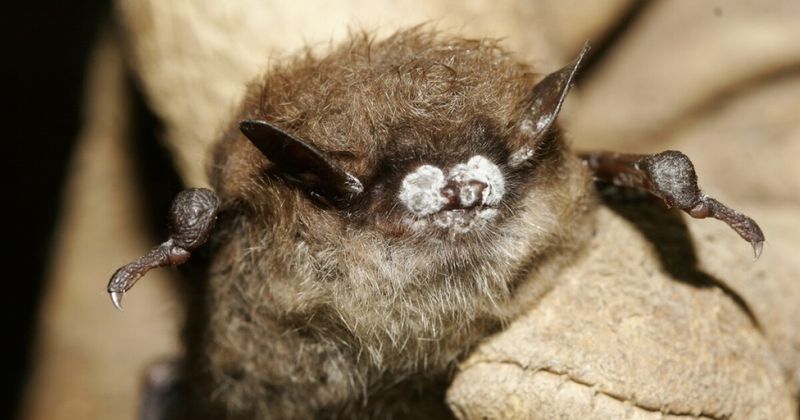
Biologists first spotted a strange white fuzz on bat noses in New York in 2006. That fuzz turned out to be a fungus, and the disease it causes spread fast. White-nose syndrome reached Tennessee caves by 2010.
The fungus thrives in the cold, damp conditions bats need for hibernation. It grows on their skin and wings.
Infected bats tend to wake up far more often than normal, burning through stored fat too early.
Some species took a heavy hit. Northern long-eared bats, little brown bats, and tricolored bats saw steep declines in many areas. Gray bats appear less affected so far, though researchers keep watching closely.
Scientists across the country are testing treatments and tracking which colonies hold on. Wildlife agencies in Tennessee survey caves and work with partners on research and protection.
People can help slow the spread too. Fungal spores can ride on boots, clothes, and gear from one cave to another.
Anyone who explores caves should follow official decontamination steps or skip caves where bats roost. A little caution goes a long way for animals already fighting a tough winter.
A Bat House and Fewer Pesticides Make Your Yard More Inviting

My first bat house went up on a shady tree, and nothing moved in. Lesson learned. Bats like warmth, so placement matters more than looks.
Bat houses work best mounted on a pole or building, at least 10 to 12 feet high. Aim for six or more hours of sun each day in most of Tennessee. Darker colors help hold heat, and spots near water often attract tenants faster.
A quick reality check helps here. Gray bats roost almost exclusively in caves, so they will not use your bat house.
Other species, like big brown bats, often move into these boxes and still eat plenty of garden insects. Your spray habits count too. Broad-spectrum insecticides reduce the bugs bats need to eat.
Spot-treating problems or using targeted options keeps more food available for nighttime hunters.
Winter is a smart time to plan. Install a bat house before spring, when bats return and look for summer roosts.
Keep outdoor lights low and pointed down if you can. Bright light can pull insects away from feeding areas and may make some bats wary.
Spring Bats Return Hungry, So Plant a Buffet Near Your Garden

Come late March or April, warmer nights wake the caves up. Bats leave hibernation thin and hungry.
Gray bats then move to summer caves, where females gather in nursery colonies to raise one pup each.
Your garden can play a part in that spring rush. Native plants support lots of night-flying insects, which become dinner for local bats. Evening primrose, phlox, and native asters bring moths to your yard.
Water helps as well. A small pond, rain garden, or nearby creek draws insects and gives bats a reason to linger. Healthy streams and lakes matter most for gray bats, since they hunt over water so often.
Trees deserve a mention too. Some Tennessee bats roost under loose bark or in hollow trees during warmer months. Leaving a safe, sturdy old tree in a low-traffic area can give them shelter.
The biggest takeaway is simple. Bats spend winter underground, but their survival depends on what happens above ground all year.
Quiet caves, clean water, fewer sprays, and insect-friendly gardens keep this protected night crew working for your tomatoes next summer.