What To Do With Ornamental Grasses In Ohio Before Snow Flattens Them
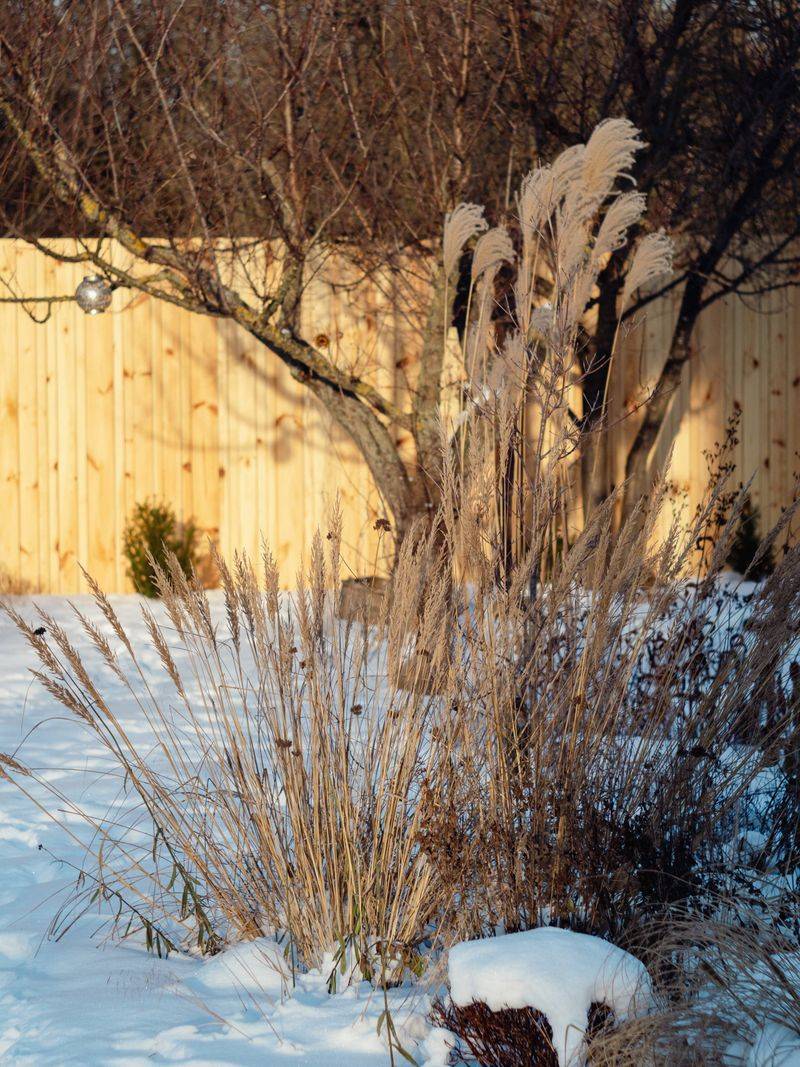
A single clump of switchgrass can stand through months of winter wind and still hold seeds for hungry juncos in February. I find that kind of toughness wildly impressive for something that looks like dry straw.
Snow is heading for Ohio, and plenty of gardeners are eyeing those tawny plumes with shears in hand. I get the urge.
A heavy, wet snowfall can bend some clumps into a sad, soggy pancake overnight.
I’ll take the blame for tidying everything in November and calling it a win. Then I learned those old stems quietly shelter the plant’s crown, feed birds, and hide sleeping insects.
Some of my neatest fall cleanups probably did more harm than good.
What should you really do before the first big storm rolls in? The answer is simpler than you think, and it might save you a chore.
Those Tan Grass Plumes Are Quietly Guarding Something Important
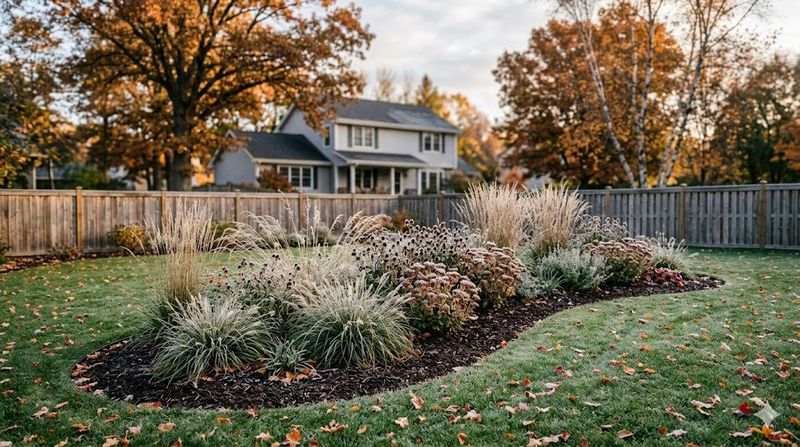
Down at the base of every clump sits the crown, the living heart where next year’s shoots will rise. Those old, papery stems act like a scarf around it.
Ohio winters swing back and forth between freezing nights and mild afternoons. That freeze-thaw cycle can heave soil and stress roots, and standing foliage helps buffer the crown from those sudden changes.
Hollow stems also matter. When grasses get cut short in fall, water can slip into the cut ends and sit right on top of the crown.
Some gardeners and extension experts link that trapped moisture to rot in poorly drained spots.
So the biggest move before snow is often no move at all. Leave the foliage standing, and let it do its quiet winter job.
I like to stroll out after the first hard frost and simply admire how the clumps catch the light. The color shifts from gold to copper to soft wheat as the weeks pass.
Fun fact: many prairie grasses grow roots several feet deep. That hidden network is part of why native grasses bounce back so reliably after rough winters, as long as the crown stays healthy and protected.
Wait Until Late Winter To Cut Back Your Ornamental Grasses
Timing is the whole trick here. Most Ohio State University Extension advice points to late winter or early spring, usually late February through March, as the sweet spot for cutting grasses down.
Watch the base of each clump. Once you spot tiny green tips poking up, or just before, it’s time to grab your tools.
Cutting too late can cause trouble too. If you wait until new blades are several inches tall, you’ll end up trimming fresh growth along with the old, leaving flat-topped clumps for weeks.
Southern Ohio often warms up a bit earlier than the snowbelt near Lake Erie. Gardeners around Cincinnati may cut in late February, while folks near Cleveland or Ashtabula might wait until mid to late March.
Cool-season types like feather reed grass wake up earlier than warm-season grasses like switchgrass. So check each variety rather than cutting everything on one weekend.
Here’s a tip I wish I’d learned sooner. Mark a reminder on your calendar for late February, then go peek at the clumps.
That one quick visit keeps you from missing the window while you’re busy with spring seed catalogs.
Tie Up Tall Maiden Grass Before Heavy Snow Hits
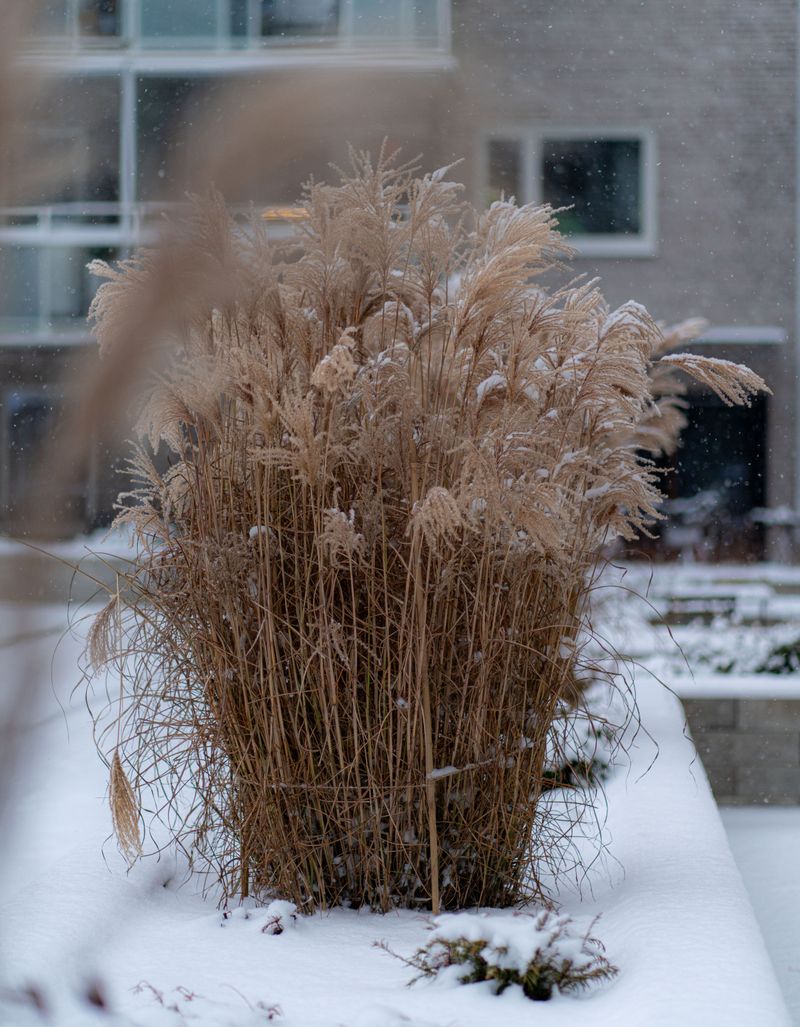
Floppy grasses can turn a pretty bed into a tangled mess after one wet storm. A simple loop of twine can prevent most of that drama.
Wrap soft jute or garden twine around the middle of tall clumps, snug but not crushing. The grass stays upright, sheds snow better, and still looks natural from across the yard.
This works great for clumps that lean over sidewalks, driveways, or smaller perennials. Snow piled on a sprawling grass can bury nearby shrubs or block a path you need daily.
A word of caution about maiden grass, also called Miscanthus. The Ohio Invasive Plants Council rates it a concern in many natural areas because some types spread by seed, so consider removing its fluffy seed heads in fall or swapping it for a native choice later.
If a clump does get flattened, don’t panic. Flattened foliage still insulates the crown, and you’ll clear it away in spring anyway.
I keep a ball of twine hanging in the garage just for this job. Ten minutes on a dry November afternoon saves a lot of grumbling when the first heavy snowfall rolls through.
Seed Heads On Switchgrass Feed Hungry Winter Birds
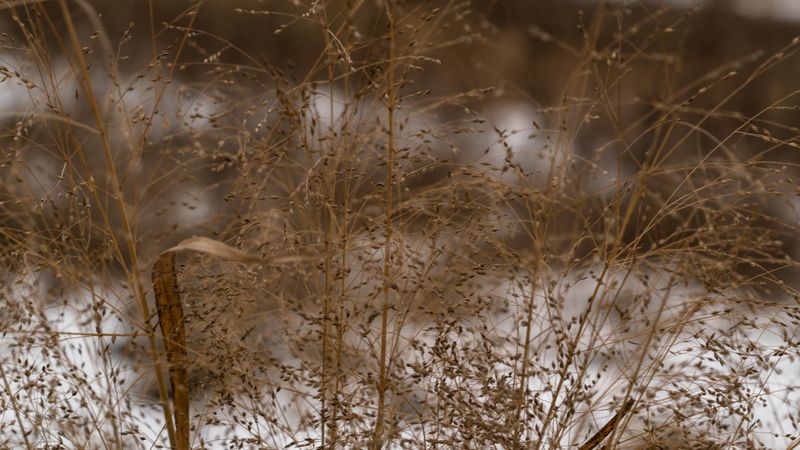
Juncos hopping under a snowy clump of little bluestem might be the cutest winter scene you’ll see. Those birds are hunting for seeds that dropped from the stems above.
Native grasses like switchgrass, little bluestem, and prairie dropseed hold seed heads well into winter. American goldfinches, sparrows, and juncos visit them when other food runs low.
Dense clumps also make handy shelter. Birds duck into them to escape biting wind and to hide from hawks.
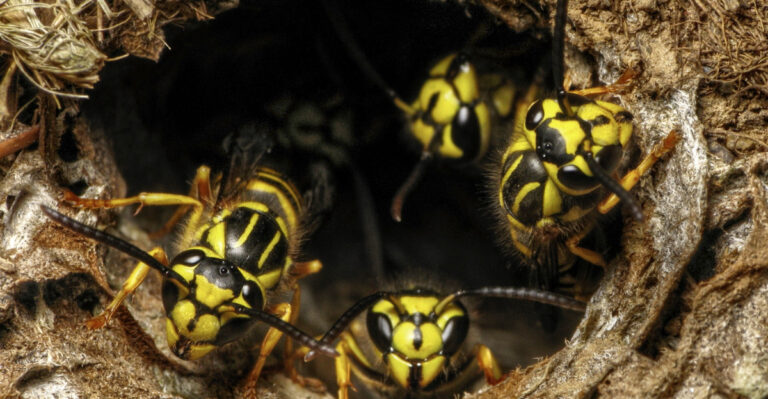
Insects benefit too. Some beneficial bugs and native bees overwinter in hollow stems or in the leafy litter at the base of clumps, waiting for spring warmth.
So your standing grasses work like a tiny winter wildlife station. You get free bird-watching right outside the kitchen window.
If you want to boost the action, plant a few native grasses near a window or feeder. Ohio’s prairie heritage means many native species handle local soil and weather beautifully.
Personally, I count the junco visits on snowy mornings with my coffee. It turns a gray January day into a little show, and it reminds me why I stopped cutting everything in fall.
Blue Fescue And Sedges Need A Gentler Touch
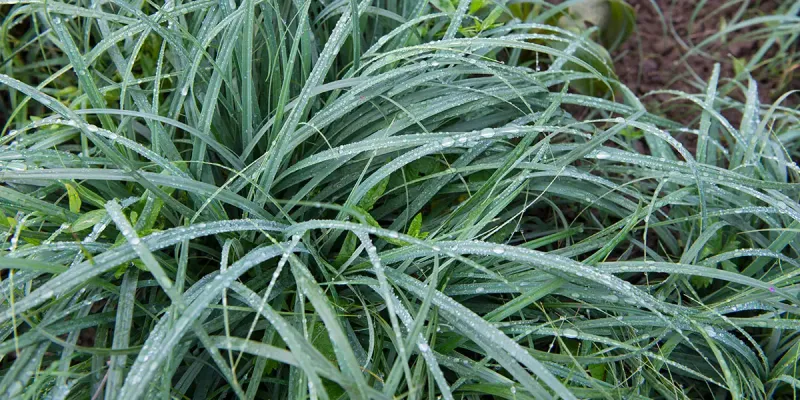
Not every grass wants the same haircut. Small cool-season grasses and sedges play by their own rules.
Blue fescue forms tidy little blue mounds that often keep some color in winter. Rather than shearing it to the ground, comb through it with gloved fingers in early spring to pull out the old brown blades.
Sedges, or Carex, aren’t true grasses, but they look a lot like them. Many stay green or semi-green through Ohio winters and only need a light trim of tattered leaves.
Cutting these plants hard can set them back for months. Some may struggle to regrow at all if you scalp them.
Feather reed grass, a popular cool-season choice, can be cut back in early spring to about 4 or 5 inches. It sends up fresh growth early, so don’t drag your feet on that one.
Before snow arrives, simply leave these smaller plants alone. A dusting of snow even works as extra insulation.
Quick trick for identifying your grass: if it greens up in April and blooms in early summer, it’s probably cool-season. If it waits until warm weather to wake up, it’s likely warm-season.
Diseased Or Seedy Grass Clumps Might Deserve A Fall Trim
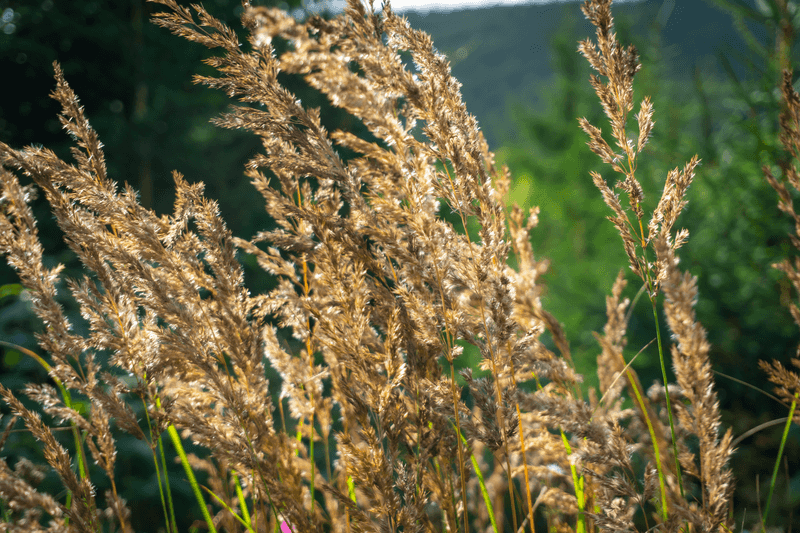
Rules have exceptions, and grasses are no different. A few situations make a fall cutback the smarter choice.
Disease tops the list. If a clump struggled with rust or leaf spot this summer, removing that foliage in fall can reduce the spores that linger until spring.
Bag diseased leaves and toss them in the trash. Composting them at home can spread the problem back into your beds.
Heavy self-seeders are another reason. Some grasses scatter seed into lawns, beds, and nearby woods, so snipping seed heads before winter keeps them from spreading.
Location matters too. Clumps near a busy walkway, a mailbox, or a driveway edge might get crushed by snow shovels and plows anyway, so a fall trim can make life easier.
Fire safety counts as well. Dry grass right against a house, deck, or grill can be a hazard, so cut those clumps back or move them farther out next season.
Outside these cases, try leaving things standing. I think of a fall trim as a targeted fix, not a yard-wide habit.
Potted Ornamental Grasses Feel The Cold Much Harder
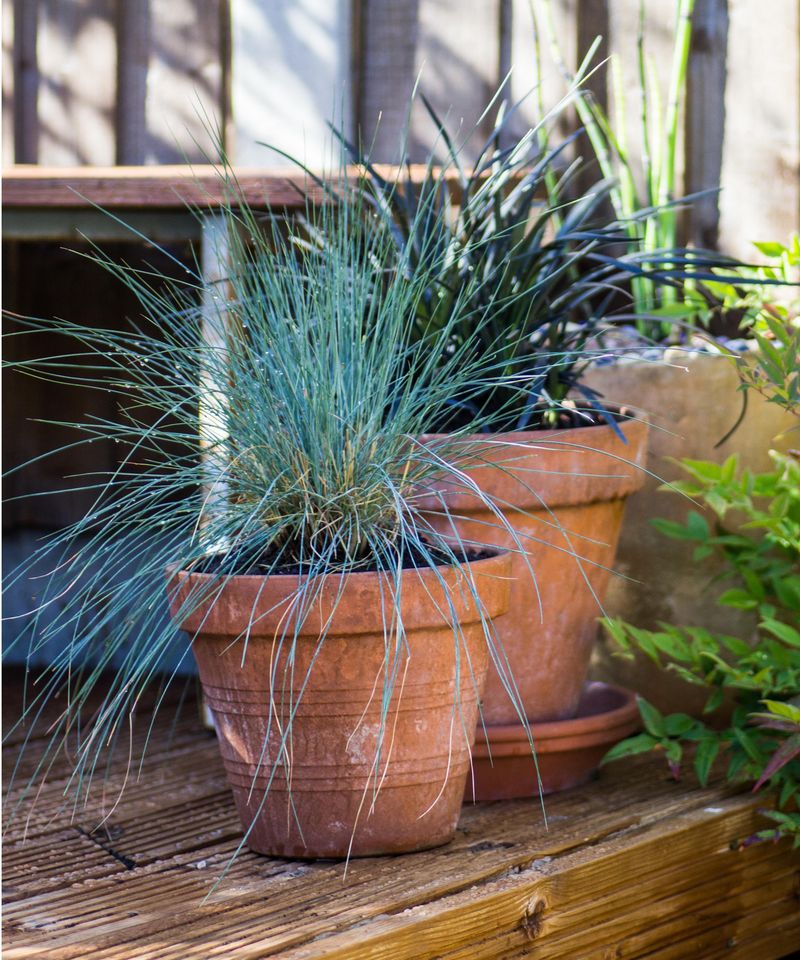
Roots in a pot sit above ground, surrounded by cold air on every side. That makes container grasses far more exposed than the same plants growing in your garden.
A good rule of thumb is that potted perennials should be hardy to about two USDA zones colder than where you live. Most of Ohio falls in zones 6a to 6b, with some 5b spots in the north.
Purple fountain grass is a classic example. It’s usually grown as an annual here because it won’t survive our winters outdoors.
For hardier potted grasses, slide containers against a sheltered wall or into an unheated garage. You can also group pots together and pile leaves or mulch around them.
Check moisture once in a while during dry spells. Roots still need a little water, even when dormant.
Clay and ceramic pots can crack when wet soil freezes and expands. Move those indoors or wrap them, or switch to sturdier materials like fiberglass.
I learned this one the hard way with a cracked glazed pot. Now every container gets moved before the first predicted hard freeze, no exceptions.
Bundle And Cut Your Grass Clumps For An Easy Spring Cleanup
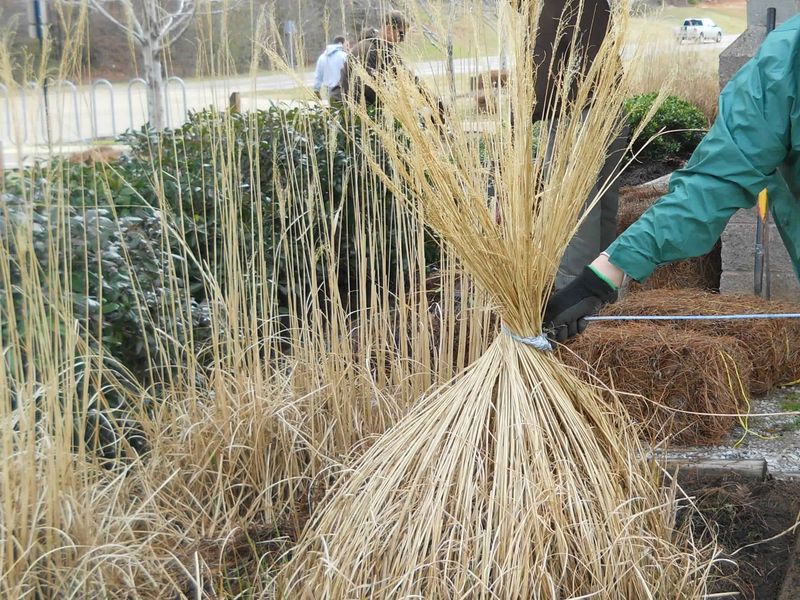
Spring cleanup can be shockingly tidy with one simple trick. Bundle first, cut second.
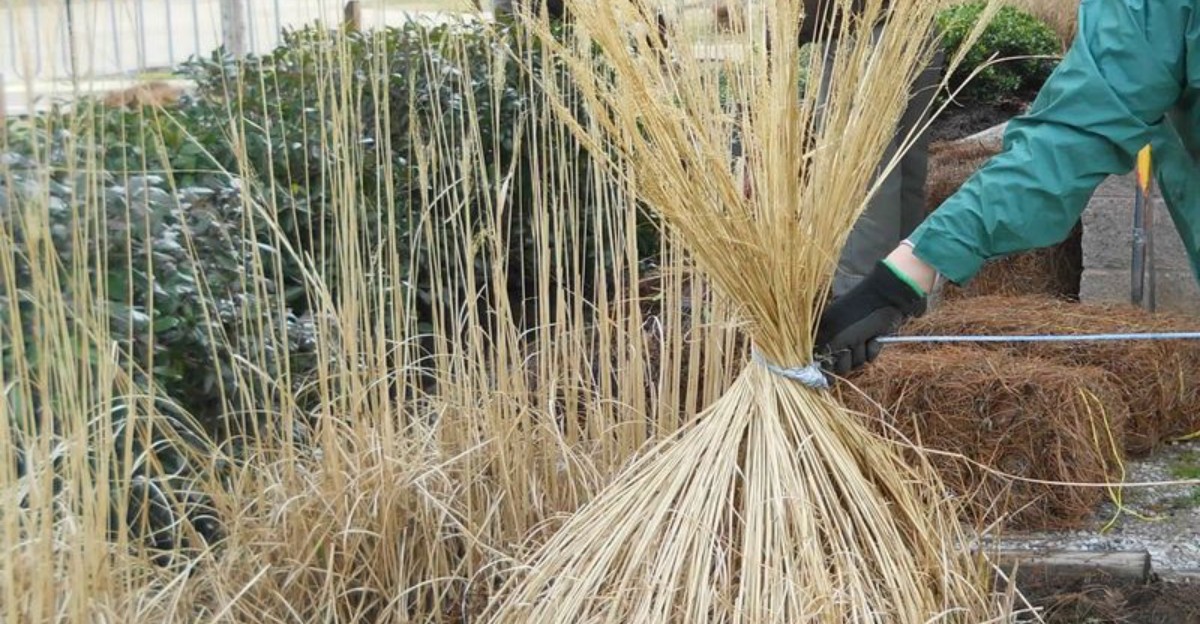
Wrap twine or a bungee cord tightly around the clump, then cut below it. The whole thing comes off like a giant broom, with far fewer scattered blades.
Aim for about 4 to 6 inches above the ground on larger warm-season grasses. Smaller clumps do fine at 2 to 3 inches.
Sharp hedge shears handle most medium clumps. Huge, old clumps may need electric hedge trimmers or a reciprocating saw with a pruning blade.
Wear long sleeves, gloves, and eye protection. Some grass blades have edges sharp enough to leave paper-cut style scratches.
Old stems make great mulch or compost material if they’re healthy. Chop them up and spread them around shrubs or add them to the pile.
Spring is also the right time to divide crowded clumps with hollow centers. A sharp spade splits them into new plants for other beds or friends.
My biggest takeaway after years of this routine? Let winter do its thing, then show up in March with twine and shears.
Your grasses, birds, and back will thank you.