The Protected Bumble Bee Sleeping Beneath Illinois Soil Faces A High-Stakes Test Every Spring
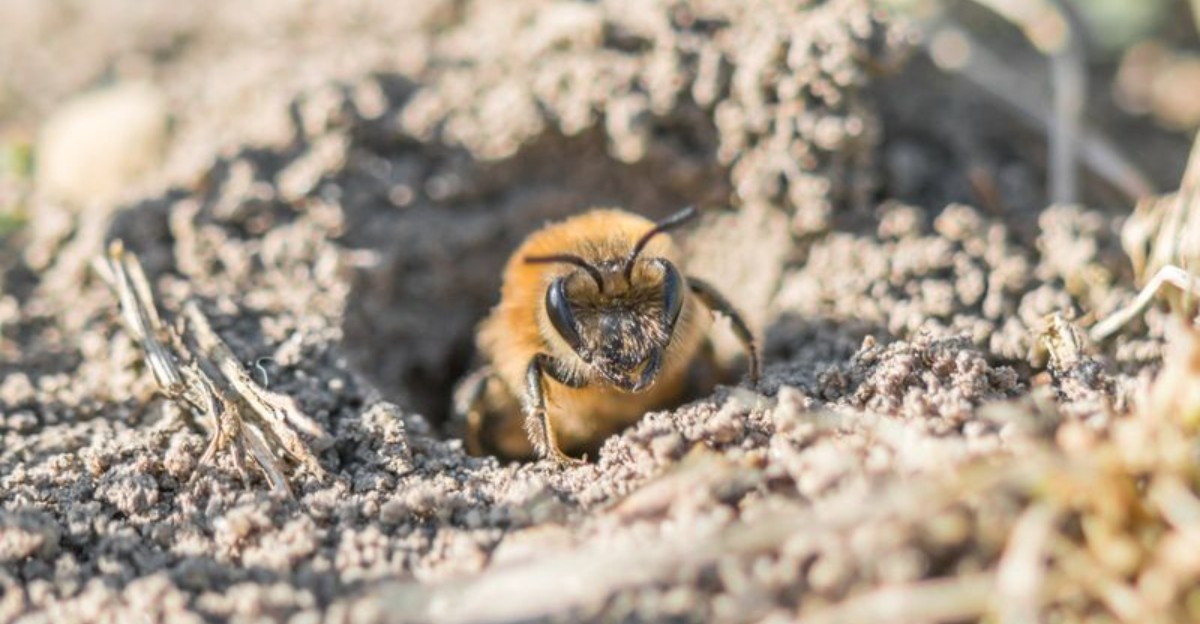
A single fuzzy queen, no bigger than a grape, is tucked a few inches under the leaves right now. Her whole family line rests on her alone.
She spent last fall mating, then dug a tiny chamber in loose soil and went still. Her sisters, her mother, and every worker from her colony are gone.
Only the young queens get to sleep through the cold. I never get tired of that fact. It makes my messy fall garden in Illinois feel like a nursery. You might have one of these royal sleepers in your own yard in Illinois without knowing it.
Her species is federally endangered, and each spring she gets one shot. She must wake, find flowers, build a colony, and raise new queens before frost returns. Whether she earns another winter comes down to the choices we make in our yards.
A Tiny Queen Bumble Bee Is Holding Her Breath Under the Leaves
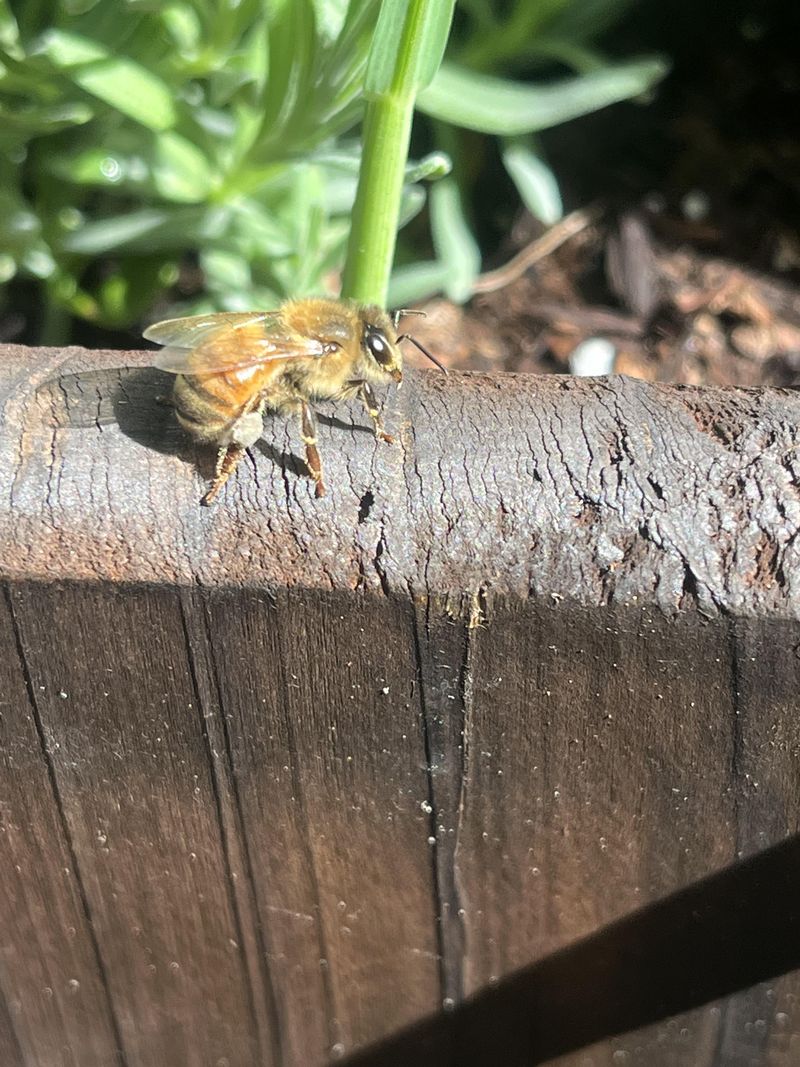
The sleeper is the rusty patched bumble bee, known to scientists as Bombus affinis. In 2017 it became the first bumble bee in the continental United States listed as federally endangered.
Only newly mated queens survive the cold months. Workers, males, and the old founding queen all fade away by late fall. That leaves a handful of young queens carrying the entire future of their colony.
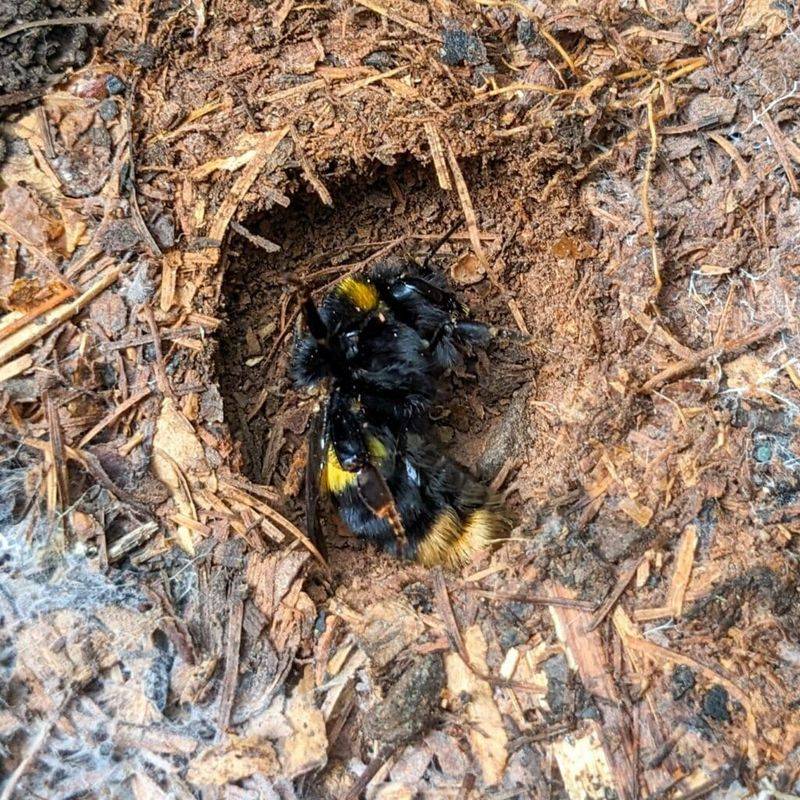
Each queen digs a shallow chamber, often just a few centimeters deep, in loose soil or under leaf litter. Woodland edges, shady slopes, and even compost or old mulch can work.
She stays there from roughly mid-October to mid-March, living off fat stored before winter.
Every spring is her gamble, and the flowers and shelter we leave her help decide whether it pays off. If she wakes healthy, finds food, and raises new queens, her line continues.
Miss any step and that family line ends quietly. Multiply that across a shrinking population, and you see why every queen matters so much.
I find it humbling. A creature lighter than a paperclip carries a whole lineage through months of frozen ground, with no backup plan beyond her own stored energy.
Early Spring Flowers Decide Whether the Rusty Patched Queen Makes It
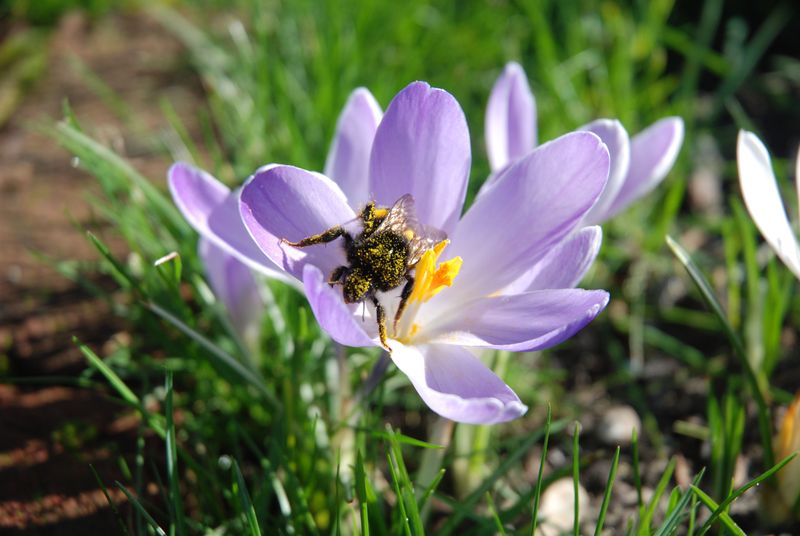
Wake-up time arrives around mid-March to April across Illinois, earlier in the south and later near Wisconsin. The queen is one of the first bumble bees out, and she is hungry right away.
Her winter fat reserves run low. She needs nectar for quick energy within hours, then pollen to feed her first eggs. A yard with nothing blooming in early spring offers her almost nothing.
Native early bloomers make a real difference. Virginia bluebells, wild geranium, golden Alexanders, spring beauty, and wild plum flowers all help. Pussy willow and serviceberry shrubs bloom early too and feed many bees at once.
Dandelions count as well. I skipped my first spring mowing last year, and the bees found those yellow heads within a day. Letting your lawn grow a little longer in April costs you nothing.
Think of this as the most important meal of her year. A queen who eats well can fly farther, search better for a nest, and start laying eggs sooner.
If you plant only one new thing this year, make it an early spring native. That single choice supports the riskiest weeks of her whole life cycle, right when help is scarce.
Nonstop Blooms From April to October Help Her Colony Raise New Queens
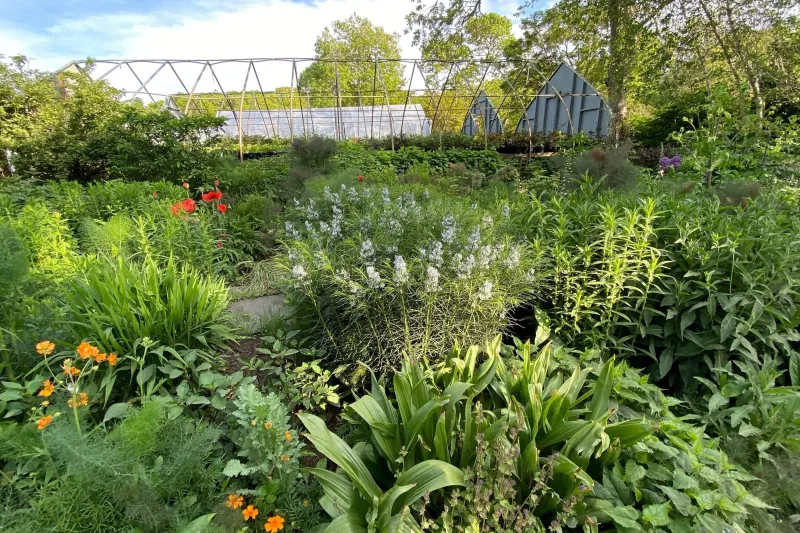
Proving worth takes all season long. The real finish line is a crop of healthy new queens by late summer and early fall.
Research shows the number of queens a colony produces ties closely to how much pollen it collects. More flowers mean more food, and more food means more future queens heading underground in autumn.
So aim for a relay of blooms. After spring flowers fade, wild bergamot, purple prairie clover, and mountain mint carry the summer. Common milkweed and Joe-Pye weed fill midseason gaps nicely.
Late season matters just as much. Goldenrods, New England aster, smooth blue aster, and native sunflowers feed young queens fattening up before winter. Those final meals become their winter fuel.
Plant in clumps rather than single plants. Bees forage more efficiently when they find a patch of the same flower, roughly three feet across or larger.
Many of these natives handle USDA zones 5 through 7 easily, which covers most of the state. They also tolerate clay soil and summer heat once established.
Walk your garden once a month and ask a simple question. Is something blooming right now? If not, you just found your next planting spot.
Leave Those Fall Leaves and Soft Soil Alone for the Sleeping Bees
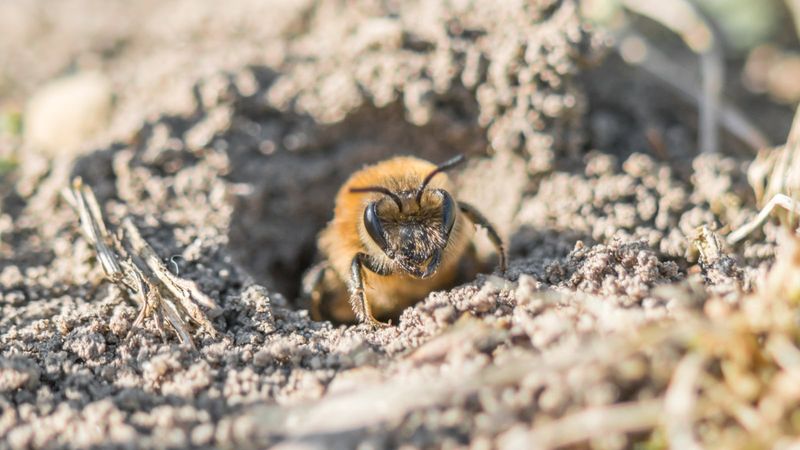
My tidy neighbors used to give my leaf piles a funny look. Now I tell them I am running a bee hotel, and the looks have softened.
Queens need undisturbed spots to spend winter. Loose soil topped with fallen leaves keeps them insulated from harsh freezes and sudden thaws.
Bare, raked, compacted ground offers little protection. You do not need to give up your whole yard. Pick a quiet corner near trees or a shady bed edge. Leave leaves where they fall, or rake some into that zone and let them settle.
Skip heavy tilling in those spots, especially from October through March. Avoid piling thick new mulch on top in late winter too, since a queen may struggle to dig out.
Wait on spring cleanup until daytime temperatures stay near 50 degrees for about a week. That timing gives queens and many other insects a chance to wake and leave.
Old flower stems help other pollinators too. Cut them to around 12 to 18 inches in spring, and stem-nesting bees will move into the hollow pieces.
Messy can be beautiful. A little patience in your fall routine could shelter the next generation sleeping right under your feet.
Spray Bottles Can Undo Months of Bumble Bee Effort
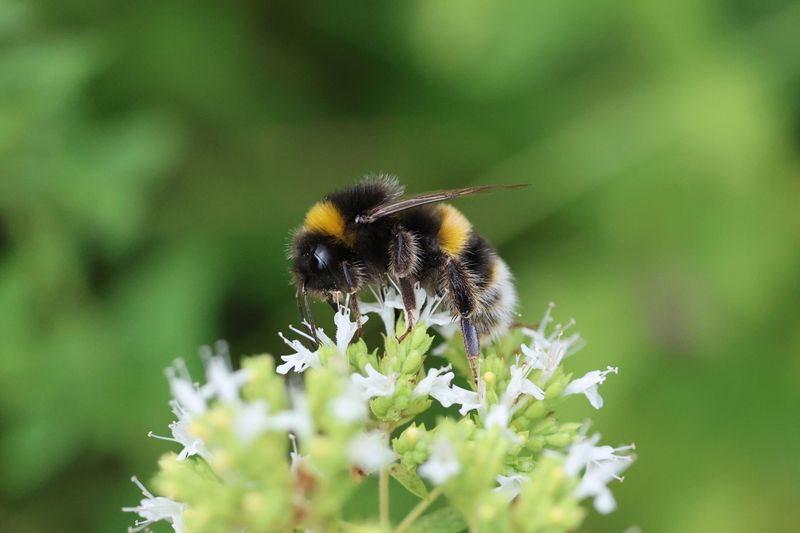
One careless afternoon with a sprayer can erase a whole season of careful planting. Pesticides rank among the main threats federal biologists list for this bee.
Insecticides, especially systemic ones like neonicotinoids, can move into nectar and pollen. Bees that feed on treated plants may struggle to forage, navigate, or raise healthy brood.
Herbicides cause a quieter problem. Broad weed sprays remove clover, dandelions, and wildflowers that queens rely on.
Fewer flowers mean less food for the colony. Try gentler choices first. Hand-pick beetles, blast aphids off with a hose, and accept a few chewed leaves.
Healthy native gardens often attract predators like ladybugs and lacewings that handle pests for you.
Check plant tags when buying nursery stock. Ask the grower whether plants were treated with systemic insecticides, since bee-friendly flowers loaded with chemicals defeat the purpose.
When treatment truly is needed, target the exact pest and spray in the evening after bees stop flying. Keep products off open blooms.
After I tested a no-spray summer, my tomatoes did fine, and my bee count climbed noticeably. Sometimes the best tool in the shed is simply a little restraint.
That Rusty Patch on Its Back Helps You Spot the Right Bee
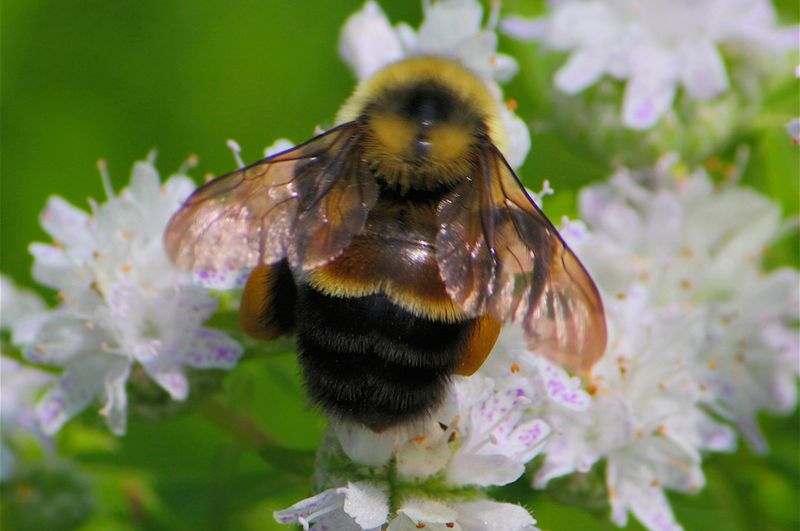
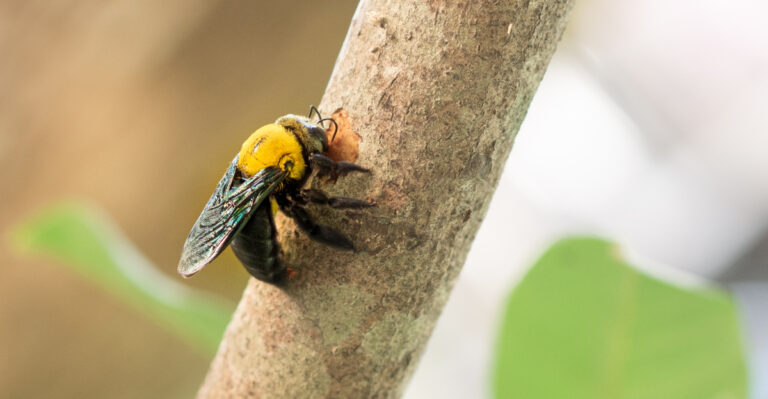
Identification takes a careful eye. Queens look mostly yellow and black, while workers and males carry the famous rusty brown patch.
Look at the abdomen. The first segment is yellow, and the second segment shows a small rust-colored patch centered on yellow. The rest of the abdomen behind it is black.
Plenty of lookalikes buzz around Illinois gardens. The common eastern bumble bee is far more abundant and has no rusty mark. Brown-belted and two-spotted bumble bees can fool beginners too.
Photos make all the difference. Shoot the bee from above, with the abdomen visible, and grab a few angles. Experts confirm sightings using those details.
Do not catch or handle the bee. It is federally protected, and harming or collecting one is illegal without a permit. A phone camera is all you need.
Fun fact for your next garden tour. This species is short-tongued, so it favors open, shallow flowers and sometimes robs nectar by biting the side of tubular blooms.
Learning one bee well sharpens your eyes for every pollinator. You may start noticing patterns and patches you walked past for years.
Your Bee Photos Can Help Scientists Track Illinois Sightings
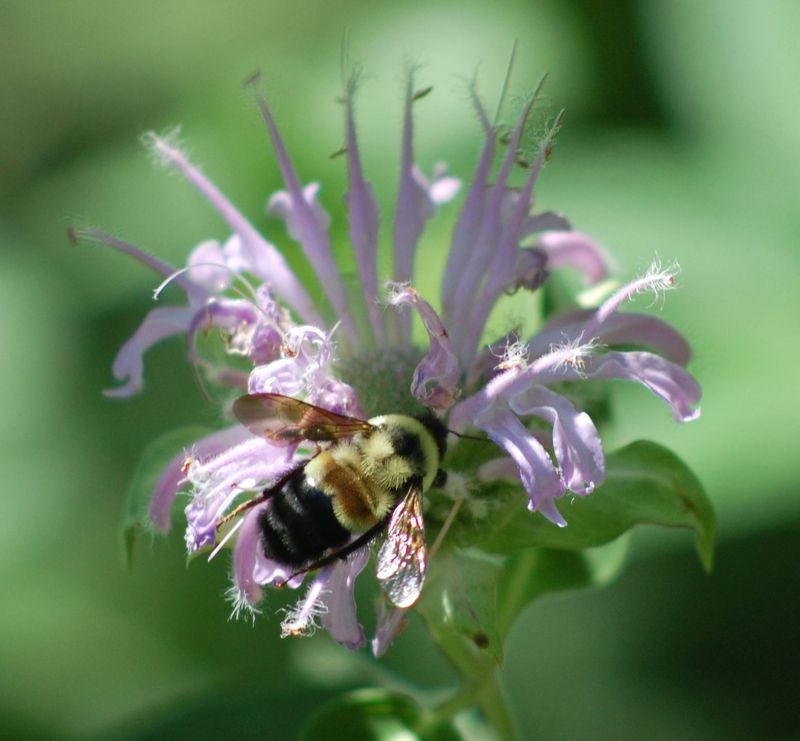
Citizen scientists have quietly become some of this bee’s best allies. Ordinary gardeners with phones help biologists learn where the species still lives.
Upload your clear bumble bee photos to iNaturalist or Bumble Bee Watch. BeeSpotter, run through the University of Illinois, also collects pollinator records. Experts review images and confirm identification.
Every confirmed record adds value. Population numbers have dropped an estimated 87 percent or more since the 1990s, so knowing where colonies persist guides protection and restoration work.
Recent reports from places like Lake County show more sightings in some restored areas. Researchers suspect better monitoring and habitat work both play a role, so keep that hopeful news in perspective.
Even photos of common bumble bees matter. They help scientists understand which flowers attract bees and how communities change over time.
I started logging bees last summer just for fun. Turns out a morning coffee walk through the garden makes a great survey route.
Bring the kids along. Spotting fuzzy bees on coneflowers teaches patience and curiosity better than any worksheet, and every upload becomes a real data point in a real conservation story.
Bigger Prairie and Woodland Edges Give Bumble Bee Queens a Future
Less than 0.01 percent of the original high-quality prairie remains in Illinois. That staggering loss helps explain why this bee faded so quickly.
Habitat loss heads the threat list. Disease spread from managed bees, pesticides, and climate stress like drought and heat add more pressure on small, scattered populations.
Federal officials have designated critical habitat in parts of several states, including Illinois. Those rules mostly guide federal projects, so backyard gardens stay unaffected. Still, the designation highlights where protection matters most.
Your yard links into a bigger network. Neighboring gardens full of native flowers act like stepping stones between parks and forest preserves.
Talk with neighbors, schools, or churches about planting native beds. Volunteer with your local forest preserve or park district on prairie restoration workdays.
Choose native plants over invasive ones like bush honeysuckle, which crowds out woodland wildflowers. Removing invasives opens room for spring bloomers queens need.
Here is the meaningful takeaway. Every queen faces one winter at a time, and your garden choices shape what she finds when she wakes. Plant generously, rake less, spray rarely, and her family may earn many more winters ahead.