How To Stop Henbit Before It Flowers In Texas Lawns
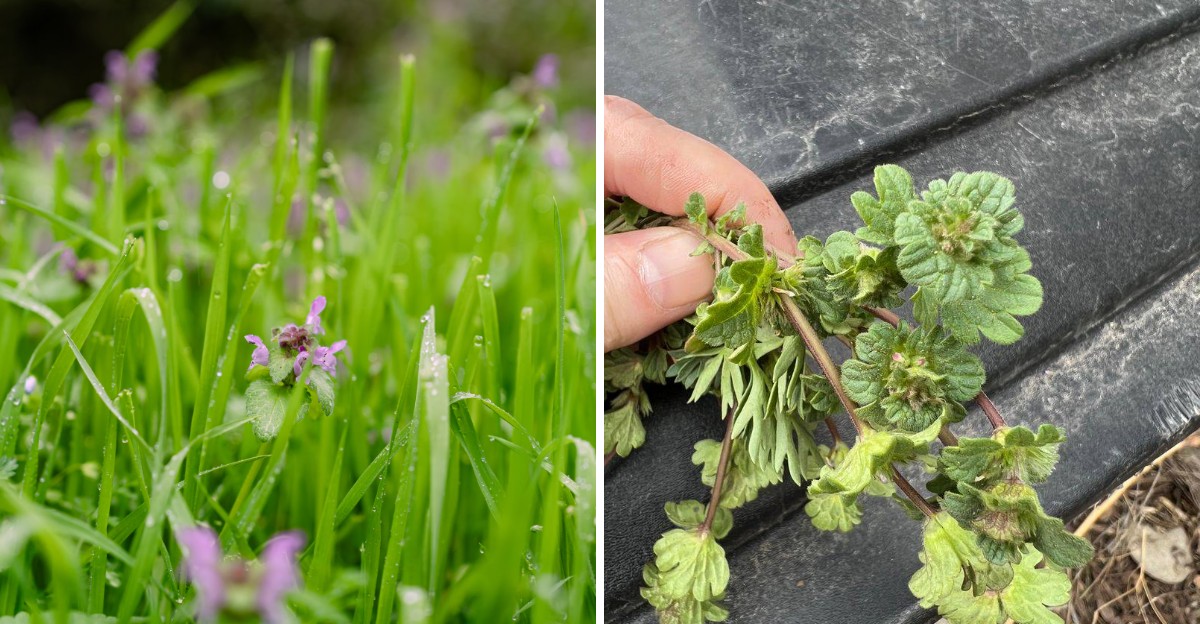
A single weed plant can drop around 200 seeds, and some of those seeds can wait years in the soil before sprouting. I had no clue this was happening under my grass until one March morning turned my yard purple.
The sneaky part starts months earlier. Tiny sprouts pop up in fall, right when you’re busy raking leaves and thinking about pumpkins. They stay low all winter, quietly soaking up sunshine while your dormant grass takes a nap.
Believe it or not, the plant belongs to the mint family. It even has square stems, just like the basil in your herb pot. Bees love its little tube-shaped blooms in early spring.
Here in Texas, our mild winters give this crafty visitor a long head start. So what if you could beat it before a single purple petal ever opens?
1. That Purple Henbit Carpet Started Growing Months Ago
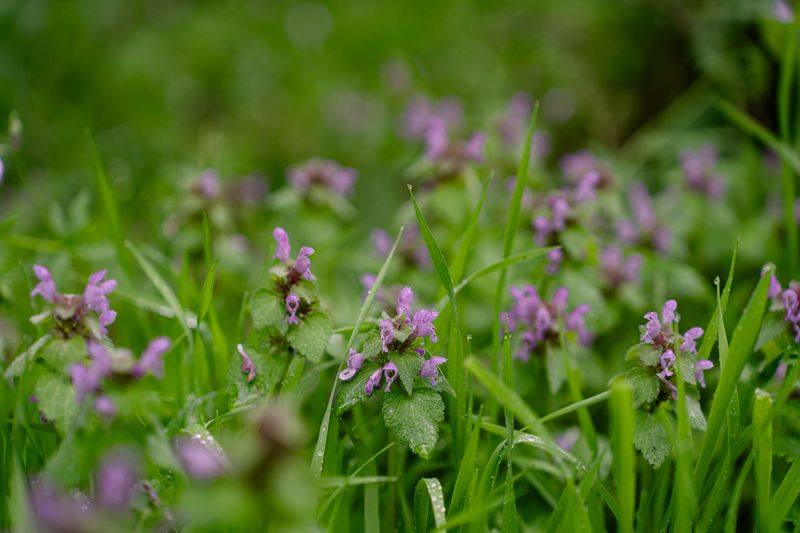
Those purple blooms feel like a surprise, but the plant behind them has been around since fall. Henbit is a winter annual, which means it runs on a backward schedule compared to your St. Augustine or bermudagrass.
Seeds sprout when soil cools in autumn, often from late September through November across much of Texas.
Young plants form small rosettes and keep growing slowly through winter. Your warm-season grass is dormant then, so henbit gets the sunlight and space all to itself.
When days warm in late winter, the plant shifts into high gear. Flowers usually show up from late February into March, depending on where you live. South Texas often sees blooms a few weeks earlier than the Panhandle.
Once those flowers open, seeds follow quickly. Henbit finishes its life cycle and fades out as summer heat arrives, leaving thousands of seeds behind for next fall.
Knowing this timeline changes everything. The real fight happens in fall and winter, not in spring when the purple shows up.
By the time you notice the color, the plant has already done most of its work. Mark your calendar now, and you’ll stay one step ahead.
2. A Fall Pre-Emergent Stops Henbit Seeds Cold
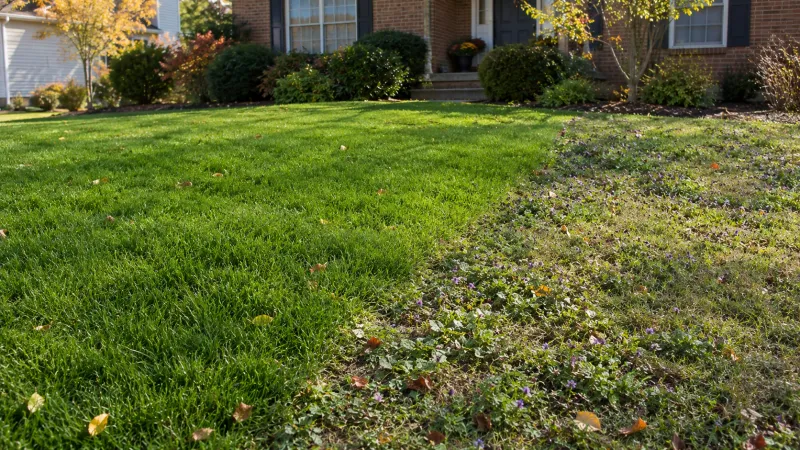
My favorite henbit fix happens before you ever see a leaf. A pre-emergent herbicide forms a barrier in the top layer of soil that stops sprouting seeds from getting established.
Timing is the secret sauce. Aim to apply when nighttime temperatures start dipping into the 50s and 60s, usually mid-September to mid-October in North Texas.
Folks along the Gulf Coast and in South Texas can often wait until October or even early November.
Look for active ingredients like prodiamine, dithiopyr, or pendimethalin. Isoxaben is another option labeled for many broadleaf weeds. Read the label to confirm the product is safe for your grass type.
Water it in with about half an inch of irrigation or rain, unless the label says otherwise. That moisture moves the product into the soil, where it does its job.
One catch matters a lot. Pre-emergents won’t touch henbit that has already sprouted, so late applications miss the mark.
Also skip them if you plan to overseed with ryegrass, since the barrier blocks grass seed too. A well-timed fall treatment can save you hours of weeding come spring.
3. Spray Young Henbit Rosettes Before Those Blooms Open
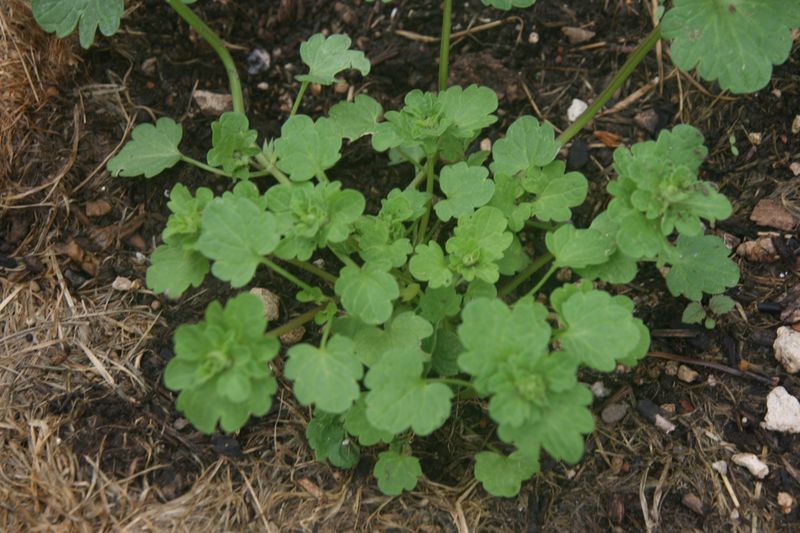
Missed the fall window? No worries, you still have a solid second chance. Post-emergent broadleaf herbicides work well on small henbit plants that are actively growing.
The sweet spot runs from late fall through early February. Young plants are tender and absorb product easily. Once henbit starts flowering, it becomes tougher to control, and results get spotty.
Many lawn weed sprays combine 2,4-D, dicamba, and mecoprop. These three-way mixes handle henbit nicely in bermudagrass and zoysia. St. Augustine and centipede are more sensitive, so pick a product labeled for those grasses and follow the rate carefully.
Weather plays a big role here. Spray on a calm day when temperatures sit above about 50 degrees, since chilly weeds take products up slowly. Aim for a stretch with no rain for at least a day.
Avoid spraying near tomatoes, roses, or other garden plants, because drift can harm them. Spot-treating patches with a small hand sprayer keeps things tidy and uses less product.
A little effort in January means far fewer purple surprises in March. Your spring lawn will look cleaner and greener for it.
4. Square Stems Help You Tell Henbit From Purple Deadnettle
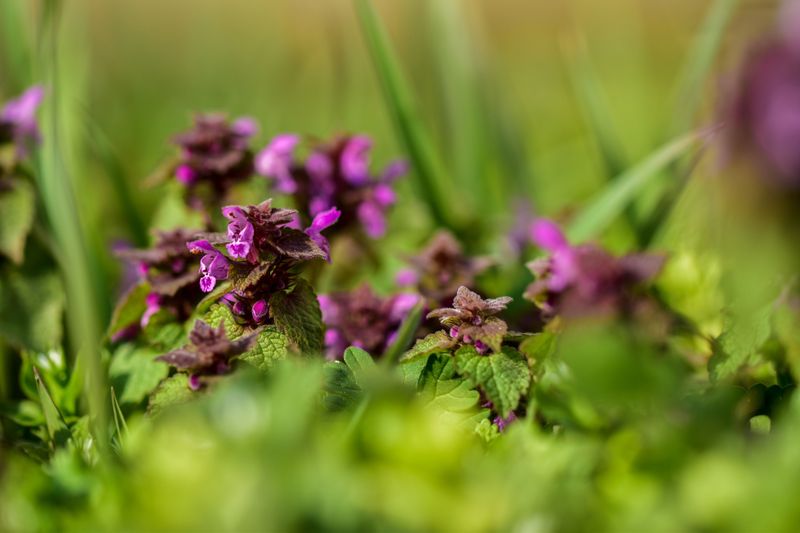
Grab a stem and roll it between your fingers. If it feels square instead of round, you’re holding a member of the mint family, and henbit fits right in.
Henbit leaves are rounded with scalloped edges and grow in opposite pairs. The upper leaves wrap right around the stem with no little stalk. Its small purple flowers look like tiny tubes with spots inside.
Purple deadnettle is the classic look-alike, and it often grows in the same lawns. Its leaves are more triangular, sit on short stalks, and the top ones usually blush reddish purple. The plant looks a bit like a little pagoda.
So why bother learning the difference? Both respond to similar treatments, so your control plan stays mostly the same. Still, correct identification helps you avoid mistaking a beneficial plant for a weed.
Spotting henbit early is the real prize. Young plants are easier to treat than flowering ones, so knowing the leaves alone gives you an edge.
Take a quick walk across your yard in December or January. A few minutes of looking can tell you exactly where to focus your efforts.
5. Thick Healthy Turf Leaves Henbit No Room
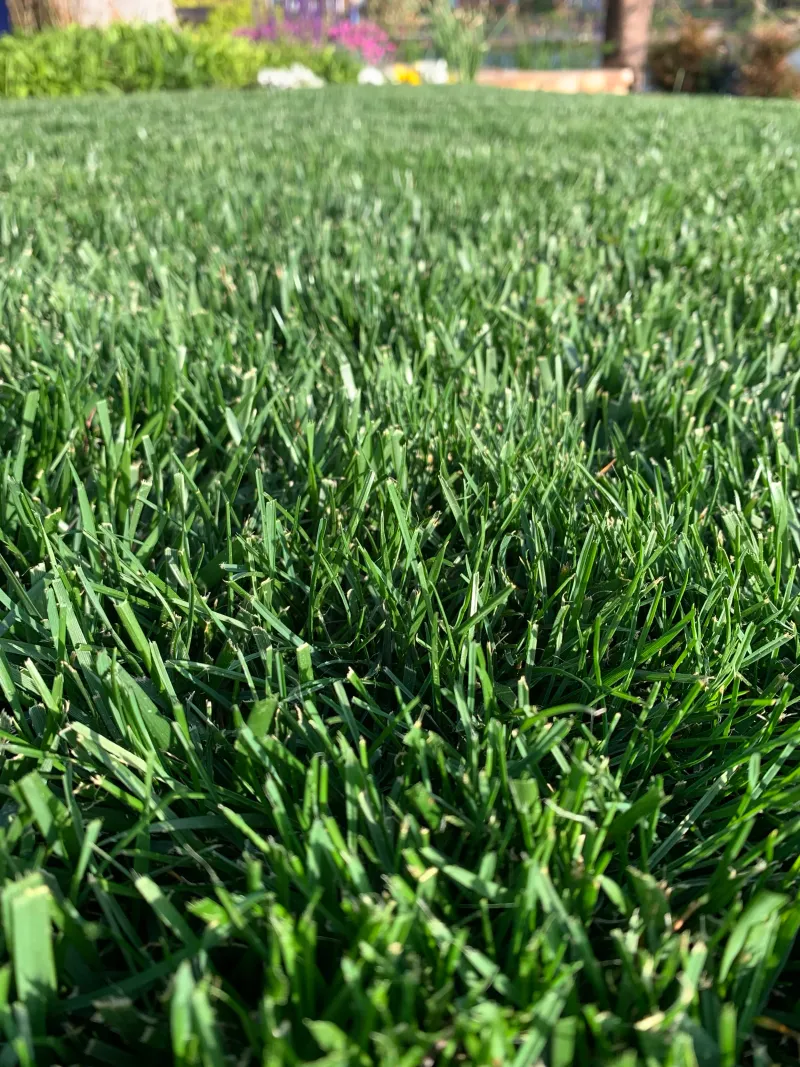
Weeds are a lot like party crashers. They show up wherever there’s an open spot, and thin lawns roll out the welcome mat.
Henbit loves bare soil, thin grass, and damp shady corners. A thick lawn covers the ground and makes it harder for seeds to get light and space. That makes good lawn care one of your best long-term tools.
Start by mowing at the right height for your grass. St. Augustine often does well around 2.5 to 4 inches, while bermudagrass prefers it shorter. Cutting too low weakens grass and opens the door for weeds.
Water deeply but not too often. Soggy soil favors henbit, so fix drainage problems and avoid light daily sprinkling. Texas A&M AgriLife suggests watering based on what your lawn needs, not a set calendar.
Fertilize warm-season grass during its growing season, not in winter when it’s dormant. Feeding dormant grass mostly helps cool-season weeds grow. Core aeration in late spring or summer can loosen compacted soil, too.
None of this works overnight. Over a season or two, though, a stronger lawn means fewer gaps for henbit to claim each fall.
6. Pulling Henbit By Hand Works Better Than You Think
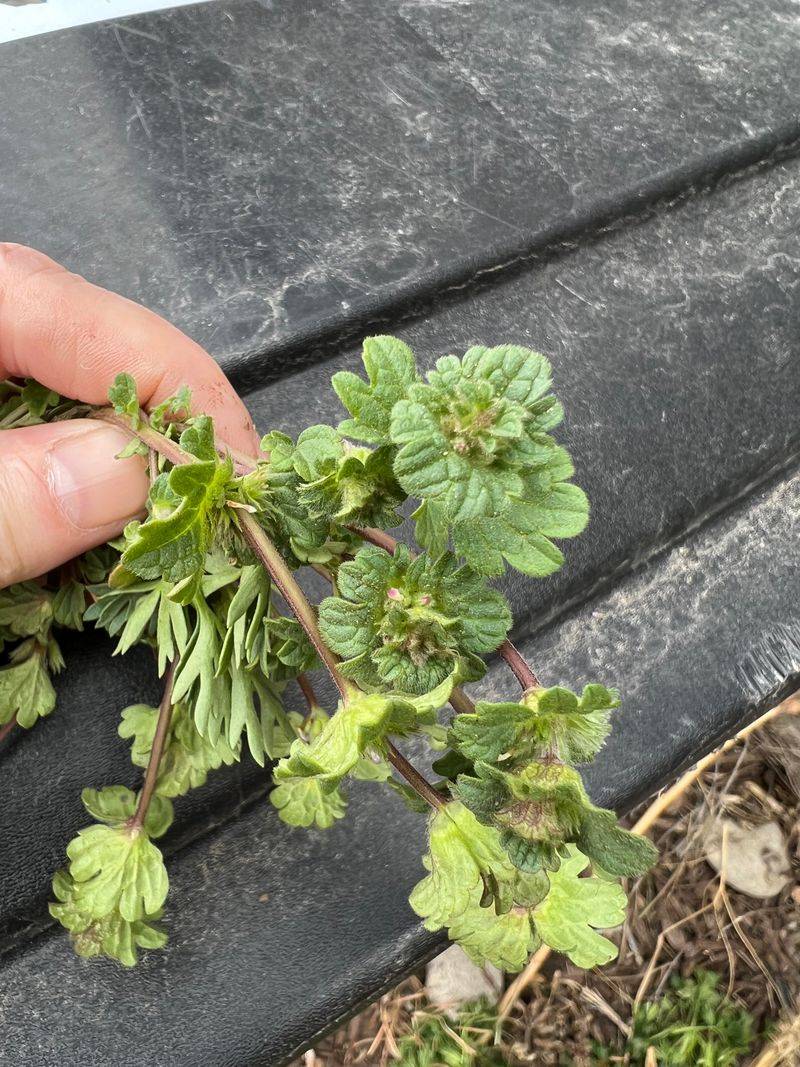
Some of my calmest garden moments come from pulling weeds after a winter rain. Henbit makes that job surprisingly easy.
The plant has shallow, fibrous roots that let go without much fuss. Moist soil helps a lot, so plan your weeding session a day after rain or watering. Grip the plant low near the soil line and pull gently to get the roots.
Hand pulling works best for small patches or flower beds. It’s a great choice near vegetables, pets, or kids’ play areas where you’d rather skip sprays. Wear gloves, since a few hours of pulling can leave your fingers sore.
Timing still matters here. Pull plants before they bloom so seeds never get a chance to form. If flowers are already open, bag the plants instead of tossing them onto your compost pile.
In garden beds, finish with two to three inches of mulch. Shredded bark or pine straw blocks light and cuts down on new sprouts.
Fun fact: henbit gets its name because chickens enjoy nibbling it. If you keep backyard hens, they might gladly help with cleanup duty.
7. Mowing Off Henbit Flowers Won’t Solve The Problem
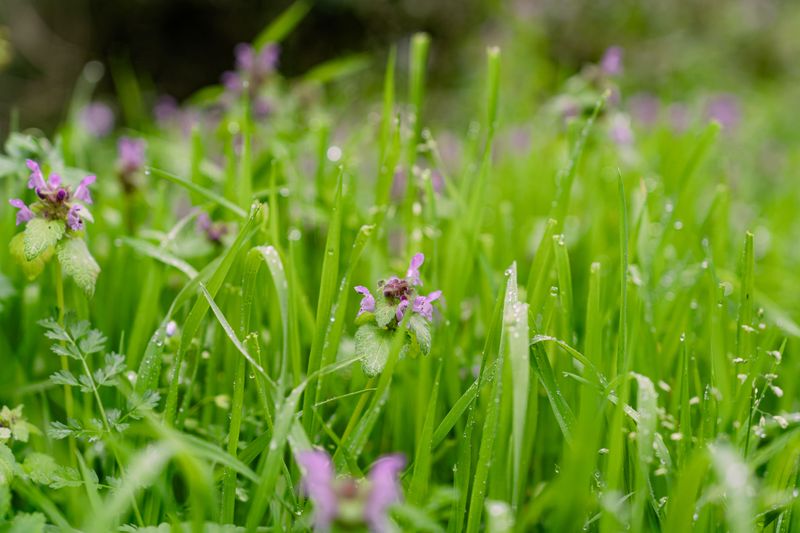
Running the mower over that purple patch feels great for about a week. Then the flowers pop right back up.
Henbit grows low and sprawls along the ground, so much of the plant stays under the blades.
Mowing clips the tops, but the plant keeps going and blooms again. If seeds have already formed, the mower can even scatter them across the yard.
Instead, treat spring mowing as a tidy-up, not a cure. It can make the lawn look neater while henbit finishes its natural cycle. The plant fades on its own once hot weather arrives, usually by late spring in most of Texas.
Use that bloom season as a planning moment. Snap a few photos of the worst spots so you remember where to focus. Those patches show exactly where your fall pre-emergent and winter spot spraying should go.
Bagging clippings while henbit is in bloom may help catch some seeds. It won’t fix everything, but every bit helps.
The biggest takeaway is simple. Stopping henbit before it flowers comes down to fall prevention, early winter treatment, and a thick lawn. Set a reminder for September, and your next spring can look a whole lot greener.