Why Drought-Hardened Soil in Virginia Won’t Absorb Water, and How to Fix It
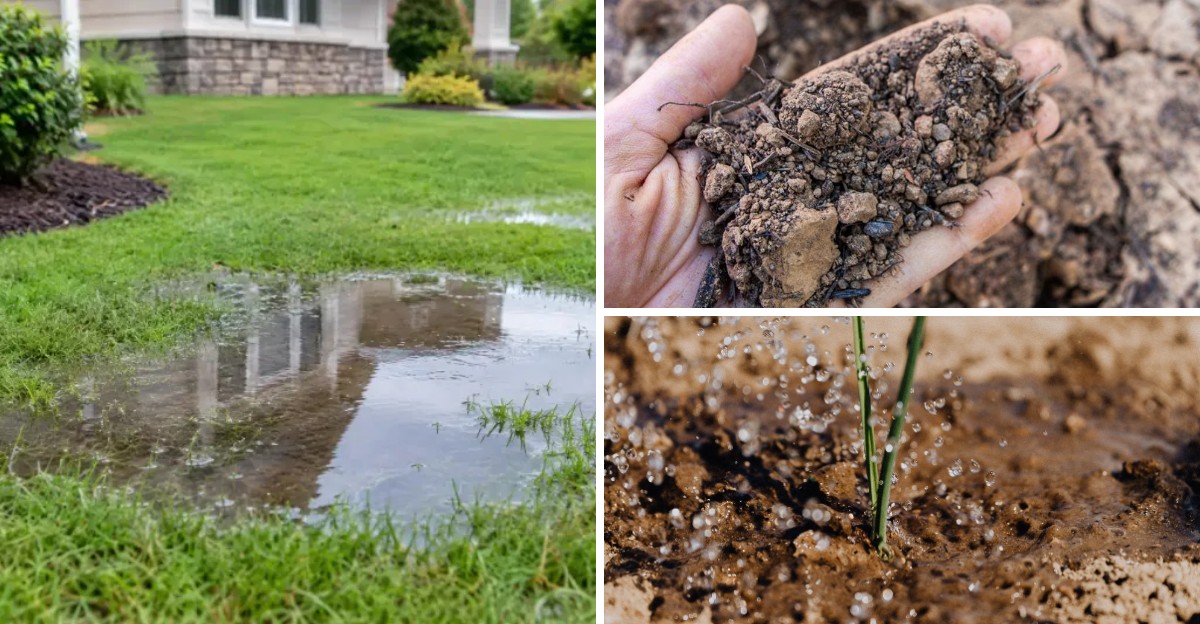
Bone-dry dirt can actually shed water like a freshly waxed car. I learned that the hard way, watching my hose water bead up and roll off a flower bed in late summer.
Scientists have a name for this odd behavior. Waxy compounds from fungi, roots, and rotting plant bits coat soil grains as they bake dry, and those coatings push water away instead of pulling it in.
In Virginia, heavy clay makes things trickier. Our red Piedmont soil can bake into a crust so firm that a summer storm mostly runs down the driveway. I once stood in the rain feeling smug, then dug down two inches and found powder.
Now that I think about it, my mistake was simple. I kept giving thirsty ground more water, faster, when it needed a different kind of help. So what does that stubborn dirt really want from you?
That Puddle Sitting on Dry Garden Soil Is Sending a Message
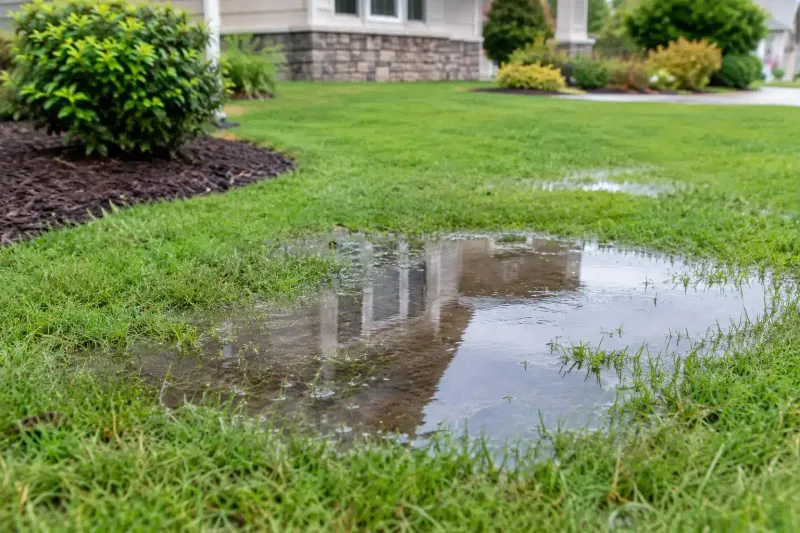
Water beading on dirt looks almost silly the first time you notice it. Little droplets sit on top like marbles, and the ground underneath stays as dry as cracker crumbs.
Soil scientists call this water repellency, or hydrophobic soil. Healthy soil acts like a sponge, pulling water into tiny spaces between grains.
After weeks without rain, that pulling power can slip away, and the surface starts to act more like a raincoat.
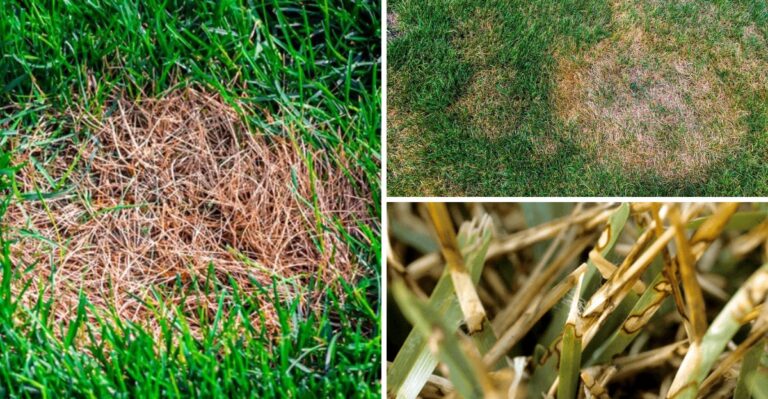
You can spot the problem in a few easy ways. Water may pool, roll off toward paths, or soak in only a quarter inch.
Plants can wilt in the afternoon even after you watered the night before.
A quick test helps you know for sure. Drip a few drops of water onto a dry patch and count.
If the drops sit there longer than about five seconds before sinking in, your soil is repelling water.
Try the same test in different beds. Sunny spots, sandy patches, and areas under trees often show the worst results.
Ground under evergreens can be extra stubborn because of resins from needles.
Knowing where the trouble lives saves you time and water. Instead of soaking the whole yard, you can focus your fixes on the spots that truly need them.
Grab a small trowel too, and peek below the surface after watering.
Waxy Coatings on Soil Grains Are Pushing Your Water Away
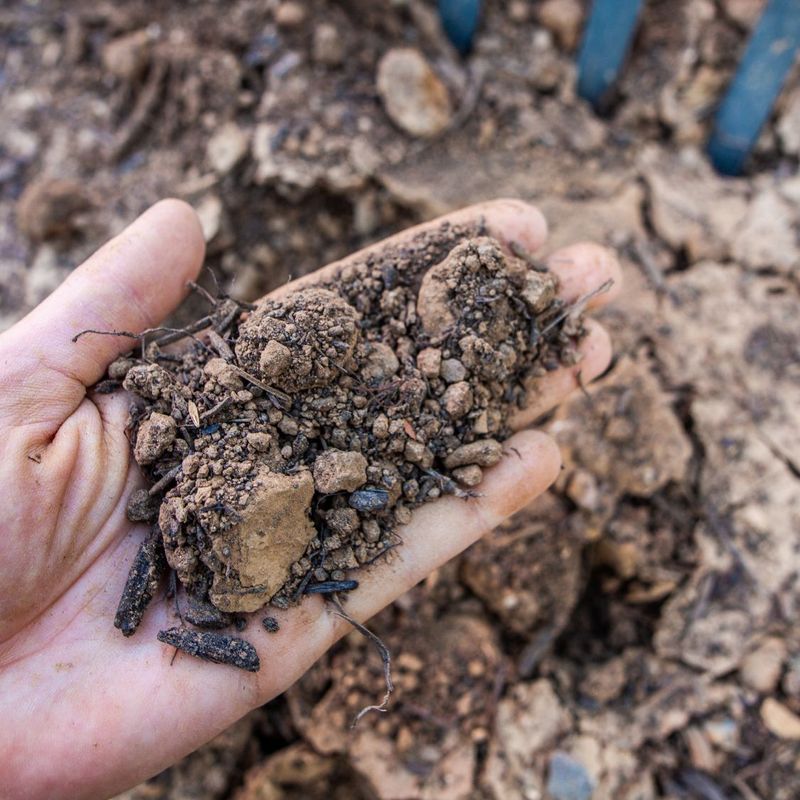
Tiny fungi might be the sneaky culprits in your flower bed. As soil dries, certain fungi, plant roots, and breaking-down leaves release waxy, oily compounds.
Those compounds stick to individual soil grains like a thin layer of candle wax. When the grains are moist, the waxy ends tend to stay tucked away.
Once the soil dries out completely, the water-hating side faces outward, and rain bounces off instead of soaking in.
Sandy soil struggles with this the most. Sand grains have less surface area, so a small amount of wax covers them quickly.
Potting mixes heavy in peat moss also turn stubborn when they dry, which is why a forgotten container can shed water right over the rim.
Here is a fun bit of science worth sharing at your next garden club meeting. Researchers have found that once soil gets wet again and stays moist for a while, the repellency often fades.
The coating does not vanish, but it stops acting so stubborn.
That detail matters for you as a gardener. It means the goal is not to scrub the dirt clean.
Your job is to get water in slowly, then keep the soil from drying out that hard again.
Think of it as winning the soil’s trust back, one gentle soak at a time.
Slow Trickles From the Garden Hose Work Better Than a Blast
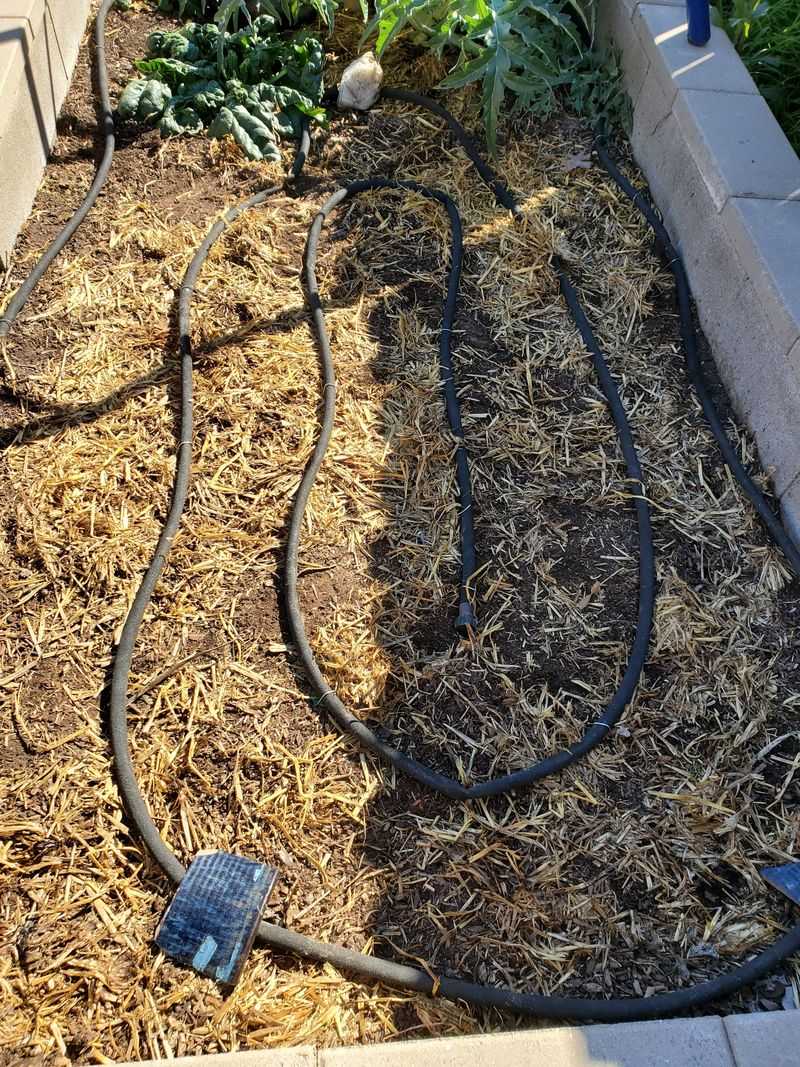
My old habit was cranking the hose to full power. All that did was wash mulch into the lawn and leave the roots thirsty.
Dry, crusted soil needs a slow approach. Turn the hose down to a gentle trickle and let it run at the base of a plant for several minutes.
Water moving slowly has time to find cracks and pores instead of racing away.
Another trick is called cycle and soak. Water lightly for a few minutes, wait 15 to 30 minutes, then water again.
The first round dampens the surface, and each later round sinks deeper.
Soaker hoses and drip lines shine here. They deliver water in slow drops right where roots live.
Early morning watering also helps, since less moisture escapes into the warm air.
Containers get their own fix. Set a dried-out pot in a bucket or tub of water and leave it until bubbles stop rising.
That usually means the mix has soaked up all it can hold.
Gently scratching the top two or three inches of soil with a hand cultivator opens fresh paths for water. Just work carefully around shallow roots.
Check your progress with a finger or trowel afterward. Moist soil six inches down means your patience paid off.
Red Clay Packed Tight Can Feel Like a Brick Patio
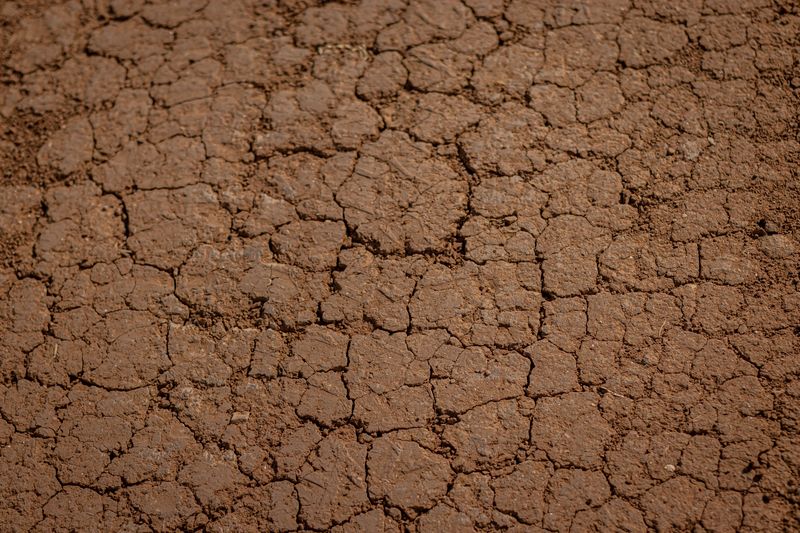
Anyone who has tried digging a hole in clay during August knows the feeling. The shovel clangs, your wrists ache, and the ground barely budges.
Clay is made of extremely tiny, flat particles. When they dry out, they shrink and bond tightly, forming hard clods and deep cracks.
Water may slip down the cracks yet skip the solid chunks in between.
Compaction makes this worse. Foot traffic, mowers, kids playing, and even pounding rain can squeeze clay particles together.
Air pockets collapse, and water has nowhere to go.
Much of the Piedmont and Northern Virginia sits on this kind of clay, often stained red by iron. Coastal Plain gardens tend to have sandier soil, so they lean more toward the waxy repellency problem.
Mountain areas vary widely, with rocky and silty soils mixed in.
A simple screwdriver test tells you a lot. Push a long screwdriver into moist soil a day after watering.
If it stops after an inch or two, compaction is likely part of your story.
Pay attention to where puddles form after storms. Paths, play areas, and spots where cars park usually show the toughest compaction.
Once you spot those zones, you can guide traffic elsewhere and give that tired clay a chance to loosen up.
A Core Aerator or Garden Fork Gives Roots Room to Drink
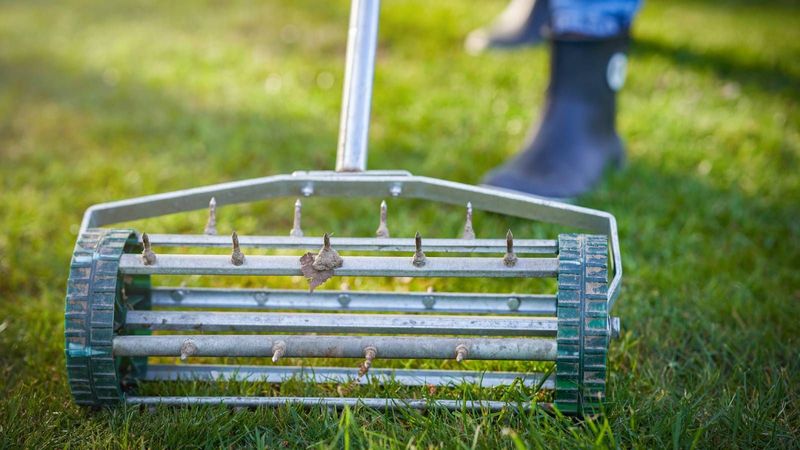
Those little soil plugs you see on lawns in fall are doing a big job. Core aeration pulls out small cylinders of earth, opening channels for air and water.
Spike aerators that just poke holes can press clay even tighter around each hole. Hollow-tine core aerators work better because they actually remove soil.
Leave the plugs on the lawn, and they will break down in a week or two.
Timing matters for lawns. Cool-season grasses like tall fescue, the most common lawn grass across much of Virginia, do best with fall aeration, roughly late August through October.
Warm-season grasses like Bermuda and zoysia prefer late spring or early summer.
Moisture matters too. Aerating bone-dry clay is like trying to stab a brick.
Water deeply a day or two before, so the tines can sink in.
Garden beds need a lighter touch. A digging fork or broadfork can loosen soil without flipping it upside down.
Push it in, rock it back and forth, then move over a few inches.
Skip tilling wet clay, since that smears it into a denser mess. Rototilling over and over also breaks soil structure down over time.
High-traffic lawns may need aeration every year or two, while quiet ones can wait several years.
Compost and Shredded Leaves Turn Thirsty Beds Into Sponges
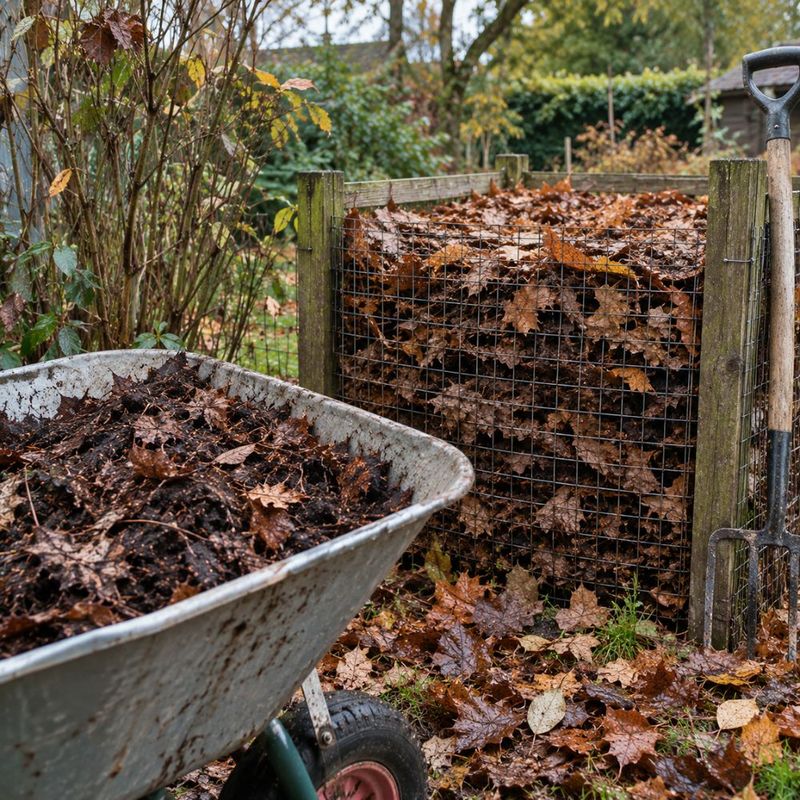
If I could hand every gardener one magic bag, it would hold compost. Nothing else does as much for both clay and sand.
Organic matter glues tiny soil particles into crumbly clumps called aggregates. Those clumps leave spaces for water and air to move.
In sandy soil, compost holds moisture that would otherwise drain right through.
Spread one to three inches of compost on beds each year and work it into the top few inches. Shredded leaves, well-aged manure, and old grass clippings help too.
Fall leaves are basically free soil food, so rake them up and run the mower over them.
Mulch is the partner that keeps all that good work going. A two to three inch layer of wood chips, straw, or shredded leaves slows evaporation and shades the soil.
Damp soil under mulch is far less likely to turn waxy and stubborn.
Keep mulch a few inches away from tree trunks and plant stems. Piling it up like a volcano invites rot and pests.
Earthworms and soil microbes will thank you as well. They feed on organic matter, and their tunnels and sticky byproducts keep building better structure over time.
Patience pays here. Most gardens show real change after a season or two.
Soil Wetting Agents Can Help, but Only for a Short While
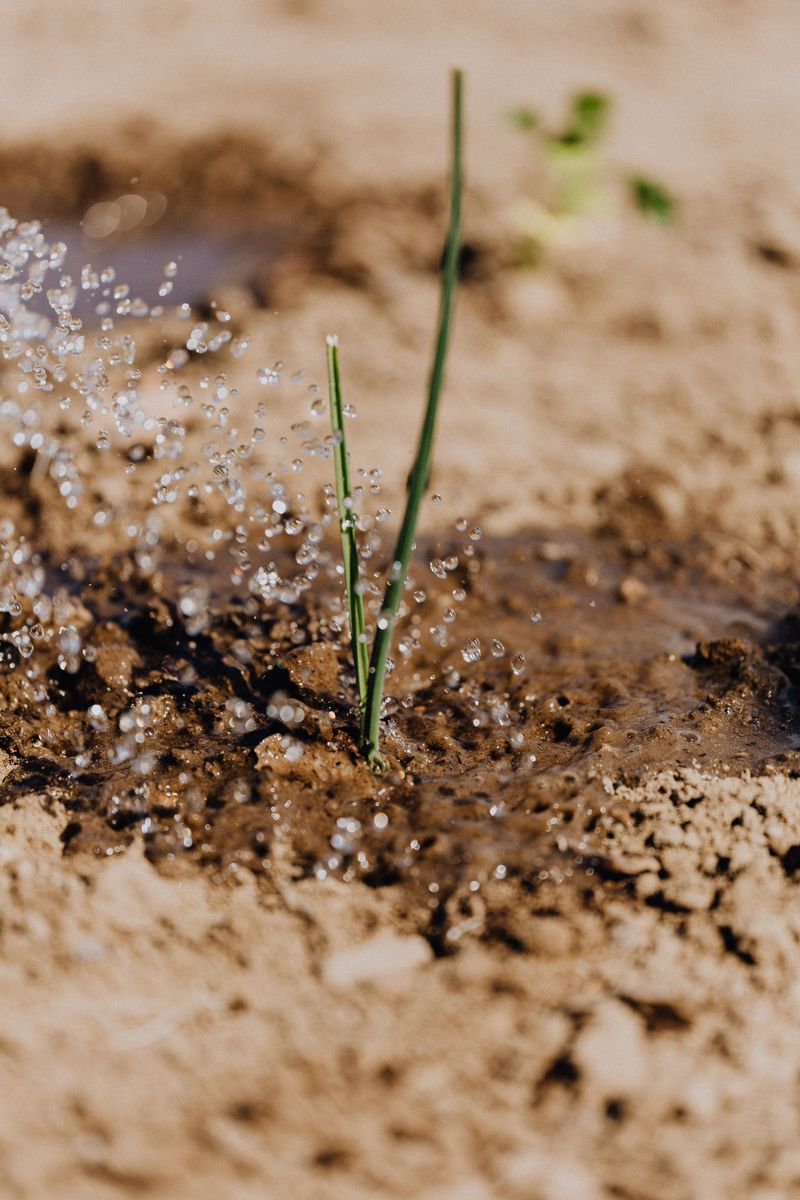
Quick fixes are tempting when your hydrangeas are drooping. Wetting agents, also called soil surfactants, can be one of them.
These products lower the surface tension of water. That helps drops spread out and slip past those waxy coatings instead of beading up.
Golf courses use them on stubborn turf, and many potting mixes already include a small amount.
For home gardens, look for products labeled as soil wetting agents or surfactants for plants. Follow the label closely, since too much can stress roots.
Water them in well after applying.
You may hear advice to add a drop of dish soap to your watering can. Some gardeners try it with mild, fragrance-free soap, yet many extension experts are cautious.
Household soaps and detergents can contain additives that harm plants or soil life, so a product made for gardens is the safer bet.
Wetting agents wear off as water and microbes break them down. Many need reapplying every few weeks to few months.
The way I see it, these products are training wheels. They buy you time while compost, mulch, and smart watering rebuild the soil underneath.
Save them for the worst spots, like sandy slopes, dried-out containers, and patches under evergreens where needles add extra resin.
Cover Crops and a Soil Test Set Up Next Year’s Garden
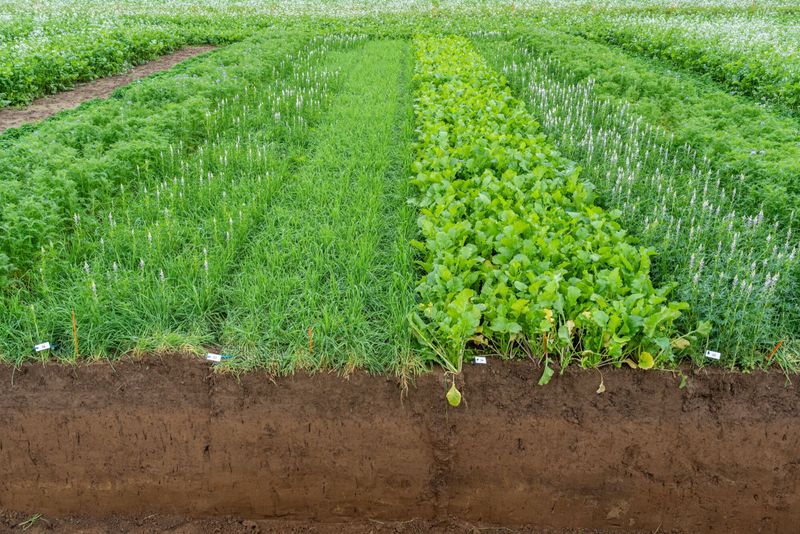
Bare soil over winter is like leaving the door open on a cold day. Rain pounds it, wind dries it, and the crust forms all over again.
Cover crops change that picture. Cereal rye, crimson clover, and hairy vetch are popular choices that Virginia gardeners often sow from September into October.
Their roots punch channels through clay, and their leaves shield the surface from heavy rain.
Come spring, cut the cover crop down a few weeks before planting. Leave the stems as mulch or mix them lightly into the top layer.
Clover and vetch also add nitrogen, which gives your vegetables a free boost.
A soil test is the other smart step. Virginia Cooperative Extension offices provide sample boxes and forms for testing through the Virginia Tech Soil Testing Lab, and the cost is modest.
You will learn your pH and nutrient levels, so you stop guessing.
Many Virginia soils lean acidic, and lime may be recommended. Test first, though, because adding lime you do not need can cause new problems.
My garden taught me that tough soil rarely fixes itself in one weekend. Slow watering, compost, mulch, fewer footsteps, and living roots all stack up.
Give it a year, and that stubborn dirt starts drinking again.