Why Georgia Gardeners Should Mulch Beds Now To Protect Roots From Freezes
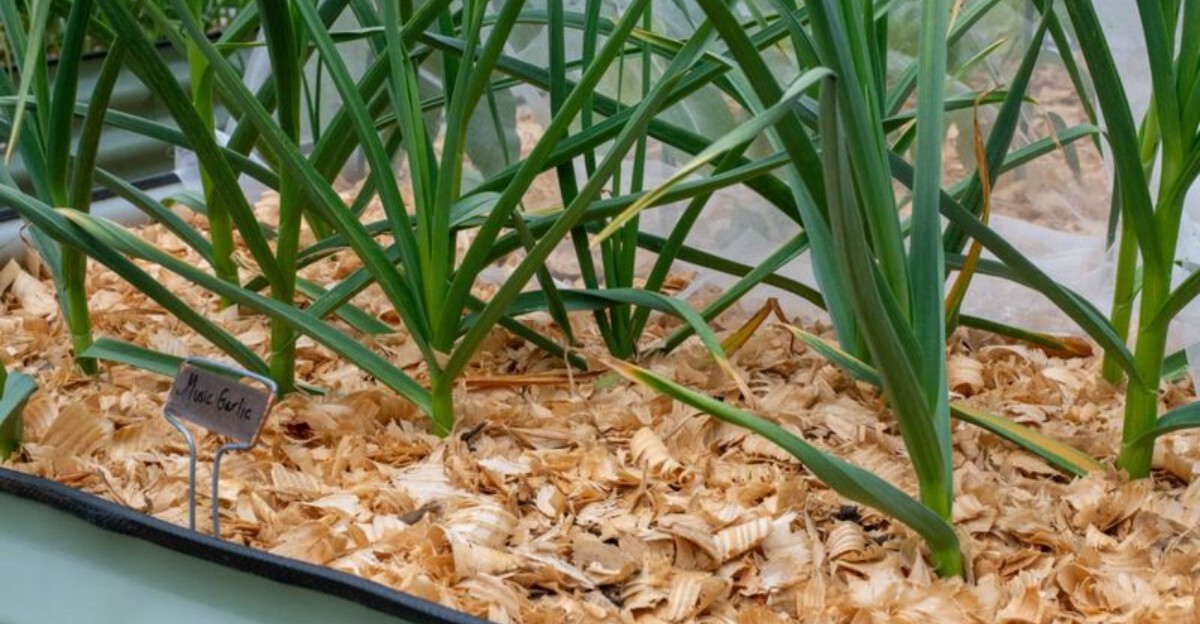
Roots are often far less cold hardy than the stems and branches growing above them. A shrub that shrugs off a frosty night can still lose roots if bare soil chills hard and fast.
Georgia winters feel mild most days, then flip overnight. Atlanta can sit near 60 degrees one afternoon and drop into the teens two nights later.
I find that swing far tougher on plants than steady cold.
I learned this the hard way with a row of potted and freshly planted perennials. Everything looked fine in January.
By April, half of them sulked, and a few never woke up at all.
You need to know that soil has its own defense system. It holds daytime warmth and releases it slowly overnight, and an insulating layer helps slow that heat loss.
What simple, inexpensive layer can give your garden beds that extra winter protection?
1. Those Hidden Roots Under Your Shrubs Are More Vulnerable To Freezing
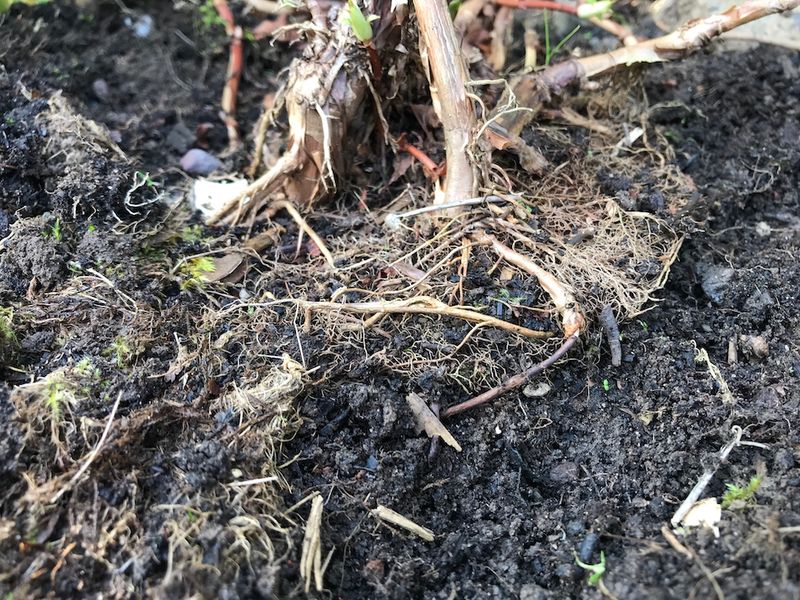
Roots and stems play by different rules. Most woody plants harden their branches for winter, but their roots stay much less cold tolerant, according to plant scientists at many extension services.
That gap matters in a state with sudden cold snaps. When bare soil loses heat quickly on a clear, windy night, ice crystals can form in root tissue.
Those crystals can rupture cells and cut off a plant’s ability to pull up water later.
Damage usually hides for weeks. You might not notice anything until spring, when leaves come in small, pale, or patchy.
Many gardeners blame disease or fertilizer, when the real trouble happened underground during one bitter night.
Shallow-rooted plants struggle the most. Azaleas, newly planted shrubs, fall-planted perennials, and anything in raised beds or containers have less soil protecting their roots.
Young transplants have not had time to grow deep, so their fragile root tips sit close to the cold surface.
Repeated freezing and thawing adds another problem. Soil expands and contracts, and that motion can lift small plants right out of the ground.
Gardeners call it frost heaving, and it leaves roots exposed to drying winds.
A loose, even blanket of mulch on Georgia soil slows all of this down.
2. A Layer Of Pine Straw Works Like A Soil Thermostat
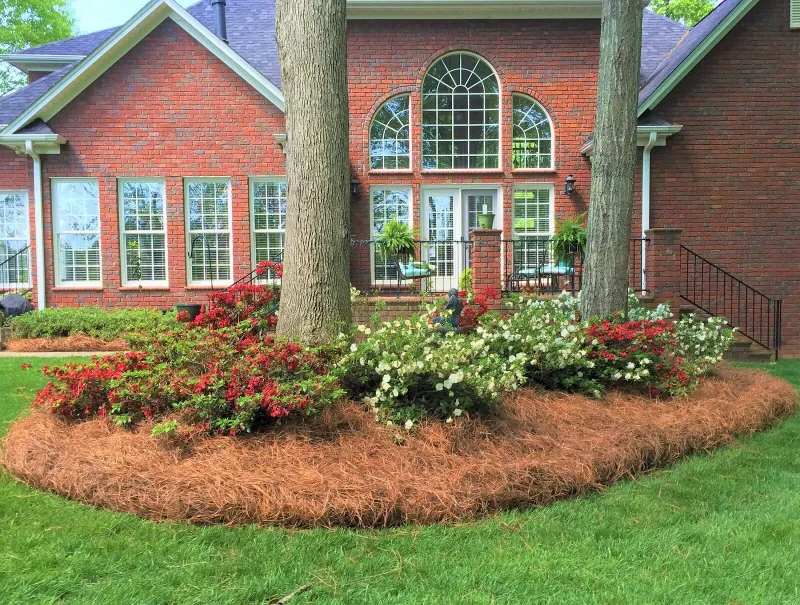
Mulch does not create heat. Instead, it traps the warmth the ground already collected during sunny afternoons and slows how fast it escapes at night.
I like to compare it to a quilt on a bed. The quilt makes no heat of its own, yet you stay warm because your body heat sticks around.
Soil under mulch works the same way, holding steadier temperatures than bare dirt nearby.
University of Georgia Extension recommends mulch partly for this buffering effect. Steady soil temperatures mean fewer wild swings, which cuts down on frost heaving and root injury.
Moisture is the second piece of the puzzle. Mulch reduces evaporation, and moist soil stores and moves heat better than dry soil.
Winter winds can dry out bare beds quickly, so that extra moisture really helps.
Mulch also shields roots from drought stress during dry spells. Evergreens like hollies, camellias, and boxwoods keep losing water through their leaves all winter.
When the ground stays damp, roots can replace that water more easily.
Put those two benefits together and you get roots that are warmer, wetter, and calmer. For a few dollars and an hour of work, that is a pretty impressive trade.
3. Spread Two To Four Inches Around Each Plant Before The Hard Freeze
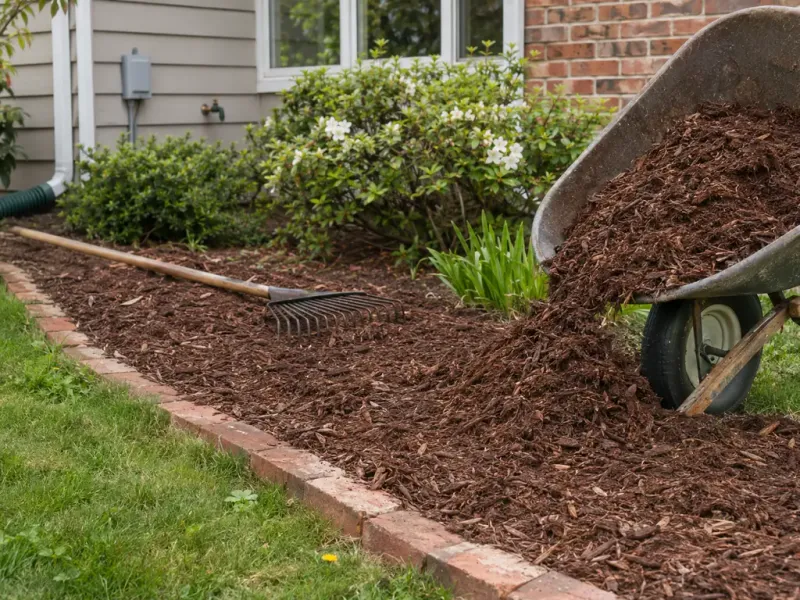
Timing is the secret most folks miss. The best moment to mulch is late fall or early winter, before the first hard freeze settles in.
In north Georgia, that often means November, while coastal and south Georgia gardeners can usually wait a bit longer.
Start by watering. Give beds a deep soak a day or two before you mulch, since dry soil under a thick layer can stay dry.
Mulch seals in what is already there.
Next, measure your depth. UGA Extension suggests about 2 to 4 inches for most organic mulches.
Pine straw is fluffier and settles over time, so many gardeners lay it closer to 3 to 5 inches fresh.
Spread it wide, not tall. Roots often extend past the edge of a shrub’s branches, so cover the whole root zone instead of a tiny circle near the stem.
Quick checklist for the job:
Water first, then pull weeds. Rake mulch evenly with a flat surface.
Keep it a few inches away from trunks and stems.
An afternoon of raking now can save you a whole spring of replanting.
4. Free Shredded Leaves Might Be The Best Mulch In Your Yard
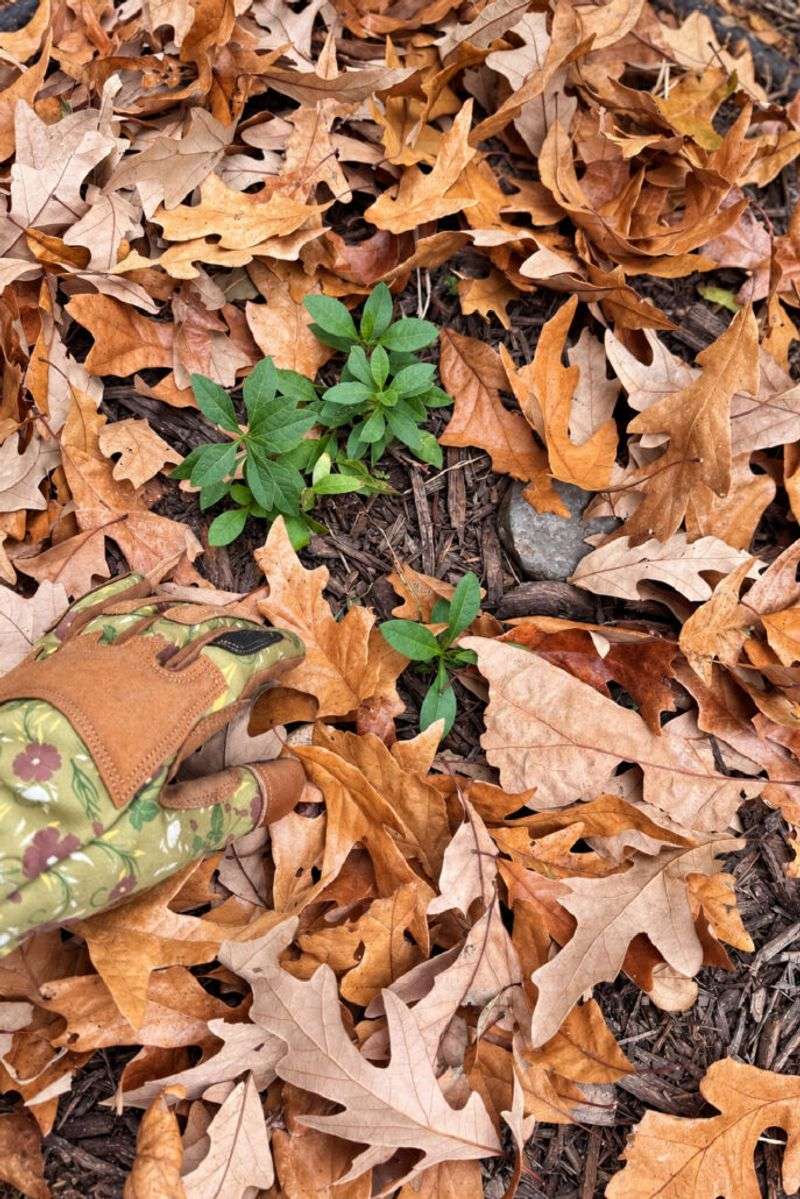
Take a look at that pile of oak leaves on your lawn. You may be raking away some of the best winter mulch around, and it costs nothing at all.
Whole leaves can mat into a soggy layer that sheds water. Shredding them first fixes that.
Run a mower over them a couple of times, then scoop them into beds.
Pine straw is a southern classic for good reason. It is light, easy to spread, and stays put on slopes because the needles knit together.
Azaleas, camellias, and blueberries appreciate it too.
Shredded hardwood and pine bark nuggets last longer and look tidy near walkways. Smaller bark pieces stay put better, while big nuggets can float away during heavy rain.
Organic mulches all share one bonus. They break down slowly and feed the soil with organic matter, improving structure over time.
Skip rubber mulch and plastic sheeting around roots. These hold little moisture, add nothing to the soil, and can overheat once warm weather returns.
I mix pine straw over shredded leaves in my Georgia beds. The leaves do the insulating work, while the straw keeps everything neat and gives the bed that classic Southern look.
5. Mulch Volcanoes Piled Against Tree Trunks Cause Real Trouble
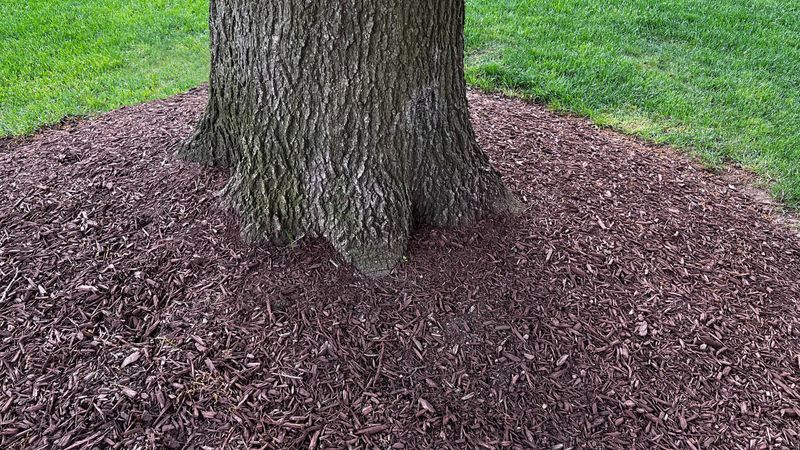
Drive through almost any parking lot in winter and you will spot them. Tall cones of mulch heaped against tree trunks, looking a bit like tiny volcanoes.
Arborists cringe at this sight, and for good reason. Mulch packed against bark keeps it constantly damp, which invites rot, fungal disease, and gnawing pests like voles.
Over time, trees can even send roots up into the pile, where they circle and girdle the trunk.
Shrubs and perennials face the same risk. Crowns buried under wet mulch can soften and decline, especially on plants like lavender or heuchera that dislike soggy feet.
The fix is simple. Pull mulch back so there is a gap of a few inches around stems and roughly 3 to 6 inches around tree trunks.
Depth is the other trap for Georgia gardeners. Piling on more than about 4 inches of fine mulch can limit oxygen to roots and keep soil overly wet.
If you inherited old mulch, check it before adding more. Rake out the layer, break up any crusty mat, and top it off only as needed.
Think flat donut shape, not mountain.
6. Newly Planted Perennials And Container Plants Need Extra Cover
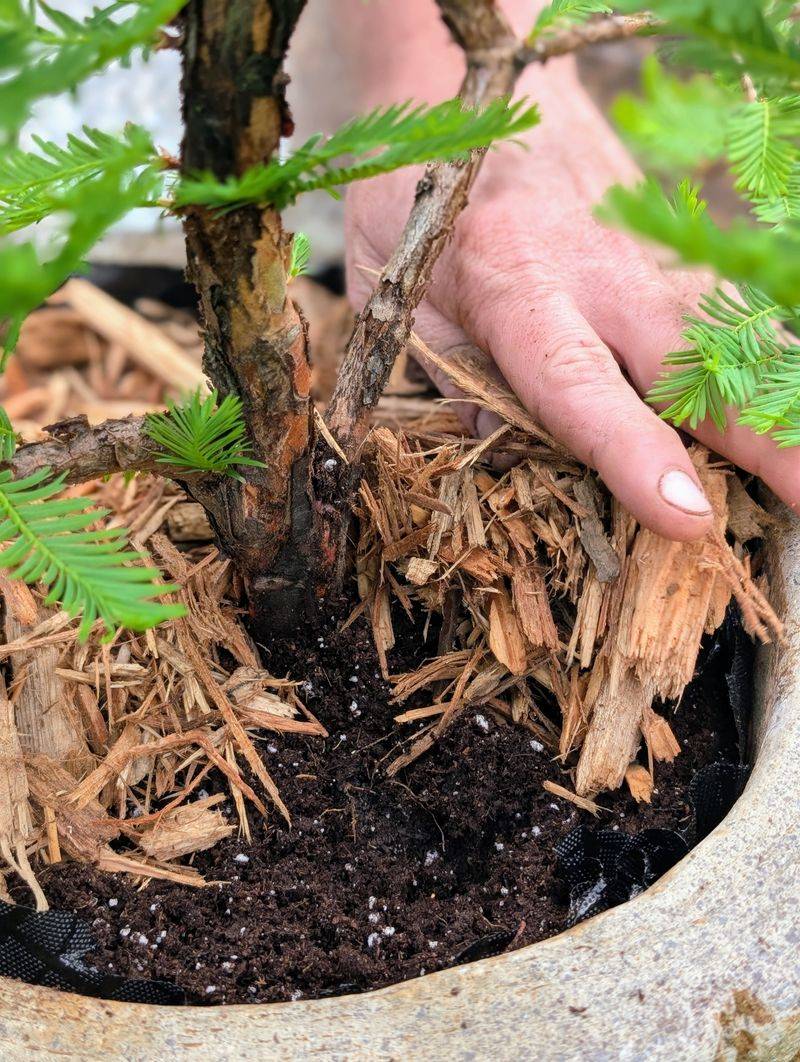
Fall is a great planting season in the South, and many of us take full advantage. The catch is that those newcomers have not had time to send roots deep.
Young transplants depend on a small root ball sitting near the surface. A layer of mulch over that zone gives them the time they need to settle in before spring.
Containers deserve special attention. Roots in pots are surrounded by air instead of insulating earth, so they freeze faster than roots in the ground.
A few easy tricks help potted plants:
Cluster pots together against a south-facing wall. Tuck pine straw or shredded leaves around and between them.
Move smaller containers into a garage or shed during the worst cold nights.
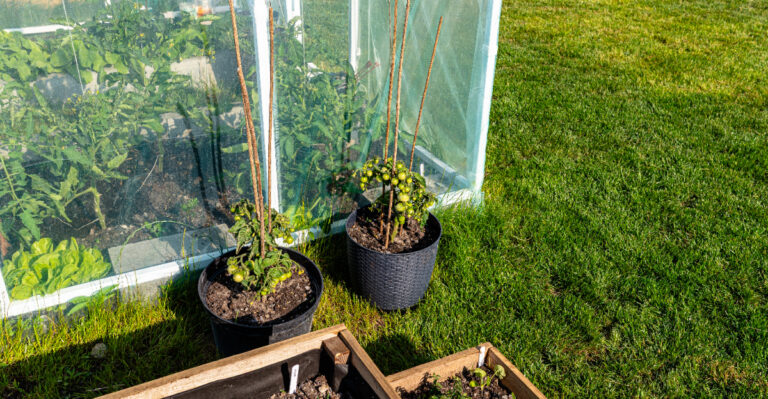
Raised beds in Georgia also cool off faster than level ground because their sides are exposed. Mulch the top generously, and consider extra straw along exposed edges.
Tender plants like lantana, salvias, and some ornamental grasses often return from their roots if those roots stay protected. Gardeners in the colder mountain counties can mound a little extra mulch over these crowns once they go dormant, then pull it back in spring.
7. Winter Weeds And Red Clay Erosion Get Slowed Down Too
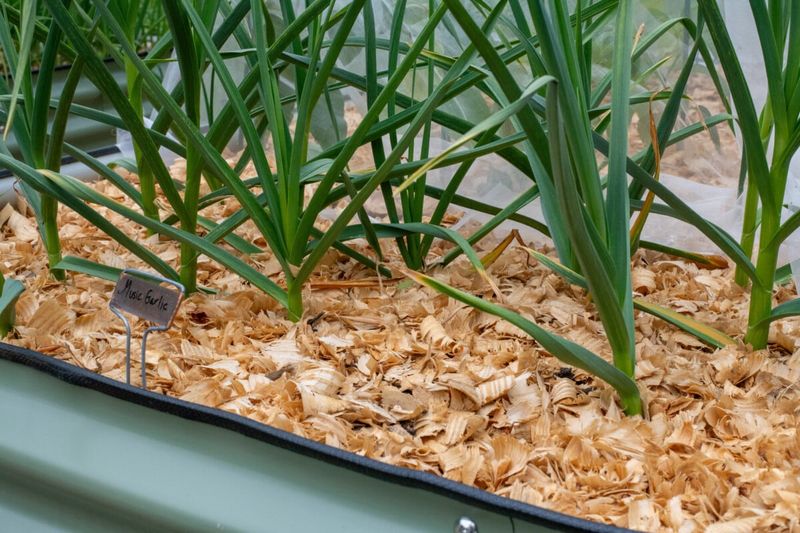
Cold protection grabs the headlines, but mulch quietly handles a few other winter chores at the same time.
Weeds are a big one. Henbit, chickweed, and annual bluegrass love to sprout in bare beds during the cool months.
A thick mulch layer blocks the light many of those seeds need, so far fewer of them pop up.
Fewer weeds means less fighting over water and nutrients. It also means less bending and pulling when you would rather stay cozy inside with seed catalogs.
Erosion is the other quiet win. Winter storms in Georgia can drop heavy rain, and bare red clay washes away easily.
Mulch softens the impact of raindrops and helps water soak in instead of running downhill.
Pine straw shines on slopes because the needles lock together and stay put. Hardwood mulch also clings well once it settles.
Fun fact for clay gardeners: as organic mulch slowly breaks down, earthworms and soil microbes pull that material downward. Over a few seasons, heavy clay can become looser, darker, and easier to dig.
I love that winter mulch keeps working while I mostly sit back and watch.
8. Check Your Mulched Beds In Late Winter For A Strong Spring Start
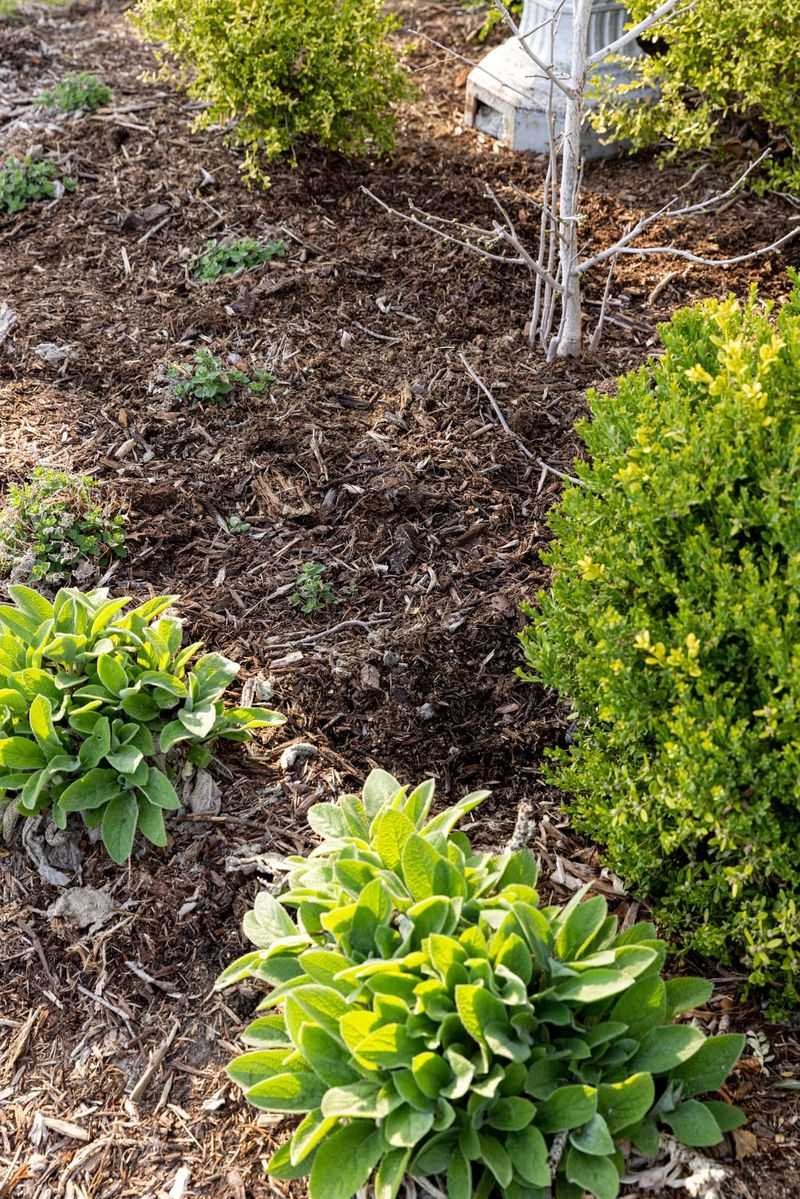
Your mulch job does not end once the rake goes back in the shed. A quick walk around the beds every few weeks keeps everything working well.
After big storms, look for thin spots where wind or water moved mulch around. Top those areas off so roots stay covered.
Also peek for heaved plants, and gently press any lifted crowns back into the soil.
When freezes are forecast, mulch does most of the work, but tender shrubs may still need a frost cloth over the top. Remove those covers the next morning once temperatures climb.
Late winter brings another task. As perennials begin poking up new shoots, pull back heavy mulch from their crowns so the soil can warm and stems can breathe.
Leave the rest in place. That layer will keep cooling roots and holding moisture once the summer heat arrives, so your work pays off twice.
My favorite takeaway for Georgia gardeners is how little this asks of you. One afternoon now, plus a few quick check-ins, can mean fuller shrubs, happier perennials, and fewer plants to replace when spring rolls around.