A Neighbor’s Tree Came Down in the Storm. What New York Homeowners Need to Do First
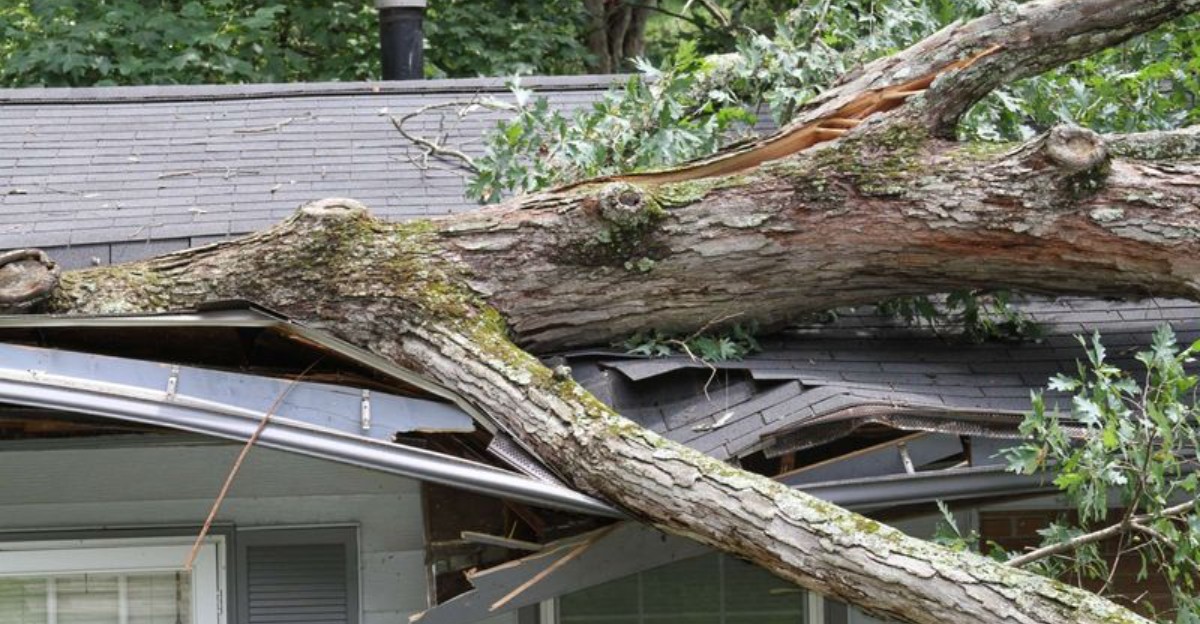
A tree can stand next door for eighty years, and in New York the law may still treat its crash onto your roof as nobody’s fault.
I learned that the hard way after a summer squall dropped a huge limb across my vegetable beds. My first thought was my tomatoes. My second thought was a very loud question about who pays.
The answer surprised me. Courts and insurers often look at the tree’s health before the storm, not the property line it grew on. A sound tree blown over by high winds is usually treated as an act of nature.
So the first hours matter more than most of us realize. Photos, phone calls, and patience can save you real money.
The order you do them in matters too. Which step would you have skipped?
Those Tangled Branches Might Be Hiding Downed Power Lines
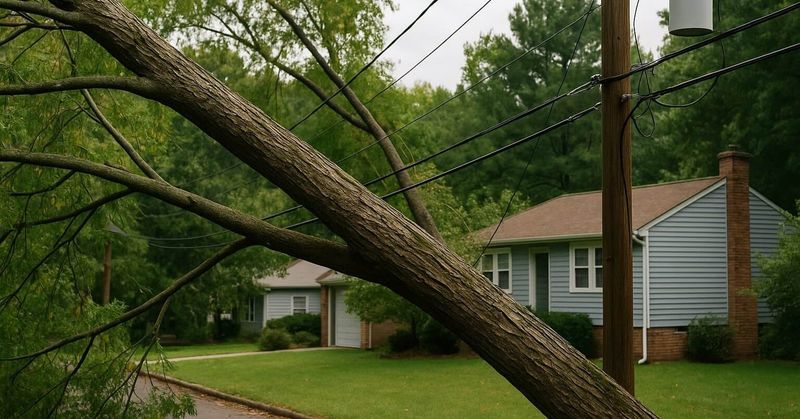
Wires love to hide in leaves. After a storm, a fallen tree can pull utility lines down and bury them in a mess of twigs, where they look like just another vine.
Treat every wire as live until the utility company says otherwise. Many utilities advise staying at least 30 feet away, and wet ground can carry current farther than you might expect.
Keep kids and pets inside, too.
Call 911 if you see sparks, smell gas, or notice the house shifting or cracking. Then report the downed line to your utility, such as Con Edison, National Grid, NYSEG, or PSEG Long Island, depending on where you live.
I know the urge to rush out and look. I felt it too, coffee mug in hand.
Wait until the wind and lightning have fully passed, because loose branches called widowmakers can still drop from neighboring trees hours later.
Look around from a window first. Check for leaning trunks, hanging limbs, and roof damage you can spot from inside.
If the tree punched through a wall or ceiling, stay out of that room.
Shut off the main breaker only if you can reach it safely and stay dry. Water and electricity make a risky pair indoors as well as outdoors.
Once everyone is accounted for, the paperwork questions can wait a few minutes. Safety comes before claims.
A Healthy Oak Crashing Over the Fence Usually Lands on Your Policy
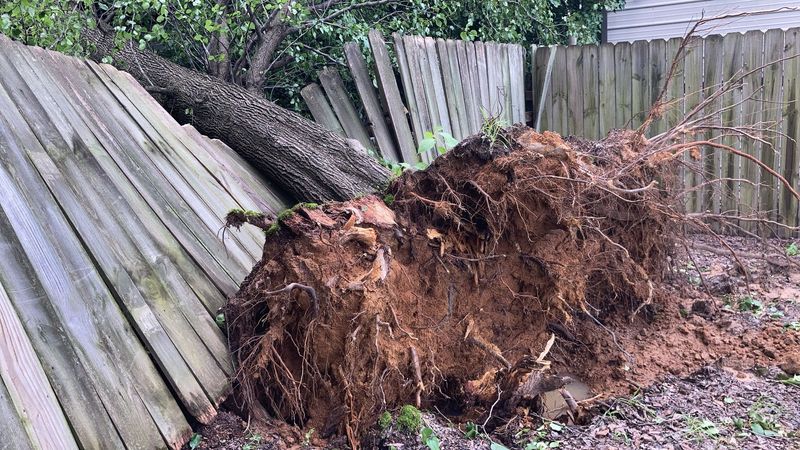
Many homeowners are stunned by this rule. When a healthy tree from next door falls onto your property during a storm, your own homeowners insurance usually handles the damage to your home.
Insurers and New York courts generally treat a sound tree toppled by wind as an act of nature. Nobody was careless, so nobody is legally at fault.
Your policy covers your house, and your neighbor’s policy covers theirs.
That feels unfair at first. I grumbled about it for a whole afternoon.
Still, it makes some sense, since your neighbor could not reasonably stop a healthy maple from snapping in 60 mile per hour gusts.
Your dwelling coverage typically pays for roof, siding, and structure repairs, minus your deductible. Damage to a detached garage, shed, or fence often falls under other structures coverage.
Cars are a separate story. A tree crushing your vehicle is usually handled by the comprehensive part of your auto policy, not your homeowners plan.
Read your declarations page before you call anyone. Look for your deductible amount, especially any special windstorm or hurricane deductible, which is common on Long Island and in coastal areas.
Knowing these details ahead of time keeps the conversation with your neighbor calm. Blame rarely fixes a roof.
A clear understanding of coverage gets the repair crew scheduled faster.
Snap Photos of the Trunk, Stump, and Roof Before Anything Moves
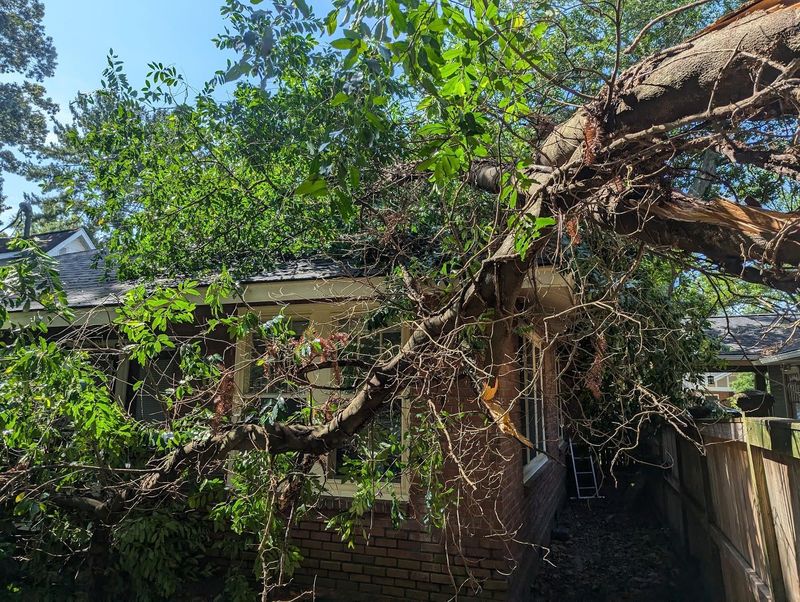
Your phone is about to become your best friend. Good photos often decide how smoothly a claim goes, and they can matter later if fault comes into question.
Start with wide shots from several angles that show the whole scene, including both properties. Then move closer.
Capture every dent in the gutters, every cracked shingle, and every snapped fence board.
Pay special attention to the tree itself. Photograph the broken trunk, the exposed roots, and the stump.
Hollow centers, dark rot, mushrooms at the base, or long cracks can hint that the tree was unhealthy before the storm.
A short video walking around the damage helps, too. Narrate what you see as you go.
I did this after my own storm mess, and the adjuster thanked me twice.
Check that your phone saves the date and time. Keep a simple notebook or notes app log of who you talk with, when, and what they said.
Save older photos as well. A picture from last summer showing bare, leafless limbs on the neighbor’s tree could become valuable evidence.
Hold off on raking or stacking branches until your insurer gives the green light. Moving debris too soon can erase details an adjuster needs to see.
Call Your Insurer Before the Chainsaw Crew Shows Up
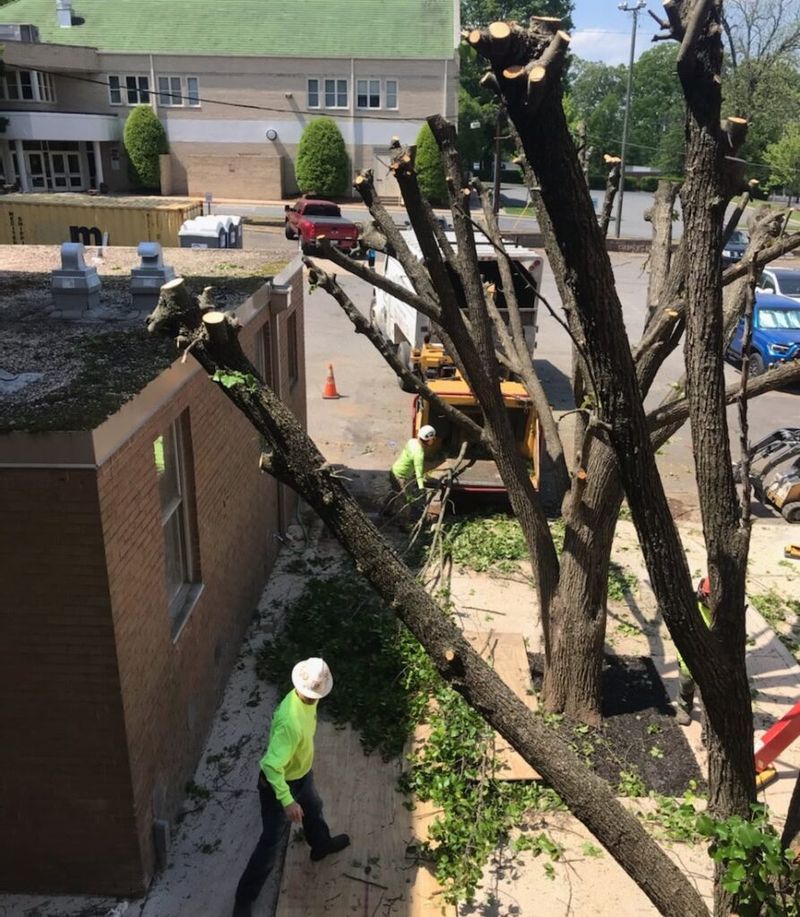
Tree crews start knocking on doors fast after a big storm. Some are excellent.
Others charge a fortune for quick cash work, so slow down and phone your insurance company first.
Report the claim as soon as you safely can. Most policies require prompt notice, and waiting can complicate things.
Ask about your deductible, tree removal limits, and whether an adjuster will visit.
Ask, too, what emergency steps they want you to take. Insurers usually expect you to prevent more damage, such as tarping a punctured roof before rain soaks the attic.
Keep receipts for tarps, plywood, and emergency labor.
Hire licensed and insured tree services only. Ask for proof of liability and workers compensation coverage.
In many New York counties and New York City, home improvement contractors must hold a local license, so check yours.
Get written estimates when possible. Steer clear of anyone demanding full payment upfront or pushing you to sign over your insurance benefits on the spot.
Let your neighbor know you filed a claim. A friendly heads-up beats a surprise letter later.
My rule of thumb now is simple. One phone call before one chainsaw.
That small pause has saved friends of mine hundreds of dollars and plenty of stress.
Decaying Limbs and Rotten Trunks Can Shift the Blame Next Door
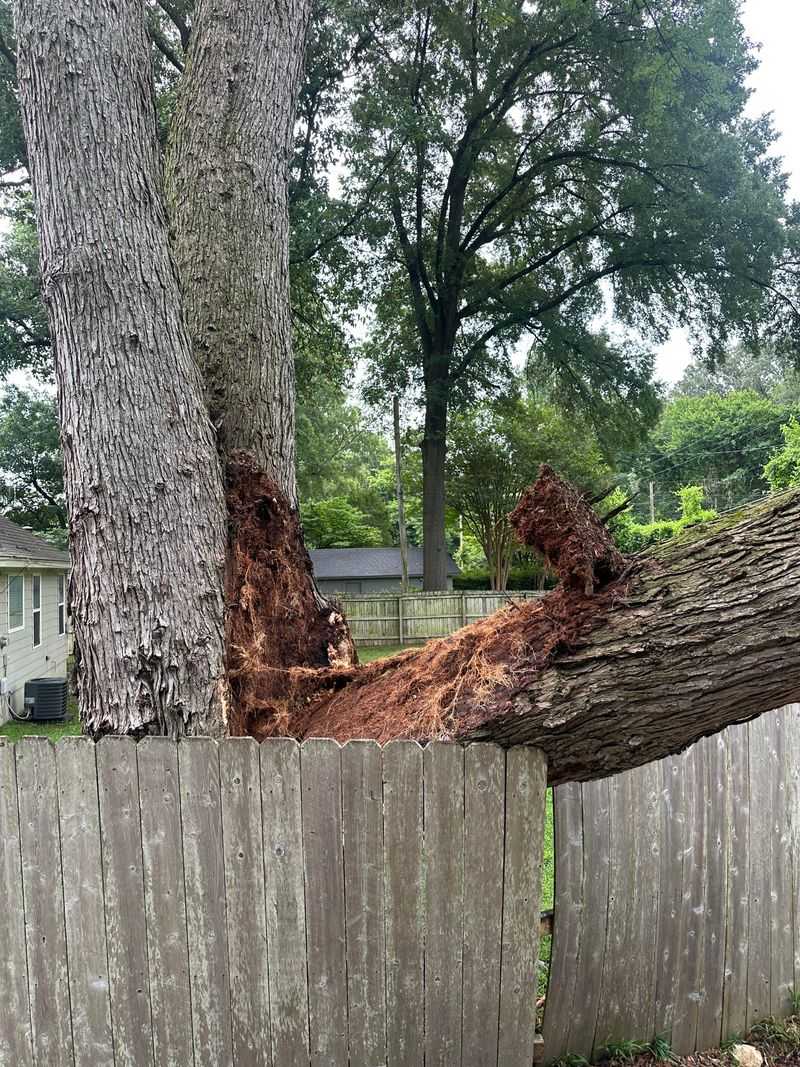
Rot changes the whole story. If your neighbor knew, or reasonably should have known, that the tree was weak and did nothing, they may be held responsible for the damage.
Lawyers call this negligence. The key idea is notice.
Did the owner receive warnings, or were the problems obvious to anyone walking by?
Signs that often count include large leafless branches, deep trunk cavities, mushrooms or conks at the base, heavy leaning, and cracked bark. A tree that leafed out sparsely for several seasons may also raise questions.
Proof makes all the difference. Old photos, emails or letters you sent about the tree, and town code complaints can help.
A report from an ISA certified arborist examining the stump can carry real weight.
If negligence is shown, your insurer may pay you first and then seek repayment from the neighbor’s insurer. That process is called subrogation, and it may even help you recover your deductible.
Neighbors are not usually expected to hire experts for every healthy tree. Courts look at what a reasonable owner would notice.
Keep your tone kind during all of this. You likely share a property line for years to come, and the insurers can handle the tough conversations.
Hauling Away Logs and Brush Has Its Own Coverage Limits
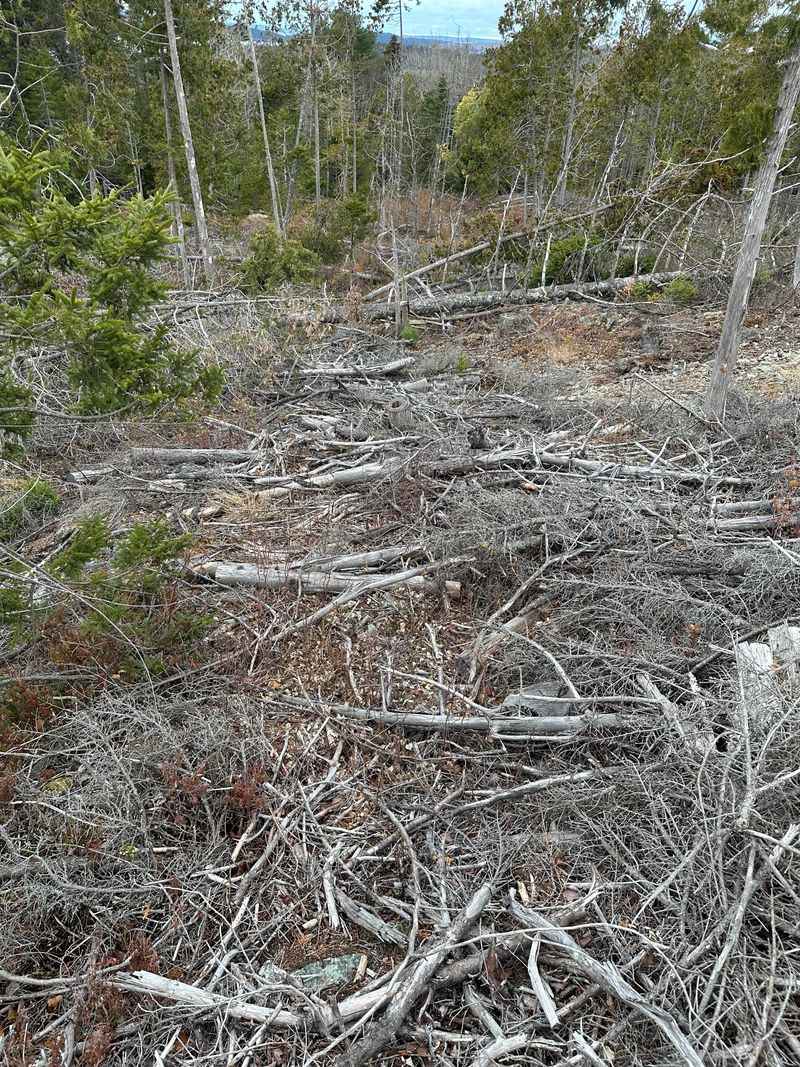
Surprise number two often arrives with the removal bill. Cutting up a mature fallen tree can cost well over a thousand dollars, yet many policies cap tree debris removal.
A common limit is around $500 per tree and $1,000 per storm, though your policy may differ. Coverage typically applies when the tree damaged a covered structure, like your house, garage, or fence.
Some policies also help when a tree blocks your driveway or a ramp for a person with a disability. Others offer nothing if the trunk simply flattened the lawn and a few hostas.
So who pays when the tree caused no damage? Often, the person whose property it landed on handles cleanup, even when it grew next door.
Your neighbor might chip in out of goodwill, which happens more often than you would think.
Ask your contractor to break the invoice into parts. Separating removal from the roof, cutting, and hauling makes it easier for the adjuster to apply each coverage correctly.
Leave major cutting to pros. Chainsaws and tension-loaded trunks cause many serious injuries after storms.
Logs that spring back can surprise even seasoned users.
Got extra wood? Check local rules before moving firewood, since New York restricts untreated firewood moved over 50 miles to slow invasive pests.
Overhanging Maple Branches Are Yours to Trim, Within Reason
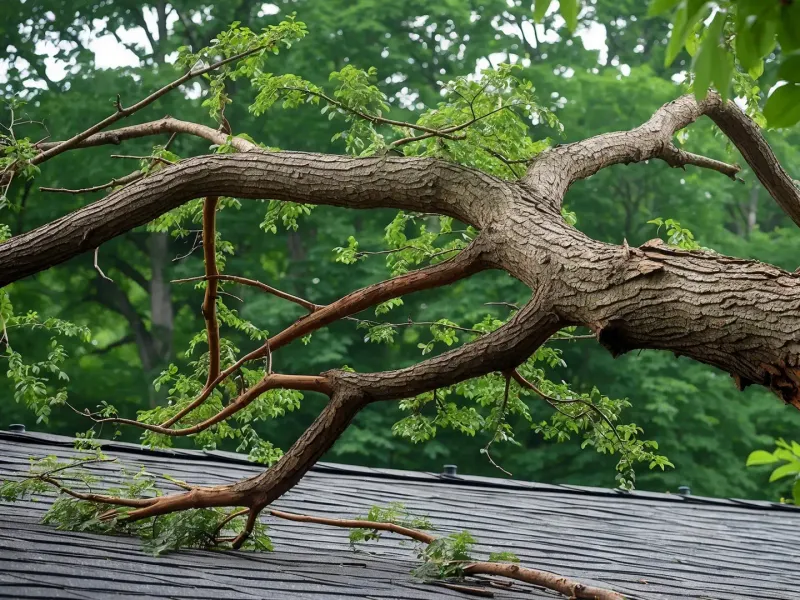
A little pruning can calm a lot of nerves. In New York, you generally may trim branches that hang over your property line, as long as you cut only up to the line.
The limit matters. You cannot enter your neighbor’s yard without permission, and you cannot cut in a way that seriously harms the tree.
New York law allows treble damages for cutting or harming someone else’s trees without permission, so careless trimming gets expensive.
Roots follow similar logic. Cutting large roots near the trunk can weaken the tree and make it more likely to topple next time, which helps no one.
Talk first. I once brought my neighbor a jar of homemade pickles along with my worry about a cracked limb.
He hired a crew the next week.
If friendly talk stalls, put concerns in writing. A dated letter or email describing a specific hazard also creates the notice that matters if that tree fails later.
Check local rules before cutting. Some villages and towns protect certain trees, and New York City street trees belong to the city, which handles them through NYC Parks via 311.
Hire an ISA certified arborist for big limbs. Proper cuts help the tree seal wounds and stay sturdy.
A Yearly Arborist Walkthrough Keeps Your Trees Standing Strong
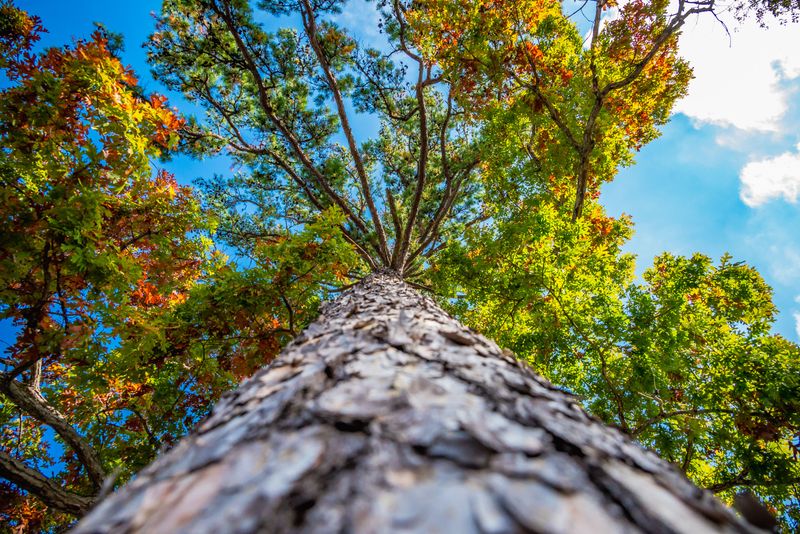
Strong trees are worth the effort. They shade our homes, cool summer patios, and feed birds, so the goal is healthier trees, not fewer of them.
Walk your yard after leaves drop and again in summer. Look for leaning trunks, cracks, cavities, mushrooms near roots, and limbs that stay bare while others leaf out.
Watch for local troublemakers, too. Emerald ash borer has hit ash trees across the state, and affected ashes can turn brittle fast.
Spongy moth outbreaks and drought can stress oaks and maples.
Bring in an ISA certified arborist every few years, or sooner if something looks off. Many will do a basic risk assessment and suggest pruning, cabling, or removal only when truly needed.
Mulch helps more than people expect. Spread two to three inches in a wide ring, keeping it a few inches off the bark.
Skip the mulch volcano.
When replanting, choose natives suited to your spot, like red maple, swamp white oak, or serviceberry. Plant them well away from houses and power lines.
The way I see it, the best storm plan starts on a calm sunny day. Share your arborist’s notes with neighbors, and your whole street gets a little safer.