Kentucky Has Only One Of These Stinging Creatures, And It Glows Under A Blacklight
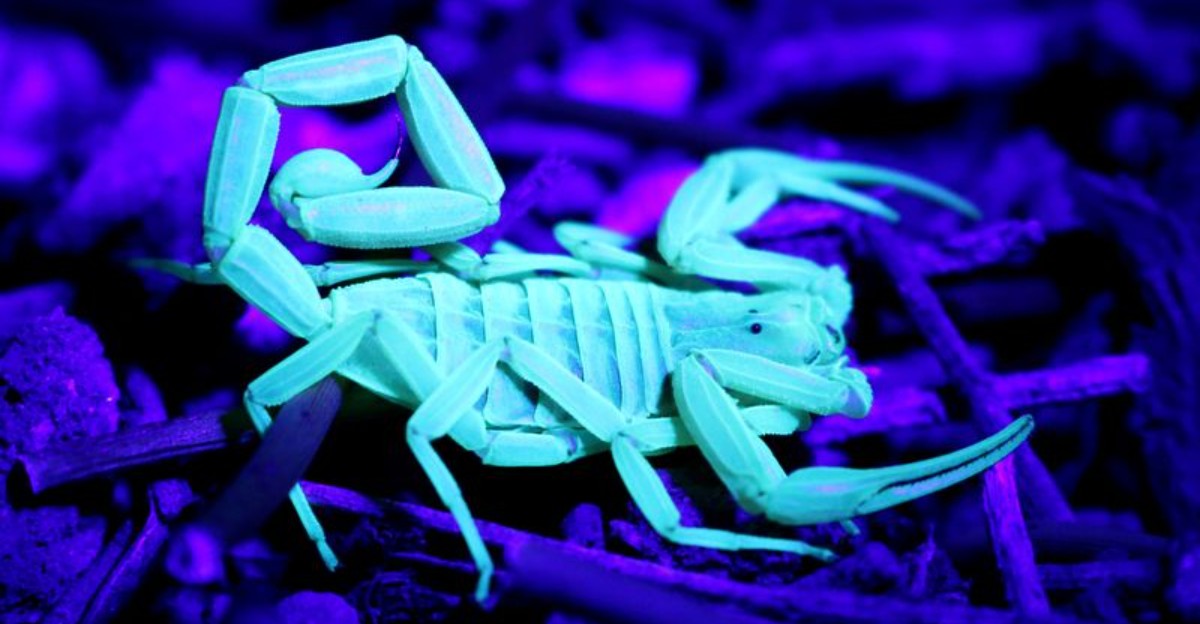
A tiny animal living under rocks in Kentucky can light up like a neon sign. It does not make its own light, yet it shines an eerie blue-green the moment a blacklight hits it.
I used to think creatures like this belonged in hot deserts with cactus and tumbleweeds. I was wrong, and it took one rocky hillside walk to prove it. Funny thing is, people have lived near them for generations without a clue.
This little hunter carries a stinger, eight legs, and a pair of grabby pincers. It hides by day under bark, stones, and leaf piles, maybe in your own backyard. It also eats a surprising number of pests that bug gardeners.
Trust me on this one, a cheap UV flashlight changes how you see a summer night. Before you grab one, you may wonder what exactly is glowing out there in the dark and whether you should worry about it.
A Glowing Arachnid Hides Under Kentucky Rocks
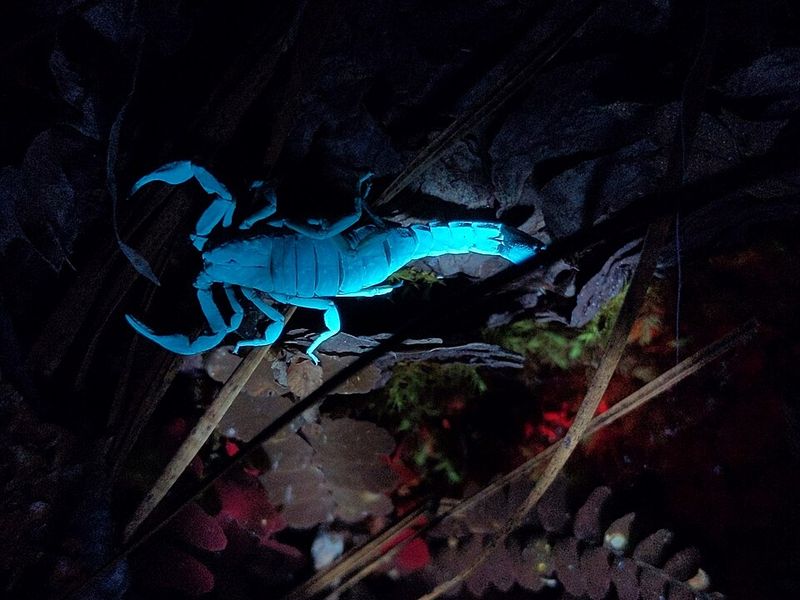
Scorpions in the Bluegrass sounds like a joke until you flip the right flat stone. Kentucky has just one native species, and it is a small, shy one.
Its name is the southern devil scorpion, known to scientists as Vaejovis carolinianus. Some people also call it the plain eastern stripeless scorpion. Adults usually reach only about 1 to 2 inches long, so they are easy to miss.
The body is dark brown to reddish brown, with lighter legs and a slender tail. That curled tail ends in a small stinger. Up front, two thin pincers grab insects and hold them steady.
Most sightings come from the southern and eastern parts of the state. Rocky, wooded hills and areas around lakes like Lake Cumberland are common places to find them. The University of Kentucky lists them as a normal part of the local wildlife.
They are not escaped pets or new invaders. They have been quietly living here for a very long time.
Fun fact for your next cookout chat. Scorpions are relatives of spiders and ticks, not insects. Count the legs, and you will find eight, plus those two pincers that work like little hands.
Blacklight Turns That Brown Scorpion Blue-Green
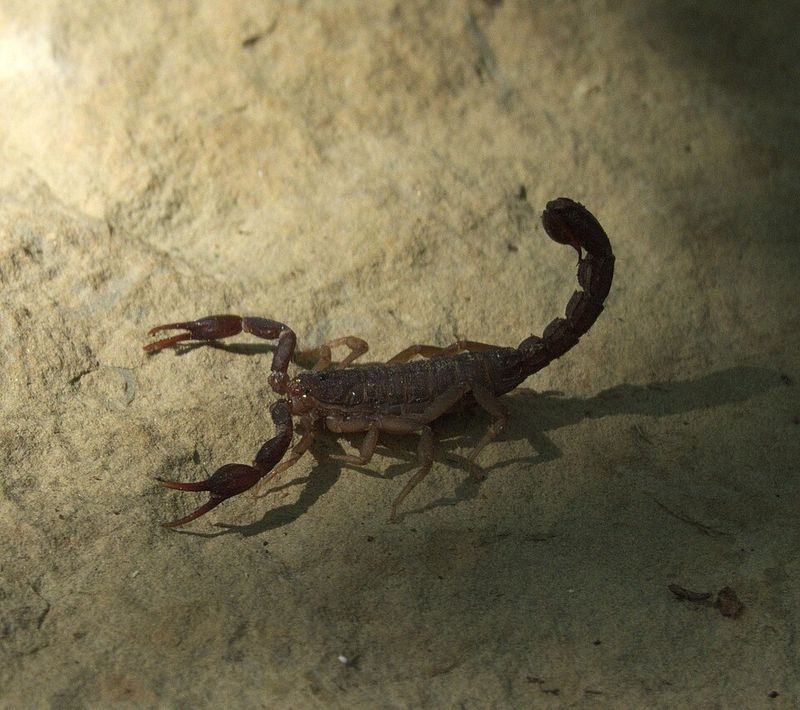
Grab a UV flashlight on a warm night, and the woods suddenly feel like a science show. A plain brown scorpion lights up bright blue-green, almost like a glow stick.
Not going to lie, the first time I saw it, I laughed out loud. The scorpion does not create light the way a firefly does. Instead, its outer shell catches invisible ultraviolet light and sends it back out as color we can see.
Scientists call this fluorescence. The glow comes from compounds in a thin, hard layer of the exoskeleton called the hyaline layer. Nearly every scorpion species on Earth shares this trick.
The shell keeps glowing even after the scorpion is gone, which shows how tough that outer layer is. Freshly molted scorpions glow weakly at first, then brighten as their new shell hardens.
For the best show, try a 365 to 395 nanometer UV flashlight. Go out on a dark, moonless night between late spring and early fall. Sweep the beam slowly across rock walls, log edges, and leaf litter.
Wear closed shoes and gloves, and look without touching. The glow makes them easy to spot, which also makes them easy to avoid.
That Small Scorpion Sting Feels A Lot Like A Bee
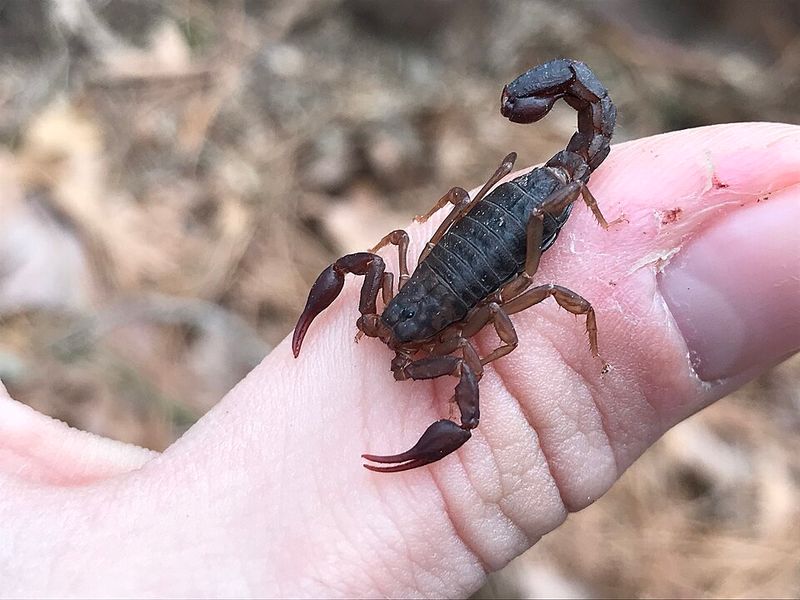
Here is what most folks really want to know. A southern devil scorpion sting hurts, but it is not considered dangerous for most healthy people.
Many people compare it to a bee or wasp sting. Expect sharp pain, some redness, and a little swelling at the spot. The worst of it usually fades within an hour or so.
I’ll say this much, they do not go looking for trouble. Stings mostly happen when someone presses on one by accident, like slipping on a shoe or grabbing firewood barehanded.
For a simple sting, wash the area with soap and water. Hold a cool compress on it for ten minutes at a time to calm the ache. An over-the-counter pain reliever can help too.
Watch closely for allergy signs, just like you would with a bee sting. Trouble breathing, swelling of the face or throat, or hives spreading over the body need emergency care right away.
Young children, older adults, and anyone with known sting allergies deserve extra attention. Call your doctor or Poison Control at 1-800-222-1222 if you feel unsure. They can walk you through next steps quickly and calmly.
Flat Rocks And Loose Bark Make Perfect Scorpion Hideouts
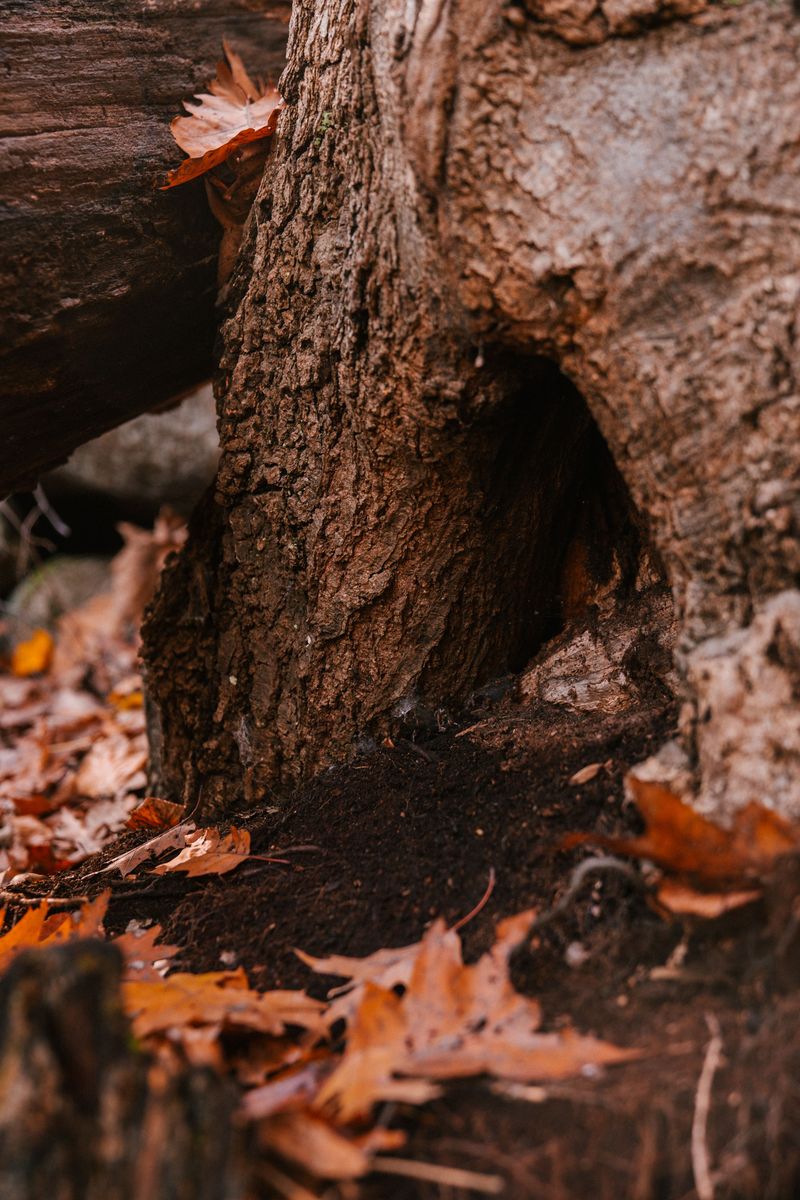
Daylight sends these little hunters running for cover. They tuck themselves into tight, dark, slightly damp spaces and wait for evening.
Favorite spots include the underside of flat rocks, rotting logs, and loose bark on fallen trees. Thick leaf litter and stacked firewood also work well for them. Cracks in rock ledges and old stone walls are prime real estate.
Gardeners with limestone borders or dry-stacked walls may share their yard without knowing it. I’m the first to admit my rock edging looks like a scorpion apartment complex now.
Once the sun sets, they wander out to hunt. Most activity runs from about April through October, when nights stay warm. In colder months, they slow down and stay hidden deep in sheltered spots.
Here is a simple habit worth building. Wear sturdy gloves when you lift stones, move logs, or pull old mulch. Lift objects toward you, so the open side faces away from your body.
That one move gives any hidden creature a path away from your hands. It works for spiders, snakes, and stinging insects too, so it pays off all season long.
Why Would A Scorpion Want To Glow Anyway
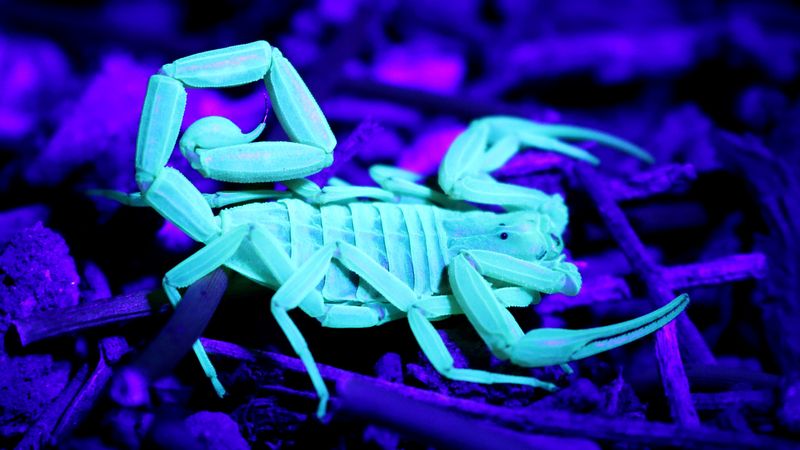
Researchers have scratched their heads over this one for decades. Nobody has proven exactly why scorpions fluoresce, so every answer below remains a theory.
A leading idea says the whole body works like a big light sensor. Moonlight and starlight contain a bit of UV. The glowing shell may turn that faint UV into blue-green light the scorpion’s eyes can detect.
That could help the animal judge whether it is dark enough to come out. It may also help it find shade and avoid open, exposed ground. Some lab studies support this, but questions remain.
Other scientists suggest the glow helps scorpions spot each other or confuse prey. A few think it might be a side effect with no real purpose, like a leftover feature from hardening the shell.
Don’t laugh, but I find the mystery more fun than any neat answer. It means a backyard creature still holds secrets the experts are chasing.
Curious kids can join the fun safely. Take a UV light on an evening walk and note where glowing scorpions appear. Simple observations like that are how real science often begins.
Crickets And Garden Pests Don’t Stand A Chance Against These Pincers
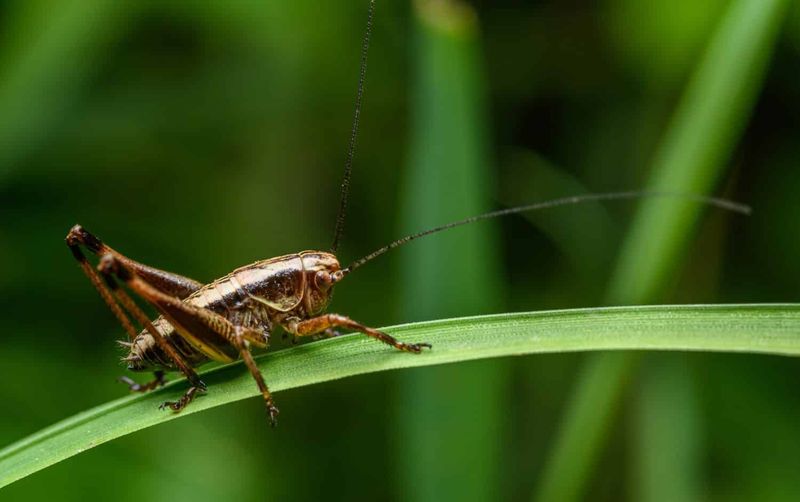
Every garden needs a night shift, and this tiny predator clocks in after sunset. It hunts crickets, roaches, small spiders, beetles, and caterpillars.
The scorpion mostly waits in ambush near its hiding spot. When an insect wanders close, the pincers snap shut and hold tight. Small prey often needs no sting at all.
That diet makes it a helpful neighbor for vegetable growers. Fewer roaming crickets and caterpillars can mean fewer chewed leaves on your tomatoes and greens.
I didn’t expect to feel grateful toward a scorpion, yet here I am. Broad pesticide sprays often harm helpful hunters like this along with pests. They can also reduce the insects that birds, toads, and bats rely on.
Leaving a rock pile or log at the far edge of your yard gives these predators a home away from the house. That small wild corner can support a whole web of useful creatures.
Scorpions also feed birds, shrews, and other wildlife. Keeping them around supports a balanced backyard food chain. It is a quiet example of how native animals pull their weight without any fuss.
Seal Those Crawlspace Gaps To Keep Scorpions Outdoors
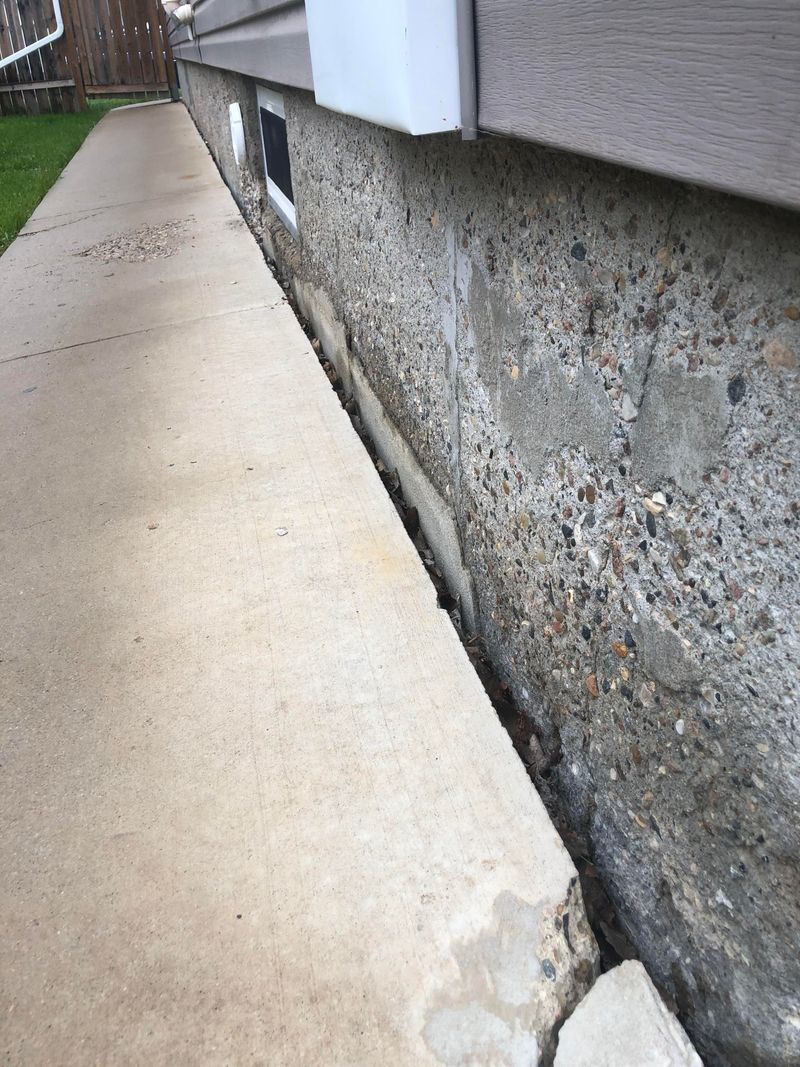
Fair warning, a stray scorpion in the basement can still happen. They sometimes wander into cool, humid places like crawlspaces, cellars, and garages.
The fix is mostly about closing doors they can sneak through. Seal cracks in the foundation with caulk. Add sweeps to the bottoms of exterior doors and tight screens on vents.
Check spots where pipes, cables, and wires enter the house. These small openings act like welcome mats for wandering arachnids. Expanding foam or caulk works well for most of them.
Next, tidy the zone right around your home. Move firewood, rock piles, and stacked lumber several feet away from the walls. Rake thick leaf litter back from the foundation.
A dehumidifier helps damp basements feel less inviting. Drier air also cuts down on crickets and other prey that draw scorpions inside.
If you find one indoors, stay calm. Place a jar over it, slide stiff paper underneath, and release it outside near cover. Shake out shoes and gloves stored in garages during warm months.
With a few habits, you can enjoy this glowing Kentucky native outside, where it belongs and does its best work.