Nebraska’s Venomous Backyard Animal Could Be Hiding Under Your Mulch
Its silk is so strong that people once used it for crosshairs in scientific instruments. That tiny spinner might be living a few inches from your tomato plants.
I learned this while pulling back old mulch near my porch steps last summer. A messy tangle of tough threads caught my glove, and I stopped right there.
You probably walk past spots like that every day. Shady corners, upturned flowerpots, and loose bark all make cozy homes for a shy little resident with a surprising bite.
The creature is common across Nebraska, from Omaha yards to farm sheds out west, and every Nebraska gardener has likely brushed past its web without knowing.
It rarely looks for trouble, and it mostly wants to be left alone. Learn the signs of its presence, and you can share your garden safely.
That Shiny Black Spider Under the Bark Has a Famous Red Mark
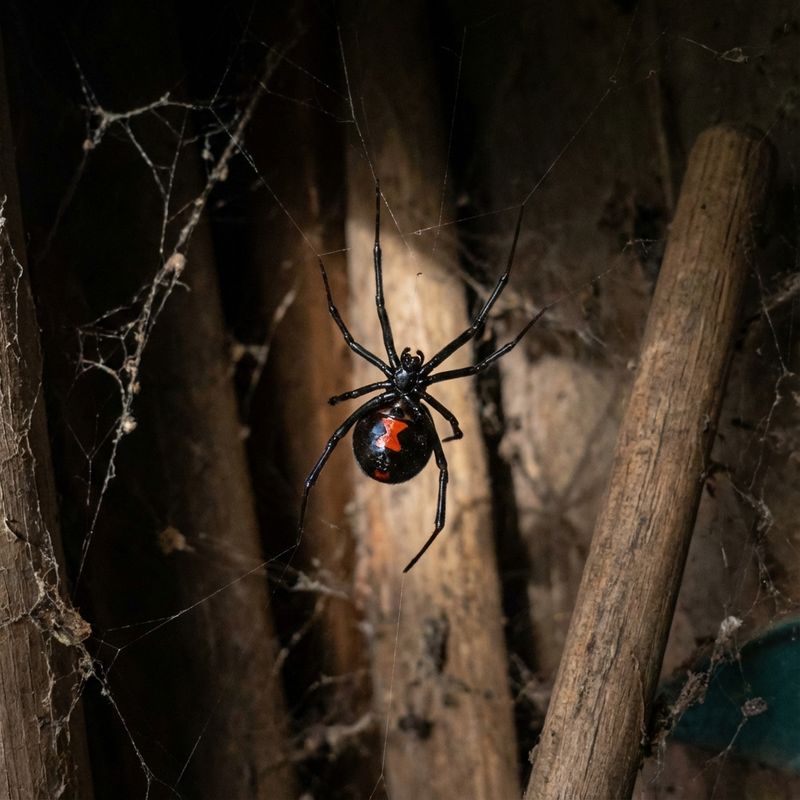
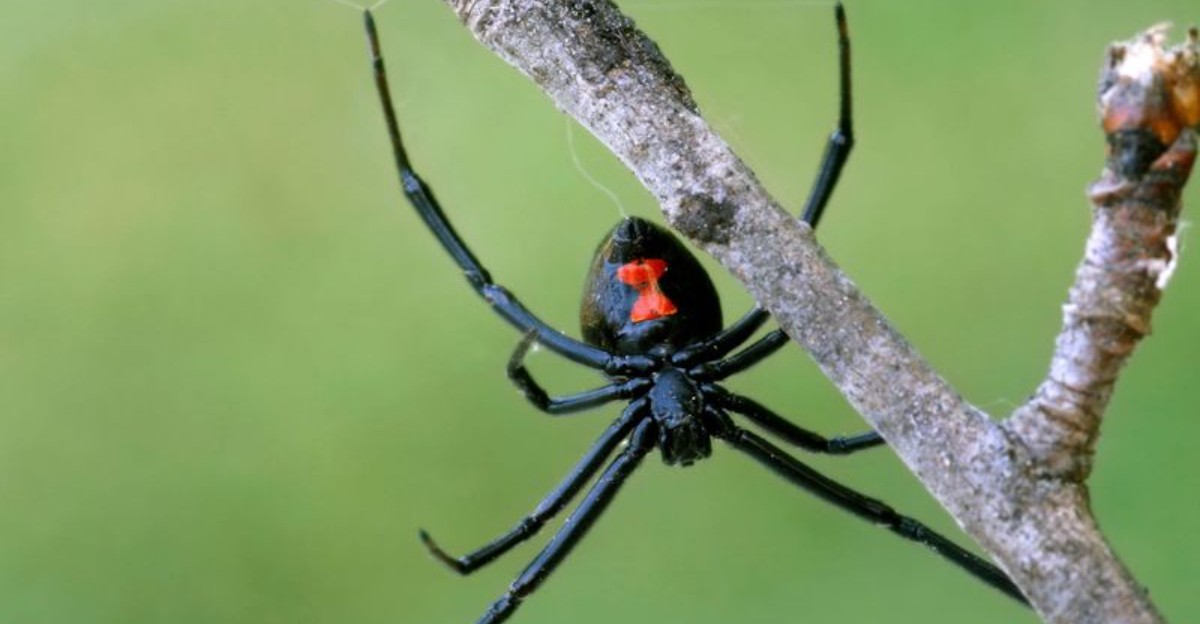
My first real look at one happened while I lifted a sagging edge of landscape fabric. A glossy black spider, round as a pea, sat upside down in a scruffy web.
The culprit is the black widow, and the western black widow is the species most associated with Nebraska. University of Nebraska-Lincoln Extension lists it as one of the few spiders in the state with venom that matters to people.
Most other garden spiders, like wolf spiders and orb weavers, are harmless helpers. Mulch itself is not a magnet. What draws these spiders is the shelter around it, such as gaps under edging, loose bark, stones, and pots.
Those quiet spaces stay dark and protected, which is just what a black widow wants. They mostly hang near the ground and rarely wander into the open. That habit is why gardeners meet them most often with their hands, not their eyes.
Fun fact for your next garden chat: the female sometimes eats the male after mating, which gave the spider its name. In nature, though, this happens far less often than the legend suggests. Many males simply wander away and live to court again another day.
Learn to Read the Hourglass and Spot a Black Widow Fast
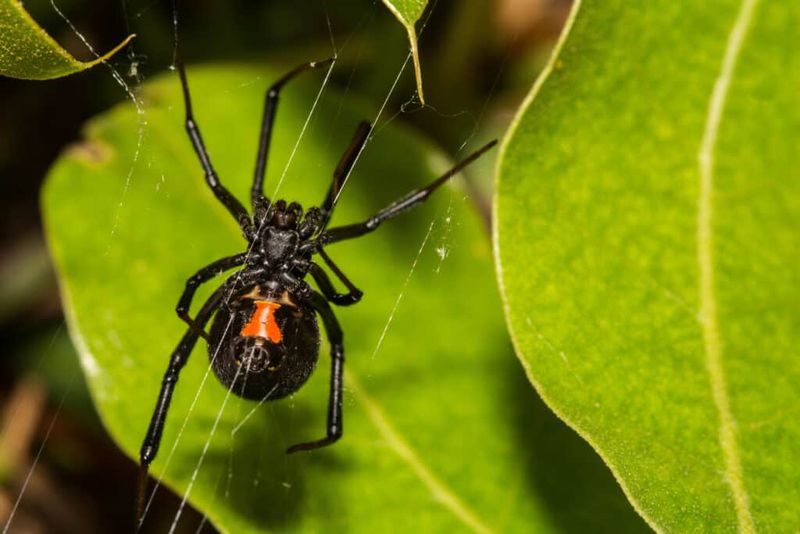
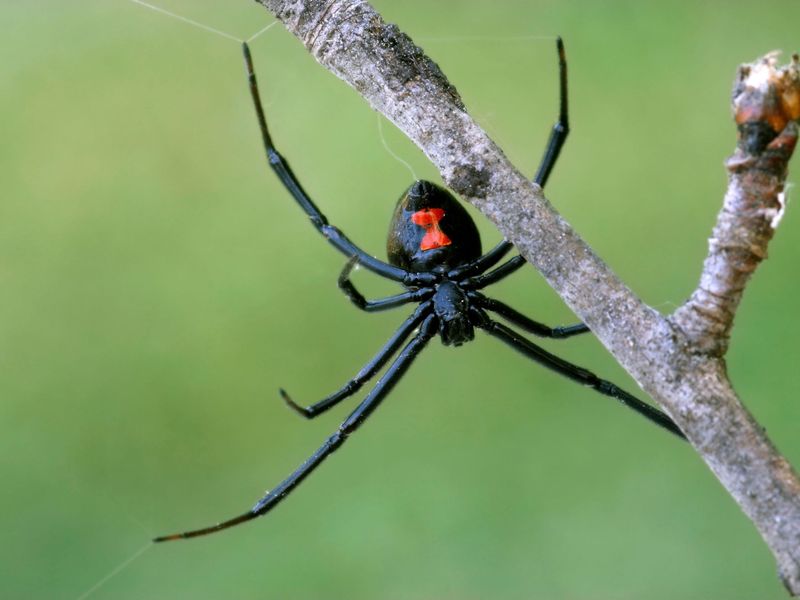
Shiny, black, and about half an inch long, the adult female is the one to know. Her legs stretch out to roughly an inch and a half.
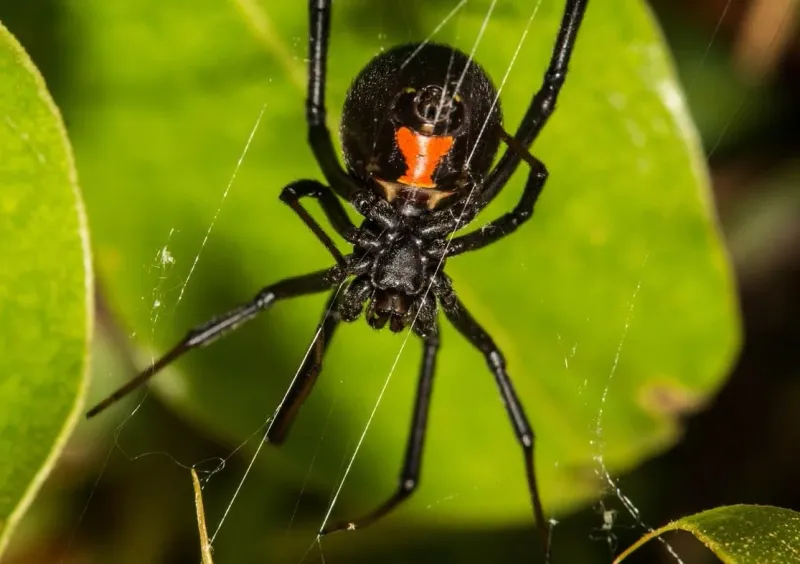
Flip her over and you will usually see a red or orange hourglass on the belly. In the northern black widow, that shape often breaks into two separate red triangles. She may also carry a row of red spots along the top of her abdomen.
Males and young spiders look different. They are smaller and often show white, tan, or red streaks and spots. Males are not considered a bite risk to people.
Plenty of harmless spiders get mistaken for widows. False widows, for example, are brownish and lack a clear red hourglass.
If you are unsure, snap a photo from a safe distance and compare it with an extension fact sheet.
I keep a picture saved on my phone for quick checks. It saves a lot of needless panic when a dark spider shows up in the shed.
Getting a good look matters, because correct identification guides your next step. Panicking over every dark spider wastes energy, while knowing the real one keeps you careful.
Messy Cobwebs Near Woodpiles and Flowerpots Are a Big Clue
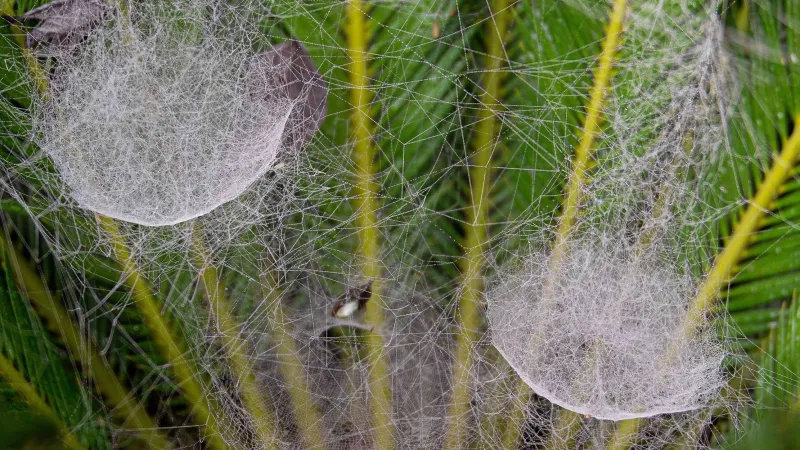
Forget neat, wheel-shaped webs. Black widows build a scruffy, tangled cobweb that looks like someone tossed silk around at random.
The threads feel surprisingly tough when you brush them. Many gardeners notice that strength before they ever see the spider.
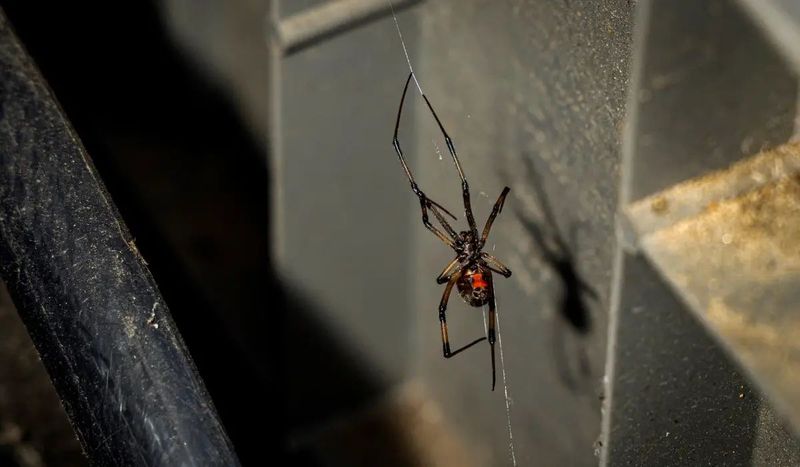
Look low, usually within a foot or two of the ground. Favorite spots include woodpiles, rock borders, stacked pots, hose reels, irrigation boxes, and the underside of patio furniture. Gaps along garden edging and old boards on bare soil are popular too.
The spider tends to hide in a little retreat by day. At night, she hangs upside down in the web waiting for beetles, crickets, and other crawling insects to stumble in.
Inside sheds and garages, check corners, under shelves, and behind stored gear. Seldom-moved items make perfect apartments.
Egg sacs are another clue. They are round, papery, and tan or cream colored, often about the size of a marble. A female may guard several over the summer, and each can hold hundreds of eggs.
Spotting any of these signs does not mean danger is everywhere. It simply tells you where to wear gloves and move slowly.
Gloves Make Spreading Mulch and Pulling Weeds Much Safer
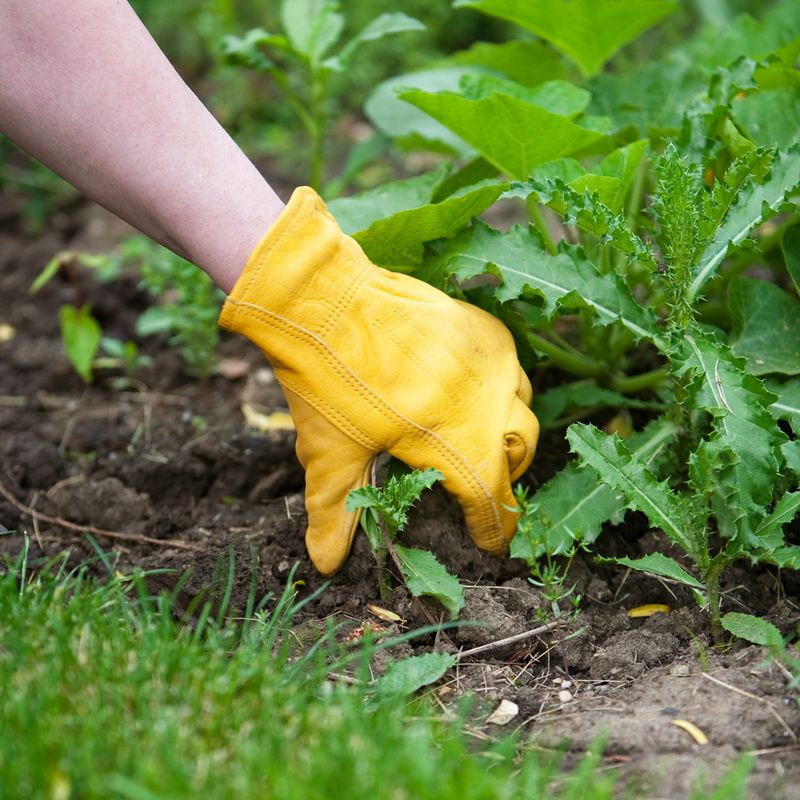
Bare hands and buried spiders do not mix. Most bites happen when a hand presses a hidden widow against skin, so a sturdy barrier changes everything.
I switched to leather or thick coated gloves for any job that involves reaching into hidden spaces. Thin cotton gloves help a little, but tougher material works better.
Shake out gloves, boots, and jackets that sat in the garage or shed. Spiders sometimes crawl inside gear that stays still for a while.
Before reaching into a pile, give it a poke with a rake or trowel. A quick nudge often sends hiding critters scurrying deeper or away.
When moving bags of mulch that sat outside, lift them slowly and check the underside first. Same goes for pots, stepping stones, and boards resting on soil.
Long sleeves add another layer when you work around woodpiles or dense shrubs. Tucking pants into socks may look silly, but it helps in brushy corners.
These habits take seconds once they feel routine. They also protect you from wasps, thorns, and splinters, so your hands thank you twice over.
A Black Widow Bite Can Feel Small but Bring Big Cramps
Many people barely feel the bite at first. Some describe a pinprick, and a few notice two tiny red dots.
The venom is a neurotoxin, which means it affects nerves rather than skin. Within an hour or so, pain can spread from the bite and turn into muscle cramps.
Those cramps often settle in the belly, back, chest, or thighs. Belly pain can feel so stiff that people mistake it for other medical problems.
Other signs may include sweating, nausea, headache, restlessness, and a faster heartbeat. Blood pressure can rise as well.
Young kids, older adults, and people with heart conditions face higher risk of serious reactions. Even so, poison control centers report that serious complications are rare, and most healthy adults recover with proper care.
The spider does not go hunting for people. It bites in self-defense when pinched or trapped. A little knowledge here goes a long way. Recognizing symptoms early helps you get care fast, and quick care makes recovery smoother.
Save the Poison Control number, 1-800-222-1222, in your phone today so it is ready when you need it.
Move That Firewood Stack Away From Your House and Garden Beds
Clutter is basically a spider hotel with free rooms. Clearing it out is one of the simplest ways to reduce black widows.
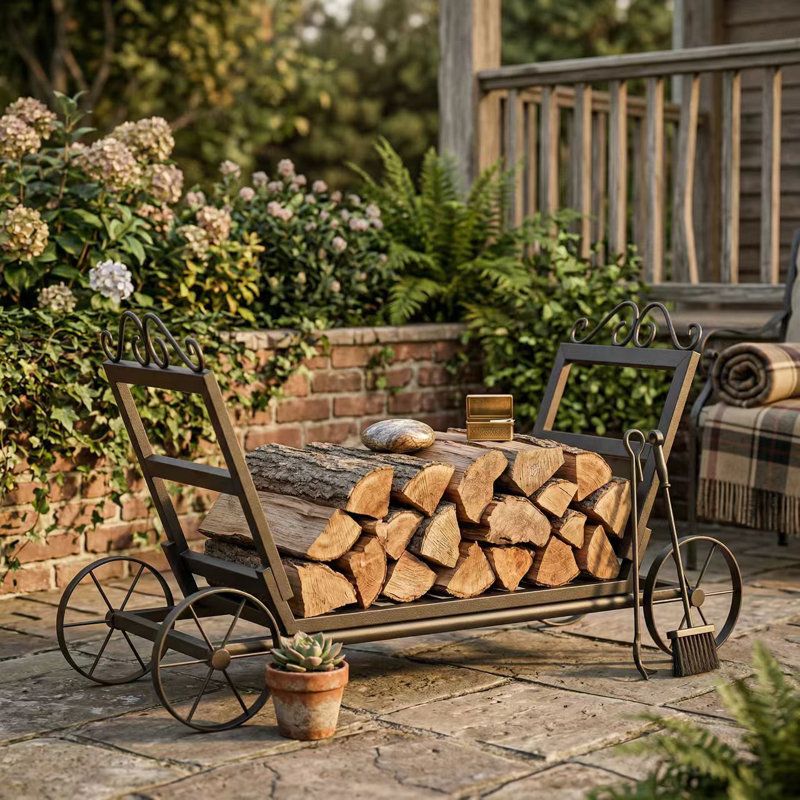
Store firewood off the ground on a rack, and keep it well away from your home. Bring in only what you plan to burn right away, and wear gloves while loading it.
Pick up loose boards, old bricks, broken pots, and forgotten tarps. Anything left on the ground for weeks can become a shelter.
Trim back thick groundcovers and shrubs where they touch the foundation. Seal cracks around doors, windows, and vents so spiders have fewer ways inside.
Outdoor lights attract the insects widows eat. Yellow bug bulbs or motion-sensor lights can shrink that buffet near doors.
Mulch can stay, so do not panic and rake it all away. Keep it a few inches from your house siding and refresh it now and then, which disturbs settled webs.
I do a quick clutter sweep each spring and again in late summer. It takes an afternoon, and the yard looks better too. Fewer hiding spots means fewer surprise meetings.
Garden Season Is Prime Time for Spider Encounters in Nebraska
Warm months bring the most run-ins. Spiders grow active as temperatures climb, and gardeners spend more time poking around beds.
In Nebraska, late spring through early fall is when widows feed, mate, and produce egg sacs. Midsummer often shows the most webs.
Fall cleanup brings another round of encounters. People move pots, haul hoses, and tidy sheds, all prime spider hangouts.
Winter does not erase them. Adults and young spiders often survive cold weather tucked inside sheltered spots like garages, crawl spaces, or deep woodpiles. That is why grabbing a log in January still calls for gloves.
Eastern Nebraska yards with older sheds and mature landscaping can offer lots of hiding places. Western ranch country has plenty of rock piles, fence lines, and outbuildings too.
Hot, dry spells may push spiders deeper into shaded shelter. You might find them more often under pots and along foundations during those stretches.
Knowing the calendar helps you stay alert at the right times. I keep extra gloves by the garden gate from May through October, which feels like a small price for peace of mind.
Call Poison Control or a Pest Pro When a Black Widow Shows Up
Suspect a bite? Act calmly and quickly. Wash the area with soap and water, apply a cool compress, and keep the limb still and roughly level with the heart.
Call Poison Control at 1-800-222-1222 for guidance. Seek emergency care right away for children, older adults, or anyone with severe cramps, breathing trouble, or chest pain.
Skip home remedies like cutting the skin or sucking out venom. Doctors can treat pain and muscle spasms, and antivenom is available for severe cases.
Now, about the spider itself. A single widow in a woodpile can be removed with a long tool or a vacuum, then the web cleared away.
If you keep finding them, a licensed pest control company can help. Spot treatments work best when paired with cleanup, since sprays alone rarely solve a clutter problem.
Keep some perspective too. Black widows eat garden pests and mostly avoid people.
Respect them, wear your gloves, and tidy their favorite hideouts. You can keep enjoying your mulch, your flowers, and those peaceful evenings outside without much worry at all.