The Scratch Test That Shows If Your Ohio Shrub Survived The Cold Snap
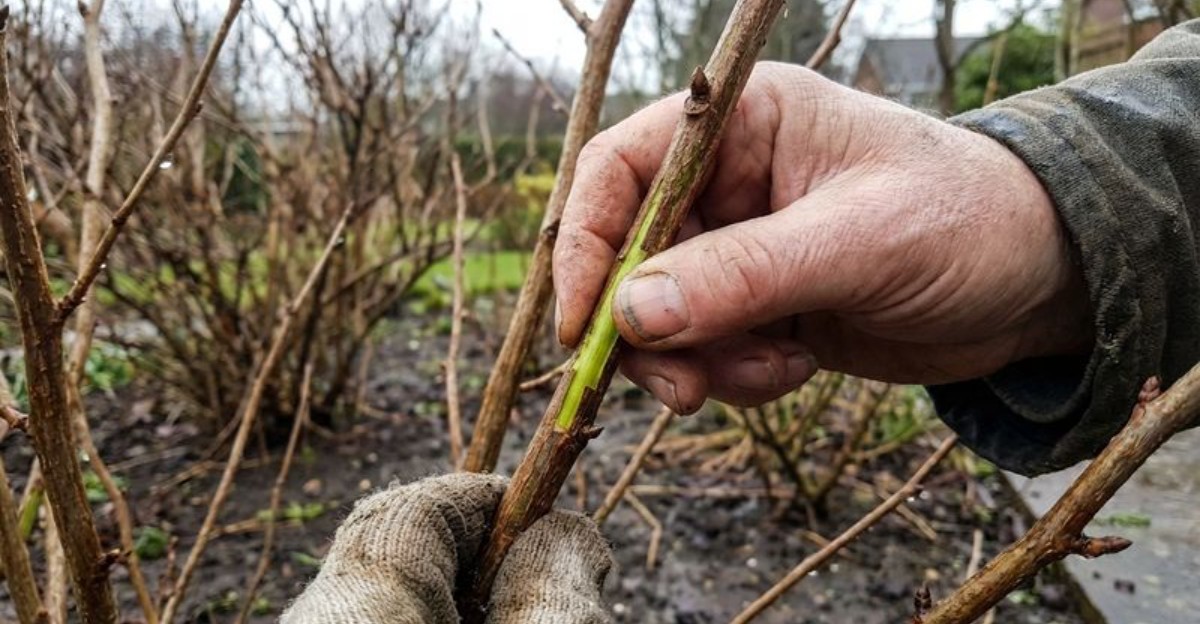
A shrub can look brown, bare, and hopeless from every angle while staying green and healthy just a sliver beneath its bark. That hidden layer sits thinner than a credit card, yet it holds the whole story.
A hard freeze in Ohio leaves plenty of us staring at crispy branches in spring. I believe most gardeners reach for the pruners way too fast.
More than once, a stem that looked hopeless fooled me by pushing out fresh leaves in May.
You need about ten seconds, one thumbnail or pocketknife, and a little nerve. No soil kit, no fancy gadget, no call to a nursery.
The answer shows up as a color. One shade tells you to relax, and another tells you to start trimming.
A quick scratch will reveal which one is hiding under your bark right now.
A Thin Green Layer Under The Bark Holds Your Shrub’s Secret
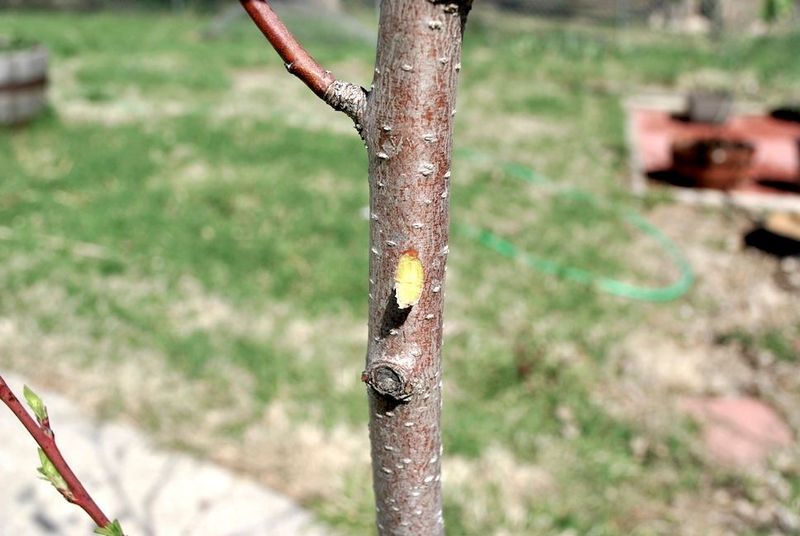
Every woody shrub carries a hidden lifeline just under its outer bark. Botanists call it the cambium, and it sits right beside the tissues that carry water and food through the plant.
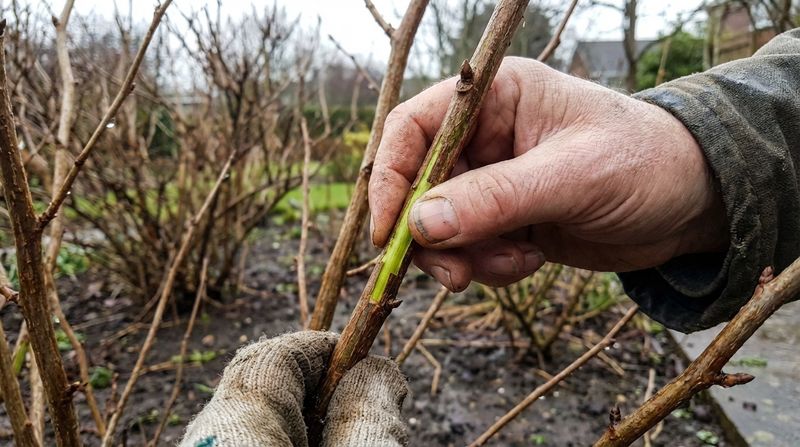
When that layer is alive, it looks bright green and feels a little moist. I like to call it the shrub’s pulse, because it tells you what the bare twigs cannot.
Leaves can drop, buds can look shriveled, and branch tips can turn crispy after a cold snap. None of that proves the whole plant is gone.
Many hardy shrubs simply shed tender growth and keep their living tissue safe deeper in the stems and roots.
University extension services, including Michigan State and Ohio State, often point gardeners to this inner layer when judging winter injury. It gives a quick, honest answer without guesswork.
Fun fact for you. The cambium is also the layer that builds new wood each year, which creates the growth rings you see in a cut log.
So that tiny green strip is not just surviving winter. It is the part responsible for making your shrub bigger season after season, and it deserves a careful look before any branch gets cut.
Scrape A Tiny Patch Of Bark With Your Thumbnail Or Pocketknife
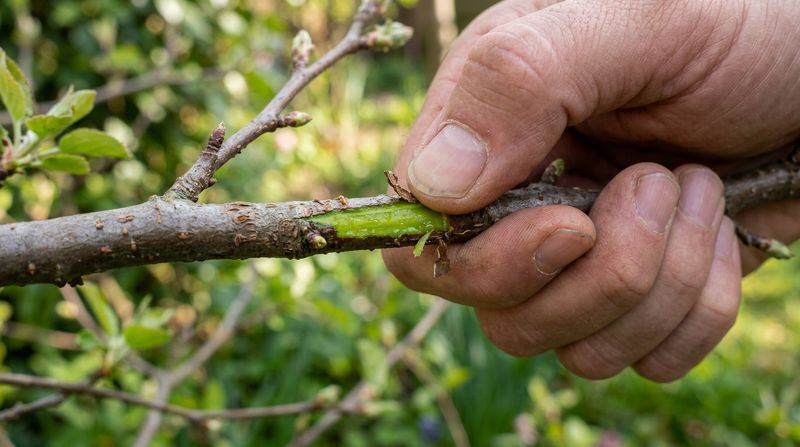
Grab whatever is handy. A clean pocketknife, the edge of a coin, or a sturdy thumbnail works just fine for this little bit of detective work.
Pick a stem that looks questionable and start near the tip. Gently scrape away a strip of bark about the size of your pinky nail, just deep enough to see what sits underneath.
Go light on the pressure. You only need to remove the thin outer skin, not gouge into the wood, and a small wound heals far more easily than a big one.
Try several branches, not just one. Shrubs often take damage unevenly, so the side facing the wind may struggle while the sheltered side stays healthy.
Here is a habit I picked up from older gardeners. Wipe your blade with a household disinfectant between plants, especially if one shrub looks sickly, so you are not carrying any problems from bush to bush.
Keep a few clothespins or bits of ribbon in your pocket too. Clip one onto each spot you test, and you will remember exactly where the green stopped when it is time to prune later in spring.
Bright Green Versus Brown Bark Tissue Tells You Everything
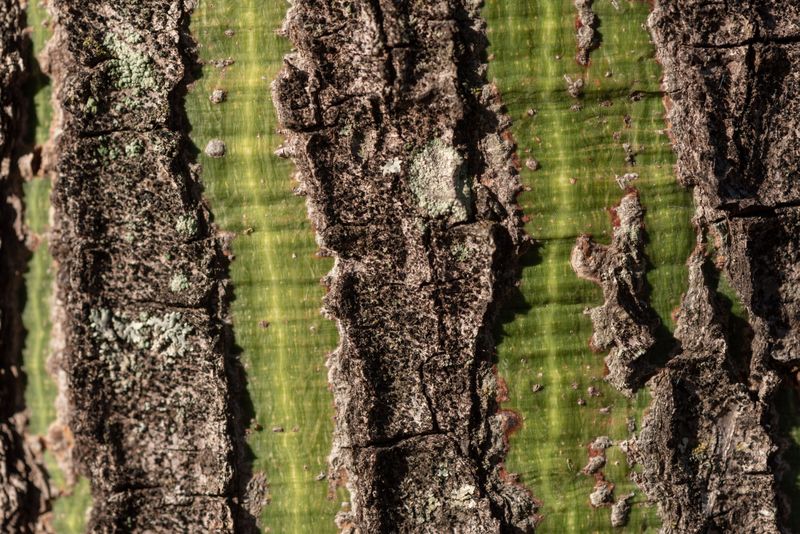
Now comes the fun part. Look closely at the spot you just scraped.
Bright green and slightly moist means that stem is alive and ready to grow. A duller, olive-green shade still counts as living tissue, though the branch may be a bit stressed and worth watching.
Brown, gray, or black tissue that feels dry tells a different story. That section has lost its living layer and will not leaf out again.
Do not stop at the first brown spot! Move a few inches lower on the same branch and scratch again.
Cold damage often hits the tips first, and you may find green tissue only a short way down.
Keep working toward the base until you hit green or reach the ground. If every stem shows brown right down to the soil line, the roots may still be fine, especially on shrubs that sprout from the base, like many hydrangeas and spireas.
One quick caution. Some shrubs, such as burning bush relatives or certain dogwoods, have naturally reddish or purplish inner bark near the surface.
Compare with a twig you know is healthy so you are not misreading the color.
Wait For Spring Buds Before Judging Ohio Shrubs Too Harshly
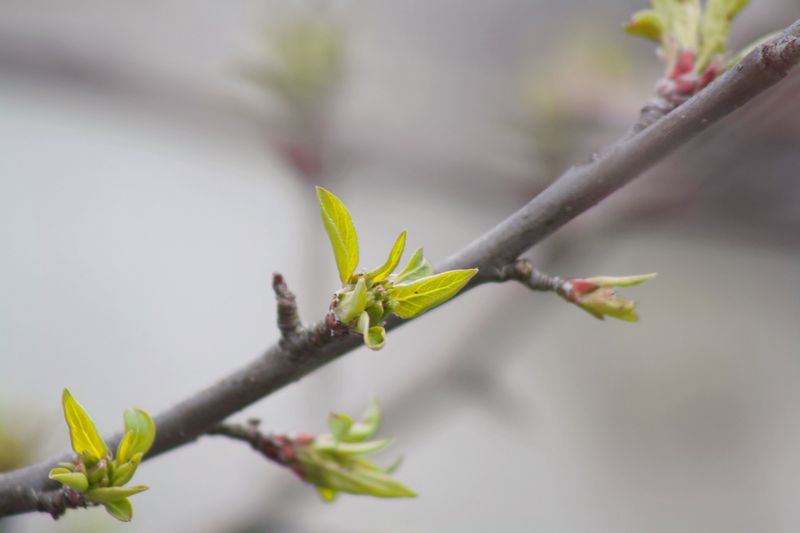
Patience pays off here, maybe more than any tool. Shrubs wake up on their own schedule, and Ohio springs love to swing between warm days and frosty nights.
A smart plan is to wait until other plants of the same type nearby start leafing out. Many gardeners give it three to four weeks after the last hard freeze, and slow shrubs may need six to eight weeks.
In northern Ohio near Lake Erie, spring often runs a little behind the southern counties around Cincinnati. Your neighbor’s forsythia two hours south is not a fair comparison.
Scratching too early carries a small risk. Exposed tissue can suffer if another cold night rolls through, so keep your test spots few and small.
Late-leafing shrubs can fool anyone. Rose of Sharon, for example, is famous for staying bare well into late spring, long after its neighbors are fully green.
I keep a little garden notebook for this reason. Jot down when each shrub leafs out this year, and next spring you will know exactly which ones are slowpokes and which ones are truly in trouble.
Browned Evergreen Needles And Cracked Bark Point To Winter Stress
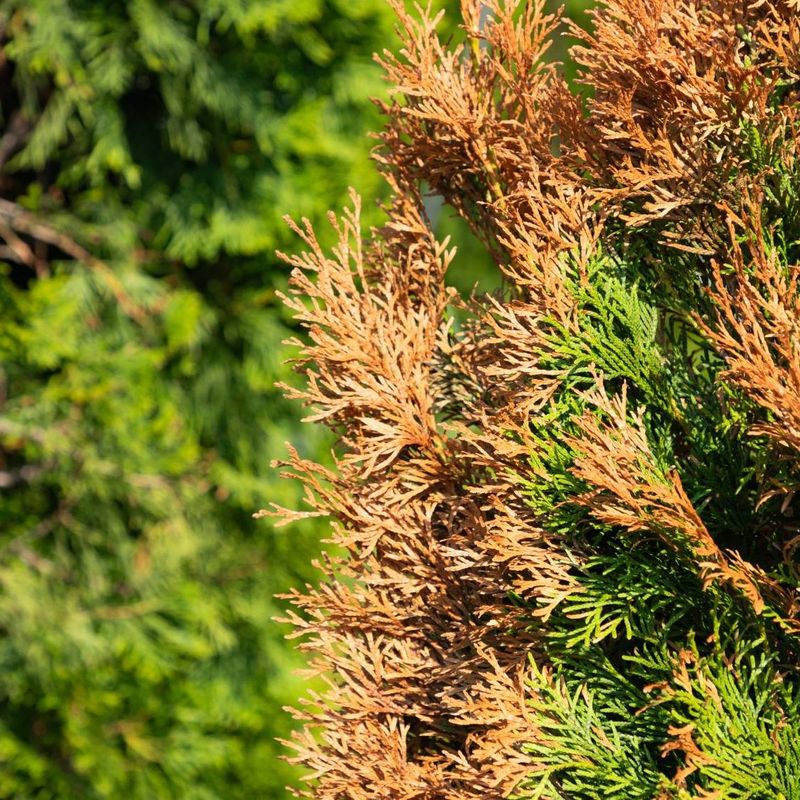
Cold temperatures are only part of the story. Drying winds, frozen soil, and bright winter sun all pile onto shrubs during a rough stretch.
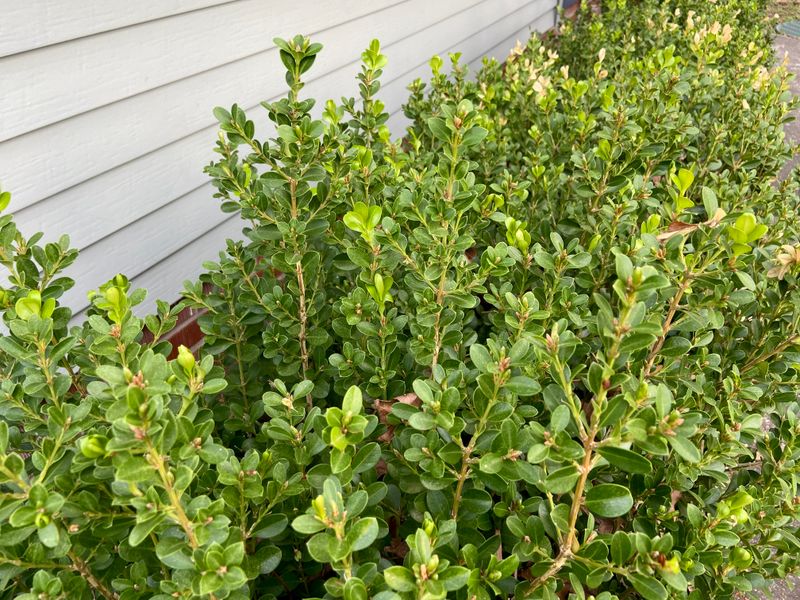
Evergreens like boxwood, holly, and arborvitae often show winter burn. Leaves or needles turn tan or bronze, usually on the side facing wind or afternoon sun, because the plant loses water it cannot replace from frozen ground.
Winter burn looks scary, but buds can still be alive. Run your scratch test on those stems too, and check whether the buds at the tips feel plump rather than shriveled.
Frost cracks are another clue. Long vertical splits in bark happen when sunny days warm the trunk and nights refreeze it quickly.
Heavy snow and ice can also bend or snap branches on upright shrubs. A clean break needs a tidy cut, while a bent stem may straighten on its own once the weight melts away.
Sudden temperature drops after a mild spell tend to cause the worst trouble. Shrubs that started to loosen up for spring are less prepared, which is why a late cold snap can sting more than a steady deep freeze.
Prune Back To Green Wood And Skip The Fertilizer For Now
Once you have found that reassuring green, it is pruning time. Cut each damaged stem just below the point where brown turns to green, ideally right above a healthy bud.
Use sharp bypass pruners for clean cuts. Ragged, crushed stems heal slowly and invite trouble.
Spring bloomers need some thought. Shrubs like lilac and forsythia set flower buds last summer, so heavy cutting now may cost you this year’s flowers.
Remove only clearly damaged wood and save any shaping for right after they bloom.
Resist the urge to feed a struggling shrub right away. Fertilizer can push soft new growth that a late frost easily nips, so wait until fresh leaves show up on their own.
Water matters more. Keep soil evenly moist during dry spells, giving a slow soak instead of a quick sprinkle.
A layer of shredded bark mulch about two to three inches deep helps hold that moisture in. Keep it pulled back a few inches from the stems so the bark can breathe.
These simple steps give recovering roots the steady support they need through spring.
Roots Often Bounce Back Even When Shrub Tops Look Rough
Some of my favorite garden comebacks started with a shrub I nearly gave up on. Bare, brown stems in April turned into a flush of shoots from the base by June.
Roots sit insulated by soil and often handle cold better than exposed branches. That means even a shrub with brown tissue on every stem may still send up fresh growth if you give it time.
Ohio spans USDA zones 5b through 7a, so plant choice matters. Shrubs rated at the edge of their hardiness, plus anything newly planted, tend to take the hardest hits.
When you add or replace shrubs, look for ones rated a zone colder than yours for extra insurance. Natives like ninebark, spicebush, and serviceberry handle Ohio winters with ease and feed local wildlife too.
For the future, water evergreens deeply in fall before the ground freezes. Burlap screens on the windy side can also help protect boxwood and arborvitae.
Give stubborn shrubs until midsummer before making a final call. If nothing green appears by then, it is time to replace it, but you might be pleasantly surprised first.