Things That Draw Black Bears to Virginia Yards
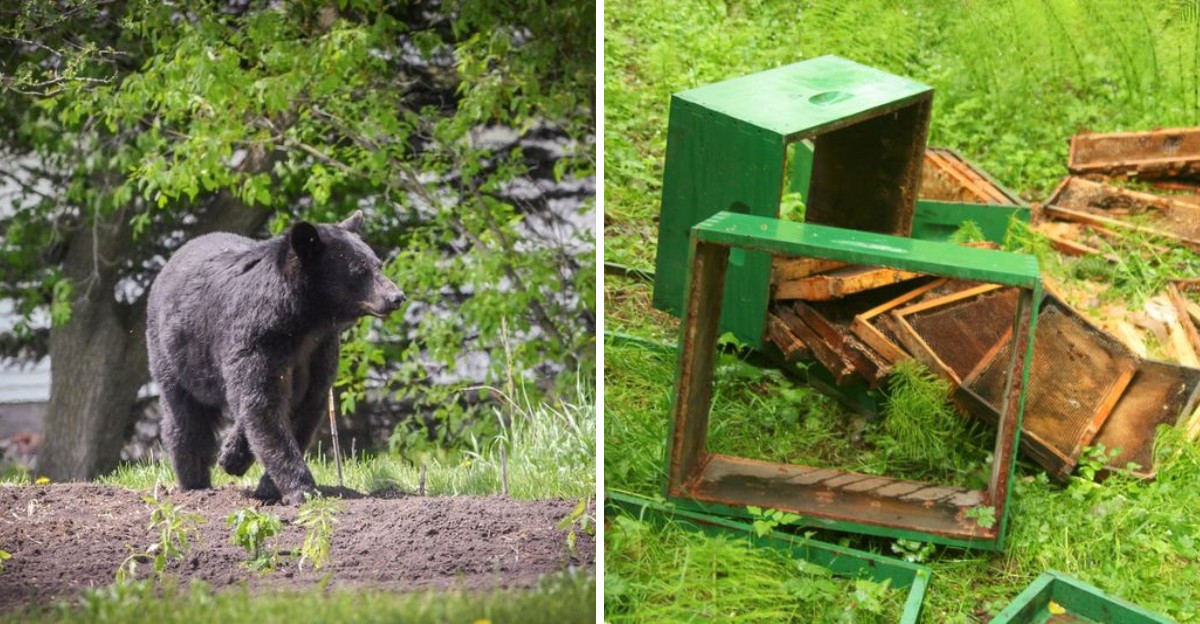
One backyard visitor here has a sense of smell roughly seven times stronger than a bloodhound’s, according to wildlife experts at BearWise.
It can catch a whiff of sunflower seeds or bacon grease long before you notice it nearby.
Wildlife officials report these hefty foragers now roam much of Virginia, including suburbs around Richmond and Fredericksburg. Most of them simply follow their stomachs toward the easiest calories around.
I have to admit my first reaction to a flattened feeder pole was pure disbelief, followed by a little awe. You might notice similar clues in your own yard, like tipped trash cans or claw marks on a shed.
The surprising part is how many everyday garden habits roll out a welcome mat without us realizing it.
Which common backyard comforts are quietly sending out dinner invitations to the hungriest neighbor in our local woods?
1. Bird Feeders Packed With Sunflower Seeds
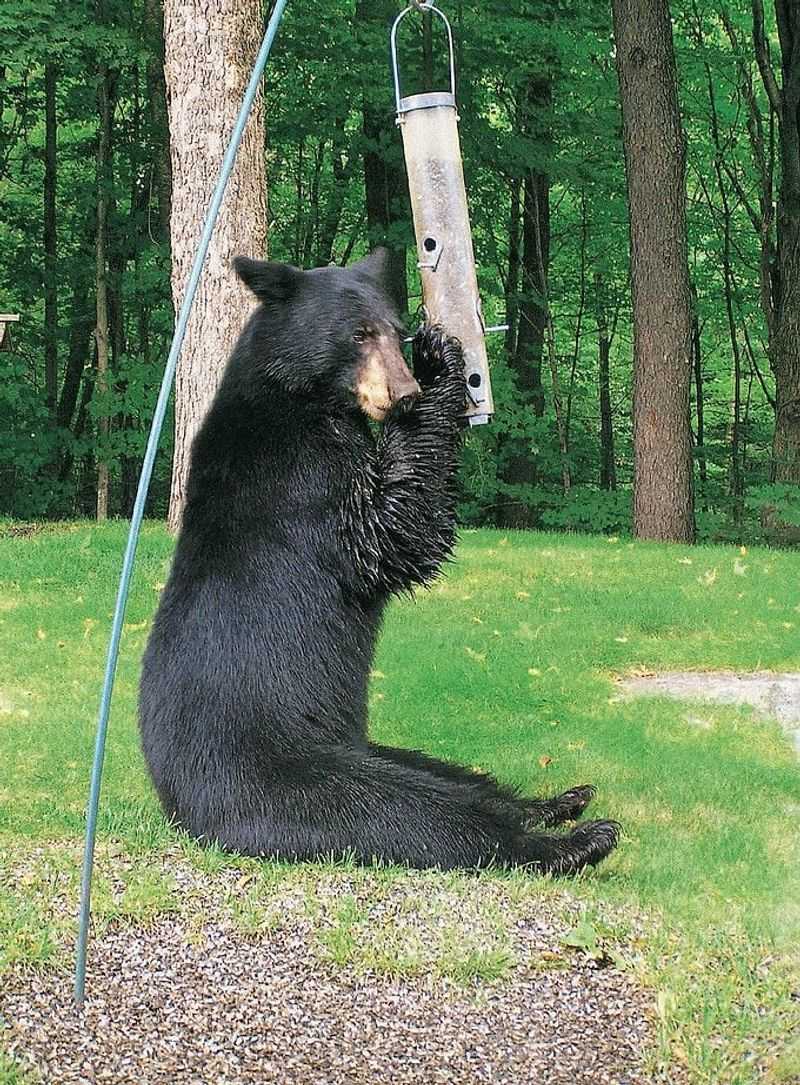
A single tube feeder packed with black oil sunflower seeds is basically a high-calorie candy jar for a hungry bear. I love watching chickadees at mine, but bears adore those oily seeds even more than the little birds do.
Once a bear finds a loaded feeder, it remembers the spot and often returns night after night for seconds.
Bent poles and shredded feeders are classic signs that a furry visitor has already discovered your backyard setup.
The Virginia Department of Wildlife Resources suggests taking feeders down from April through November, when bears are most active. Winter feeding carries less risk, though a mild spell can still wake up a curious bear a bit early.
Spilled seed on the ground counts as an attractant too, so rake up hulls and leftovers under every feeder.
Store extra birdseed in a sturdy garage or locked shed, since paper bags left on the porch invite trouble.
Personally, I switched to native plants like coneflowers and black-eyed Susans to keep birds visiting during the warm months. A shallow birdbath with fresh water pulls in songbirds too, and it offers bears very little reward at all.
If you cannot give up feeding, bring feeders inside every evening before dusk and hang them back up after breakfast. Bears do visit in daylight sometimes, so watch closely and pull feeders at the very first sign of trouble.
2. Garbage Cans Left At The Curb Overnight
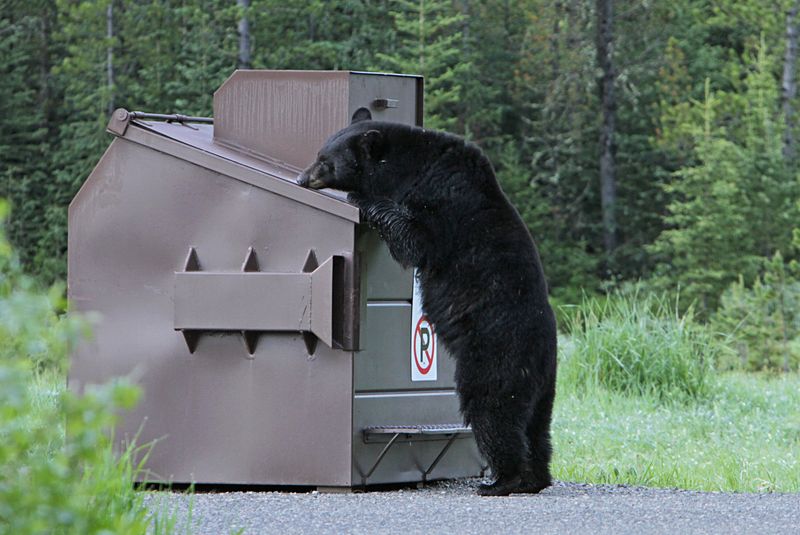
Nothing on your street smells louder to a bear than a trash can stuffed with last night’s leftover chicken bones.
Wildlife officials say garbage ranks among the top reasons bears wander into neighborhoods and start causing headaches for local residents.
A bear that scores one easy meal learns fast and starts checking every single can on your block. Over time, those bears can lose their natural caution around people, which creates real trouble for everyone living nearby.
Keep your cans inside a locked garage or sturdy shed until the morning of pickup, not the evening before. Bears roam mostly at dawn and dusk, so a can sitting out overnight is a very tempting late-night target.
In Virginia communities where bears are active, a certified bear-resistant container is truly worth every penny if indoor storage isn’t possible.
Some communities offer them or even require them in bear country, so check with your local waste service first.
I rinse out sticky containers and double-bag smelly scraps, which cuts down on the odors drifting from my bins. A quick spray of ammonia-based cleaner inside the empty can also helps mask lingering food smells between weekly pickups.
Talk with your neighbors too, because one sloppy trash habit can pull hungry bears into the whole neighborhood quickly. Honestly, a friendly chat over the fence costs nothing and might save your whole street from many messy mornings.
3. Pet Food Bowls Sitting On The Back Porch
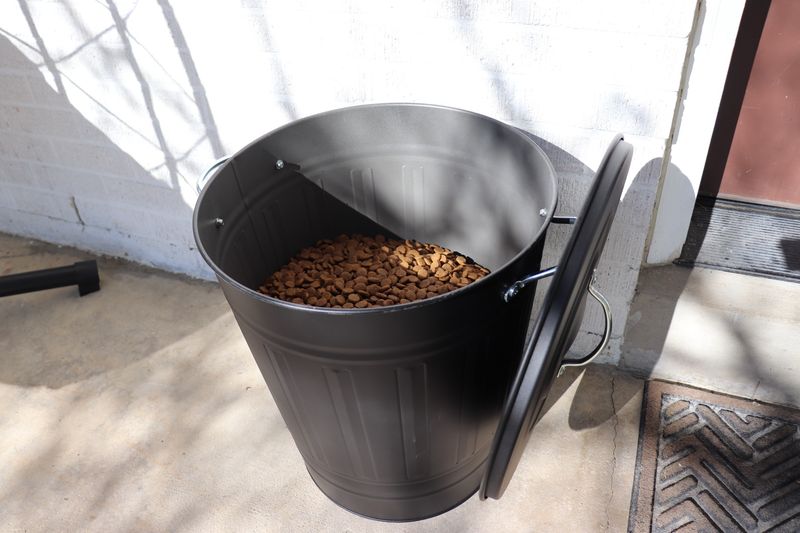
My dog takes about ninety seconds to inhale dinner, but a forgotten bowl of kibble can sit outside for hours.
To a passing bear, that crunchy pile smells like a rich, fatty snack served right on your welcome mat.
Pet food is packed with protein and fat, so it offers far more calories than most wild foods nearby. Bears that find it once often come back, and they may start lingering close to your house and pets.
The simplest fix is feeding cats and dogs indoors, which keeps the tempting smell inside where bears cannot reach it.
If your pets must eat outside, pick up the bowl right after mealtime instead of leaving it out overnight.
Big bags of kibble deserve the same caution, so store them in a locked garage or airtight metal bin. Screened porches feel safe, yet a determined bear can tear through flimsy screen mesh in a matter of seconds.
Feeding livestock or backyard chickens brings similar risks, since grain and chicken feed carry strong and very appealing scents. Wildlife experts recommend electric fencing around coops, and storing feed in sealed containers inside a secure, locked building nearby.
In Virginia, I can’t imagine stepping outside with my morning coffee and finding a bear licking my dog’s empty metal bowl.
Bringing dishes indoors takes just a quick moment, and it keeps both your pets and the bears much safer.
4. Greasy Barbecue Grills On The Patio
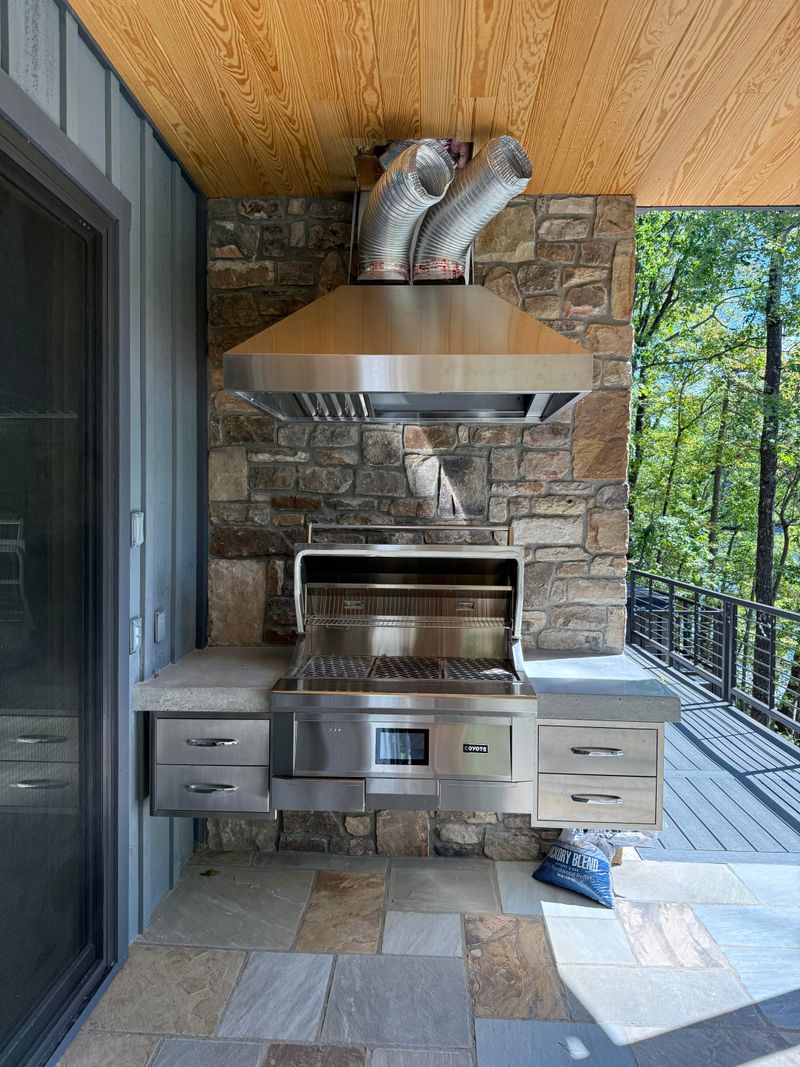
Last summer’s burger night still lingers on your grill grates, even when the patio looks spotless and tidy to you.
A bear’s nose picks up that greasy perfume easily, and it may follow the scent right up your back steps.
Grease traps and drip pans are the biggest culprits, because fat drippings hold strong odors for a long time. Bears have been known to knock grills over and lick them clean, leaving dented lids and scattered metal parts.
After cooking, let the burners run for about five extra minutes to burn off leftover grease and food bits. Once everything cools, scrub the grates and empty the drip pan into a sealed plastic bag for the trash.
Please avoid dumping grease on the lawn or in the flower beds, since bears will happily dig for it. Pouring it into an old can, then sealing it, keeps those greasy smells out of the yard and garden.
I used to skip cleanup on lazy evenings, but a clean grill is cheap insurance against surprise midnight visitors.
Wiping down side shelves and tool hooks also matters, because sauce drips cling stubbornly to those hidden spots too.
In Virginia areas where bears are active, store the clean grill in a secure garage or shed when it’s not in use, but disconnect the propane tank and store it outdoors. A snug cover alone won’t fool a bear, though it helps a little when paired with good cleaning.
5. Open Compost Piles Full Of Kitchen Scraps
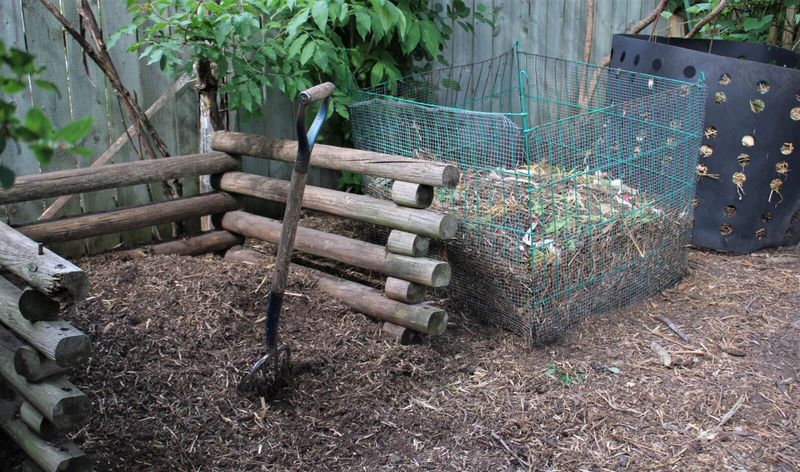
Compost is gardener gold, yet a steaming heap of melon rinds and coffee grounds can smell like a buffet sign. Bears are curious omnivores, and they will gladly paw through a messy pile hunting for sweet or greasy bits.
Meat, bones, dairy and cooking oil are the worst offenders, so please keep those items out of outdoor bins.
In Virginia, sticking to plant scraps and fallen leaves makes your pile far less interesting to wandering noses in the woods.
Even fruit peels can draw attention, especially as they ferment and give off that sweet and sour aroma bears adore. I bury fresh scraps under a thick layer of brown leaves, which muffles odors and speeds up decomposition nicely.
Turning the pile regularly adds air, and a well-aerated heap tends to smell pleasantly earthy rather than sour or rotten. Adding a little lime is sometimes suggested, though in my experience good layering does more to control the smell.
Enclosed tumblers or sturdy bins help a lot, but a strong bear can still pry open flimsy plastic lids. For extra protection, many wildlife agencies recommend surrounding compost areas with a simple well-grounded electric fence kept charged.
Location matters too, so place your pile away from wooded edges and well back from doors and windows.
Your garden still gets its rich compost, and the local bears simply move on to wilder pickings in the forest.
6. Ripe Apples Dropping Under Backyard Fruit Trees
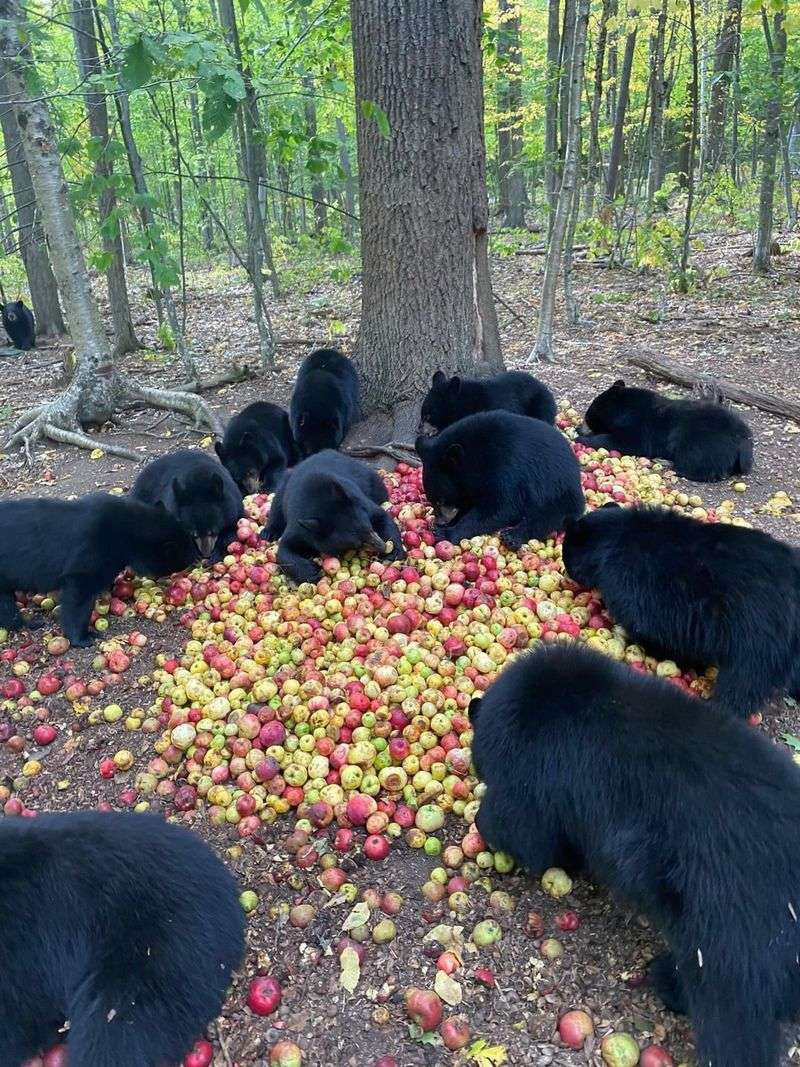
Few smells say late summer like windfall apples softening in the grass, and bears clearly agree with me on that.
In fall they enter a feeding frenzy called hyperphagia, eating up to 20,000 calories a day before winter denning.
Biologists call fruits and berries soft mast, and bears seek them out eagerly whenever natural wild crops run short. A poor acorn year can push hungry bears toward orchards and backyard trees much more often than in typical years.
Pick fruit as soon as it ripens, and gather fallen pieces daily so the ground stays clean and tidy. Rotting fruit gets sweeter and smellier as it ferments, which turns a small mess into a really big invitation.
Bears are skilled climbers, and they sometimes snap branches while reaching for the highest, juiciest peaches on the tree. An electric fence around a small orchard is one of the most reliable ways to protect your hard-earned harvest.
Virginia wildlife officials share fencing tips online, and many county extension offices can help you plan a sturdy setup.
Baiting the wires with a dab of peanut butter gives curious bears a memorable zap that keeps them away.
If I lived beside the woods, I would think twice before planting a new fruit tree near the tree line. Ornamental trees with little fruit might suit those edges better, while your apples grow closer to the house.
7. Sweet Corn Patches In The Vegetable Garden
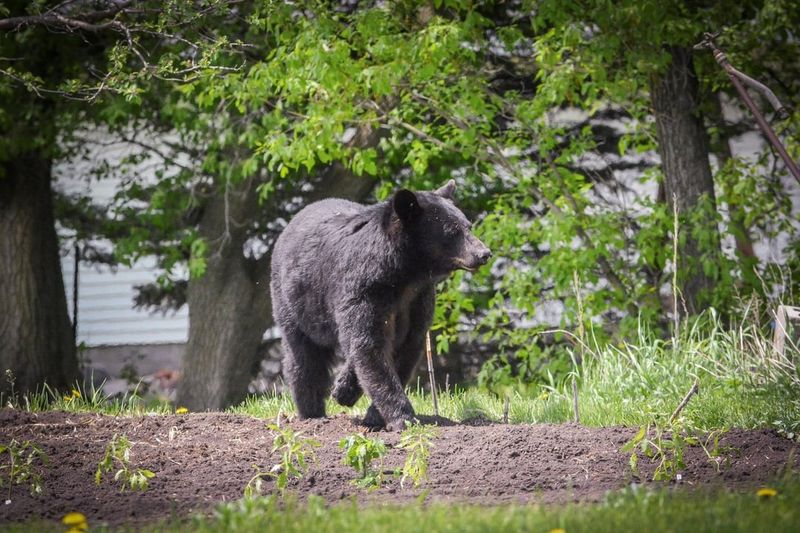
Sweet corn is my summer pride, so finding stalks flattened in a neat circle one morning stung a bit. Bears love sugary ears at the milk stage, and they often sit right down in the rows to feast.
Unlike raccoons, which pick at a few ears, a single bear can level a big section of sweet corn overnight.
Melons and berry patches also tempt them, especially when nearby forests offer a thin crop of wild food this year.
In Virginia areas where bears are active, harvest produce as soon as it ripens, and clear away overripe or damaged pieces instead of leaving them to rot. Tossing spoiled melons at the garden edge feels harmless, but it can lure bears straight toward your tidy rows.
Electric fencing is the strongest defense, and wildlife experts often suggest several separate strands spaced about ten inches apart. A good charger and solid grounding matter more than fancy wire, so test your voltage every week or so.
Some gardeners hang wind chimes or spread strong scents like garlic, hoping bears will lose interest and leave.
Those tricks rarely work for long, because a hungry bear quickly learns that noise and smells pose no danger.
Planting your garden in open sun, away from thick brush, also helps a lot since bears prefer moving under cover. Vegetables love full sunlight anyway, so this simple choice keeps both your tomatoes and your nerves much happier.
8. Backyard Beehives Full Of Honey And Larvae
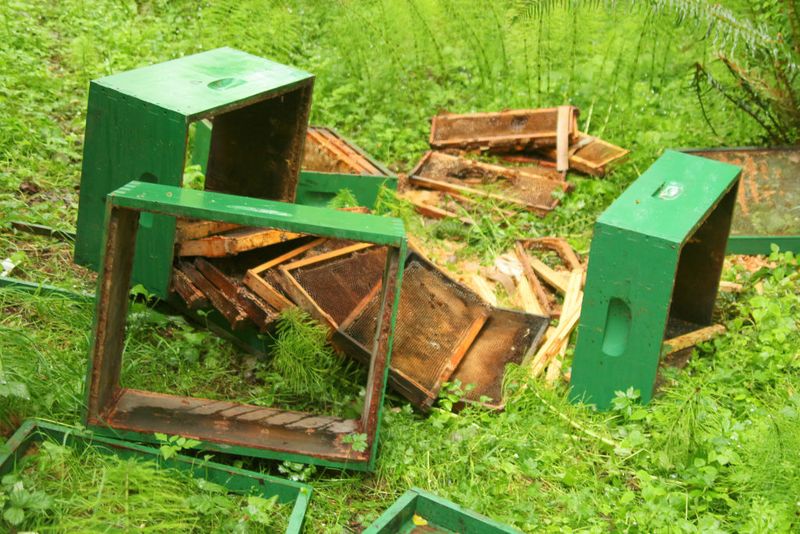
Winnie the Pooh only told half the story, because bears raid beehives for protein-rich larvae as much as honey. The sweet stuff is a bonus, and a bear will happily endure plenty of stings to reach both treats.
Beekeepers who find a toppled hive usually see scattered frames and chewed comb dragged far across the grass.
Once a bear succeeds, it tends to return, so one raid often turns into a frustrating repeat performance later.
The Virginia Department of Wildlife Resources calls electric fencing the most effective way to protect backyard apiaries from bears. The agency even shares fence designs, which makes the project far less intimidating for nervous first-time beekeepers everywhere.
Set the fence up before you bring bees home, since a bear that tastes success once is harder to discourage.
Keep weeds trimmed under the bottom wire, because tall grass can drain power and weaken the shock quite a bit.
Check the charger often, especially after big storms, since a fence without current offers no real protection at all. Placing hives on a sturdy platform inside the fence adds yet another helpful layer of security for your precious colonies.
I find it oddly comforting that a few wires and a battery can protect a whole summer of buzzing work. Your bees keep making honey, and passing bears eventually learn to look for dinner somewhere far less painful.