A Lost Giant Is Coming Back And Louisiana Has A Backup Plan
Old roots in Appalachian forests are still sending up shoots for a tree that disappeared from the canopy about a century ago. The sprouts grow a few years, then a fungus girdles them back to the ground.
That tree once fed bears, turkeys, squirrels, and families who roasted its nuts every fall. Its rot-resistant wood built cabins, fences, and barns across the eastern United States.
I still get goosebumps thinking about how much changed when it disappeared. Scientists have spent decades on a comeback with orchards, labs, and patient volunteers, and the work is finally getting real.
Gardeners in Louisiana sit near the edge of the old range, so the story looks a little different in Louisiana.
You might notice a smaller native cousin already hiding in pine woods near you. Plant the chinquapin, and give your yard a living piece of that history.
Those Spiky Chestnut Burs Are Showing Up in Research Orchards Again
Ask an old-timer from the mountains about chestnuts, and you may hear stories of nuts piled so deep in fall that folks shoveled them into wagons. That bounty came from the American chestnut, a tree that could top 100 feet and filled huge parts of the eastern forest.
Then trouble arrived. A fungus called Cryphonectria parasitica was first spotted at the Bronx Zoo in 1904, likely riding in on imported Asian chestnut trees.
Within about 50 years, it had swept through the native range and knocked out an estimated 3 to 4 billion chestnuts.
The blight kills the bark, not the roots. That quirk explains why stump sprouts still pop up in woods from Maine to Georgia. They grow for a while, get infected, and drop back to the root collar to try again.
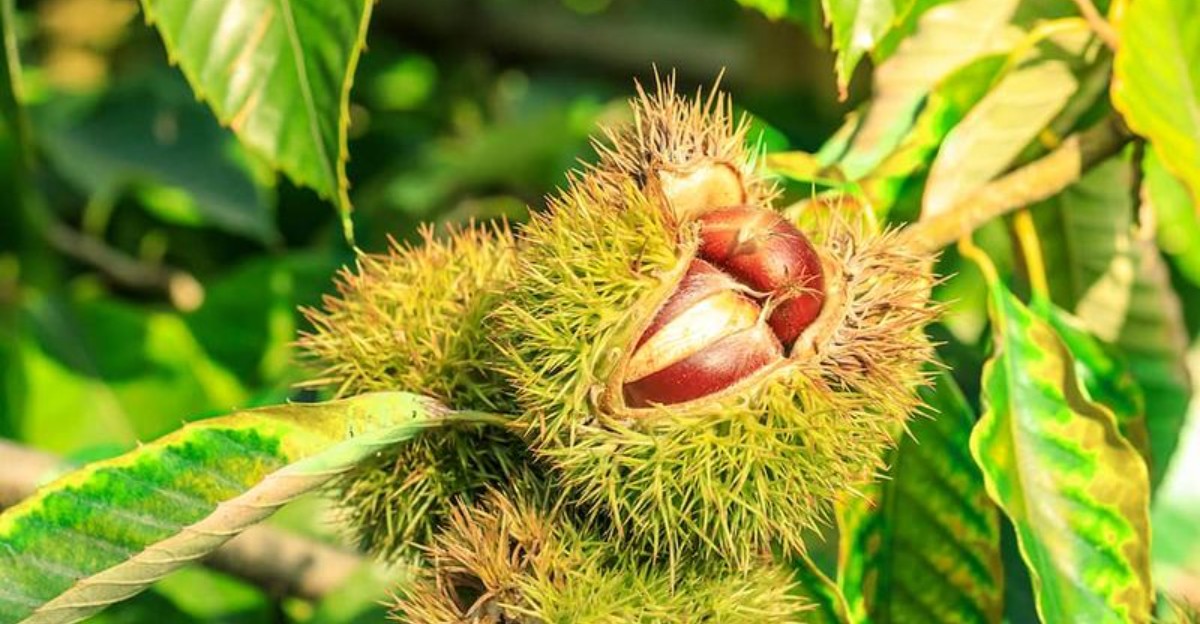
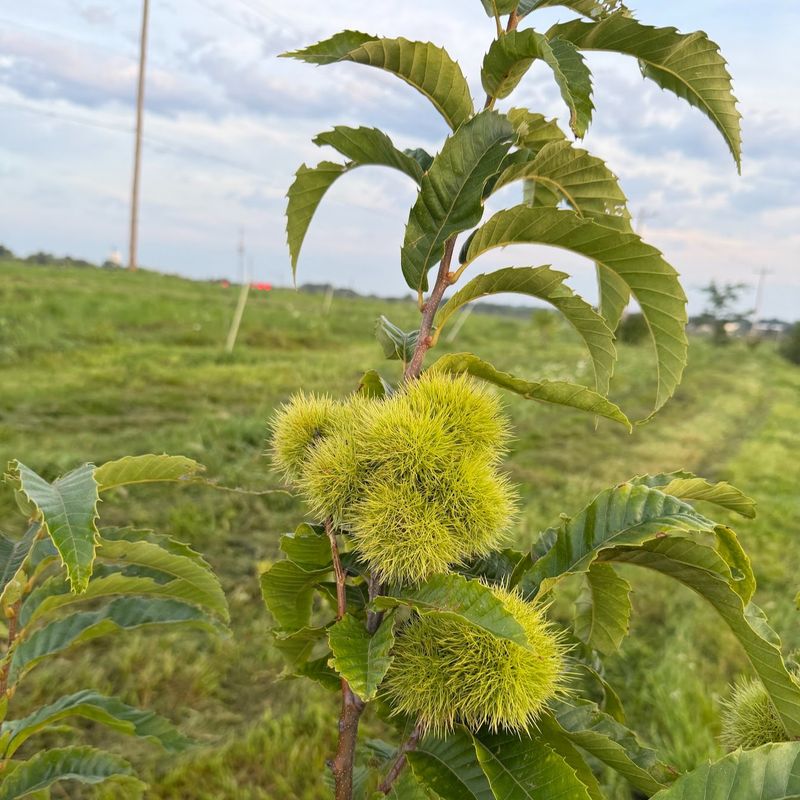
Today, those spiny green burs hang in test orchards run by universities and The American Chestnut Foundation. Volunteers pollinate flowers by hand, bag them, and track every seedling. Some wild survivors are now part of the breeding work, too.
I find it moving that a tree people wrote off is getting a second act. The comeback is slow, careful, and still unfinished, but it is real.
Blight-Resistant Chestnut Seedlings Are the Heart of the Comeback
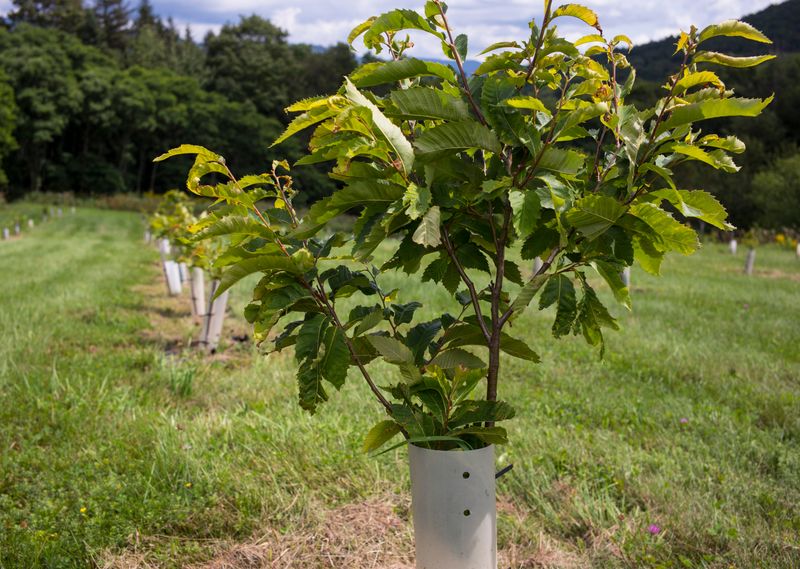
Two main roads lead toward a chestnut that can shrug off blight, and both take patience. The first is old-fashioned breeding.
The American Chestnut Foundation crossed American trees with resistant Chinese chestnuts, then crossed the offspring back to American parents over several generations.
The goal was a tree that looks and grows mostly American but keeps the Chinese resistance. Results so far are mixed, since resistance is controlled by many genes.
Breeders now combine survivors from many lines and use genetic screening to speed things up.
The second road is biotechnology. Researchers at SUNY College of Environmental Science and Forestry added a wheat gene called OxO, which helps the tree neutralize the acid the fungus uses to damage bark.
That part of the story got bumpy. In 2023, the foundation learned that trees thought to be the Darling 58 line were actually a different line, Darling 54, and it stepped back from that project.
SUNY ESF continues the work, and USDA deregulated the tree in August 2026, though the wider regulatory process is still moving forward.
For home gardeners, the takeaway is simple. Fully restored American chestnuts are not sold at garden centers yet, so be wary of any nursery claiming otherwise.
Louisiana’s Backup Plan Starts With a Little Native Chinquapin
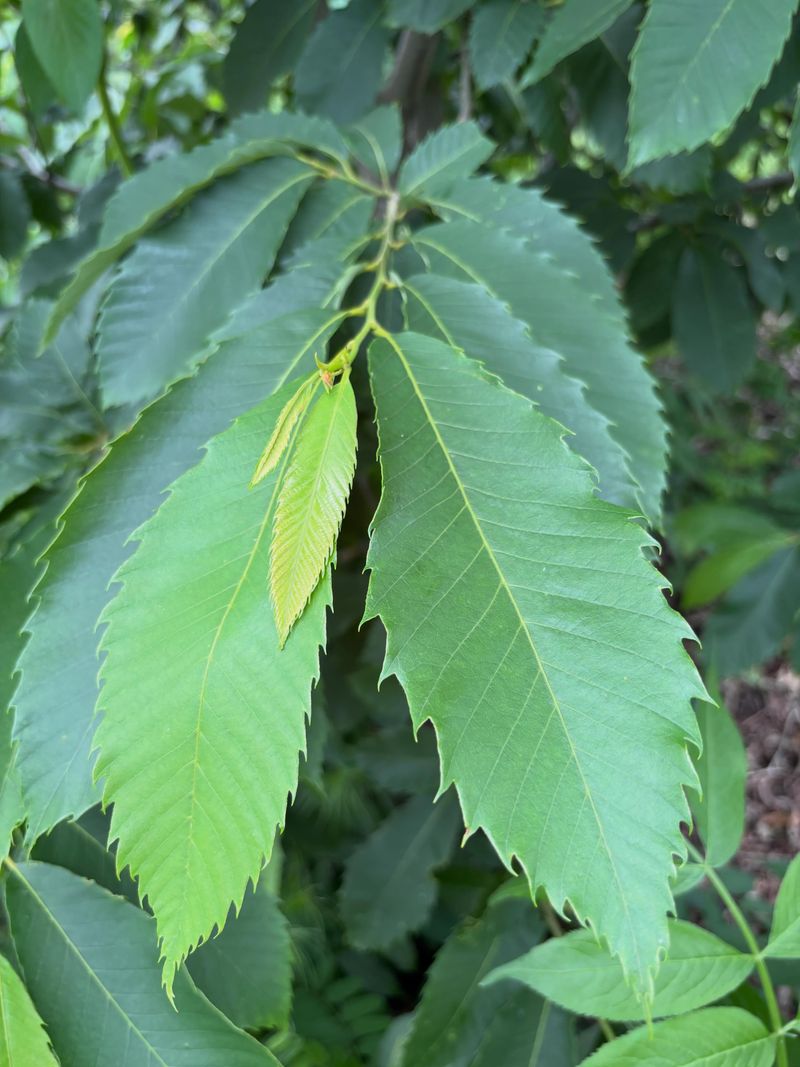
A chestnut already grows wild in the state, and plenty of folks walk right past it. The Allegheny chinquapin, Castanea pumila, is a native shrub or small tree found in sandy, well-drained woods and pine uplands, especially in the northern and western parishes.
It rarely grows taller than 15 to 30 feet. Each prickly bur usually holds a single shiny nut about the size of a big marble, and squirrels, turkeys, and deer gobble them up in late summer and fall.
Chinquapins catch chestnut blight too. Still, they often resprout and fruit at a young age, so many plants keep producing even with some cankers on their stems.
That makes the chinquapin a smart native choice for wildlife plantings. It handles heat, fits smaller yards, and tolerates poor sandy soil better than many fruit trees.
Look for seedlings at native plant sales or specialty nurseries in the Gulf South. Fun fact: Southern families once roasted chinquapins by the fire as a snack. The nuts are sweet and need no cracking tools, just a thumbnail.
I like to think of this little tree as the quiet cousin that stayed home while the famous one made headlines.
Chinese and Hybrid Chestnut Trees Fill the Nut Gap Down South
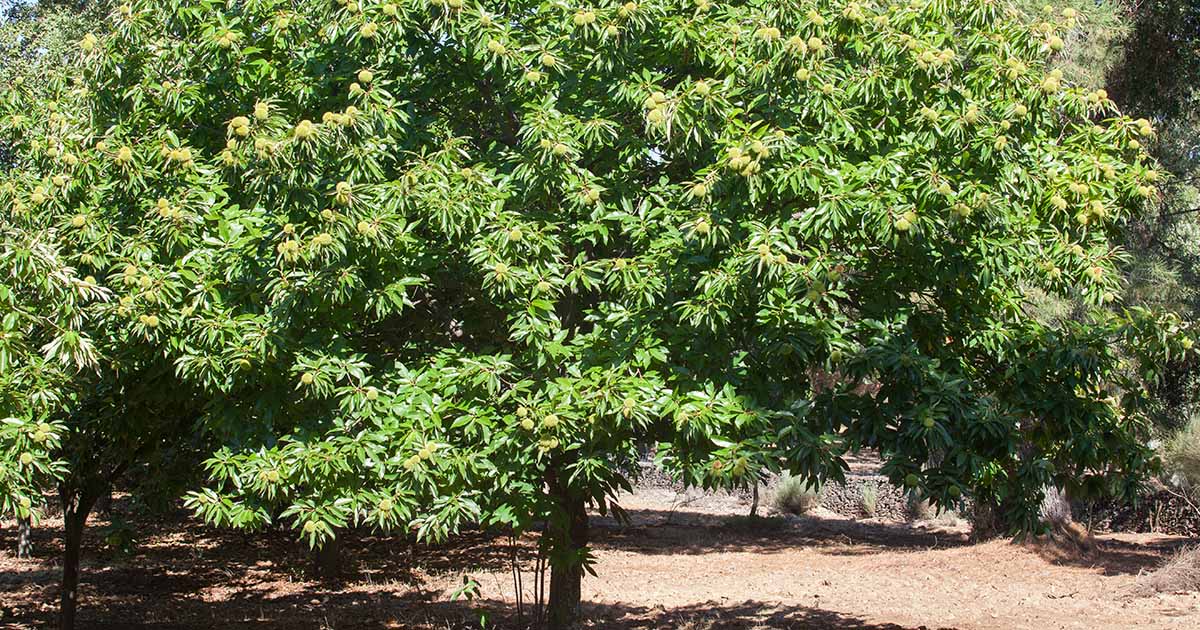
Want full-sized chestnuts on a Southern lot? Chinese chestnut, Castanea mollissima, is the workhorse here.
It carries strong natural blight resistance, handles heat and humidity, and grows into a rounded tree about 40 to 60 feet tall.
The LSU AgCenter has long pointed home growers in Louisiana toward Chinese chestnut and its hybrids rather than pure American trees. Nut quality varies a lot among seedlings, so grafted named cultivars or tested hybrid seedlings give you more predictable results.
The Dunstan chestnut is a popular hybrid across the Southeast. It came from a blight-surviving American tree crossed with Chinese chestnut decades ago, and it is sold widely for wildlife plots and backyard orchards.
Keep expectations realistic. Hybrids are not restored American chestnuts, and they will not tower like the old forest giants.
What they offer is a tree that can live for decades, bear sweet nuts within about three to five years, and give wildlife a steady fall food source.
Buy from a nursery that states the parentage and has a good regional track record. A cheap mystery seedling may grow fine but produce small, bland nuts that leave you disappointed after years of waiting.
Raised Planting Mounds Keep Chestnut Roots From Drowning
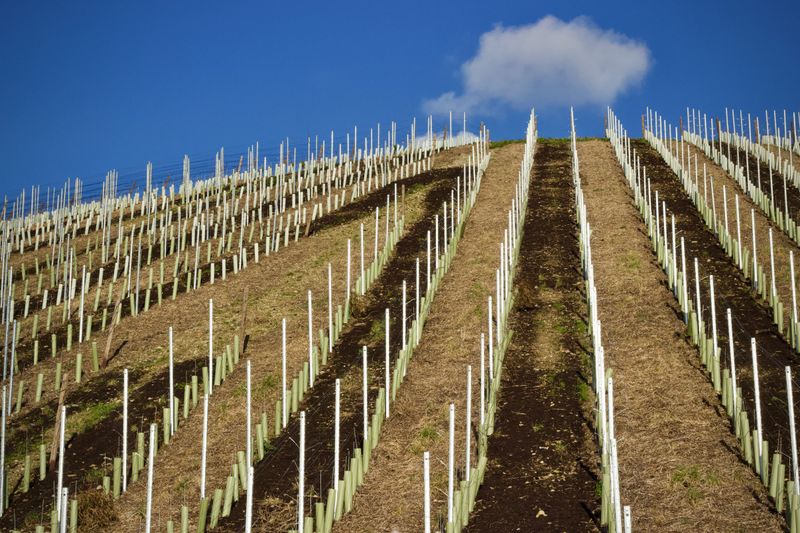
Soggy feet are the fastest way to lose a young chestnut. Chestnuts are prone to Phytophthora root rot, sometimes called ink disease, and it thrives in heavy, wet soil. A lot of ground across the state fits that description.
Pick a sunny spot with at least six to eight hours of direct light. Then check drainage by digging a hole about a foot deep and filling it with water. If water still sits there the next day, look for higher ground or build up.
A wide raised mound or berm, roughly a foot or more tall and several feet across, gives roots room to breathe. Gentle slopes and ridgetops work nicely too. Skip low spots where rainwater pools after summer storms.
Chestnuts like slightly acidic soil, around pH 5.5 to 6.5. A soil test through your parish extension office tells you exactly what you have, and it costs very little.
Plant bare-root or container trees during the dormant season, roughly December through February in most of Louisiana.
Water well the first summer, mulch out to the drip line, and keep grass and weeds back. Young trees grow faster when they are not competing with turf.
Two Chestnut Trees Are Better Than One for a Real Nut Harvest
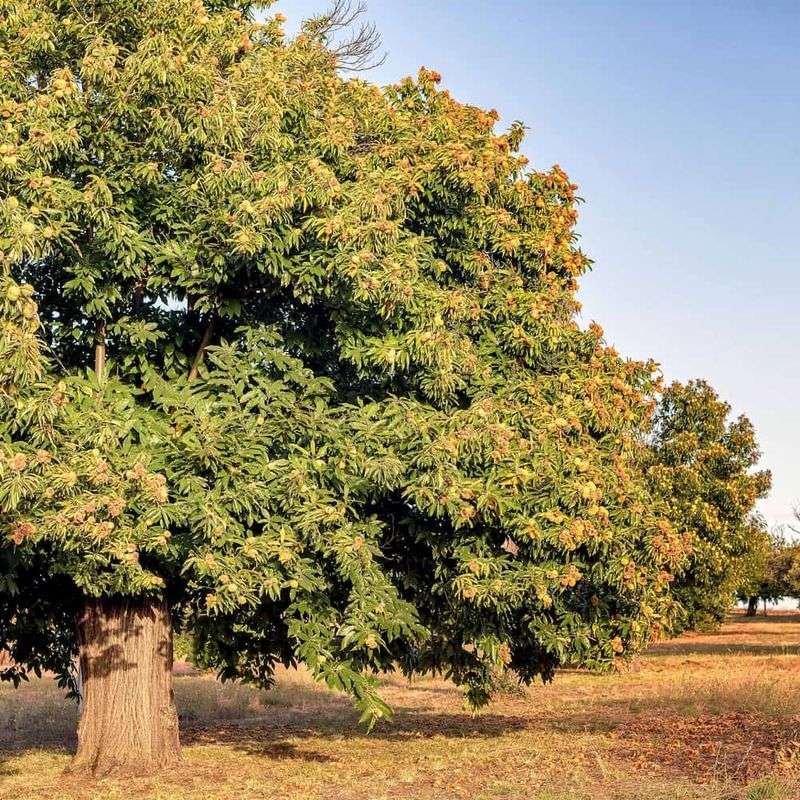
Plant one chestnut and you might get a handsome shade tree with lots of empty burs. Most chestnuts are largely self-unfruitful, meaning a tree needs pollen from a different, genetically distinct chestnut to make full nuts.
Chestnuts are mainly wind pollinated, though bees and other insects visit the fuzzy, cream-colored catkins in late spring. Many growers notice a strong, musky smell around bloom time, which some people find a bit funky.
For dependable crops, plant at least two trees of different varieties or seedling sources. Space them about 30 to 40 feet apart so each has room to spread, but keep them within roughly 100 feet of each other so pollen can travel.
Hollow or flat nuts inside the bur are a classic sign of poor pollination. If you see that, adding another compatible tree nearby usually helps more than extra fertilizer does.
A simple notebook with bloom dates for each tree helps you match good partners in future plantings. Patience matters too.
Grafted trees often start bearing in three to five years, while seedlings may take a bit longer. By year ten, a happy pair can produce a generous harvest that keeps you, the squirrels, and the neighbors busy every fall.
Orange Chestnut Blight Cankers Are Worth Learning to Spot
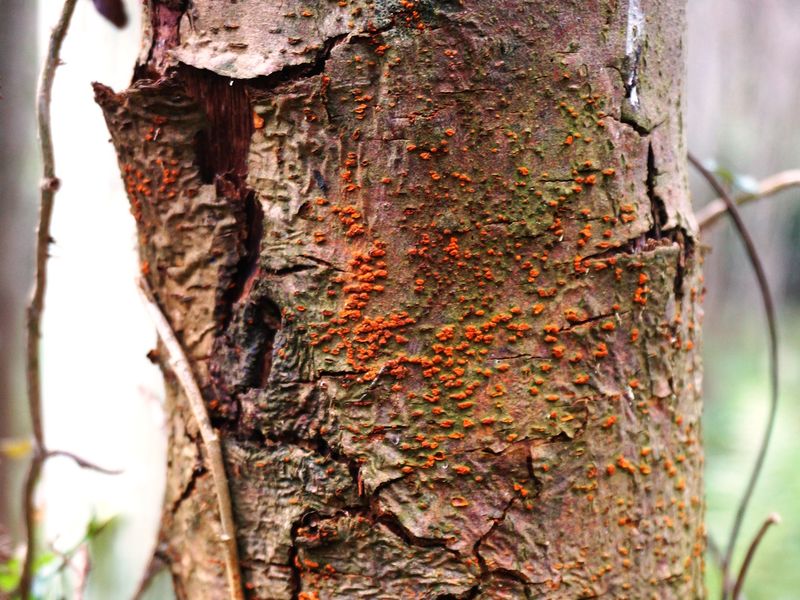
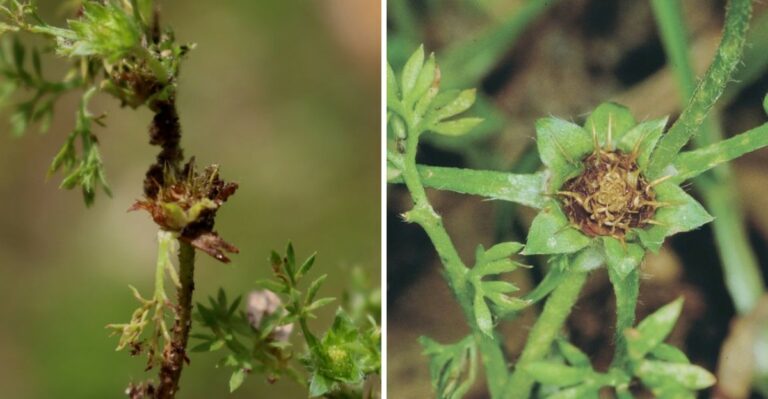
Even blight-tolerant trees can pick up the fungus, so it helps to know what it looks like. Chestnut blight shows up as sunken or swollen orange-brown patches on the bark, often with cracks.
In damp weather, tiny orange pimple-like spots or curly orange tendrils may ooze from the canker.
Above the canker, leaves may wilt and turn brown while still hanging on the branch. Resistant trees often wall off the infection, leaving a rough, swollen scar instead.
Prune out infected limbs on dry days and clean your pruners between cuts. Avoid nicking trunks with string trimmers or mowers, since the fungus enters through cracks and injuries.
Chestnut weevils are another headache. Their larvae tunnel inside nuts, then exit to pupate in the soil. Pick up fallen nuts every day during harvest to break that cycle.
One safety note matters too. Native buckeyes, including the red buckeye common in Louisiana yards, produce glossy nuts that look a little like chestnuts but are toxic.
True chestnuts sit inside a spiny bur, while buckeye husks are smooth or leathery. Teach kids that difference early, before they start collecting nuts on their own.
Your Backyard Chestnut Can Feed Turkeys, Deer, and Your Family
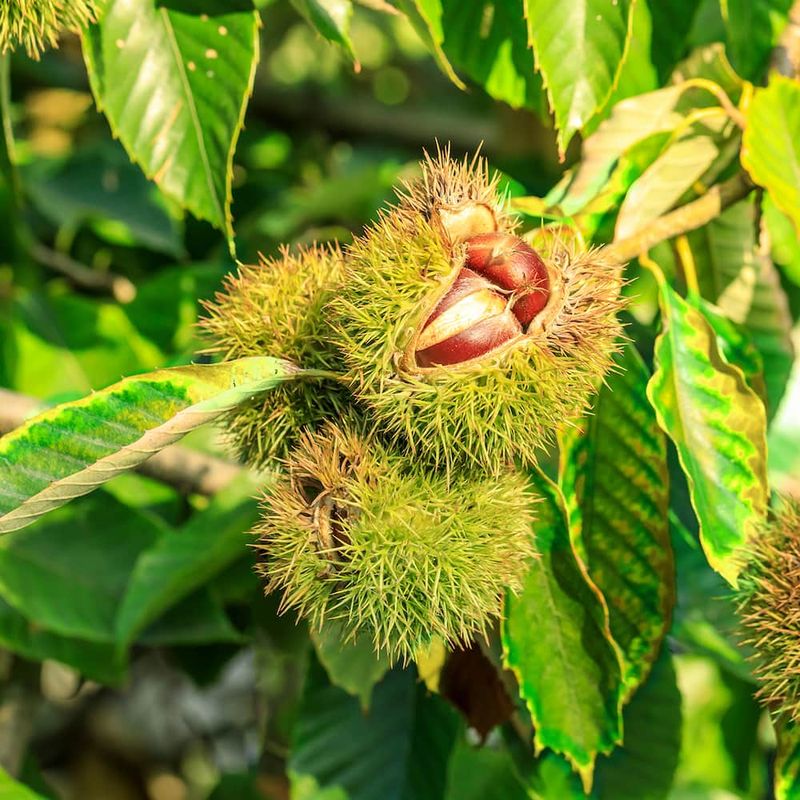
Fall under a bearing chestnut feels like a party. Wild turkeys scratch through leaves, deer browse at dusk, and squirrels race off with nuts.
Chestnuts earned their fame by bearing fairly reliable crops each year, unlike oaks that swing between heavy and light acorn years.
For your own table, gather nuts soon after the burs split, usually in September and October. Fresh chestnuts are high in moisture and spoil fast, so store them in the refrigerator in a breathable bag.
Cut an X in each shell before roasting so they do not burst. Want to help the bigger restoration? The American Chestnut Foundation has regional chapters and volunteer programs, and members can help with research plantings.
Reporting wild American chestnuts or chinquapins in your area helps researchers map surviving genetics.
Your next steps are clear. Test your soil, find a high and sunny spot, choose a chinquapin or a reputable hybrid, and plant two trees this coming winter.
The famous forest giant may take decades more to fully return. Meanwhile, a backyard chestnut gives you sweet nuts, busy wildlife, and a living link to one of the biggest comeback stories in American forests.