Why The Poinsettia Next To Your Florida Porch Light May Never Turn Red
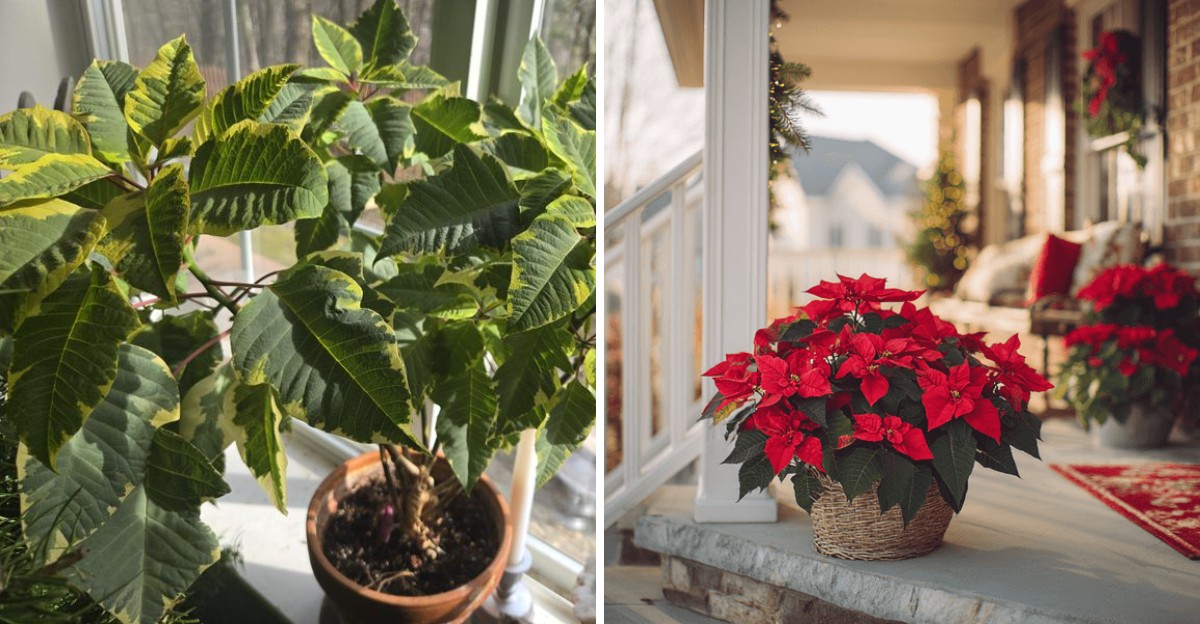
Your poinsettia looks healthy, the weather feels right, and Christmas is creeping closer, yet those leaves refuse to turn red. What gives?
In Florida, a porch light could be part of the problem. Poinsettias follow a surprisingly strict schedule when it comes to changing color, and even a little light at the wrong time can throw that schedule off.
The frustrating part is that the plant may look perfectly fine while its colorful display never shows up.
This catches plenty of people off guard, especially when a poinsettia sits by the front door where it looks right at home. That cheerful evening glow might be doing more than lighting up your porch.
Luckily, you don’t need a greenhouse or a green thumb to understand what’s happening. A small change in how your plant spends its nights could make all the difference this holiday season.
1. Poinsettias Are Short-Day Plants
Some plants bloom when summer days stretch long and lazy. Poinsettias march to a different beat, and they wait for the days to shrink.
Gardeners call them short-day plants. A better name might be long-night plants, since darkness is the real signal they follow.
Think of it like an alarm clock built inside the plant. When nights grow long enough in fall, the alarm goes off and the plant starts its color show.
Here is the twist. The plant cannot tell the difference between sunlight and a bright bulb, so any light at night can confuse that inner clock.
In Florida, poinsettias grow happily outdoors because the weather stays warm. That means they rely on the natural fall nights to know when to change, without a greenhouse grower controlling the lights.
Fun fact: these plants come from Mexico, where they grow into tall shrubs. In the wild, they bloom in winter because nights there grow long, just like yours.
So if your plant stays green, start by thinking about darkness. Before blaming soil or water, ask yourself how dark the spot really gets after sunset.
Once you understand this one rule, every other tip in this list makes sense. Darkness is the key ingredient for that famous holiday red.
2. Long, Dark Nights Trigger The Color
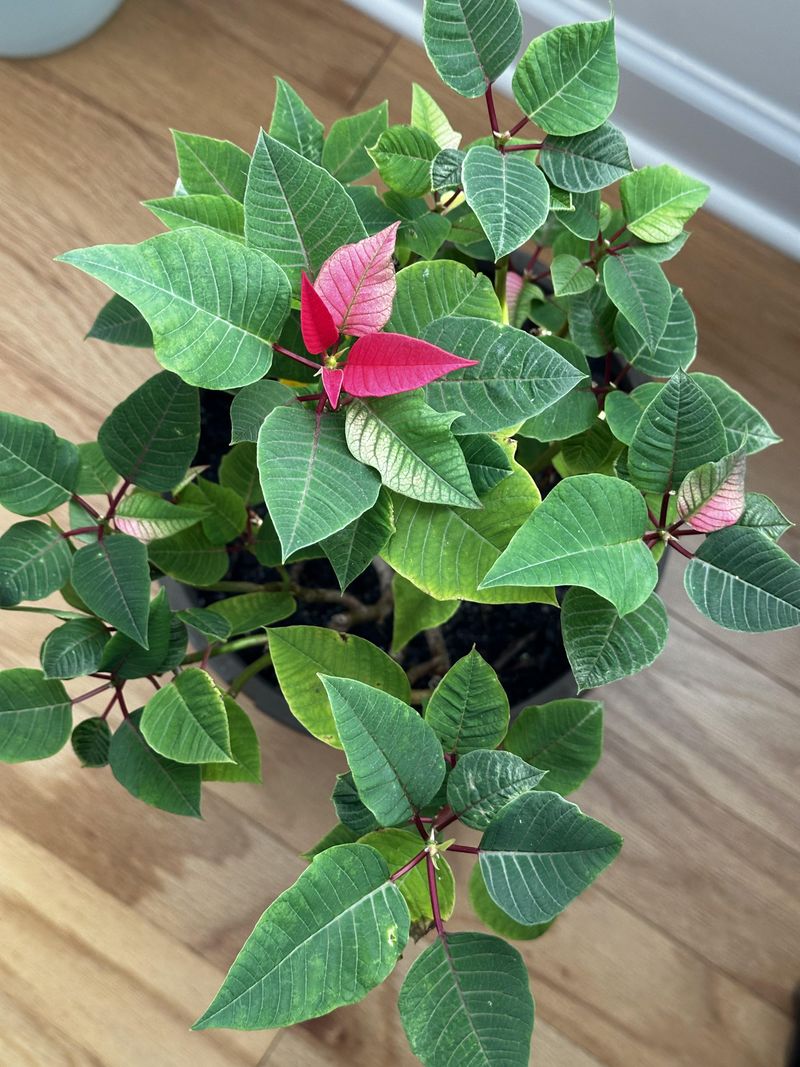
Fourteen hours. That is roughly how much uninterrupted darkness a poinsettia wants each night to start turning red.
That number surprises many people. It means the plant only gets about ten hours of light a day, and it likes that schedule.
The dark stretch needs to continue for around eight to ten weeks. Most of this happens from early fall into late November or December.
Picture it like baking bread. If you keep opening the oven door, the loaf will not rise properly, and your plant reacts the same way to broken darkness.
Indoor growers sometimes cover their plants with a box or move them into a closet each evening. They uncover them in the morning so the plant still soaks up daytime sun.
Outdoors in Florida, you can let nature handle much of the work. Fall nights naturally grow longer, giving your plant the cue it craves.
Your Florida Garden Changes Every Week. Your Plan Should Too.
Gardening in Florida changes quickly throughout the season. Every Friday you’ll receive a simple weekly plan showing exactly what to plant, prune, fertilize, harvest, and protect so you never miss the right timing.
The catch is that the darkness must be real darkness. A dim glow may seem harmless to you, yet the plant notices it.
If you want a simple test, check whether porch lights, streetlights, or other artificial light shines directly on your plant. Even light that seems dim can interfere with flowering, depending on its intensity and exposure.
3. The Red Parts Are Actually Colorful Leaves Called Bracts
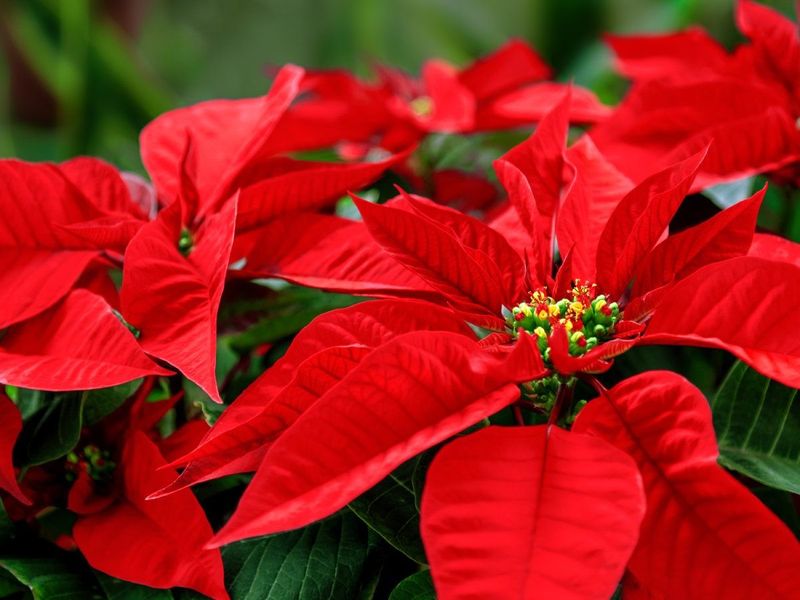
Here is a secret that wins trivia nights. Those bright red petals on a poinsettia are not petals at all.
They are special leaves called bracts. The real flowers are the tiny yellow nubs in the center, called cyathia.
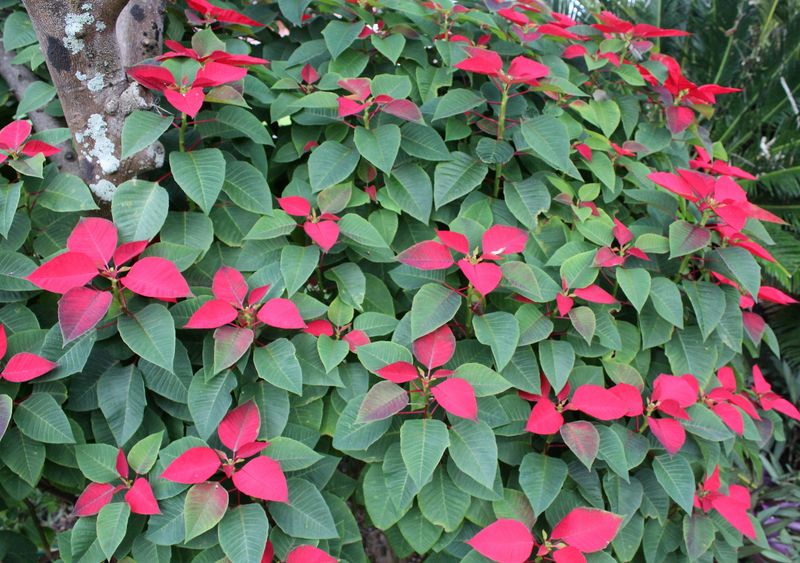
Bracts start out green, just like regular leaves. Once the plant gets enough long nights, it builds red pigments called anthocyanins in those leaves.
That is why a poor light schedule leaves you with plain green foliage. The leaves are there, but the color recipe never gets cooked.
Look closely at a healthy poinsettia and you can see a clear difference. The top leaves glow red while the lower leaves stay dark green.
Bracts also come in pink, white, cream, and even speckled patterns, depending on the variety. All of them need the same long nights to show off.
Here is a handy tip when shopping. Pick plants whose little yellow center flowers are still tight and fresh, since that means the color will last longer.
Knowing what the bracts are helps you care for the plant better. You are not waiting for flowers to open, you are waiting for leaves to change their outfit for the season.
4. Night Light After October 1 Can Throw Off Blooming
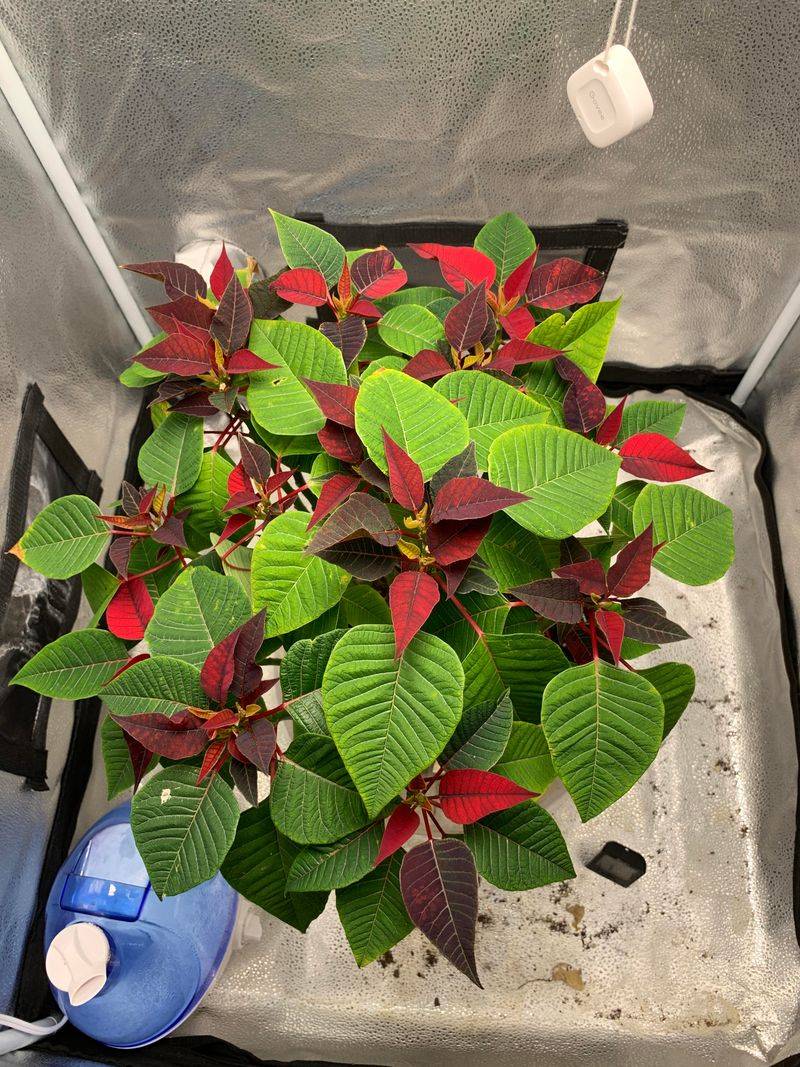
Mark your calendar, because October 1 is a big date for poinsettia fans. Around this time, the plant begins counting long nights in earnest.
Starting around October 1, the dark period becomes especially important. Poinsettias generally need about 14 hours of uninterrupted darkness each night to flower on schedule.
Any artificial light during this season can delay the color change. In some cases, the plant may stay green all the way through the holidays.
Imagine a student trying to finish homework while someone keeps flipping the light switch. Progress slows down, and the work may not get done on time.
A smart move is to look around your yard in late September. Notice which lights stay on after dark and where they shine.
You might add a timer to your porch light so it switches off earlier. Motion sensor lights are another option, though they still flash on when someone walks by.
If your poinsettia lives in a pot, the fix gets easier. Simply move it to a darker corner of the yard before October begins.
Small changes now can lead to a much brighter December. Your plant will thank you with a burst of red right on time.
5. Even Short Interruptions In Darkness Can Matter
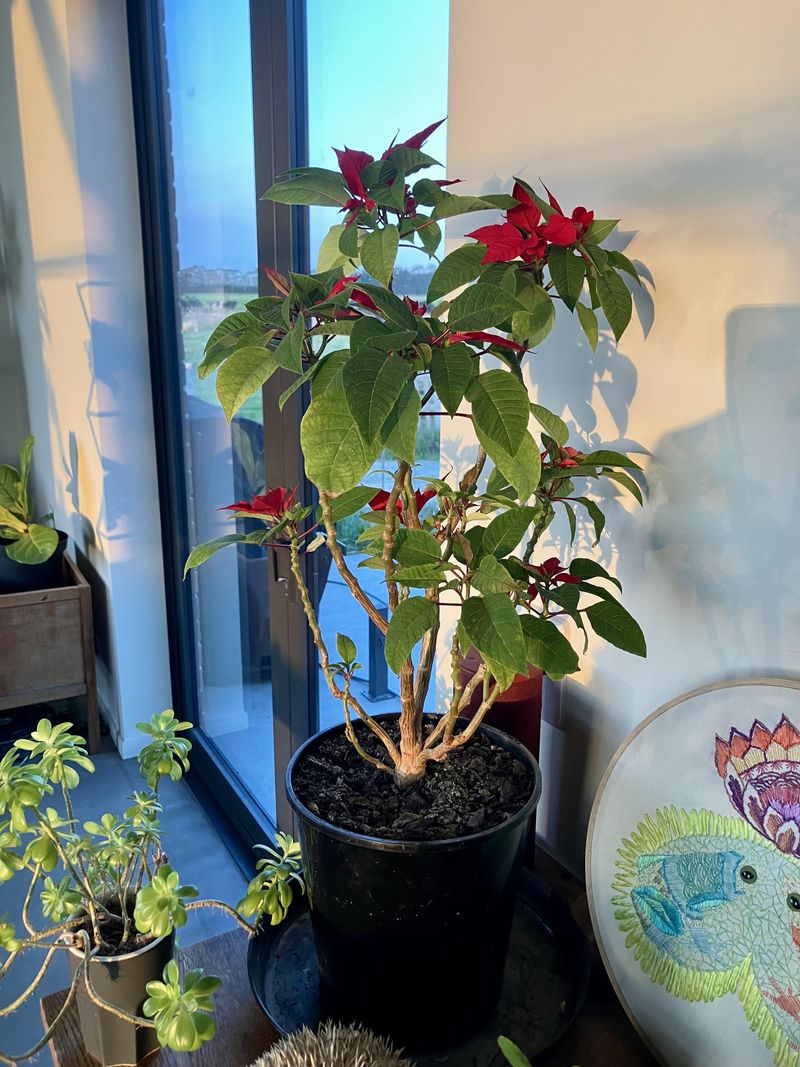
Even a brief interruption can interfere with a poinsettia’s flowering schedule.
The effect depends on factors such as the light’s intensity and timing, so it’s best to keep the plant in uninterrupted darkness throughout the night.
You might step out to grab the mail or let the dog out. A quick flick of the porch light seems harmless, yet the plant registers it as daytime.
When darkness is interrupted, flowering can be delayed or disrupted. Repeated interruptions make it harder for the plant to develop its colorful bracts on schedule.
So what can you do without living in the dark? Try using a small flashlight pointed at the ground instead of the big porch fixture.
Another trick is to keep indoor plants in a room nobody enters at night. A spare bedroom or closet works well when the door stays shut.
Some gardeners slip a cardboard box over potted poinsettias around 5 p.m. They lift it off around 8 a.m., giving the plant a cozy cave each night.
Consistency matters more than perfection. A steady routine for several weeks gives the best chance at rich, even color.
6. Streetlights And Porch Lights Both Count
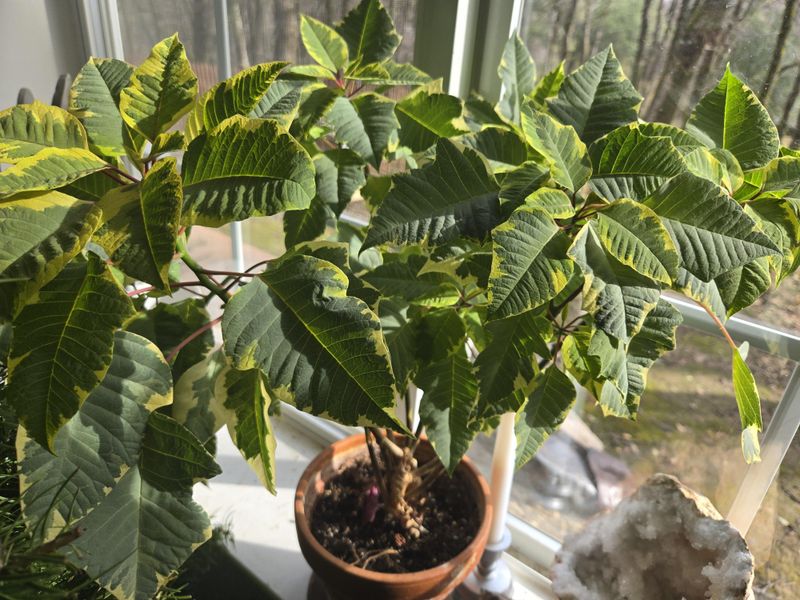
Your porch light is not the only troublemaker in the neighborhood. Streetlights, security lights, and floodlights can all keep a poinsettia green.
Even light that sneaks through a window counts. A streetlight glowing through the glass can reach an indoor plant and break its dark period.
Car headlights can play a role too. Plants near a busy driveway or road may get flashes of light all night long.
Walk around your home after dark and play detective. Look for bright spots, glowing fixtures, and places where light spills onto your plants.
Landscape spotlights deserve special attention. Many Florida homes use them to show off palm trees, and they often shine right on nearby shrubs.
If you cannot move the light, you might shield it. A simple hood or redirected fixture can keep the glow off your garden beds.
Neighbors’ lights matter too, and you cannot always control those. In that case, moving the plant is often the easiest answer.
Think of your poinsettia as a light sleeper. It does best in a quiet, dark corner where no glow wakes it up in the middle of the night.
7. Plant Outdoor Poinsettias In Sun, Away From Night Lighting
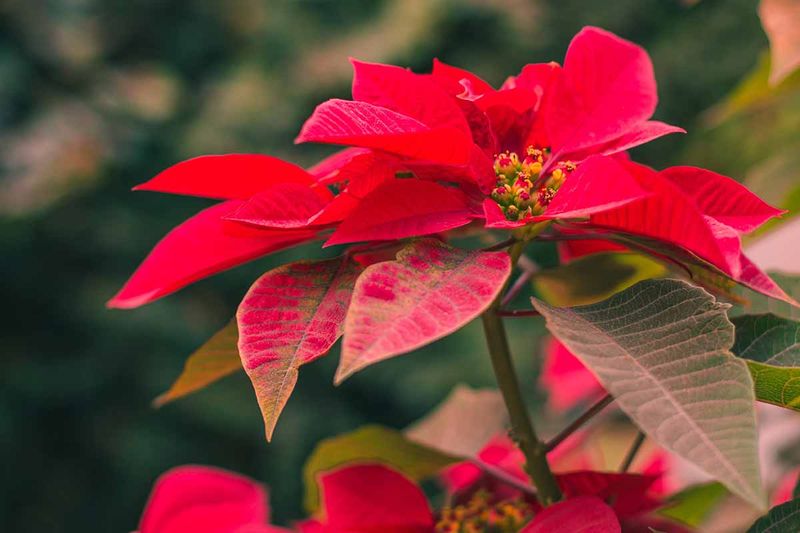
Florida offers poinsettias something most states cannot. Warm weather lets them grow outdoors into big, bushy shrubs.
Choosing the right spot is the secret to success. Look for a place with at least six hours of bright sun each day.
Then check that same spot after sunset. It should stay dark, with no porch lights, streetlights, or garden spotlights shining on it.
A side yard or back corner often works well. These areas tend to get plenty of daytime sun but stay quiet at night.
Soil matters too. Poinsettias like moist, well-drained, slightly acidic ground, with a pH between about 5.5 and 6.5.
Avoid low areas where water puddles after summer storms. Soggy roots can cause trouble, so raised beds or sandy soil mixed with compost help.
Give each plant some room to spread out. Outdoor poinsettias can grow several feet tall in a few years.
If you received a potted plant as a gift, wait until spring to move it outside. By then the risk of a chilly snap has passed, and the plant has a full year to settle in before its next color show.
8. Flower Buds Begin Forming In October
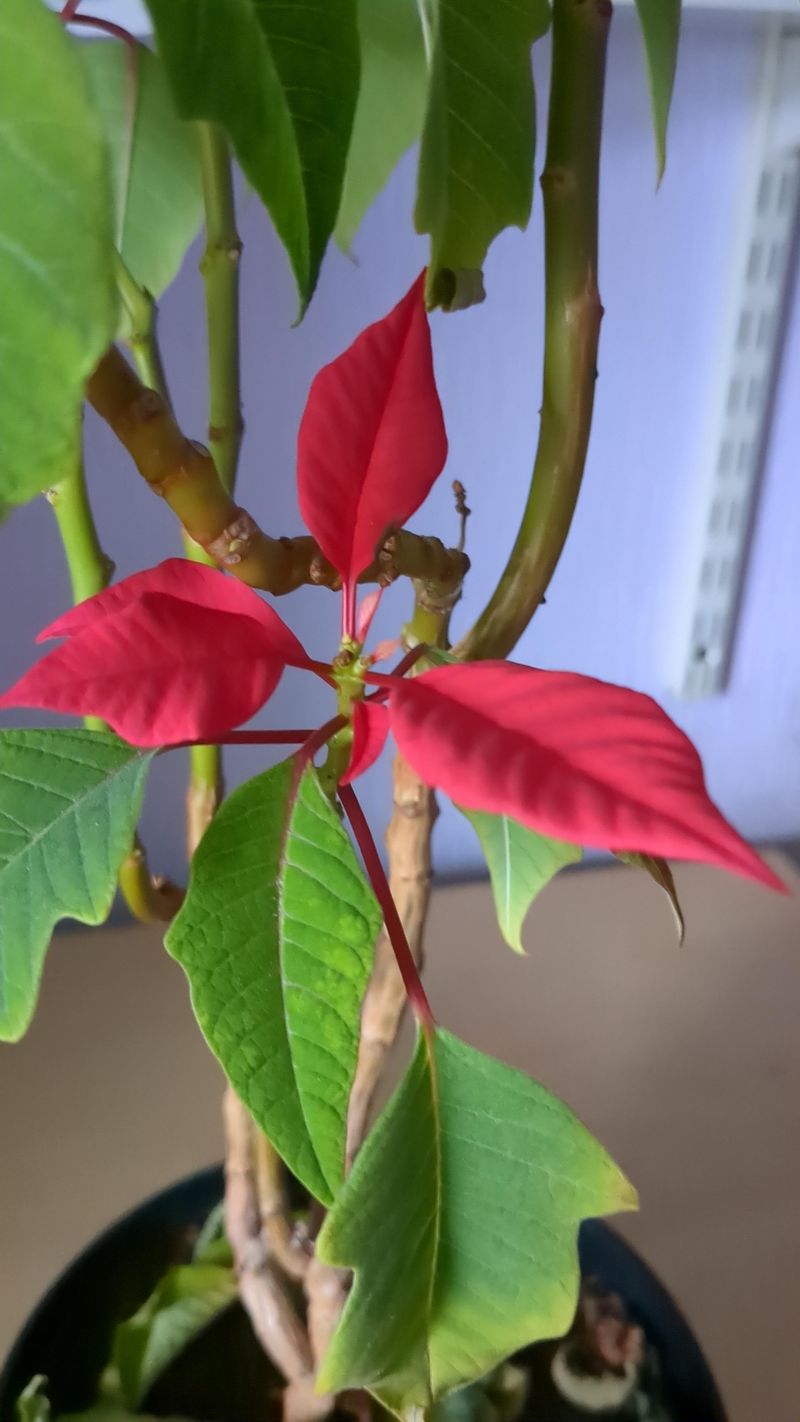
October in Florida still feels like summer to most people. Inside your poinsettia, though, a quiet change is starting.
As the days shrink, the plant begins forming flower buds. These buds appear at the tips of the stems, hidden among green leaves.
From mid to late October, the plant needs those long dark nights the most. This is when it decides whether to bloom on time.
You probably will not notice much at first. The buds are small, and the leaves still look plain green.
By November, you may spot the top leaves blushing with a hint of color. That is your sign that everything is working.
Here is a helpful habit. Take a photo of your plant every week starting in October, so you can track the slow color change.
Keep watering as needed during this time, but stop fertilizing by October 1 if you’re growing the plant outdoors in Florida. Consistent darkness and healthy growing conditions are key to developing colorful bracts.
If no color shows up by early December, think back to October. Lights, pruning, or a bright location during that month are the most likely reasons for the delay, and you can adjust next year.
9. Pruning After Early September Can Mean Less Color At Christmas
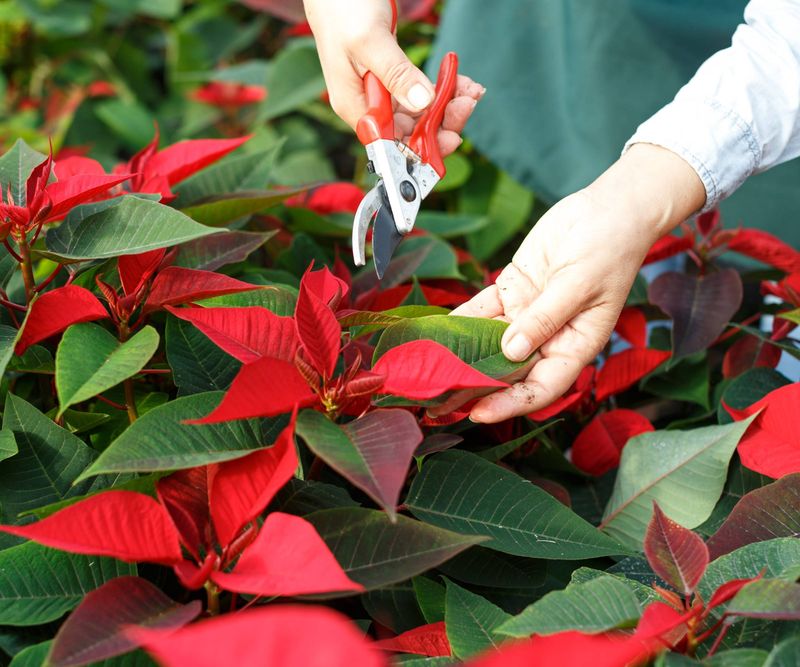
Grab your pruning shears in summer, then tuck them away by fall. Timing makes a huge difference with poinsettias.
Pruning helps the plant grow full and bushy instead of tall and lanky. Many Florida gardeners trim their plants a few times between spring and late summer.
The trouble starts when you cut too late. After about October 1, the stem tips hold the buds that will become this year’s color.
Snip those tips and you snip away the show. The plant may produce few colorful bracts, or none at all.
Some experts suggest finishing your last trim even earlier, around early September. That gives new shoots time to grow before the long nights begin.
A simple plan works well. Prune in early spring, pinch new growth during summer, and finish pruning by early September.
UF/IFAS recommends stopping by around September 10 so the plant has time to develop flower buds.
Write a reminder on your calendar or phone. It is easy to forget when the yard still looks summery in October.
If your plant looks messy in fall, resist the urge to tidy it. A little shagginess now means a crown of red in December, and that trade is well worth it.