Before you plant English ivy this fall, here’s the mess it leaves Oregon yards for years
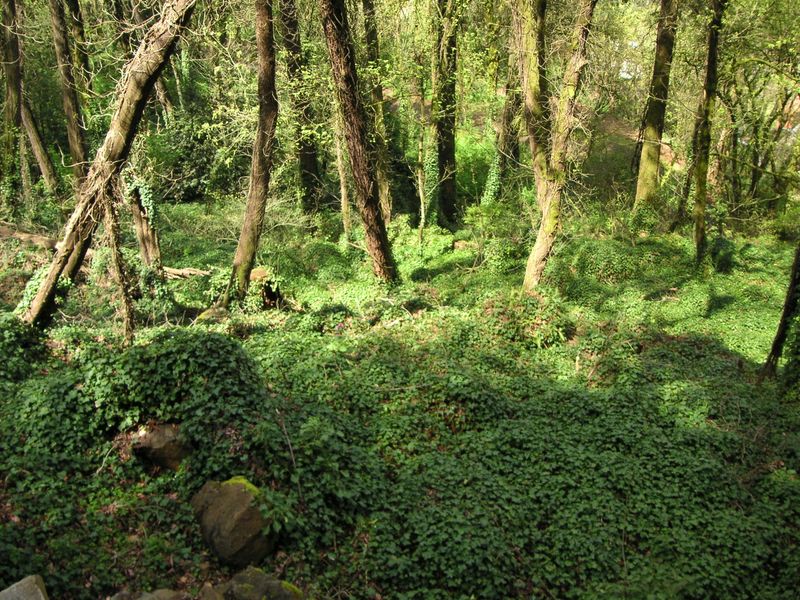
English ivy looks like the perfect fall answer for a bare slope or shady corner, and that evergreen appeal is real. But in western Oregon’s mild, rainy climate, a tidy-looking ground cover can quietly spread beyond its original spot, climb trees, hide fence damage, and keep coming back long after you thought you were done with it.
Before you pick up a flat of ivy at the garden center this season, it helps to know what you might actually be signing up for.
Why western Oregon is the wrong place to plant this ivy
Fall planting season brings a familiar temptation: something evergreen, low-maintenance, and quick to fill bare ground. English ivy fits that description on the surface, and that is exactly why so many Oregon homeowners have brought it home.
The problem is that western Oregon’s mild winters and reliable rainfall create near-ideal conditions for ivy to spread well beyond a tidy border.
Oregon classifies both English ivy (Hedera helixHedera hibernica) and Atlantic ivy () as List B noxious weeds. Under OAR 603-052-1200, Oregon’s noxious weed quarantine, the state restricts the entry, transport, purchase, sale, offering for sale, and propagation of these plants, with limited exceptions and permit provisions.
The rule covers whole plants, plant parts, and seeds. If you are considering a new planting, the practical takeaway is clear: do not plant, buy, sell, or propagate English or Atlantic ivy in Oregon without first confirming whether an exemption or permit applies to your situation.
The invasive concern is strongest west of the Cascades. Oregon’s official English and Atlantic ivy profile describes both species as widespread and very invasive on the western side of the state, where they spread readily into yards, parks, and forested areas.
That same profile notes that ivy has not shown the same invasive tendencies in Oregon’s arid regions east of the Cascades. If you garden in the Willamette Valley, the Coast Range foothills, or anywhere in the wet western lowlands, the climate works in ivy’s favor, not yours.
Atlantic ivy often gets overlooked in these conversations because “English ivy” is the familiar household name. Oregon’s concern covers both species, and they can be difficult to tell apart at a glance.
When the goal is choosing a fall planting you will not regret, avoiding both is the simpler and safer path.
A ground-covering mat can become a seed-producing spreader
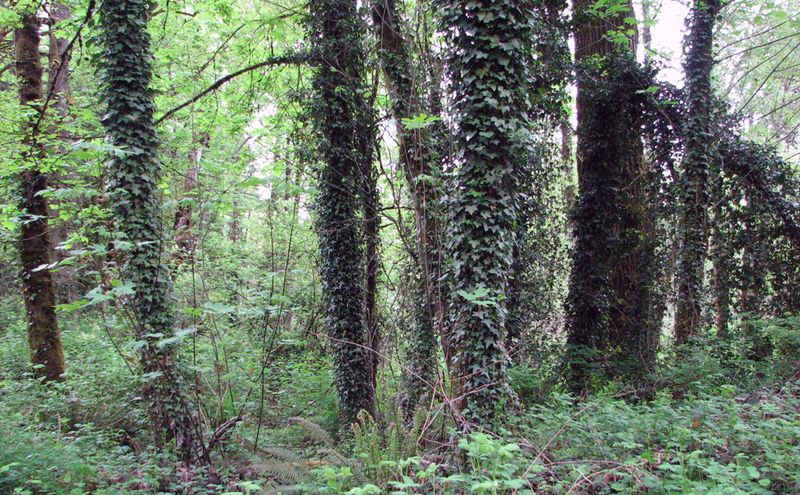
A newly planted patch of ivy behaves itself for a while. The stems trail along the ground, fill gaps between shrubs, and stay where you put them.
That early phase is what makes ivy feel like a win. What changes is what happens next, and it is worth understanding before the planting goes in.
Ivy spreads in two main ways. First, trailing stems root wherever they touch moist soil, and climbing stems attach to bark, fences, and walls.
A single plant can extend several feet in a season under good conditions, and any rooted section or stem fragment left behind during a cleanup can regenerate on its own. Second, and less obvious, mature ivy can shift from its juvenile ground-covering form into an adult form that flowers and produces berries.
Your Oregon Garden Changes Every Week. Your Plan Should Too.
Gardening in Oregon changes quickly throughout the season. Every Friday you’ll receive a simple weekly plan showing exactly what to plant, prune, fertilize, harvest, and protect so you never miss the right timing.
Oregon State’s pest management resource on ivy describes how starlings, robins, and other birds eat those berries and deposit the seeds in new locations, sometimes far from the original planting.
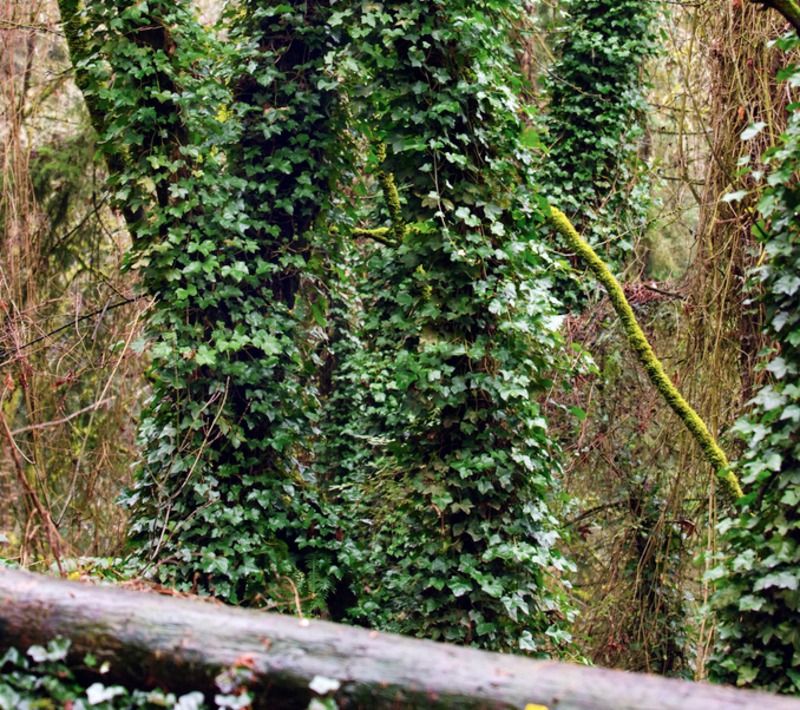
The shift to adult growth typically happens when ivy climbs into better light, often up a tree, a fence post, or a wall. Portland Parks and Recreation’s Ivy Files explains that this mature form is what enables flowering and fruiting, which means a planting that has climbed a tree or fence for several years may already be producing seeds.
A patch that looks contained from the street can be sending seeds into neighboring yards or nearby natural areas without any visible sign at ground level.
The practical implication for Oregon gardeners is that ivy does not stay put the way a clumping perennial does. A planting that requires no attention in year two may require consistent monitoring and control by year five or six, once climbing growth and berry production become established.
That is when the “easy” ground cover starts asking for more of your time than you planned to give it.
The hidden bill arrives after the easy years
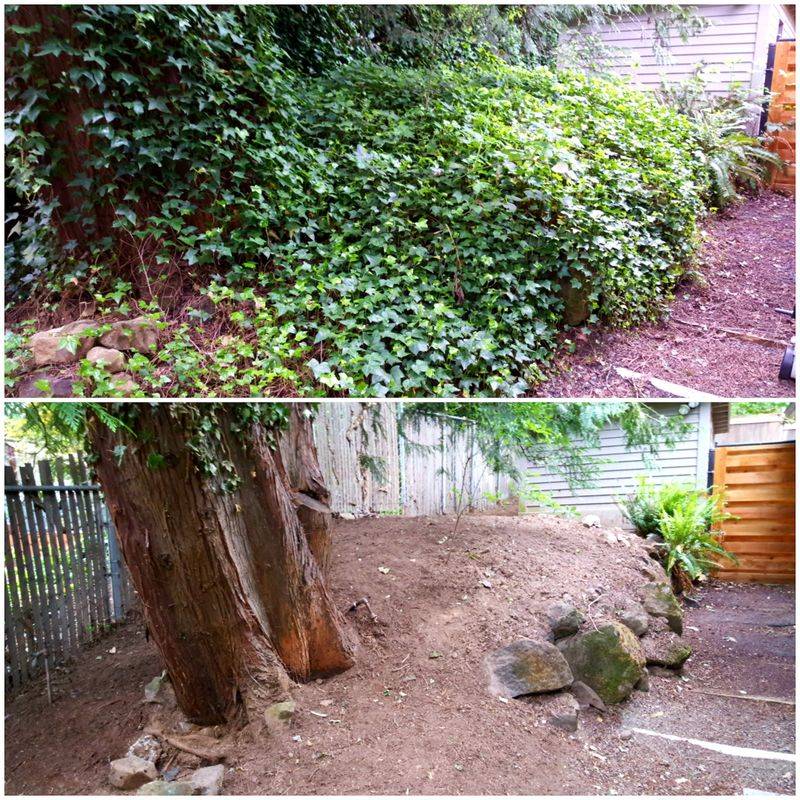
Most ivy regrets do not show up in year one or even year three. The plant looks fine, fills its space, and stays green through the Oregon winter.
The costs tend to surface later, once ivy has rooted deeply, grown into structures, and begun producing seeds. By then, removal is no longer an afternoon project.
If ivy has run the length of a fence line, that math adds up quickly. The same guide notes that homeowners should expect to repaint after removal and should consider whether an ivy-supported fence may need replacement once the vines come off and the underlying condition becomes visible.
Labor is only part of the picture. Repeated removal sessions, disposal trips, follow-up monitoring for regrowth, and possible fence or structure repair all add to the long-term cost.
Oregon’s ivy weed profile reports removal costs in some Oregon parks reaching $3,000 per acre, which is not a residential figure but does reflect how expensive mature infestations can become to manage professionally.
The title of this article uses the word “decades” as a caution, not a guarantee. In many home situations, consistent effort over several years can bring ivy under control.
But in larger plantings, neglected corners, or properties where ivy has spread into trees and neighboring spaces, the work can stretch well beyond what most gardeners expect when they first plant it. The honest framing is this: ivy may keep coming back for years, and in some situations the obligation can last much longer than that.
That recurring cost is what makes it a high-regret choice for western Oregon yards.
Ivy can crowd habitat and complicate trees and structures
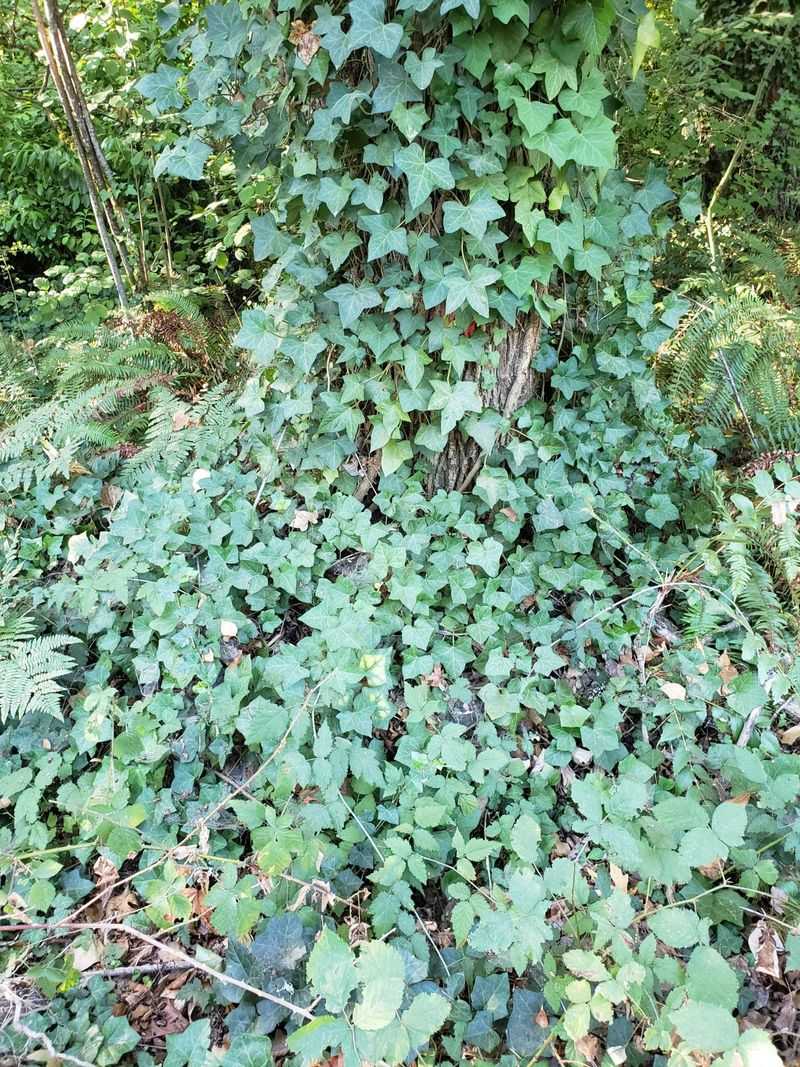
One of ivy’s more convincing selling points is that birds seem to enjoy it. They do eat the berries, and that makes it tempting to think of ivy as a wildlife-friendly planting.
The fuller picture is more complicated. U.S.
Forest Service documentation on English ivy notes that while some birds consume the fruit, ivy-dominated sites in the Pacific Northwest tend to support lower diversity of mammals, birds, and amphibians than uninvaded habitat. Birds that eat the berries also spread the seeds, which is part of how ivy moves into natural areas in the first place.
Below the canopy, dense ivy mats shade out wildflowers, ferns, native seedlings, and other understory plants that would otherwise support a broader range of wildlife. Oregon’s pest management resource on ivy describes how ivy can displace native vegetation and become difficult to remove once it grows through shrubs and around tree bases.
A yard that once had trilliums or sword ferns coming up in spring may lose them gradually as an ivy mat thickens over several seasons.
When ivy climbs trees, it adds weight to branches and creates a denser surface that catches wind and storm loads. This can become a concern during the heavy fall and winter storms common in western Oregon, particularly in older trees or trees already under stress.
Ivy does not automatically kill every tree it climbs, but it can weaken trees over time, and the dense canopy growth can make it harder to assess a tree’s actual condition until something goes wrong.
On fences, walls, and other structures, National Park Service guidance on English ivy warns that climbing ivy can loosen bricks and damage masonry, though the degree of risk depends on the building material, age, and condition of the surface. What ivy reliably does on any structure is hide what is underneath.
Fence boards rot, mortar gaps, and paint peels behind a green curtain that looks perfectly tidy from the outside. The OSU Extension removal guide notes that owners should be prepared for repainting and possible fence replacement once established ivy comes off.
Protect a tree by cutting the vines, not pulling the canopy
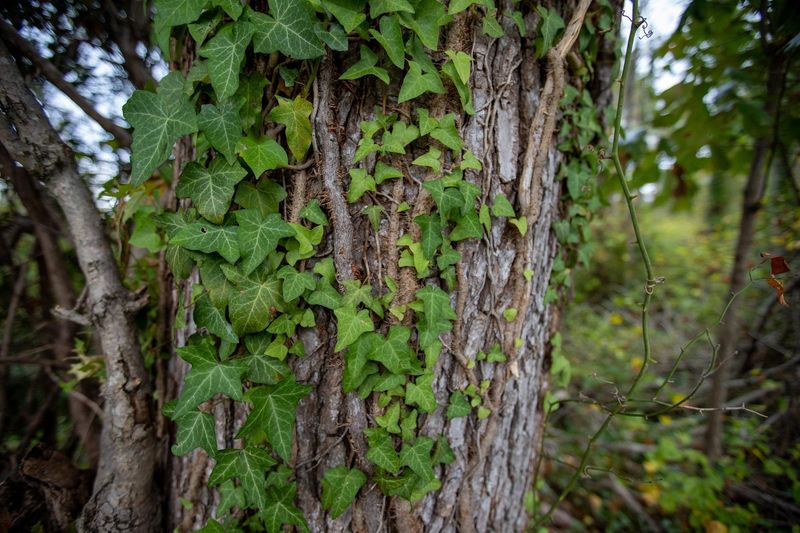
If ivy is already climbing a tree on your property, the first priority is stopping the connection between the ground and the canopy. The right tool for that job is a pair of hand pruners or loppers, not your hands.
Work your way around the entire trunk and cut every ivy vine at approximately eye or chest height, all the way around. Then step back and clear a ring at the base of the tree, removing any ivy rooted within roughly three to six feet of the trunk.
OSU Extension’s ivy removal guide recommends a clearance of around three to five feet, while some Pacific Northwest guidance suggests up to six feet. The exact distance matters less than the principle: break the physical link between the rooted ground mat and the climbing growth, and prevent immediate re-climbing once you are done.
Once you cut the vines, leave the upper growth where it is. Pulling ivy out of a tree canopy is risky for several reasons.
Yanking hard on vines can strip bark from the trunk or tear branches. Dead material hanging in the canopy can fall unpredictably over the following months, particularly during storms, and attempting to pull it all down at once creates a falling-debris hazard.
The Oregon guidance is clear: let the cut upper vines die in place. That process can take several months, and some material may come down on its own during winter weather.
Cutting the tree’s connection to the ground is a meaningful step, but it does not remove the rooted ivy patch on the ground. The mat remains, and ground roots can resprout and begin climbing again if the area is not addressed.
Think of the trunk-cutting step as protecting the tree from further damage while you work on the longer process of removing the ground planting. Those are two separate jobs, and the tree work comes first.
Remove ivy from fences and walls with the surface in mind
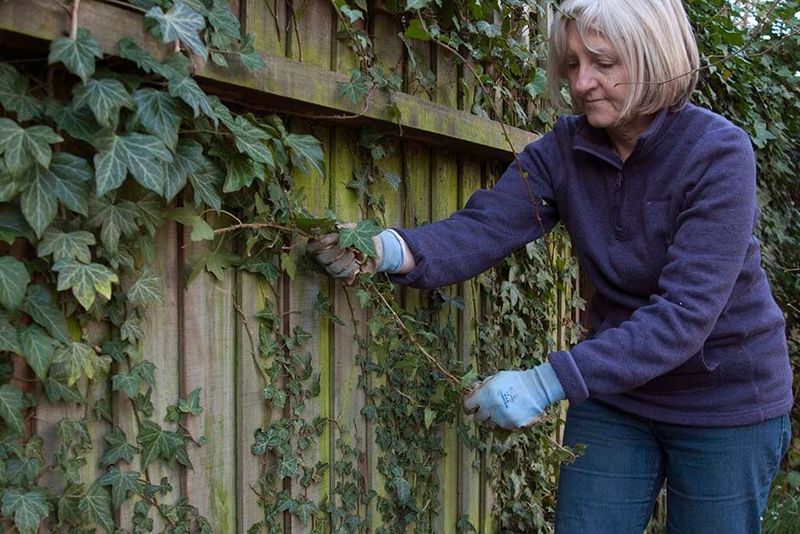
Fence and wall removal follows a different set of steps than tree work, and the two should not be treated the same way. Pulling ivy off a structure without cutting it first is one of the most common mistakes, and it can cause real damage.
Start by cutting the vines at intervals along the fence or wall, close to the base and again at the top if the growth is tall. Give the cut sections a few days to loosen if the vines are thick and deeply attached.
Then work carefully to peel or detach the stems from the surface, using a tool rather than bare hands when possible. OSU Extension’s removal guide notes that forced pulling can damage bark on wooden fences and that homeowners should expect to repaint after removal.
On masonry, the risk is different: National Park Service guidance warns that ivy adhesive pads can loosen bricks and damage mortar joints, particularly on older or softer masonry. Forcing vines off brick or stone without cutting them first increases the chance of pulling material out with the vine.
Before you start, look honestly at the structure underneath. Ivy hides a lot.
Fence boards that felt solid before ivy arrived may be soft or cracked beneath the vines. Mortar may have gaps.
Paint may have failed on sections you could not see. Removing ivy can reveal damage that was already there, and in some cases the fence or wall will need repair or replacement once the vines are gone.
When the ivy has climbed to an unsafe height, or when the structure beneath looks unstable, this is the right moment to call a professional rather than work from a ladder alone. A licensed contractor or certified arborist can assess whether the structure is safe to work on and handle removal without creating a bigger problem.
Not every ivy-covered fence requires professional help, but height and hidden damage are both good reasons to ask for a second opinion before starting.
Ground removal requires a return visit
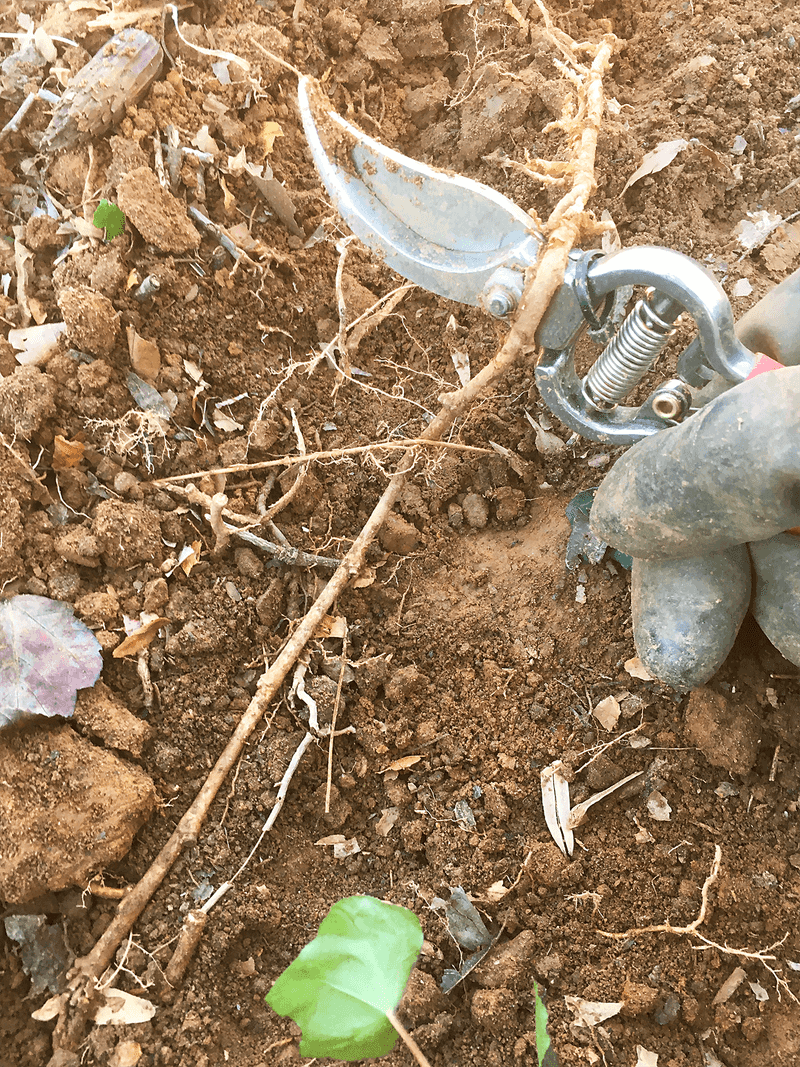
After vines are cut from trees and structures, the ground mat is still there, and that is where the real work begins. Tackling a rooted ivy patch requires a methodical approach and, more importantly, the expectation that you will need to come back.
Start at the outer edge of the patch rather than the middle. Work inward, cutting vines into manageable sections and using a garden fork or trowel to loosen and lift rooted sections from the soil.
Oregon’s ivy pest management guidance recommends minimizing unnecessary soil disturbance as you go, since turning the soil too aggressively can bury viable fragments that will sprout later. Pull as much root as you can reach, but accept that some will be left behind.
Those missed fragments are the reason a return visit is not optional. Check the cleared area every few weeks during the growing season and remove any new sprouts as soon as they appear.
Consistent follow-up over at least one full growing season, and often two, is what separates a successful removal from a temporary setback. OSU Extension’s home landscape ivy guide confirms that regrowth from missed roots is common and that monitoring is an essential part of the process, not an afterthought.
When full removal is not practical right away, regular mowing, string-trimming, or hedge-trimming can keep ivy from climbing and can reduce or prevent flowering and berry production. That is containment, not eradication, and the ivy remains in the ground.
But managed containment is meaningfully better than letting it go unchecked.
Protect yourself during removal. NPS guidance on English ivy notes that ivy sap can cause skin irritation or dermatitis in people with sensitive skin.
Wear long sleeves and gloves, and wash up afterward. Keep children and pets from eating leaves or berries, which can cause illness if ingested.
English ivy is not the same hazard as poison ivy, but it is not a plant to handle casually either.
Dispose of every cutting so it cannot start again
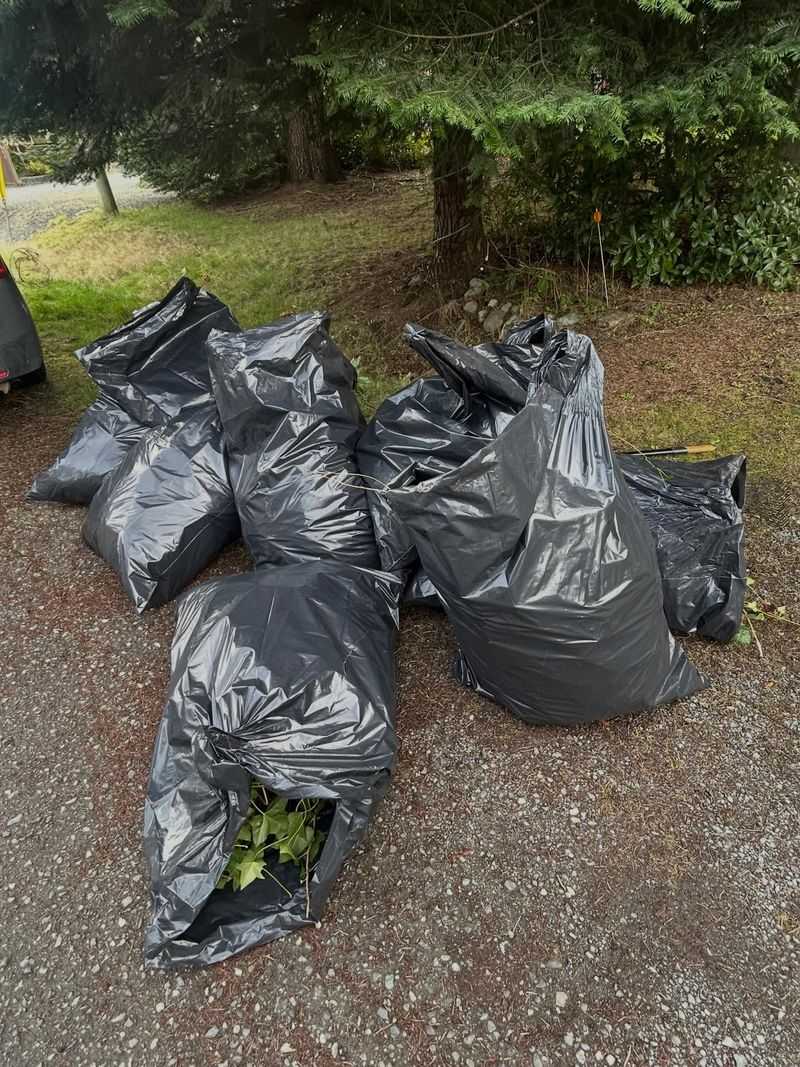
Getting ivy out of the ground is only half the job. What you do with the cuttings afterward determines whether the plant comes back in a new spot.
Do not put ivy roots, stems, or berries into a home compost pile. Viable plant material can survive the composting process in a backyard bin and resprout when the compost is used.
OSU Extension’s removal guidance recommends sending cuttings to a municipal yard-debris composting facility, which processes material at higher temperatures than a home pile. If you need to stage cuttings on-site before pickup, store them roots-up or in sealed bags so they cannot make contact with soil and reroot before collection day.
Check with your local waste hauler or city yard-debris program to confirm what is accepted and when pickups run.
Some situations call for bagging material and sending it to a landfill, particularly if the ivy has berries or if the local yard-debris program does not accept invasive plants. Do not burn ivy cuttings casually in a backyard fire.
Disposal should follow local burning rules, and open burning of yard debris is restricted or prohibited in many Oregon communities.
Physical removal is the lower-risk first option for most home-scale infestations, and it works well for small to moderate patches when followed up consistently. Oregon’s ivy pest resource notes that herbicides can be effective but require careful label compliance, attention to protecting desirable plants, and consideration of runoff risks near waterways.
For large infestations, ivy growing on or around structures, or situations where physical removal is impractical, a licensed pesticide applicator is a reasonable option. Herbicide is a tool, not a shortcut, and it does not eliminate the need for follow-up monitoring.
Choose the fall planting you will still want next year
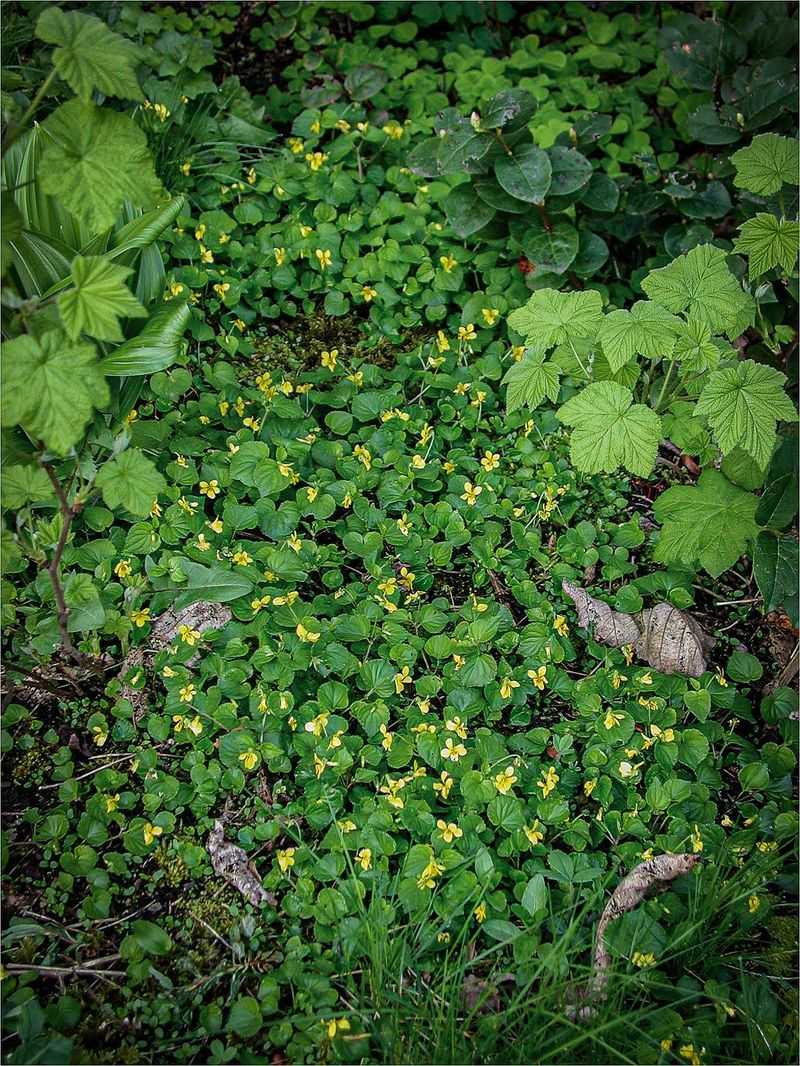
Fall is one of the best planting seasons in western Oregon, and there is no shortage of evergreen ground covers that will fill a shady slope or bare bed without the long-term complications that come with English or Atlantic ivy. Native options like Oregon grape, kinnikinnick, or sword fern establish well in fall rains and support local pollinators and wildlife without the invasive spread.
If you already have ivy on your property, the goal is not a single heroic removal weekend. Start with the steps that matter most: cut the vines away from any trees or structures, clear a buffer zone at the base of trees, and plan your first ground removal session for a cool, overcast day when the soil is moist and workable.
Then schedule a follow-up. OSU Extension’s ivy removal guide is a practical companion for that process, and Oregon’s noxious weed quarantine rule is worth reading if you have questions about what activities are restricted.
The simplest way to avoid years of recurring removal is to skip the ivy purchase this fall. A plant that looks low-maintenance on the tag can quietly become one of the more demanding things in your yard once it roots deeply into Oregon’s wet, mild soil.
Choosing differently now is the kind of decision that feels unremarkable in the moment and genuinely good a few years from now.