This Underrated North Carolina Native Groundcover Reduces Tick Habitat In Shady Side Yards
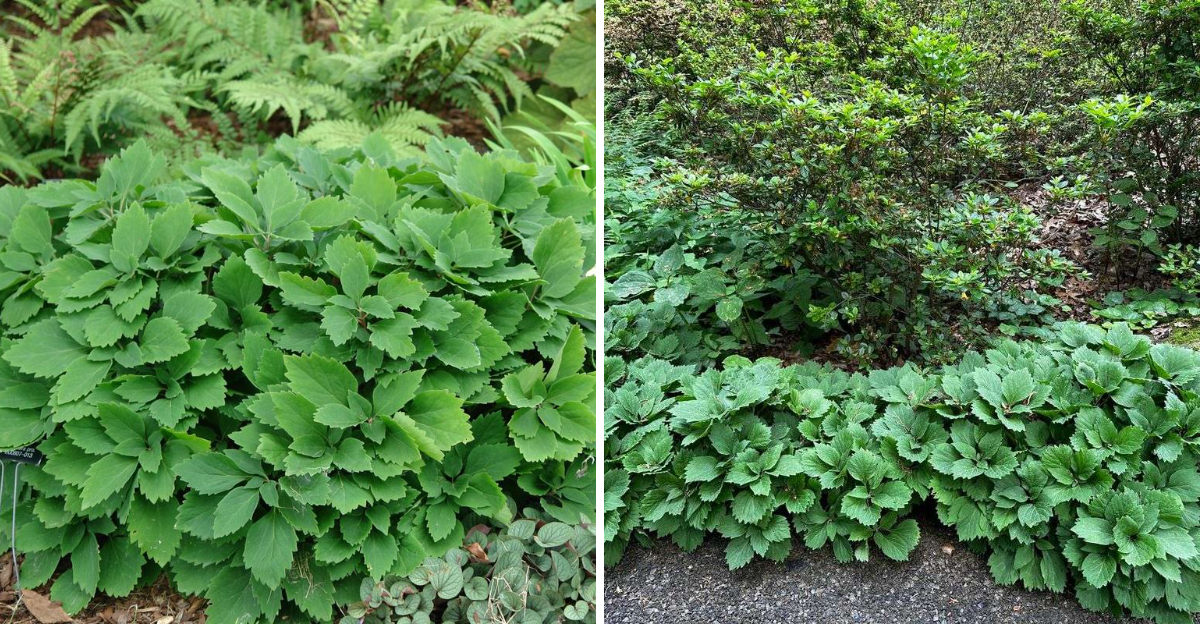
Shady side yards in North Carolina are among the most neglected spaces on a residential property and among the most likely to harbor ticks through the active season.
The combination of low light, inconsistent drainage, and the kind of sparse weedy growth that fills unmaintained shaded ground creates conditions that ticks find genuinely hospitable.
Most ornamental groundcovers either struggle in deep shade or do nothing meaningful to change the underlying habitat conditions that make these spots problematic in the first place.
One native North Carolina groundcover addresses both issues simultaneously, establishing readily in low-light conditions while modifying the moisture retention and ground-level environment that ticks depend on.
For side yards that have been difficult to manage and easy to ignore, this plant offers a practical and lasting solution.
1. The Plant Is Allegheny Spurge
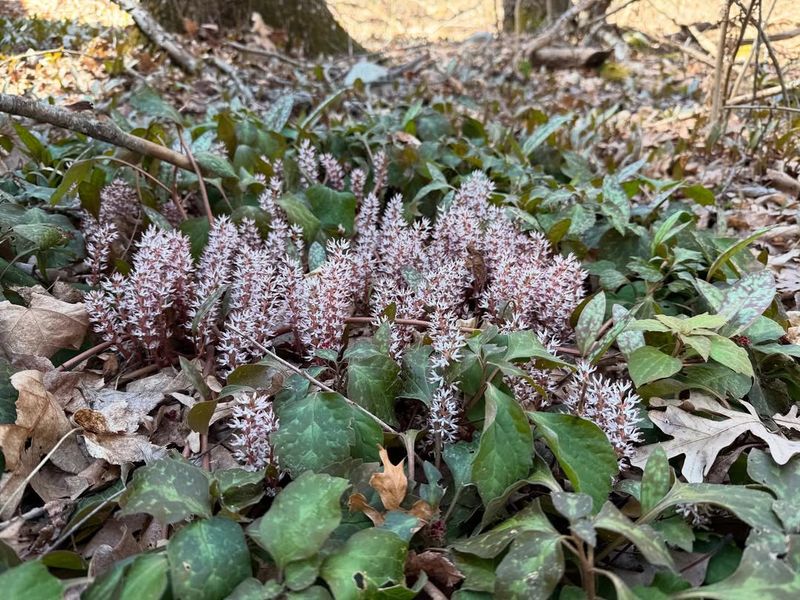
Not every garden hero looks flashy, and Allegheny spurge is proof of that.
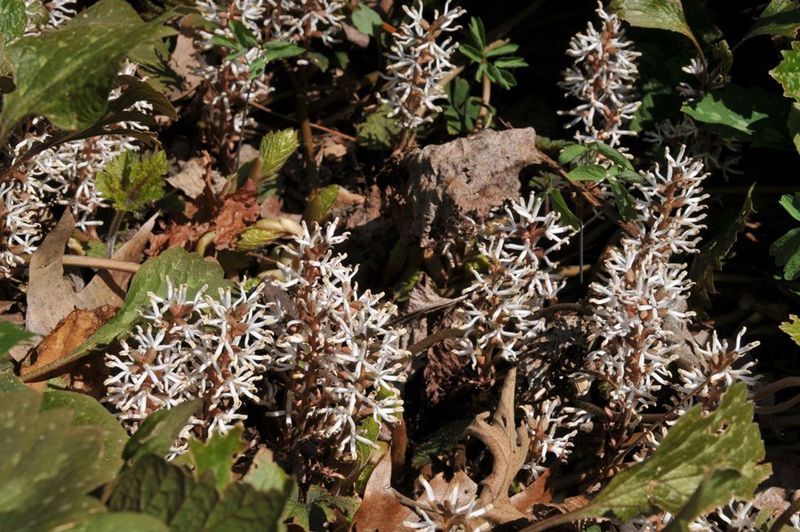
Also known as mountain pachysandra or by its botanical name Pachysandra procumbens, this native plant grows naturally across the southeastern United States, including right here in North Carolina.
It spreads slowly and steadily into a low, dense mat that hugs the ground in shaded spaces where other plants simply refuse to grow.
What makes it especially useful for side yards is its natural preference for shade. Under trees, along fences, and beside shrubs, Allegheny spurge fills in the gaps without growing tall or wild.
It stays low, stays tidy, and over time it replaces the kind of messy ground conditions that ticks love most, like scattered leaf buildup, patchy weeds, and bare open soil.
Worth knowing: Allegheny spurge does not act as a chemical tick repellent. It reduces tick-friendly habitat conditions by replacing clutter with a clean, managed living mat.
That distinction matters for any gardener who wants honest, practical results from a planting. Choosing this plant is a smart, responsible step toward a neater side yard that happens to be less inviting to ticks.
2. It Handles Shade Better Than Turf Grass
Lawn grass has a major weakness: it really struggles in shade. Anyone who has tried to grow turf under a large oak or along a fence-shaded side yard knows the frustration of thin, patchy, yellowing grass that never quite fills in.
No matter how much you water or fertilize it, shade-stressed grass tends to give way to weeds, bare soil, and general messiness over time.
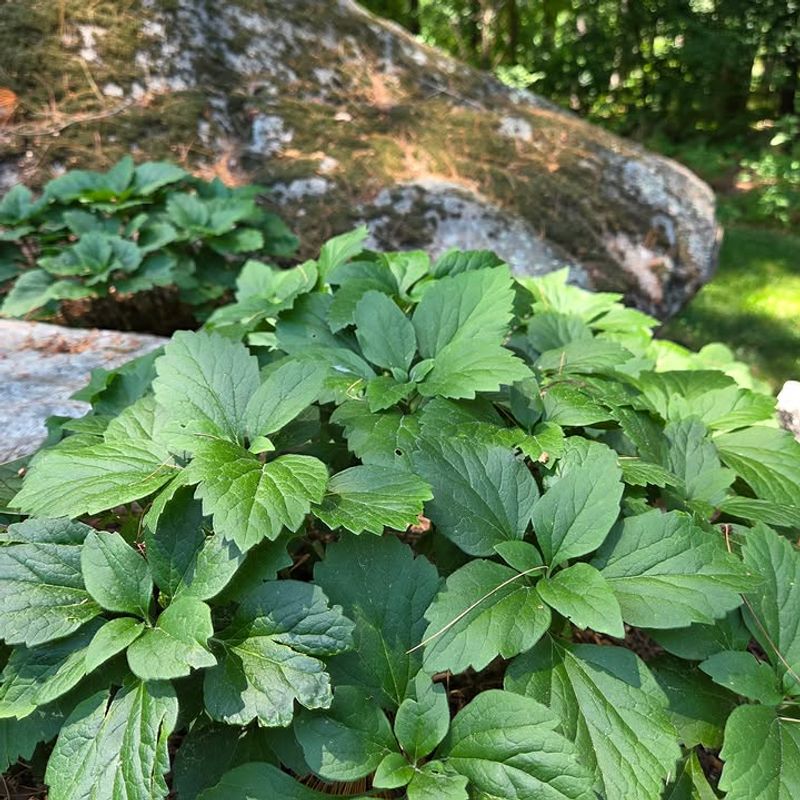
Allegheny spurge steps into exactly those spaces and thrives. It naturally grows under the canopy of trees and shrubs in woodland settings, which means shady North Carolina side yards feel like home to it.
Instead of fighting the conditions, it works with them, spreading gradually to cover the ground with a clean, managed layer of foliage that looks intentional and attractive.
Replacing thin, struggling grass and weedy patches with a native groundcover also makes maintenance much easier. You stop battling a losing fight with turf and start enjoying a planted area that practically manages itself once established.
The side yard goes from being a source of frustration to being a finished, purposeful part of the landscape.
Your North Carolina Garden Changes Every Week. Your Plan Should Too.
Gardening in North Carolina changes quickly throughout the season. Every Friday you’ll receive a simple weekly plan showing exactly what to plant, prune, fertilize, harvest, and protect so you never miss the right timing.
For homeowners in North Carolina dealing with deeply shaded side yards, Allegheny spurge offers a genuinely practical and low-effort solution that turf grass simply cannot match.
3. It Forms A Dense Living Mat
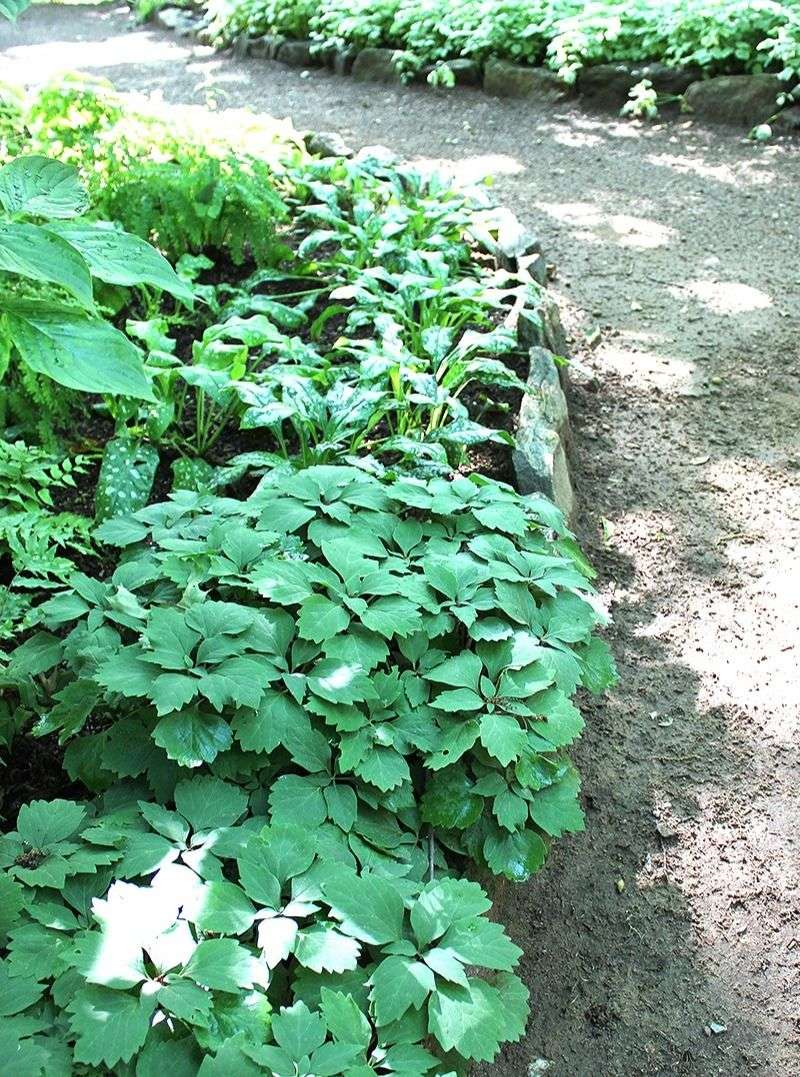
Picture a shady side yard where the ground is fully covered, not with mulch or bare dirt, but with a living green carpet that stays low and looks naturally placed. That is exactly what Allegheny spurge creates over time.
In much of North Carolina, it behaves as an evergreen to semi-evergreen plant, meaning it holds its leaves through most of the year and keeps that tidy, finished look even in cooler months.
The mat it forms is genuinely dense. Leaves overlap and spread outward from each plant, gradually connecting with neighboring plants until the ground layer becomes one continuous cover.
Bare soil disappears. Scattered leaves have less surface area to settle and pile up deeply.
Weedy growth has a harder time pushing through a well-established mat of Allegheny spurge because it simply runs out of open ground to colonize.
Gardeners often underestimate how much visual impact a consistent ground layer makes. A shaded side yard that once looked neglected suddenly reads as a finished garden space when the ground is fully covered with a low native plant.
The mottled, grayish-green foliage of Allegheny spurge adds a subtle texture that feels natural and woodland-inspired rather than stiff or formal. It turns an awkward space into something that looks genuinely cared for and planned.
4. It Is Native, Not Invasive, And Should Be Nursery-Grown
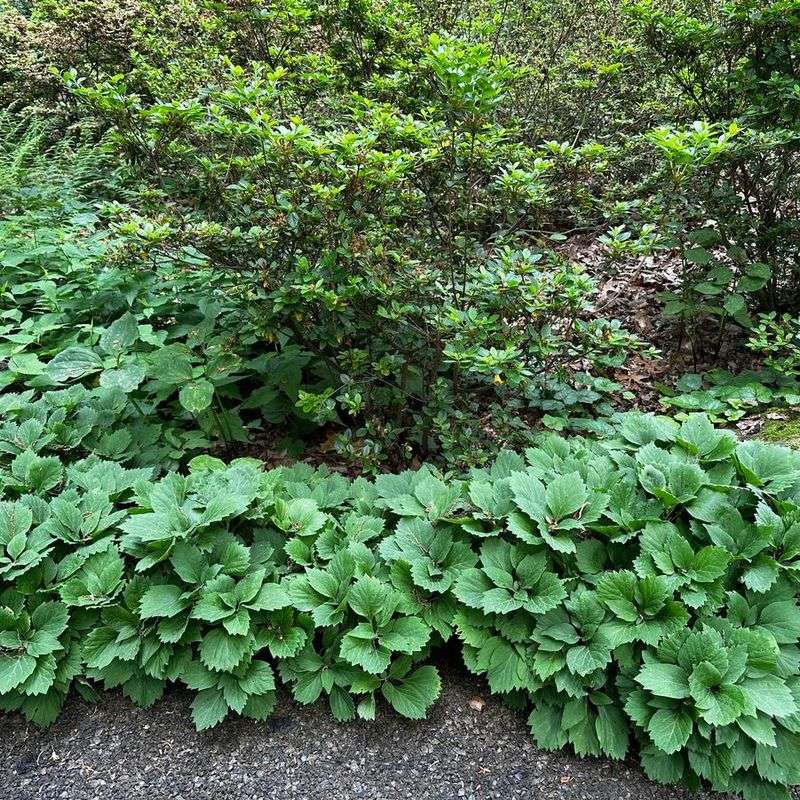
One of the strongest reasons to choose Allegheny spurge over common nonnative groundcovers is its origin.
NC State University confirms that Pachysandra procumbens is native to the southeastern United States, making it a genuinely local plant that belongs in North Carolina landscapes.
Unlike the widely planted Japanese pachysandra, which is nonnative and can spread aggressively beyond garden borders, Allegheny spurge stays where you put it and supports the local ecosystem rather than disrupting it.
Here is a detail that every gardener in the state should know: Allegheny spurge is listed as endangered in North Carolina.
That means wild populations are protected, and collecting plants or seeds from natural areas is not just discouraged but genuinely harmful to the species.
The right way to bring this plant into your yard is to purchase nursery-propagated specimens from a reputable native plant nursery. These plants are grown responsibly and sourced without impacting wild populations.
Choosing nursery-grown stock also gives you healthier, better-established plants that are more likely to succeed in your yard. Wild-collected plants often struggle with transplant stress and may carry soil pathogens.
Buying from a trusted native nursery is better for your garden, better for the local environment, and better for the long-term survival of a beautiful plant that genuinely deserves more attention in North Carolina side yards and wooded edges.
5. It Helps Replace Tick-Friendly Clutter
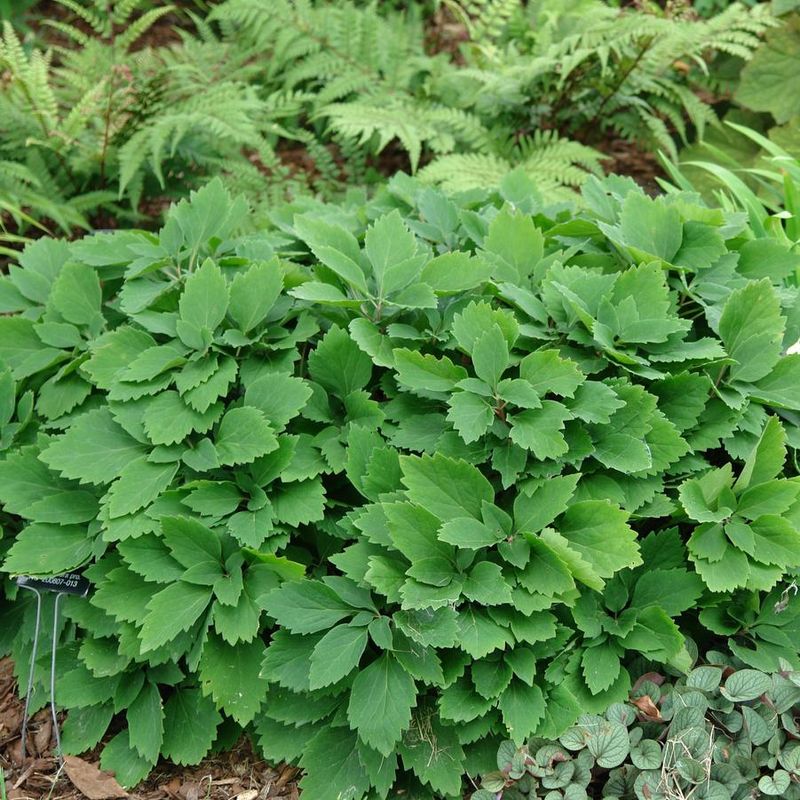
Ticks are not random. They settle in specific kinds of environments, and shady, cluttered side yards check nearly every box on their list.
Humid conditions, deep leaf litter, tall weedy grass, scattered brush, and messy wooded edges all create the kind of microhabitat where ticks wait for a host to pass by.
Understanding that connection is the first step toward making a side yard less tick-friendly. Allegheny spurge helps by replacing exactly the kind of clutter ticks prefer.
A well-maintained planting of this groundcover keeps the soil covered without creating the deep, damp debris piles that ticks shelter in.
Because the plant stays low and dense, it discourages the buildup of leaf litter and weedy growth that would otherwise accumulate in a neglected shady space. The result is a cleaner, more managed ground layer that offers far fewer hiding spots.
Be clear-eyed about expectations here. Allegheny spurge is not a tick-repelling chemical, and no single plant removes every tick from a property.
What it does is change the character of the space from a messy, tick-welcoming environment to a tidy, maintained planting that is simply less hospitable.
Paired with regular leaf removal and brush clearing, a healthy stand of Allegheny spurge makes a meaningful difference in how attractive a shady side yard is to ticks looking for a place to settle.
6. It Works Best With Leaf Cleanup
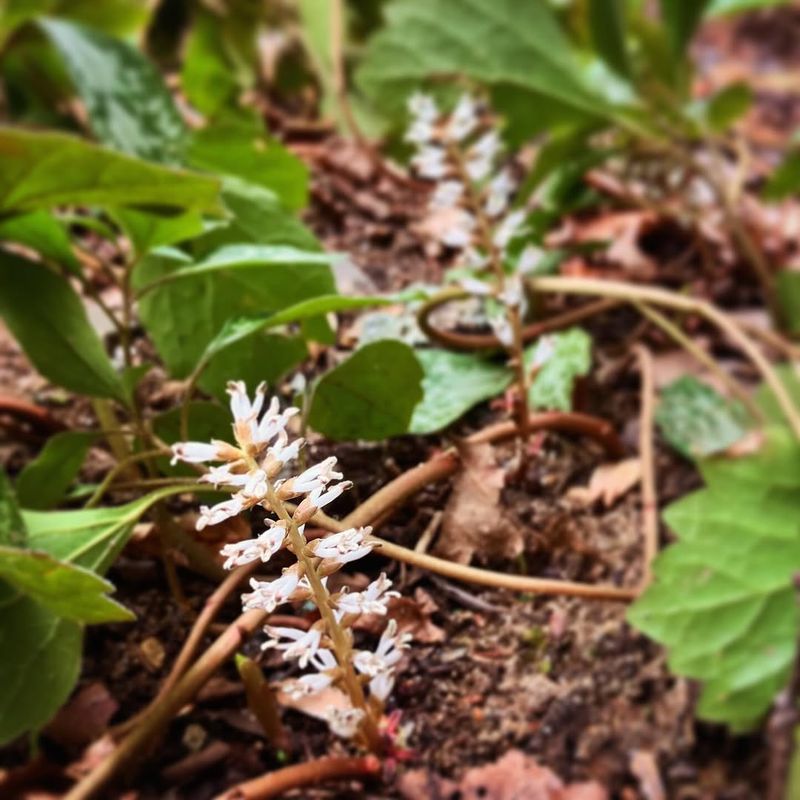
Allegheny spurge is low-maintenance, but low-maintenance does not mean zero maintenance. One thing this plant genuinely needs is a clean environment to grow in.
When heavy leaf piles, sticks, and brush accumulate on top of the planting, the groundcover gets buried and loses the light and air circulation it needs to stay healthy.
More importantly, thick debris piles are exactly the kind of habitat that ticks and other unwanted pests settle into.
The good news is that leaf cleanup in an Allegheny spurge planting is straightforward. A light rake or leaf blower pass in fall and again in early spring keeps the mat visible and free of smothering debris.
You are not trying to strip every leaf fragment from the ground; you are simply preventing the deep, damp piles that create problems. Thin leaf scatter that falls between the plants is generally fine and even adds a little organic matter to the soil as it breaks down.
Think of leaf cleanup as the partner routine that makes the whole system work. The plant provides the living mat.
The cleanup keeps the mat from being buried under conditions that invite ticks back in. Together, they create a side yard that stays tidy, looks intentional, and gives ticks far fewer reasons to set up camp.
A simple seasonal routine is all it takes to keep this native groundcover doing its best work all year long.
7. It Belongs In Moist Rich Shade
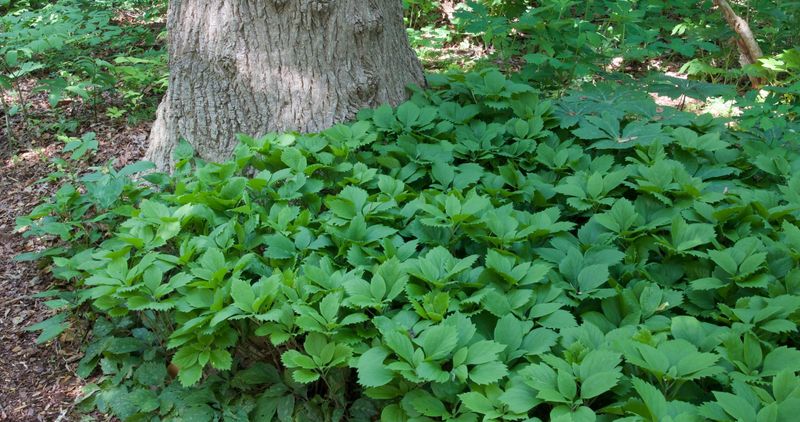
Knowing where to plant something makes all the difference between a thriving garden and a frustrating one.
Allegheny spurge is happiest in moist, rich, woodland-style soil, the kind of ground you find under established trees and shrubs where organic matter has been building up for years.
It naturally grows in the understory of forests, which tells you a lot about the conditions it prefers: filtered light, consistent moisture, and soil that drains well without drying out completely.
In a North Carolina yard, the best spots for this plant are side yards that receive shade through most of the day, especially those that miss the harsh afternoon sun.
Under large trees, along the north or east side of the house, or beside shrub borders are all strong candidates.
If the soil is compacted or sandy, mixing in compost before planting gives the groundcover a much better start and helps it spread more confidently in the first few seasons.
Watering regularly during the establishment period is important. New plants need consistent moisture while their roots are settling in, typically through the first growing season.
After that, an established planting of Allegheny spurge becomes noticeably more self-sufficient, relying mostly on natural rainfall in a typical North Carolina year.
Getting the location and soil right from the beginning sets the plant up for the kind of steady, reliable spread that makes it such a useful groundcover for shaded side yards.
8. It Should Be Paired With A Dry Border Where Needed
Planting Allegheny spurge is a great first step, but in tick-prone side yards that border woods or brushy areas, one plant alone is not the whole answer.
Adding a dry border, a narrow strip of wood chips or gravel, along paths, patios, or lawn edges creates a physical separation between daily-use areas and the shadier, brushier zones where ticks are more likely to be waiting.
That simple barrier makes a real difference in how often ticks cross into the spaces where people and pets spend time.
The logic behind a dry border is straightforward. Ticks avoid hot, dry, exposed surfaces and prefer to stay in cool, humid environments.
A gravel or wood-chip strip that gets direct sun acts as an unfriendly crossing zone that most ticks will not bother navigating.
When you combine that barrier with the clean, managed ground layer of Allegheny spurge on the shaded side, you create a layered system that addresses tick habitat from two different angles at once.
Practically speaking, a dry border does not need to be wide to be effective. A strip of 18 to 36 inches along the edge of a path or lawn boundary is often enough to serve as a meaningful deterrent.
Keep it free of leaf buildup and debris, and it stays effective season after season. Together, the groundcover and the dry border give tick-prone side yards a smart, low-cost design solution that is both functional and easy to maintain.