What Virginia Gardeners Do With Mums After Bloom to Get Them Back Next Year
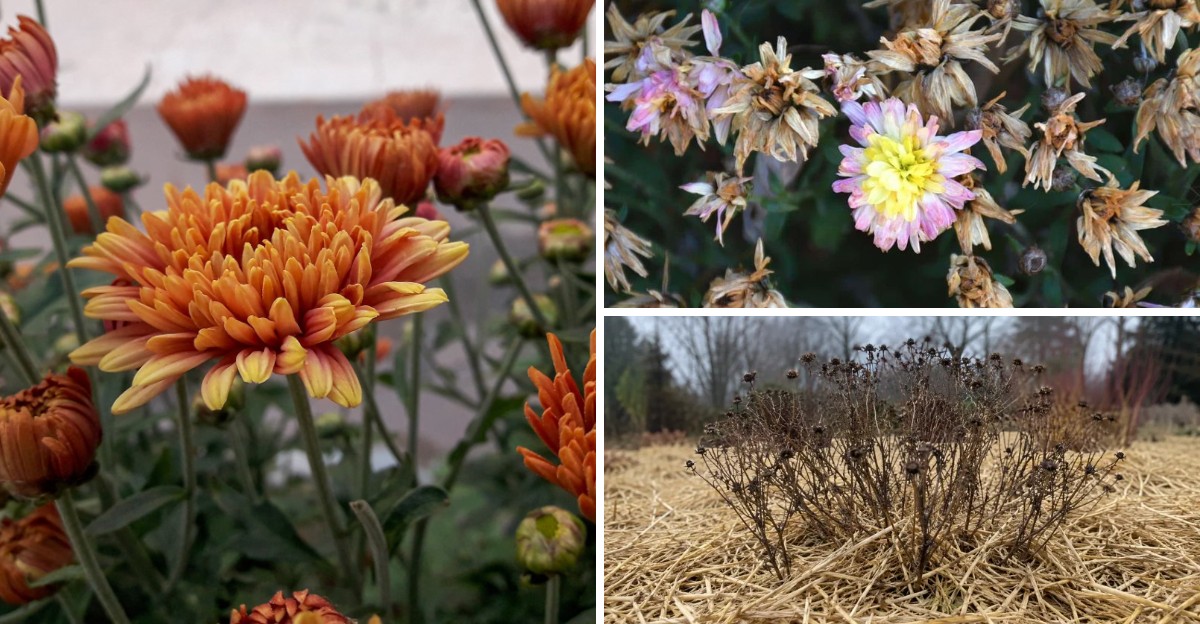
Millions of fall flowers get tossed in the trash each November, and many of them could have bloomed again. Truth be told, I used to be one of those tossers.
The plant in question is a true perennial in most of Virginia. Its roots can handle a USDA zone 6 or 7 winter just fine. The trouble usually starts with how we treat it after the color fades.
In my own yard, I’ve learned that a few small choices in late fall make a huge difference. A pair of pruners, a bag of pine straw, and a little patience did more than any fancy product ever could.
So why do some pots come roaring back while others quietly fade away by spring? The answer is simpler than you might expect, and it starts with what you do this week.
That Faded Mum on Your Porch Might Have More Seasons Left in It

Those brown, crispy flowers fool a lot of people. Underneath, the plant is often perfectly healthy and simply heading into its winter rest.
Garden mums, also called hardy mums, are perennials bred to survive cold winters. Virginia Cooperative Extension notes they handle our climate well, since most of the state falls in USDA zones 6 and 7, with a few cooler mountain pockets and warmer coastal spots.
That range suits these plants nicely.
So why do so many fail to return? Most of the time, the problem is timing.
Mums sold in full bloom in September and October spend their energy on flowers instead of roots. When they go into the ground late, or stay in a small nursery pot, the roots never get a chance to anchor.
If you ask me, the fix starts with a quick check. Look at the base of your plant.
Do you see small green shoots or leafy rosettes hugging the soil? Those little sprouts are the buds of next year’s plant.
Fun fact: chrysanthemums have been grown in China for more than 2,500 years, and they were once reserved for nobility. A plant with that kind of history deserves a second chance.
With a bit of help, your porch decoration can easily become a backyard regular.
Hardy Garden Mums Come Back While Florist Mums Usually Don’t

Here’s a little secret the shopping cart won’t tell you. Not every mum on the store shelf is built for winter outdoors.
Florist mums are the ones in foil wrap or gift pots, often with huge single blooms or spider-shaped petals. Growers raise them for indoor display, and most simply can’t handle freezing weather.
Treat them like a bouquet that lasts a few weeks, and you’ll avoid disappointment.
Garden mums look different. They form a tight, rounded mound covered in small to medium flowers.
Their tags often say “hardy mum” or “garden mum,” and some list a cold zone rating. Those are the plants worth saving.
Once you know which type you have, the plan becomes clear. Hardy mums go into the ground or get winter protection.
Florist mums can stay indoors until they fade, then head to the compost pile without any guilt.
My garden taught me to read the label before falling for the color. A gorgeous bronze bloom means little if the plant can’t make it through January.
Next time you shop, grab mums earlier in the season, ideally in late summer, when they still have tight buds and plenty of time to root before frost.
Picking well at the store is honestly half the battle.
Leave Those Brown Mum Stems Standing Until After a Hard Frost
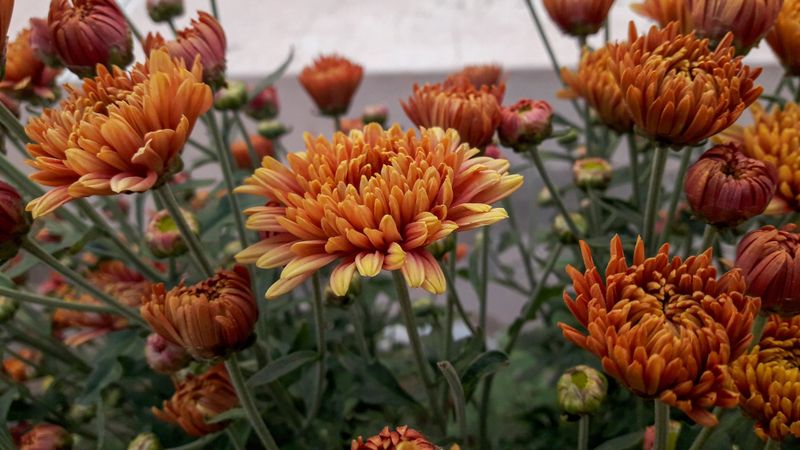
Tidy gardeners, brace yourselves. The messy look is your friend this time of year.
Many Virginia gardeners leave mum stems in place through the first hard frost and often well beyond. The old stems trap leaves and snow, which forms a natural blanket over the crown.
That crown is where next spring’s shoots wait, so shielding it matters a lot.
Some extension experts even suggest leaving the stems up all winter. Research on garden mums has shown that plants left unpruned until spring often survive better than ones cut back early in fall.
The standing growth seems to give that extra bit of insulation in a cold snap.
If the tangle bothers you, there’s a middle ground. Wait until after a hard frost, usually somewhere from late October in the mountains to late November near the coast.
Then trim the stems to about 4 to 6 inches tall, leaving short stubs over the crown.
Either way, skip the urge to cut everything flat to the soil in early fall. Fresh cuts can push tender new growth that cold weather quickly damages.
Funny thing is, the lazy approach works beautifully here. Sometimes the best gardening move is simply putting the pruners back in the shed for a few more weeks.
A Fluffy Layer of Pine Straw Keeps Mum Roots Snug All Winter

Virginia winters are famous for their mood swings. One week brings a deep freeze, and the next feels almost like spring.
Those wild swings cause trouble for mums. When soil freezes and thaws over and over, it can push shallow roots right out of the ground.
Gardeners call this frost heaving, and exposed roots dry out fast in winter wind.
Mulch solves most of that headache. After the ground has cooled, spread a loose layer about 3 to 4 inches deep around and over the plant’s crown.
Pine straw is a classic choice across the state, and it’s cheap and easy to find. Shredded leaves, clean straw, or evergreen boughs from a holiday tree work well too.
Choose something light and airy. Heavy, matted mulch can hold too much moisture against the crown, and that invites rot.
You want a cozy quilt, not a soggy wet towel.
Timing matters a bit. Mulching after the soil gets cold helps keep it at a steady temperature, instead of locking in warmth that might trick the plant into growing.
In my own yard, I check after big storms and fluff the mulch back into place. Takes thirty seconds, and the roots stay tucked in until spring.
Soggy Soil Hurts Sleeping Mums More Than a Cold Snap

Cold gets all the blame, but wet feet cause plenty of winter losses. Mums sitting in waterlogged clay often rot long before freezing weather could hurt them.
Much of Virginia’s Piedmont is known for heavy red clay that holds water like a sponge. If that sounds like your yard, plant mums on a slight mound or in a raised bed.
Working in some compost also helps water drain away from the roots.
Watering still has a role, though. Keep giving your mums a good drink through fall until the ground starts freezing, especially during dry spells.
Plants going into winter well hydrated handle stress better.
Once the plants go dormant, back off. Winter rain and snow usually supply enough moisture.
During a long dry, mild stretch, a light watering on a day above freezing can help, but don’t overdo it.
A quick test makes this easy. Push a finger a couple of inches into the soil.
Dry and dusty means a small drink is fine, while cold and muddy means leave it alone.
I believe drainage is the most overlooked part of mum care. Choose the right spot from the start, and you’ll save yourself a lot of spring heartbreak.
Potted Mums Can Snooze the Winter Away in an Unheated Garage
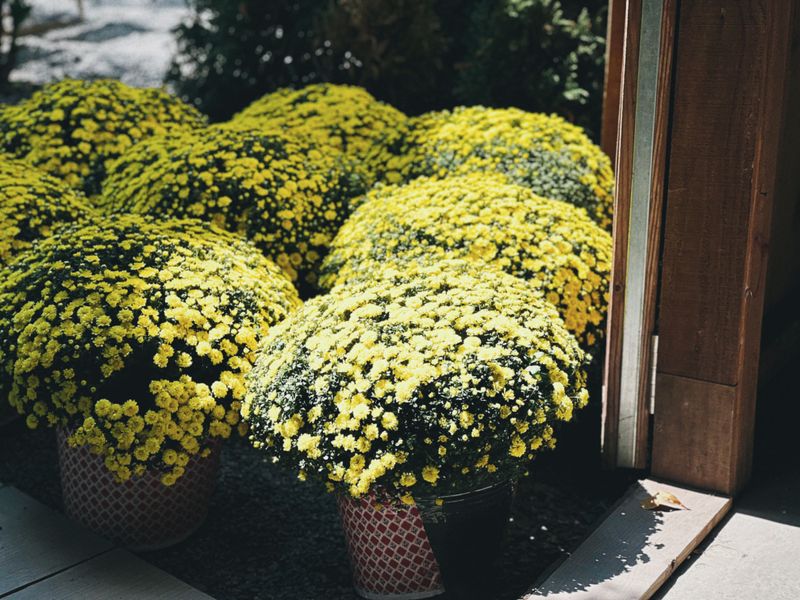
Bought your mums in October and never got them planted? No shame here, it happens in my house almost every year.
Containers leave roots far more exposed than garden soil does. A pot sitting on a cold porch can freeze solid, and that often spells trouble.
Moving it somewhere sheltered gives the plant a much better shot.
An unheated garage, shed, or cool basement works nicely. Aim for a spot that stays cold but mostly above freezing, roughly 32 to 50 degrees.
A cold frame is another great option if you have one.
Before moving the pots, trim the stems down to a few inches. The plant doesn’t need light much while dormant, though a dim window doesn’t hurt.
Check the soil every few weeks. If it feels dry, add just a splash of water.
Barely moist is the goal, since soggy soil in a cold room leads straight to rot.
Another trick for milder parts of the state is sinking the whole pot into the ground and mulching over it. The soil insulates the roots almost like planting it outright.
When spring arrives, ease the pots back outside, then plant them in the garden once frost danger passes.
Spring Pinching Turns Last Year’s Mums Into Bushier Fall Mounds

April is when the payoff starts showing. Tiny green shoots pushing up through the mulch are proof all that fall effort worked.
Once the danger of hard frost passes, usually early to mid-April in much of Virginia, pull the mulch back from the crown. That lets the soil warm and gives new growth room to breathe.
Snip off any old stems you left standing over winter.
Spring is also the ideal time to divide crowded clumps. Extension specialists suggest dividing mums every two to three years.
Dig up the plant, keep the healthy outer sections, and toss the woody center.
Then comes the fun part. When shoots reach about 6 inches tall, pinch off the top inch or so with your fingers.
Each pinch makes the stem branch out, which means more flowers later.
Repeat every few weeks as the plant grows. Most Virginia gardeners stop pinching around early to mid-July, so flower buds have time to form before fall.
Pinching too late can delay blooms past the first frost.
A light feeding of balanced fertilizer in spring helps too. By September, you’ll have a full mound of color that came back on its own, and that feels pretty great.