Deer Eating Your Georgia Shrubs And Garden? You Won’t Qualify For This Damage Permit
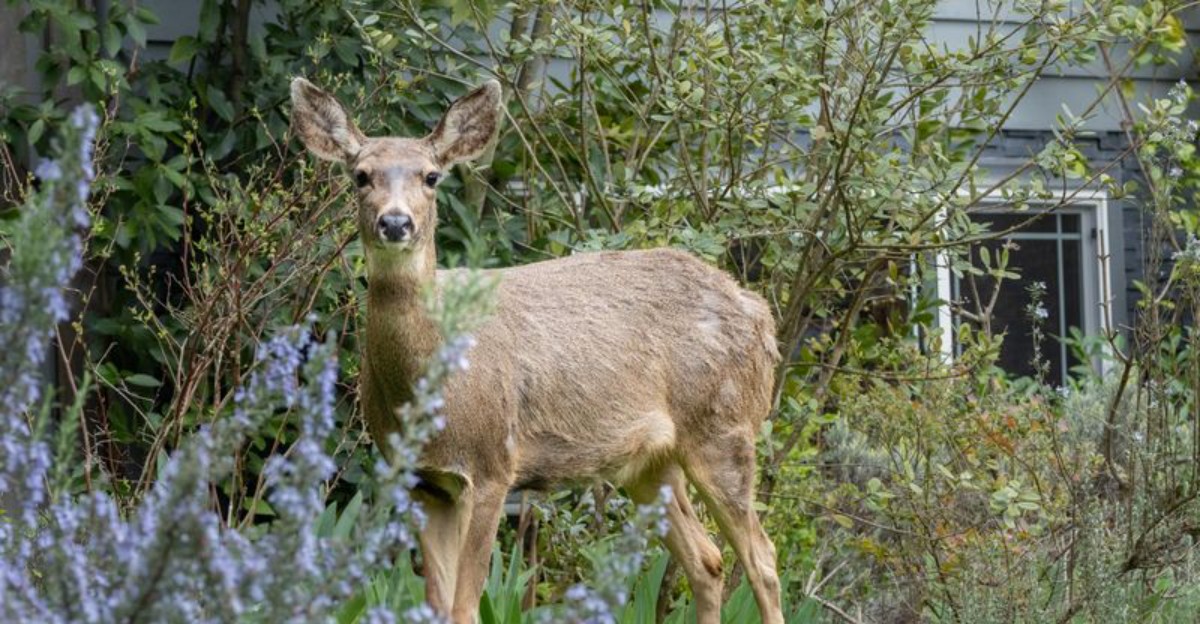
Even a deer can clear a seven-foot fence from a standstill. I learned that fact the hard way, staring at a row of hostas chewed down to sad little nubs.
Georgia does hand out special permits for deer causing damage. You’d think a backyard full of wrecked azaleas would count, right?
I believe most of us assume the state has a quick fix tucked away somewhere. You fill out a form, someone sends help, and your roses live to bloom another day.
The real rules are far stricter than that, and they were written with a very different kind of grower in mind.
Home gardeners dealing with hungry deer may not qualify for those special permits, but that doesn’t mean their shrubs are defenseless. Plenty of proven tricks still work, and some of them cost less than a bag of mulch.
Your shrubs might have a fighting chance after all.
1. That Deer Damage Permit Was Built For Farm Fields, Not Flower Beds
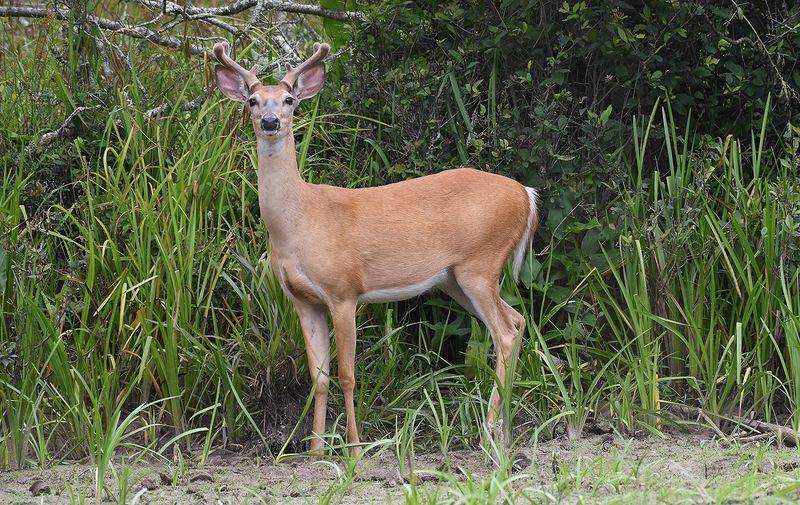
Farmers growing soybeans, peanuts, or cotton can lose serious money when deer graze their fields. That’s the problem the state’s deer damage permit was created to solve.
The Georgia Wildlife Resources Division issues these permits for commercial agricultural crops. According to state guidance, a landowner generally needs at least three acres of commercial crops to be considered.
A wildlife biologist or ranger typically inspects the property to confirm real crop loss before anything gets approved.
Backyard gardens, ornamental shrubs, and landscape trees do not fit that definition. Your prized hydrangeas may feel priceless, but they are not a market crop.
Even a large vegetable patch that feeds your family usually falls outside the rules.
I understand the frustration here. It stings to learn that the one official tool for deer trouble isn’t meant for you.
The reasoning makes sense, though. Shooting deer near homes raises safety concerns, and the permit is meant for cases where losses threaten someone’s income.
If you do run a small farm or market garden, call your regional Wildlife Resources Division office. Rules can be updated, so getting current details straight from the agency is your smartest move before assuming anything either way.
2. A Tall Deer Fence Still Beats Every Other Fix
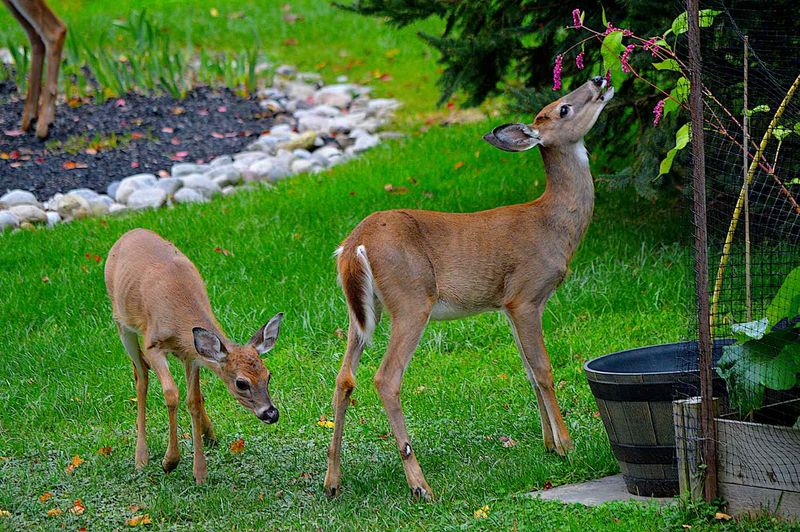
Ask any extension agent what stops deer best, and you’ll hear one word. Fencing.
Deer can leap seven to eight feet from a standstill, so an eight-foot barrier is the standard recommendation for serious protection. A six-foot fence may slow down a casual visitor when food is plentiful.
A hungry deer in late winter, however, will often sail right over it.
The bottom matters as much as the top. Deer will happily squeeze under a loose edge, so anchor the fence firmly to the ground with stakes.
Material choice plays a role too. Heavy woven wire or sturdy metal mesh lasts for years.
Lightweight polypropylene netting costs less, but a startled deer running into it can tear right through.
Personally, I like black mesh because it fades into the background. From the porch, you mostly see your plants instead of a cage.
Check your city or HOA rules before building, since many neighborhoods limit fence height. A quick phone call can save you from tearing down your hard work later.
If tall fencing isn’t allowed, keep reading for clever workarounds that use shorter heights.
3. Double Rows And Slanted Fences Confuse A Jumping Deer
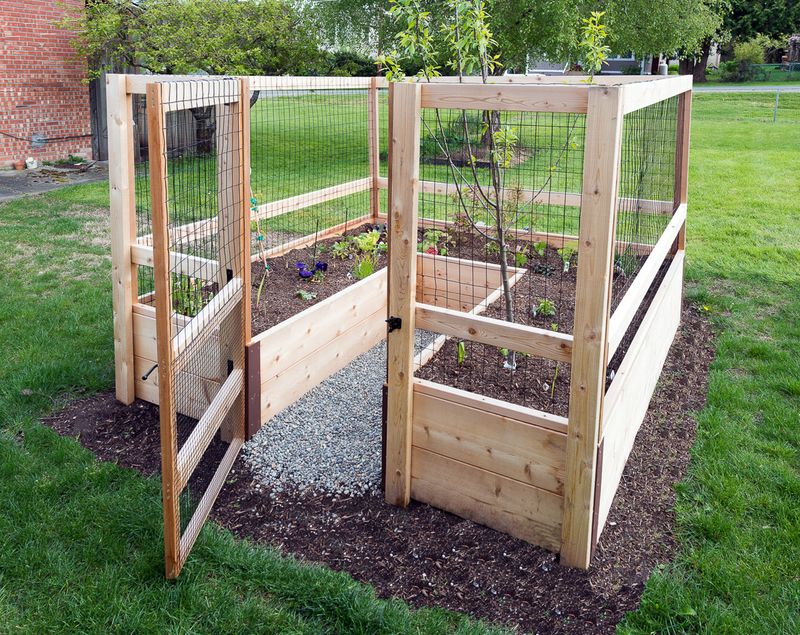
Here’s a fun quirk of deer behavior. They are excellent high jumpers but poor long jumpers, and they dislike leaping when they can’t judge a safe landing.
Gardeners can use that weakness. One option is building two parallel fences about four feet tall, spaced roughly four feet apart.
To a deer, that gap looks like a trap, so many simply walk away.
A slanted fence works on the same idea. Set it about five to six feet high, tilted outward at around a 45-degree angle.
The deer approaches, sees a wide, awkward obstacle, and usually gives up.
These designs are handy in neighborhoods where tall fences are restricted. They also feel less like a fortress around your yard.
I’ll admit the double fence takes up space. You lose a strip of ground between the rows, though some folks plant low herbs there.
Keep both lines tight and in good repair. A sagging section gives deer an easy spot to test.
Walk the perimeter after storms, since fallen branches can flatten wire and open a doorway overnight.
4. Rotten Egg Sprays Make Hostas Taste Terrible
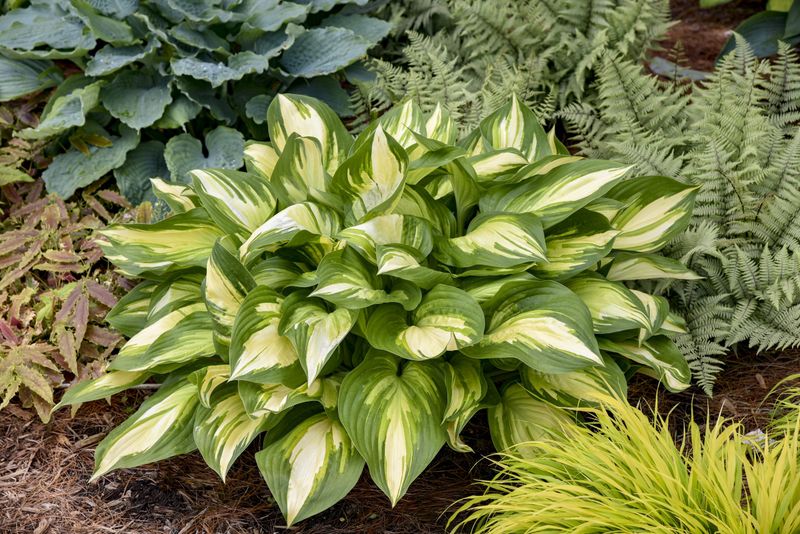
Nothing says romance like a gallon of rotten eggs. Deer find the smell offensive, and that’s exactly why it works.
Odor-based repellents with putrescent egg, garlic, or predator urine tend to outperform taste-only products. The Georgia DNR has shared a simple homemade recipe.
Mix four to six raw eggs into a gallon of water and spray it directly on your plants.
Some gardeners create a stronger blend using eggs, water, liquid soap, garlic, cayenne pepper, and hot sauce. Strain it well so it doesn’t clog your sprayer.
Test any homemade mix on a few leaves first to check for burn.
Timing is everything with repellents. Reapply at least once a month and again after every heavy rain.
Fresh new growth also needs a coat, since unsprayed leaves are fair game.
Deer get used to one scent over time. Rotating between an egg product and a garlic-based spray keeps them guessing.
Skip egg-based repellents on vegetables and herbs you plan to eat. Save them for hostas, azaleas, and other ornamentals.
Your nose will thank you for spraying on calm, cool mornings, too.
5. Azaleas, Roses, And Pansies Are Basically A Deer Buffet

Deer aren’t picking on you personally. They are hungry opportunists, and a well-watered, fertilized yard looks like a five-star salad bar.
Some plants top their wish list. Hostas, pansies, roses, tulips, daylilies, clematis, and azaleas get hit again and again.
Tender new shoots are especially tempting because they’re soft and packed with nutrients.
Late winter and early spring tend to bring the worst damage. Natural food in the woods runs low, while your garden is just waking up with fresh growth.
Knowing their favorites helps you plan. Protect high-risk plants first instead of spraying everything in sight.
I keep my pansies in containers on the deck, where deer rarely venture.
Look for clues to confirm deer are the culprits. Deer lack upper front teeth, so they tear leaves and leave ragged, uneven edges.
Rabbits make clean, angled snips, usually closer to the ground.
Hoofprints in soft soil and small pellet droppings are other giveaways. Once you know who’s visiting, you can choose the right defense.
That saves money and frustration, especially if you’d otherwise buy rabbit fencing that a deer could simply step over.
6. Fuzzy, Fragrant, And Prickly Plants Usually Get Skipped
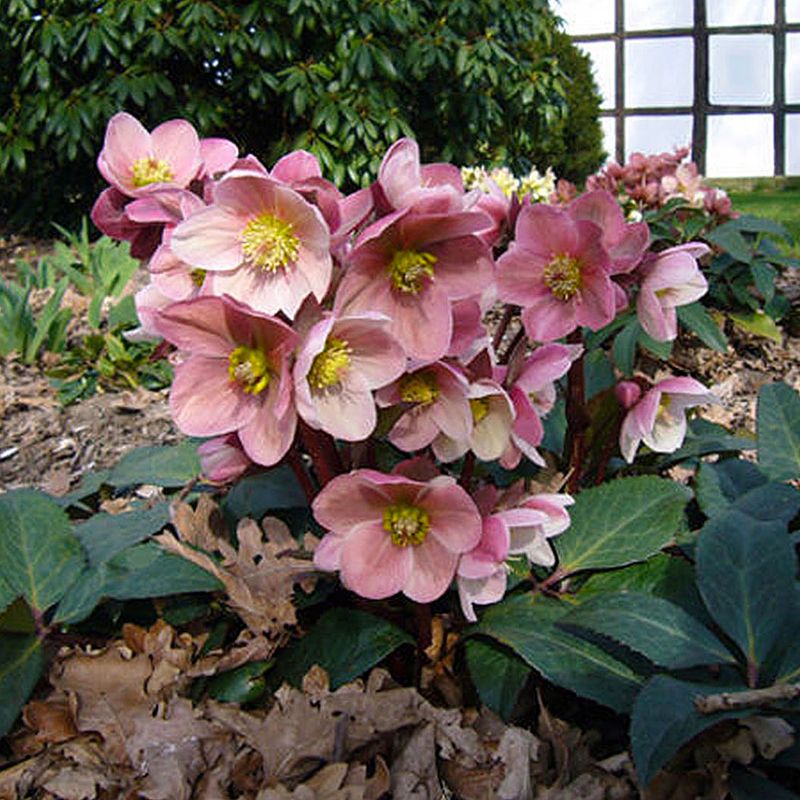
Smell a sprig of rosemary and you’ll understand why deer turn up their noses. Strong scents, fuzzy leaves, bitter sap, and prickly textures all make plants less appealing.
No plant is truly deer-proof. Still, many are reliably deer-resistant across much of Georgia.
Good options include Lenten rose, daffodils, rosemary, lavender, yarrow, lamb’s ear, coneflowers, and ornamental grasses.
For shrubs, consider hollies, junipers, abelia, boxwood, and loropetalum. Native picks like wax myrtle and American beautyberry also hold up well and support local wildlife.
One caution worth repeating. Skip nandina, even though it often appears on deer-resistant lists, because it is invasive in the Southeast and its berries can harm birds.
Choose native alternatives instead.
Lavender can struggle in heavy, humid clay, so plant it in raised beds with sharp drainage. Coastal and mountain gardeners should match picks to their own conditions.
I like using these tough plants as a living border. Tuck your tastier favorites behind them, and deer often lose interest before reaching the good stuff.
A desperate deer may still nibble, so pair this approach with another method.
7. Motion Sprinklers Give Midnight Deer A Wet Surprise
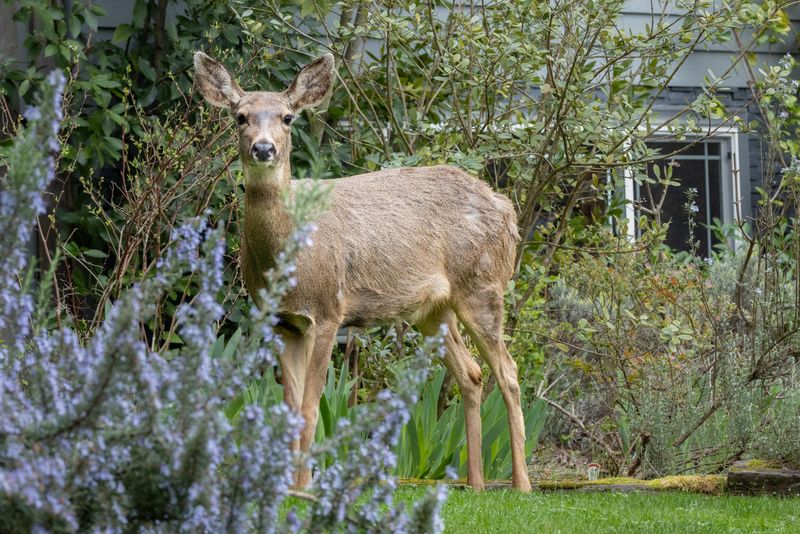
A sudden blast of cold water is startling for anyone. Deer are no exception.
Motion-activated sprinklers detect movement and fire a quick burst of spray. For a deer exploring your yard for the first time, that surprise can send it bounding back into the trees.
Motion-triggered lights can startle nighttime visitors in a similar way.
These gadgets work best as short-term helpers. Deer learn quickly, and once they realize the water causes no harm, many return.
Moving devices every few days keeps the surprise fresh.
Garden layout helps too. Deer tend to avoid busy areas near people, so plant your most tempting shrubs close to the house, patio, or driveway.
A barking dog in a fenced yard adds another layer of caution.
Dense, mixed plantings also hide minor browsing. A few nibbled leaves blend in rather than standing out.
Remember to turn sprinklers off during freezing nights so lines don’t crack. I also warn guests, because nobody enjoys an unexpected shower on the way to the front door.
Combining scare tactics with repellents or fencing gives the most lasting results.
8. Young Tree Trunks Need Armor Before Bucks Start Rubbing
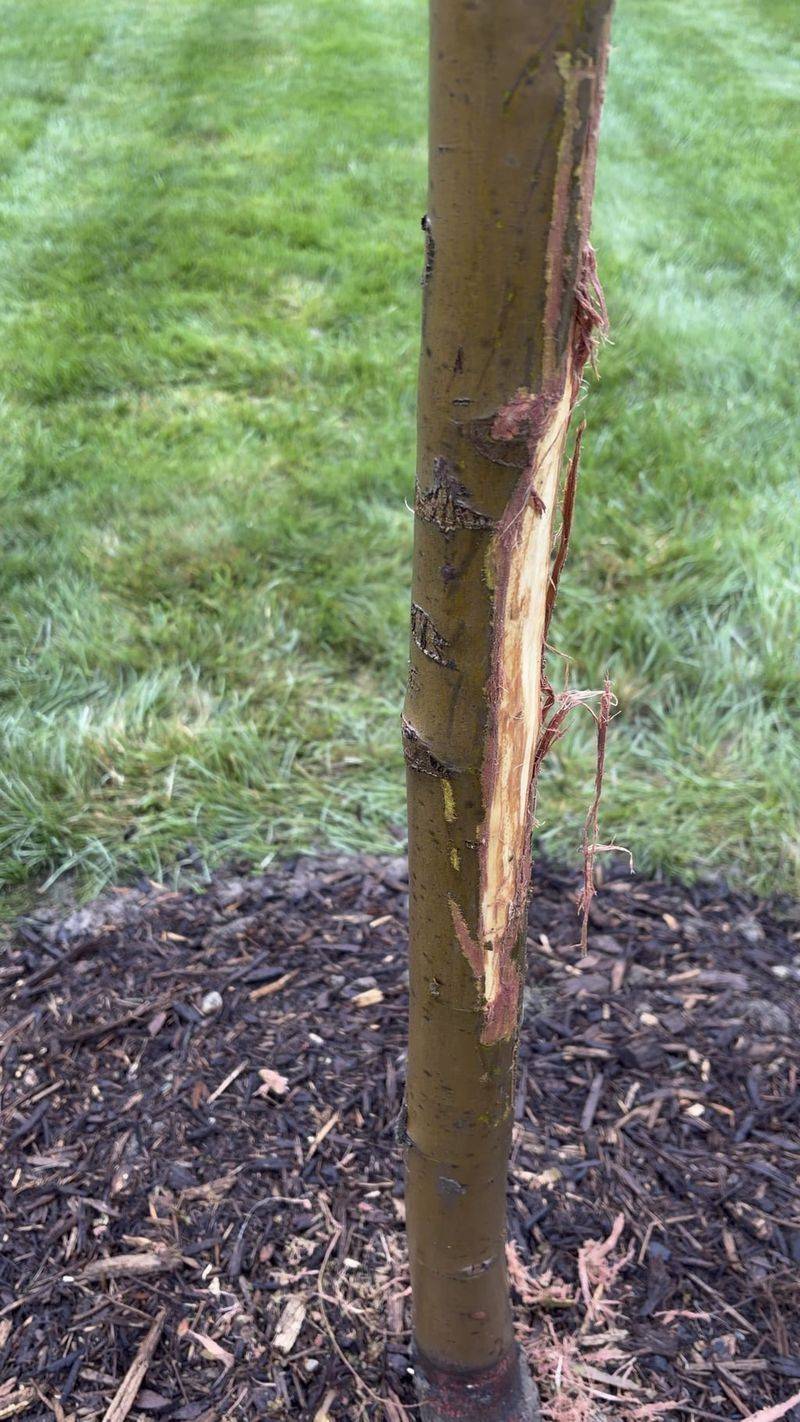
Chewed leaves aren’t the only trouble. In fall, bucks rub their antlers on young trees to shed velvet and mark territory.
Thin trunks about the width of a broom handle up to a few inches across are favorite targets. A hard rub can strip bark all the way around, called girdling.
That cuts off the tree’s flow of water and nutrients, and it may not recover.
Rubbing season in Georgia generally runs from late summer through the fall rut, though timing varies by region. Getting protection in place early is the smart play.
Plastic tree guards, corrugated tubes, or a simple cage of wire mesh around the trunk work well. Set the barrier a few inches away from the bark so air can circulate.
Stake it firmly so a buck can’t push it aside.
Remove or loosen guards as the tree grows, since tight wraps can cause their own damage.
So here’s my takeaway. You may not qualify for a permit, but layered defenses really do work.
Fence what you can, rotate repellents, choose tougher plants, and guard young trees. Your garden can thrive alongside its four-legged neighbors.