Georgia Ground Covers That Work Better Than Bark Mulch Around Trees
Few landscaping jobs seem as simple as filling the space beneath a tree. Then reality takes over.
Grass starts thinning, weeds begin popping up, and the area never quite looks as finished as the rest of the yard. What should be one of the easiest parts of the landscape often becomes one of the most frustrating.
Many homeowners keep trying to improve that spot because it sits in plain view every day. Fresh mulch can make a big difference at first, but the effect rarely lasts as long as hoped.
Before long, the same area is back on the weekend to do list.
Meanwhile, certain yards seem to have figured something out. The ground beneath their trees looks full, established, and naturally connected to everything around it.
Nothing appears forced or temporary. Georgia has plenty of landscapes like that, and once you notice them, it becomes difficult not to wonder what they are doing differently.
1. Lyreleaf Sage Covers Soil With Compact Rosettes
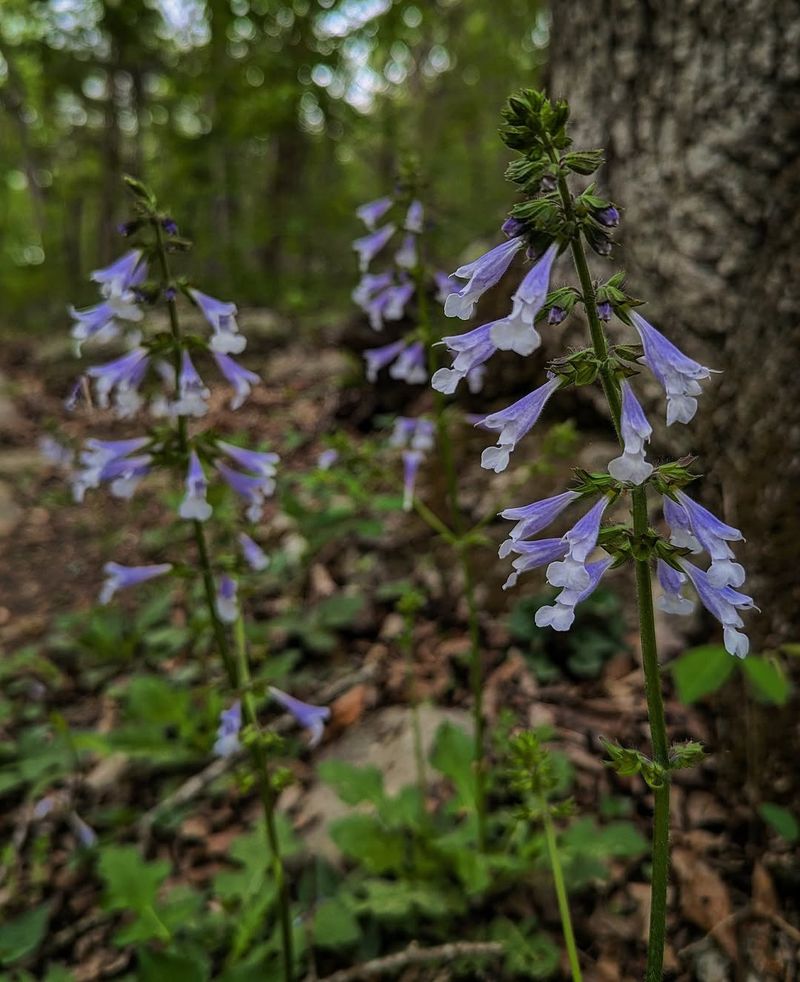
Most gardeners walk right past lyreleaf sage without recognizing it. Once you know what it does for tree beds, that changes fast.
It forms flat, textured rosettes that hug the ground tightly. Those rosettes prevent erosion, block weed seeds from settling, and keep soil from drying out between rain events.
No mulch required.
Small blue flower spikes appear in early spring and attract native bees before most other plants even wake up. After blooming, the foliage stays green and dense well into summer.
Lyreleaf sage is a native wildflower across much of the Southeast. It reseeds itself gently, filling in bare patches without becoming aggressive or taking over surrounding areas.
Dry, poor soil is not a dealbreaker for this plant. It actually performs better in lean conditions than in rich, amended beds, which makes it ideal beneath mature trees where roots dominate the top layer of soil.
Space transplants about ten inches apart. Natural spreading handles the rest over time.
Avoid overwatering once established since this plant prefers things on the drier side.
Maintenance is almost zero after the first season. No raking, no replenishing, no hauling.
Just a living layer of textured green that keeps tree roots protected and the soil stable through heat and rain.
Its low-growing habit also makes it easy to combine with other shade-tolerant natives without competing for height or visual space.
2. Robin’s Plantain Fills Shaded Openings Naturally
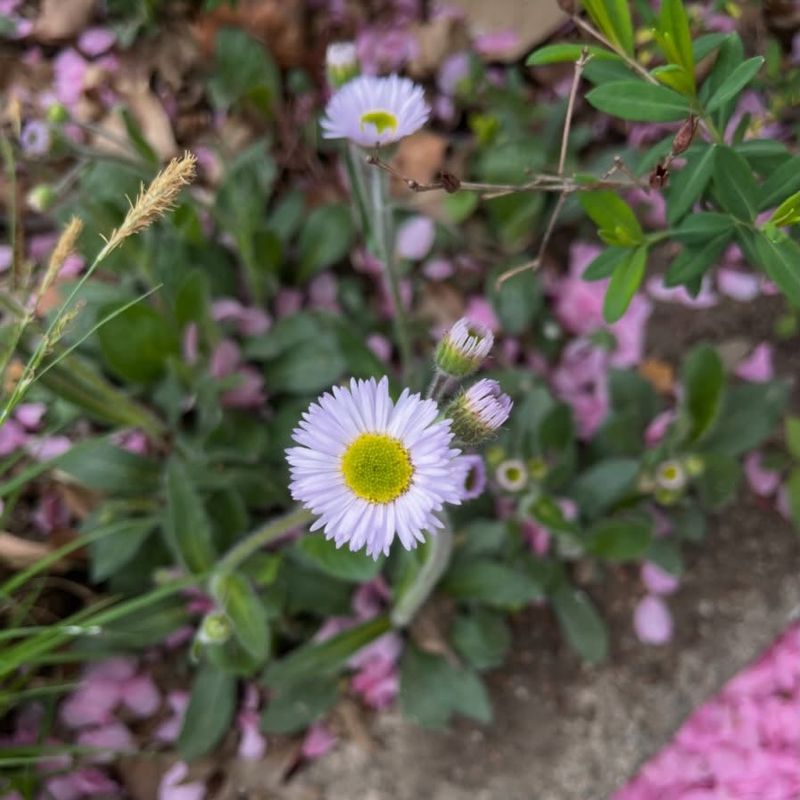
Robin’s plantain looks like a wildflower that wandered in from the woods, which is basically what it did. Under trees where grass refuses to grow, this plant finds its footing with ease.
Pale lavender blooms appear in late spring and sit just above the foliage on slender stems. The flower display lasts several weeks and provides early season food for small pollinators.
After blooming, the basal leaves remain flat and green. They spread slowly outward, covering soil gaps without smothering each other or competing aggressively with tree roots.
Shade tolerance is strong with this plant. Dappled light under a canopy is ideal, but it also manages in fairly deep shade where other ground covers tend to thin out or look patchy.
Your Georgia Garden Changes Every Week. Your Plan Should Too.
Gardening in Georgia changes quickly throughout the season. Every Friday you’ll receive a simple weekly plan showing exactly what to plant, prune, fertilize, harvest, and protect so you never miss the right timing.
Soil conditions matter less than you might think. Robin’s plantain adapts to clay, sandy loam, and rocky ground.
Drainage is the one thing it does care about, so avoid spots that stay waterlogged after rain.
Plant it in informal clusters rather than straight rows. It fills openings more naturally that way and looks like it belongs rather than planted.
In the Southeast, that naturalistic look suits woodland gardens perfectly.
No fertilizer needed. Minimal watering once roots settle in.
Just let it do what it naturally does, which is fill space, protect soil, and look good doing it.
3. Creeping Phlox Forms A Dense Woodland Mat
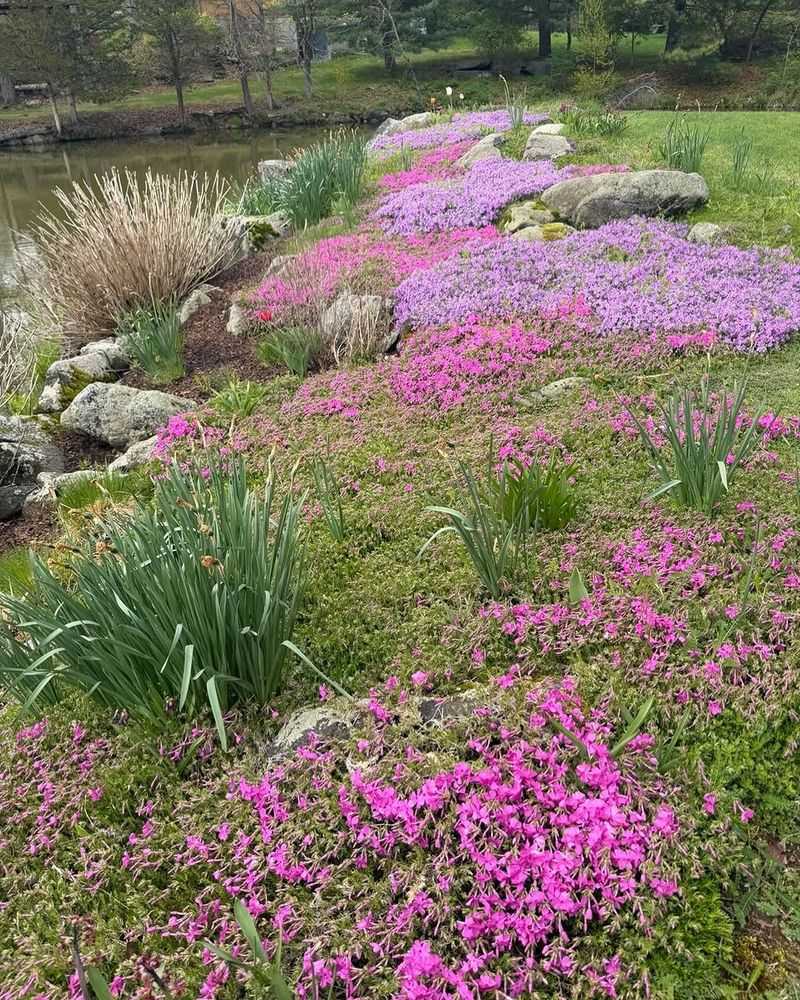
When creeping phlox blooms in spring, it stops people in their tracks. A carpet of pink, white, or lavender flowers covering the ground under trees is hard to ignore.
Beyond the looks, this plant earns its place through sheer practicality. It forms a dense, weed-blocking mat that holds moisture and stays evergreen through mild Southern winters.
Creeping phlox spreads by layering, meaning stems root where they touch the ground. Over two to three seasons, a small planting expands into solid coverage without needing division or replanting.
It handles dry spells better than most people expect. Once established, it rarely needs supplemental watering unless conditions get extreme.
Root competition from large trees does slow growth slightly, so patience helps in heavily rooted areas.
Full sun to partial shade works well. Under open canopies with filtered light, it performs strongly.
Dense, dark shade tends to reduce blooming, though foliage coverage usually remains decent.
Plant divisions about twelve inches apart in fall or early spring. Mulch lightly between plants the first season to retain moisture while roots settle.
After that, the mat itself handles moisture retention.
Deer browse it occasionally in rural areas, so that is worth keeping in mind. Overall, creeping phlox offers seasonal color, year-round coverage, and very low ongoing maintenance under established trees.
A light trim after flowering can help keep the planting dense and encourage fresh growth for the rest of the season.
4. Running Cedar Creates Evergreen Coverage
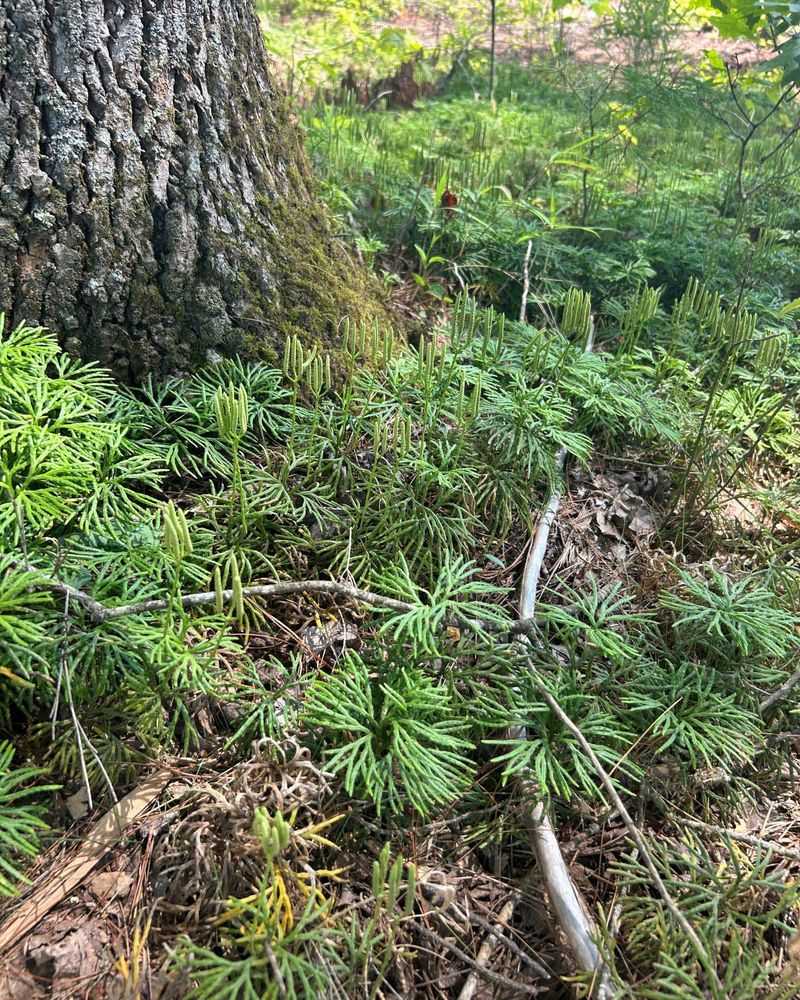
Running cedar is not actually a cedar at all. It is a clubmoss, an ancient plant that has been covering forest floors for millions of years.
Under trees, it works like nothing else available.
Flat, feathery green fronds spread horizontally across the soil surface. Coverage is dense enough to suppress weeds completely while keeping the ground looking like a managed woodland floor rather than a neglected bed.
Evergreen is the real selling point here. Unlike deciduous ground covers that leave soil bare in winter, running cedar stays green and full year-round.
That matters for root protection and erosion control during heavy winter rains.
It grows naturally in shaded, acidic woodland conditions, which matches the soil environment under mature pines and oaks across the region. Amending soil is rarely necessary if the site already supports those trees.
Transplanting running cedar requires care. Wild collection is regulated in many states, so source plants from reputable nurseries that propagate it legally.
Established plants spread slowly but steadily once roots take hold.
Water regularly during the first growing season. After that, natural rainfall usually handles moisture needs in most years.
Avoid disturbing the soil around established mats since the root system is shallow and somewhat fragile.
No mowing, no raking, no seasonal replacement. Running cedar simply grows and covers, season after season, without asking for much in return.
5. Bluets Fill Spring Gardens With Delicate Foliage
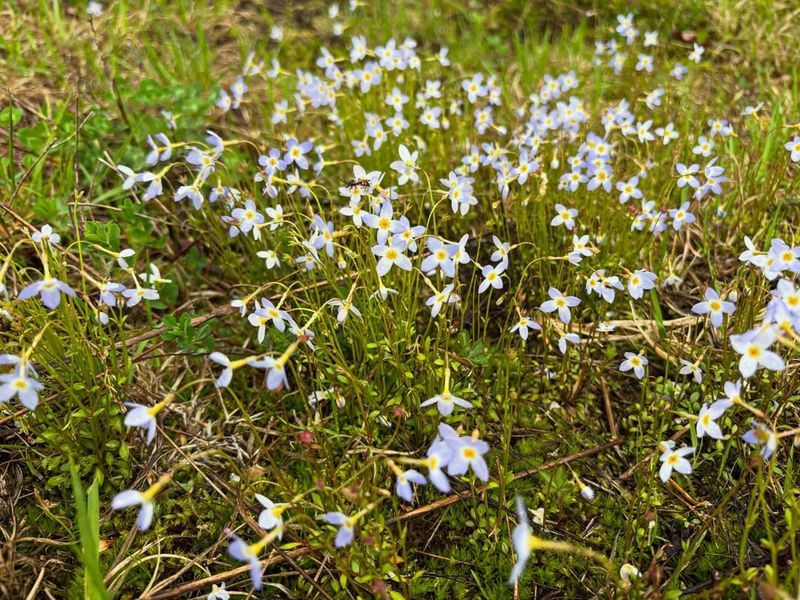
Tiny and delicate, bluets look almost too fragile to be useful. That impression is completely wrong.
These small wildflowers form surprisingly dense colonies that cover soil effectively through spring and early summer.
Each plant stays under four inches tall. The four-petaled flowers are white to pale blue with a yellow center.
Massed together beneath trees, they create a soft, meadow-like effect that bark mulch could never match.
Bluets prefer moist, slightly acidic soil with good drainage. Areas near tree roots where moisture lingers after rain are often ideal spots.
Dry, compacted soil under trees with heavy surface roots can be trickier to establish them in.
They spread by seed and by short underground stems. Colonies expand gradually without becoming invasive.
Gaps fill in naturally over a couple of seasons as seeds settle into surrounding soil.
Mowing over them is not ideal, so they work best in tree beds set aside from lawn areas. Low-traffic spots under trees where foot traffic is minimal give them the best chance to spread undisturbed.
Pair bluets with other native woodland plants like wild ginger or green-and-gold for layered coverage. The combination of textures and bloom times keeps tree beds interesting from late winter through fall without requiring seasonal replanting.
Minimal care is the standard expectation. Water during establishment, then step back and let the colony do its work naturally.
6. Green And Gold Expands Across Shaded Areas
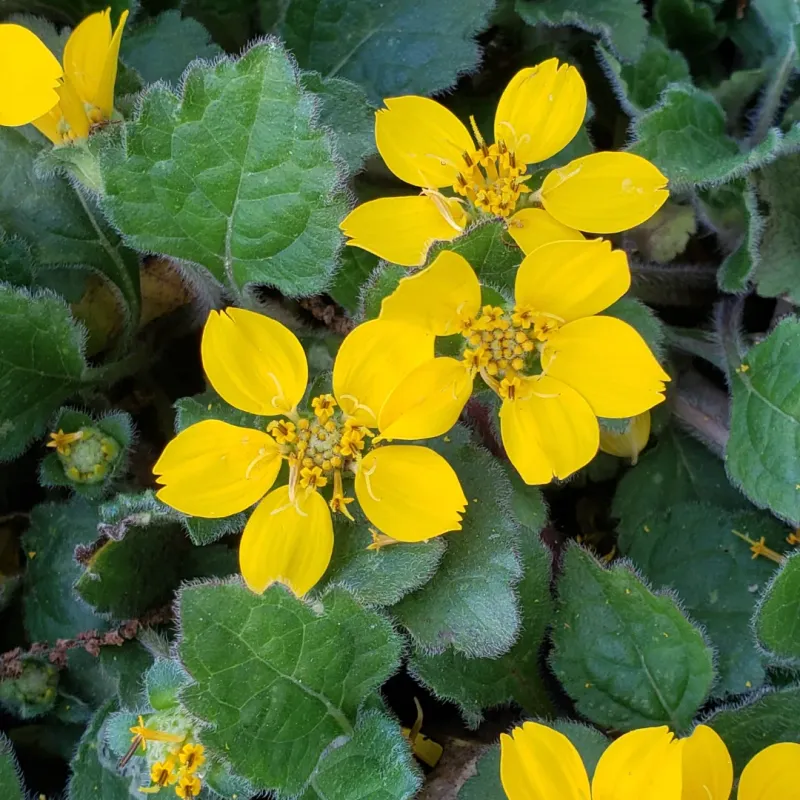
Few ground covers can match green and gold for dependability in shaded tree beds. Bright yellow star-shaped flowers appear from early spring through late fall, making it one of the longest-blooming native plants available.
Foliage is dark green, semi-evergreen in mild winters, and forms a thick mat that shades out weeds effectively. Under trees where sunlight is limited, this plant genuinely earns its spot.
Spread happens through surface runners that root at nodes. Once a few plants get established, coverage expands steadily without becoming a problem for surrounding plants or tree roots.
Moisture retention is noticeably better under a mat of green and gold compared to bare soil. Roots stay cooler in summer heat, which matters under shallow-rooted trees like dogwoods and redbuds.
Plant in partial to full shade for best results. Too much direct sun in hot Southern summers can stress the foliage and cause browning along leaf edges.
Morning sun with afternoon shade is a reliable sweet spot.
Space plants about twelve inches apart initially. They fill gaps faster than most people expect.
A small investment of six to eight plants can cover a significant tree bed within two full growing seasons.
Divide clumps every few years if spreading gets too vigorous in a particular direction. Otherwise, this plant largely manages itself with very little input from the gardener.
7. Partridgeberry Forms An Evergreen Carpet
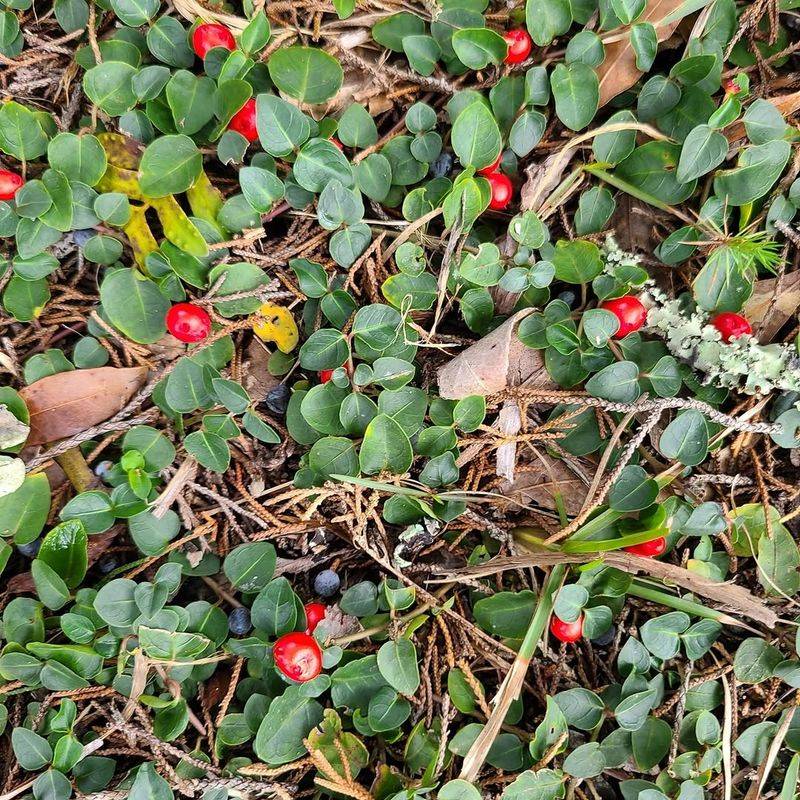
Partridgeberry is one of those plants that looks almost too pretty to be practical. Glossy round leaves, paired white flowers in summer, and bright red berries in fall make it a four-season performer under trees.
It trails along the ground, rooting as it goes. Coverage builds slowly but remains extremely dense once established.
Weeds have a hard time breaking through a mature mat of partridgeberry.
Shade is not just tolerated here, it is required. Deep shade under large oaks or hemlocks is where partridgeberry thrives.
Direct afternoon sun causes leaf scorch and weakens the plant noticeably over time.
Acidic, moist, well-drained soil suits it best. Woodland conditions with organic matter in the soil give it the best possible start.
Heavy clay that stays wet after rain can cause root issues, so raised planting or soil amendment may help in those spots.
Red berries persist through winter and attract birds, which adds wildlife value beyond what any bark mulch could offer. The berries are not toxic to wildlife, though they have a mild flavor and are rarely eaten by humans.
Sourcing partridgeberry from native plant nurseries is the right move. Wild collection harms natural populations and is not recommended.
Nursery-grown plants establish more reliably and support responsible horticulture.
Water consistently through the first full season. After that, natural rainfall in the Southeast usually keeps established mats healthy without supplemental irrigation.
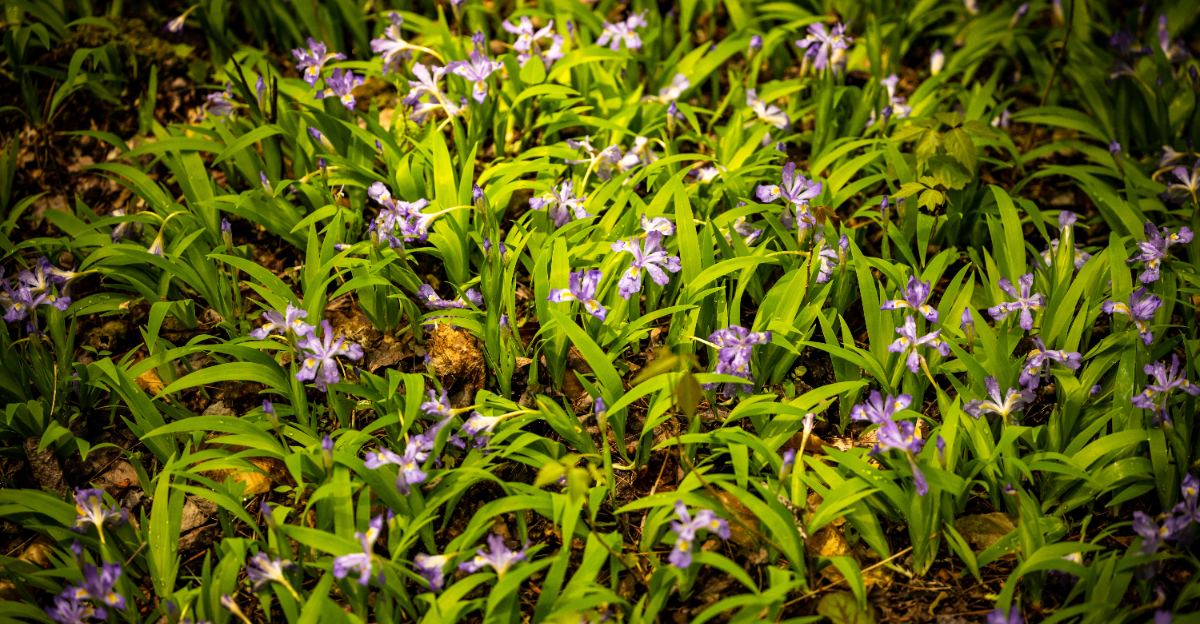
8. Dwarf Crested Iris Spreads Through Woodland Soil
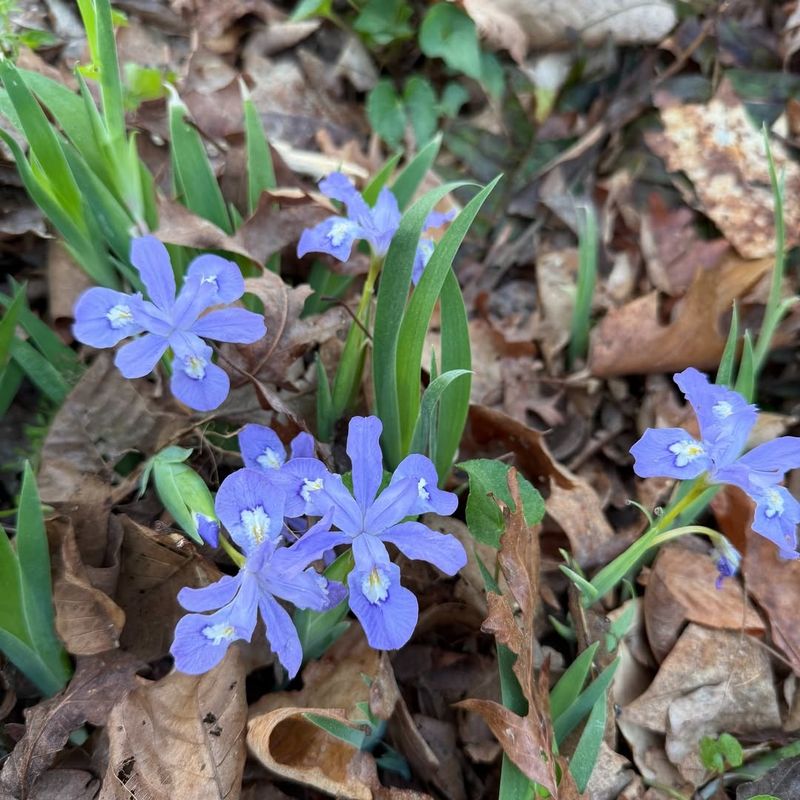
Forget everything you thought you knew about iris plants being fussy. Dwarf crested iris is tough, low-growing, and spreads steadily through woodland soil without any help from you.
It only reaches about six inches tall, which makes it perfect under trees where mower blades and foot traffic are a real concern. Planted once, it fills gaps naturally over a few seasons.
Spring brings small purple blooms that last a couple of weeks. After that, the narrow green leaves stay attractive all season long and hold the soil in place even on slight slopes.
Root competition from large trees is not a problem for this plant. It handles dry shade well once it gets established, which is something bark mulch simply cannot do.
Plant it in clusters about eight inches apart. It will knit together into a weed-resistant mat without much effort on your part.
Sandy or clay-heavy soils both work, as long as drainage is decent.
Slugs can occasionally be an issue in very wet conditions, but this plant rarely needs spraying or extra care. Compared to hauling bags of mulch every spring, it is a clear winner for shaded tree beds in the region.
Because it spreads through underground rhizomes, a small planting can gradually cover a larger area without the need for frequent replanting.