These Are The Texas Yard Plants That Are Quietly Making Your Scorpion Problem Significantly Worse
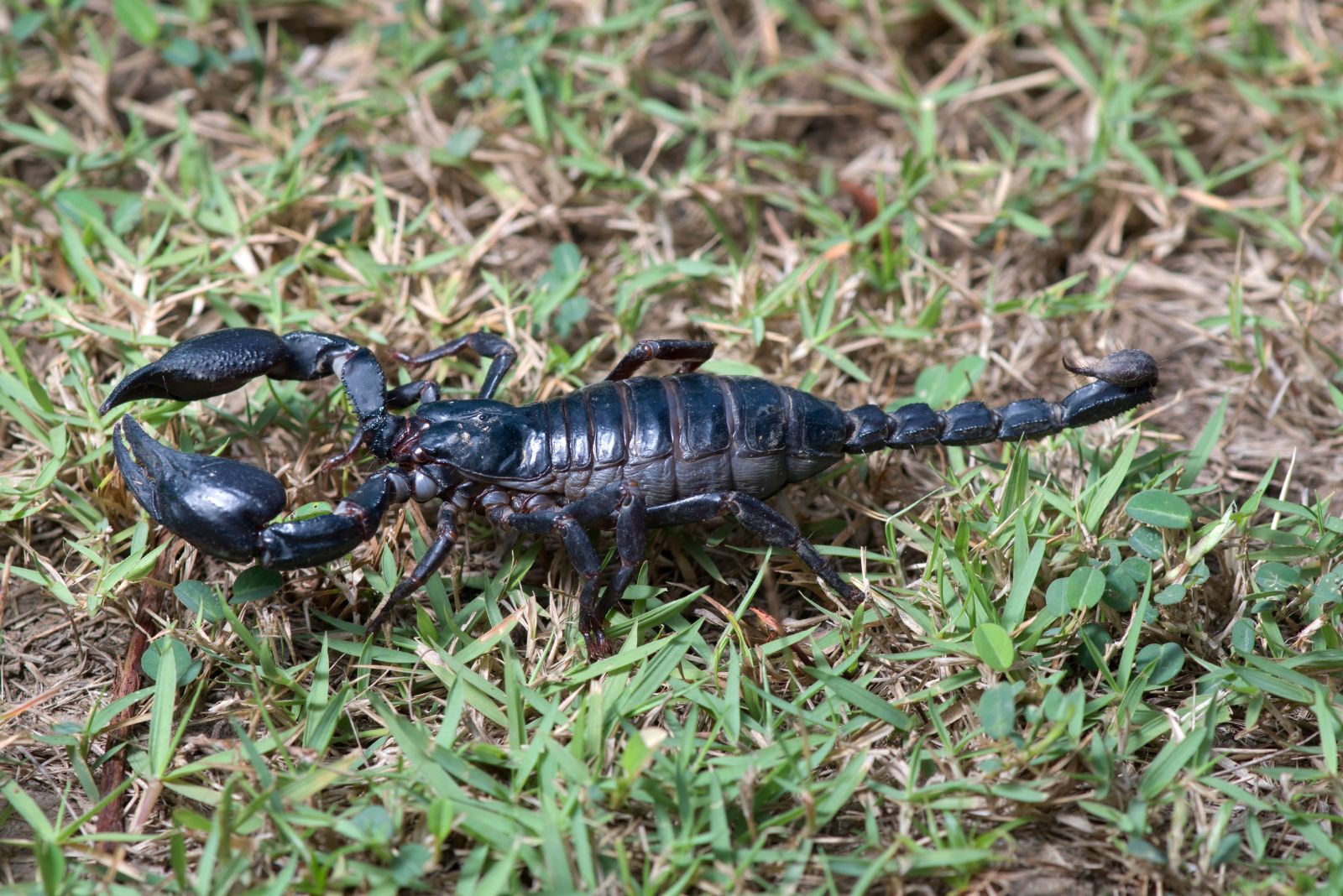
Scorpions in Texas are a fact of outdoor life in many parts of the state, and most homeowners focus on sealing entry points and using barrier treatments to manage them.
What rarely comes up in that conversation is the role that specific yard plants play in making a scorpion problem worse than it needs to be.
Scorpions do not show up randomly. They are drawn to environments that offer the specific combination of shelter, moisture, and prey that they need to thrive, and certain plants create exactly those conditions right up against the foundation of a home.
Some of the most common landscaping choices in Texas yards are quietly providing scorpions with ideal habitat without the homeowner making any connection between the plantings and the sightings.
Knowing which plants are contributing to the problem and why gives a much more targeted approach to managing scorpion pressure than treatments alone ever provide.
1. English Ivy
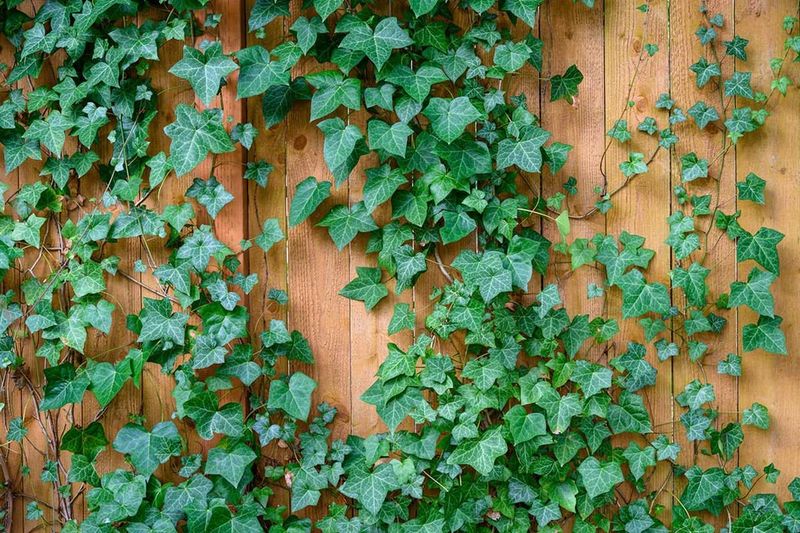
Few plants look as charming as a thick carpet of English Ivy spreading across a yard or climbing a garden wall. It gives your outdoor space a lush, almost storybook appearance. But underneath all that beauty, something far less pleasant may be happening.
English Ivy grows in dense, overlapping layers that trap moisture close to the soil. That cool, damp environment is exactly what scorpions prefer during the hot Texas days. They tuck themselves underneath the ivy mats to stay comfortable and hidden from view.
Because the vines grow so tightly together, you rarely notice what is living beneath them. Scorpions can rest there for hours, completely undisturbed.
Insects also love the humidity trapped by ivy, which gives scorpions a convenient food source right next to their hiding spot.
Homeowners often walk near ivy beds without thinking twice, but that casual stroll could put you uncomfortably close to a hidden scorpion.
Wearing closed-toe shoes around ivy is always a smart habit. Gloves are a must when you are doing any trimming or pulling.
If you want to reduce your scorpion exposure, replacing large sections of English Ivy with gravel, mulch, or drought-tolerant native plants is a practical move. Keeping the ivy well-trimmed and away from your home’s foundation also makes a noticeable difference.
The less dense and damp the groundcover, the less appealing it becomes to scorpions looking for a cool place to rest during a blazing Texas afternoon.
2. Hosta
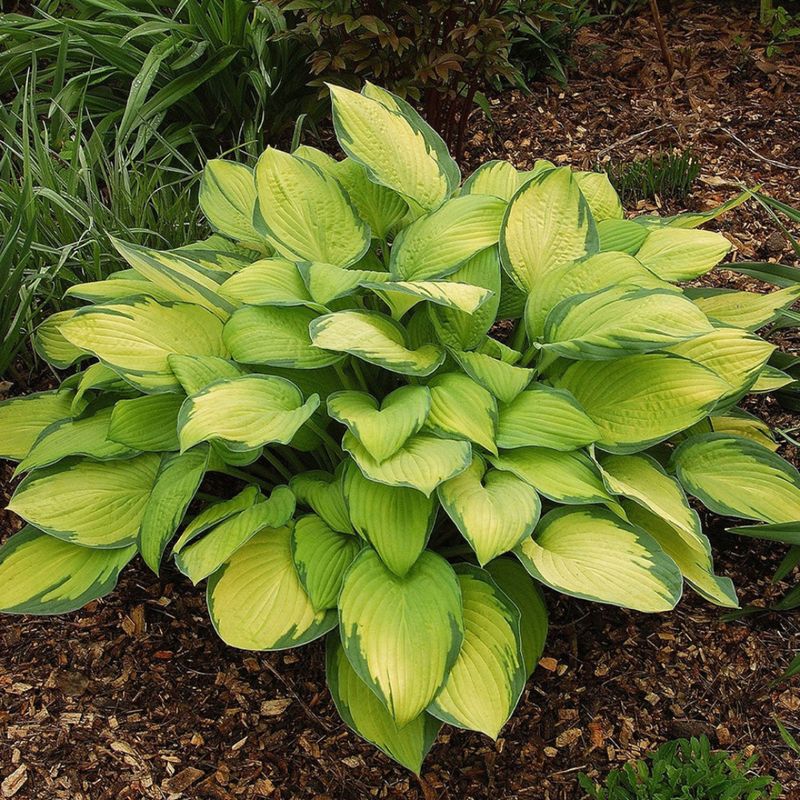
Hostas are a gardener’s go-to for filling shady spots with beautiful, leafy greenery. Their wide, overlapping leaves create an almost tropical feel in the garden.
Unfortunately, that same thick canopy makes hostas a surprisingly cozy hideout for scorpions.
The broad leaves of a hosta plant spread low and wide, shading the soil beneath them almost completely. That shaded soil stays cool and moist far longer than exposed ground.
Scorpions actively seek out places just like this when temperatures in Texas soar past 90 degrees.
Insects are naturally drawn to the humidity and decomposing organic matter that collects under hosta leaves. More insects mean more food for scorpions, so planting hostas is essentially setting up a well-stocked buffet for them.
Your Texas Garden Changes Every Week. Your Plan Should Too.
Gardening in Texas changes quickly throughout the season. Every Friday you’ll receive a simple weekly plan showing exactly what to plant, prune, fertilize, harvest, and protect so you never miss the right timing.
It is a chain reaction that starts innocently enough but ends with more scorpion activity near your home.
People who tend hosta beds sometimes reach down without looking first, which is a risky habit. A scorpion resting under a leaf will not hesitate to sting if it feels threatened.
Always use a stick or garden tool to gently move leaves aside before reaching in with bare hands.
Thinning out your hosta plantings and improving drainage in those garden beds can help break the cycle. You do not have to remove every hosta, but spacing them out so air and light can reach the soil makes the area less attractive to scorpions.
Pairing that with regular yard inspections goes a long way toward keeping your garden safer and more enjoyable year-round.
3. Juniper (Juniperus spp.)
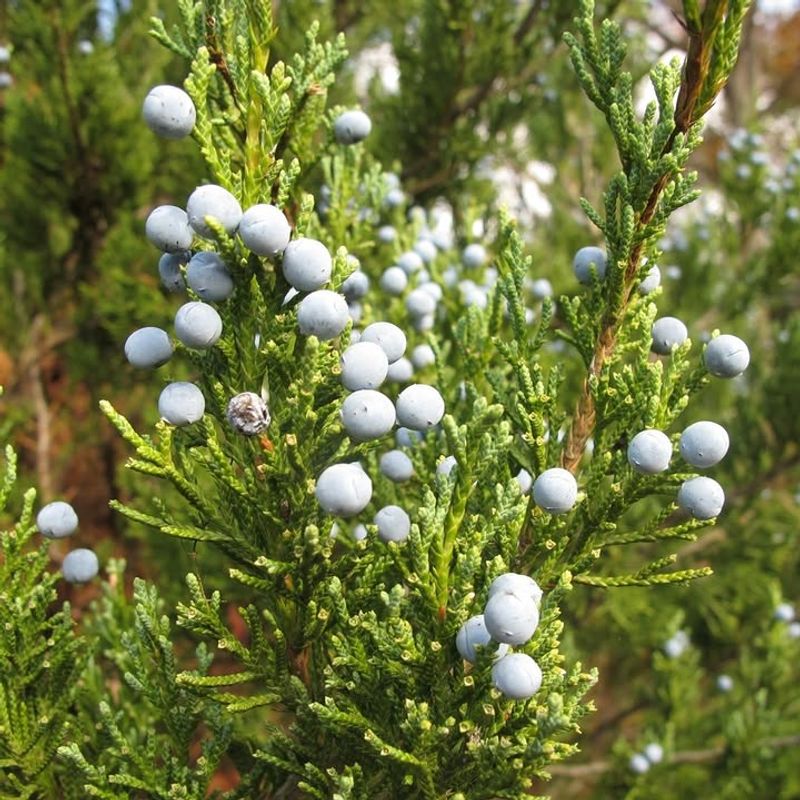
Walk past almost any Texas neighborhood and you will spot juniper shrubs lining driveways, hugging fences, and bordering home foundations. They are tough, low-maintenance, and stay green all year long.
That reliability is exactly why so many homeowners plant them, and exactly why scorpions love them just as much.
Junipers grow thick and dense, with branches that hang low to the ground. The interior of a mature juniper shrub is a dark, sheltered world that rarely sees direct sunlight.
Scorpions are nocturnal hunters that need cool, dark places to rest during the day, and a juniper shrub fits that description perfectly.
The dry, papery debris that collects inside juniper branches also attracts insects like crickets and beetles. These bugs are a primary food source for scorpions, so a juniper full of insects is essentially a scorpion magnet.
The closer these shrubs are to your home, the greater the chance scorpions will eventually find their way inside.
Many homeowners are surprised to learn that their beloved juniper border could be contributing to indoor scorpion sightings.
Scorpions can squeeze through incredibly small gaps, and a dense shrub sitting right against your exterior wall gives them a perfect launching point.
Trimming the lower branches so they do not touch the ground reduces that risk considerably.
Keeping junipers pruned and maintaining a clear, dry buffer zone between the shrubs and your foundation is a smart strategy. Adding a gravel border between the plants and your house also helps.
Small changes to how your junipers are managed can make a noticeable impact on scorpion activity around your property.
4. Star Jasmine
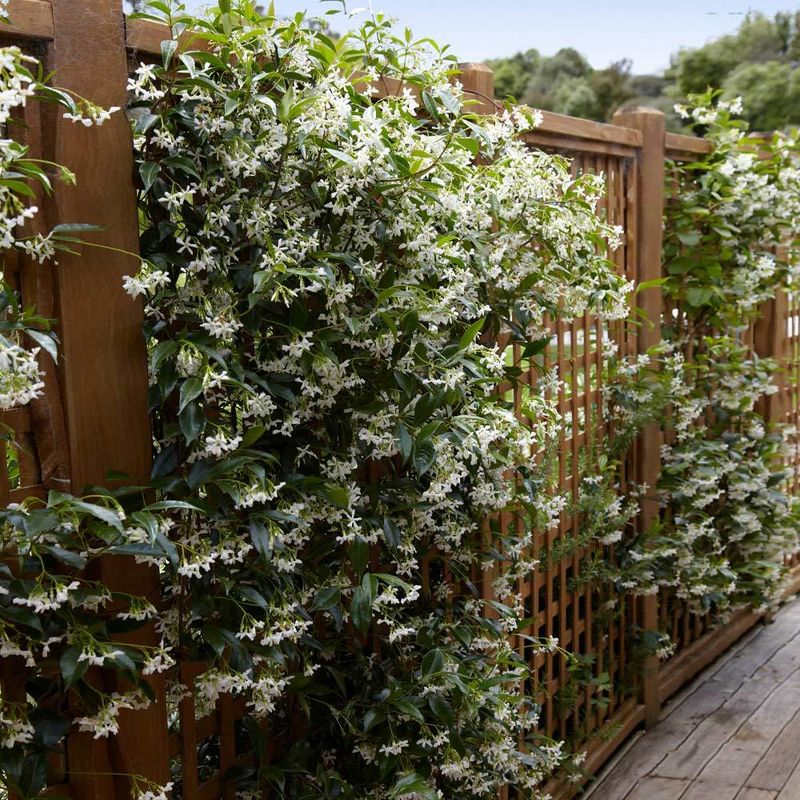
Star Jasmine is one of those plants that makes a yard smell absolutely wonderful. The white flowers release a sweet fragrance that drifts through the air on warm evenings.
It climbs beautifully along fences and walls, turning plain structures into lush green backdrops. However, that gorgeous vine is doing more than just looking good.
As Star Jasmine grows, it forms a thick, layered mat of stems and leaves that press tightly against whatever surface it covers. Those tight spaces between the vine and the fence or wall create narrow, sheltered gaps.
Scorpions are expert at squeezing into exactly these kinds of tight, dark crevices where they feel protected and hidden.
The vine also traps humidity against the fence surface, especially in the hours after rainfall or watering. That lingering moisture attracts small insects, which in turn attract scorpions looking for a meal.
When you have a plant that provides both shelter and a food source, you have created prime scorpion real estate.
Homeowners who grow Star Jasmine along exterior walls near windows or doors should be especially aware. A scorpion that is resting in the vine is just a few inches away from a potential entry point into the home.
Keeping the vine trimmed back from windows, door frames, and any cracks in the wall is a practical and important precaution. You do not have to remove Star Jasmine entirely to reduce the risk.
Training it to grow away from the house, keeping it thinned out, and regularly inspecting the vine for signs of pest activity will help you enjoy the plant while managing the unwanted company it can attract.
5. Banana Plant
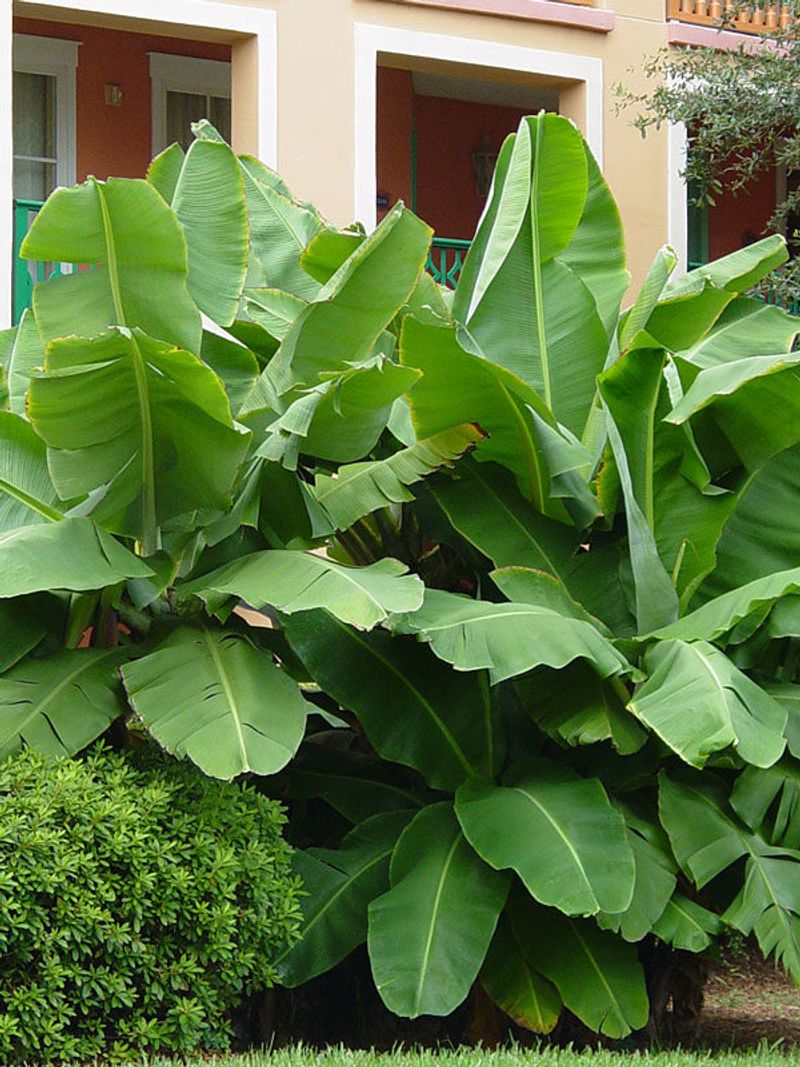
There is something undeniably fun about growing a banana plant in your Texas backyard. Those enormous, tropical leaves make any outdoor space feel like a vacation destination.
But behind that exotic charm is a plant that creates some seriously scorpion-friendly conditions right at ground level.
Banana plants produce massive leaves that spread wide and shade a large area of soil beneath them. That shaded soil stays cool and moist, which is a combination scorpions find extremely appealing.
On a hot Texas afternoon, that cool patch of ground under a banana plant is one of the most comfortable spots in the entire yard for a scorpion to rest.
The base of a banana plant also collects decaying leaf material, which breaks down into soft, moist organic matter. This debris is a magnet for small insects and other invertebrates.
Scorpions follow their food supply, so a banana plant with a thriving insect population underneath it will eventually attract scorpions to the area.
Banana plants also hold water well, and in humid Texas summers, the ground around them can stay damp for extended periods.
That persistent moisture creates a microclimate that feels very different from the dry, sun-baked soil just a few feet away. Scorpions notice that difference and take full advantage of it.
Clearing away dry leaves and organic debris from the base of your banana plants regularly is one of the best things you can do. Letting the soil dry out between waterings also helps.
Keeping these plants away from the perimeter of your home reduces the chance that scorpions will use them as a stepping stone toward your door.
6. Bougainvillea
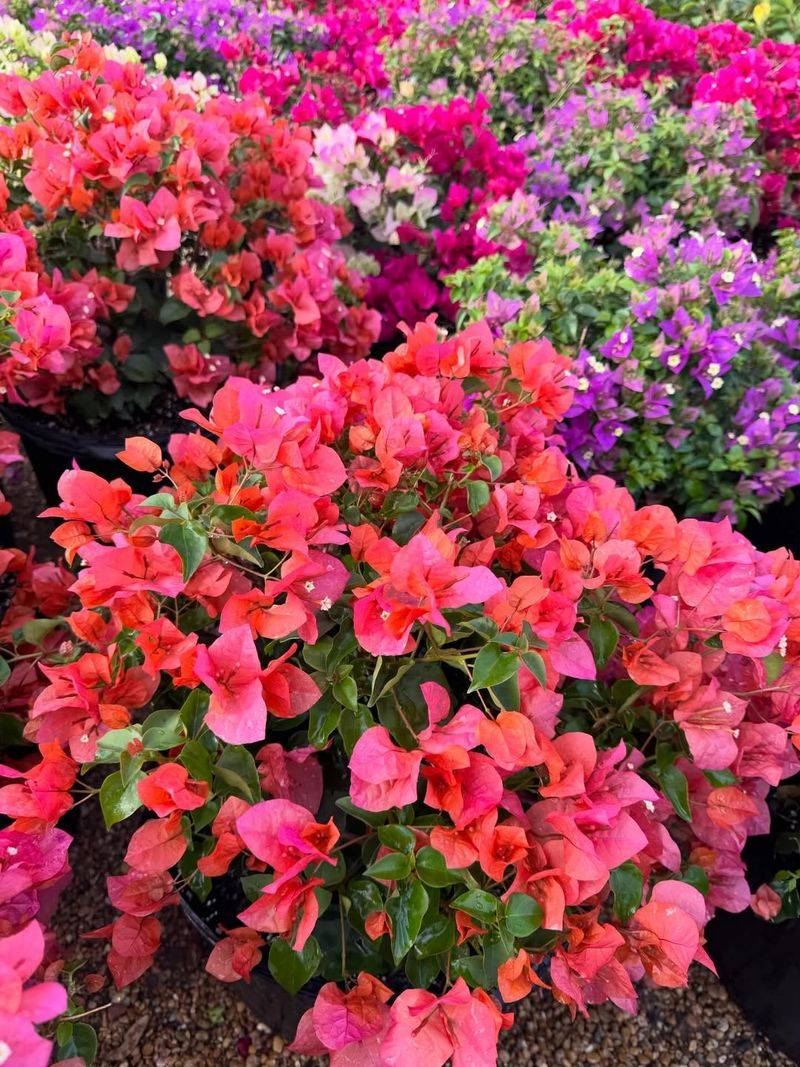
Bougainvillea is practically a Texas icon. Its vivid pink, orange, and purple blooms splash color across fences and walls throughout the state, and it thrives in the heat without much fuss.
Most people see it as purely decorative, but this plant has a hidden side that scorpion experts take seriously.
The thick, tangled branches of a mature bougainvillea create an almost impenetrable wall of stems and thorns. Deep inside that tangle, there are countless dark, protected spaces where scorpions can hide without being seen or disturbed.
The thorns also make it very difficult for predators and curious humans to poke around inside, which makes it feel even safer for a scorpion.
Bougainvillea that grows along fences or exterior walls sits right at the boundary between your yard and your home. Scorpions resting inside the dense shrub are already very close to potential entry points.
A gap in the wall, a crack near the foundation, or an unsealed door frame becomes much more of a concern when a scorpion-friendly plant is growing just inches away.
The plant also drops leaves and floral debris at its base, creating a layer of organic material that insects find attractive.
More insects near the base of the plant means more food available for scorpions in the area. It is a quiet but steady cycle that builds up over time.
Pruning bougainvillea regularly to open up the interior and reduce the density of the branches is a helpful step. Wearing thick gloves is absolutely necessary when working with this thorny plant.
Keeping it trimmed back from walls and foundations reduces the direct connection between the plant and your home.
7. Elephant Ear
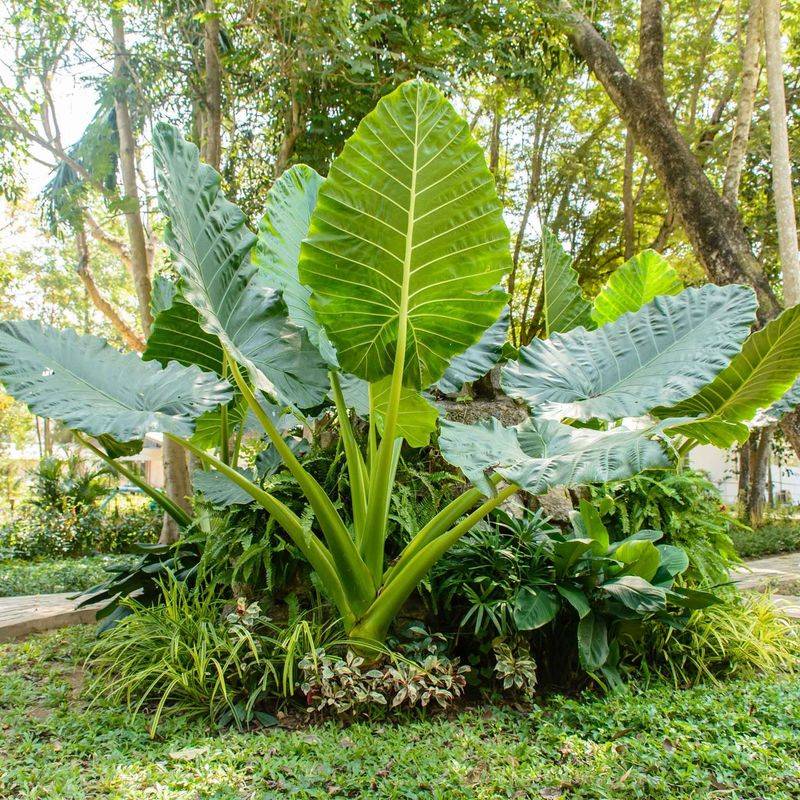
Elephant Ear plants are hard to miss. Their leaves can grow as large as an actual elephant’s ear, creating a dramatic, jungle-like look in any garden.
Texas gardeners love them for their bold visual impact, especially around water features and shaded beds. But those enormous leaves come with a trade-off that most people never consider.
The sheer size of elephant ear leaves means they cast a massive shadow on the soil below. That shaded area stays significantly cooler and more humid than the rest of the yard.
Scorpions are drawn to these cool, humid pockets because they help the creatures regulate their body temperature during the intense Texas heat.
Elephant ears also need consistent moisture to look their best, which means the soil around them is often damp. Damp soil encourages earthworms, beetles, and other small creatures to gather nearby.
That activity draws scorpions in, since these bugs make up a significant part of a scorpion’s regular diet.
The thick stems and overlapping leaves near the base of the plant create physical hiding spots as well.
Scorpions can tuck themselves between the stems or rest right at the base of the plant where the leaves meet the soil. Reaching in to water or tend these plants without checking first is a habit worth changing.
Reducing watering frequency, improving drainage, and clearing away any dry or decaying leaf material from the base of the plant are all practical steps.
Placing elephant ears farther from your home’s foundation and entry points also limits the chance that scorpions will migrate from the plant toward your living space. Thoughtful placement makes a real difference.