How Arizona Low-Desert Gardeners Can Water Vegetables to Support Healthy Growth and Harvest Quality
Growing vegetables in Phoenix, Tucson, or Yuma is a different game than gardening almost anywhere else in the country. Triple-digit heat pulls moisture out of the soil fast, and getting the watering rhythm wrong can leave plants struggling before you even notice a problem.
The good news is that low-desert Arizona gardeners who learn to match water to crop type, plant age, and actual root-zone conditions can keep their gardens productive through even the most punishing stretches of summer.
What Arizona Heat Changes in a Vegetable Garden
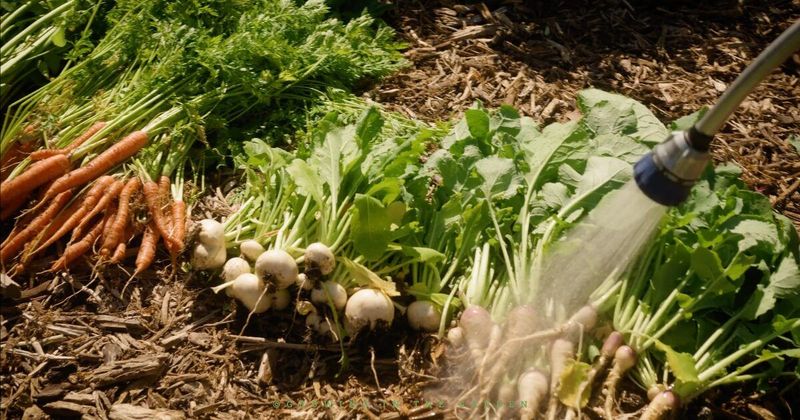
Summer temperatures in Phoenix, Tucson, and Yuma do not just feel brutal on your skin. They accelerate how fast water moves out of Arizona soil, off leaf surfaces, and into dry desert air, which means the window between adequate moisture and plant stress is shorter here than in almost any other region of the country.
However, Arizona heat alone does not tell you when to water. Wind speed, humidity, solar exposure, plant canopy size, soil texture, and whether monsoon clouds are blocking the sun all change how quickly your root zone dries out.
Arizona gardeners who search for one universal watering secret end up either overwatering some crops or underwatering others. Soil saturated from too-frequent irrigation loses oxygen in the root zone, leaches nutrients, and can create disease problems just as real as drought stress.
The practical goal for any Arizona vegetable bed is to keep the active root zone adequately and relatively evenly moist between irrigations without letting it become waterlogged.
That goal looks different for a newly seeded lettuce flat in Tucson, a mature tomato plant in a Phoenix backyard, and a container pepper sitting on a Yuma patio. The sections that follow walk through crop stage, root depth, moisture verification, heat responses, and irrigation setup so Arizona gardeners can build a flexible rhythm instead of chasing a fixed schedule.
Arizona Seedbeds Need a Different Watering Rhythm
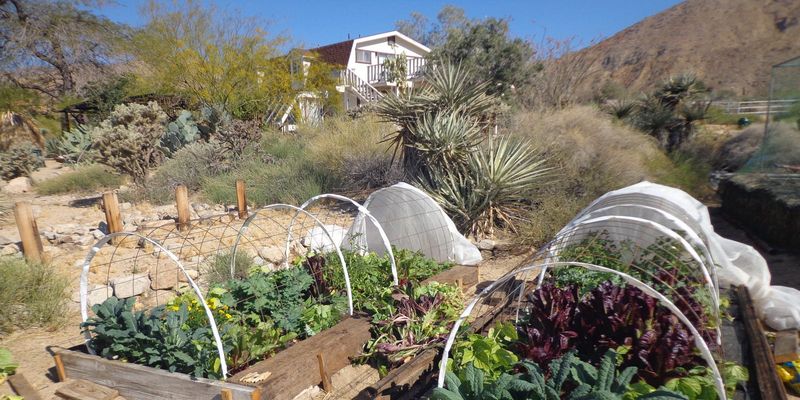
Freshly seeded Arizona garden beds have one overriding vulnerability: the top inch or two of soil can dry and crust within hours during summer heat, cutting off the moisture that germinating seeds need to push through. Light, frequent irrigation during germination is not optional in the low desert.
It is the difference between a stand of seedlings and a bare patch of baked ground.
Arizona soil texture, air temperature, wind, and the size of the emerging root system all influence how quickly you can extend the interval between waterings.
Young transplants in Arizona gardens face a similar challenge. Their root systems are small and concentrated near the surface, which means they can dry out faster than established plants even when the surrounding soil still holds moisture several inches down.
Treating a recent transplant the same as a mature plant that has been in the ground for six weeks is one of the more common watering mistakes Arizona gardeners make.
The practical rule for Arizona seedbeds and new transplants is to check soil moisture at the seed or root depth before each irrigation, not on a fixed schedule. A quick finger probe or trowel check takes seconds and tells you far more than a timer.
Your Arizona Garden Changes Every Week. Your Plan Should Too.
Gardening in Arizona changes quickly throughout the season. Every Friday you’ll receive a simple weekly plan showing exactly what to plant, prune, fertilize, harvest, and protect so you never miss the right timing.
As roots expand and plants establish, Arizona gardeners can begin watering less often while applying water more slowly and deeply, always confirming that the active root zone is adequately moist before extending the interval further.
Arizona Root Depth Sets the Watering Baseline
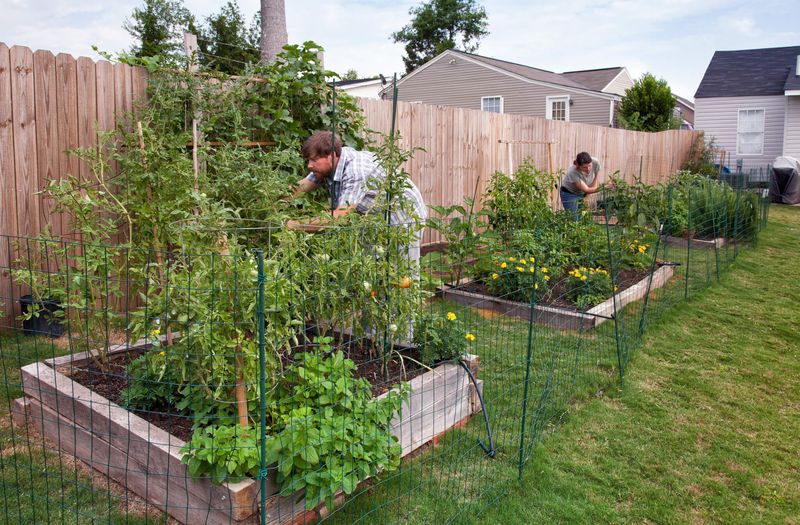
Not every vegetable in an Arizona garden pulls water from the same depth, and that difference is the most reliable starting point for building a crop-specific irrigation schedule. Shallow-rooted crops, including lettuce, onions, cabbage, and corn, draw moisture primarily from the upper several inches of soil.
Deep-rooted crops such as tomatoes, asparagus, and watermelon extend their roots well below that zone when conditions allow.
That contrast has a direct practical consequence for Arizona gardeners: shallow-rooted crops generally need more frequent irrigation than deeper-rooted crops because the soil layer they depend on dries faster. Grouping plants with similar root tendencies into the same irrigation zone makes it easier to match timing to actual plant need rather than running every bed on the same schedule.
University of Arizona vegetable garden guidance specifically identifies root depth as a key variable in setting up an Arizona watering plan.
Two commonly referenced starting ranges can help Arizona gardeners frame a schedule, but they come from different irrigation contexts and should not be treated as interchangeable. For thorough soaking with flood or sprinkler irrigation, University of Arizona guidance offers a broad range of roughly every five to seven days for established warm-season vegetables.
A separate Southern Arizona watering guide lists vegetables at approximately every two to five days in summer, reflecting a different irrigation context and delivery method. Neither figure applies automatically to every Arizona garden.
Soil texture modifies both ranges significantly. Sandy Arizona soils drain fast and may require more frequent irrigation than clay-heavy soils that hold moisture longer but can become waterlogged.
Mulch, plant size, canopy cover, and whether a garden sits in full sun or receives afternoon shade all shift the actual interval as well. Root depth gives Arizona gardeners a logical starting framework, but the correct schedule emerges from measuring what the soil actually holds between irrigations, not from copying a number off a chart.
How Arizona Gardeners Can Read Root-Zone Moisture
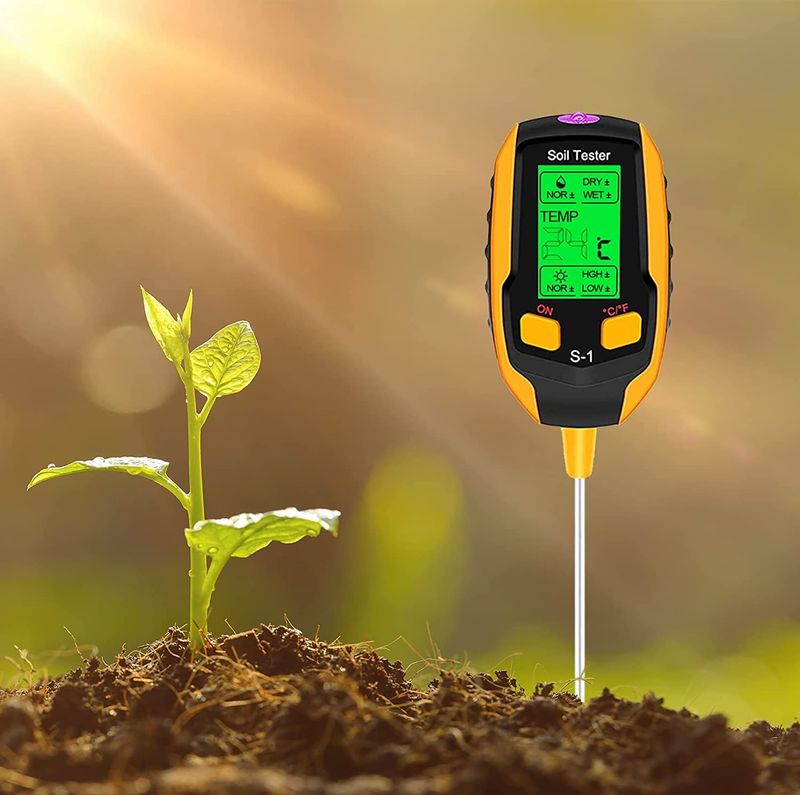
A timer running on schedule can give an Arizona gardener a false sense of security. Emitters clog, pressure drops, soil infiltration rates change with temperature, and a plant that looked fine on Monday can be sitting in a dry root zone by Wednesday because the system delivered less water than expected.
The only way to know what is actually happening below the surface is to check it directly.
Pushing a trowel, soil rod, or spade six to twelve inches into an Arizona garden bed takes about thirty seconds and tells you whether the moisture from the last irrigation reached the active root zone and whether that moisture is still present. University of Arizona vegetable guidance recommends watering slowly enough to wet the root zone and then verifying depth rather than relying on plant appearance or elapsed time alone.
Moist soil at depth feels noticeably cooler and darker than dry soil; the difference is easy to feel even in a quick probe.
Before extending or shortening an irrigation interval in an Arizona garden, check the soil at the depth where the active roots are concentrated. If moisture is still present and the soil is not waterlogged, wait.
If the soil is dry several inches down and the plant is in an active growth stage, irrigate before the next scheduled cycle. This approach accounts for drainage differences between sandy and clay soils, temperature swings, wind events, and the uneven output that Arizona drip systems can develop over time.
Gardeners who want a more technical estimate can use reference evapotranspiration data from the Arizona Meteorological Network, combined with crop stage and measured system output, to calculate water demand. That level of precision is most useful for larger Arizona operations, but even home gardeners benefit from understanding that a hot, windy day pulls far more water from the soil than a cloudy monsoon morning.
Measuring, probing, and adjusting beats copying any fixed timer setting.
Arizona Watering Supports Crops but Cannot Cancel Heat
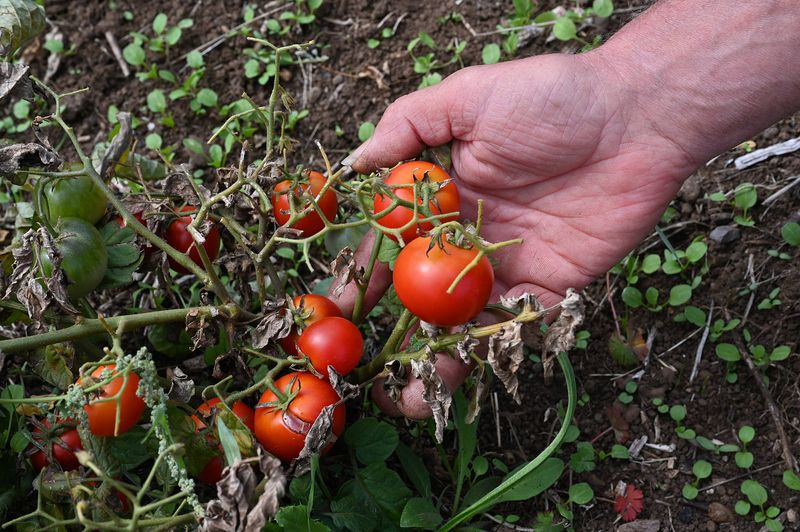
Consistent moisture is genuinely important for Arizona tomatoes, but the reason goes beyond preventing thirst. Wide swings between dry and wet soil contribute to blossom-end rot and fruit cracking, two of the most common tomato problems in the low desert.
University of Arizona tomato challenge guidance explains that blossom-end rot in Arizona is tied to inconsistent moisture and the resulting disruption of calcium movement into developing fruit, not simply a soil calcium shortage. Adding gypsum or calcium sprays without addressing irrigation consistency rarely solves the problem.
Excess irrigation during that period does not compensate for heat-related fruit loss and can actually leach nutrients and reduce root-zone oxygen.
Keeping lettuce watered in June in Phoenix will not make it productive; the crop is simply past its low-desert season. Crop timing, variety selection, and afternoon shade matter as much as irrigation for cool-season vegetables.
Midday wilting in squash and cantaloupe is another Arizona situation that gardeners sometimes misread as a water emergency. University of Arizona summer heat stress guidance distinguishes temporary afternoon wilting, which is a normal heat response in large-leaved crops, from wilting that persists into the morning or appears early in the day.
Morning wilt or rapid early decline warrants a root-zone check and a look at the irrigation system for clogged emitters or pressure problems, not an immediate extra watering that could compound root stress. Arizona vegetable garden guidance supports using shade cloth rated at roughly 20 to 40 percent for heat-sensitive crops as a complement to irrigation, not a replacement for it.
Arizona Drip Systems, Mulch, Containers, and Monsoon Rain
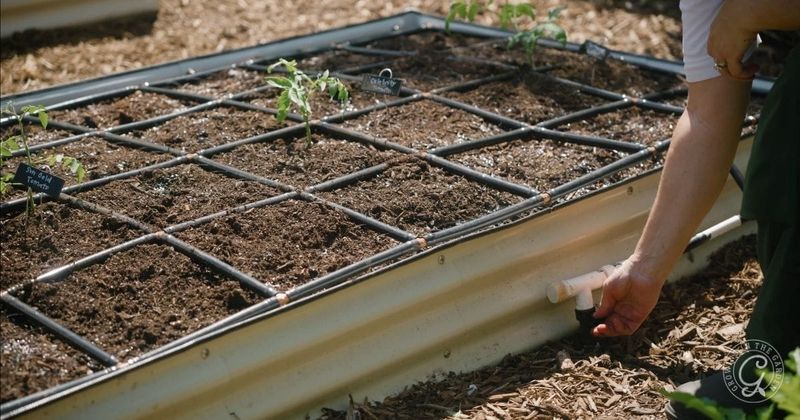
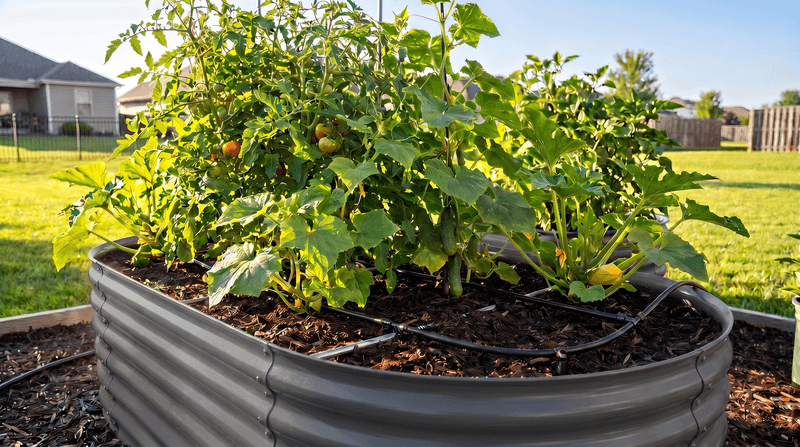
Drip irrigation is well matched to Arizona vegetable gardens because it applies water slowly and directly to the soil, reducing runoff and limiting the surface evaporation that sprinklers can encourage. The catch is that drip systems are not self-managing.
Arizona drip irrigation basics explain that every system needs a filter and a pressure regulator sized for the equipment, and that emitters can clog from sediment, mineral deposits, algae, or root intrusion without any visible sign until a plant starts declining.
When sprinklers or overhead watering wet foliage in an Arizona garden, morning is the right time to irrigate so leaves can dry during the day and reduce disease risk overnight.
A three-inch layer of organic mulch applied around Arizona vegetable plants can meaningfully reduce soil-surface evaporation and moderate soil temperature during the hottest months. University of Arizona vegetable guidance recommends keeping mulch away from plant stems and well clear of seedlings so air can circulate and young plants are not buried or overheated at the crown.
Arizona containers dry out faster than in-ground beds because they hold less soil volume and expose more surface area to heat and wind.
Arizona’s monsoon season brings storms that can deliver a substantial fraction of a week’s irrigation in a single afternoon. Running drip or flood irrigation immediately after a soaking monsoon storm can push tomatoes toward cracking and saturate roots that were already adequately supplied.
That same guidance also warns Arizona gardeners to empty saucers under containers, cover rain barrels, and clear any standing water after storms to prevent mosquito breeding in the yard.
The Arizona Harvest Rule to Keep
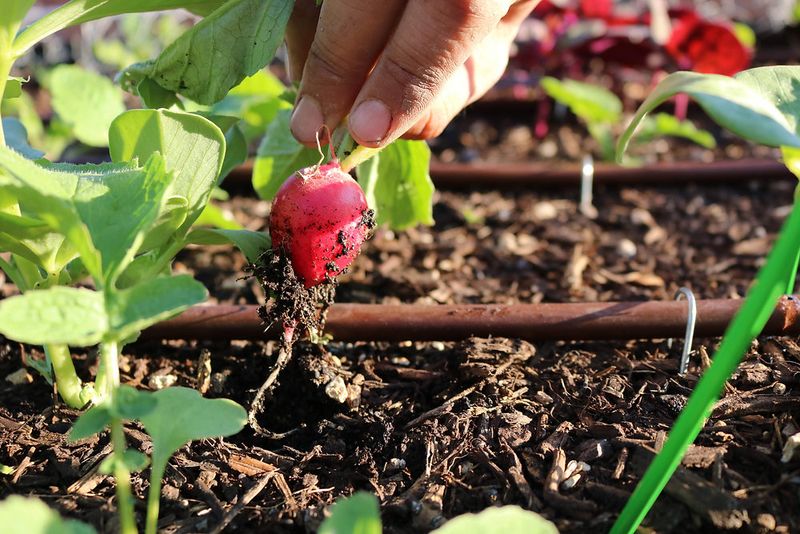
Every watering decision in an Arizona low-desert vegetable garden comes back to the same practical sequence: identify the crop stage and root depth, apply water slowly enough to reach the active root zone, then verify with a trowel or soil probe that moisture actually arrived and is still present before the next cycle. Adjust the interval based on weather, plant size, soil texture, and what the irrigation system is actually delivering, not what the timer says it should be delivering.
University of Arizona vegetable garden guidance and Arizona climate zone resources together support the same conclusion: there is no single schedule that fits every Arizona crop, every soil type, or every delivery method. Consistent, well-matched moisture can support healthy growth and harvest quality, but it cannot override heat-driven fruit loss in tomatoes, lettuce bolting in June, or poor pollen viability during a 110-degree Phoenix afternoon.
The most durable Arizona watering habit is staying curious about what is happening below the soil surface rather than trusting any fixed routine. A garden that gets checked, adjusted, and maintained performs better than one that runs on autopilot, and the trowel is the most reliable instrument in the shed.