The Biggest Mistakes Some Florida Gardeners Make After A Heat Wave
Surviving a Florida heat wave feels like an accomplishment, and honestly it is, for you and your plants. But here is the part that catches a lot of gardeners off guard.
What happens in the days right after the heat breaks can matter just as much as the heat itself.
Wilted leaves, hot containers that have been baking for days, dry mulch that stopped doing its job, and stressed roots that are not quite sure what is happening next, all of it needs thoughtful attention rather than a rushed round of watering and fertilizing.
Sandy Florida soil, raised beds, and patio planters all behave a little differently once extreme heat passes, and jumping in too fast with the hose or the pruning shears can add stress instead of relief.
Slow down, check what your plants actually need, and then act.
1. Watering Again Without Checking The Soil
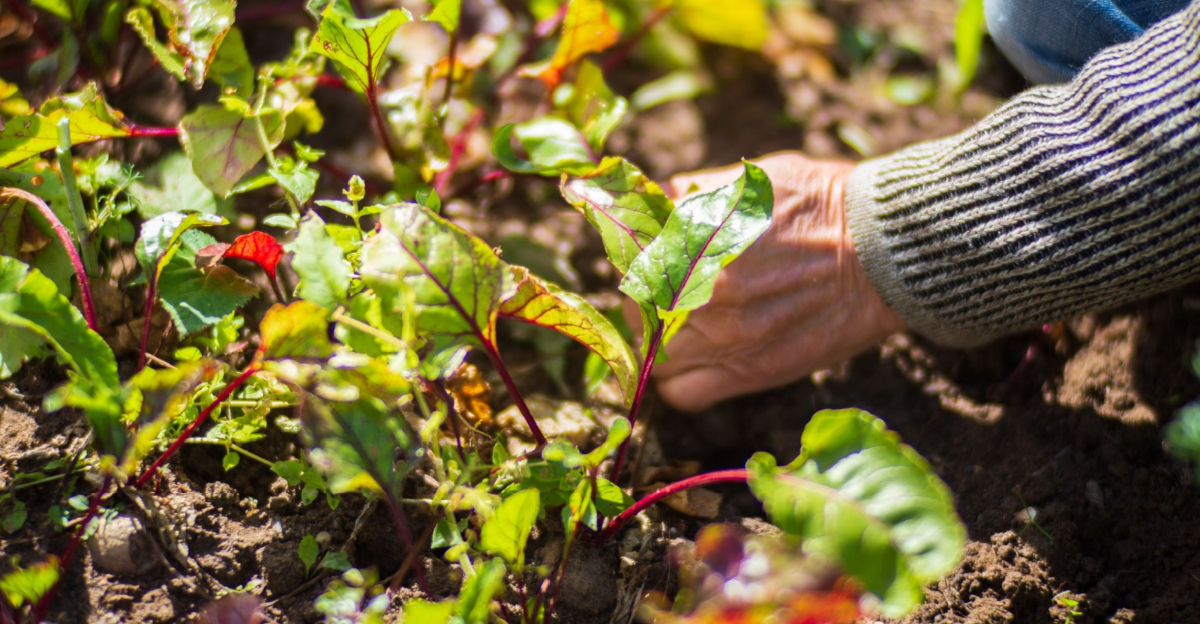
Drooping leaves on a hot Florida afternoon can feel like an urgent call to action, but wilting does not automatically mean the soil is dry. Leaves can lose moisture faster than roots can replace it during extreme heat, even when the root zone still holds plenty of water.
Reaching for the hose without checking first is one of the most common post-heat-wave mistakes Florida gardeners make. A quick soil check also helps you tell the difference between real dryness and a plant that is simply reacting to heat.
Soil that already holds moisture from recent watering or a summer storm does not need more added on top. Pouring water into wet soil can reduce oxygen around the roots, which adds a different kind of pressure on an already stressed plant.
Sandy Florida soil drains quickly, but raised beds and containers can hold moisture longer than they look like they do from the surface.
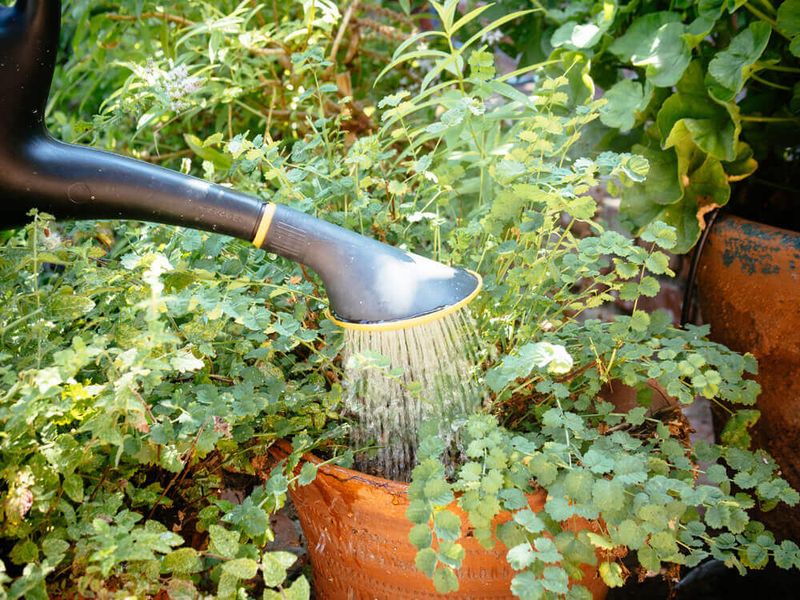
Before watering, push a finger two to three inches into the soil near the root zone. If it feels cool and moist at that depth, the plant likely does not need water yet.
Checking the soil first takes only a few seconds and can save a plant from a second round of stress after the heat wave has already passed.
Calm, informed decisions work better than quick reactions when Florida gardens are still recovering from extreme temperatures.
2. Giving Quick Shallow Sprinkles
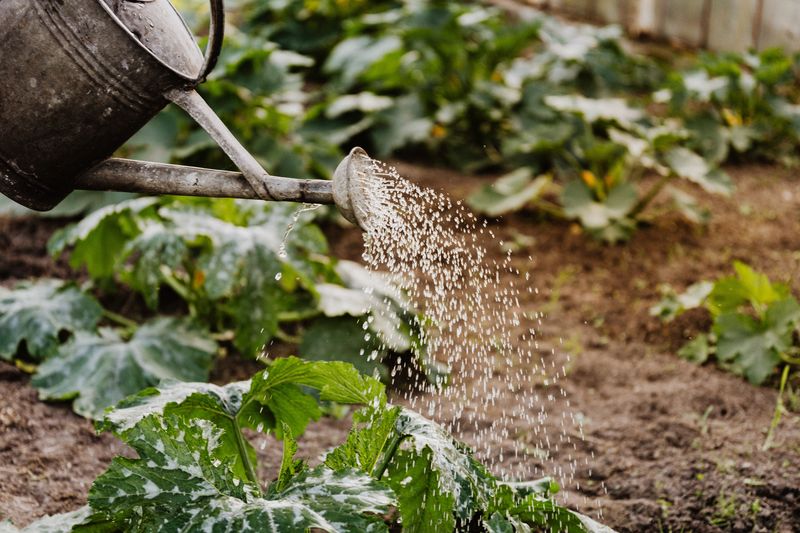
Surface watering that barely dampens the top layer of soil might feel helpful, but it rarely reaches where Florida plants actually need it most.
Roots grow downward in search of moisture, and a quick sprinkle that wets only the top inch or two does not give them much to work with.
After a heat wave, shallow watering can actually encourage roots to stay near the surface, where they face more heat and drying. That can leave plants looking thirsty again soon after watering, even though the surface briefly looked damp.
Sandy Florida soil drains fast, which means water needs time to move down through the root zone rather than evaporate off the top. Slow, steady watering that allows moisture to soak in deeply is more useful than a fast pass with the hose.
Your Florida Garden Changes Every Week. Your Plan Should Too.
Gardening in Florida changes quickly throughout the season. Every Friday you’ll receive a simple weekly plan showing exactly what to plant, prune, fertilize, harvest, and protect so you never miss the right timing.
Hot raised beds and in-ground vegetable gardens both benefit from this kind of patient approach, especially after a stretch of extreme heat.
A practical approach is to water slowly and check the soil again about an hour later to see how far the moisture has moved. Drip irrigation or soaker hoses work well for this because they deliver water steadily at the root level.
Florida gardeners who take time to water deeply and less often tend to see plants bounce back more steadily after stressful heat events than those who rely on frequent light sprinkles throughout the day.
3. Fertilizing Plants That Are Already Stressed
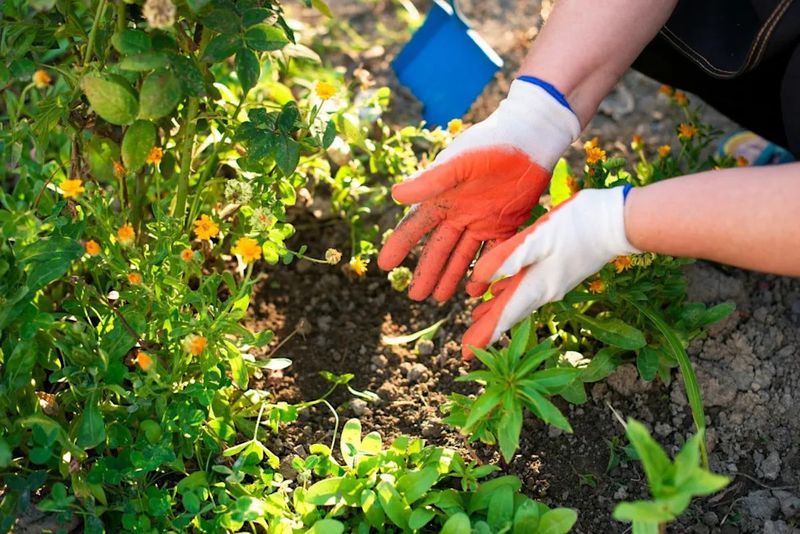
Fertilizer might seem like a logical pick-me-up after plants have been through a rough stretch of Florida heat, but it is rarely the first thing a stressed plant needs.
Before a plant can use fertilizer effectively, it needs stable moisture, functioning roots, and enough energy to handle new growth.
Applying fertilizer too soon after a heat wave can push a plant to produce new tissue before it is ready to support it.
Stressed roots are less efficient at taking up nutrients, which means fertilizer applied at the wrong time may not even be used properly.
In some cases, excess fertilizer can build up in the soil and create additional pressure on roots that are already working hard to recover.
Florida gardeners with vegetable gardens and container plants should be especially cautious, since these plants often show heat stress more visibly and recover more slowly.
A smarter approach is to check soil moisture, drainage, and overall plant condition first. Look for signs that the plant is stabilizing, such as leaves that are no longer wilting in the morning or new buds starting to form.
Once recovery looks like it is underway, a light, appropriate fertilizer applied according to label directions may be considered. Patience after a Florida heat wave tends to produce better results than reaching for a quick nutrient fix.
4. Pruning Too Much Too Soon
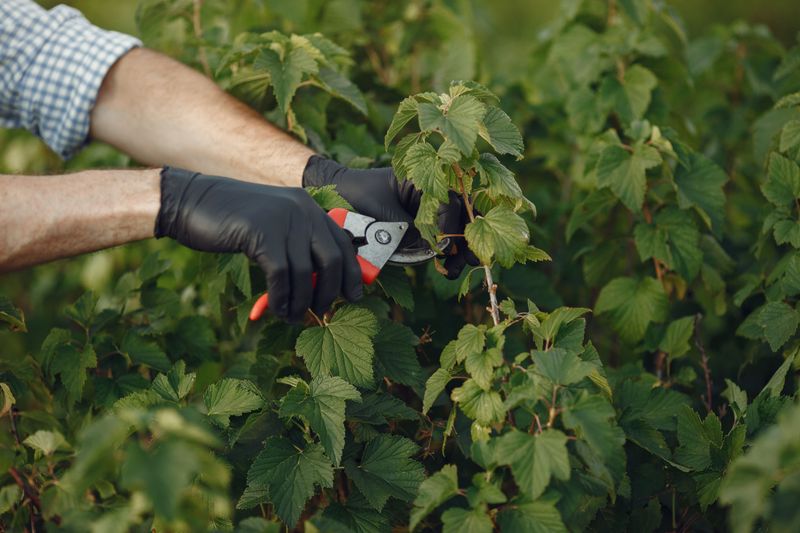
Seeing brown leaf tips, drooping branches, and scorched foliage after a Florida heat wave can make a gardener want to clean everything up right away.
Heavy pruning feels productive, but cutting too much too soon can put additional pressure on a plant that is already using its energy just to stabilize.
Removing large amounts of leafy material reduces the plant’s ability to photosynthesize and recover at its own pace.
Another concern with heavy pruning after heat stress is sun exposure.
Leaves and stems that were shaded by the outer canopy can suddenly be exposed to direct Florida sun, which may cause additional scorching on tissue that was not hardened to that level of light.
Shrubs, young trees, and established landscape plants can all respond poorly to major cuts when they are already under stress.
Light cleanup of clearly broken stems, damaged material, or problem areas is generally reasonable and can help the plant look tidier without adding much pressure.
However, major reshaping, heavy thinning, or significant size reduction is worth postponing until the plant shows steady signs of recovery over several days or weeks.
Watching how a plant responds after the heat wave passes gives a much clearer picture of what actually needs to be removed versus what might bounce back on its own with time and appropriate care.
5. Leaving Soil Bare Around The Root Zone
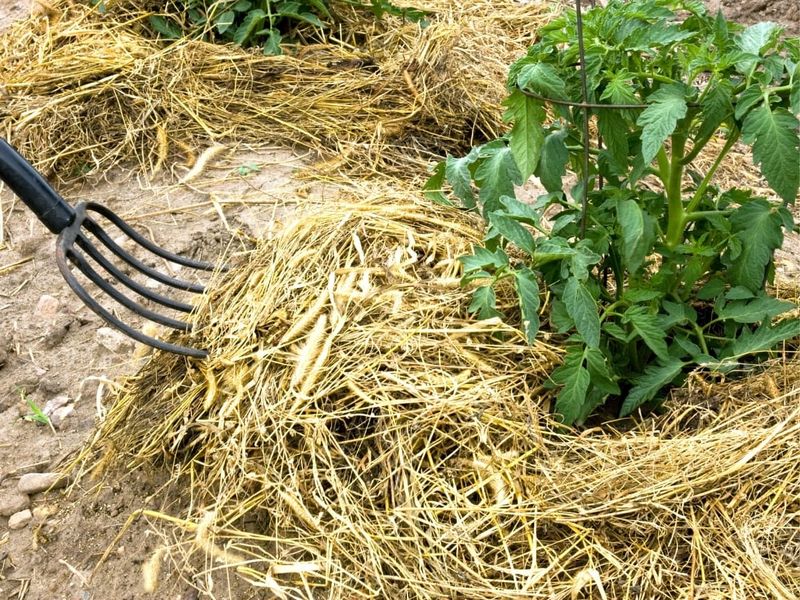
Bare soil in a Florida garden after a heat wave can heat up quickly and dry out even faster, especially when the summer sun is beating down without much shade.
The root zone is one of the most important areas to protect, and exposed soil offers little insulation against temperature swings or rapid moisture loss.
Many Florida gardeners focus on the plant above the ground without thinking much about what is happening at the root level.
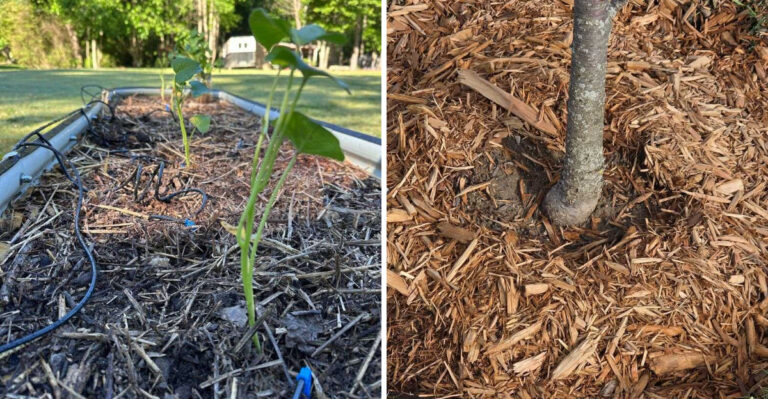
A sensible layer of organic mulch around the root zone can help moderate soil temperature and slow down moisture evaporation between waterings.
Wood chips, pine straw, and similar materials are commonly used in Florida landscapes and can make a noticeable difference in how well the soil holds up through hot spells and the days that follow.
Mulch also helps reduce weed pressure, which means less competition for recovering plants.
One thing to keep in mind is that mulch should not be piled tightly against stems, crowns, or trunks.
Leaving a small gap between the mulch and the base of the plant allows for airflow and reduces the chance of moisture buildup that can invite fungal issues.
Applying two to three inches of mulch in a wide ring around the plant, rather than heaped up against it, tends to give Florida gardens a practical and steady advantage during and after periods of intense heat.
6. Ignoring Hot Containers On Patios
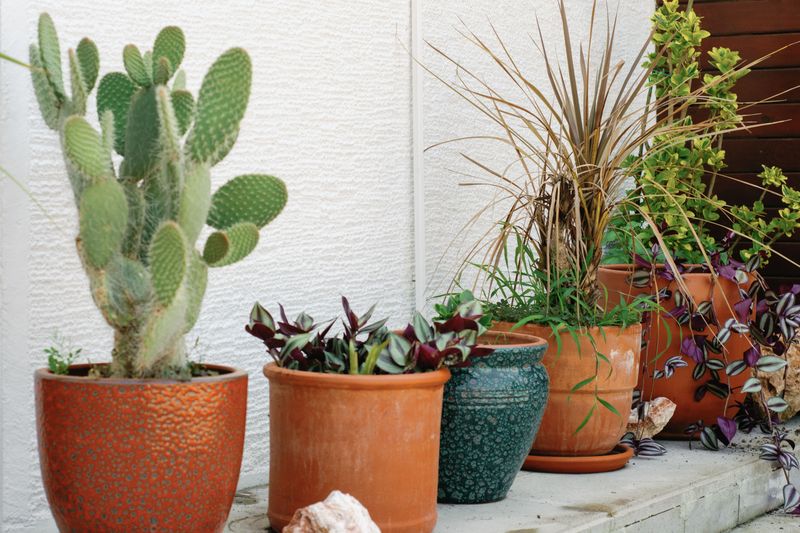
Patio containers, balcony planters, and poolside pots can behave very differently from in-ground garden beds during and after a Florida heat wave.
Dark-colored pots and containers sitting on concrete or pavers can absorb significant heat throughout the day, raising soil temperatures well beyond what a plant’s roots are comfortable handling.
Florida gardeners sometimes overlook containers because the plants look similar to what is growing in the ground nearby.
Container soil also dries out faster than in-ground beds, partly because the volume of soil is smaller and partly because heat radiates from the sides of the pot as well as the surface.
After a heat wave, it is worth checking container soil moisture carefully before assuming a plant needs water, fertilizer, or pruning.
Sometimes simply moving a container to a shadier spot for a few days while the plant stabilizes can reduce stress significantly.
Drainage is another thing worth checking on containers after extreme heat. If drainage holes are clogged or the saucer beneath the pot has been holding standing water, roots may already be dealing with moisture stress from both directions.
Checking the pot temperature, soil depth, drainage, and placement gives a more complete picture of what the plant actually needs.
Taking a few minutes to assess each container individually is a more effective approach than applying the same fix to every pot on the patio.
7. Forgetting To Adjust Irrigation After Rain
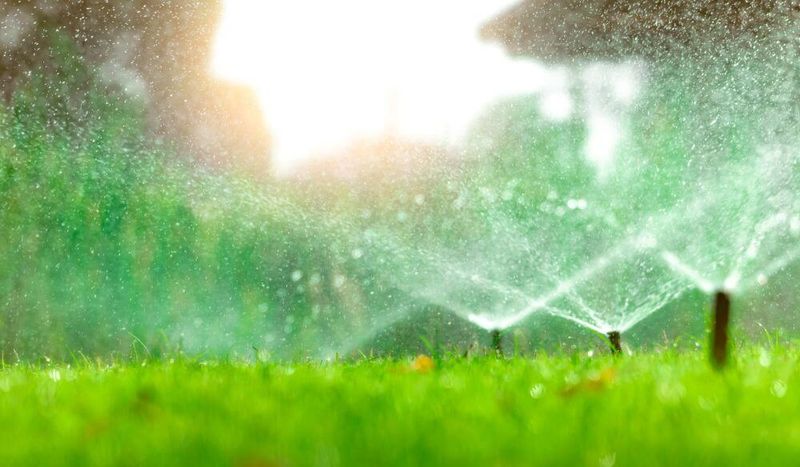
Florida heat waves are often followed by heavy summer storms, and those storms can drop a significant amount of rain in a short period of time.
When that happens, automatic irrigation systems that are left on their regular schedule can continue watering soil that is already thoroughly soaked.
Running irrigation on top of rain-saturated ground adds unnecessary moisture that roots cannot use and may not drain away quickly in areas with low spots or compacted soil.
Many Florida homeowners set their irrigation timers at the beginning of the season and then leave them running without adjusting for rainfall. After a heat wave breaks with a soaking storm, this habit can quickly shift from helpful to harmful.
Sandy Florida soil drains faster than clay-based soils, but raised beds, container gardens, and areas with organic-rich soil can stay wet for longer than expected after a heavy rain event.
Checking soil moisture after any significant rainfall before running the irrigation system is a straightforward habit that can protect plants during the recovery period.
Some Florida homeowners use a rain sensor or a smart irrigation controller that automatically pauses the system after measurable rainfall, which can take some of the guesswork out of the process.
Adjusting the irrigation schedule based on actual soil conditions rather than a fixed timer tends to support a healthier, more resilient Florida garden through the heat and humidity of summer.
8. Working In The Garden During The Hottest Hours
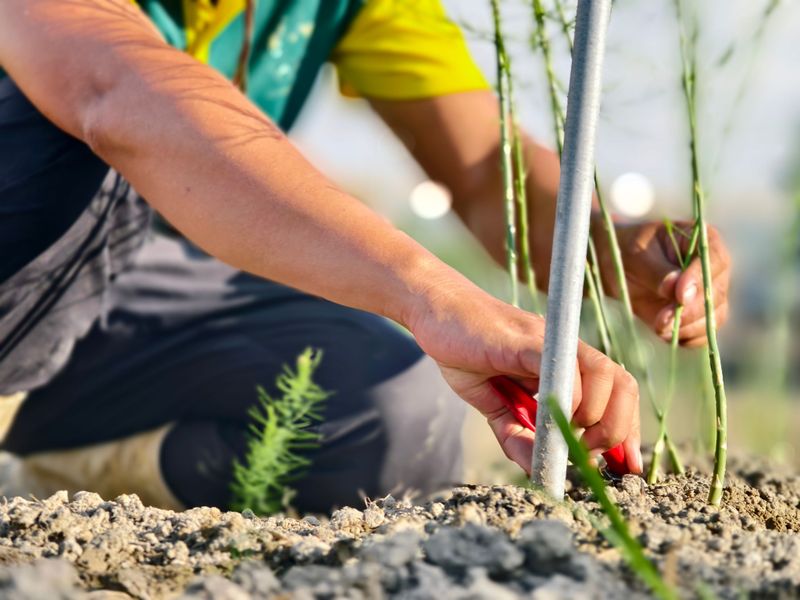
Post-heat-wave garden care is not just about the plants. The gardener doing the checking, watering, and adjusting also needs to stay safe in Florida’s intense summer conditions.
Heading outside to move pots, pull weeds, or assess plant damage during the hottest part of the day typically from mid-morning through mid-afternoon adds unnecessary heat exposure for the person doing the work.
It also does not always lead to better decisions about plant care.
Tired, overheated gardeners are more likely to overwater, over-prune, or make rushed choices about fertilizer and plant placement.
Working in extreme heat can also make it harder to accurately assess whether a plant is wilting from heat or from actual water stress, since everything tends to look more dramatic in harsh midday sun.
Florida’s summer afternoons can reach dangerous heat index levels that make outdoor work genuinely uncomfortable and potentially risky.
Early morning hours are generally the most comfortable and productive time for Florida gardeners to assess their plants after a heat wave.
Soil readings, plant condition checks, and any light watering or adjustments are easier to do accurately when temperatures are lower and the light is softer.
Evening hours can also work well for lighter tasks. Protecting both the garden and the gardener means being thoughtful about timing, and a calm morning check often reveals more useful information than a rushed midday inspection.