How To Save Your Pennsylvania Geraniums In Fall
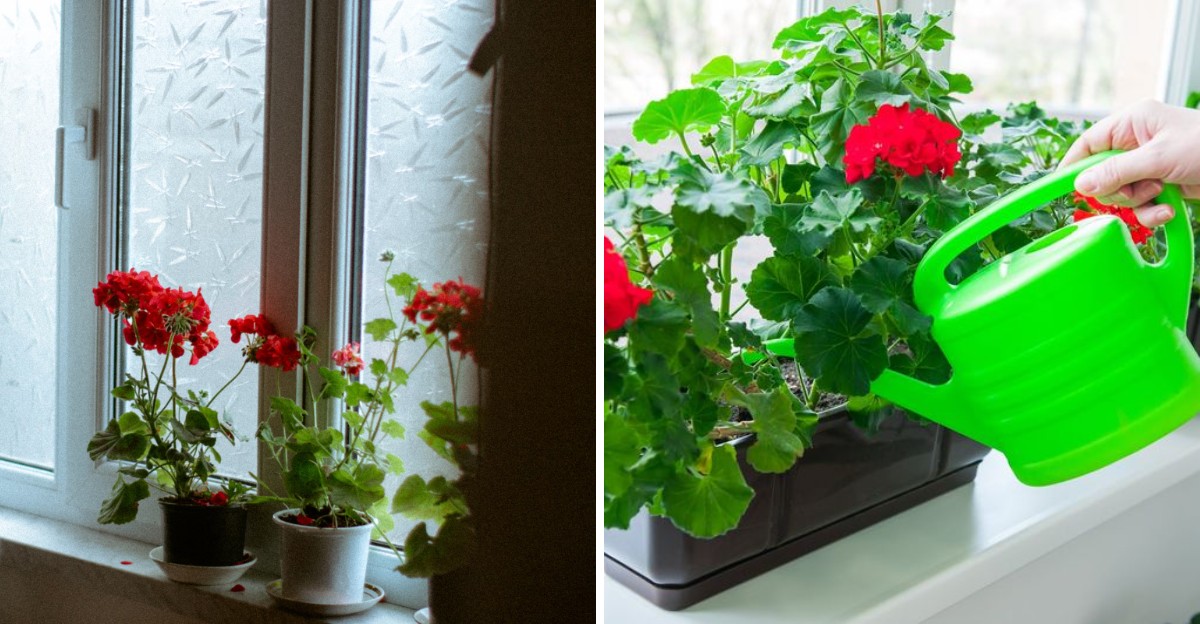
Every fall, countless Pennsylvania geraniums end up in the trash. Once the first frost hits, they get yanked out of pots and window boxes and tossed aside like any other summer annual. Here’s the surprising part. Geraniums aren’t really annuals at all.
In their native South Africa, they grow as long-lived perennials, and with a little help, they can live for years right here, too. Some gardeners keep the same plants going for a decade or more.
Generations ago, it was common to dig them up in fall and hang them upside down in the basement until spring. Others brought them inside as cheerful winter houseplants or rooted cuttings on a sunny windowsill.
Saving your geraniums is easier than you might think, and it can save you money on new plants next year. The key is acting before the cold arrives.
1. Bring Them In Before Frost
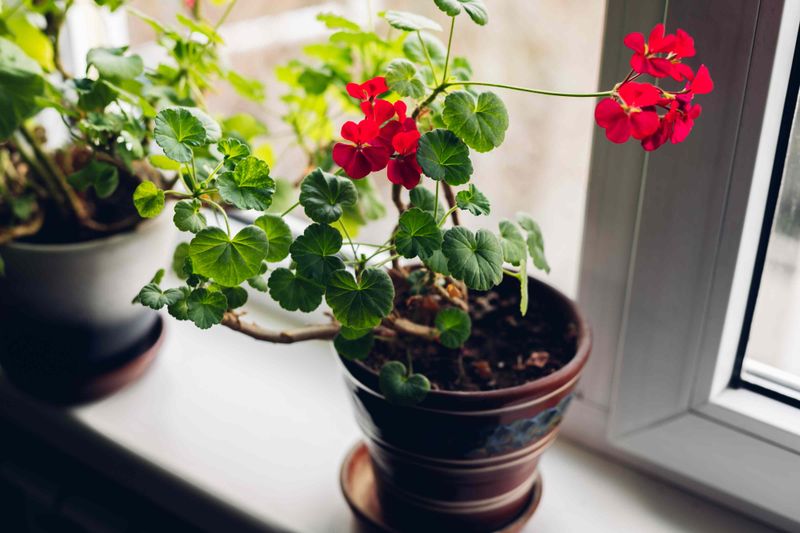
Frost sneaks up fast in Pennsylvania. One week you’re wearing shorts, and the next you’re scraping ice off the car windshield. Geraniums don’t get a warning text, so you need to watch the weather for them.
Most parts of the state see a first frost between late September and late October. Mountain areas and northern counties get it earlier, while Philadelphia and the southeast often get a little more time.
A good rule is to start moving plants when nighttime temperatures drop into the low 40s. Waiting until the frost hits is risky, because even one cold night can turn soft leaves black and mushy.
Before anything comes inside, give each plant a careful checkup. Flip the leaves over and look underneath.
Tiny bugs like aphids, whiteflies, and spider mites love to hide there. Check the stems for sticky spots and peek at the top of the soil for crawling critters.
Found some pests? A gentle spray from the garden hose can wash many of them away. For stubborn bugs, insecticidal soap works well and is safe to use around the house. Let the plants dry off in the shade before carrying them in.
Plants growing right in the ground need a little extra work. Dig around the root ball with a shovel and lift the whole plant out. Then set it in a pot with fresh potting mix, or use one of the other storage methods in this list.
Doing this inspection now saves big headaches later. One buggy plant can quickly spread trouble to every houseplant you own. A few minutes of checking keeps your whole indoor garden happy all winter.
2. Keep Them Growing As Houseplants
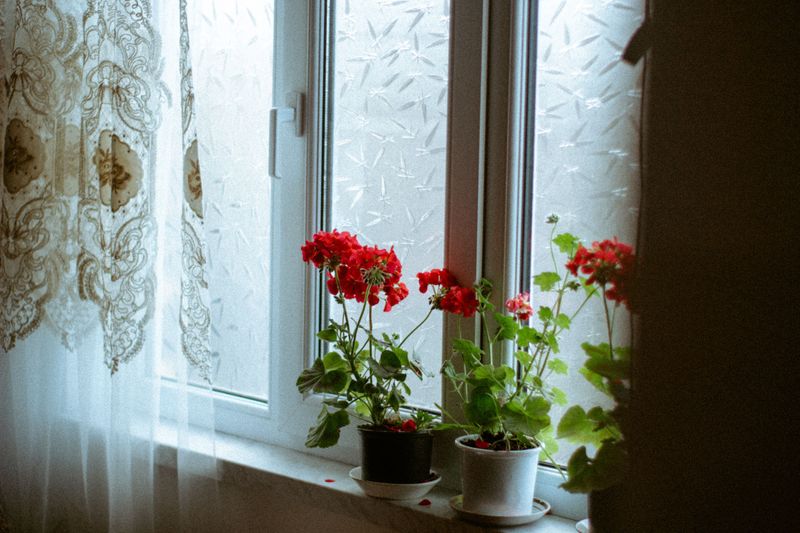
My aunt in Lancaster kept a row of red geraniums blooming on her kitchen windowsill every January. Snow piled up outside, but those flowers glowed like little holiday lights. You can pull off the same trick at home.
Sunlight is the secret ingredient. Geraniums need lots of it, so a south-facing window is your best choice.
West-facing windows can work too. A spot with less than six hours of light will make the plants stretch out and stop blooming. If your house is a bit dark, a simple grow light can fill in the gap.
Your Pennsylvania Garden Changes Every Week. Your Plan Should Too.
Gardening in Pennsylvania changes quickly throughout the season. Every Friday you’ll receive a simple weekly plan showing exactly what to plant, prune, fertilize, harvest, and protect so you never miss the right timing.
Before setting them on the sill, give your plants a haircut. Cut each stem back by about a third to half its length.
That might feel harsh, but it helps a lot. Shorter plants stay bushy and compact instead of growing long and floppy. They also fit better in a window.
Make your cuts just above a leaf node. That’s the small bump on the stem where leaves grow out. New shoots will sprout from those spots in a few weeks.
Yellow leaves will show up now and then. Don’t panic, since it’s normal while plants adjust to indoor life.
Just pinch them off with your fingers to keep things tidy. Removing old flowers helps too, because it encourages new buds to form.
Indoor air gets dry in winter, especially with the heat running. Geraniums handle dry air better than most houseplants, which is great news.
Keep them away from heating vents and cold drafts, though. Turn the pots every week or so, and the stems will grow straight instead of leaning toward the glass.
3. Take Cuttings For New Plants
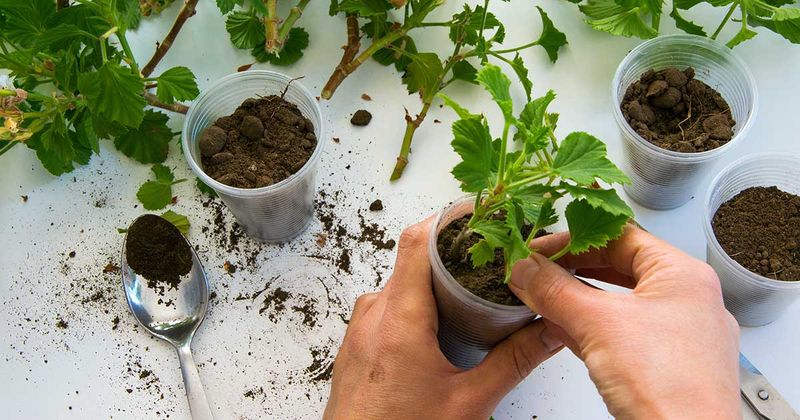
Fun fact: one healthy geranium can become five or six brand new plants. Cuttings are basically free plants, and they take up way less room than big potted ones. For anyone living in a small apartment, it’s a real game changer.
Start with a clean, sharp pair of snips or a knife. Pick strong, healthy stems that don’t have flowers on them.
Cut pieces that are about 4 to 6 inches long. Make each cut just below a leaf node, since roots grow best from that spot.
Next, strip off the lower leaves. Leave only two or three leaves at the top. Any leaves buried in soil will just rot. Some gardeners let the cut ends dry for a few hours before planting, which helps prevent mushy stems.
Fill small pots or cups with moist potting mix. Poke a hole with a pencil, slide in the cutting, and press the soil around it. Rooting hormone powder can speed things up, but geraniums usually root fine without it.
Set the pots in bright light, but not harsh, direct sun. Keep the soil slightly damp, not soggy. Skip covering them with plastic, because geraniums don’t like extra humidity.
Within three to four weeks, roots should form. Give a cutting a gentle tug. If it resists, roots are holding on. You’ll also notice new leaves popping up, which is a happy sign.
By spring, you’ll have a bunch of fresh, compact plants ready for the garden. They often bloom better than the old parent plant, too. Share extras with neighbors and friends, and you’ll be everyone’s favorite gardener.
4. Store Them Bare-Root Over Winter
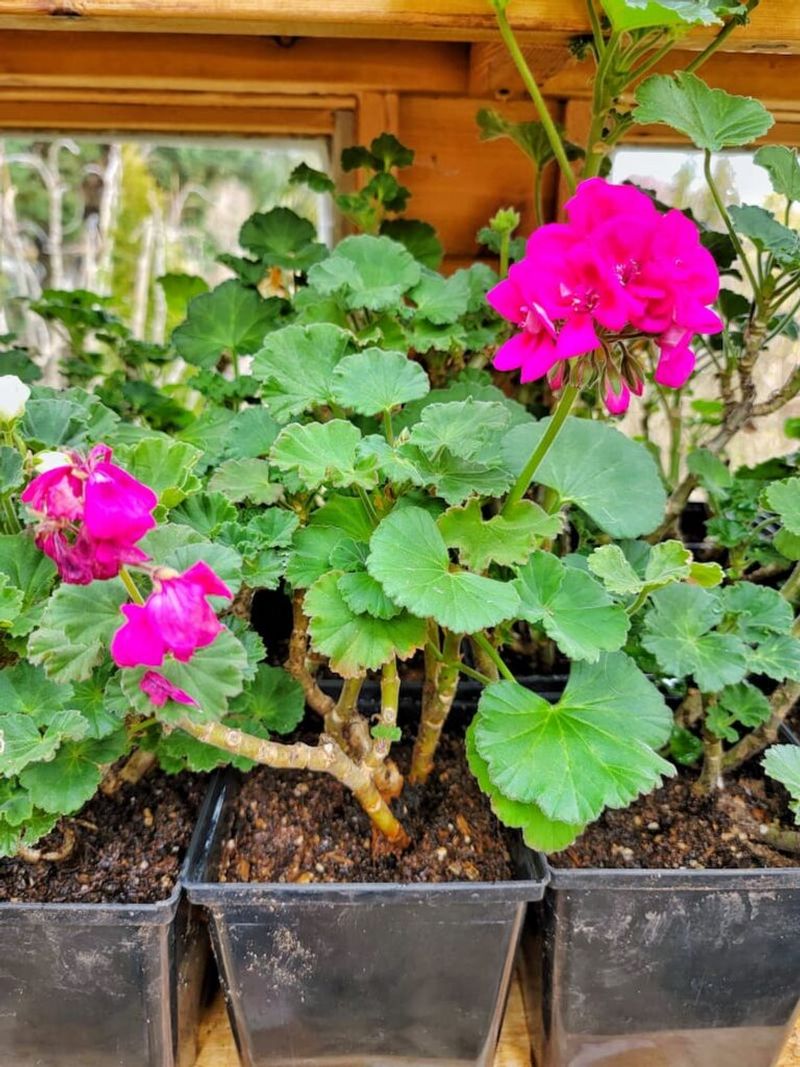
Long before grow lights existed, Pennsylvania farm families had a clever trick. They hung geraniums upside down in their cellars all winter long. Believe it or not, the plants woke up just fine in spring.
Stone basements in old farmhouses stayed cool and dark, which was perfect for resting plants.
You can copy the idea today if you have a similar spot. The ideal temperature is about 45 to 50 degrees. Warmer than that, and plants may try to grow. Colder than freezing, and they won’t make it.
Here’s how to do it. Dig up your geraniums before frost and gently shake off as much soil as you can. Don’t wash the roots, just knock the dirt loose. Remove any flowers and most of the leaves.
Place each plant upside down in a brown paper bag. Paper works better than plastic because it lets air move around.
Plastic traps moisture, and that leads to mold. Tie the bag loosely at the top and hang it from a nail, hook, or rafter.
Once a month, take the plants down and soak their roots in a bucket of water for a few hours. That simple soak keeps them from drying out completely. Let them drip dry a bit before putting them back in their bags.
Some stems may look shriveled by February. That’s okay. As long as the main stems feel firm, the plant is still alive inside. Toss any parts that turn soft or moldy.
In early spring, pot them up in fresh soil and water well. Green buds should appear within a few weeks. It feels a little like magic every time.
5. Let Potted Plants Go Dormant
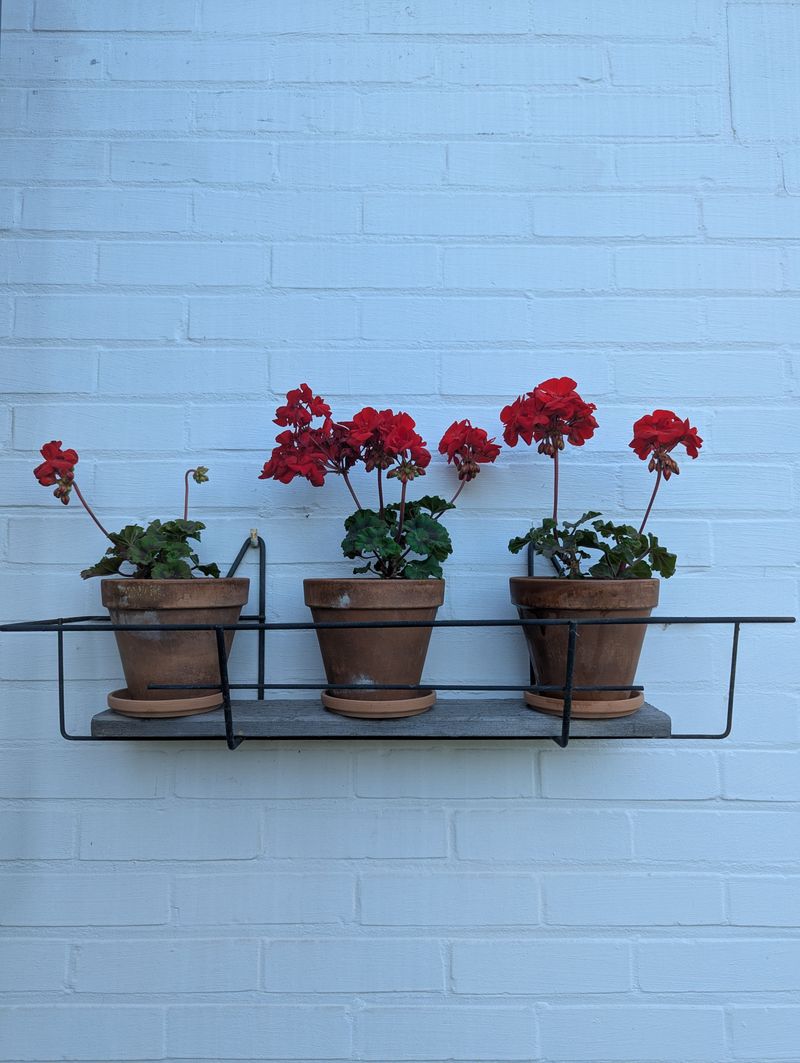
Short on sunny windows? You’re definitely not alone. Many homes only have a couple of bright spots, and the cat usually claims one of them. Letting geraniums take a long winter nap is an easy fix.
Dormancy is simply a resting stage. The plant slows way down, stops growing, and waits for better weather.
Think of it like a bear sleeping through the cold months. Your geraniums do the same thing when they’re cool and don’t get much light.
Choose a spot that stays cool but doesn’t freeze. A basement, garage that stays above freezing, enclosed porch, or unheated spare room all work well.
Temperatures between 45 and 55 degrees are great. A little dim light is fine, and complete darkness also works.
Before moving the pots, trim the plants back by about half. Pull off any flowers and buds. Less plant means less to support while it rests.
Watering is where most people go wrong. Dormant plants need very little. Give them a small drink about once a month, just enough to keep the stems from shriveling up. The soil should stay mostly dry. Too much water in a cool room leads to rot fast.
The plants won’t look pretty during this time. Leaves may drop, and stems may look tired and pale. Don’t worry about it. What matters is that the stems stay firm and green inside.
Check on them every few weeks. Remove fallen leaves so mold doesn’t grow. Look for pests, too. With hardly any effort, your geraniums will rest quietly until spring calls them back to work.
6. Water Lightly Indoors
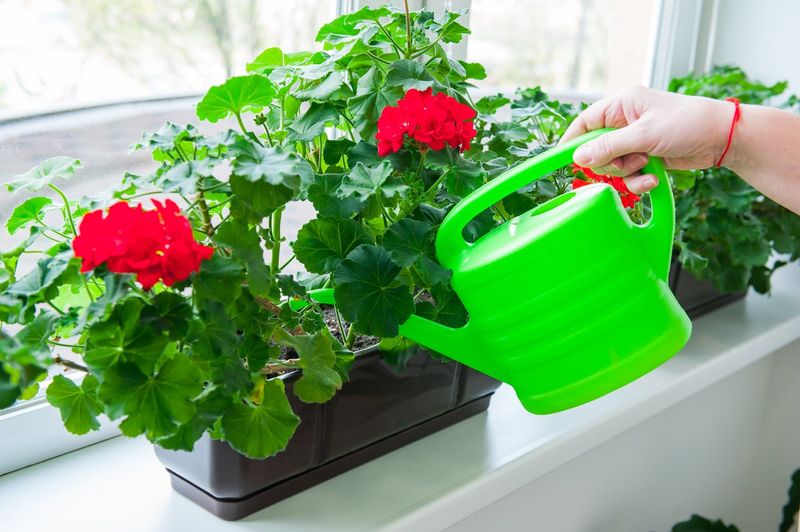
Love can be a problem for houseplants. Plenty of caring gardeners accidentally drown their geraniums by watering too often. Too much water, not too little, causes most indoor geranium trouble.
Geraniums actually come from South Africa, where the land can be pretty dry. Their thick stems hold water, so they handle drought well. Soggy soil, though, is their worst enemy. Wet roots can’t breathe, and they start to rot.
Watch for warning signs. Yellow leaves near the bottom of the plant are a common clue. Stems that turn black and soft at the base mean rot has set in. A sour smell from the soil is another red flag.
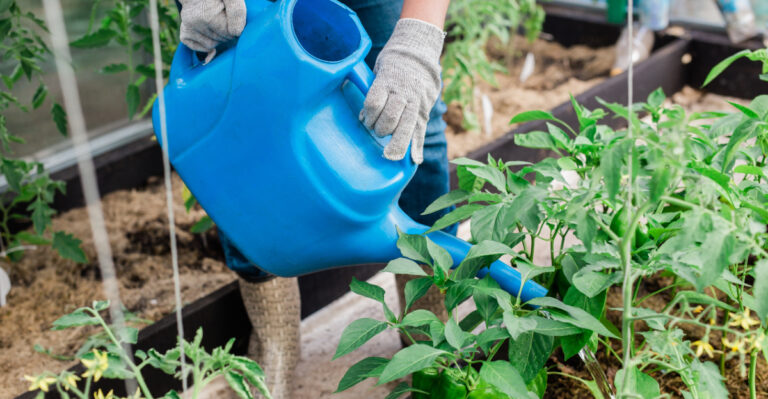
So how often should you water? Skip the calendar and use your finger instead. Push it about an inch into the soil. If it feels dry, go ahead and water. If it feels damp, wait a few more days and check again.
When you do water, do it well. Pour slowly until a little water drains out the bottom. Then empty the saucer so the pot isn’t sitting in a puddle. Pots without drainage holes are a bad idea for geraniums.
Cooler rooms change everything. Plants in a chilly spot grow slower and drink much less. In a 60-degree room, you might water only every two weeks or even less. Plants in a warm, sunny window will need it a bit more often.
Clay pots help too. They let extra moisture escape through their sides. Pair them with a light, fast-draining potting mix, and your plants will stay healthy and happy until spring.
7. Prepare Them For Spring
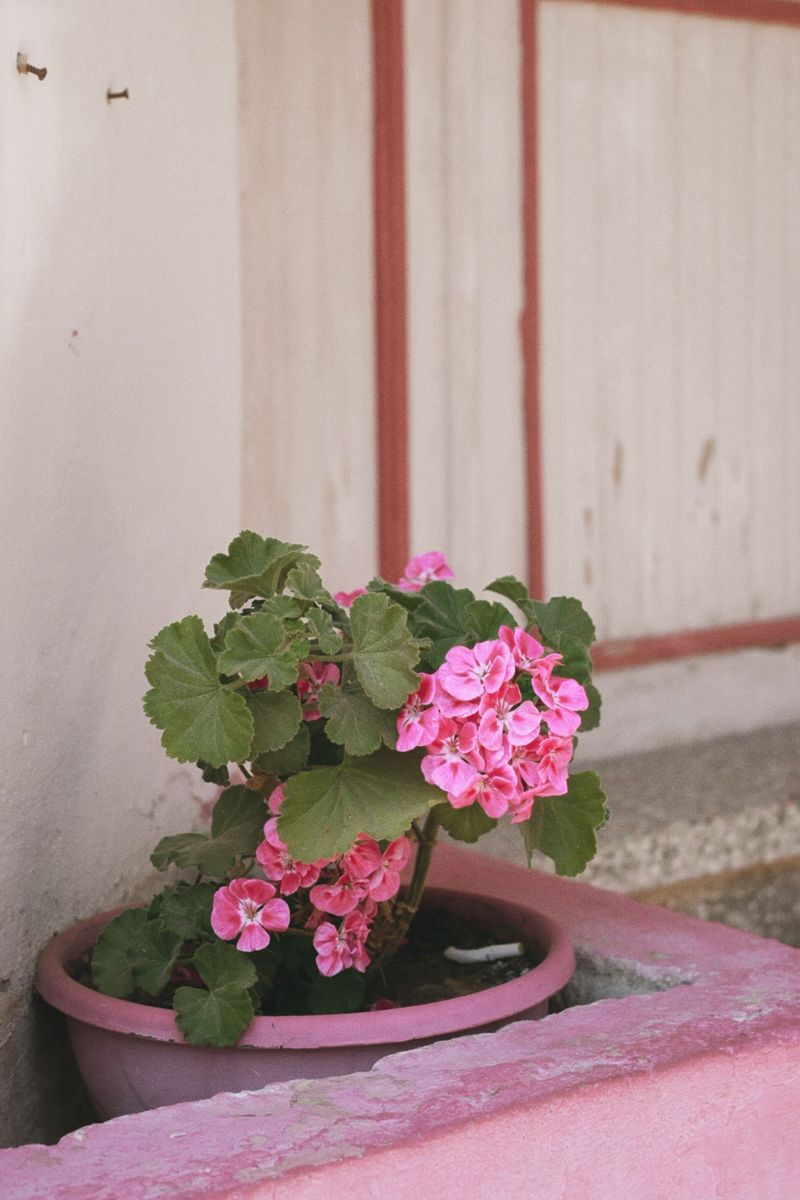
March in Pennsylvania brings a special kind of excitement. The snow starts melting, robins come back, and gardeners get itchy fingers. Your geraniums are ready for a wake-up call, too.
Start by giving them a trim in late winter. Plants kept in windows often grow long, skinny stems by now. Cut those leggy stems back by about half. Fresh, bushy growth will soon take their place.
Dormant plants need to come out of hiding. Move them from the basement into a bright window or under grow lights.
Start watering a bit more as new leaves appear. Bare-root plants should be potted in fresh soil first. A light dose of houseplant fertilizer helps give everyone an energy boost.
Patience matters most now. Don’t rush plants outside on the first warm day. Pennsylvania loves a surprise late frost. In most areas, it’s safest to wait until mid-May. Folks in colder northern counties may want to wait a little longer.
Once frost danger has passed, it’s time for hardening off. That’s a fancy way of saying you help plants get used to the outdoors slowly. Set them outside in a shady spot for an hour or two the first day. Bring them back in at night.
Each day, leave them out a little longer and give them a bit more sun. After about a week to ten days, they’ll be tough enough to stay out full time.
Finally, plant them in your garden beds, window boxes, or porch pots. Water them well. Before long, those same plants you rescued last fall will be blooming brighter than ever.