Mowing Over Fall Leaves Can Do More For Your Indiana Lawn Than Raking Them
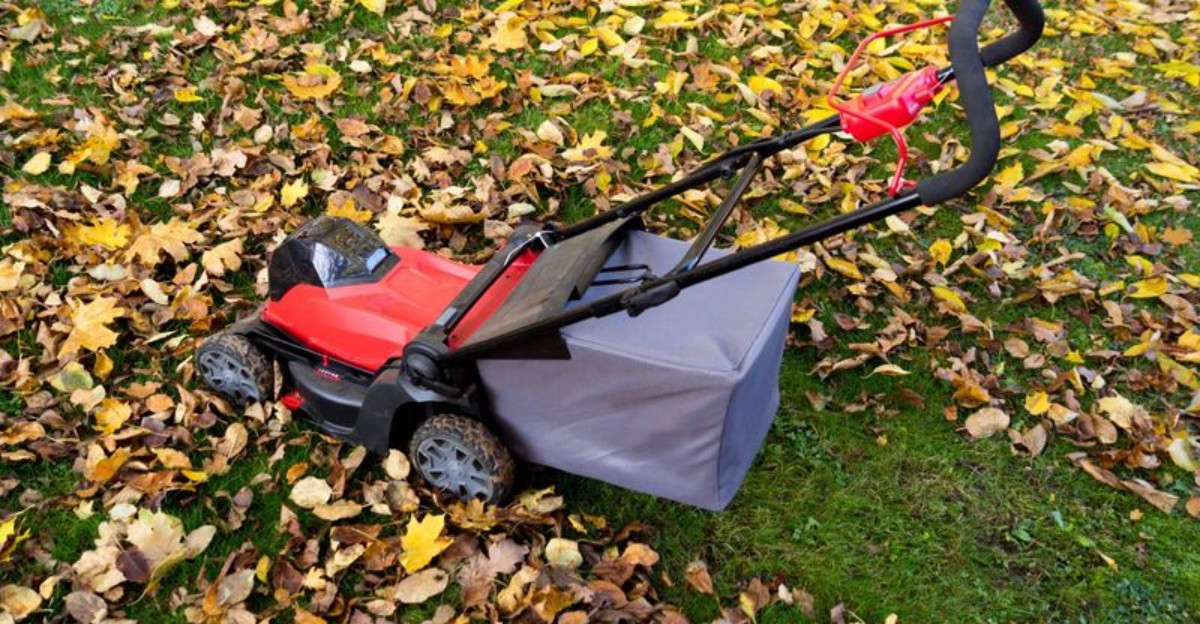
Turf researchers in the Midwest found that lawns often look greener the spring after chopped leaves are mowed into them. I remember reading that result and feeling a little cheated by every weekend I spent bent over a rake.
Most Indiana lawns are cool-season grasses like Kentucky bluegrass and tall fescue, which keep growing roots in October. Those roots stay busy under the leaves until the ground freezes, so the timing of fall chores matters.
Leaves also hold nitrogen, potassium, and other minerals that trees pulled from deep soil during the growing season. Bagging them sends that free material to the curb, while your yard loses a natural source of organic matter.
You probably own the tool that handles this job faster than a rake. So why are so many of us still filling paper bags every Saturday when the trees start letting go?
Shredded Pieces Feed The Soil Beneath The Grass
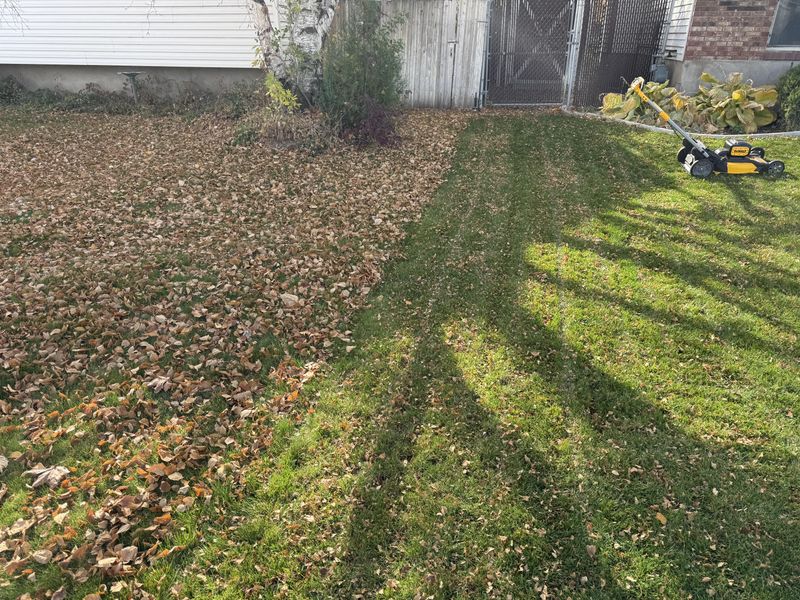
Mowing over fall leaves usually helps an Indiana lawn more than raking, as long as pieces stay small. Chopped leaves slip down between grass blades, where earthworms and soil microbes start breaking them apart within weeks.
As the bits decay, they add organic matter that helps soil hold water and stay loose for roots. Heavy clay soils, common across much of central Indiana, benefit from that extra organic material over many seasons.
Leaves also return small amounts of nitrogen, phosphorus, and potassium that the tree absorbed during spring and summer. The amount is modest, so shredded leaves mainly build soil rather than replace a regular fertilizer plan.
I like to think of each mowing pass as a slow compost pile spread evenly across the yard. You skip the bags, the curb pickup fees, and the sore back that comes with hours of raking.
Purdue Extension turf specialists encourage homeowners to mulch leaves into lawns when the layer stays thin. Their advice fits the cool-season grasses that dominate Indiana yards, since those grasses keep building roots through late fall.
Raking still helps when leaves pile deeper than your mower can handle in one or two passes. Extra leaves can go into a compost bin or garden bed instead of leaving the property in plastic bags.
For most yards with a few shade trees, the mower does the job faster and feeds the soil. That simple trade makes October lawn care feel less like a chore and more like an investment in spring.
Turf Studies Back The Mulching Approach
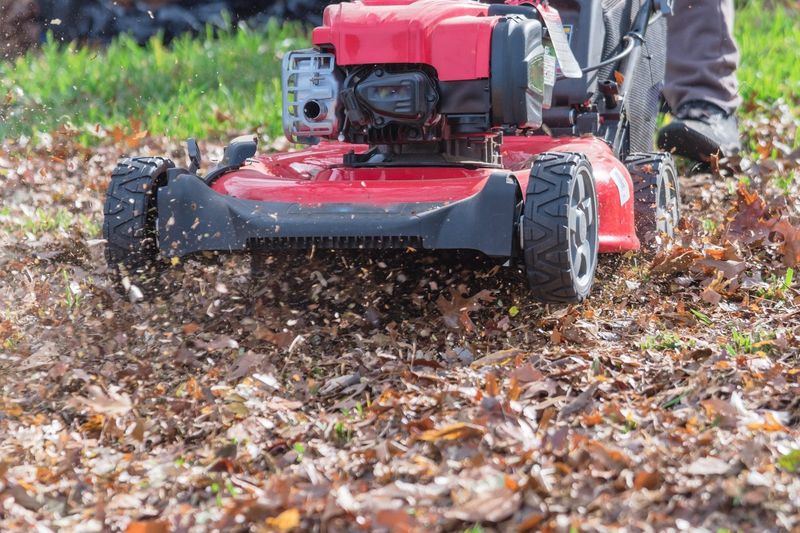
Back in the 1990s, Michigan State University researchers started testing what happened when leaves were mowed straight into turf. Many homeowners feared the shredded pieces would smother grass, but the test plots told a different story.
Lawns that received chopped maple and oak leaves each fall showed no drop in quality compared with raked plots. Some plots even greened up earlier the next spring, which surprised plenty of people in the turf world.
Researchers also noticed fewer dandelions in some mulched plots, though scientists are still unsure exactly what caused that change. Results like that should be viewed as encouraging rather than a guaranteed weed control method for every yard.
Your Indiana Garden Changes Every Week. Your Plan Should Too.
Gardening in Indiana changes quickly throughout the season. Every Friday you’ll receive a simple weekly plan showing exactly what to plant, prune, fertilize, harvest, and protect so you never miss the right timing.
Purdue University in West Lafayette shares similar advice for Indiana homeowners through its respected turfgrass science program. Purdue’s turfgrass experts note that mulching leaves returns organic matter and saves time compared with raking and bagging.
Ohio State and the University of Illinois extension services also recommend mulching leaves when the layer is manageable. Seeing several Midwest universities agree gives me more confidence than any single study or online gardening tip could.
Most of these trials used established turf, so results may differ on thin or shady lawns. Grass under heavy tree cover often grows slowly, which gives it less ability to handle a thick leaf layer.
You can treat the research as a solid starting point, then watch how your own grass responds next spring. A quick walk across the yard in April will show whether the mulched spots green up evenly.
Dime-Sized Bits Mark The Right Shred
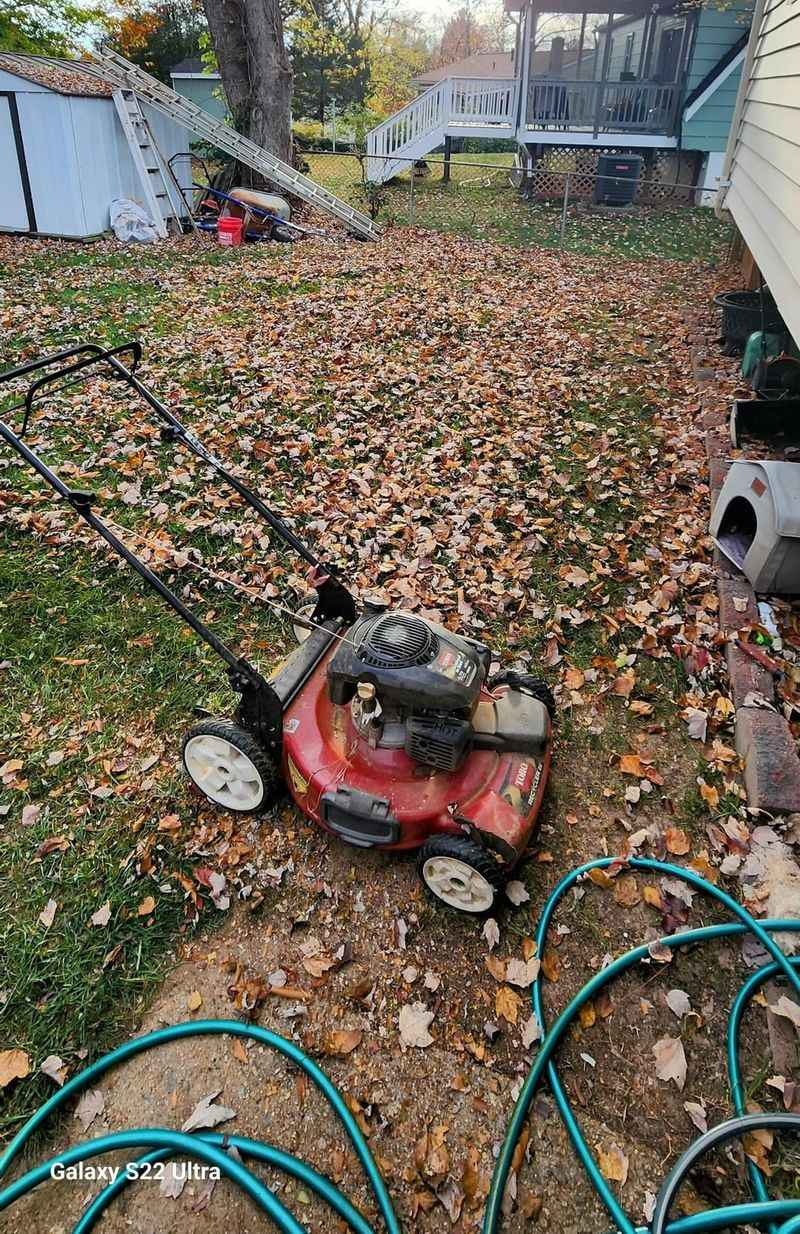
Grab a dime from your pocket and hold it next to a few chopped leaves after your first mowing pass. Pieces about that size, or smaller, make a handy target for mulching leaves into turf.
Small bits fall down into the grass canopy instead of resting on top and blocking sunlight from the blades. They also break down faster, because soil organisms have more exposed edges to work on during cool weather.
Larger chunks, like half leaves or whole oak leaves, can stay matted on the surface well into winter. Oak leaves are tough and waxy, so they often need an extra pass compared with softer maple leaves.
A mulching mower or mulching blade helps a lot, since it circles clippings under the deck several times. A regular mower with a sharp blade can still work well if you make two passes in different directions.
Dull blades tend to tear leaves into ragged strips instead of chopping them into neat little flakes. Sharpening the blade early in leaf season makes a noticeable difference, and it helps the grass blades heal cleaner too.
I keep an old dime in my garage just for this quick check, which feels silly but works. Your eyes get trained fast, and after a couple of weekends you will spot oversized pieces without any coin.
Keeping the mower at its normal fall height helps, because grass blades hold the small pieces down near the soil. Most Indiana lawns do well when mowed around three inches tall through the final weeks of fall.
Grass Blades Should Peek Through After Each Pass
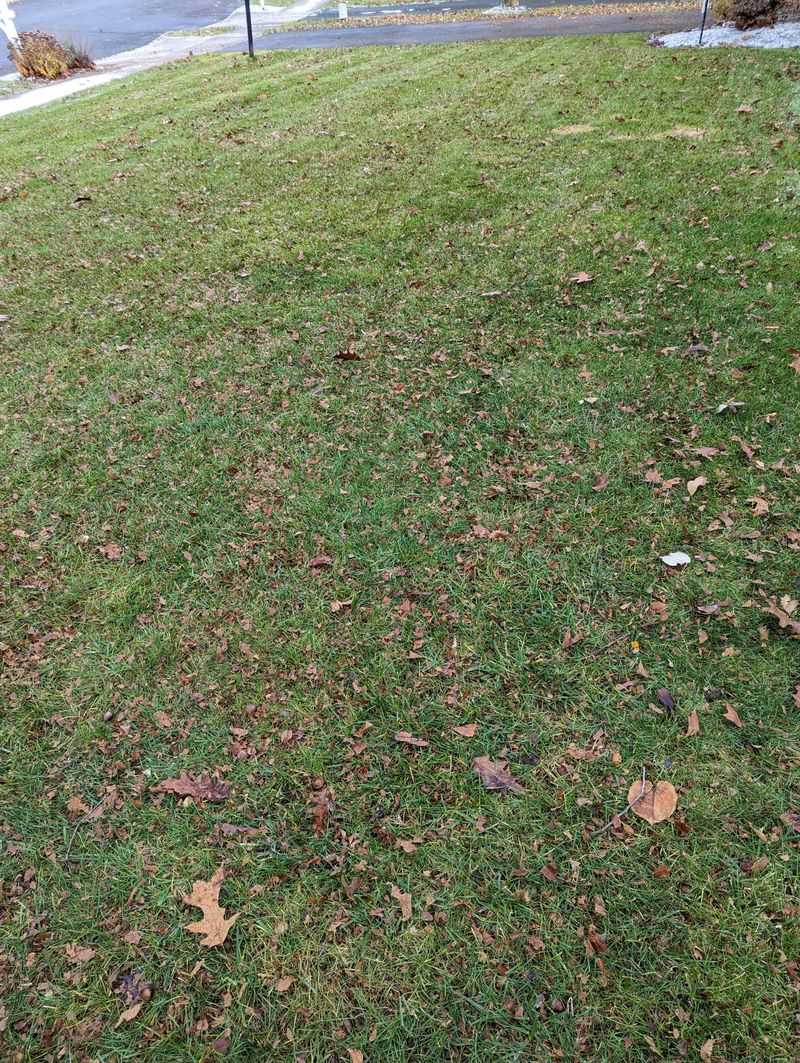
After you finish mowing, stand at the edge of the yard and look across the lawn at eye level. Green blades should poke up clearly through the brown flakes, covering roughly half or more of the surface.
If the yard still looks mostly brown, the leaf layer is probably too thick for one round of mowing. A second pass in a crisscross pattern often chops the remaining pieces small enough to settle down.
Grass still needs sunlight in October to make the sugars it stores in roots for winter and early spring. Heavy cover blocks that light, so the lawn may thin out in patches where leaves sat too long.
Mowing once a week during peak leaf drop keeps the layer manageable, rather than waiting for every tree to finish. In much of Indiana, peak drop often lands from mid-October into early November, depending on tree species.
Some yards under big oaks or maples collect far more leaves than a mower can shred in two passes. In those spots, you can bag part of the pile with the mower and mulch the rest.
The bagged shreds make excellent winter mulch around shrubs, perennials, and vegetable beds that need extra protection. I like spreading them two or three inches deep, which keeps soil temperatures steadier when cold snaps arrive.
Think of the peek-through test as your simple gauge, no measuring tape or soil kit required. Your grass gives honest feedback, and learning to read it makes every future fall a little easier to handle.
Thick Leaf Mats Invite Snow Mold Over Winter
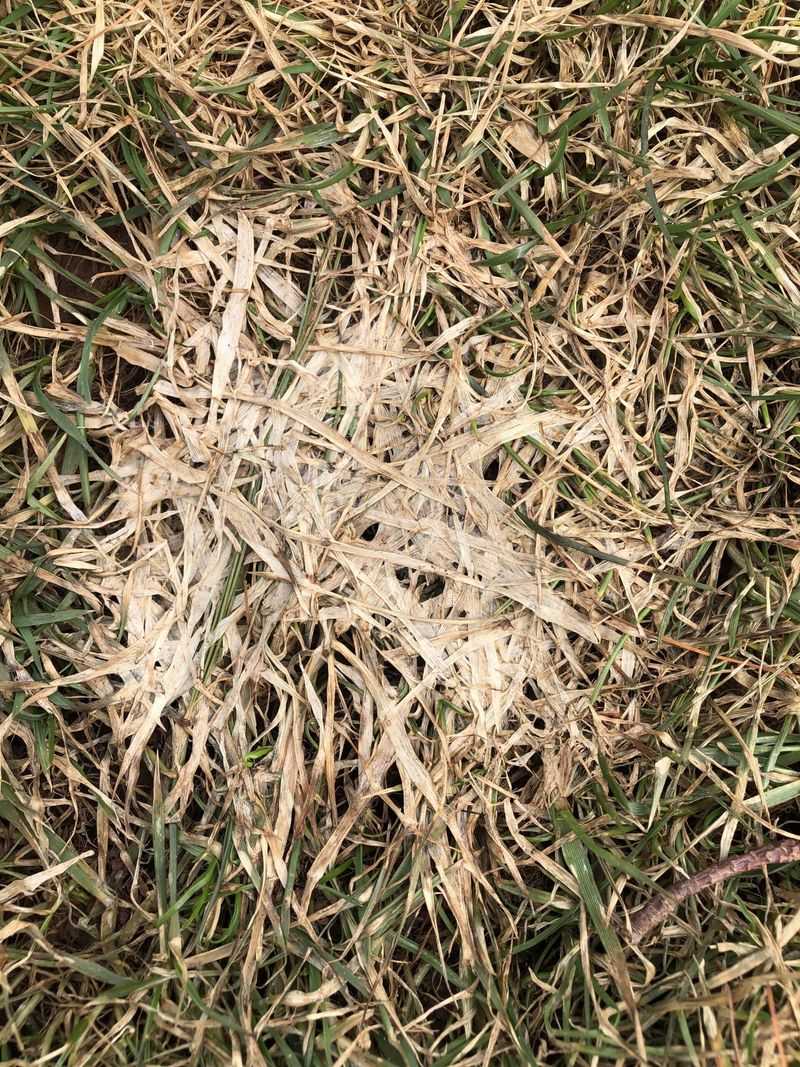
Every spring, a few Indiana homeowners find strange gray or pinkish circles matted into the lawn as the snow melts. Those patches are often snow mold, a fungal disease that thrives under wet, heavy cover during long winters.
Gray snow mold and pink snow mold both show up in Indiana, according to Purdue turfgrass disease specialists. Pink snow mold can even develop without snow, as long as conditions stay cool and damp for weeks.
Thick mats of whole leaves trap moisture against the grass, which creates the kind of shelter these fungi enjoy. Shredded leaves that settle between blades rarely cause the same problem, because air can still move around them.
Most snow mold damage is cosmetic, and the grass usually recovers once the weather warms and dries out. Severe cases can thin the turf, though, which leaves open spots for crabgrass and other weeds next summer.
Your best protection is simple and costs nothing beyond a little gas and some time on the mower. Keep shredding leaves until the trees are bare, so no thick layer sits on the lawn through December.
Purdue experts also suggest mowing at your normal height right up until growth stops in late fall. Long, floppy grass can mat down under snow, which gives mold another cozy place to spread.
I learned this lesson after skipping one final mowing and finding fuzzy patches near the driveway in March. A light raking of those spots in spring helped them dry out and fill back in fairly quickly.
Dry Leaves Shred Better Than Soggy Piles
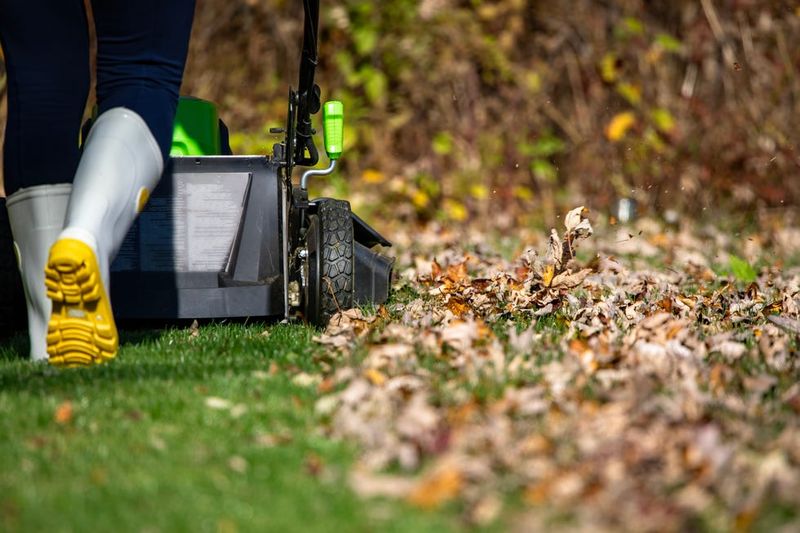
Anyone who has tried mowing wet leaves knows the sound of a mower bogging down and coughing out clumps. Soggy leaves stick together, clog the deck, and leave behind ugly wet mats instead of fine flakes.
Dry leaves crumble easily under a spinning blade, which is the whole reason timing matters so much here. Aim for an afternoon after a day or two without rain, once the morning dew has burned off.
October in Indiana often brings a mix of crisp sunny days and soaking rain, so watch the forecast closely. Planning your mowing around dry stretches saves fuel, protects your mower, and gives the lawn a cleaner finish.
Wet grass and leaves can also leave ruts in soft soil, especially in low spots that drain slowly. Compacted soil makes it harder for roots to grow, and that problem can linger well into next spring.
Safety matters too, because wet leaves on slopes can make footing slippery while you push a heavy machine. Turn the mower off and wait for the blade to stop before clearing any clog from under the deck.
If rain keeps falling for days, a leaf blower can spread damp piles thin so they dry faster. Even an hour of sun and a light breeze can turn a stubborn pile into easy mowing material.
I have learned that patience pays off here more than muscle, which feels like a rare win in yard work. Wait for dry leaves, make a pass or two, and let the soil handle the rest until spring.