Things To Do With Your California Hibiscus Before The First Frost
A colony of spider mites can ride indoors on a single leaf of a potted tropical bloomer without anyone noticing. Once they reach a warm, dry living room, they multiply fast and speckle the foliage with yellow.
Tropical types sulk once nights slip below about fifty degrees, while hardy cousins fade to the ground and return in spring. California even has its own rare native relative growing wild along wet Delta sloughs.
It’s a little embarrassing, but I once pruned mine hard in early November and watched every eager new sprout turn brown. You might notice a few pouty yellow leaves after any big change, which is usually just drama.
Garden centers sell these beauties all summer, yet few tags mention what happens once November nights turn crisp. A few moves with a hose, an old bedsheet, and a sunny window could keep those flowers coming back for years.
1. Figure Out Whether Your Hibiscus Is Tropical Or Hardy
Two plants can share the hibiscus name yet react to a cold snap like strangers from different planets. I learned this the hard way when one shrub sulked all winter while its cousin barely blinked.
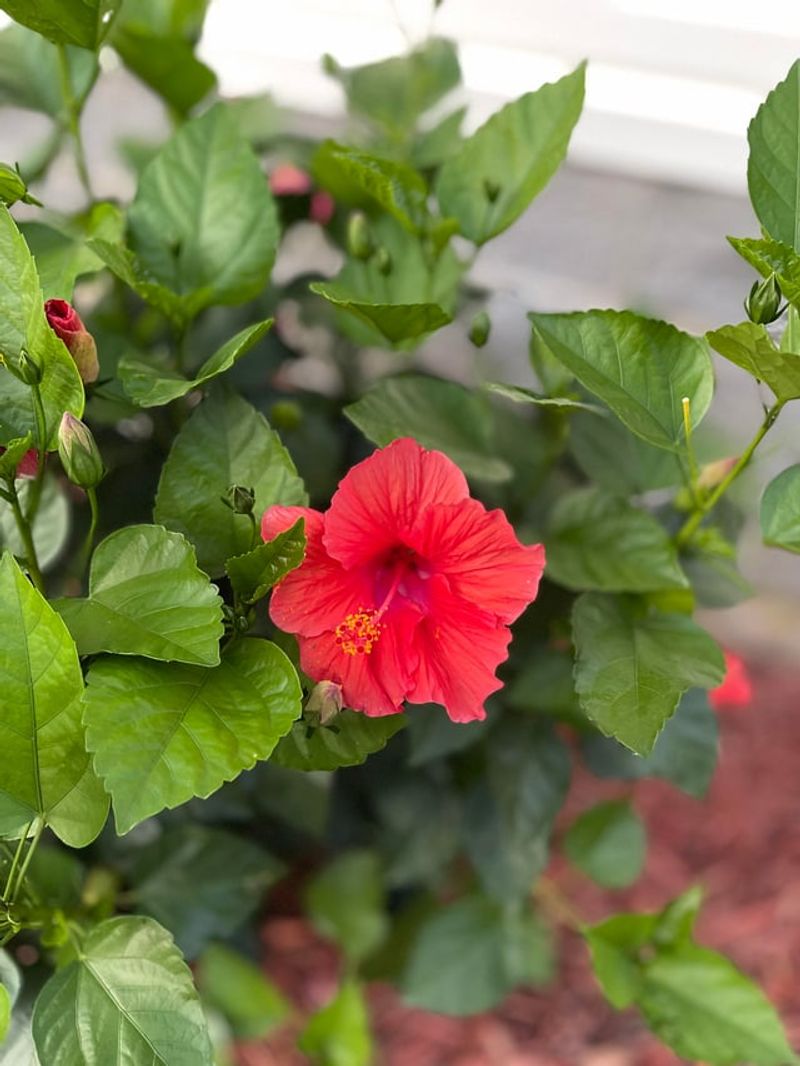
Tropical hibiscus, known to botanists as Hibiscus rosa-sinensis, comes from warm regions and dislikes temperatures under fifty degrees. Its glossy dark leaves and huge flowers in shades like hot pink or sunny orange make it easy to spot.
Hardy hibiscus, Hibiscus moscheutos, behaves differently and handles winters in USDA zones 5 through 9 without much fuss. Its stems fade to the ground each fall, then fresh shoots push up once the soil warms.
Leaves on hardy types look softer and duller, and the blooms can stretch wider than a dinner plate. Check your plant tag or nursery receipt first, since that little label settles the question fast.
California also has its own native, the woolly rose mallow, which grows wild along wet Delta sloughs. I love how this rare relative shrugs off cool Delta winters, much like its hardy eastern cousins.
Once you know which type you own, every other step on this list becomes much easier to plan. Tropical plants need real cold protection, while hardy ones mostly need a tidy cleanup and some patience.
If you still feel unsure, snap a clear photo of one leaf and one flower for comparison. Staff at a local nursery or your county Master Gardener program can usually identify it within minutes.
2. Track The First Frost Date In Your Neighborhood
Frost dates across the state can differ by a full month, even between towns only a short drive apart. Valleys trap cold air at night, while hillsides and coastal neighborhoods often stay several degrees warmer.
Average first frost lands around late November in Fresno and around early to mid December near Sacramento. Coastal Los Angeles and San Diego gardens see frost so rarely that many winters pass without one.
Those numbers are averages, so an early cold snap can arrive a couple of weeks ahead of schedule. Personally, I start watching the forecast closely about a month before my average date rolls around.
The National Weather Service issues frost advisories and freeze warnings, and those alerts are worth turning on. Your phone’s weather app can send them straight to your pocket before the evening chill settles in.
Clear and calm nights are the sneaky ones, because heat escapes quickly without clouds acting like a blanket overhead. A cloudy, breezy evening at the same temperature usually leaves your garden looking much happier next morning.
I keep a cheap outdoor thermometer near my hibiscus, since backyard readings often differ from the airport forecast. Low spots near fences and patios can run colder, so note where frost shows up first each year.
Jot those observations in a garden notebook, and you will have a personal frost map within a season. That record beats any average chart, because it reflects the exact spot where your hibiscus actually grows.
3. Give Hibiscus Roots A Deep Drink Before Cold Nights
Moist soil holds heat better than dry soil, which surprises plenty of gardeners who expect the opposite. Water releases warmth slowly overnight, giving roots and low branches a small but helpful buffer against frost.
UC master gardeners often suggest watering a day or two before a predicted freeze for this reason. Cold, dry air pulls moisture from leaves, and thirsty plants struggle to replace it from parched soil.
I give my in-ground hibiscus a slow, deep soak in the morning or early afternoon before cold nights. Watering early lets the leaves dry off before sunset, so you are not trapping ice on the foliage.
Aim the hose at the root zone rather than the leaves, and let the water soak in gradually. A soaker hose or a slow trickle for twenty minutes works better than a quick blast from the nozzle.
Potted hibiscus needs a little extra attention, since containers dry out faster and roots sit closer to cold air. Water until it drains from the bottom holes, then let the pot finish draining before nightfall.
Soggy soil is a different story, though, because roots sitting in cold water can rot quickly. Poke a finger two inches down first, and skip watering if the soil already feels damp.
I like how this single step costs nothing yet makes a noticeable difference after a chilly night. Pair it with a frost cover, and your hibiscus gets two layers of help instead of one.
4. Drape Frost Cloth Over In-Ground Tropical Hibiscus
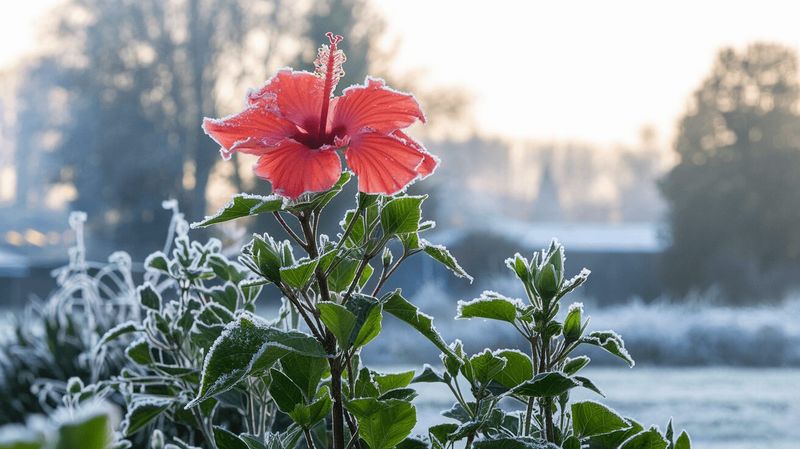
Frost cloth can trap enough ground heat to keep plants a few degrees warmer than the open air. Those few degrees often decide whether your hibiscus wakes up glossy or wakes up with blackened leaves.
Big tropical shrubs planted in the ground cannot come inside, so a cozy cover becomes their winter coat. Throw one on whenever forecasts call for temperatures near freezing or the weather service posts a frost advisory.
Garden centers sell lightweight frost blankets, but old bedsheets and burlap work surprisingly well in a pinch. Skip plastic touching the leaves, since it conducts cold and can actually make frost damage worse.
Let the fabric drape all the way to the ground, then pin the edges with rocks or bricks. Heat rises from the soil at night, and a sealed skirt keeps that warmth tucked around the branches.
A few stakes or tomato cages help hold the cover above tender tips so it does not crush them. Personally, I drape mine in late afternoon, while the ground still holds some of the day’s warmth.
Pull the cover off the next morning once temperatures climb, so leaves can soak up sunshine again. Leaving it on during a warm day can trap moisture and overheat the plant underneath the fabric.
For extra warmth, some gardeners string old-style incandescent holiday lights under the cover before draping it. Modern LED strands stay cool, so they look festive but add almost no heat for your hibiscus.
5. Spread Mulch Around The Base Of Your Hibiscus
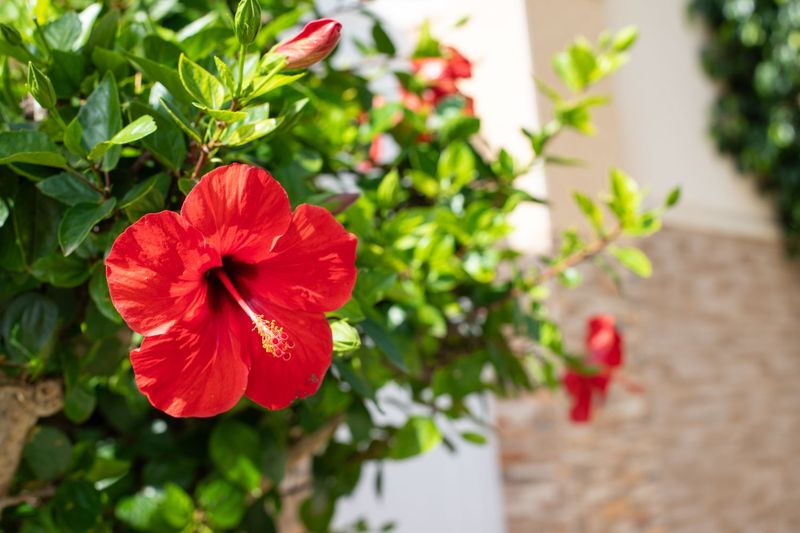
Roots hide underground, yet they are often the part that decides whether your hibiscus bounces back in spring. Even when frost scorches the top growth, healthy roots can push out fresh shoots once warm weather returns.
A layer of organic mulch acts like a fluffy quilt, slowing heat loss from the soil overnight. It also keeps soil temperatures steadier, so roots avoid the stressful swing between chilly nights and sunny afternoons.
Shredded bark and chopped fall leaves both work nicely, and the leaves cost nothing if your yard has trees. Straw is another easy choice, especially around hardy hibiscus beds that need a loose, airy winter covering.
Spread the mulch about three to four inches deep, extending it out toward the edge of the branches. Keep a gap of several inches around the main stem, since mulch piled against bark invites rot.
I picture it like a donut rather than a volcano, and my plants seem much happier for it. Volcano mulching traps moisture against the trunk and gives pests a sheltered hiding spot all winter.
Hardy hibiscus gets mulched a little differently, usually after the stems have faded and the ground has cooled. Pull that mulch back in spring so the sun can warm the soil and wake up new shoots.
Potted hibiscus left outdoors benefits too, since a thin mulch layer helps the shallow soil hold warmth. Wrapping the pot itself in burlap or bubble wrap gives those exposed roots another welcome layer of shelter.
6. Hold Off On Hard Pruning Your Hibiscus Until Spring
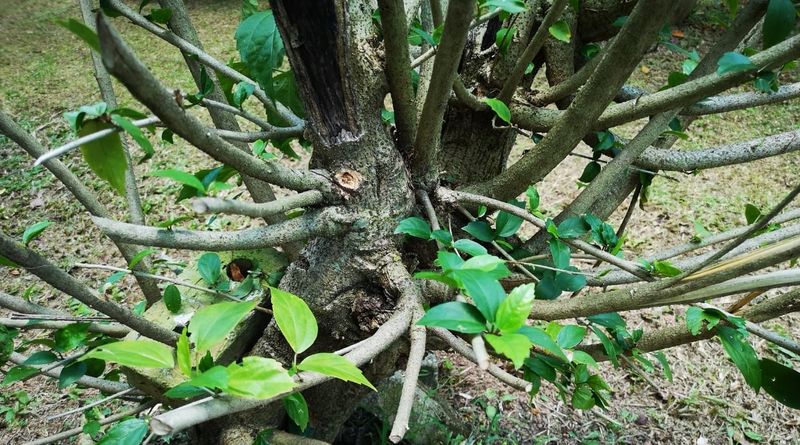
Grabbing the pruners in autumn feels productive, but fresh hibiscus shoots are especially tender when cold nights arrive. A heavy cut now can trigger soft new growth that frost scorches within a single chilly week.
Honestly, I once trimmed my tropical hibiscus in early November and regretted it by the middle of January. Every eager little sprout it produced turned brown and mushy after one frosty morning in the yard.
For in-ground tropical shrubs, light tidying is fine, like snipping broken branches or removing obviously diseased stems. Save the serious shaping for early spring, after your local frost danger has passed for the year.
Leaving the outer branches in place also gives the inner stems a bit of shelter during cold snaps. Frost-nipped leaves look rough, but they act like a shield, so leave them until spring cleanup.
Potted plants headed indoors are a small exception, since a light trim makes them easier to move. Removing up to about a quarter of the growth can reduce leaf drop as they adjust inside.
Hardy hibiscus follows its own rhythm, because the stems naturally fade back to the ground each fall. You can cut those brown stems down to a few inches once they turn brittle and leafless.
Clean, sharp pruners make every cut neater, and a quick wipe with household disinfectant helps limit disease spread. Mark your calendar for early spring, and your patience will pay off with a fuller summer display.
7. Move Potted Hibiscus Indoors After A Pest Check
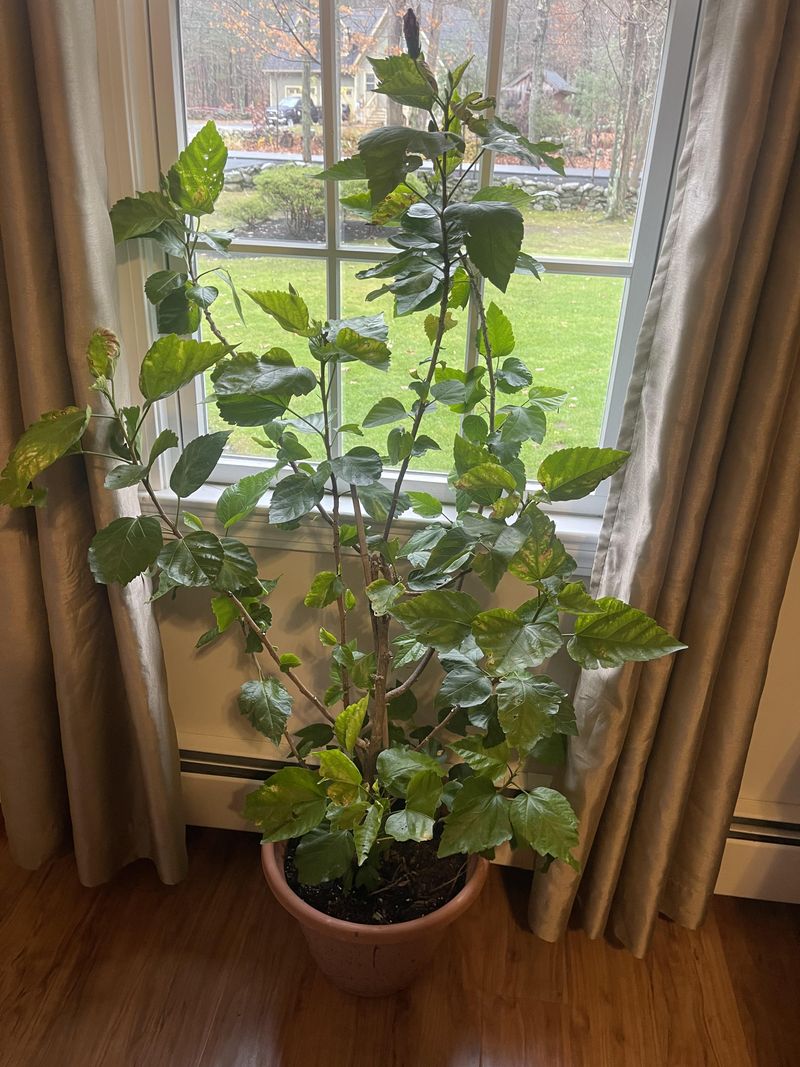
Spider mites are so tiny that a whole colony can ride indoors on one hibiscus leaf unnoticed. Once they reach your warm, dry living room, they multiply fast and start speckling every leaf with yellow.
For potted tropical hibiscus in colder parts of California, moving indoors is the most reliable winter plan. Bring them in once nights start dipping toward fifty degrees, well before any frost shows up.
Flip a few leaves over and look closely at the undersides, where mites and whiteflies love to hide. Fine webbing or sticky spots on the leaves are clues that some uninvited guests have moved in.
A strong spray of water from the hose knocks off many pests before you treat anything else. Follow up with insecticidal soap or neem oil, carefully covering both sides of the leaves as the label directs.
While you are at it, check the drainage holes and soil surface, since slugs and ants sometimes tag along. Keeping the plant isolated from your other houseplants for a couple of weeks adds an extra safety net.
Some gardeners ease the move by placing pots in shadier spots outdoors for a week or two first. That gradual shift helps leaves adjust to dimmer indoor light, which can reduce the dramatic leaf drop.
Expect a few yellow leaves anyway, because nearly every hibiscus pouts a little after changing homes. I find it oddly charming, and the drama usually fades once the plant settles into its new routine.
8. Set Indoor Hibiscus In A Bright Sunny Window
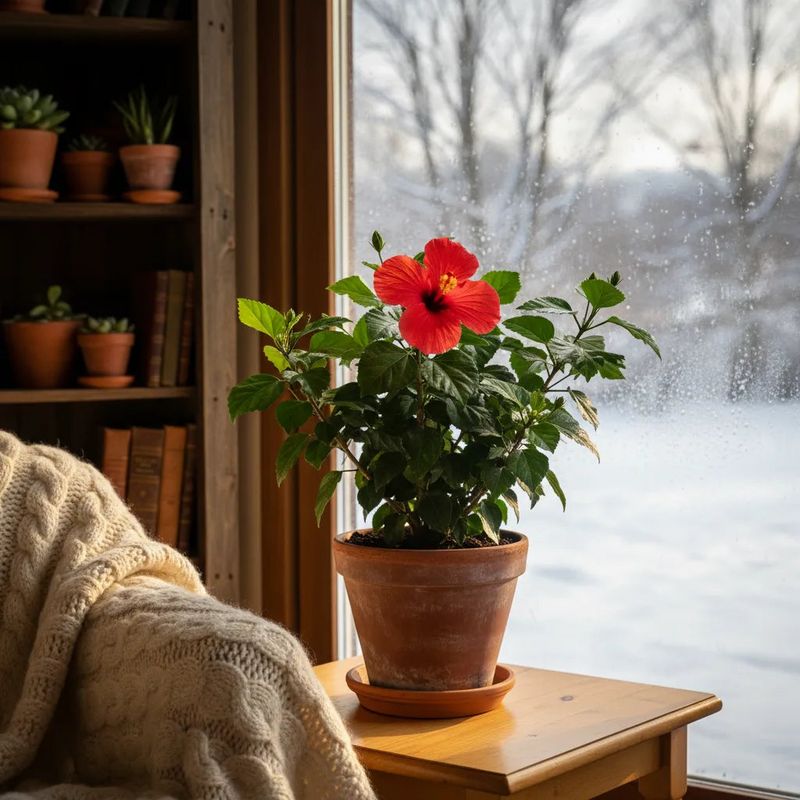
Tropical hibiscus craves sunshine, and a dim corner indoors can leave it looking sad and leggy within weeks. With enough light, though, some plants keep producing a surprise flower or two during the winter months.
A south or west facing window usually offers the brightest light, so go ahead and claim it for your hibiscus. If your windows face north, an inexpensive LED grow light can fill the gap for several hours daily.
Watering gets trickier indoors, because cooler temperatures and shorter days slow the plant’s thirst down quite a bit. Let the top inch or two of soil dry out before giving it another thorough drink.
Overwatering causes more winter trouble than thirst, since soggy roots in cool rooms can rot surprisingly fast. Empty the saucer soon after watering, so the pot does not sit in a puddle for days.
Heated homes get quite dry, and hibiscus leaves appreciate a little extra moisture in the air. A pebble tray filled with water or a small humidifier placed nearby can make a real difference.
Keep the pot away from heater vents and drafty doors, since sudden temperature swings trigger leaf drop. A content indoor hibiscus can brighten a gray winter morning with nothing more than its glossy leaves.
Skip heavy feeding until spring, because the plant grows slowly and really needs little fertilizer now. Give the pot a quarter turn every week or so, and the branches will grow more evenly.
9. Tuck Potted Hibiscus Into A Cool Garage For Winter
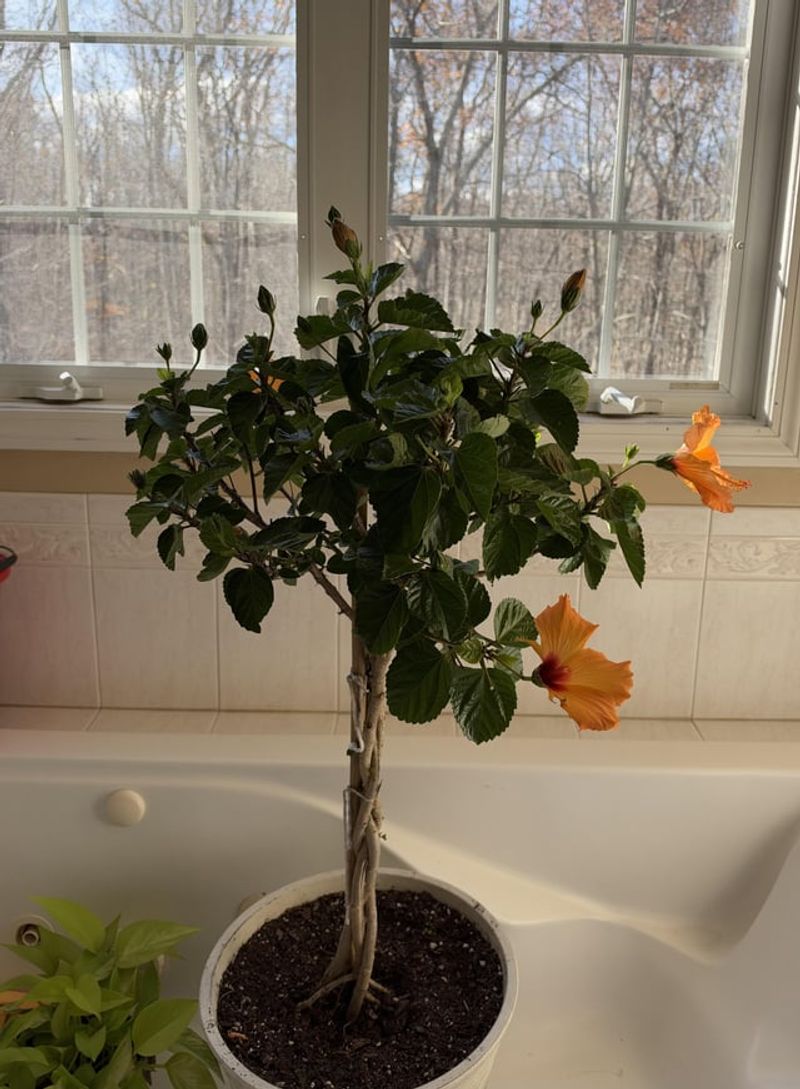
Not every hibiscus needs a sunny windowsill, because some can snooze through winter in a cool garage. This trick feels wonderfully handy when your living room windows are already crowded with other leafy houseguests.
Gardeners call this method forced dormancy, and it works best for potted tropical hibiscus with healthy roots. The plant drops most leaves and rests quietly, needing far less light and water than usual.
Start by cutting back on watering as nights cool, letting the plant slow down naturally outdoors. Before temperatures reach freezing, move the pot into a garage or basement that stays roughly between fifty and sixty degrees.
Many people trim the branches back by about a third first, which makes storage easier and tidier. Clear away fallen leaves too, since they can harbor fungus and pests in a closed space.
Water sparingly through winter, giving just enough every few weeks to keep the soil from going bone dry. Checking the pot once or twice a month is usually plenty, which makes this approach refreshingly low maintenance.
Garages near the coast often stay fairly mild, but inland garages can dip low on frosty nights. A simple thermometer on the garage shelf tells you whether your sleeping hibiscus needs a warmer corner.
When spring warmth returns, bring the pot into brighter light gradually and resume your regular watering routine. You might be amazed how quickly bare stems sprout fresh leaves once the plant feels the sun again.