The One Container Herb That Keeps Going Through Texas Winter
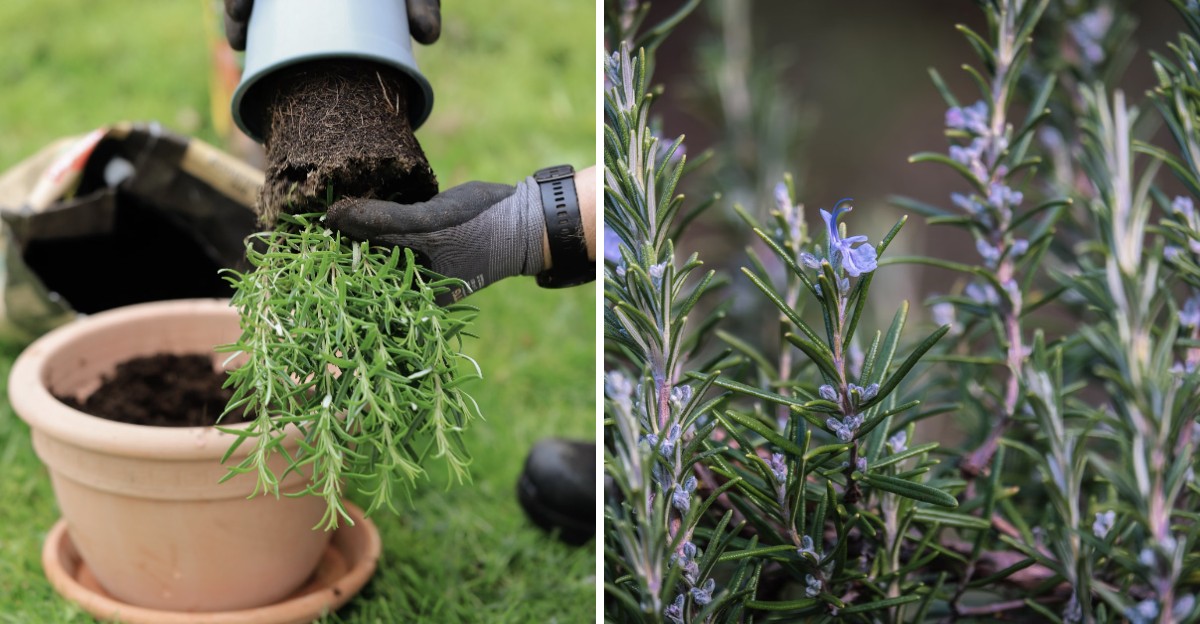
Why does your basil sulk while rosemary stands tall through a Texas cold front? Blue northers turn your tender summer herbs limp within a few hours.
Rosemary welcomes that weather and keeps its needled green through frost. Brush the foliage and your fingers carry a roast-dinner scent for hours.
Afternoon Texas sun suits it just fine, even in late October. You need bright sun, gritty soil, and a pot with generous drainage holes.
Water deeply, then let the top inch of soil go dry. Roots need airflow, and a dry saucer keeps them truly happy.
Trim the tips lightly after you harvest, and bushier stems will reward you. Pinch sprigs for lamb, potatoes, roasted chickpeas, or a glass of gin.
Your patio gains a resilient evergreen that earns its place in the sunniest corner. Plant it now and savor winter.
Rosemary Is The Tough Evergreen For Texas Patios
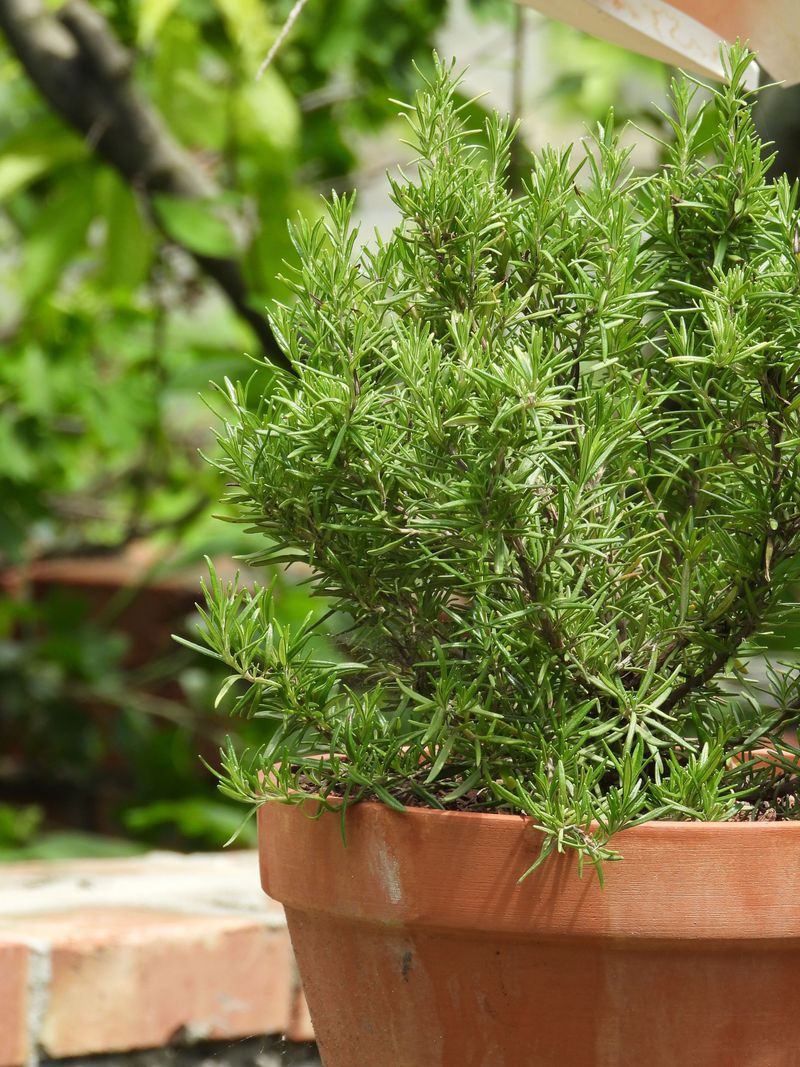
Picture a plant that grew wild on rocky cliffs above the Mediterranean Sea. Rosemary came from that dry, sunny, coastal world, so a Texas winter feels fairly mild to it.
Most varieties handle temperatures down to about 20 degrees Fahrenheit once they are settled. Some hardy types, like Arp and Hill Hardy, tolerate even colder nights.
That makes rosemary a smart pick for patios from Dallas to San Antonio. It stays green all year, so your pot looks alive while other herbs go bare.
Containers give you a big advantage during the cold months ahead. You can roll the pot closer to a warm wall or tuck it into the garage overnight.
Rosemary also grows slowly in winter, which works in your favor. A slow plant needs less water, less food, and much less fussing from you.
Many cooks find the flavor stronger in cool weather. Snip a few sprigs for roasted potatoes, chicken, or a pot of winter soup.
According to legend, ancient Greek students wore rosemary in their hair to help memory. Your memory may not improve, but your kitchen will smell wonderful.
Upright types work best for big pots on sunny steps. Trailing types look lovely spilling over the edge of a hanging basket or tall planter.
Choose a sturdy plant with woody stems and deep green needles at the nursery. A healthy start gives rosemary the strength to handle December and January.
Watch For Wet Roots And Sudden Freezes
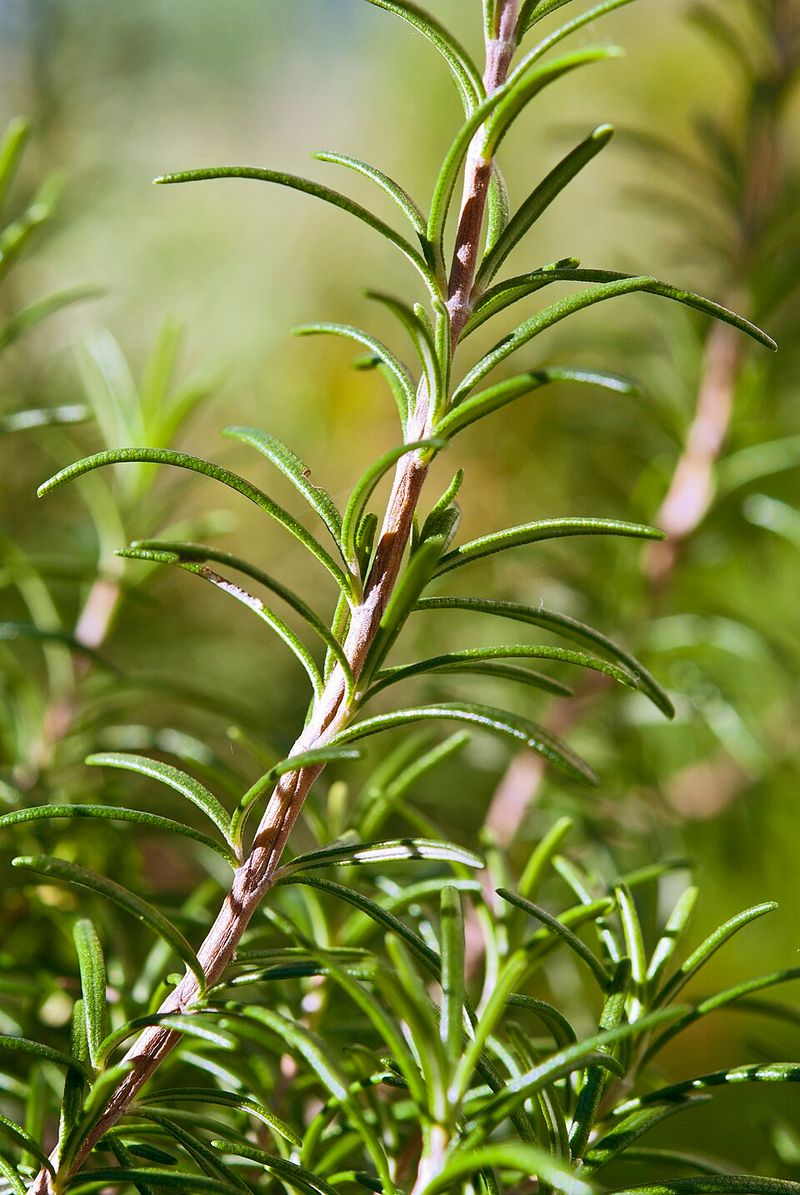
Ask an old Texas gardener about losing rosemary, and you may hear a surprising answer. For established plants, cold air is seldom the main problem, but wet, chilly soil often is.
Rosemary roots struggle when they sit in water for days at a time. When soil stays soggy and cold, roots begin to decay and darken.
Winter rain plus cloudy weeks can create those conditions in a pot. Clay soil or a saucer full of water makes the trouble much worse.
Sudden freezes are the second concern on the list. A warm 75-degree afternoon followed by a 22-degree night can shock tender new growth.
Your Texas Garden Changes Every Week. Your Plan Should Too.
Gardening in Texas changes quickly throughout the season. Every Friday you’ll receive a simple weekly plan showing exactly what to plant, prune, fertilize, harvest, and protect so you never miss the right timing.
Plants in pots feel cold faster than plants in the ground. The roots have only a thin wall of plastic or clay between them and the icy air.
Dry, freezing wind can also pull moisture from the needles quickly. Leaves may look gray, crispy, or bronze after a harsh blast from the north.
The 2021 winter storm showed many Texans how real this risk is. Rosemary in the ground often recovered, though many plants in North and Central Texas were damaged, and potted plants declined more often.
Knowing the real threats helps you plan smarter, not harder. Focus on drainage first, then worry about blankets and covers when a freeze is coming.
Check the bottom of your pot right now for clear drainage holes. If water pools after rain, fix that problem before November brings colder nights.
Think of rosemary as a desert camper who packs light. Give it dry feet, and it can handle a surprising amount of cold.
October Prep For A Winter-Ready Pot
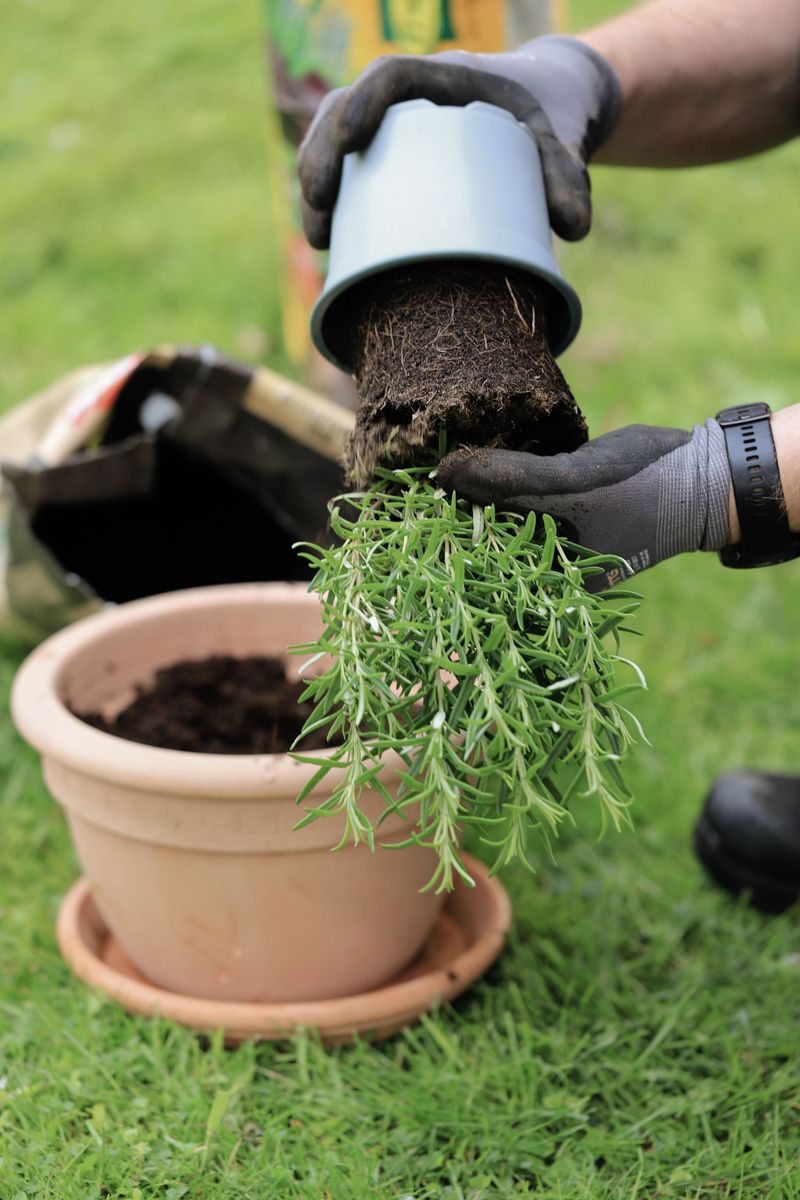
Right now, while the afternoons still feel like summer, is a good window for prep work. Rosemary has a few weeks to settle in before the first norther arrives.
Start by checking the size of your container. A pot at least 12 to 16 inches wide holds more soil, and more soil stays warmer.
Terra cotta works well because it breathes and dries out evenly. Glazed or plastic pots work too if they have plenty of drainage holes.
Fill the pot with a gritty mix made for cactus and succulents. You can also blend regular potting soil with perlite or coarse sand for extra drainage.
Repot now if roots circle the bottom or poke out of the holes. Doing it in October lets fresh roots grow before the soil turns cold.
Hold off on shaping the plant now, and take only light snips when you harvest. Avoid heavy pruning this late, since tender new shoots freeze easily.
Stop feeding with fertilizer by mid-October. Extra food pushes soft growth that cannot handle the cold weeks ahead.
Pick a winter spot that gets at least six hours of sun. A south-facing wall soaks up heat all day and gives some back at night.
Raise the pot on bricks or pot feet so water drains freely. That small lift keeps roots from sitting in puddles during rainy spells.
Finish with a thin layer of gravel on top of the soil. It looks tidy and can help the surface shed water. Keep it away from the stem. Keep it thin and away from the stem.
Overwatering Is A Common Winter Mistake

Many herb lovers share this story: they watered their rosemary generously and ran into trouble.
Kindness with a watering can is a frequent winter mistake. Rosemary drinks far less when days are short and temperatures drop.
In summer, a pot may need water every few days. In December, it might go two or even three weeks without a drink, depending on pot size, soil, and weather.
The best tool is your own finger. Push it about an inch into the soil, and only water if it feels dry at that depth.
Lifting the pot works well too. A dry pot feels light, while a soggy one feels heavy like a bucket of wet sand.
Watch the leaves for warning signs. Yellowing lower needles and a sour smell from the soil often mean the roots are waterlogged.
Oddly, an overwatered rosemary can look thirsty because damaged roots stop pulling up moisture. Many people then add more water, which makes things worse.
Empty saucers after every rain or watering. Standing water creeps back into the pot and keeps roots soaked for days.
Try watering in the morning on a sunny day. The plant uses the moisture during daylight instead of sitting cold and wet all night.
One exception matters before a freeze. Moist soil holds heat better than dry soil, so give a light drink a day before the cold arrives.
Indoor rosemary needs the same careful touch. Heaters dry the air, but the soil in the pot can still stay wet longer than you think. Rosemary does best when its soil stays on the dry side.
Freeze Night Protection For Potted Rosemary
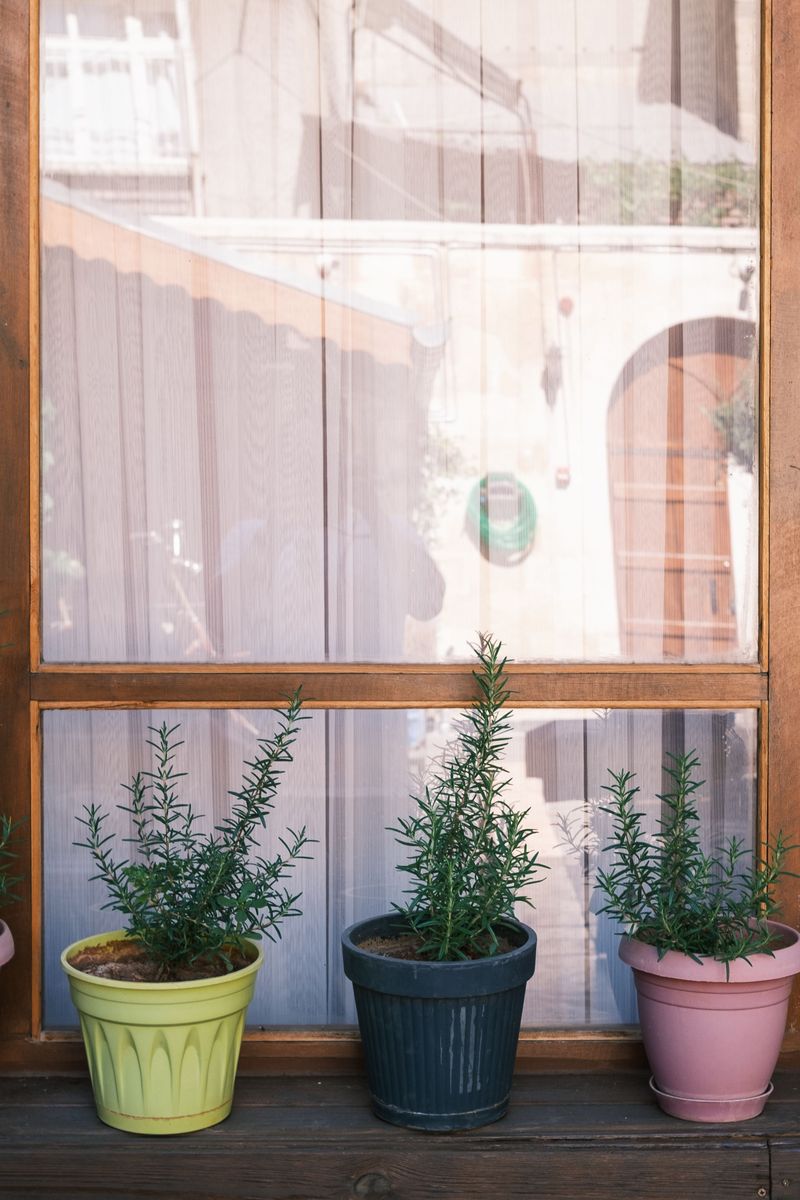
A freeze warning appears on your weather app. Stay calm, because protecting a potted rosemary takes about ten minutes.
Moving the pot is the easiest fix of all. Roll it into a garage, shed, or covered porch when temperatures near 25 degrees, since container roots feel cold faster.
A garage stays several degrees warmer than the yard, even without heat. Your rosemary can hang out there for two or three days without much light.
Heavy pots can stay outside with some help. Push them against the house, cluster them together, and wrap the container in burlap or bubble wrap.
Covering the plant itself adds another layer of warmth. Use frost cloth or an old cotton sheet that reaches all the way to the ground.
Skip plastic sheeting touching the leaves, since it can transfer cold and trap moisture. If plastic is all you have, drape it over stakes instead.
A string of old-fashioned incandescent holiday lights under the cover gives off gentle heat. Newer LED lights stay cool, so they will not help much.
Bring a large jug of warm water under the cover for extra comfort. It slowly releases heat through the night like a small heat source.
Remove covers the next morning once temperatures climb above freezing. Rosemary needs sunlight and fresh air, so do not leave it wrapped for days.
Some tips may turn brown after a rough night. Wait until spring to trim them, because those damaged bits shield the healthy growth underneath.
Spring Rewards From A Well-Wintered Plant
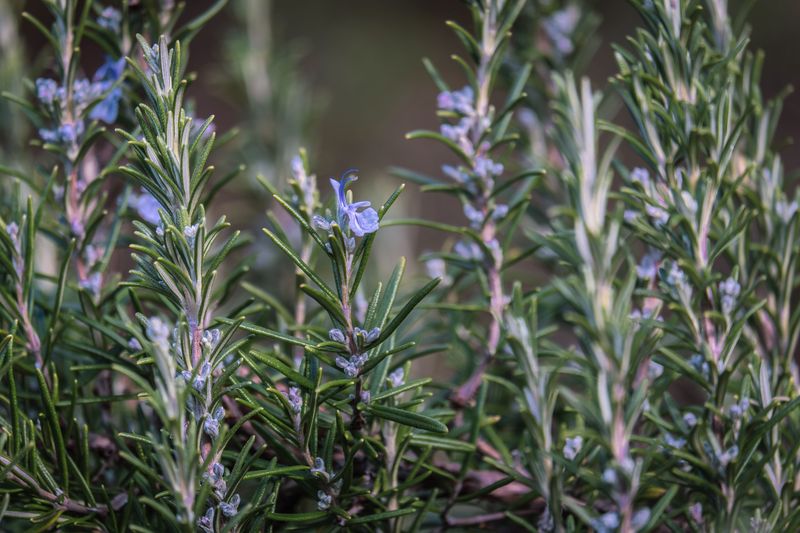
Come March, a rosemary that made it through winter often bursts with tiny blue flowers. Bees show up fast, since early blooms are welcome after a cold winter.
The reward goes beyond pretty blossoms. A healthy plant starts pushing bright green tips, which are the most tender and flavorful for cooking.
Wait until the last frost date passes before doing any real pruning. In South and Central Texas, that falls between late February and mid-March.
North Texas is often mid-to-late March, and the Panhandle can be April or later, so check your county’s average date.
Snip off any brown or crispy stems back to healthy green wood. Trimming encourages bushy growth and keeps the plant from getting tall and leggy.
Spring is also a good time to feed lightly. A gentle, balanced fertilizer at half strength wakes the plant up without overwhelming it.
Check the roots once more as the weather warms. If they fill the pot, move rosemary into a container about two inches wider.
Each winter the plant survives makes it tougher and woodier. Older rosemary bushes in pots can live and produce for five to ten years.
Keep a small notebook or phone note about what worked this year. Write down freeze dates, where you moved the pot, and how often you watered.
Those notes become your personal winter playbook for next October. Over time, you will spend less effort and enjoy more harvests.
Share cuttings with friends once the plant grows full again. Rosemary cuttings can root in moist, gritty sand with patience, and a homegrown gift is a thoughtful alternative to a store bouquet.
Few things match snipping fresh sprigs from a plant you nursed through the cold. Your roasted vegetables will taste fresher.