8 Venomous Neighbors Arkansas Residents Should Learn To Recognize
Some baby snakes in my woods wiggle a bright yellow tail tip to lure curious frogs within striking range. I learned that trick while weeding a shady bed, and my trowel froze midair for a very long moment.
Arkansas hosts a surprising mix of venomous critters, including tiny scorpions that glow under blacklight at night. Some live under porch steps, while others prefer stored cardboard boxes in the garage or quiet woodpiles.
Truth be told, most of these neighbors want nothing to do with you or your tomato cages. Problems usually start when a gloved hand is missing or a careless bare foot lands in deep leaves.
Knowing who lives in your Arkansas yard turns panic into calm, smart choices during every single garden chore. So which eight neighbors deserve a second look before you reach into that shady corner again?
1. Copperheads Hiding In Fallen Leaves
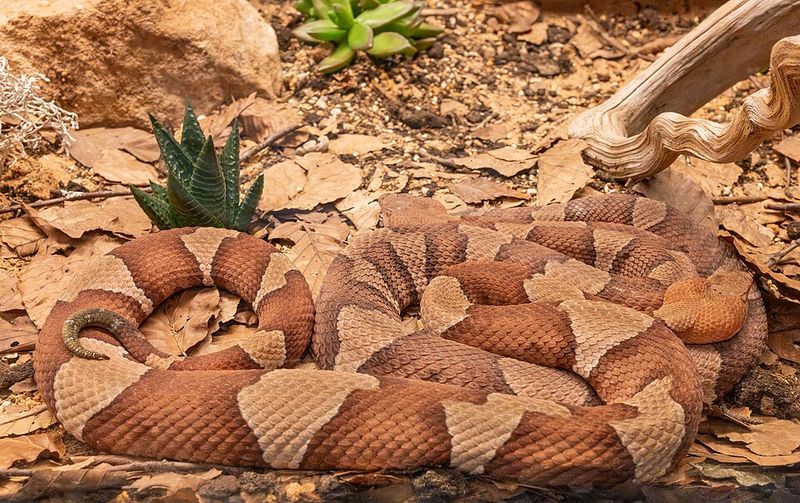
Copperheads wear a pattern that looks like scattered chocolate kisses, which blends beautifully into autumn oak leaves. I once raked within inches of one, and it simply stayed put while my heart did cartwheels.
Freezing in place is their favorite defense, so they rarely flee or warn you the way rattlesnakes do. That quiet habit explains why they are the venomous snake folks in Arkansas run into most often.
Adults usually stretch two to three feet long, with stout tan or coppery bodies and darker hourglass bands. Babies carry a bright yellow tail tip, which they wiggle like a tiny worm to tempt frogs.
You can find them on rocky wooded slopes and even in suburban woodpiles stacked near back porches. Leaf litter is their favorite hiding spot, so a messy flower bed can look like prime real estate.
Their bite is painful and needs a doctor, though serious outcomes are rare with prompt medical care. Antivenom exists for pit viper bites, so head straight to an emergency room instead of trying home remedies.
Sturdy boots and long pants make a big difference whenever I work in brushy corners or tall grass. I also wear thick gloves before reaching into leaf piles or firewood stacks along the fence.
Keeping grass trimmed and woodpiles raised off the ground gives copperheads fewer cozy places to relax. If you spot one, give it plenty of room and let it wander away on its own schedule.
2. Cottonmouths Gaping Near Swampy Water
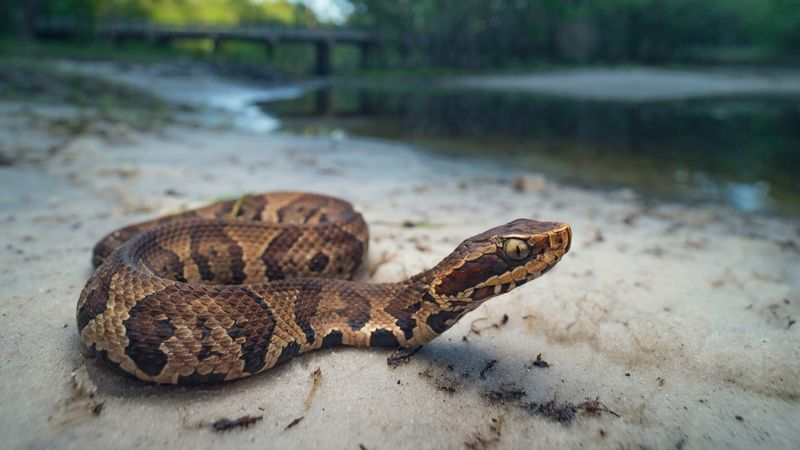
Few sights stop me cold like a thick, dark snake opening its mouth to flash a cotton-white lining. That gaping display is a warning, a loud way of saying the snake would like you to back off.
Cottonmouths live statewide near swamps, sloughs, oxbow lakes, and drainage ditches, though they sometimes wander into pine woods. Any garden pond or soggy low spot near a creek could attract one looking for frogs and fish.
Adults range from dark brown to nearly black, often with a dark stripe running back through each eye. Youngsters look quite different, wearing bold bands and a yellowish-green tail tip that fades as they grow.
Plenty of harmless water snakes get mistaken for cottonmouths, and many of those innocent swimmers pay the price. Water snakes usually flee quickly, while a cottonmouth tends to hold its ground and show off that mouth.
Their venom is cytotoxic, which means it damages tissue and causes swelling and bruising around the bite. Bites rarely end in tragedy, but they are serious and call for immediate medical care at a hospital.
I keep a long-handled tool nearby when clearing weeds along my pond edge, especially on warm evenings. Waders or tall rubber boots also help when you step into muddy spots where snakes might rest.
If one gapes or vibrates its tail at you, simply back away and watch from a safe distance. Trying to move or harm the snake is how most bites happen, so patience is your smartest tool.
3. Timber Rattlesnakes On Rocky Ozark Hillsides
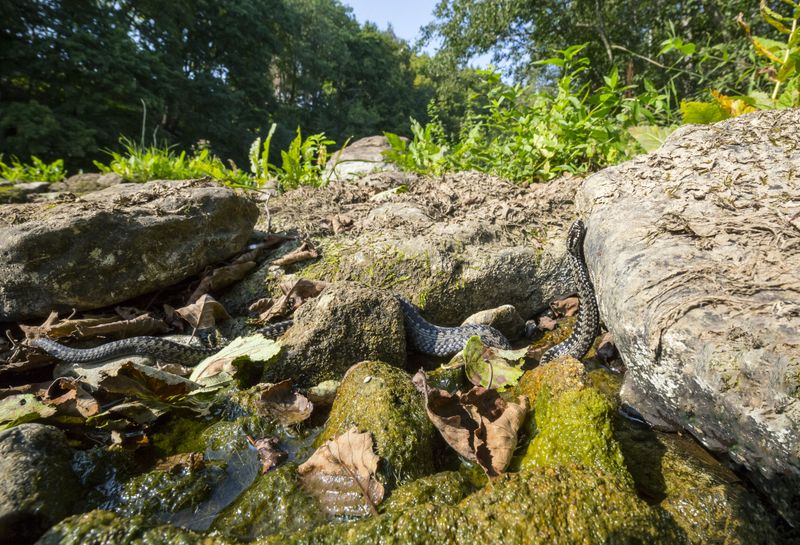
Hearing a timber rattlesnake buzz in the woods sounds like a sprinkler hissing, only far more urgent. Mine came from a rocky ledge on an Ozark hike, and I froze faster than a garden statue.
Timber rattlesnakes are big, heavy snakes that usually measure three to five feet long when fully grown. Some wear yellow tones and others look darker, but both phases show dark chevron bands across the back.
Many also carry a rusty stripe down the spine, which helps tell them apart from other large snakes. The rattle at the tail tip is the giveaway, though a startled snake may strike before it buzzes.
Rocky outcrops and quiet forests in the Ozark and Ouachita Mountains are their favorite haunts in Arkansas. They are patient ambush hunters, often lying motionless for hours while waiting for mice and squirrels to pass.
Their hemotoxic venom is strong, causing serious tissue damage and problems with blood and the circulation system. A bite is a true emergency, so call for help right away and stay as calm as possible.
Rodents draw these snakes closer to homes, so tidy bird feeders and sealed feed bins really help. I sweep spilled seed every few days, which keeps mice away and gives hungry snakes less reason to visit.
Avoid reaching under rocks or into woodpiles with bare hands, and use a stick to check first. Respect their space, and you will likely enjoy many hikes without a single tense rattlesnake moment.
4. Western Pygmy Rattlesnakes In Brushy Lowlands
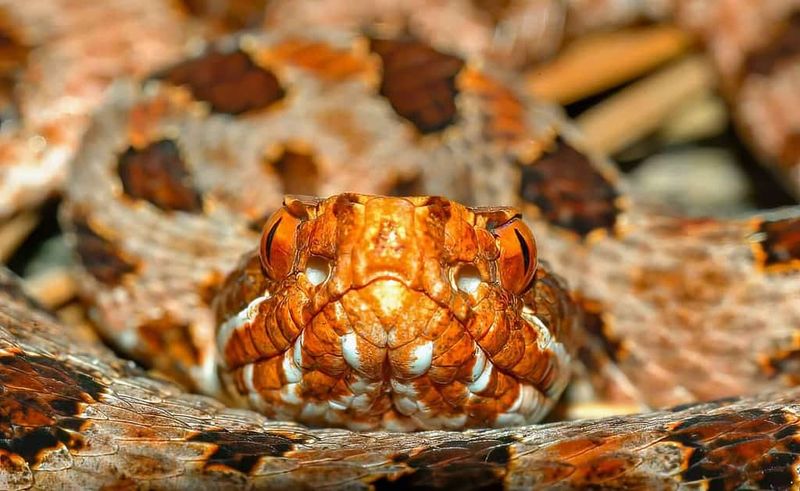
Small enough to coil inside a coffee mug, the western pygmy rattlesnake is easy to step past unnoticed. Its rattle sounds more like a buzzing insect, so I rarely hear one before I actually see it.
Adults average about a foot and a half long, with gray bodies covered in neat black blotches. A rust-colored stripe runs down the middle of the back, which makes a handy clue for quick identification.
You can meet them statewide, especially in brushy lowlands and open hardwood or mixed pine forests. Garden edges that blend into scrubby woods are worth extra attention during warm months when snakes stay active.
Since that tiny rattle is so hard to hear, your eyes become the most useful safety tool you own. I scan the ground before kneeling, especially near brush piles and tall grass at the edge of beds.
Their venom is cytotoxic, and bites tend to be painful and bloody, with swelling that can become serious. Smaller snakes deliver less venom than big rattlers, yet any bite still deserves a trip to the doctor.
Children and pets are the ones I worry about most, since curious hands and noses explore low places first. Teach kids to leave every snake alone and call a grown-up whenever they spot something coiled on the ground.
Closed-toe shoes are a must, and I trade sandals for boots whenever I head toward the back fence. That small habit costs nothing and could spare you a painful surprise near the compost pile.
5. Texas Coral Snakes With Bright Banded Colors
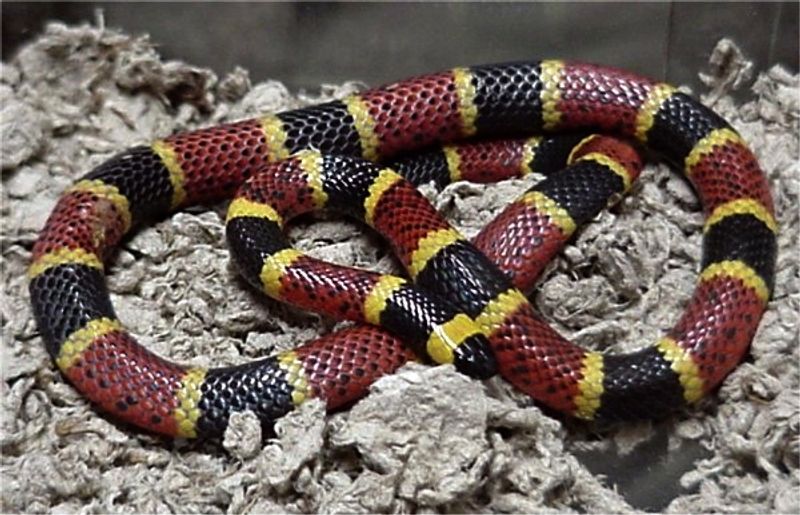
Glossy red and yellow rings split by black bands make the Texas coral snake look like moving candy. Spotting one is rare, so seeing it in your garden would feel like finding a secretive celebrity.
In Arkansas, this snake sticks mostly to the southern and southwestern corners, where sandy, wooded ground suits it. It spends most of its life underground or tucked beneath rotting logs, old stumps, and thick leaf litter.
Several harmless snakes, like milk snakes and scarlet kingsnakes, wear similar colors to fool hungry predators. On a coral snake, the red bands touch the yellow ones, while harmless mimics show red touching black.
Even so, color rules can vary in other regions, so I treat any brightly banded snake with caution. Snapping a photo from a distance and asking your county extension office is a smart, safe move.
Their venom is neurotoxic, meaning it affects the nervous system and can interfere with breathing in serious cases. Bites to people are uncommon, and prompt hospital care makes a huge difference in how well someone recovers.
Coral snakes are shy and rarely aggressive, and a nervous one may even make a popping sound by releasing air from its vent. Honestly, that quirky defense makes me like them more, though I still keep my hands far away.
Wear gloves when moving old logs or stumps, especially if you garden in sandy southern counties. Leave every banded snake alone, and seek medical help immediately if a bite ever happens to anyone.
6. Black Widows With Red Hourglass Markings
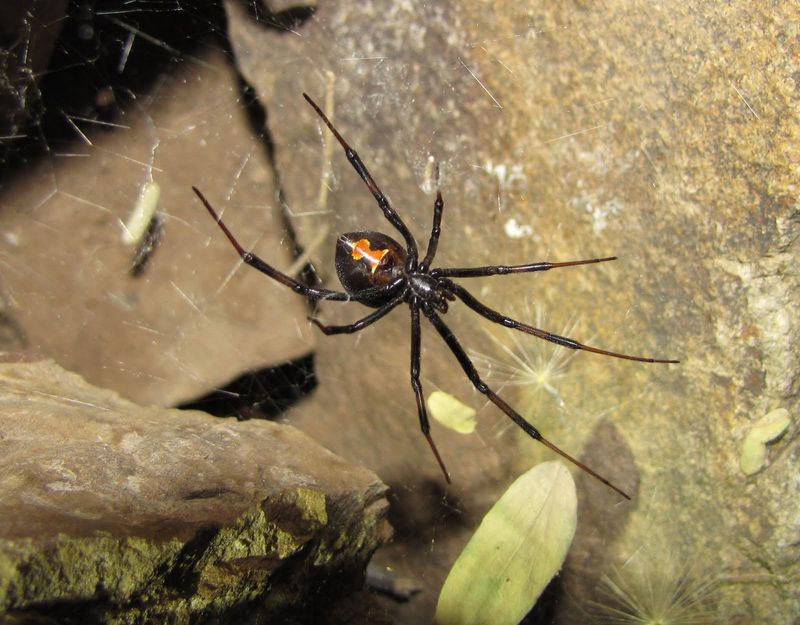
A shiny black belly stamped with a red hourglass is the calling card of the female black widow. I found my first one tucked under a clay pot, and I nearly dropped the whole thing.
Southern black widows usually show a full hourglass, while northern black widows often have it split into two spots. Females measure about half an inch to an inch and a half, including those long, shiny legs.
Their webs look messy and tangled, unlike the neat spirals that garden spiders weave between your tomato plants. Dim, dry, sheltered spots suit them best, such as woodpiles, garages, sheds, and the undersides of stones.
Despite their reputation, these spiders are shy and usually bite only when trapped or pressed against skin. Most bites happen when someone grabs a stored pot or garden glove without checking it first.
Their venom is neurotoxic and can trigger muscle cramps, spasms, chest pain, and nausea that make people miserable. Serious outcomes are uncommon, but children and older adults especially need quick medical care after a bite.
I keep gloves on whenever I reach into stacked pots or the dusty corners of my potting shed. Shaking out gloves and boots stored in the garage is another quick habit that pays off.
Clearing clutter and sweeping away old webs gives black widows fewer quiet places to settle down. Honestly, a tidy shed also makes finding your favorite trowel a whole lot easier on busy weekends.
7. Brown Recluse Spiders With Violin Marks
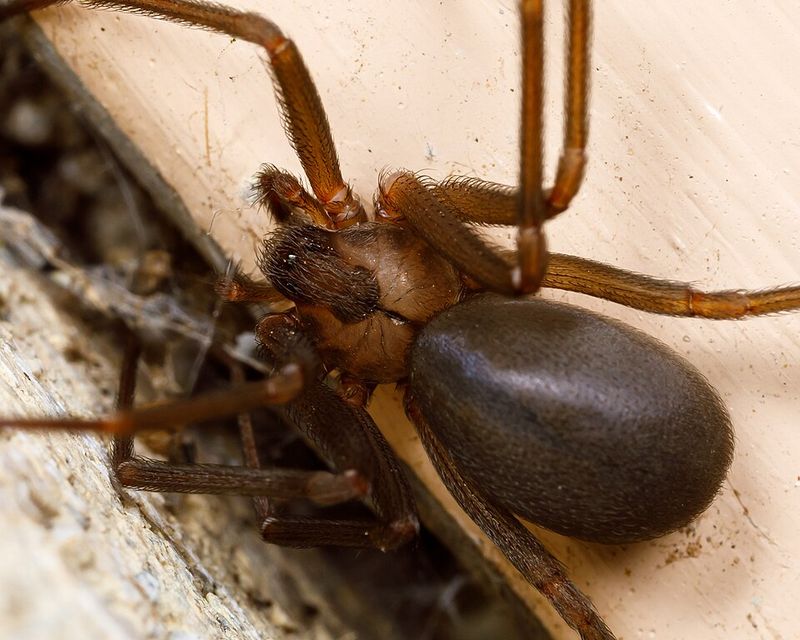
Arkansas sits right in the heart of brown recluse country, so these quiet roommates are surprisingly common here. I once found one inside a boxed holiday wreath, which made decorating feel a lot less cheerful.
Look for a plain tan or brown spider with long, unbanded legs and a darker violin-shaped mark. The neck of that violin points toward the rear, and the spider has six eyes instead of eight.
Most spiders carry eight eyes, so that detail helps experts confirm an identity, though you need a close look. A clear photo or a sealed jar sample can help your local extension office give a confident answer.
These spiders love cardboard boxes, attics, closets, crawl spaces, and the loose bark on firewood stacks. They are not aggressive and usually bite only when pressed against skin inside clothing, shoes, or bedding.
Many bites leave just a sore red patch that heals, but some cause deeper wounds that heal slowly. Rare severe cases can affect the kidneys, so getting medical advice early is the wisest choice.
Shaking out gloves, boots, and stored clothes before wearing them is the simplest habit I know. Plastic bins with tight lids work better than cardboard boxes for storing garden supplies and seasonal gear.
Gloves are a must when you clear out a cluttered basement or an old woodpile you have ignored. Sticky traps placed along walls can also reveal whether recluses share your home before anyone gets bitten.
8. Striped Bark Scorpions Under Rocks And Logs
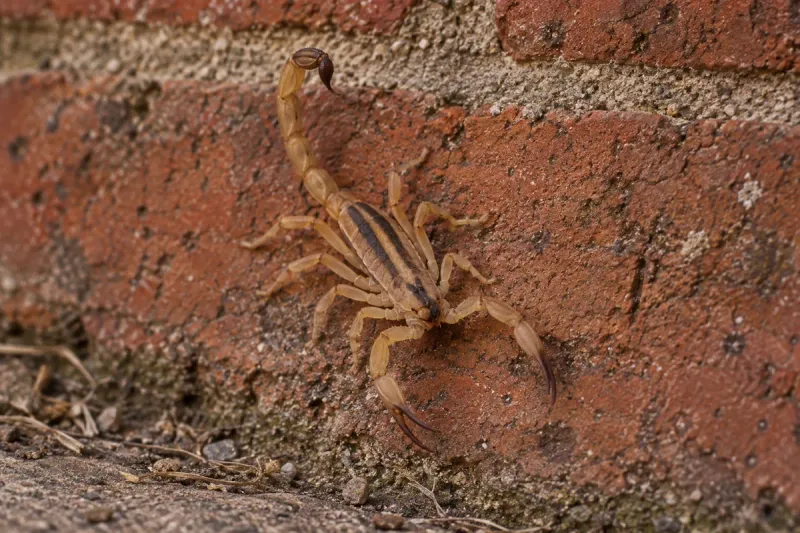
Under a blacklight on a summer night, striped bark scorpions glow an eerie blue-green that feels like science fiction. My nephew discovered this trick by our stone wall, and he has begged to go scorpion hunting ever since.
This species is the most common scorpion in Arkansas, especially in rocky and wooded parts of the state. Adults measure about one to three inches long, with slender yellowish-tan bodies and two dark stripes down the back.
Like every scorpion, it has eight legs, a pair of pincers, and a segmented tail ending in a stinger. That tail curves up over the body, which makes it easy to recognize once you know what to watch for.
During daylight, these night hunters hide under rocks, logs, and leaf litter, waiting for darkness to fall. Now and then one wanders indoors, often turning up in bathtubs, closets, or shoes left near the door.
A sting usually brings sharp local pain, along with some swelling and numbness that fades with time. Healthy adults typically recover without trouble, but children and people with allergies may react more strongly and need care.
I wear gloves when I lift stepping stones or move landscape timbers, since scorpions love those cool spaces. Sealing gaps around doors and windows also helps keep these little wanderers outside where they belong.
Shake out shoes and clothes left on the porch, especially after warm nights when scorpions are most active. With a little caution, these tiny glowing neighbors become more fascinating than frightening in your backyard.