Is It Legal to Collect Rainwater in Florida?
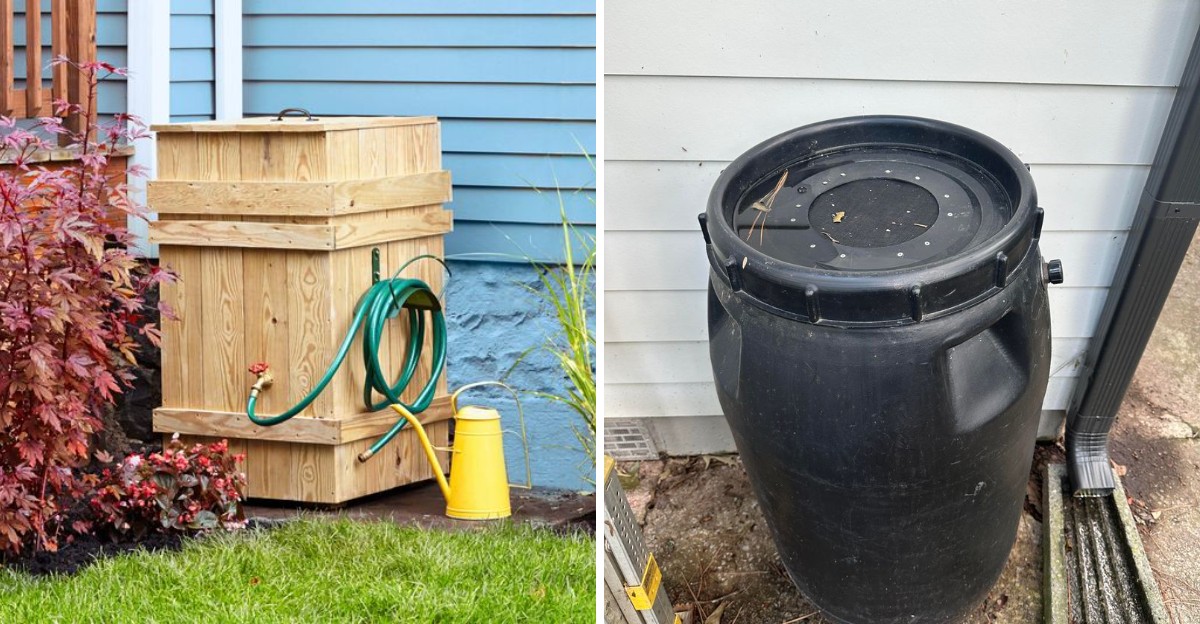
Catching the water that slides off your own roof was once against the rules in Colorado. Some Western states still limit how much you can store, and Utah asks residents to register their setups.
I remember reading that and glancing nervously at my gutters. Our summer storms dump buckets in minutes, and most of it rushes down the driveway and into the street.
Here in Florida, the rules feel a lot friendlier. Still, you need to know where the line sits between a simple bucket under the gutter and a project that calls for a permit. Mosquitoes, homeowner associations, and hurricane winds all get a vote too.
What does the law say about that free water pouring off your roof every afternoon? I dug through extension guides and water district advice, and a few answers surprised me. The next thunderstorm might start to look like a gift.
1. That Rain Barrel Under Your Downspout Has Nothing to Hide
My first rain barrel sat under the gutter for weeks before I wondered if it was even allowed. The short answer made me laugh with relief.
Collecting rainwater for your own yard is legal throughout Florida, and no statewide law limits how much you can store.
That puts the Sunshine State in a very different spot from parts of the West. In places like Colorado, water rights tied to rivers and streams once made rooftop catchment a legal gray area.
Here, state agencies and the five regional water management districts openly promote rain barrels and cisterns as a smart way to save water.
Why the friendly attitude? Much of our drinking water comes from the Floridan Aquifer, and growing cities place heavy demand on it.
Every gallon you pour on a tomato bed from a barrel is a gallon nobody had to pump, treat, and pipe to your spigot.
University of Florida extension experts also point out that the average Florida yard sees roughly 50 to 60 inches of rain a year. A 1,000-square-foot roof sheds about 600 gallons from a single inch of rain.
That adds up fast, and you are welcome to keep it.
2. Most Backyard Rain Barrels Skip the Permit Office
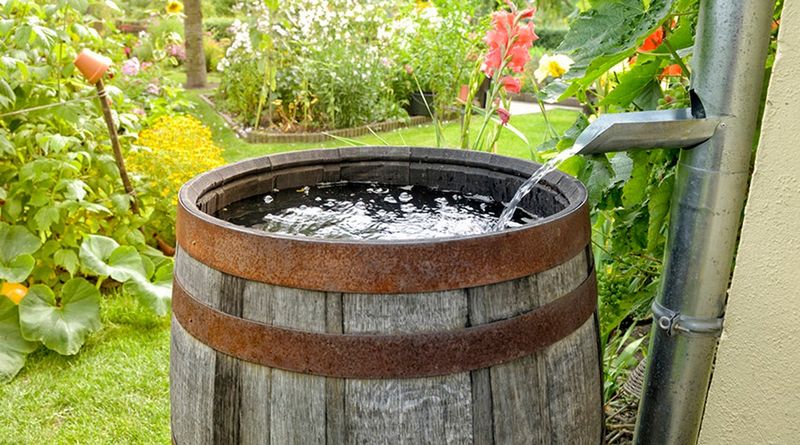
Paperwork lovers, I have some disappointing news. A plain rain barrel hooked to a downspout and used to water plants typically needs no state permit at all.
You can buy one, set it on a sturdy base, and start catching the next storm.
The same goes for a few linked barrels feeding a soaker hose or a watering can. These small, above-ground setups count as simple outdoor irrigation, and most cities and counties treat them that way too.
Many local governments even sell barrels at a discount during spring events.
Local rules can still differ, so a two-minute call to your city or county building office is worth it before you add anything large. Big tanks, concrete pads, or electric pumps sometimes trigger a building or electrical permit.
Setback rules may also matter if a cistern sits close to a property line.
My own routine is simple. I start with one barrel, see how quickly it fills during a summer afternoon storm, and add more once I know my roof and my garden’s appetite.
Starting small keeps costs low and helps you learn how the system behaves before you spend real money.
3. Plumbing Rainwater Into Toilets Brings Building Codes Into Play
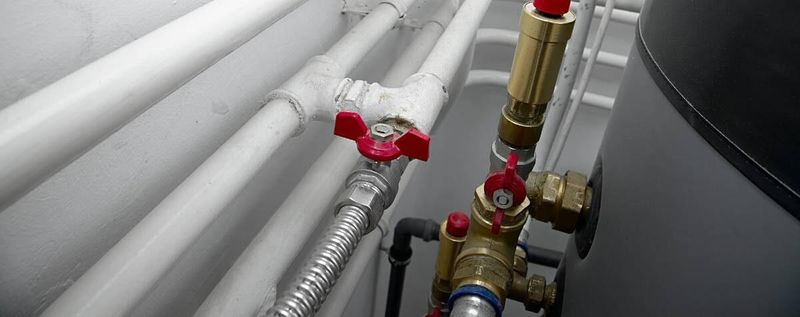
Flushing a toilet with yesterday’s thunderstorm sounds clever, and it is allowed. The catch is that once rainwater enters your home’s plumbing, the project moves from gardening hobby to regulated construction.
The Florida Building Code includes plumbing standards for nonpotable rainwater systems used for things like toilet flushing.
Those standards exist for a sensible reason. Rainwater pipes must stay separate from your drinking water lines, and backflow protection keeps stored water from sneaking into the household supply.
Pipes and outlets for nonpotable water are usually labeled or color-coded so nobody fills a glass from the wrong tap.
Expect a plumbing permit and an inspection for this kind of setup, and hire a licensed plumber who has handled rainwater systems before. Filters, first-flush diverters, and sometimes disinfection steps are part of a proper design.
Your local building department can tell you exactly what they want to see.
Drinking harvested rain is a much bigger leap. Roof water can pick up bird droppings, dust, and bits of shingle material, so it needs serious treatment and regular testing before anyone sips it.
For most homeowners, keeping rainwater outside or in the toilet tank is the easiest path to staying legal and healthy.
4. Your HOA May Have Opinions About That Big Cistern
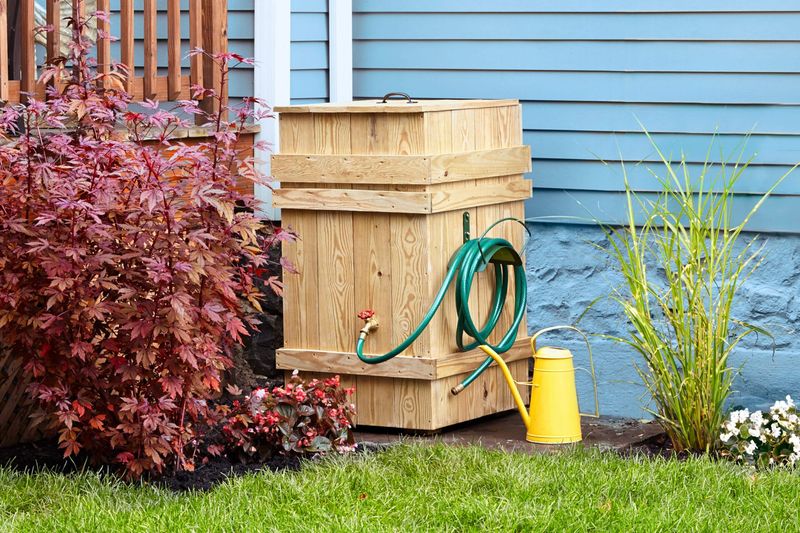
State law gives you plenty of freedom, but your homeowners association might have its own thoughts about a 500-gallon tank by the front walk. HOA covenants often cover what you can place in visible areas, along with colors, screening, and size.
Reading those rules first can save you a frustrating letter later.
Our state law also says deed restrictions cannot ban water-wise yards under the Florida-Friendly Landscaping program. Whether that protection covers a particular barrel is less clear, so do not lean on it as a guaranteed shield.
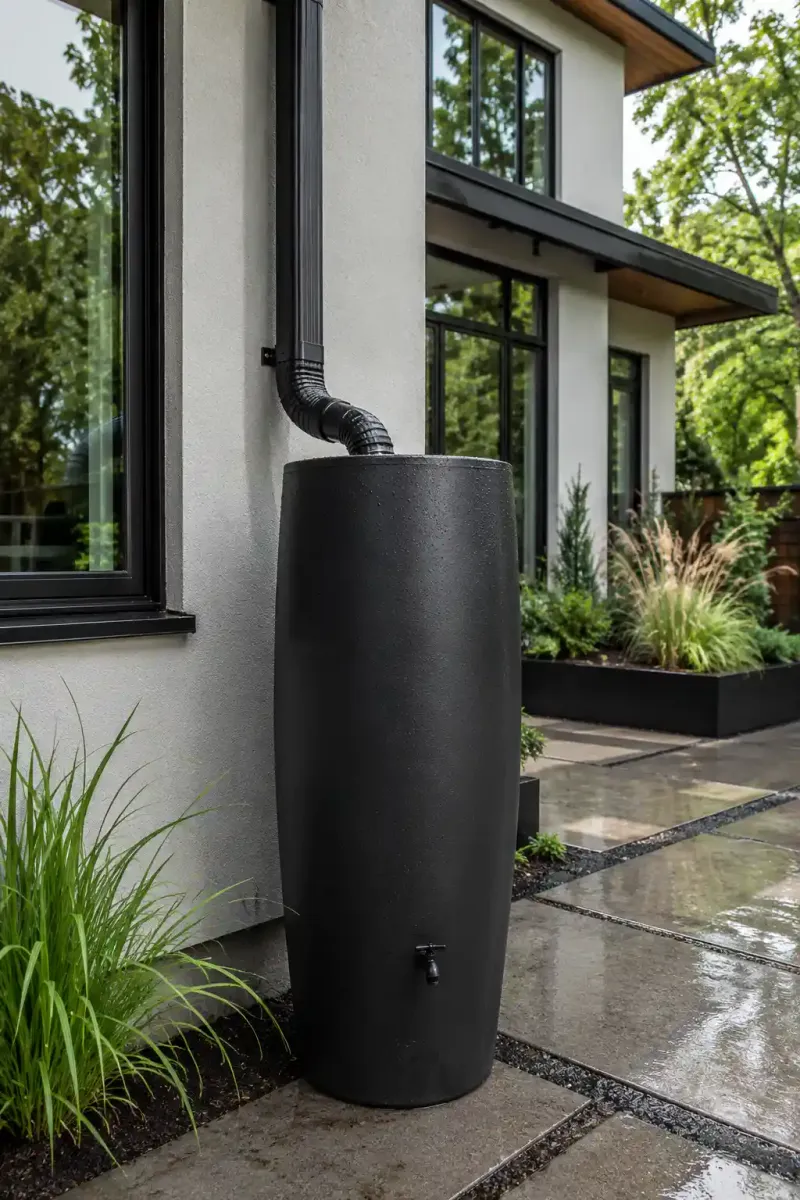
Most associations approve barrels without fuss when they look tidy. Pick a neutral color that matches the house, tuck the barrel near a side or back downspout, and add a shrub or lattice screen.
Submitting a photo of the exact model with your request also speeds things up.
Renters face a similar step with the landlord. A quick email asking permission, plus a promise to remove the barrel when you move, usually does the trick.
I have found that a free bucket of rainwater for the landlord’s hibiscus rarely hurts the conversation either. Approval letters are worth saving in a folder too.
5. A Screened Lid Keeps Mosquitoes Out of Your Rain Barrel
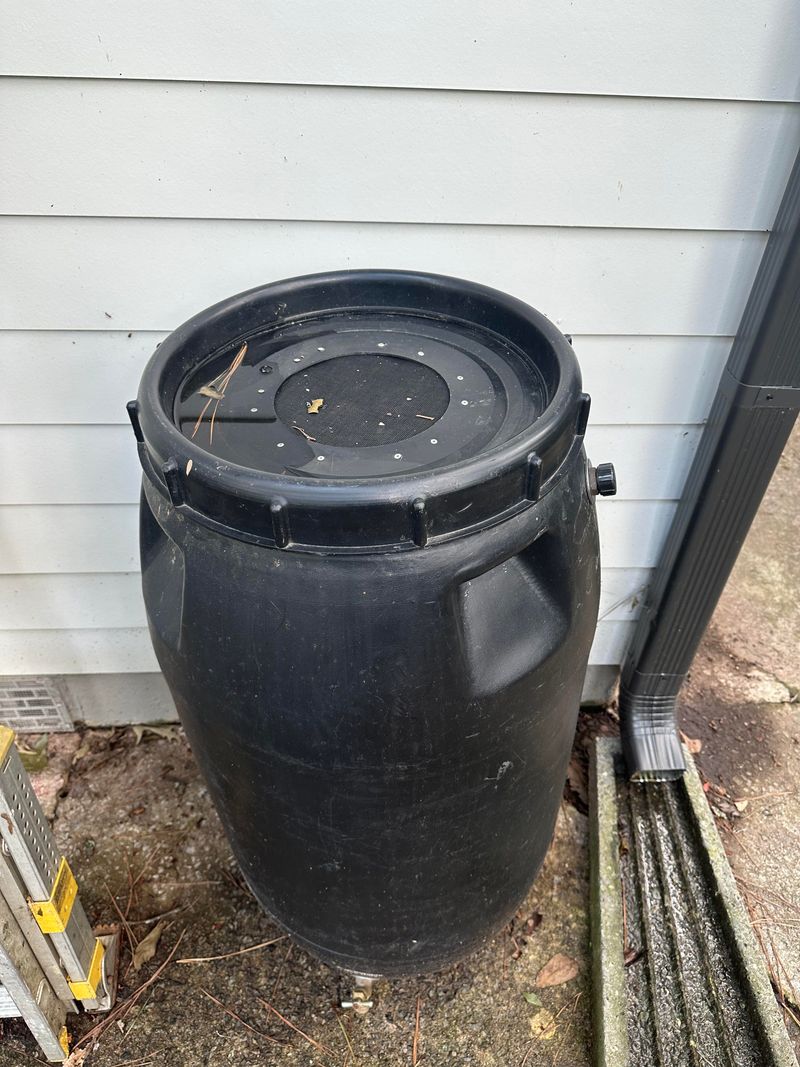
Mosquitoes can go from egg to biting adult in about a week in warm weather, and an open barrel is an all-you-can-eat nursery. Species like Aedes aegypti and Aedes albopictus happily lay eggs in container water.
Local mosquito control districts take standing water seriously, and some local codes treat breeding sites as a nuisance.
Prevention is cheap. Fit every opening with fine mesh screening, including the inlet where the downspout enters and any overflow port.
Gaps around the lid matter as much as the lid itself, so check seams after every few storms.
Use the water regularly so it does not sit for weeks. If larvae, those tiny wigglers flipping near the surface, show up, you can add mosquito dunks containing Bti, a bacteria that targets mosquito larvae and is considered safe for plants, pets, and birds by extension experts.
Opaque barrels help too. Dark or solid-colored containers block sunlight, which slows algae growth and keeps water clearer.
A quick monthly peek inside with a flashlight takes seconds and keeps your little water supply from becoming the neighborhood’s least favorite feature. Clean leaves from the gutter screens as well, since rotting debris feeds both algae and larvae.
6. Hurricane Season Means Strapping Down Your Rain Tank
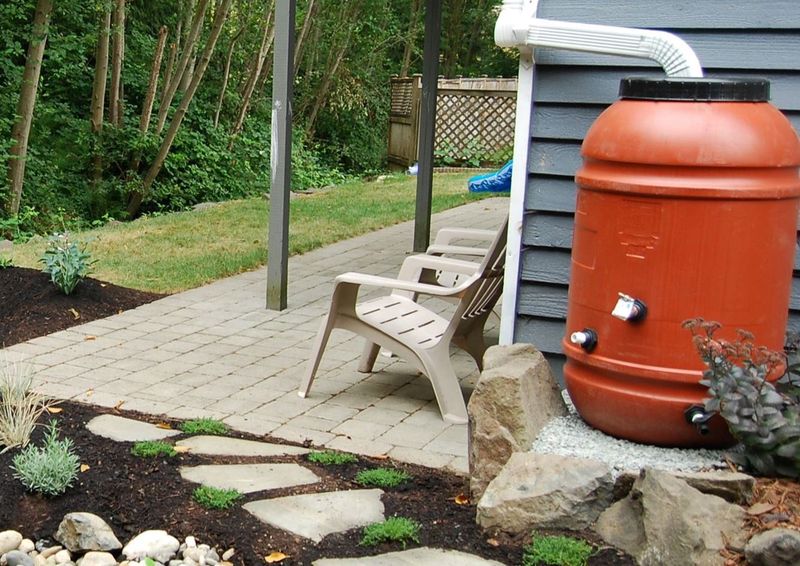
An empty 55-gallon barrel weighs only around 15 to 20 pounds, which makes it a lightweight kite once tropical winds arrive. Hurricane season runs from June 1 through November 30, and loose yard items can become flying hazards.
Rain tanks deserve the same attention as patio chairs and potted palms.
Full barrels are much heavier, about 450 pounds, so a full container sits far more firmly. Many gardeners keep them full during a storm watch for that reason, while others drain them to make room for the downpour.
Either way, strap larger tanks to anchors or a wall bracket so they stay put.
Check the base as well. Cinder blocks or a level paver pad keep barrels stable, but soggy soil around them can shift during days of heavy rain.
Overflow hoses should send extra water away from your foundation and toward a lawn or rain garden.
After the storm passes, inspect for cracks, loose fittings, and torn screens before mosquitoes find an opening. Storm runoff can also wash extra debris into the barrel, so flush it if the water looks murky.
A little prep in May makes the season much calmer. Write it on your storm checklist.
7. Thirsty Vegetable Beds and Potted Plants Love Rain Barrel Water
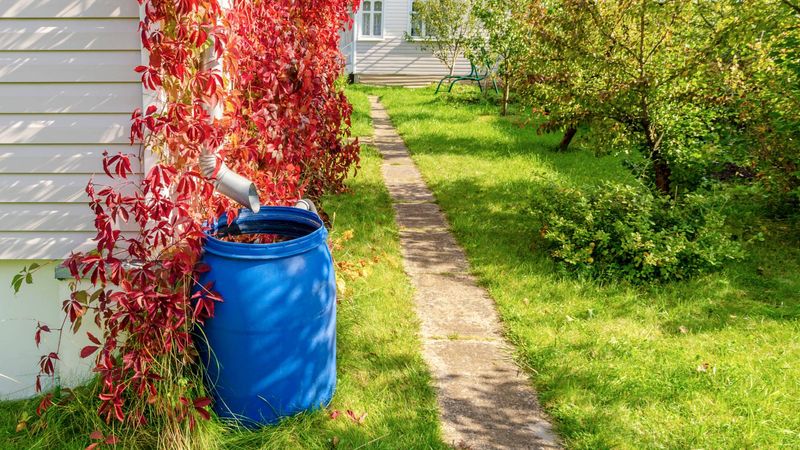
Ferns and orchids seem to perk up after a rainstorm in a way the hose rarely matches. Rainwater is naturally soft and free of the chlorine or chloramine used to treat city water.
It also lacks the salts some well water carries, which container plants appreciate.
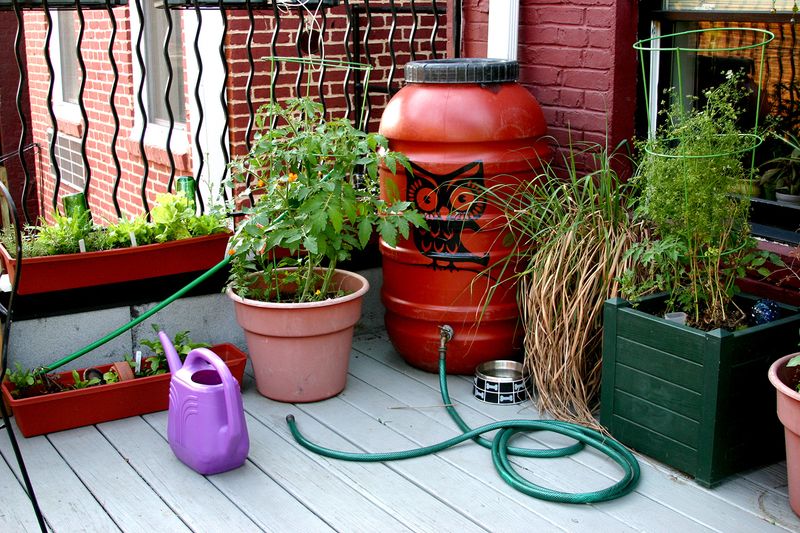
Watering ornamental beds, lawns, shrubs, and fruit trees is the most common use, and it is the easiest. Use a soaker hose or gravity-fed drip line from the spigot, or simply fill a watering can.
Gravity pressure is low, so raising the barrel on blocks helps water flow.
Vegetables need a little extra care. Roof water may carry bacteria from bird and animal droppings, so UF/IFAS guidance suggests applying it to the soil rather than splashing leafy greens you plan to eat raw.
Washing your harvest thoroughly before eating adds another layer of protection.
Beyond the garden, rainwater handles plenty of chores. Rinsing muddy boots, cleaning tools, washing the car, and topping off a birdbath are all fair game.
During dry spells when local watering restrictions limit sprinkler days, check whether your area’s rules cover stored rainwater. Many districts treat it differently from tap water, but local rules vary.
8. Water District Rain Barrel Workshops Can Save You Money
Free barrels? Sometimes, yes.
Several water management districts, county extension offices, and utilities run rain barrel workshops where you build your own barrel and take it home, often for a small fee or no charge. The Southwest Florida Water Management District and UF/IFAS extension offices in many counties have hosted these classes.
Some utilities also offer rebates or discounts for water-saving upgrades. Programs change from year to year, so check your county extension office, your water utility, and your regional district’s website before buying.
A short phone call can uncover a sale or class happening next month.
Once you have a barrel, start with these steps: confirm HOA or landlord approval, place it on a level base under a busy downspout, screen every opening, and plan where overflow goes. Then watch how fast it fills during the summer rainy season, which runs roughly June through September across much of the state.
My takeaway is simple. Catching rain here is legal, encouraged, and surprisingly satisfying.
Keep it outdoor-focused unless you bring in a licensed plumber, stay ahead of mosquitoes, and secure everything before storms, and your garden gets a free drink from every cloud that passes over.