The Florida Plants You Can Lightly Trim In September (And The Ones You Shouldn’t Touch)
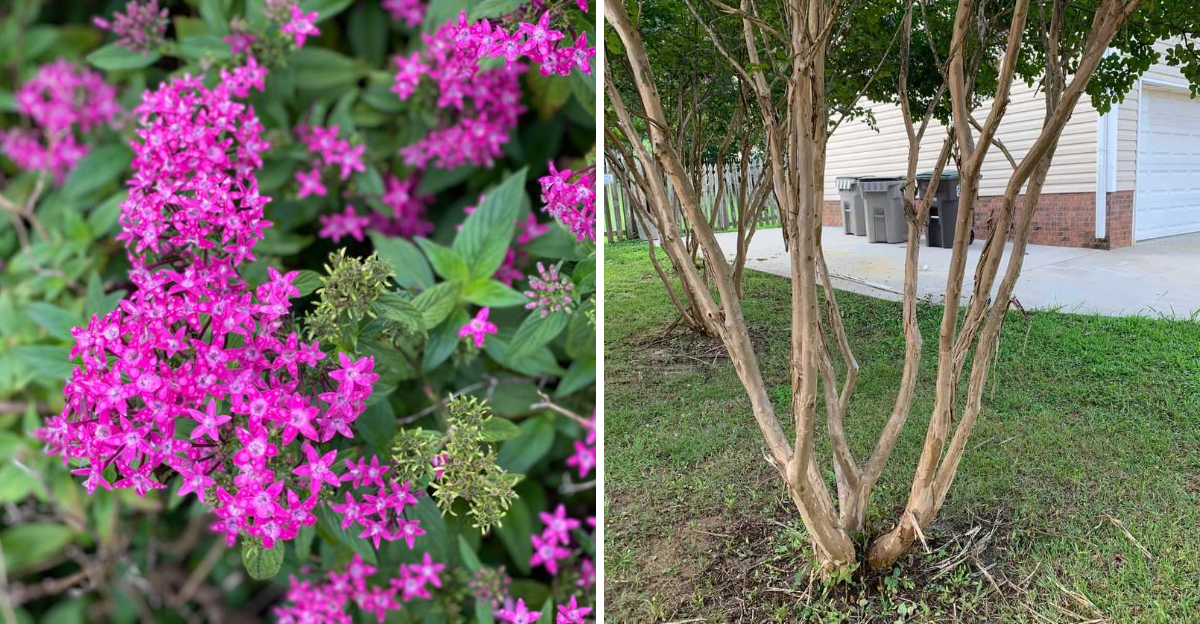
You’re standing between two beds in September with clippers in hand.
The hibiscus on your left is still flowering and could use some cleanup. The azalea on your right looks genuinely unruly.
One of those you can trim today. The other will quietly cost you next spring’s entire flower display.
Here’s the rule that separates them, and it applies across almost every plant in a Florida yard.
Does this plant flower on growth it makes next spring, or on stems it already has?
New-growth bloomers tolerate a September touch-up. Old-wood bloomers have already set their buds, and cutting removes them.
There’s a second consideration too. Heavy pruning in Florida heat pushes soft growth at a poor time, with storm season still running.
So even the plants on the safe list want restraint rather than a full reshaping.
Curious which of yours can take the shears?
1. Light Trim Hibiscus Without Losing Blooms
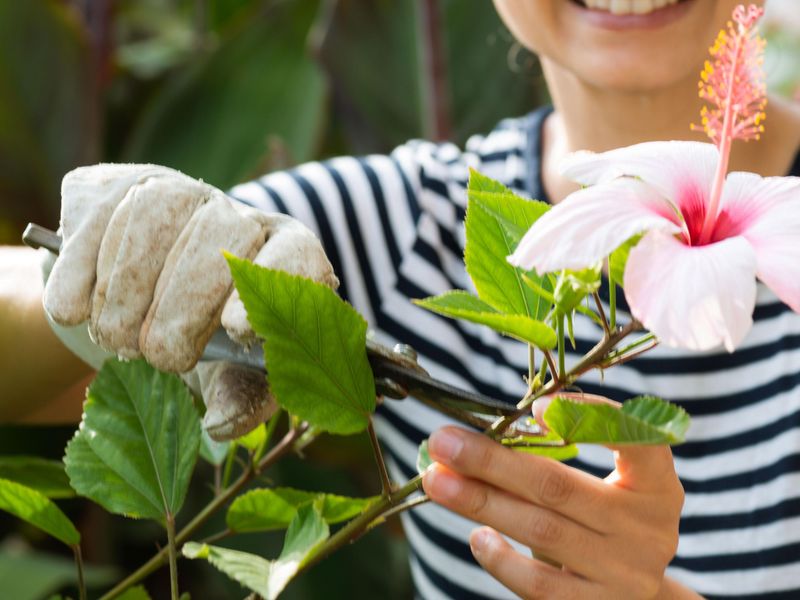
Few plants in a Florida yard look as eager to grow as this one.
By September, most are still producing flowers, so a shaggy branch or two tempts anyone with pruners nearby.
Tropical hibiscus handles light shaping well, particularly when you limit yourself to soft tips and stray stems.
The reason comes down to bloom habit. Hibiscus flowers on new growth across a long season, which means a modest trim now won’t eliminate the display.
Keep cuts small, remove spent blooms, and shorten only the longest shoots to even out the plant.
Aim for shaping rather than a substantial haircut.
Cutting back too far slows blooming for a stretch and pushes tender growth that may struggle if weather turns cooler later in fall.
Clean your pruners before starting, and skip trimming a plant already stressed by heat, dryness, or insects.
One easy check helps here. If the shrub still looks full after you step back, the amount was probably right.
Water normally afterward and resist heavy feeding, since fresh nitrogen produces soft growth heading into storm season.
Fresh buds usually appear within a couple of weeks.
Watch for whitefly and aphids on new growth while you work, since both show up on hibiscus regularly in Florida humidity.
A light touch keeps the plant tidy while it continues doing what people plant it for.
2. Shape Podocarpus Hedges With A Gentle Hand
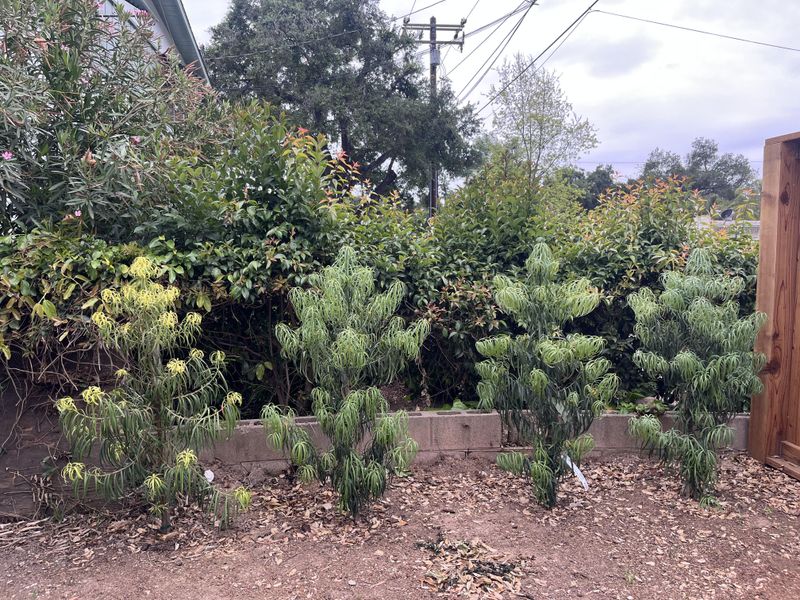
Summer freedom shows on these plants by September.
Warm rain and months of growth leave hedges puffy, uneven, and pushing into walkways where nobody wants them.
Light cleanup works fine now on sturdy evergreens grown for foliage rather than flowers.
Podocarpus fits that description perfectly, along with ligustrum and several other common Florida landscape evergreens.
Snip back shoots blocking windows, trim stems brushing paths, and remove damaged pieces without cutting into thick old wood.
That last point matters considerably. Podocarpus regrows slowly from bare interior stems, and gaps stay visible for months.
Selective cutting beats a fast pass with power shears.
When every outer stem gets clipped to the same line, the exterior turns dense while the interior goes bare and weak.
Your Florida Garden Changes Every Week. Your Plan Should Too.
Gardening in Florida changes quickly throughout the season. Every Friday you’ll receive a simple weekly plan showing exactly what to plant, prune, fertilize, harvest, and protect so you never miss the right timing.
Reaching in to shorten a few longer branches maintains a natural shape and lets light move through.
Profile helps too. Leaving the hedge slightly wider at the base than the top keeps lower foliage from thinning out.
Sooty mold on podocarpus usually follows scale or aphids rather than appearing on its own, so a black coating means checking stems.
Drainage deserves a look as well, since these plants dislike consistently wet soil.
A careful September touch-up suits hardy green shrubs that are simply untidy.
3. Trim Firespike And Pentas After Their Bloom Cycle
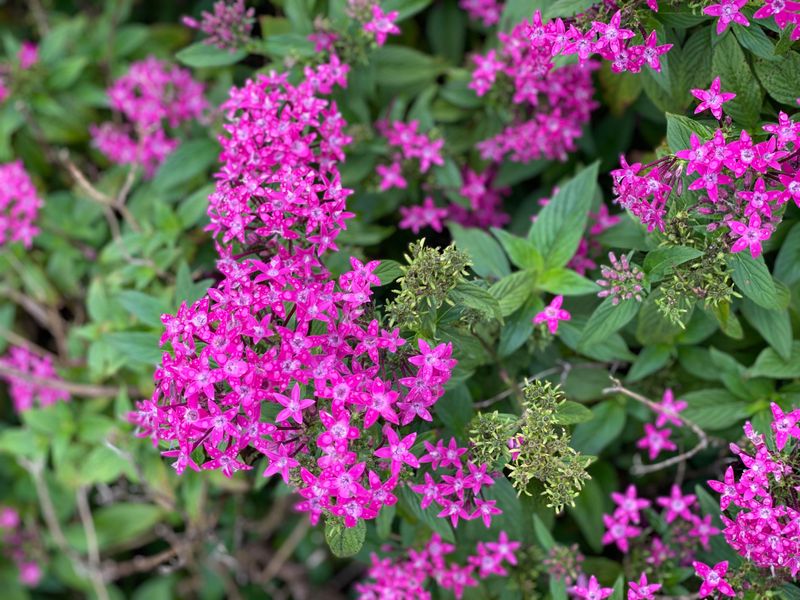
Timing is everything with these long-season perennials.
Warm climate favorites like firespike, pentas, and salvia keep cycling through growth and bloom as summer fades into fall in Florida.
That habit means they can handle trimming, provided you catch them between flushes rather than during one.
Inspect before cutting. Swelling tips, developing buds, and flower stalks beginning to rise all mean waiting.
Once a bloom cycle finishes and the flowers have faded, light shaping resets the plant and often prompts another round.
Cut back spent flower stems and shorten leggy growth, taking a third or less overall.
That approach produces bushier plants without the shock a hard cutback would deliver in September heat.
Pentas respond especially well to trimming, since removing finished clusters encourages continued flowering.
Firespike grows tall and can flop, so shortening the longest stems keeps it upright without sacrificing the fall bloom.
Salvia benefits from similar treatment, cut back to just above healthy foliage.
There’s a practical reason for careful timing beyond appearance.
Blooming stems feed pollinators when many Florida gardens look tired, and hummingbirds work firespike heavily during fall migration.
Water normally after trimming and skip fertilizer, since these plants perform well on modest fertility.
Save any hard renewal cutting for late winter.
4. Clean Up Damaged Wood On Any Plant
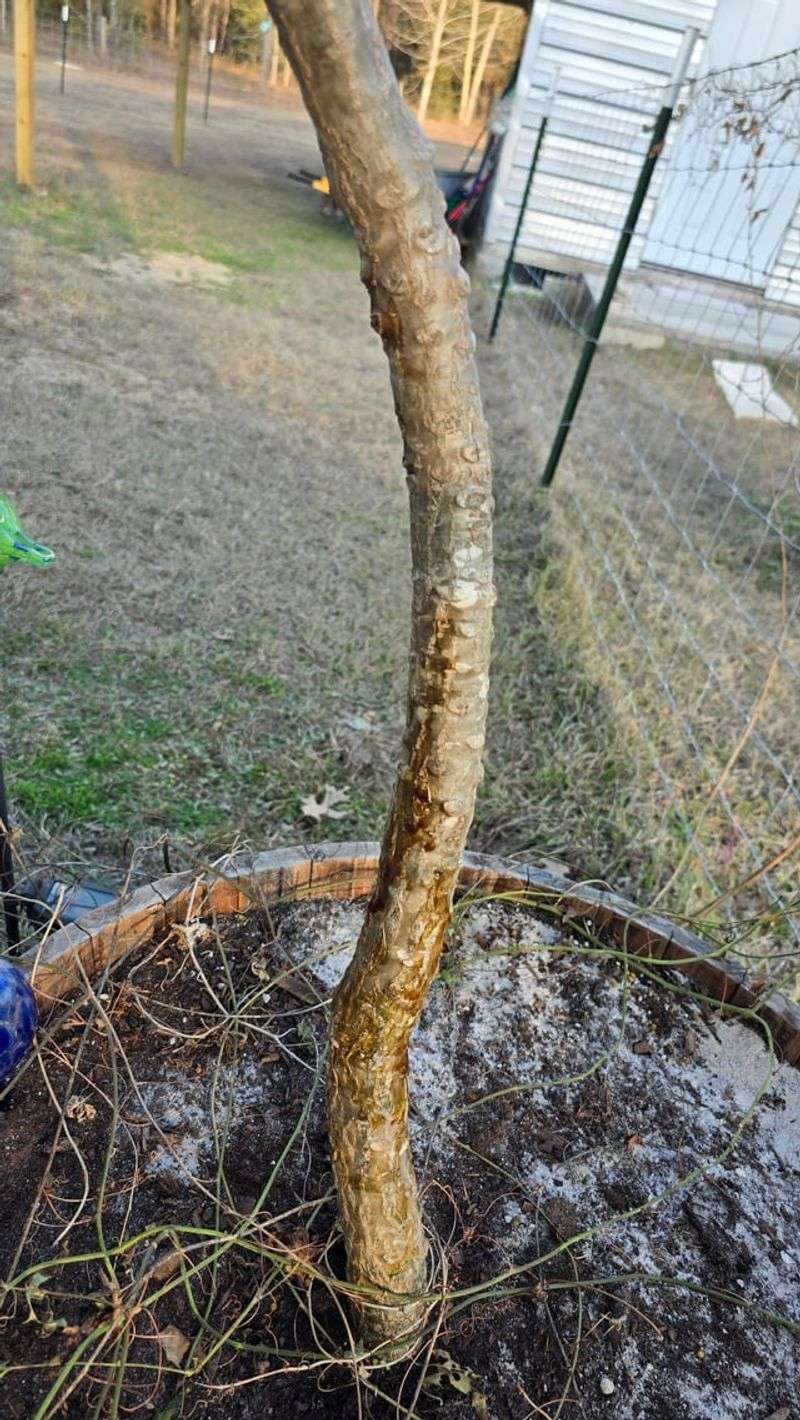
Broken and diseased wood is the easiest September decision in a Florida yard.
Removing that material is appropriate at any point in the year, since leaving it accomplishes nothing useful and creates real problems.
September heat and humidity let decay advance quickly, especially after frequent rain.
A cracked branch rubs, splits farther, and traps moisture where rot establishes.
Clean cuts back to healthy wood let the plant seal the wound properly.
Use sharp pruners or loppers and cut just outside the branch collar on woody plants rather than leaving a stub.
Look closely before cutting. Spent wood is brittle and dry inside while living wood shows green tissue beneath the bark.
Storm damage hangs, splits, or bends sharply after wind.
Diseased portions show cankers, unusual discoloration, or soft mushy areas.
Bag suspicious debris instead of composting it, since home piles rarely reach temperatures that handle pathogens.
Keep the job narrow. September isn’t the moment for reshaping just because the tools are already out.
Sanitize blades between plants with rubbing alcohol, particularly after cutting anything questionable.
Large limbs near structures or power lines belong to a certified arborist rather than a homeowner on a ladder.
Cleanup now improves appearance, reduces hazards, and lets plants direct energy into stronger growth once cooler weather arrives.
5. Leave Azaleas Completely Alone Until Spring
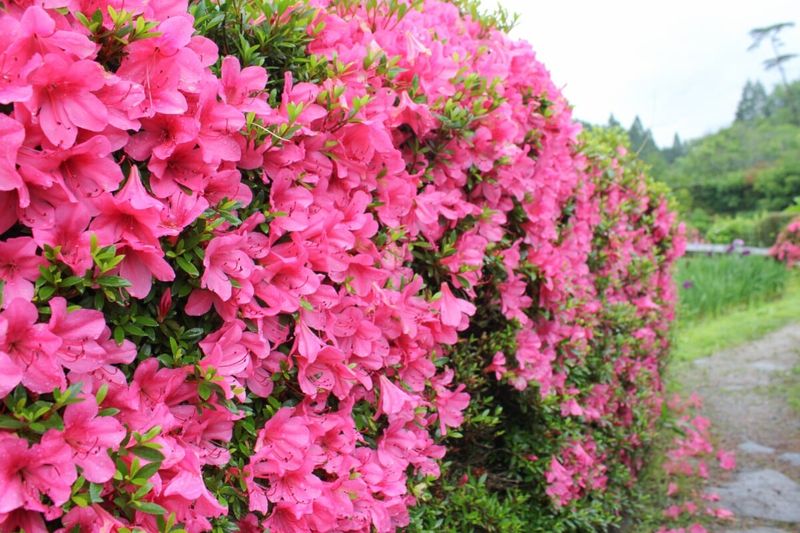
This is where good intentions go wrong most often.
An azalea may look wild in September, and cutting it now removes flower buds already forming for next year.
The mechanism is straightforward. These shrubs set buds on older stems well before bloom time arrives.
Prune right after flowering instead, which gives the plant a full season to develop buds again.
Trim in September and you’re not tidying the plant, you’re removing the display you wanted.
Picture hidden buds sitting along those branches, waiting through fall and winter.
Even with plenty of leaves showing, next season’s flowers may already be determined.
Heavy rain, heat, and summer growth all make the plant look messy, and appearance misleads you at this point in the year.
Damaged, broken, or diseased branches can still come out, and that’s the only cutting worth doing.
Otherwise put the pruners away and note the plant for spring attention.
Other useful September work exists. Pull weeds around the base, refresh mulch without piling it against stems, and check that irrigation reaches shallow roots.
Lace bugs are worth inspecting for, since they cause stippled bronzed foliage and hide underneath leaves.
Yellowing between leaf veins usually points to iron availability in alkaline soil rather than a pruning need.
Patience delivers better blooms than a cleaner shape does.
6. Skip Camellias Until After Flowering Ends
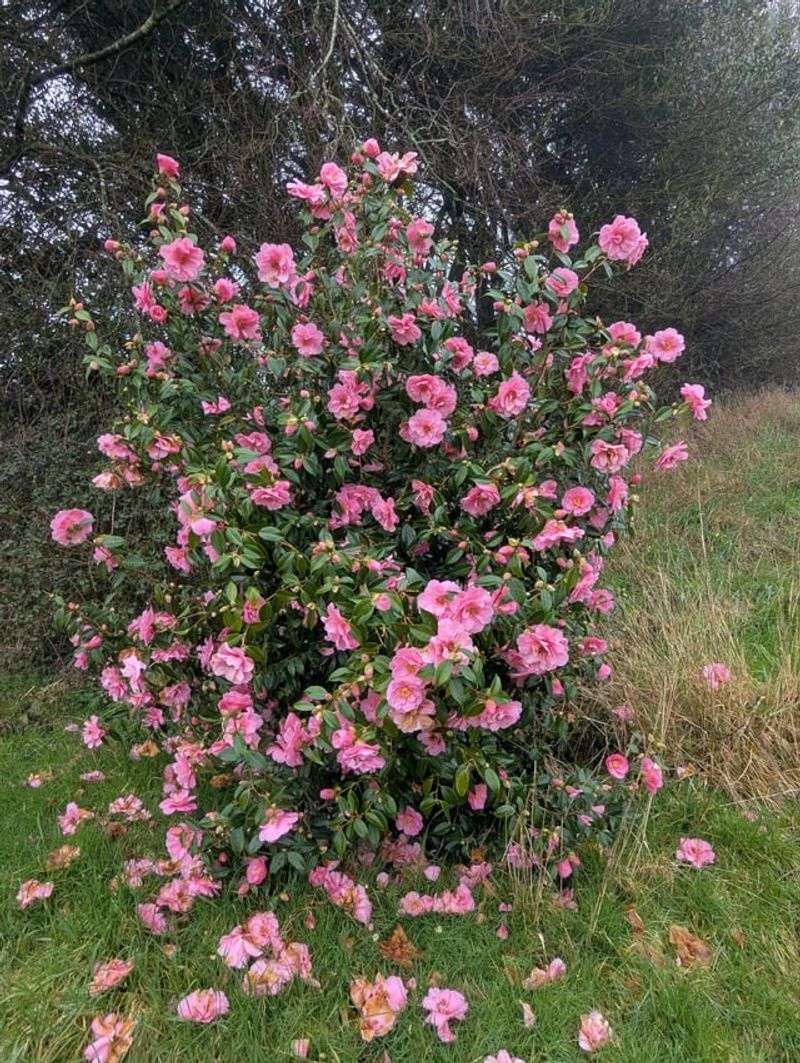
Bud set happened during summer, which decides everything about this month.
Camellias develop flower buds through the warm season for a bloom period running fall through spring depending on species.
Cutting in September removes buds already formed, which is a direct way to lose the display.
Sasanqua types bloom earliest, often opening in October or November across much of Florida.
Japonica varieties follow, generally flowering from December into March.
Either way, September sits at the wrong point in the cycle entirely.
Prune after flowering finishes, leaving a full summer for the plant to set buds again.
Camellias need very little pruning anyway, since the natural layered form is much of the appeal.
Right now, restrict cuts to broken or diseased wood only.
Tea scale is the productive thing to address this month instead.
It appears as white or brown bumps on leaf undersides with yellow mottling visible on the upper surface, and it’s the most common camellia problem in Florida.
Sooty mold usually accompanies it, growing on honeydew the insects produce.
Checking leaf undersides and treating appropriately helps considerably more than any cosmetic work.
Soil pH matters here as well, since camellias want acidic conditions and struggle where soil runs alkaline.
Mulch, steady moisture, and patience cover September.
7. Hold Off On Gardenias Until Midsummer
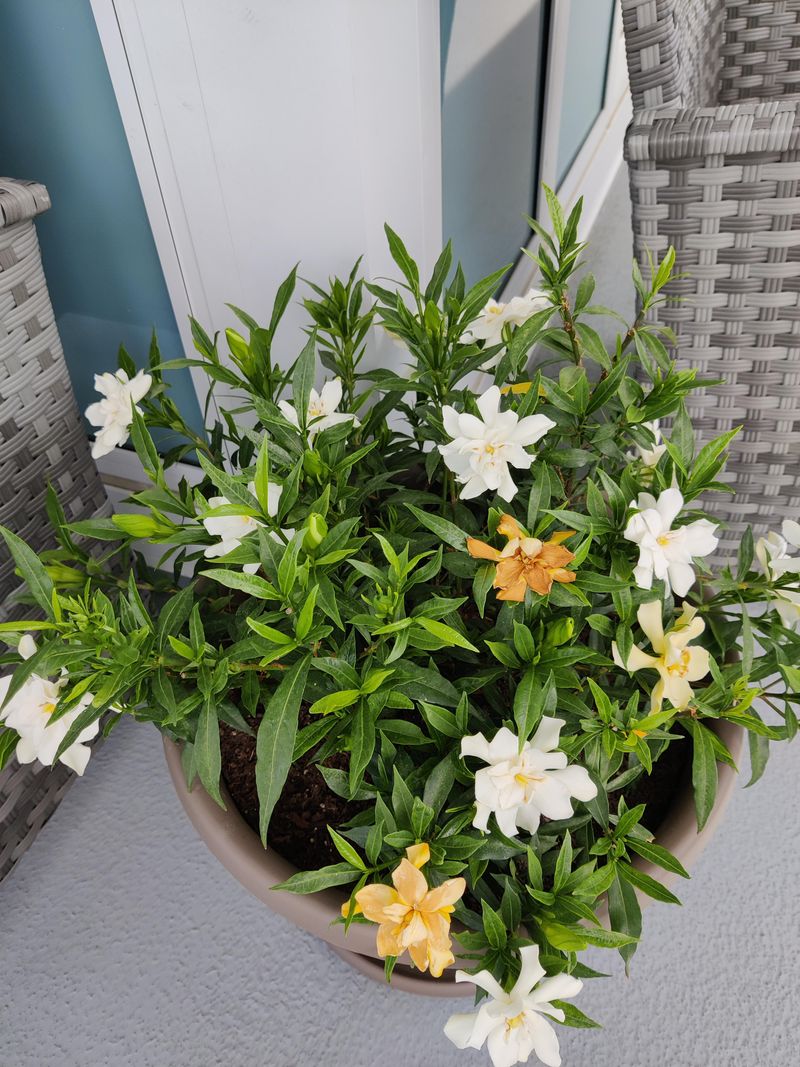
Few Florida shrubs get pruned at the wrong time more consistently.
Gardenias bloom on old wood, setting buds for a late spring and summer display, and fall cutting removes them outright.
That explains plenty of gardenias that grow beautifully and flower sparsely year after year.
The right window is immediately after the main bloom period finishes, generally midsummer, which leaves time for bud development before fall.
Outside that window, limit yourself to removing damaged wood.
September attention should go elsewhere with this plant entirely.
Whitefly is the common problem here, producing yellowing leaves, sticky honeydew, and black sooty mold across the foliage.
Check leaf undersides for white insects and treat before that mold coating gets heavy enough to affect the plant.
Scale insects cause similar symptoms and need similar handling.
Yellowing between leaf veins usually indicates iron or magnesium availability rather than anything shears would address.
Gardenias want acidic soil, and alkaline conditions across parts of Florida cause chronic chlorosis that general fertilizer won’t resolve.
Root knot nematodes affect gardenias in sandy soil too, showing as stunted growth and decline no feeding improves.
Grafted plants on resistant rootstock handle that better, which matters when replacing one.
Bookmark the shaping for after next year’s bloom.
8. Save Crape Myrtle Shaping For Winter
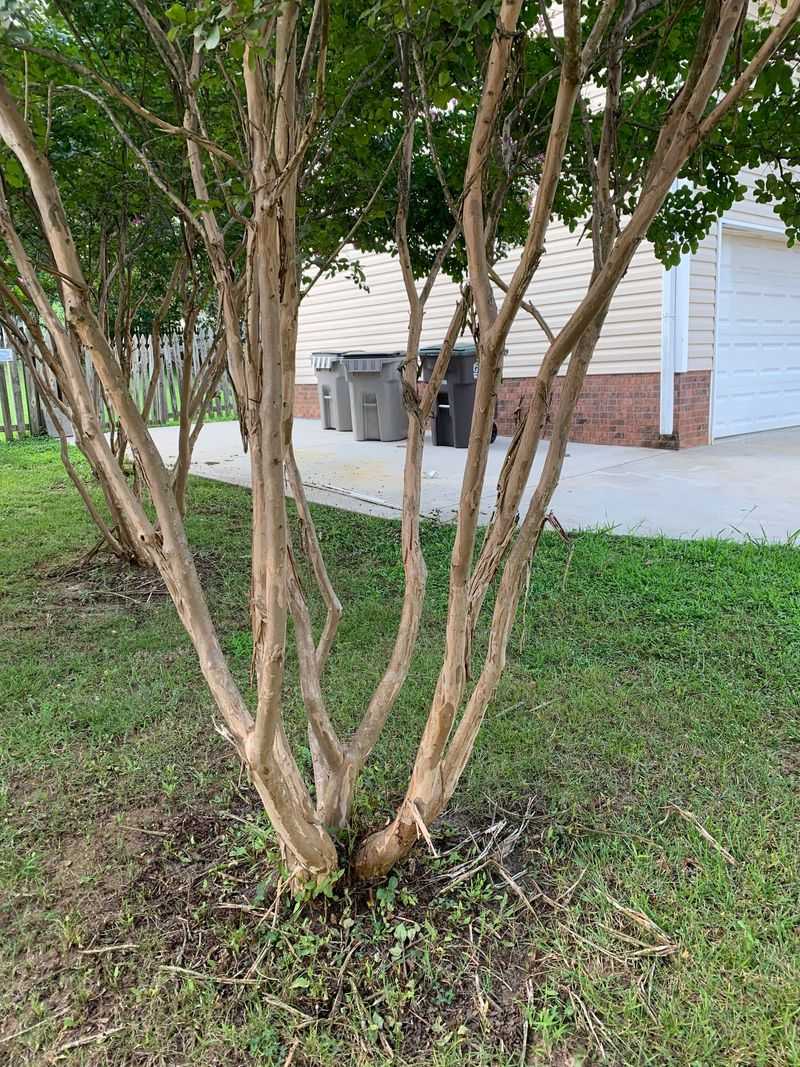
These trees seem to invite pruning since every branch is clearly visible.
September is still the wrong time for major shaping in Florida.
Structural work, thinning, and size control all belong in winter dormancy, which also helps you avoid the rough cuts that ruin the natural form.
Fall pruning encourages tender growth when the plant should be slowing down.
It also makes judging the branch framework harder, since foliage hides the structure you’re trying to correct.
Dormant pruning lets you see crossing limbs, weak shoots, and crowded interior branches clearly.
Small cleanup differs from major trimming.
Removing broken twigs, obvious damage, or spent flower clusters is fine, and stopping short of topping or cutting thick stems matters.
Harsh pruning, sometimes called crape murder, weakens the tree’s appearance and produces awkward crowded regrowth that requires more work every year.
Crape myrtles bloom on new growth, so winter pruning costs nothing in flowers.
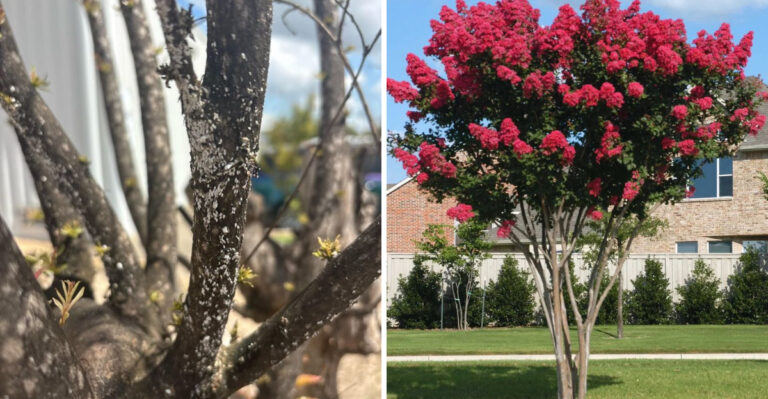
Crape myrtle bark scale has spread across the Southeast and is worth watching for, showing as white felty bumps on trunks with sooty mold below.
A tree that outgrew its space is often better replaced with a smaller variety than cut back repeatedly.
Let the plant finish the season, then shape it in winter with clear purpose and a much better view of what needs cutting.