Signs Your Desert Willow Is Struggling After A Sharpshooter Infestation In Florida
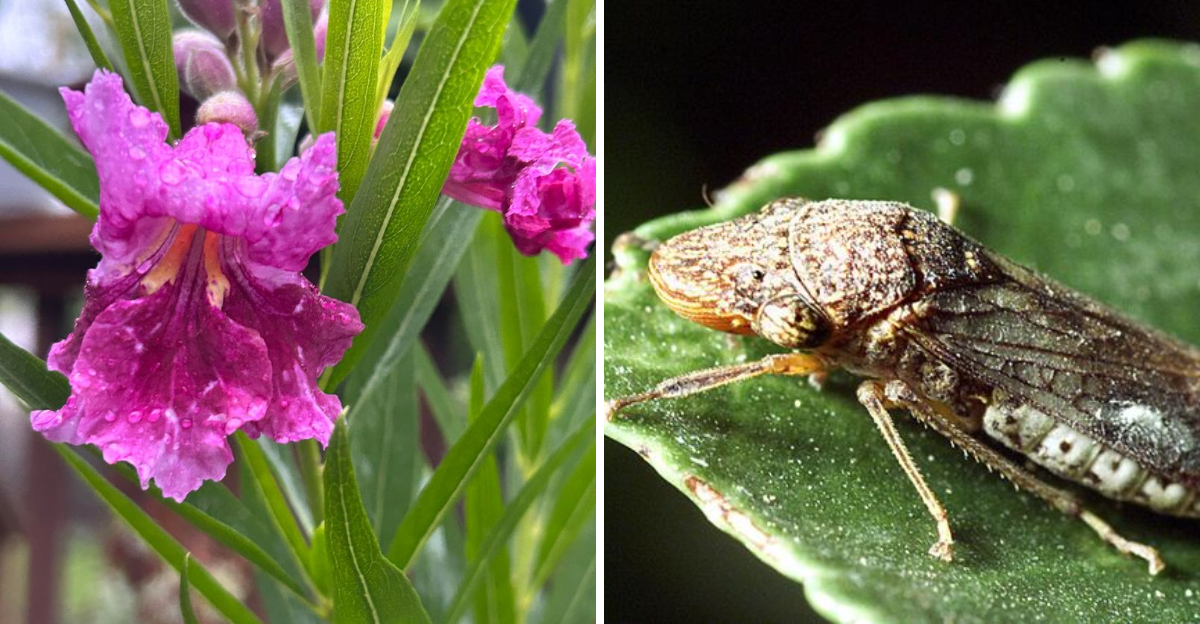
A desert willow can look slightly tired one week and genuinely suspicious the next.
You notice a brown edge here. A few leaves drop early. One side of the canopy seems thinner. Then you remember those sharpshooters that kept returning to the branches.
That connection deserves attention, but not panic.
Sharpshooters can carry Xylella fastidiosa, a bacterium linked to serious scorch diseases in several plants. Desert willow, though, does not have the same deep Florida research record as grapes, oleander, or some other hosts.
So what should you actually watch?
The useful clues come from patterns, not one brown leaf. Timing matters. Location matters. Repeated wilt matters. A canopy that slowly loses density tells a different story from a few leaves stressed by heat.
The smartest move is careful observation before any treatment.
Seven signs can help you document what changes, rule out simpler causes, and decide when your tree needs a closer professional look rather than another guess from across the yard on another hot and humid Florida morning.
1. Watch For Scorched Leaf Margins
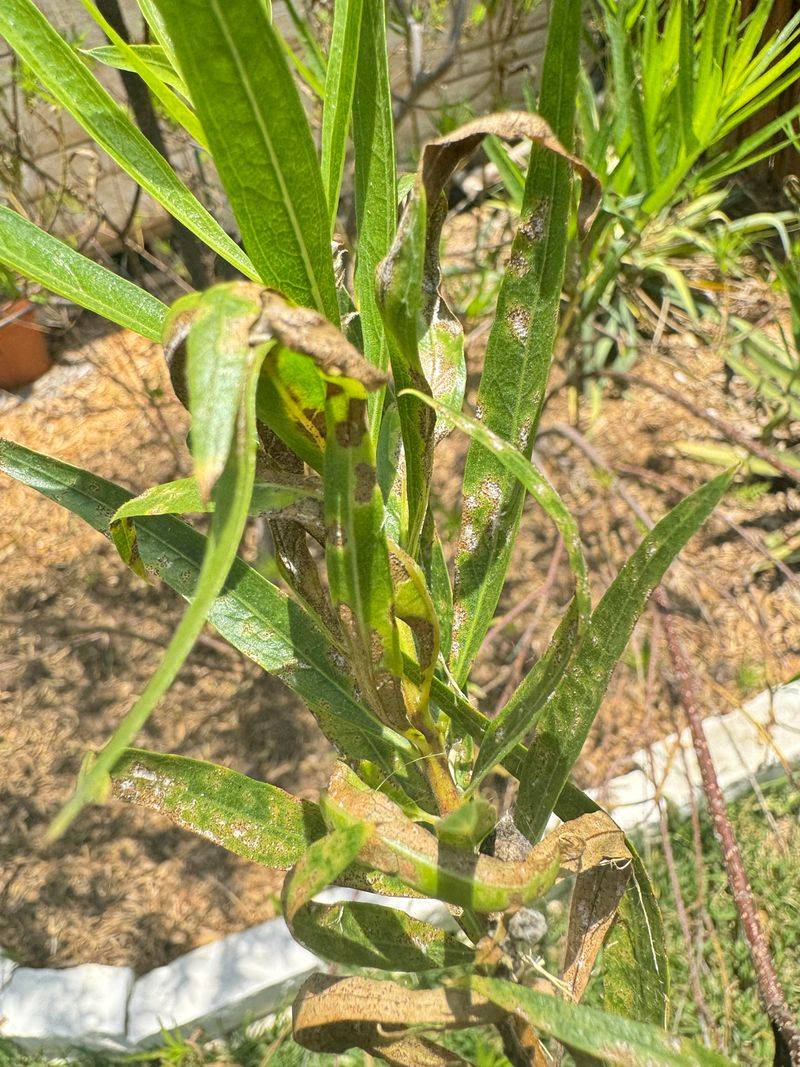
The first clue often sits right along the leaf edge.
A healthy leaf usually keeps its color from the center to the margin. Trouble can start when those outer tissues turn tan or brown while the middle stays green.
That pattern is often called leaf scorch.
The margin sits near the end of the plant’s water route, so any problem that limits water flow can show there first. Heat, drought, salt buildup, root stress, or vascular disease can all create a similar look.
Sharpshooters make the picture more complicated.
These insects feed from xylem, the tissue that carries water through the plant. Some sharpshooters can also transmit Xylella fastidiosa, a bacterium that can disrupt water movement in susceptible hosts.
One scorched leaf does not prove that connection.
Check several branches instead. Notice where the same brown margin appears across one section of the canopy or on leaves that otherwise look healthy. Compare older leaves with new ones too.
Take a photo with the date and keep the leaf in the frame beside healthy foliage.
Then check soil moisture before you blame disease. Florida heat can make simple water stress look surprisingly dramatic.
Your desert willow offers a clue, not a confession. The edge gets your attention first. The pattern across the whole tree tells you what deserves the next call.
2. Flag Yellow Bands Around Brown Edges
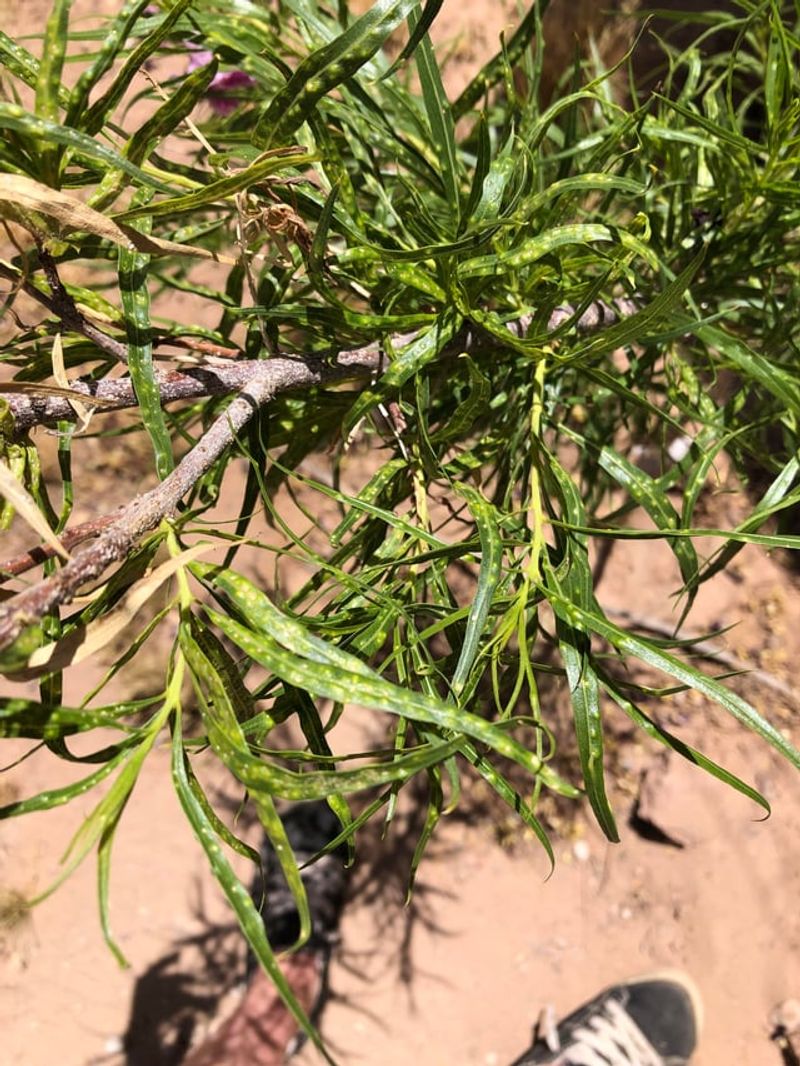
A thin yellow strip can make a brown leaf edge much more interesting.
Look just inside the scorched tissue. Some leaves develop a pale yellow or yellow-green band between the healthy center and the dry outer margin.
That transition deserves a closer look.
A sharp jump from green to brown can fit simple heat or drought stress. A softer band of yellow between those colors can sometimes appear with vascular scorch problems in susceptible plants.
Desert willow complicates the diagnosis.
Florida research on Xylella symptoms in this species remains limited compared with grapes, blueberries, or oleander. A yellow band should therefore stay in the clue column, not the diagnosis column.
Your Florida Garden Changes Every Week. Your Plan Should Too.
Gardening in Florida changes quickly throughout the season. Every Friday you’ll receive a simple weekly plan showing exactly what to plant, prune, fertilize, harvest, and protect so you never miss the right timing.
Use the whole branch as your reference.
Check for the same band on several leaves from one limb. Then inspect nearby limbs. A pattern confined to one side may tell a professional something different from color changes spread evenly across the canopy.
Take clear photos from the top and underside of each leaf. Add one wider photo that shows the branch position on the tree.
That little bit of context can be surprisingly useful later.
Do not let one dramatic leaf send you into treatment mode. Florida sun, root trouble, salt, and irrigation problems can all create strange color transitions.
Your job is not to solve the mystery from one yellow stripe. Your job is to notice when that stripe starts to gain company.
3. Notice Leaves Browning Earlier Than Normal
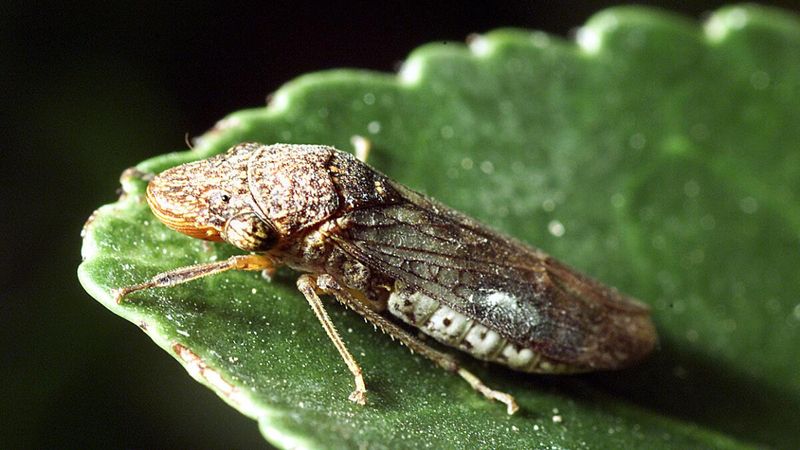
The calendar can expose a problem before the leaf color does.
Desert willow naturally changes with the season, so some leaf loss and color shift can be normal. The bigger concern comes when that change arrives much earlier than expected through active growth.
Brown leaves in July or August deserve a second look.
Florida heat can stress a tree in those months, especially after a dry stretch. A healthy root system may recover after moisture improves. A tree with a deeper vascular or root problem may continue to decline despite better conditions.
Track the pace.
Write down the date when the first unusual leaves appear. Note the branch. Check again several days later. A few stable leaves tell one story. A pattern that expands from branch tips toward the interior tells another.
Photos make this much easier.
Stand in the same spot once a week and take one full-canopy picture. You may notice changes that escape your eye on a daily walk past the tree.
Add sharpshooter sightings to the same notes.
That does not prove a link, but it gives an Extension agent or arborist a clearer timeline should symptoms continue.
Trees do not send calendar invitations before stress shows up. Early color change is about as close as you get.
When autumn seems to arrive on one branch in the middle of a Florida summer, write it down before you write it off.
4. Track Wilt That Keeps Coming Back
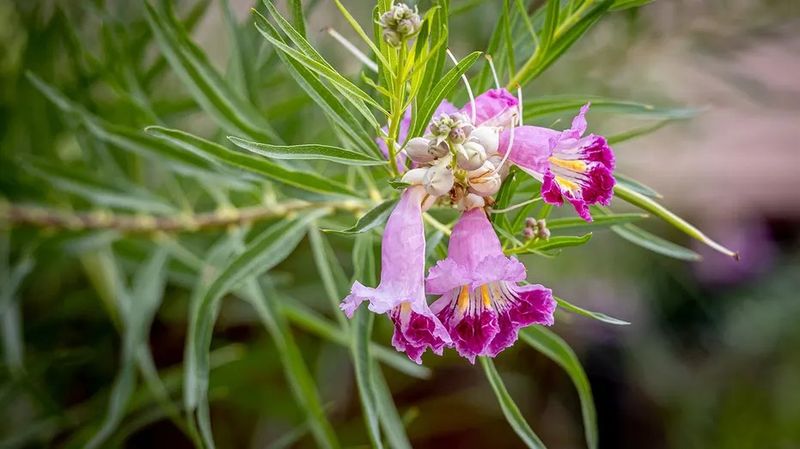
A thirsty tree usually responds after the roots get water.
That simple test becomes useful when desert willow leaves droop again and again even though the soil still feels adequately moist.
Repeated wilt deserves attention.
Water moves from the roots through xylem vessels and out toward the leaves. Problems anywhere along that route can reduce the supply that reaches the canopy.
Xylella fastidiosa can disrupt xylem flow in susceptible plants, but it is not the only possible cause.
Root rot, compacted soil, damaged roots, poor drainage, or intense afternoon heat can create similar symptoms. Florida humidity adds another layer because wet soil can stay wet far longer than the surface suggests.
Check several inches below the mulch or soil surface.
A tree that droops only through the hottest part of the afternoon may simply face temporary heat stress. A tree that stays wilted early in the morning or after temperatures ease deserves a closer look.
Notice the location too.
One weak branch may point toward a local injury. Wilt that moves through several limbs over time may support a different concern.
Keep the hose out of autopilot mode. More water can make a root problem worse.
Check first, document second, then seek help when the pattern persists.
A desert willow that asks for water every afternoon may be thirsty. One that still looks unhappy after the drink is telling you the conversation needs to go deeper.
5. Watch For Early Leaf Drop
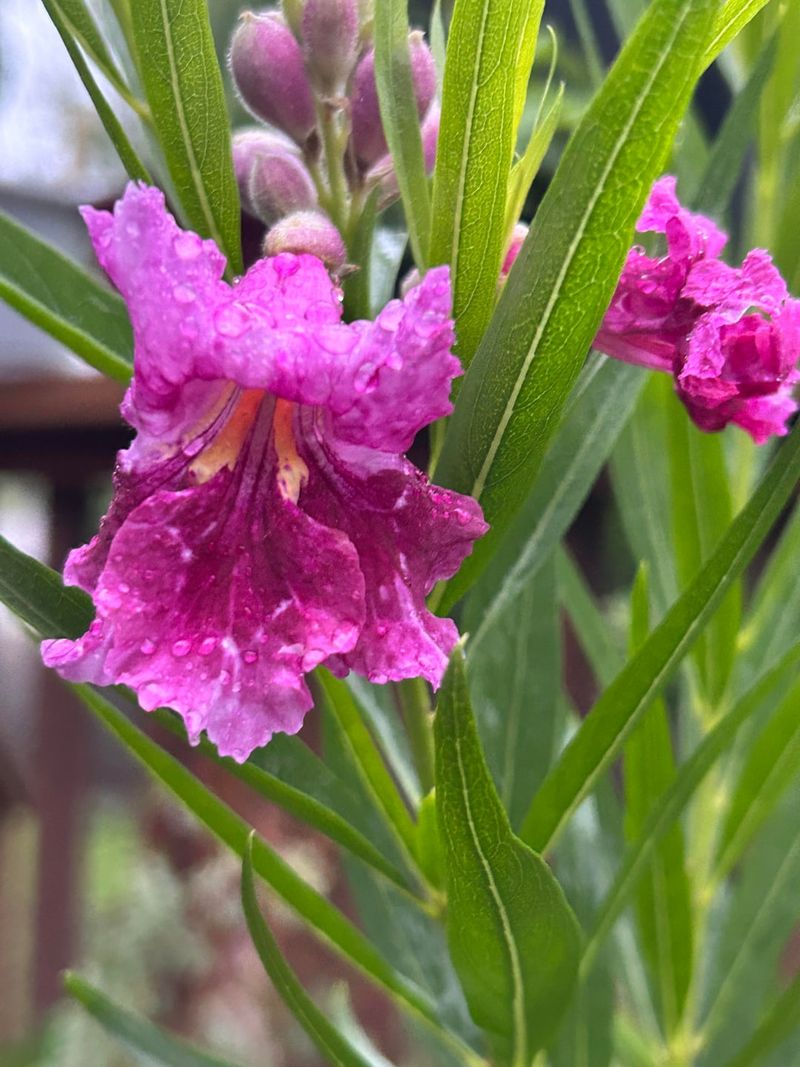
Sometimes the most useful evidence sits on the ground.
A few fallen leaves are easy to ignore. A larger ring beneath the canopy in late spring or midsummer deserves more attention.
Trees can shed leaves under stress to reduce the amount of tissue they must support.
That response can follow drought, root trouble, heat, transplant stress, or a vascular problem. The fallen leaves alone cannot identify the cause.
Look at where the drop begins.
Sun-exposed branches may lose leaves after a brutal hot spell. Older interior leaves may fall as part of ordinary turnover. A steady increase across several parts of the canopy can suggest broader stress.
Make the ground part of your weekly inspection.
You do not need an exact leaf count. A quick photo of the area beneath the tree gives you a useful comparison from one week to the next.
Check the branches at the same time.
Leaf drop paired with scorched margins, repeated wilt, weak new shoots, or visible canopy gaps carries more weight than leaf drop by itself.
Sharpshooter activity adds context, not proof.
Avoid the temptation to compensate with extra fertilizer or constant irrigation before you know what the roots and soil are doing.
Your tree may drop a few leaves and move on. A larger carpet in the wrong season is different.
The branches get most of the attention, but the ground often keeps the receipts.
6. Look For A Thinning Canopy
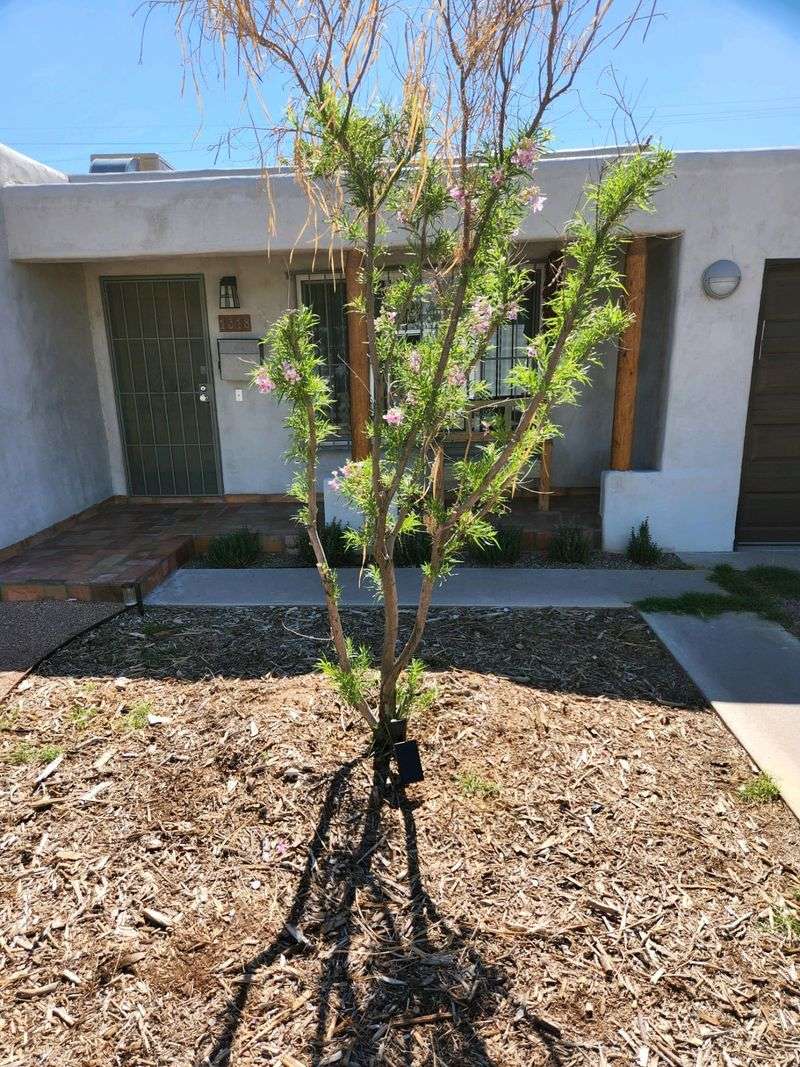
Stand far enough back that you can see sky through the entire tree.
That view can reveal a change that individual leaves hide.
A healthy desert willow should carry enough foliage to give the canopy a layered, reasonably full look through active growth. New gaps, sparse sections, or bare branch tips can signal that the tree has lost more leaves than usual.
Canopy decline tends to sneak up on you.
You see the same tree every day, so gradual change can become almost invisible. A photo from last month may tell the story faster than memory does.
Compare both sides of the canopy.
One thin section near a damaged limb may have a local explanation. Several sparse areas, especially alongside leaf scorch or repeated wilt, deserve more attention.
Look closely at the tips too.
Healthy shoots should support a normal run of leaves for the season. Bare tips or shortened leaf clusters can suggest that the tree has less energy or water available for new growth.
Plenty of ordinary problems can thin a canopy.
Drought, root damage, poor drainage, nutrient trouble, storms, and pests all belong on the list. Sharpshooters plus several vascular-style symptoms simply give you more reason to request a professional assessment.
Do not judge the tree from one dramatic branch.
Step back, compare, photograph, and repeat.
Sometimes the best diagnostic tool in the yard is not a spray, meter, or magnifier. It is the same camera angle once a week.
7. Treat Weak New Growth As A Warning
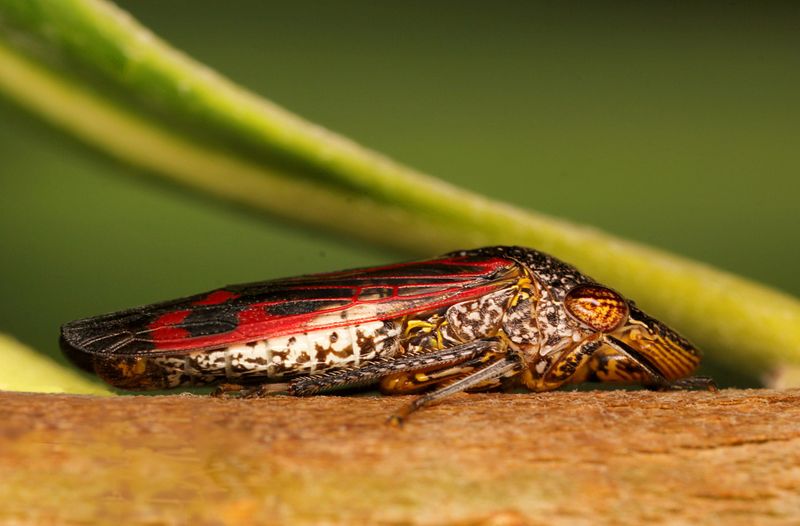
Fresh shoots usually give a stressed tree a chance to prove it still has energy in reserve.
That is why weak new growth deserves attention.
Compare this season’s shoots with healthy growth from earlier in the year or previous seasons. Short stems, unusually small leaves, pale color, or tips that fail to extend can point toward broader stress.
The cause can sit in several places.
Poor root function can limit water and nutrient uptake. High soil pH can interfere with certain nutrients. Nematodes, drainage problems, or root injury can also leave the newest foliage weak.
A vascular problem belongs on that list, but not at the top by default.
Check the soil before you assume an insect-transmitted disease. A basic soil test can reveal pH or nutrient issues that create pale or weak shoots.
Then compare symptoms across the tree.
Weak new growth plus scorched margins, early leaf drop, repeated wilt, and canopy decline creates a stronger reason for professional evaluation than one short shoot alone.
Keep notes on sharpshooter activity too.
Photos of the insects can help with identification, especially when several leafhopper species visit the yard.
This is one place where patience can save you from a bad treatment decision.
Your desert willow does not need a mystery tonic because one branch looks tired. It needs a clear diagnosis.
Weak new growth is the warning light on the dashboard. Check the rest of the tree before you replace parts.