Pack Rats Start Moving Under Arizona Hoods And Into Garages As Nights Cool, So Clear These Spots Now
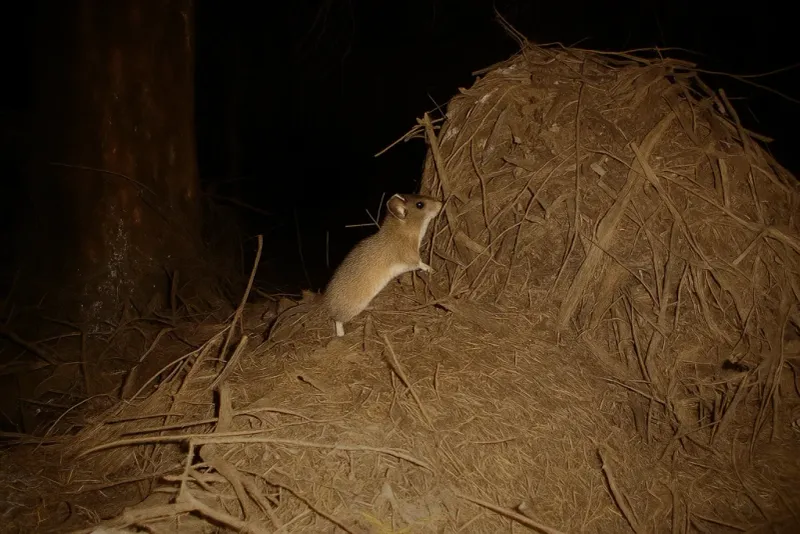
When desert nights finally drop below the triple digits, pack rats start looking for a cozy new home. In Phoenix and Tucson, that home is often the warm engine bay of your car or a cluttered corner of your garage.
These busy little rodents chew wires, hoses, and insulation, and the repair bills can be shocking. The good news is that a few smart changes around your vehicle, garage, and yard can make your place far less inviting before they move in.
1. The Engine Bay Under Your Hood
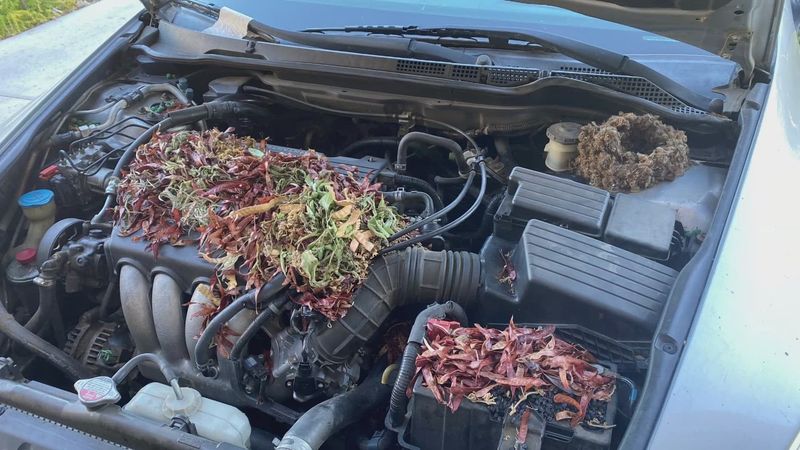
Picture a pack rat on a chilly October night in Tucson, sniffing out the warmest, darkest spot on the block. Your engine bay, still holding heat from the evening drive, looks like a five-star hotel.
Dark, enclosed, and sheltered from owls and coyotes, it checks every box on their wish list.
Once inside, these rodents may gather twigs, cactus pieces, and shiny bits of trash to build a nest. Worse, they can chew through wiring, coolant hoses, and the soy-based insulation many newer cars use.
A single night of nibbling can leave you with warning lights and a pricey repair.
A simple trick many Arizona drivers swear by is leaving the hood open overnight when the car sits in a secure garage or driveway. Pack rats prefer tight, shadowy spaces, so light and open air can make the area much less appealing.
Pair that with a quick weekly peek under the hood using a flashlight.
Look for chewed plastic, droppings, small piles of sticks, or a musky odor. Catching early signs means you can clear debris before a full nest forms.
Think of it as a two-minute habit that may save you hundreds of dollars this season.
2. Rarely Driven Cars, RVs, and Trailers
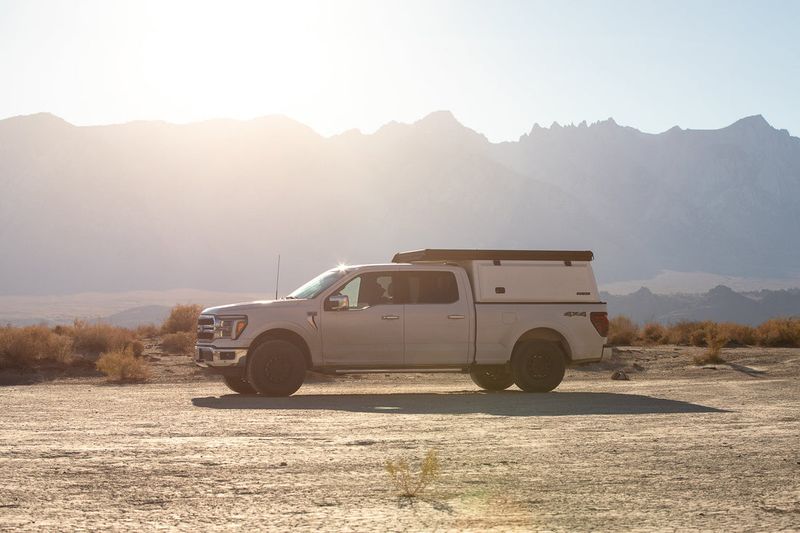
Snowbird season brings a funny irony. The RV that sat quietly all summer is exactly what local pack rats have been eyeing, and so is the weekend truck or classic car parked out back.
Vehicles that rarely move give rodents time to settle in without being disturbed. Every engine start, vibration, and burst of heat sends a message that the space is not safe.
A car that sits for weeks sends the opposite message, practically an open invitation.
If you can, start and drive each vehicle at least a few times a week. Even a short trip to the grocery store helps shake things up.
For RVs, boats, and farm equipment, try these habits:
Open compartments and storage bays regularly to let in light. Check around tires, the hitch, and underneath for nesting materials.
Keep the area around parked units free of brush and stacked items that offer cover.
Some owners also rotate parking spots now and then, which can disrupt a rat that has started marking territory. It sounds small, but movement and change are surprisingly effective tools.
Pack rats love routine and predictability, so the more you break that pattern, the more likely they are to look for a quieter neighbor instead.
3. Gaps Around Garage Doors and Walls
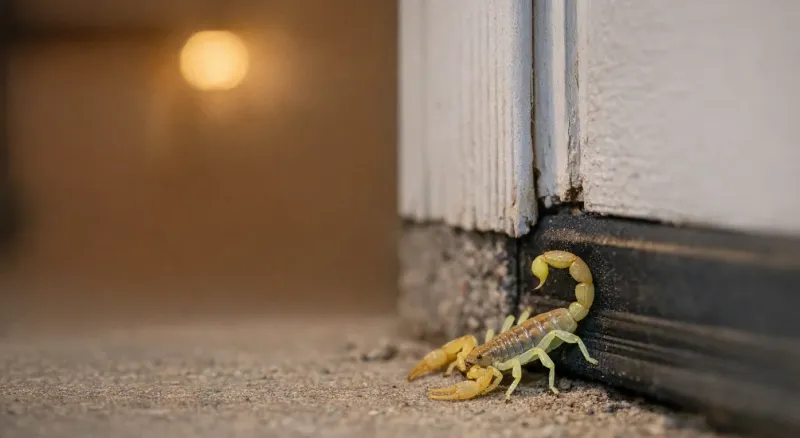
Hold up a nickel. That tiny coin is roughly the size of the opening a determined pack rat can squeeze through.
Your Arizona Garden Changes Every Week. Your Plan Should Too.
Gardening in Arizona changes quickly throughout the season. Every Friday you’ll receive a simple weekly plan showing exactly what to plant, prune, fertilize, harvest, and protect so you never miss the right timing.
Most garages have several gaps that big, and homeowners rarely notice them.
Walk around your garage slowly, both inside and out. Check the bottom edge of the main door, side doors, vents, weep holes, and spots where pipes or cables enter the wall.
Cracked stucco and worn weatherstripping are common trouble spots in older Phoenix homes.
Here is a practical sealing plan:
Install or replace door sweeps and bottom seals on every garage door. Fill small cracks with exterior caulk or sealant rated for desert heat.
Cover vents and larger openings with sturdy hardware cloth, since rodents can chew through plastic mesh.
Doing this work in fall pays off twice. It may help block pack rats as nights cool, and it can also make your garage less welcoming to scorpions and crickets looking for shelter.
A tighter garage also tends to stay a bit cooler next summer.
Plan an afternoon with a caulk gun, a tape measure, and a flashlight. It is honest, satisfying work, and you will finish knowing your garage has fewer secret doorways.
4. Cardboard Boxes and Garage Clutter
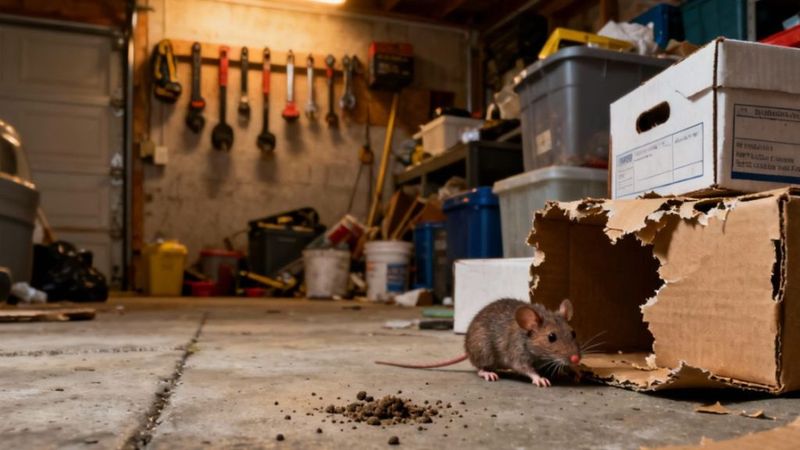
Ever opened a box of holiday decorations and found shredded paper you never put there? That confetti is often a pack rat’s handiwork, and it means your clutter has become someone’s apartment.
Stacks of cardboard, old cushions, piles of rags, and forgotten sports gear create the hidden pockets pack rats crave. Cardboard is a double win for them since it offers both shelter and easy nesting material to tear apart.
Fall is a great time to tackle it. Temperatures are pleasant enough to spend a Saturday hauling things into the driveway.
Sort into keep, donate, and toss piles, and be honest about that broken lamp.
For the keepers, switch to sealed plastic bins with tight lids. Store them on metal shelving at least several inches off the floor so you can see underneath.
Leaving a clear path along the walls makes it easier to spot droppings or chew marks early.
A tidy garage does more than look nice. It removes cover, makes inspections quick, and can reduce hiding places for other critters like scorpions and black widows.
You might even find room to actually park the car inside, which is another smart move against roaming rodents.
5. Pet Food, Birdseed, and Trash Cans

Food is the reason many pack rats stick around after their first visit. An open bag of kibble in the garage can feel like an all-you-can-eat buffet with a roof.
Pack rats are not picky. They will happily snack on dog and cat food, birdseed, grass seed, and scraps from trash bins.
Spilled seed under a feeder may also attract them right up to your walls, where the garage is only a short hop away.
Some easy upgrades help a lot:
Move pet food and birdseed into metal or heavy plastic containers with locking lids. Feed pets indoors or pick up bowls before dark.
Sweep up seed hulls under feeders every few days, or use a catch tray.
Trash cans deserve attention too. Keep lids fully closed, rinse out sticky residue now and then, and avoid stacking loose garbage bags against the garage wall.
Bird lovers do not need to give up their hobby. Simply placing feeders farther from the house and parked cars keeps the cardinals and finches happy while making your garage less of a destination.
Small adjustments like these shift the odds in your favor without losing the wildlife you enjoy watching.
6. Prickly Pear and Cholla Near the Driveway
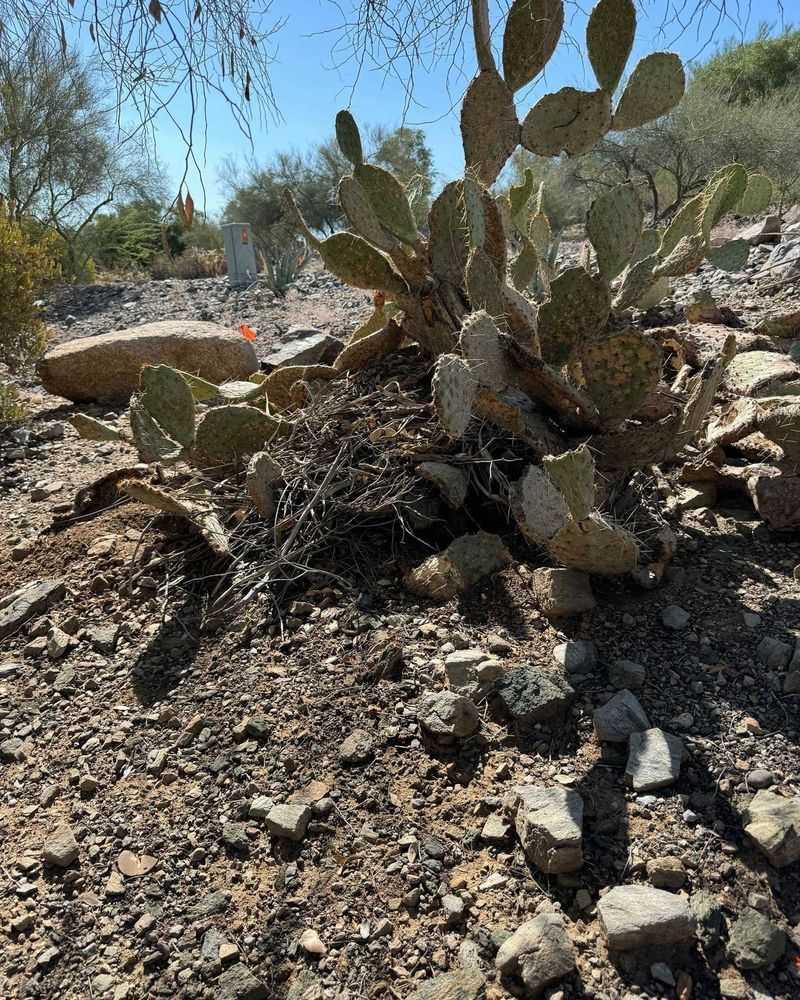
Desert gardeners adore prickly pear for its bright blooms and tough attitude. Pack rats adore it too, but for very different reasons.
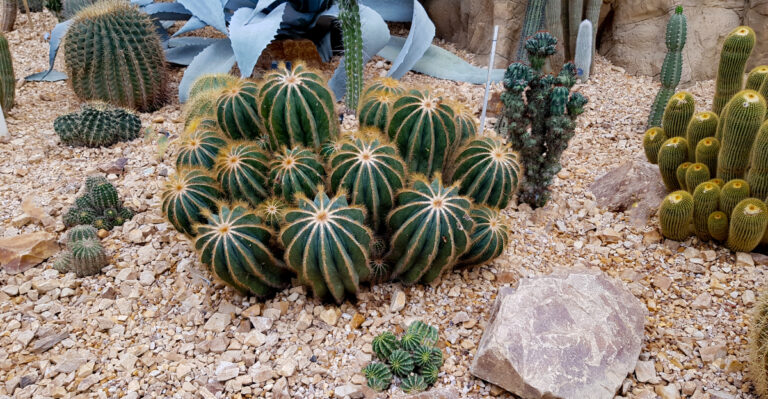
Prickly pear pads and fruit provide both food and moisture for these rodents. Cholla is a favorite building supply, and many pack rat nests are armored with spiny cholla joints to keep predators out.
A big patch of either plant next to your driveway can basically set up a pantry and lumberyard beside your car.
You do not need to rip out every cactus. Instead, think about placement.
Keep prickly pear and cholla farther from the house, garage, and parking areas, ideally in the back of the yard.
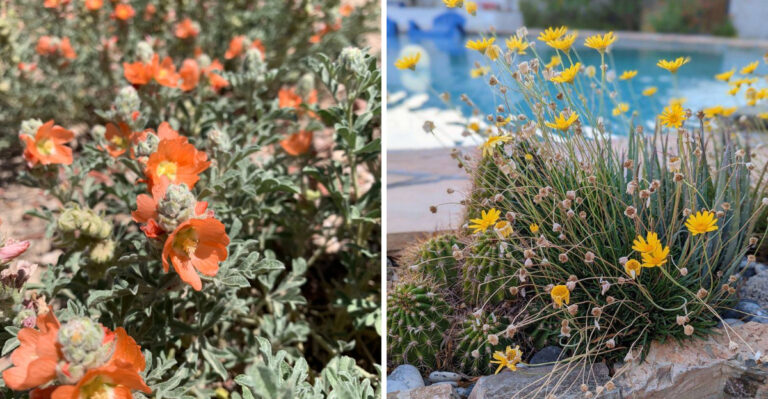
Near the driveway, consider natives that offer less food and cover, such as desert marigold, penstemon, brittlebush, or globe mallow. These bring pollinators and color while asking for very little water once established.
Fall, roughly October through November, is the ideal window to transplant or add natives in the low desert. Soil is still warm, nights are cooler, and roots settle in before summer heat returns.
A little rearranging now can make your yard both beautiful and a bit less inviting to wood rats.
7. Overgrown Shrubs and Low Branches
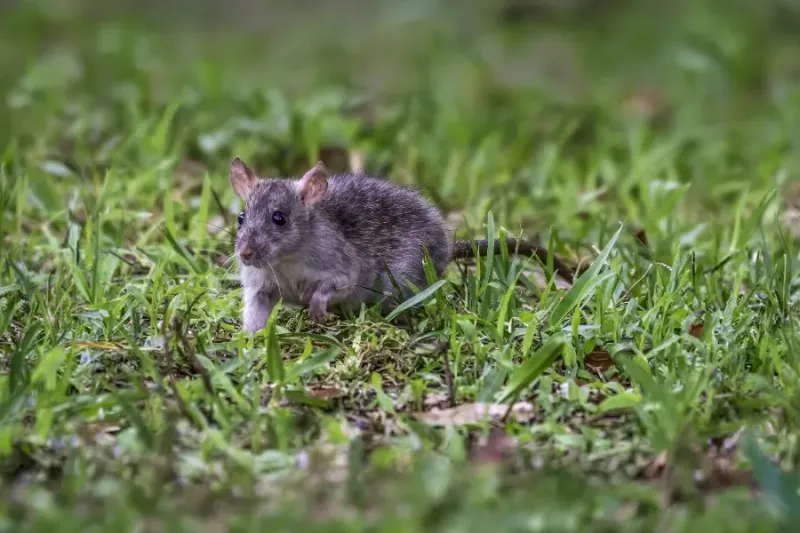
Shrubs pressed against a garage wall work like a covered hallway for pack rats. They can travel from the yard to your door without ever stepping into open view of an owl or bobcat.
Dense bougainvillea, oleander hedges, and untrimmed bushes near driveways give rodents safe passage and nesting spots. Low mesquite or palo verde branches touching the roof can also offer an aerial route.
Grab your pruners on a mild fall morning and aim for these goals:
Leave a clear gap of about two feet between shrubs and your walls. Lift the lower branches of trees and bushes so you can see the ground beneath them.
Trim limbs that touch the roofline, gutters, or garage.
Native shrubs like Texas ranger and desert ruellia handle shaping well and bounce back quickly in the low desert. Thinning them also improves airflow, which helps plants stay healthy through monsoon storms next year.
Bonus perk: open ground around your home tends to attract hunting roadrunners and hawks, which appreciate a clear view of scurrying critters. Your yard stays functional and wildlife-friendly while giving pack rats fewer shadowy shortcuts to your parked car.
8. Woodpiles and Yard Debris Heaps
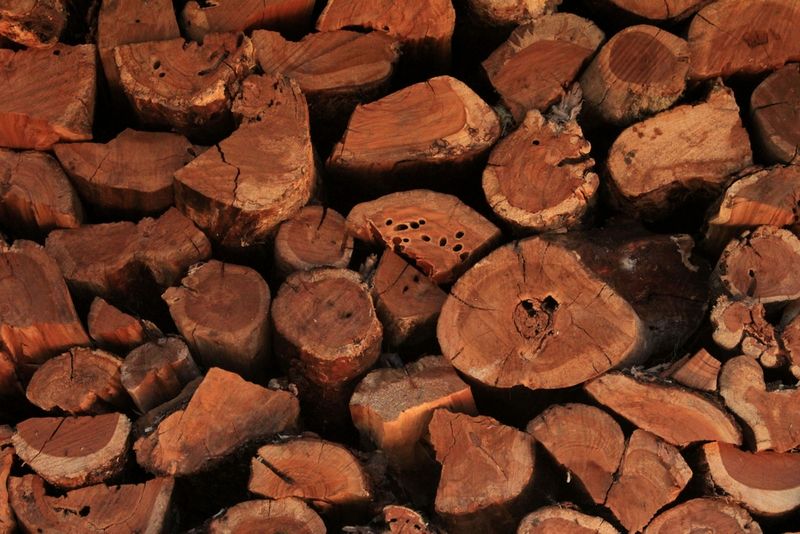
Cozy fire pit nights are one of the best parts of an Arizona winter. That stack of mesquite firewood, though, may be hosting guests long before you strike a match.
Woodpiles, brush heaps, old lumber, and piles of palm fronds create ready-made shelters. Pack rats can tuck nests deep inside where you would never see them.
These spots often sit close to garages and side yards, making a quick trip to your car easy.
A few changes make a big difference:
Store firewood on a raised metal rack at least a foot off the ground. Place it well away from walls, fences, and parked vehicles.
Haul away pruning debris and dried fronds promptly instead of letting them pile up.
If you like leaving some brush for wildlife habitat, that is fine. Just choose a spot far from the house and garage, at the back of the property.
Lizards and ground birds can still enjoy it without giving rodents a launch pad to your engine.
Take care when moving old piles, since scorpions and spiders love them too. Wear thick gloves and closed shoes, and lift wood toward you so any critters scurry away from your hands.
9. Old Nests and Leftover Middens
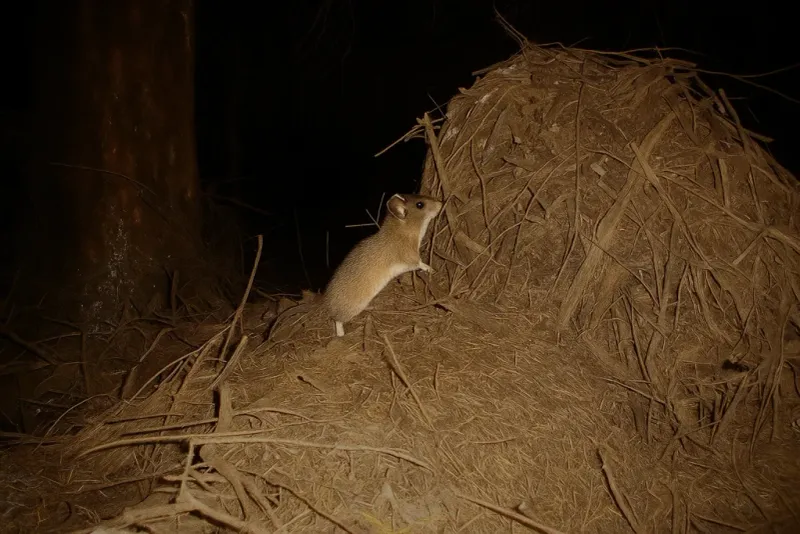
Fun fact: pack rat middens in the desert can be used for generations, with some ancient ones lasting thousands of years. That long-term loyalty is exactly why leftover nests near your home are such a problem.
Pack rats leave scent markings on and around their nests. Even after one rat leaves, the smell can draw a new one straight to the same spot, including your engine bay or a garage corner.
Middens may also shelter kissing bugs, which nobody wants near their bedroom windows.
Clearing them takes a little care. Wear gloves, a dust mask, and long sleeves before you start.
Lightly mist the nest with water to keep dust down, then shovel the debris into heavy trash bags and seal them tightly.
Afterward, rake the area smooth so you can spot new activity. If the nest was very large or near walls, consider calling a pest professional for help.
For cars, a thorough engine steam cleaning after removing a nest may wipe away lingering scent that invites repeat visitors. Many auto shops in Phoenix and Tucson offer this service.
Starting fresh is one of the most effective ways to break the cycle.
10. Lights, Scents, and Screens as Extra Defense

Think of this as your backup squad. Once the big jobs are done, a few clever add-ons can make your car even less appealing to night visitors.
Light is a surprisingly handy tool. A portable work light or blinking LED device under the hood or beneath the car at night may unsettle rodents that prefer total darkness.
Many Arizona drivers notice fewer signs of activity after trying it.
Scent can help too. Some homeowners place cotton balls or rags with peppermint oil in the engine area, swapping them out every few days as the smell fades.
Sprinkles of cayenne pepper around tires or entry points may also discourage visits, though they need frequent reapplication, especially after wind.
For a sturdier fix, ask a mechanic about covering small engine openings with fine wire screens. Hardware cloth is tough enough to resist chewing and does not interfere with airflow when installed properly.
None of these is a magic shield on its own. Results vary, and they work best layered on top of decluttering, sealing, and smart landscaping.
Combined, though, they stack the odds in your favor so your engine stays quiet and your garage stays yours all season long.