7 Reasons Why Your Ohio Hydrangeas Struggle In August (And 4 Fixes That Work)
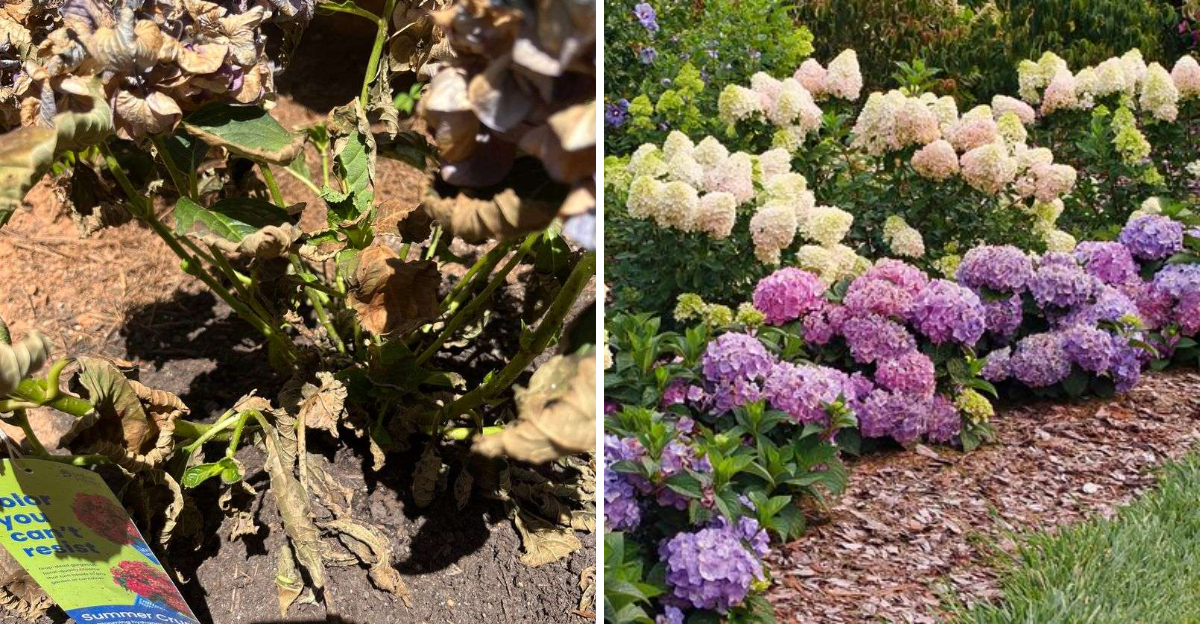
Ohio hydrangeas in August have a talent for looking fine from ten feet away and telling a completely different story up close. Slow recovery after watering, browning bloom edges, a plant that peaked in June and has been running on fumes ever since.
August does not create hydrangea problems. It reveals them.
Every watering mistake, every soil gap, every wrong pruning call from earlier in the season shows up now at once. The reasons are specific.
So are the fixes. The wrong response wastes time the plant does not have before fall closes out whatever recovery was still possible.
Several causes look identical from the outside and require completely different responses. Guessing costs another season.
August is not too late. But the window is narrower than it feels right now.
1. Hot Afternoon Sun Scorches Broad Hydrangea Leaves
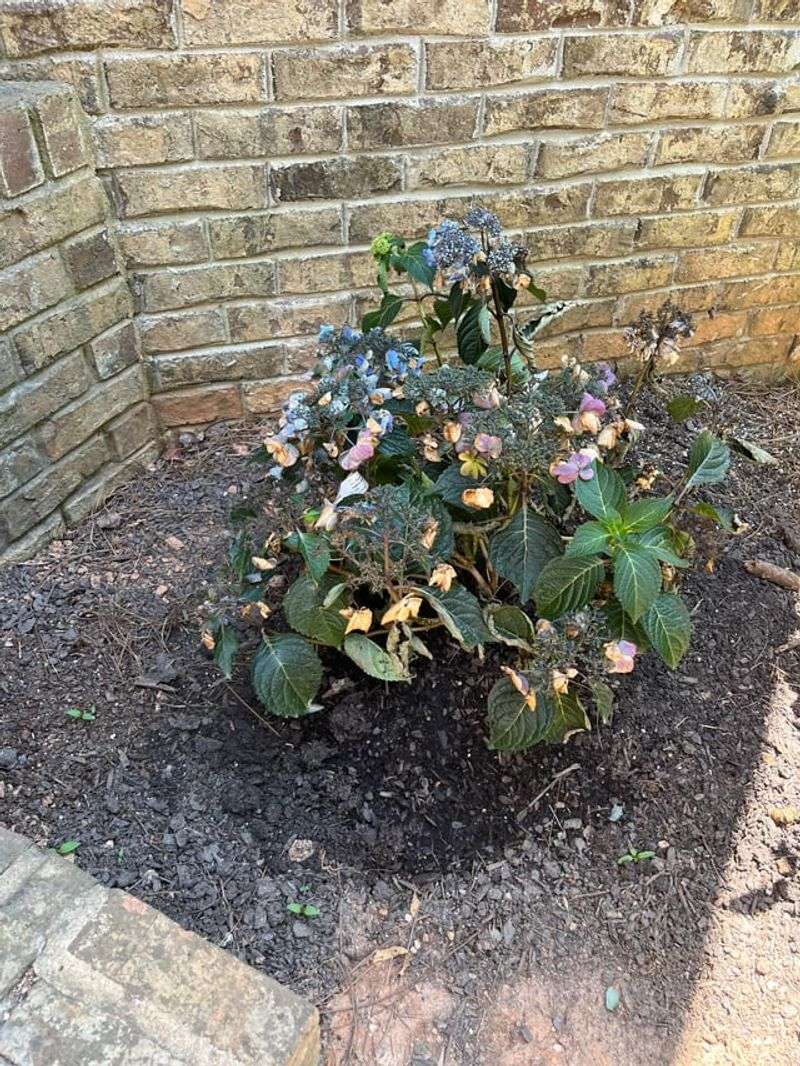
Burning at the leaf edges is one of the most visible signs of afternoon sun stress. Bigleaf hydrangeas, also called Hydrangea macrophylla, have large, thin leaves that absorb intense heat quickly.
When afternoon temperatures climb into the upper 80s or low 90s, those leaves can brown, fade, or wilt even when the soil holds reasonable moisture.
Heat stress and true drought are not the same thing. A plant sitting near a south-facing brick wall or a concrete driveway may absorb reflected heat that pushes leaf temperature well above air temperature.
That extra heat load causes tissue damage that looks like drought stress but does not respond to extra watering.
Panicle hydrangeas, such as Hydrangea paniculata, generally tolerate more direct sun than bigleaf types. However, that broader tolerance does not apply to every cultivar or to situations with extreme reflected heat.
Mountain hydrangeas, Hydrangea serrata, tend to prefer even more shade than bigleaf types and can show scorch quickly in exposed Ohio locations.
Smooth hydrangeas, like the popular Annabelle types, also appreciate afternoon protection in hot summers. Checking your specific cultivar before assuming sun tolerance is always a smart first step.
Not every browned leaf traces back to sunlight, so look at the pattern and location of damage before drawing conclusions.
2. Thin Leaves Lose Moisture Fast In August Heat
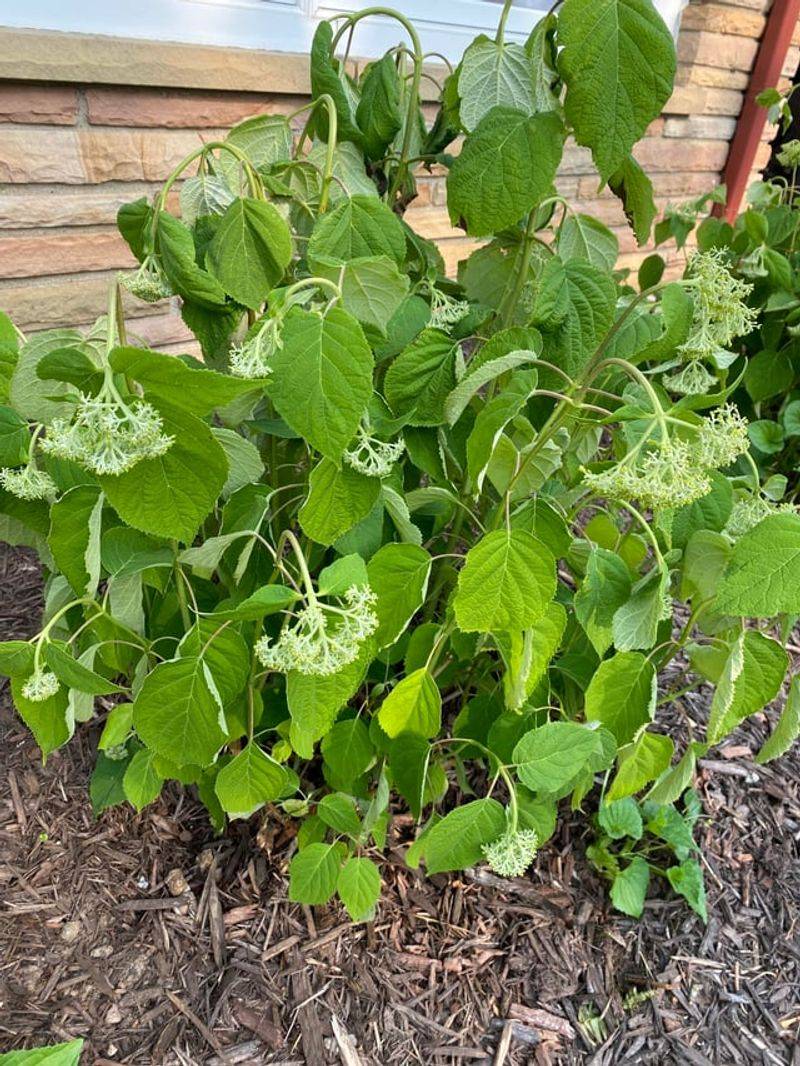
Midday droop on a hydrangea can look alarming, but it does not always signal a watering emergency. Large-leafed hydrangeas move enormous amounts of water through their leaves every day, a process called transpiration.
On the hottest August afternoons, roots sometimes cannot replace moisture as fast as leaves release it, causing temporary wilting even in moist soil.
Checking the soil before reaching for the hose is a smart habit. Push a finger two to three inches below the surface near the root zone.
If the soil feels cool and damp, the plant is likely experiencing heat stress rather than drought. Leaves that recover on their own once evening temperatures drop are giving you a clear signal that moisture is not the core problem.
Persistent wilting in the morning is a more serious clue. A hydrangea that is still drooping at 8 a.m. after a relatively cool night may genuinely need water.
Your Ohio Garden Changes Every Week. Your Plan Should Too.
Gardening in Ohio changes quickly throughout the season. Every Friday you’ll receive a simple weekly plan showing exactly what to plant, prune, fertilize, harvest, and protect so you never miss the right timing.
Wind can also speed up moisture loss on exposed plants, especially when humidity drops below normal for Ohio summers.
Low humidity combined with heat creates conditions where leaves lose water faster than usual. Tracking morning wilt versus afternoon wilt gives you much better information than a quick glance at noon.
Acting on accurate observations prevents both under-watering and over-watering, which can each cause their own set of problems.
3. Waterlogged Soil Leaves Roots Struggling For Oxygen
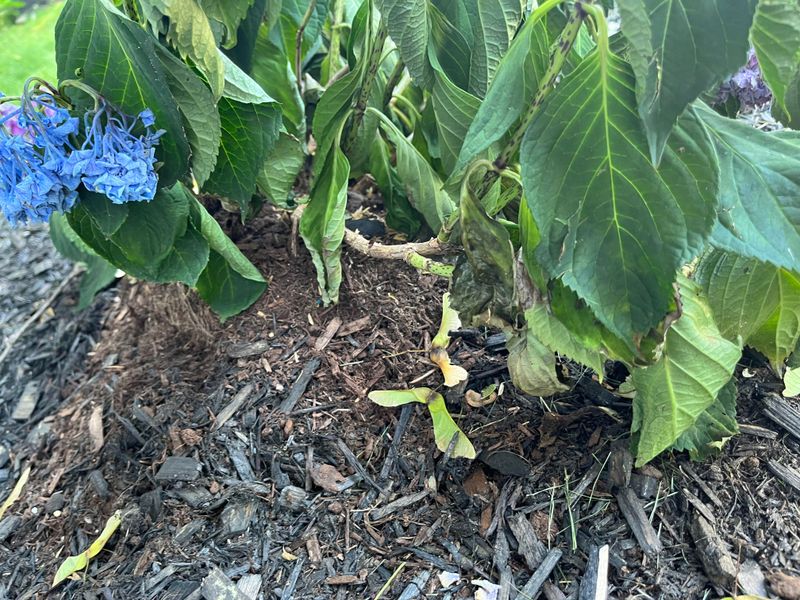
Soggy soil can produce symptoms that look almost identical to drought stress, which confuses many gardeners. Roots need both moisture and oxygen to function properly.
When soil stays saturated for extended periods, oxygen is pushed out of the pore spaces and roots begin to suffer, even though water is plentiful.
Low spots in the yard, compacted clay soil, and poorly designed planting beds are common causes of waterlogging in Ohio gardens. Excessive irrigation on top of already wet soil makes the situation worse, not better.
Yellowing leaves, weak new growth, and persistent wilting even after rain are possible clues, though none of these symptoms alone confirms a drainage problem.
Pressing your hand into the soil a few inches down can reveal a lot. Soil that feels muddy or releases water when squeezed is too wet for healthy root function.
Hydrangeas planted in low areas that collect runoff are especially vulnerable after heavy August thunderstorms, which Ohio sees regularly.
Adding more water to a plant already sitting in wet soil will deepen the stress rather than relieve it. Checking drainage patterns around your planting bed after a heavy rain is a useful diagnostic step.
If water pools near the base for more than a few hours, drainage improvement should be on your to-do list before the problem worsens.
4. New Plantings Have Not Built Strong Root Systems Yet
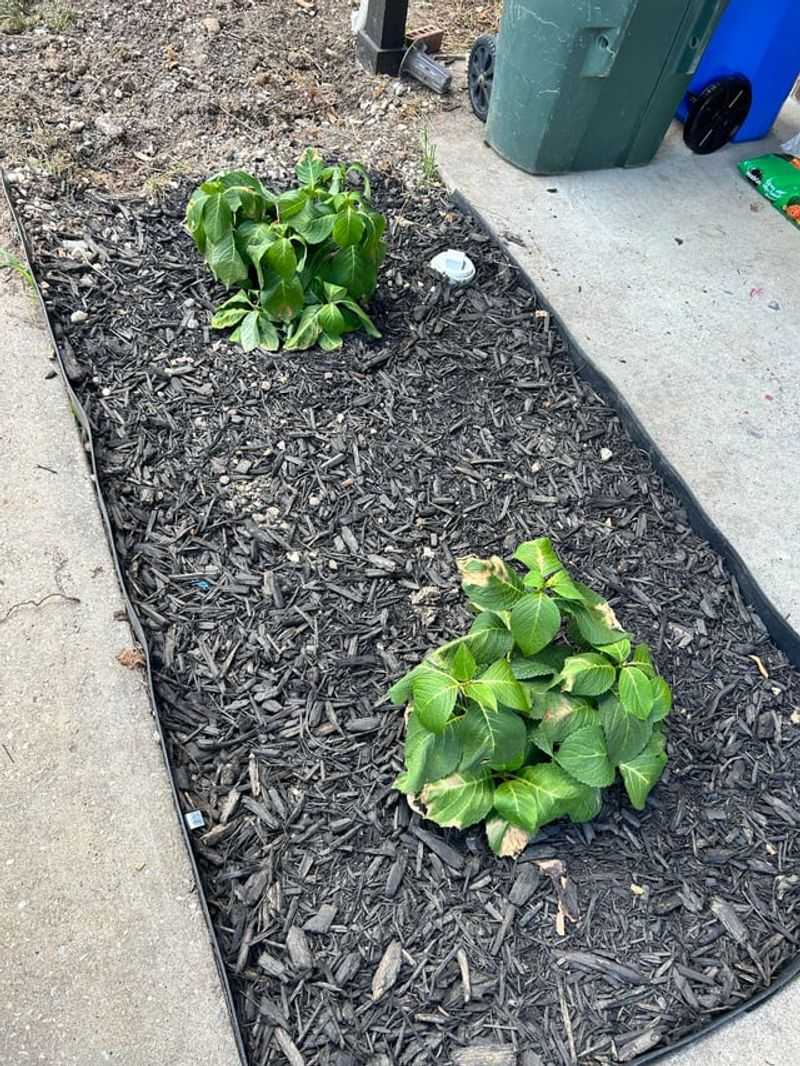
Spring and summer plantings face a real challenge in August. A hydrangea moved from a nursery container into your yard arrives with a compact root ball that occupies a small fraction of the surrounding soil.
While the roots are still expanding, the plant depends almost entirely on that original root ball for moisture and nutrients.
Here is the tricky part: that nursery root ball can dry out much faster than the surrounding native soil. Even after a solid rainstorm, the original ball may still feel dry while the soil a few inches away feels moist.
Gardeners who check only the surrounding soil often miss this and assume the new plant is fine.
New transplants need more frequent moisture monitoring than established shrubs. Established hydrangeas have roots spreading several feet in all directions, giving them access to a much larger water reservoir.
A first-year plant simply does not have that buffer yet and can show stress quickly during hot, dry spells.
Planting depth matters too. A hydrangea set too deep can struggle with poor oxygen exchange at the root flare, adding extra stress to an already demanding establishment period.
Check that the root flare sits at or just above the soil surface. Consistent, targeted watering directly over the original root ball gives new plants the best chance of getting through a tough Ohio August in good shape.
5. Crowded Foliage Gives Late Summer Leaf Spots An Opening
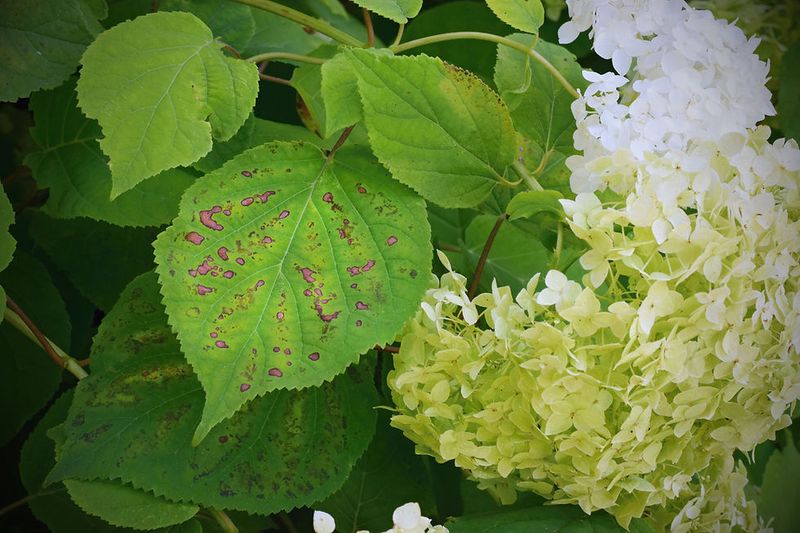
Cercospora leaf spot is one of the most common fungal diseases seen on hydrangeas in late summer. It typically shows up as small, circular spots with tan or brown centers and purple or reddish borders.
The spots appear first on lower leaves and work upward as the season progresses.
Wet foliage and dense growth create ideal conditions for fungal leaf spots to develop. When leaves stay wet for extended periods, whether from rain, overhead irrigation, or heavy dew, fungal spores have more time to germinate and infect tissue.
Shrubs with crowded centers where air circulation is poor tend to stay wet longer after rain.
Late-season spotting is often cosmetic rather than life-threatening to the plant. A few spotted leaves in August do not necessarily call for aggressive treatment.
Removing and disposing of heavily affected fallen leaves can reduce the amount of fungal material available to spread. However, this step alone will not eliminate the disease.
Preventive fungicide applications are not recommended without a confirmed diagnosis. Spotting patterns can come from insects, physical damage, or other causes that look similar to fungal disease.
Taking a sample to a local extension office or plant diagnostic clinic can confirm what you are actually dealing with. This helps you avoid spending money on treatments that may not address the real cause.
6. Spider Mites Take Advantage Of Heat Stressed Plants
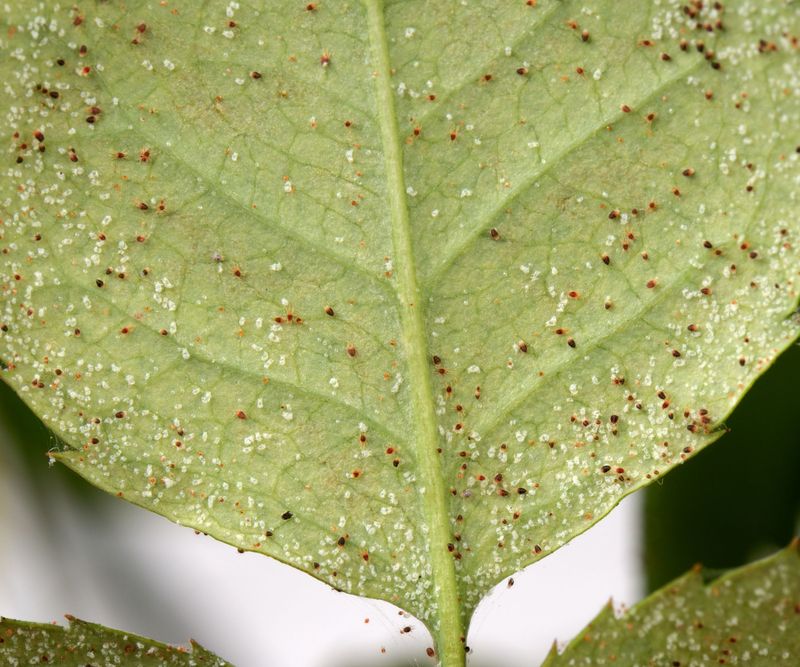
Spider mites thrive in hot, dry conditions and tend to show up most aggressively during August heat waves. Plants already stressed by heat or drought are especially vulnerable to mite injury, which can progress faster on weakened tissue.
Catching mites early makes management much simpler.
Stippling is the most common early sign. Tiny pale dots appear on the upper leaf surface where mites have pierced the tissue and removed cell contents.
As populations grow, leaves may take on a bronzed or dusty appearance. Fine webbing on leaf undersides is a sign of heavier infestations, though not all mite species produce visible webs.
Inspecting leaf undersides is the most reliable way to check for mites. Hold a sheet of white paper under a branch and tap it sharply.
Tiny moving specks on the paper suggest mites are present. This tap test is a widely recognized identification method supported by extension guidance.
Avoid spraying anything until you confirm mites are the actual problem. Many other conditions produce pale or bronzed leaves, including heat stress, drought, and fungal disease.
If mites are confirmed, treatment options should be label-compliant and targeted. Keeping plants well-watered during hot spells can reduce the severity of mite injury.
Drought-stressed plants tend to suffer more noticeable damage than well-hydrated ones.
7. The Wrong Hydrangea Type Is Sitting In Too Much Sun
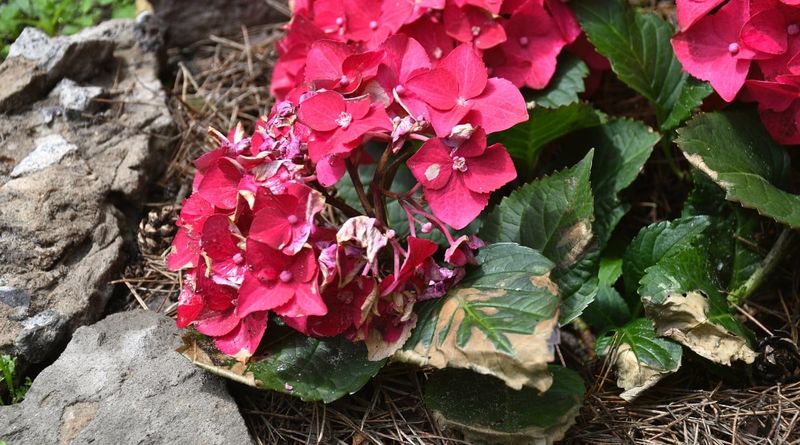
Placement matters more than many gardeners realize. Bigleaf and mountain hydrangeas are native to forest edges and naturally prefer bright, indirect light with afternoon shade.
Planting either type against a south- or west-facing wall where sun beats down all afternoon sets them up for chronic stress every summer.
Panicle hydrangeas are genuinely more sun-tolerant and can handle full sun in many Ohio landscapes. However, extreme reflected heat from pavement or brick can still cause problems for these tougher types.
Smooth hydrangeas and oakleaf hydrangeas fall somewhere in between, generally preferring morning sun with some afternoon relief during the hottest months.
Constant watering and shading attempts rarely solve a fundamental placement problem long-term. Moving a poorly sited shrub to a better location is often the most effective fix available, even if it feels like a drastic step.
The plant will establish more easily and perform better with less intervention once it is in the right spot.
August is not the right time to move a stressed shrub. Transplanting during extreme heat adds significant stress to a plant already struggling.
Plan the move for early fall when temperatures moderate and the plant has time to settle before winter. Choosing the right hydrangea species for your specific site conditions from the start saves a great deal of effort later on.
8. Water Deeply Only When The Root Zone Needs It
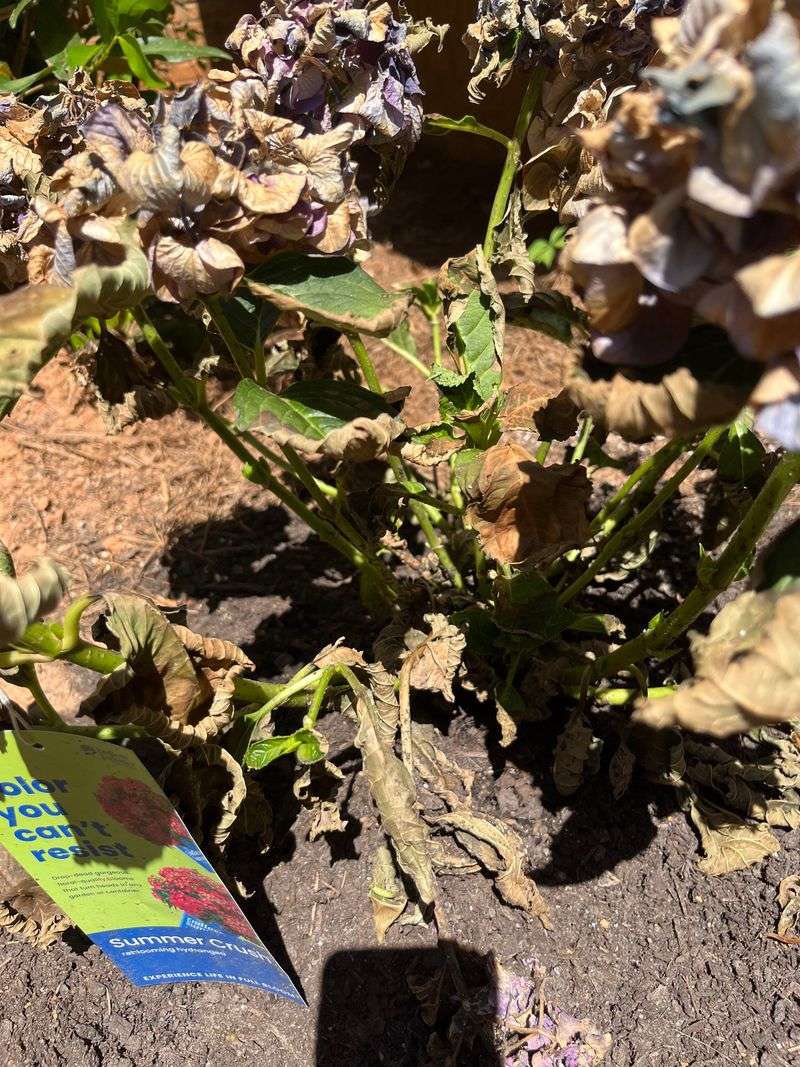
Shallow, frequent sprinkling does more harm than good for most hydrangeas. Water applied in small amounts stays near the soil surface and evaporates quickly in summer heat.
Roots follow moisture downward, so shallow watering encourages roots to stay near the surface where they are most vulnerable to heat and drying.
Slow, deep watering that soaks the root zone encourages roots to grow deeper, where soil temperature is more stable and moisture lasts longer between waterings. Drip irrigation and soaker hoses deliver water directly to the root zone with minimal evaporation.
They also avoid wetting foliage, which helps reduce conditions that favor leaf diseases.
No single watering schedule works for every Ohio garden. Soil type, recent rainfall, plant age, temperature, and sun exposure all affect how quickly the root zone dries out.
Sandy soils drain faster than clay and need more frequent attention. Newly planted shrubs need closer monitoring than established plants with extensive root systems.
Checking soil moisture before watering is a simple but powerful habit. Push a finger or a thin dowel about three inches into the soil near the root zone.
If it comes out damp, hold off on watering. If it comes out dry, water slowly and thoroughly until moisture reaches the full depth of the root zone.
This approach prevents both under-watering and the root oxygen problems that come from keeping soil perpetually wet.
9. Add Mulch To Cool Soil And Slow Moisture Loss
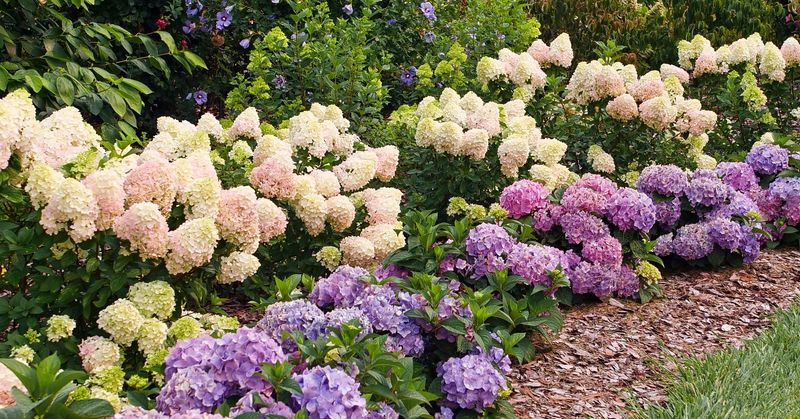
Bare soil around a hydrangea absorbs and radiates heat, which raises root zone temperatures and speeds up moisture evaporation. A layer of organic mulch acts as insulation, keeping the soil cooler and holding moisture longer between waterings.
Both benefits matter during an Ohio August.
Shredded bark and wood chips are commonly recommended mulch materials for landscape shrubs. A two-to-three-inch layer spread over the root zone provides good insulation without creating problems.
Thicker applications can hold too much moisture against the soil surface and may create conditions that encourage fungal activity or root issues.
Keep mulch pulled back a few inches from the base of the shrub. Piling mulch against the stem creates a consistently moist environment around the bark, which can encourage rot and pest activity over time.
The goal is to cover the root zone broadly, not to mound material around the plant.
Mulch does not replace watering. It slows moisture loss, but the soil will still dry out during extended hot and dry periods.
Think of mulch as a tool that extends the time between necessary waterings rather than a permanent solution to drought stress.
Refreshing mulch that has broken down or thinned out over the season helps maintain its effectiveness through the rest of summer and into fall.
10. Give Sensitive Hydrangeas Relief From Afternoon Sun
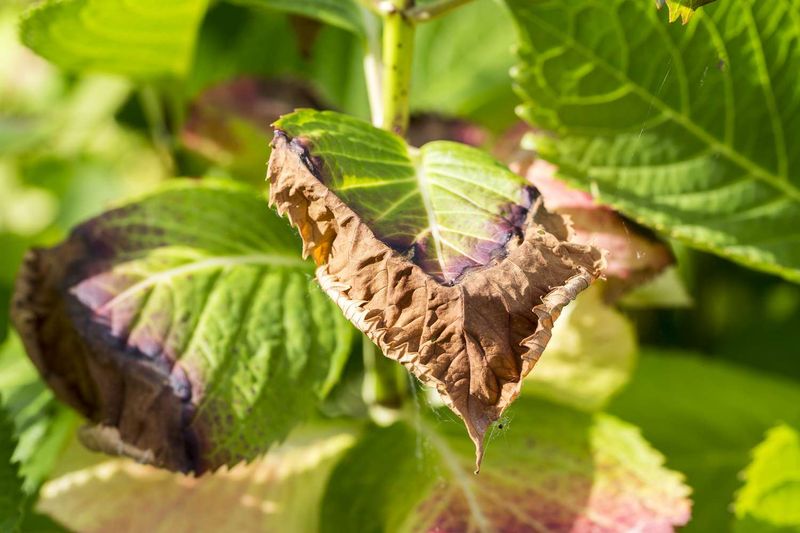
Morning sun suits many hydrangeas well. It provides the light energy the plant needs for healthy growth without the intensity that peaks between noon and 5 p.m.
Afternoon shade from a mature tree or a tall fence can make a real difference for bigleaf and mountain types during the hottest weeks of summer.
South- and west-facing walls amplify heat in ways that even full-sun ratings may not account for. Brick and concrete absorb heat during the day and release it slowly in the evening, keeping the surrounding air warmer for longer.
A bigleaf hydrangea planted against that kind of surface may experience conditions hotter than what the weather app reports.
Temporary shade cloth can help a newly planted or severely stressed shrub get through an unusually brutal stretch of heat. Lightweight fabric that filters rather than blocks light is preferable to anything that wraps the plant tightly.
Blocking all light creates its own set of problems and is not a long-term solution.
If a site consistently delivers too much afternoon heat, relocation becomes the most practical long-term answer. Moving a well-established shrub carries some risk and should be planned for early fall rather than mid-August.
A new planting in a better-suited spot often outperforms a struggling shrub in a bad location within just one or two seasons. Matching the plant to the site saves effort every summer going forward.
11. Diagnose Spots And Pests Before Reaching For Sprays
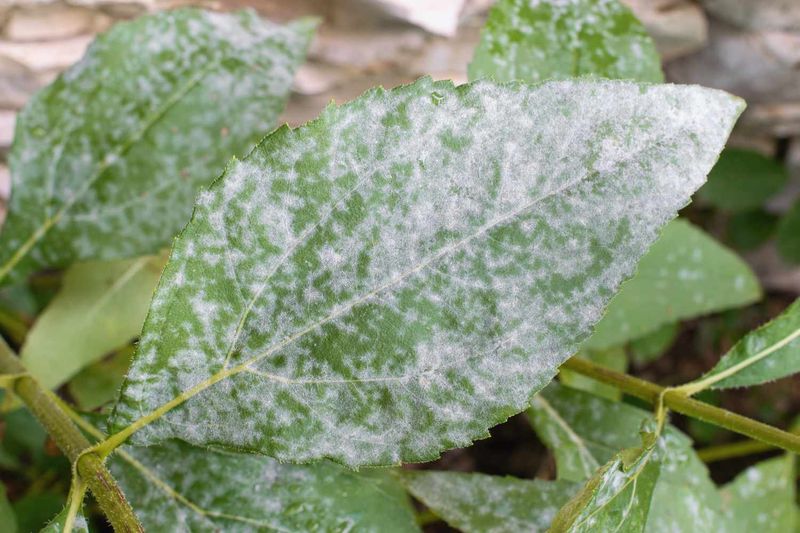
Leaf scorch, fungal spots, spider mite stippling, and nutrient deficiencies can all produce discolored or damaged leaves that look similar at a quick glance. Treating for the wrong problem wastes time and money and may add stress to a plant that is already struggling.
Taking a few minutes to look carefully before acting is always worthwhile.
Start with the basics. Check leaf surfaces and undersides for insects, webbing, or unusual texture.
Assess soil moisture a few inches below the surface. Think back on recent weather, including heat events, heavy rain, and dry stretches.
Look at the pattern of damage, whether it appears on sun-exposed leaves only, on lower leaves first, or scattered throughout the plant.
A local extension office or university plant diagnostic clinic is a reliable resource when symptoms remain unclear. Bringing a sample of affected leaves and a photo of the whole plant gives diagnosticians the best chance of identifying the actual problem.
Ohio has extension resources through its land-grant university system that can help with exactly these kinds of questions.
Fungicides, insecticides, and miticides should be applied only after a confirmed identification. Applying sprays without knowing the cause can harm beneficial insects, create resistance in pest populations, and leave the underlying stress unaddressed.
Correcting the actual cause of the problem will produce better results than treating every symptom as a pest outbreak. The cause may be sun exposure, drainage, watering habits, or pest pressure.