The Florida Porch Plant That Keeps Whiteflies From Using It As An Entry Point
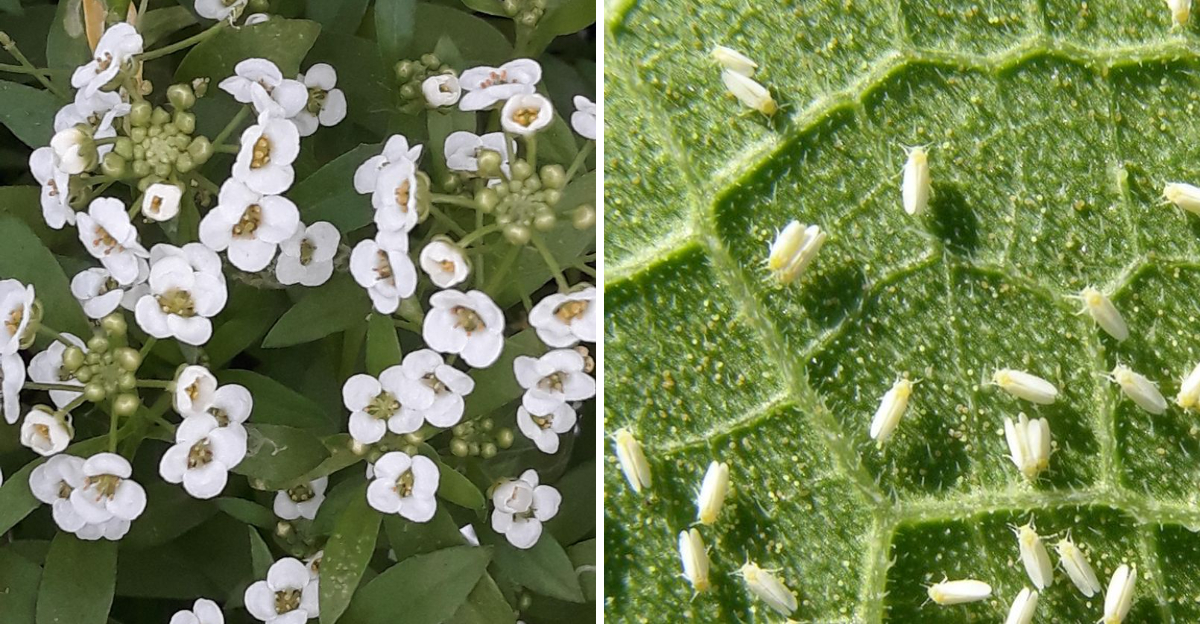
A Florida porch can look perfectly calm while a pest problem is already building a few feet from the door.
One container starts looking sticky. Another develops pale leaves. Then tiny white insects lift into the air the moment you brush against the foliage.
Most gardeners notice the outbreak only after it has spread.
But one small change near the entry can make that porch a far less convenient place for whiteflies to settle and multiply.
It does not involve sealing every screen gap, spraying every leaf, or removing the plants you actually want to keep.
The trick works more quietly than that.
It depends on changing what happens around the vulnerable plants before whiteflies gain an easy foothold.
So what should you place near the porch, and why does it help?
The answer has less to do with repelling pests and more to do with who else starts showing up once the right conditions are in place.
That shift can change the whole balance through Florida’s long warm season.
1. Place Sweet Alyssum Beside Whitefly-Prone Porch Plants
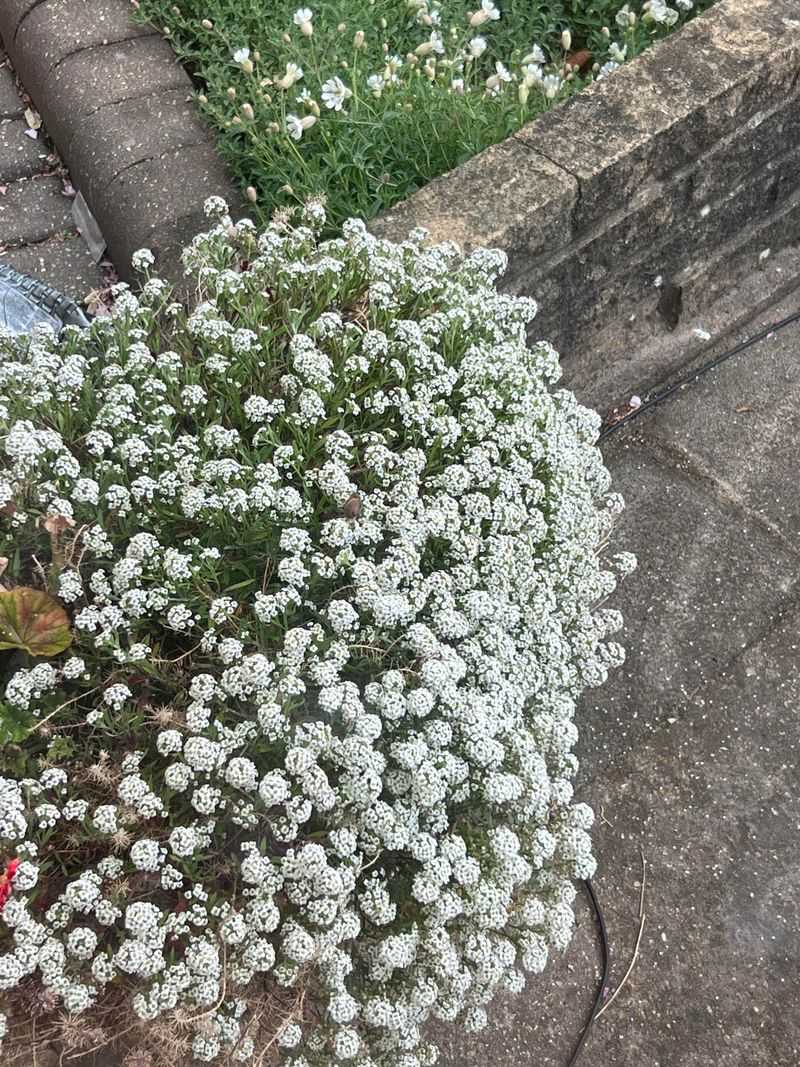
The best spot for this little flowering plant is close to the trouble, not across the yard.
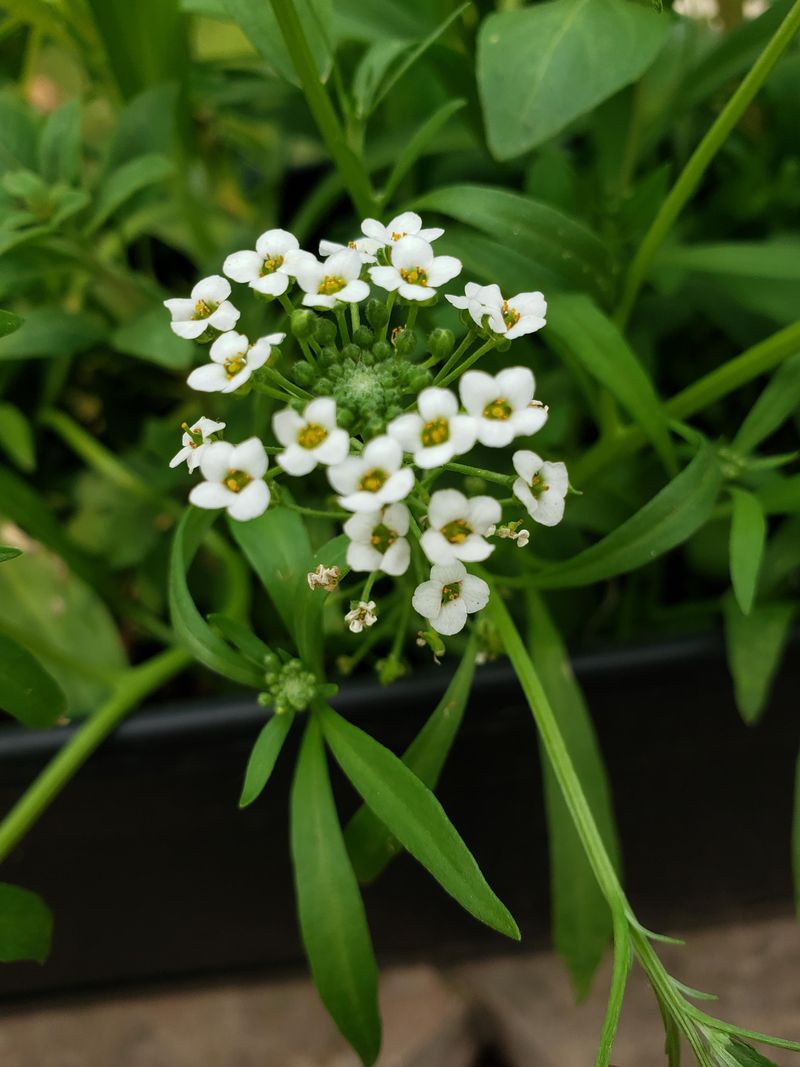
Set sweet alyssum near containers that commonly attract whiteflies, such as hibiscus, tomatoes, lantana, or other tender ornamentals.
The goal is not to create a scented barrier that whiteflies refuse to cross. Alyssum does not work that way.
Its flowers help support beneficial insects that feed on soft-bodied pests or parasitize them. Keeping that floral resource close to vulnerable plants gives those natural enemies a better reason to stay in the same small area.
Containers make placement easy.
A four- or six-inch pot can tuck beside a larger planter without taking over the porch. Several small alyssum pots spaced among susceptible plants can create more continuous bloom than one lonely container at the far end.
Give the alyssum enough light to flower well, but protect it from the harshest Florida summer heat. Fall through spring is usually its strongest season in much of the state.
Check the surrounding plants at the same time you water.
Alyssum can support the beneficial side of the equation, but it will not erase an established whitefly outbreak by itself.
Think of the pot as habitat placed where it can actually help.
The closer the flowers are to whitefly-prone plants, the more useful that tiny nectar station becomes.
2. Keep Sweet Alyssum Blooming To Support Whitefly Enemies
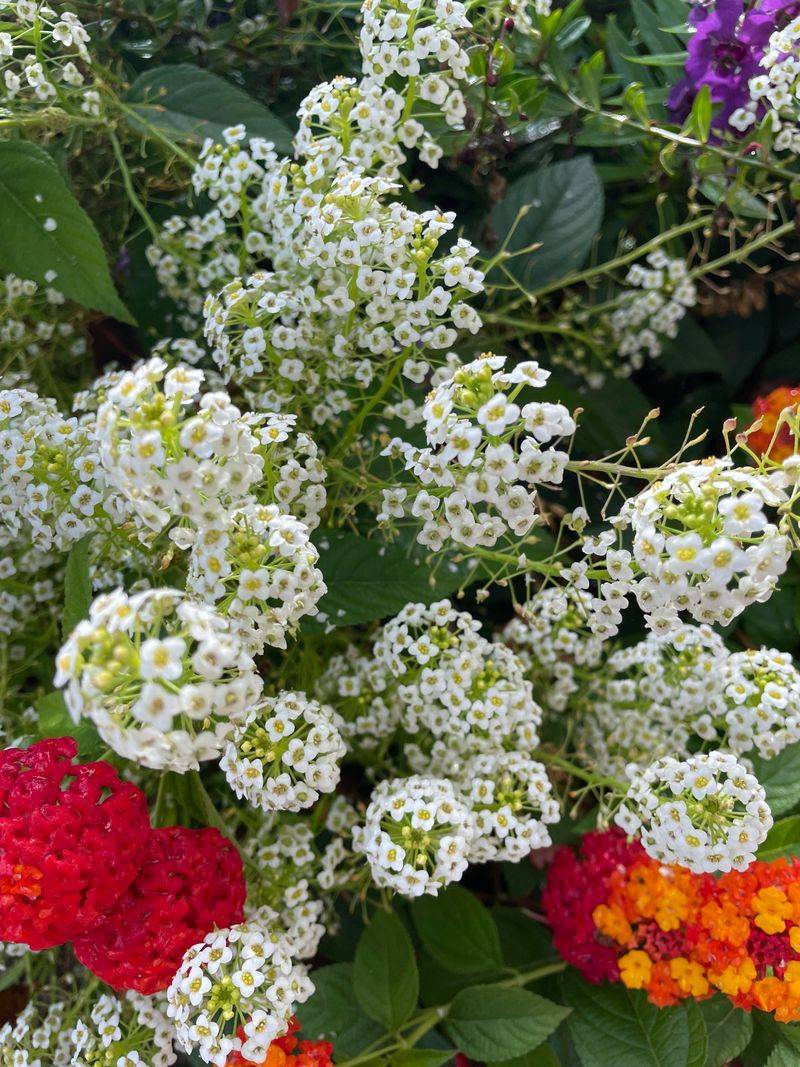
The flowers are the useful part of the strategy.
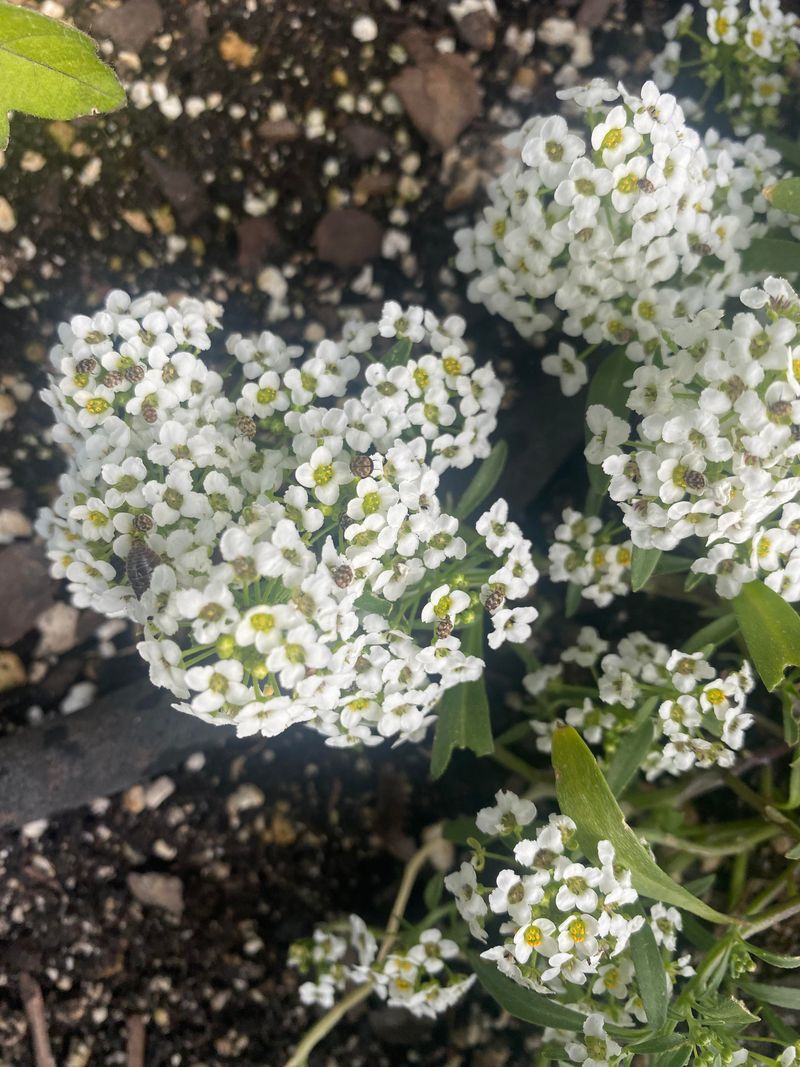
Sweet alyssum produces masses of tiny blooms that are easy for small beneficial insects to access. Those visitors can include hoverflies, lacewings, and parasitoid wasps, depending on what is already present around the landscape.
Some of those insects attack whiteflies or other soft-bodied pests.
That means a pot with sparse, tired growth offers less support than one covered in fresh flowers. Keep alyssum blooming as long as conditions allow by removing spent clusters and trimming back leggy growth lightly when needed.
Do not shear the whole plant bare.
Your Florida Garden Changes Every Week. Your Plan Should Too.
Gardening in Florida changes quickly throughout the season. Every Friday you’ll receive a simple weekly plan showing exactly what to plant, prune, fertilize, harvest, and protect so you never miss the right timing.
A modest trim can encourage fresh growth, while an aggressive haircut removes the nectar source you planted it for in the first place.
Regular moisture helps too. Container-grown alyssum dries faster than plants in the ground, especially on a breezy Florida porch. Water when the upper layer of mix begins to dry, then let excess water escape freely.
Avoid keeping the pot permanently soggy.
Healthy roots support more flowers, and more flowers give beneficial insects a better reason to linger.
This is also why bloom gaps matter. Replacing a declining plant or adding a fresh pot can keep the floral resource going longer through the cool season.
Sweet alyssum does not repel whiteflies like a chemical spray.
It helps make the porch more welcoming to the insects that can make whiteflies regret settling in.
3. Replace Heat-Stressed Sweet Alyssum Before Its Whitefly Benefit Fades
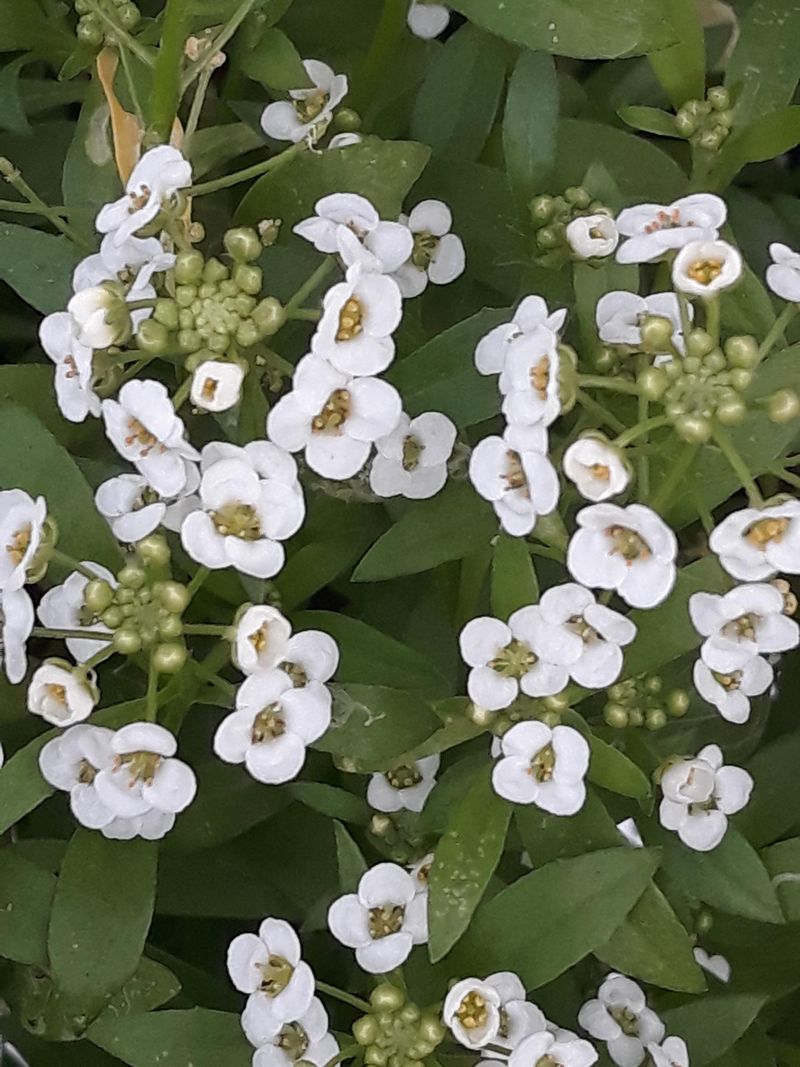
Florida heat can shut down the exact feature that makes sweet alyssum useful.
Once temperatures climb, plants may stretch, thin out, flower less, or look tired no matter how carefully you water. That is especially common during the hottest part of summer.
Do not assume more water will fix it.
Alyssum prefers cooler conditions and generally performs much better from fall through spring across much of Florida. In summer, afternoon shade can help, but heat alone may still reduce flowering.
That matters because fewer flowers mean less nectar.
A declining pot can still look technically alive while offering very little to beneficial insects. When bloom production drops sharply, trim lightly, move the container to a cooler exposure, and watch for fresh growth.
Replace the plant when recovery stalls.
Florida gardeners can treat sweet alyssum more like a seasonal helper than a permanent porch fixture. Fresh plants in fall often deliver a much stronger bloom cycle than an exhausted specimen dragged through the hottest months.
Containers make that reset easy.
You can rotate a struggling pot out and bring a vigorous one closer to whitefly-prone plants without disturbing the larger porch arrangement.
Keep the goal in mind.
You are not preserving alyssum for sentimental reasons. You are maintaining a reliable floral resource.
A pot covered in blooms can do useful ecological work.
A pot producing three flowers and a heroic amount of bare stem is mostly taking up real estate.
4. Give Sweet Alyssum The Conditions It Needs To Keep Helping
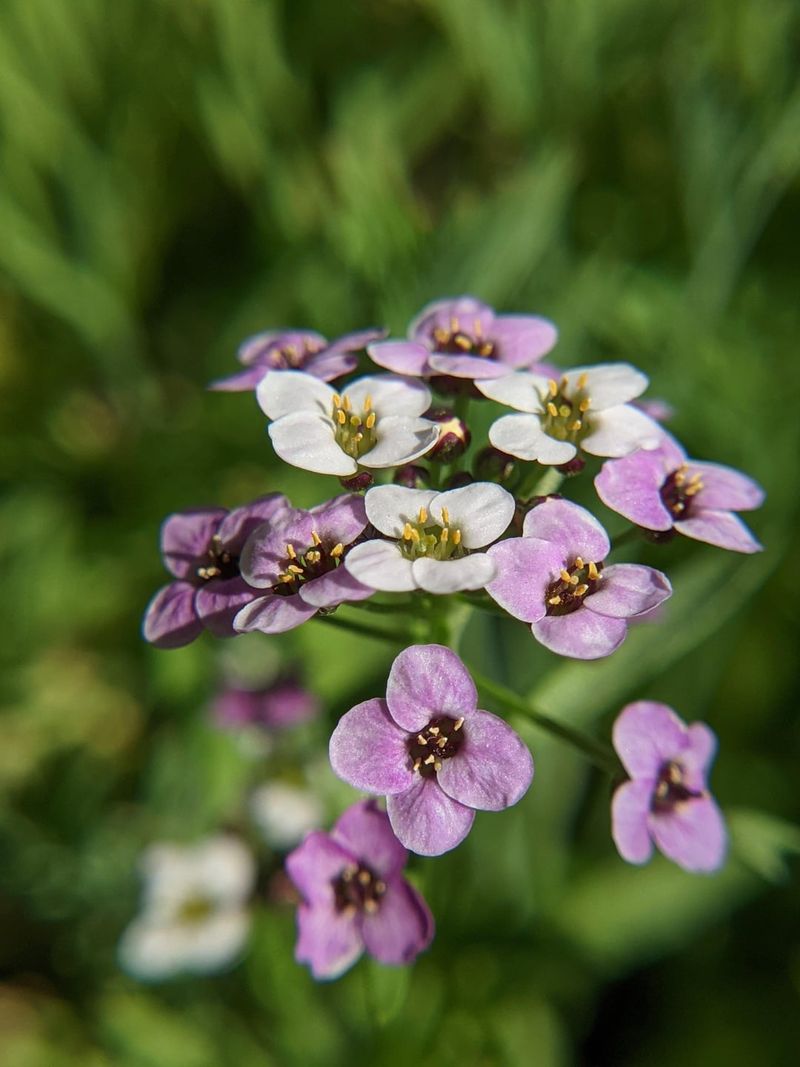
A strong whitefly-support plant starts with a healthy root system.
Sweet alyssum grows best in containers that drain freely, which is especially important on Florida porches where humidity and frequent watering can keep potting mix wet longer than expected.
Use a container with open drainage holes and a loose, well-draining mix.
Water thoroughly, then let excess moisture run out. Check the upper inch of mix before watering again rather than following a rigid daily schedule.
Light controls bloom quality too.
Too much deep shade can leave alyssum thin and sparse, while intense afternoon heat can stress it during warmer months.
Morning sun with some protection later in the day often gives container plants a useful balance during Florida’s transitional seasons.
Watch the plant rather than the label.
Strong flowering tells you the location is working. Long stems, few blooms, and pale growth usually mean the plant needs more light, better nutrition, or a seasonal reset.
Feed lightly rather than heavily.
Excess fertilizer can push soft leafy growth at the expense of flowers, which defeats the point of keeping alyssum around beneficial insects.
A modest trim after a bloom flush can encourage branching and another round of flowers.
The maintenance is simple, but it matters.
Sweet alyssum only helps while it is healthy enough to keep producing the small blooms that make it valuable.
Treat the flowers like the resource they are, and the whole porch strategy works better.
5. Keep Broad-Spectrum Sprays Away
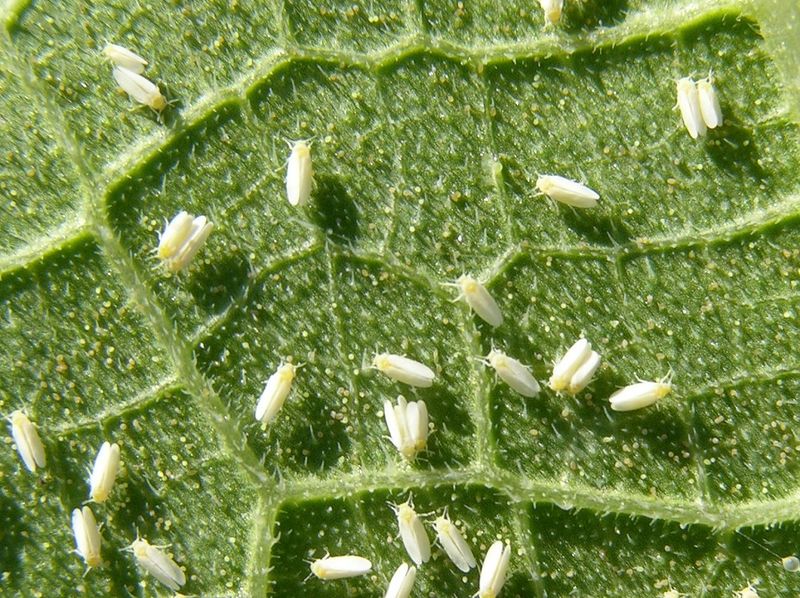
A porch full of beneficial flowers can lose its advantage with one careless spray.
Broad-spectrum insecticides do not distinguish between whiteflies and the insects you hoped sweet alyssum would support.
A treatment that knocks down pests can also remove hoverflies, lacewings, parasitoid wasps, and other natural enemies visiting nearby blooms.
That turns alyssum into decoration instead of habitat.
Scout first.
When whiteflies appear on one plant, isolate that container when practical and focus treatment there.
Remove heavily infested leaves, rinse foliage when appropriate, or use a product labeled for the plant and pest with the least disruption necessary.
Insecticidal soaps can be useful for direct contact with soft-bodied pests, but even lower-impact products should be applied carefully. Keep sprays off open alyssum flowers and follow the current label exactly.
Timing also matters.
Treating a small infestation early usually requires less intervention than waiting until several porch plants carry adults, nymphs, honeydew, and sooty mold.
Leave the alyssum itself untreated unless it has a pest problem that truly requires action.
The entire point is to maintain a safe nectar source beside vulnerable plants.
That means pest control and beneficial-insect support have to work together.
Sweet alyssum cannot recruit garden helpers when every visitor gets caught in the same chemical crossfire.
Use the smallest effective response, protect the blooms, and let the beneficial side of the porch keep doing some of the work.
6. Pair Sweet Alyssum With Regular Whitefly Checks
A pot of alyssum does not give you permission to stop turning leaves over.
Whiteflies can build quietly on leaf undersides long before the top of a plant looks badly affected. Regular inspection is what keeps a small problem from becoming a porch-wide one.
Check susceptible plants whenever you water the alyssum.
Look beneath young leaves for adults and pale nymphs. Watch for sticky honeydew, yellowing foliage, or black sooty mold. A gentle shake that sends tiny white insects fluttering upward is another obvious clue.
Catch those signs early and your response can stay targeted.
Remove the worst-infested leaves without stripping the plant bare. Separate a heavily affected container from the main group while you work on it. Clean fallen debris that may be harboring pests or sticky residue.
Keep the alyssum nearby only when the situation is manageable.
During a major infestation, moving clean plants away from the problem can matter more than maintaining a perfect companion-plant arrangement.
Once pressure drops, rebuild the grouping.
This makes sweet alyssum part of an active management system rather than a charm placed beside the door and forgotten.
Beneficial insects can help suppress pests, but they work on biological time. Garden inspection works on yours.
Use both.
The alyssum feeds the helpers.
Your job is to notice when the whiteflies are gaining ground faster than those helpers can respond.
7. Make Sweet Alyssum One Layer Of Your Porch Whitefly Defense
The most useful sweet alyssum pot is the one that is not expected to do everything.
Whitefly management works better when several small habits reinforce one another. Alyssum supplies nectar for beneficial insects.
Clean nursery plants reduce the chance of bringing pests home. Good spacing slows easy movement between leaves and makes inspection simpler.
Screens still matter too.
Repair tears and gaps around porch doors, especially when susceptible plants sit nearby. Moving heavily infested hibiscus or other whitefly magnets away from the entry can reduce the number of adults hovering where people come and go.
Inspect new plants before they join the collection.
Flip leaves, check new growth, and isolate suspicious arrivals until you know what came home with them. One contaminated nursery pot can overwhelm the benefit of several alyssum containers.
Then maintain the alyssum itself.
Keep it flowering, give it drainage, replace heat-stressed plants when necessary, and avoid spraying away the beneficial insects its blooms are meant to support.
That is the real reason this little flower earns a place on a Florida porch.
It is not a force field.
It is infrastructure.
Sweet alyssum helps create a porch where natural enemies have food, susceptible plants get watched closely, and whiteflies have fewer chances to build a large population unnoticed.
That may be less magical than repelling pests at the doorway.
It is also much more useful.