Should You Remove Florida Crepe Myrtle Seed Pods In September Or Leave Them Alone
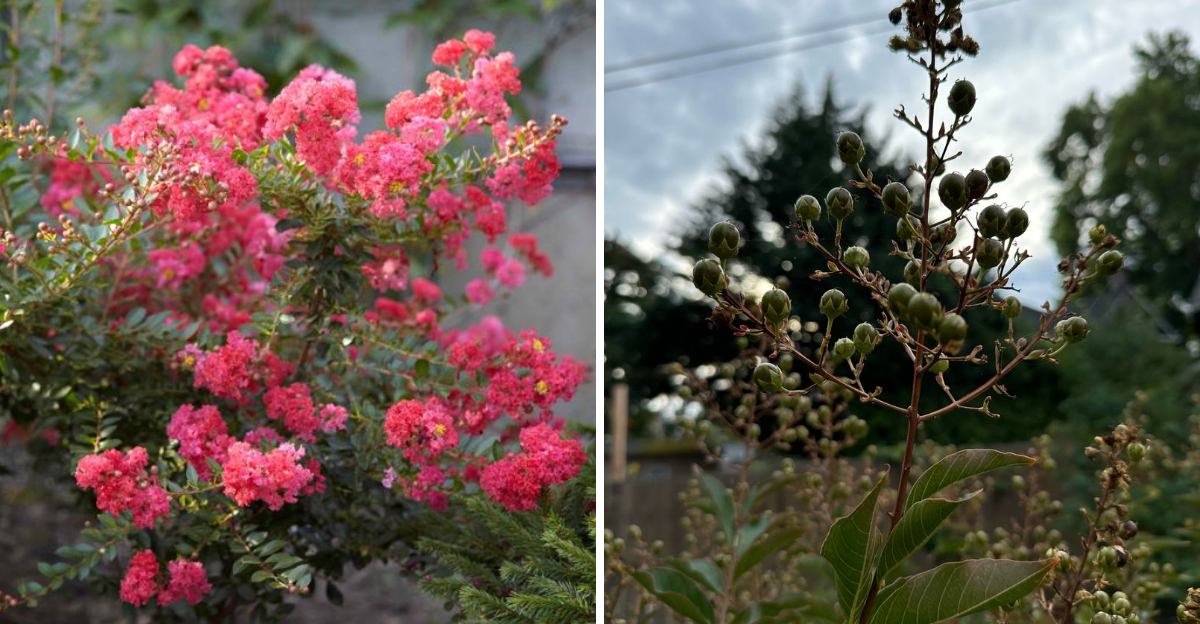
By September, a Florida crepe myrtle can look as though it has traded flowers for dozens of little brown question marks. Seed pods sit where summer color once stole the show, and many gardeners start to wonder what those pods are doing up there.
Should they stay, or are they worth a quick snip before fall? The answer matters less for appearance than you might expect, and more for what you want from the tree next.
Crepe myrtles have already spent months on flowers, leaves, and fresh growth, so September is not the time to treat every faded part as clutter. Those pods can tell you where the tree stands in its yearly cycle.
Your pruners may have a role, but not for the reason most people assume. Before you start stripping the branches clean, look at what the tree gains from your effort and what it simply does not need.
1. Those Seed Pods Are Not Hurting Your Crepe Myrtle
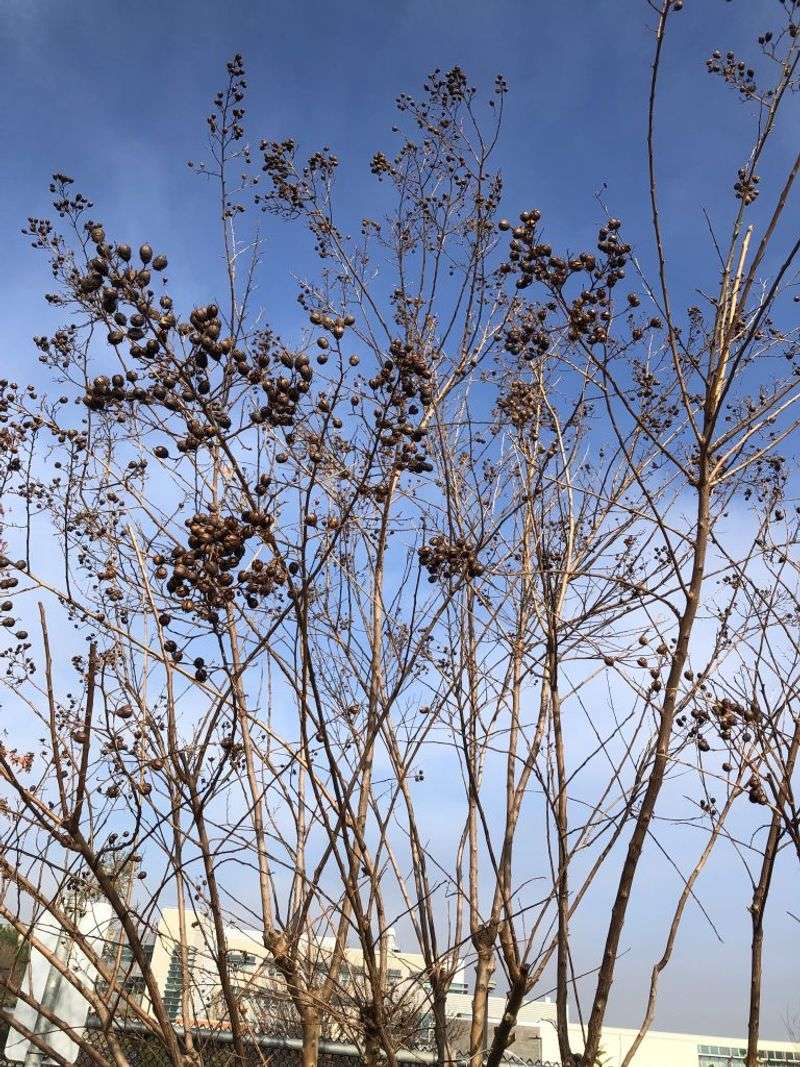
Brown capsules hanging from branch tips after a summer flower display can look alarming if you are not sure what they mean. Many homeowners assume something has gone wrong, but those pods are simply part of how crepe myrtles reproduce.
They form after flowers fade, and they are a completely normal stage in the tree’s seasonal cycle.
Leaving seed capsules on the tree does not prevent it from flowering the following growing season. According to University of Florida IFAS Extension guidance, crepe myrtles bloom on new growth produced in spring.
Whether last season’s pods are still attached or long gone, fresh growth will push out and flower buds will form on their own schedule.
Seed pods are not a sign of disease, pest pressure, or poor tree health. They are not competing with the tree for nutrients in any meaningful way.
A gardener who looks at those brown clusters and feels the urge to remove every single one can relax. Nothing bad is happening to the tree, and no urgent action is needed just because September has arrived.
Removal is an option, not an obligation. Understanding that difference makes every other decision about fall crepe myrtle care much easier to handle.
2. Removing Them Is Mostly A Matter Of What You Want Next
Pruning shears sitting on the potting bench do not need to come out just because seed pods have appeared. The real question is whether removing those pods serves a goal that matters to you right now.
Appearance and the possibility of another flower flush are the two main reasons a gardener might choose to act.
Someone who finds the brown clusters unattractive can selectively snip them off to restore a cleaner look. Someone hoping to encourage a late-season bloom may remove pods from branch tips to signal the tree to push new growth.
Both are valid reasons, and neither is more correct than the other.
A gardener who does not care about either goal can simply walk past the tree without touching it. Skipping pod removal does not create a maintenance debt that piles up later.
Your Florida Garden Changes Every Week. Your Plan Should Too.
Gardening in Florida changes quickly throughout the season. Every Friday you’ll receive a simple weekly plan showing exactly what to plant, prune, fertilize, harvest, and protect so you never miss the right timing.
Next spring, the tree will produce new shoots and flower buds regardless of what was left on the branches in September.
Pod removal is a maintenance choice rather than an urgent horticultural task. Before picking up the shears, ask yourself what you actually want from the tree over the next few weeks.
If the honest answer is that you have no strong preference, putting the shears back down is a perfectly reasonable decision.
3. A Light Snip Can Sometimes Trigger Another Bloom
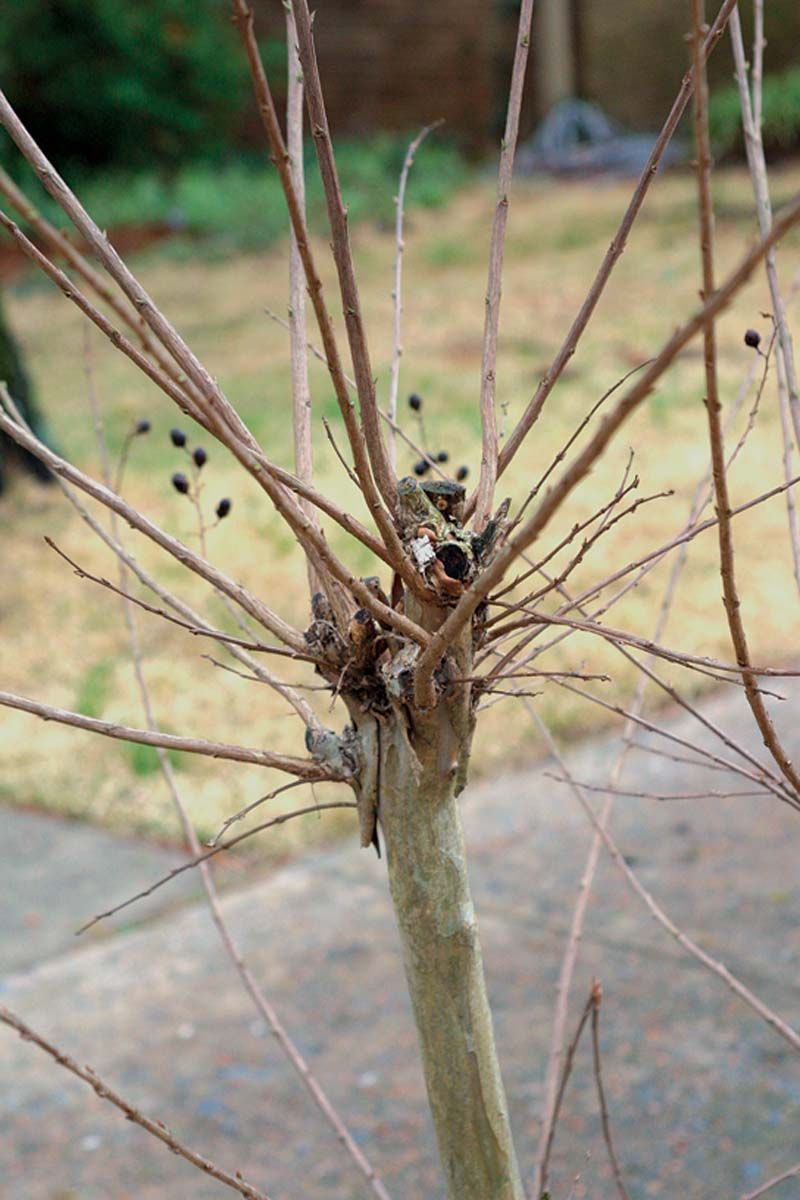
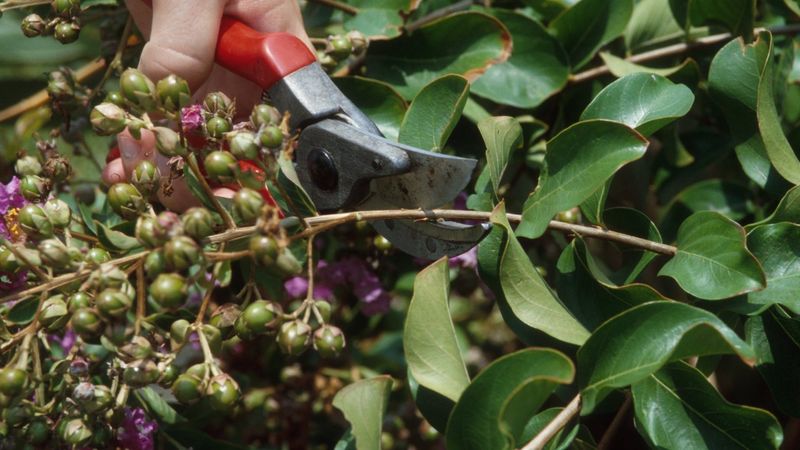
Removing spent flower clusters and developing seed capsules from branch tips can stimulate buds sitting just below the cut. Those buds sense that the reproductive effort above them is gone and may respond by pushing out new growth.
Under the right conditions, that new growth can carry flower buds.
UF/IFAS Gardening Solutions notes that trimming, which means removing old flower heads, may encourage additional blooms. A commonly referenced estimate is that a new flush can appear roughly four to six weeks after a trimming cut, though that window depends on many variables.
Plant condition, recent rainfall, temperature, and the specific cultivar all play a role.
Trimming does not guarantee another bloom. A tree that is stressed from drought, root issues, or nutrient deficiency may not respond with new flowers even after a clean cut.
Expecting a reliable second display every time can lead to disappointment, so treat any rebloom as a welcome bonus rather than a predictable outcome.
Cuts made during trimming should stay small and close to the seed cluster. Removing just the tip of a branch near the old flower head is enough.
There is no need to cut back further into the branch to get a response. Small cuts preserve the tree’s natural shape while giving it the best chance to push new buds.
4. September Makes That Second Bloom Less Predictable
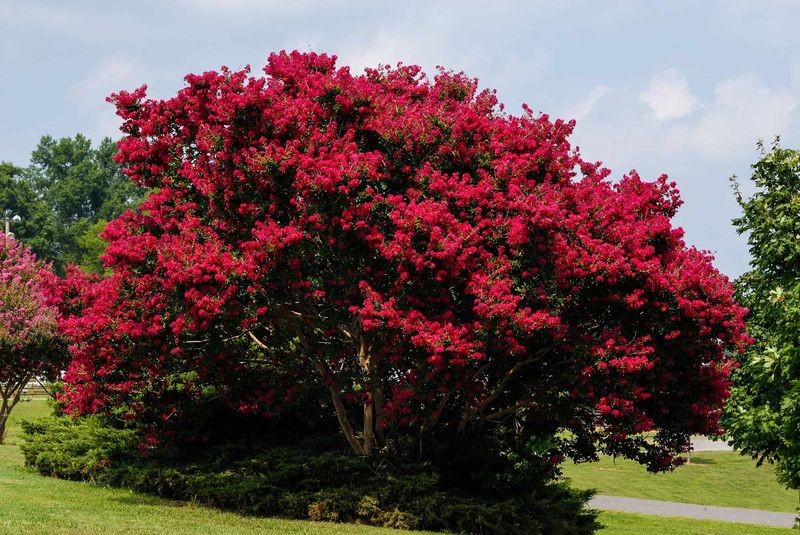
Late-summer timing matters more than many gardeners realize. A trimming cut made in September starts a four-to-six-week countdown that pushes any potential bloom response well into October or even November.
How much warm growing season remains at that point varies widely depending on where in Florida you are gardening.
South Florida generally holds warm temperatures deep into fall and sometimes through the entire year. A September trimming there has a reasonable chance of producing another flower flush before conditions cool.
Gardeners in Central Florida work with a shorter window, and results become harder to predict as October progresses.
North Florida gardeners face the most uncertainty. Seasonal cooling arrives earlier in that region, and a bloom triggered by a September cut may not have enough warm weeks to fully develop before temperatures drop.
That does not make another bloom impossible, but it does make the outcome increasingly uncertain compared to earlier trimming done in July or August.
Regional differences across the state mean that the same September decision carries different odds depending on your zip code. Gardeners farther south have more flexibility.
Gardeners in northern parts of the state may find it more practical to skip September trimming. Simply enjoying the tree’s natural appearance may make more sense this time of year.
5. Newer Crepe Myrtles May Rebloom Without Your Help
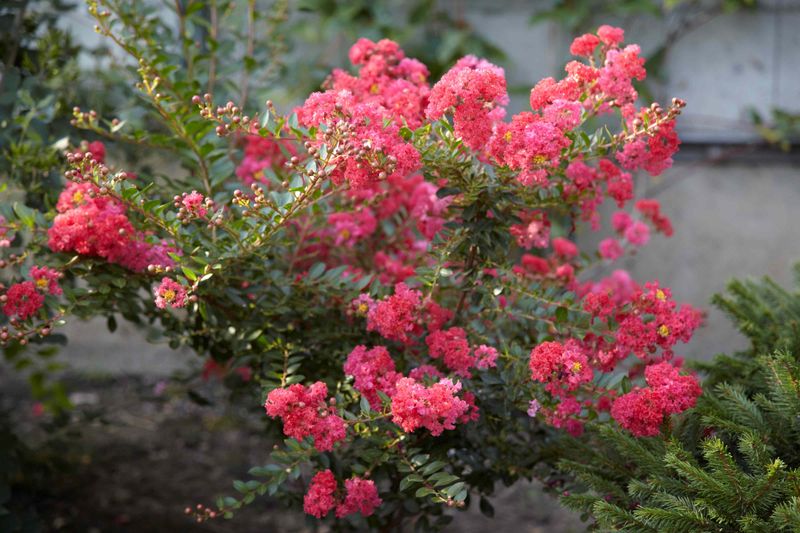
Plant breeders have spent decades selecting crepe myrtle cultivars for longer bloom periods and more reliable repeat flowering. Some newer varieties naturally produce additional blooms as spent flowers fade.
They do not require a gardener to step in with pruning shears every time.
Homeowners who planted one of these improved cultivars may be doing unnecessary work if they are clipping seed pods every few weeks hoping to force a rebloom. The tree may already be cycling through additional flushes on its own.
Checking the cultivar name and reading its characteristics can save a lot of time and effort over a long growing season.
Not every newer cultivar performs equally well in every setting. Heat, soil, water availability, and light exposure all affect how a tree actually behaves in your yard compared to what a plant tag promises.
Observing your specific tree over a full season gives you better information than any general cultivar description.
Repeated clipping can sometimes be unnecessary work rather than helpful maintenance. A tree that is already pushing new blooms on its own schedule does not need repeated intervention to keep performing.
Watching what your tree does naturally before deciding to trim is a smart approach, especially with cultivars released in the last decade or so.
6. Seed Pod Removal Should Stay At The Branch Tips
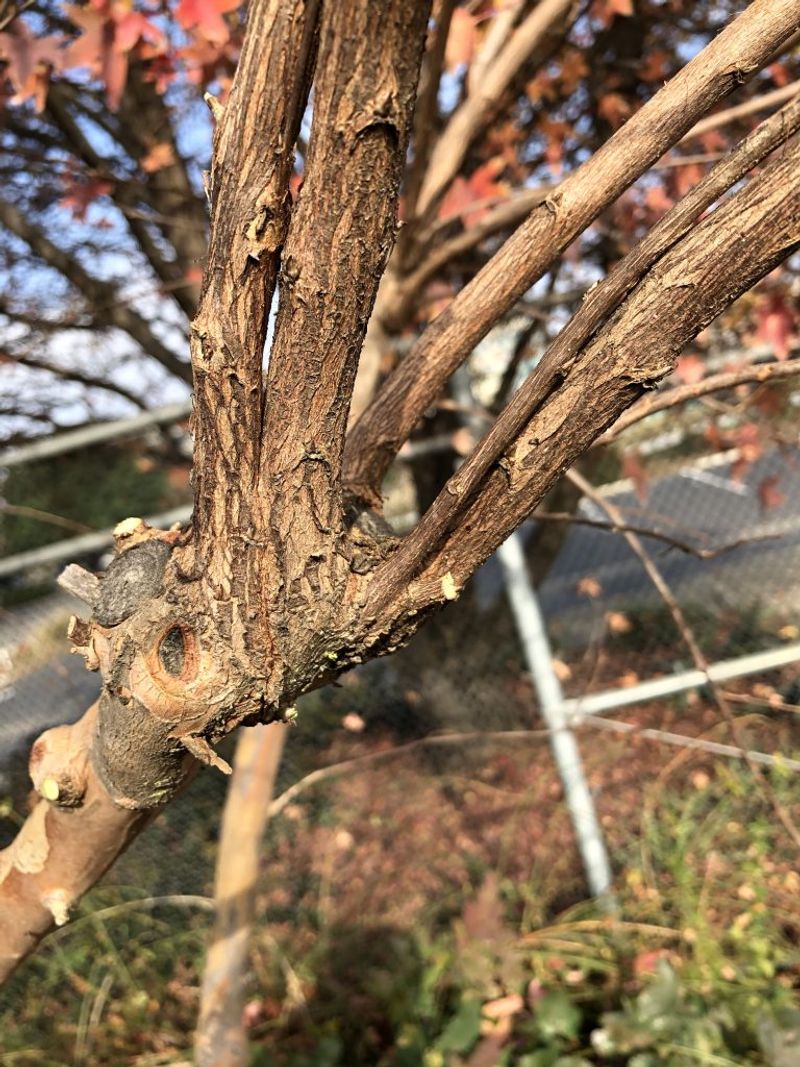
Trimming is a small, targeted cut made very close to a spent flower head or seed cluster. Most of the branch stays exactly where it is.
The goal is to remove the seed capsule and a tiny bit of stem tissue, not to reshape the canopy or shorten major limbs.
Some gardeners start with good intentions and end up making progressively larger cuts as they work through the tree. That kind of scope creep turns a simple seed pod cleanup into something much more aggressive.
Removing large branches or cutting back main structural limbs in September is not what trimming means, and it is not what the tree needs.
Topping, which means cutting the main branches back to stubs, causes serious long-term problems for crepe myrtles. It produces weak regrowth, destroys the tree’s natural form, and is widely criticized by university extension horticulturists.
UF/IFAS materials consistently advise against topping and describe it as unnecessary and damaging.
Keeping seed pod removal at the branch tips protects the tree’s shape and avoids the regrowth problems that come with harder cuts. A pair of hand pruners is usually all you need.
Reaching for a saw or loppers to remove seed pods is a sign that the job has grown beyond what trimming should involve.
7. Big Structural Cuts Can Wait Until Dormancy
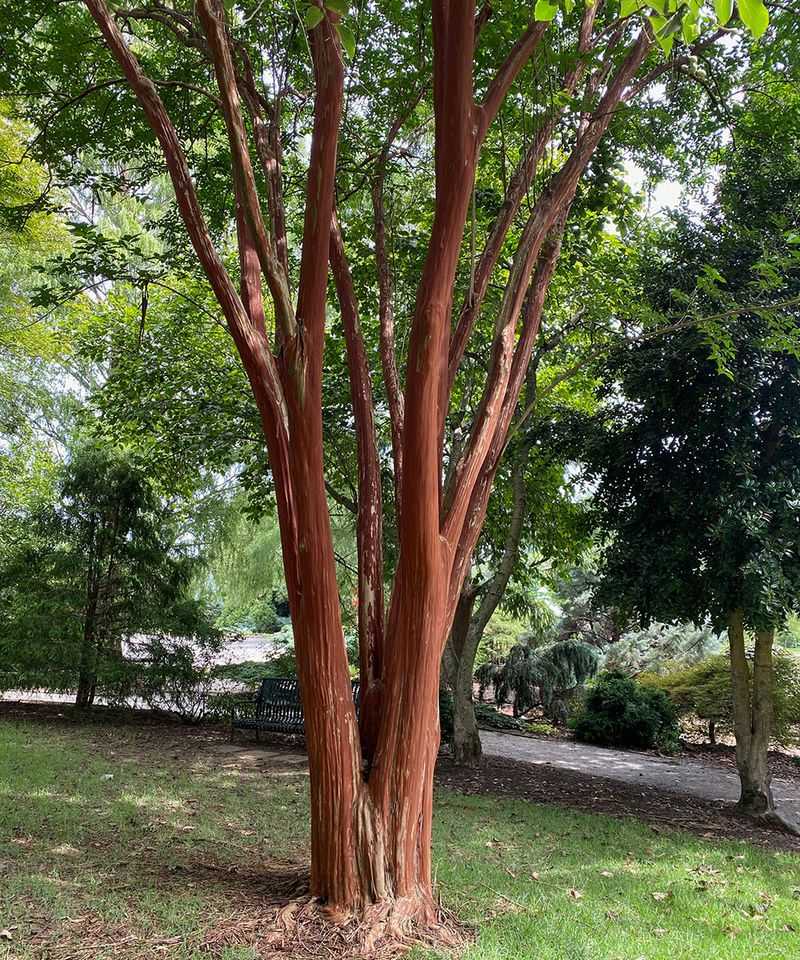
Structural pruning involves removing whole branches, correcting crossing limbs, improving the tree’s framework, or reducing its overall size. That kind of work is very different from snipping off a few seed clusters at branch tips.
Mixing the two up can lead to pruning at the wrong time and in the wrong way.
UF/IFAS Extension guidance recommends waiting until the dormant period for any substantial pruning of crepe myrtles. Late winter, before new growth begins in spring, is generally the preferred window.
Bare branches make it much easier to see the tree’s structure and identify which cuts will actually improve its form.
A September seed pod cleanup should not automatically turn into a pruning session that addresses old branches, crossing limbs, or overall tree height. Those decisions deserve more careful evaluation than a quick walk-through with pruning shears in hand.
Saving structural work for dormancy also reduces the chance of stimulating tender new growth that could be damaged if temperatures drop unexpectedly.
Safety-related issues are a reasonable exception. A damaged, broken, or hazardous branch can be addressed whenever it poses a risk, regardless of the season.
Outside of genuine safety concerns, though, big structural cuts belong in the dormant season. Keeping that boundary clear protects the tree and keeps September maintenance focused on what it should be: light, optional seed pod removal.
8. Leaving The Pods Alone May Be The Easiest Choice
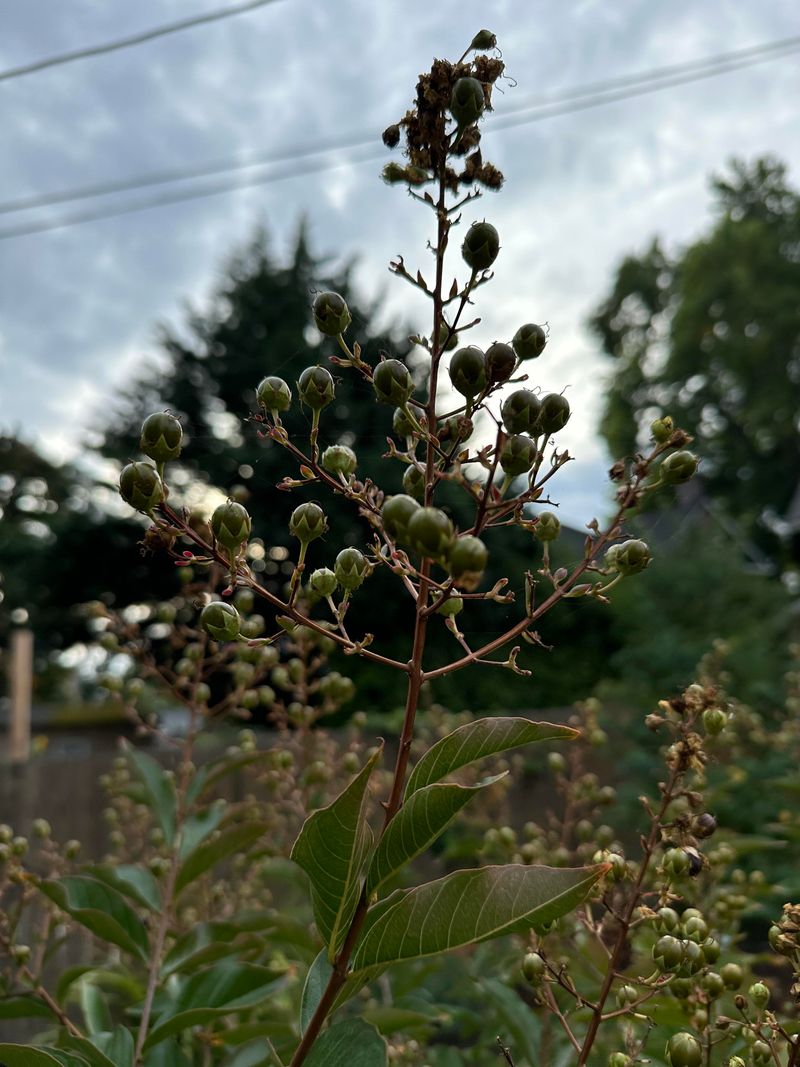
A tall, mature Florida crepe myrtle covered in seed pods is not a tree in trouble. Healthy trees carry those brown capsules through fall and into winter without any negative effect on next year’s performance.
Flowers will return in spring whether the pods were removed in September or not.
Trimming becomes increasingly impractical as trees grow taller. Reaching pods high in the canopy requires ladders or long-handled tools, and the effort involved grows with every foot of height.
For large, established trees, selective removal from lower accessible branches is about as far as most homeowners can reasonably go without professional help.
Gardeners who want a tidier look or who want to try for one more flower flush can remove pods from branches within easy reach. Selective cleanup on accessible parts of the tree is a perfectly sensible middle ground.
There is no rule that says the job has to be all-or-nothing.
Those who prefer less maintenance can leave the pods in place without worrying that they are setting the tree up for a poor season next year. Removing seed pods in September can serve a specific purpose, such as improving appearance or chasing a possible late bloom.
Leaving them alone, however, is perfectly acceptable and often the simplest, most practical choice for a busy gardener.