Signs Your Pennsylvania Ash Tree Has Emerald Ash Borer
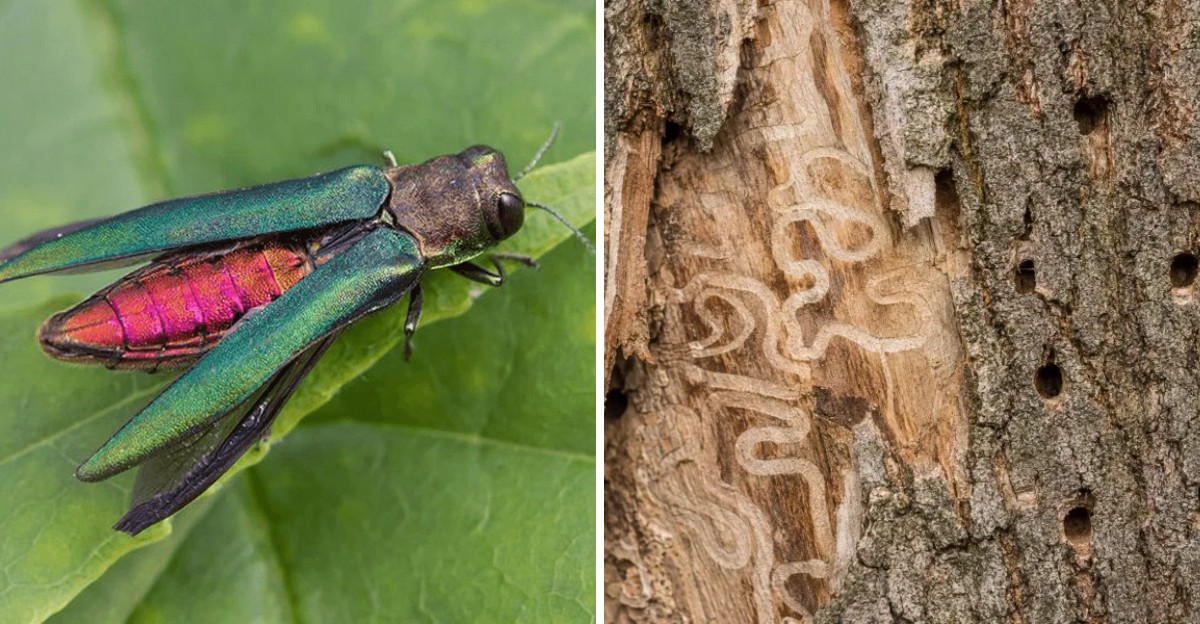
A shiny green beetle shorter than a penny turned up near Pittsburgh in 2007, and Pennsylvania trees have struggled since. Experts believe it first reached North America hidden inside wooden shipping crates from Asia years earlier.
Its young feed under the bark where nobody sees them, carving winding tunnels through the tree’s living plumbing. Adults chew only small bites from leaves, so the real trouble hides out of sight for years.
I skipped a close look at one backyard shade tree, and its crown thinned before I understood why. You might notice clues long before a tree service does, especially if you know where your eyes belong.
Across Pennsylvania, homeowners still have trees worth saving when they catch problems early enough for treatment.
1. Thin Ash Crowns Fading From The Top Down
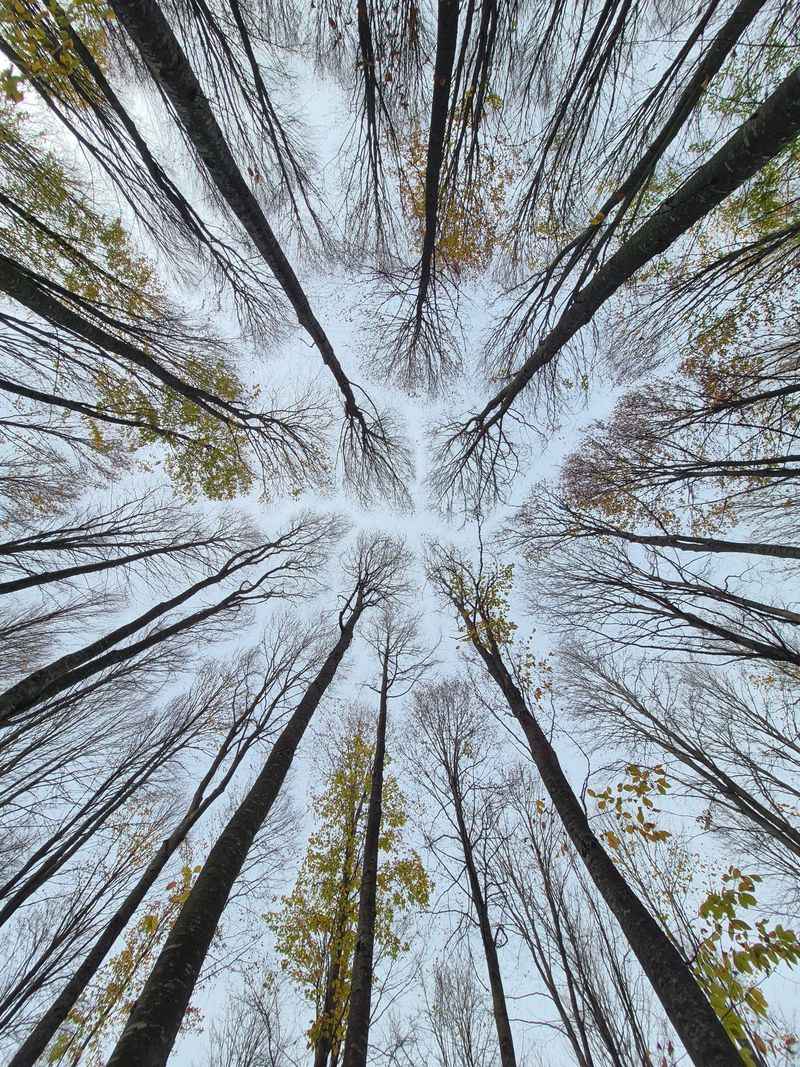
Your ash tree’s top branches act like a warning flag, and they often show trouble before anything else does. Larvae chew through the inner bark, so water struggles to reach the highest leaves first.
I like standing across the yard with my morning coffee and comparing the crown to last summer’s photos. A healthy crown looks full and puffy, while an infested one starts showing sky through the upper branches.
Leaves near the top may grow smaller and paler, and some twigs stay bare all season long. Over a few years, that thin patch usually creeps downward as more tunnels choke the tree’s flow.
Drought and root damage can thin a canopy too, so one rough year is not solid proof by itself. Steady decline year after year is the pattern experts at Penn State Extension tell homeowners to watch closely.
Take a quick photo from the same spot each July, since side-by-side pictures reveal slow changes your memory misses. Binoculars help too, especially for tall trees where small bare twigs blend into the leafy background.
Specialists often say treatment works best when less than about thirty percent of the crown has thinned. Once losses pass roughly half the canopy, saving the tree becomes unlikely, so early attention really matters.
2. Leafy Sprouts Bursting From The Ash Trunk
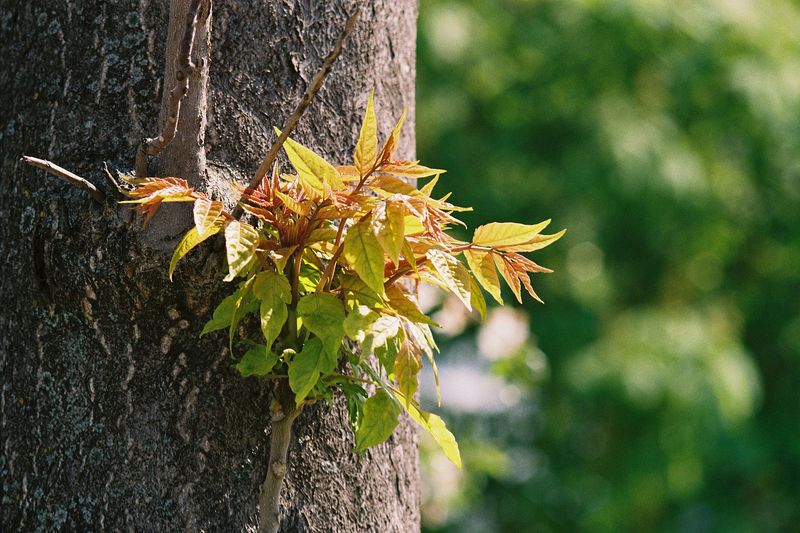
Nothing looks stranger than a tall ash suddenly wearing a fuzzy green beard of leaves along its trunk. Arborists across Pennsylvania call these epicormic shoots, and they sprout from sleeping buds hidden under the bark.
When larvae block the flow of sugars and water, the tree panics a little and pushes out emergency growth. Sprouts usually pop up below the damaged area, often low on the trunk or near the root flare.
I once cheered when a park ash in Pennsylvania sprouted all those fresh leaves, thinking the tree was bouncing back. Sadly, that leafy burst was a cry for help rather than a comeback story worth celebrating.
The leaves on these shoots are often larger than normal ash leaves, which makes them easy to spot. Look for clusters growing straight out of older bark where no branches grew in earlier years.
Sprouting can also follow storm damage or construction near the roots, so context matters a lot here. Pair this clue with a thinning crown or other signs before you jump to conclusions about borers.
Snipping the shoots off will not fix anything, because the real problem sits deeper inside the wood. Instead, snap a few photos and call a certified arborist in Pennsylvania for a proper look this season.
3. Tiny D-Shaped Exit Holes In Ash Bark
Grab a flashlight and search the bark for tiny holes shaped exactly like a capital letter D. Adult beetles chew these exits when they leave the tree, and the flat edge matches their flat bellies.
Each hole measures about one eighth of an inch across, small enough to hide behind a sesame seed. Adults usually emerge from late May through early summer, so fresh holes appear with crisp, clean edges then.
I was shocked the first time I found one, because it looked almost too neat to be real. Native borers usually leave round or oval holes, which makes the D shape such a handy clue.
The tricky part is that holes often start high in the canopy where the beetles lay eggs first. By the time you spot them at eye level, the infestation has usually been building for years.
Use binoculars on sunny afternoons, since raking light makes small holes cast shadows on the bark. Check branches that have shed bark too, because holes there show up more clearly against bare wood.
Finding even one true D-shaped hole is strong evidence worth reporting to a professional arborist right away. Penn State Extension offers photo guides that help you compare holes before making any big decisions.
4. Winding S-Shaped Tunnels Under Loose Bark
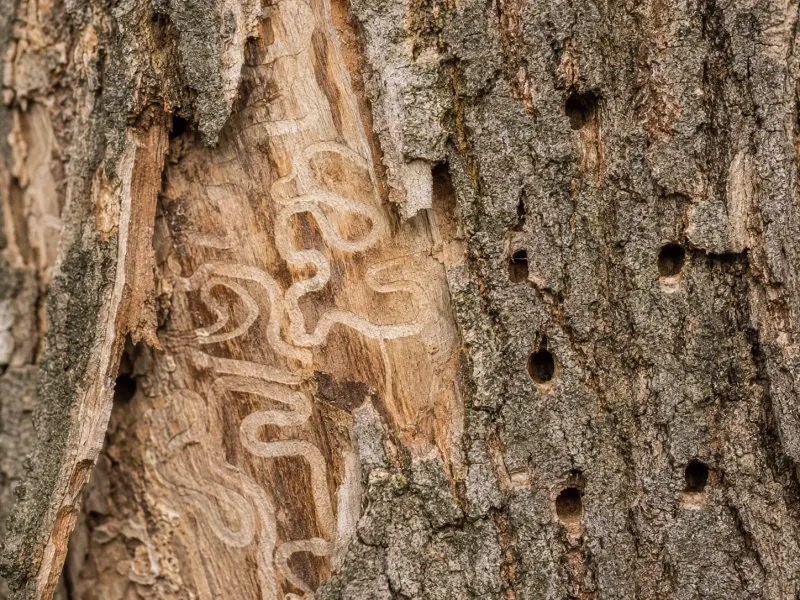
Peel back a loose flap of bark on an infested ash, and you might find something resembling squiggly art. Larvae carve flat S-shaped tunnels called galleries and pack them tightly with fine brown sawdust-like frass.
These winding paths sit just under the bark, right in the layer that carries food through the tree. As galleries multiply, they circle the trunk and slowly starve the branches growing above those tunnels.
I found my first set on a fallen limb after a summer storm and stared at it for ages. It honestly looked like someone had doodled with a wood-burning pen across the pale wood.
Please avoid ripping healthy bark off just to check, since that creates wounds and invites other problems. Focus on spots where bark has already cracked or fallen away naturally from woodpecker work or splitting.
Native borers make tunnels too, but theirs often wander deeper into the wood or look wider and rounder. Emerald ash borer galleries stay shallow and zigzag back and forth in that tight serpentine pattern.
If you spot these tunnels in firewood, keep that wood local rather than hauling it to a campsite. Moving firewood is one major way this pest hitchhikes to new forests and neighborhoods every year.
5. Vertical Splits Cracking Open Ash Bark
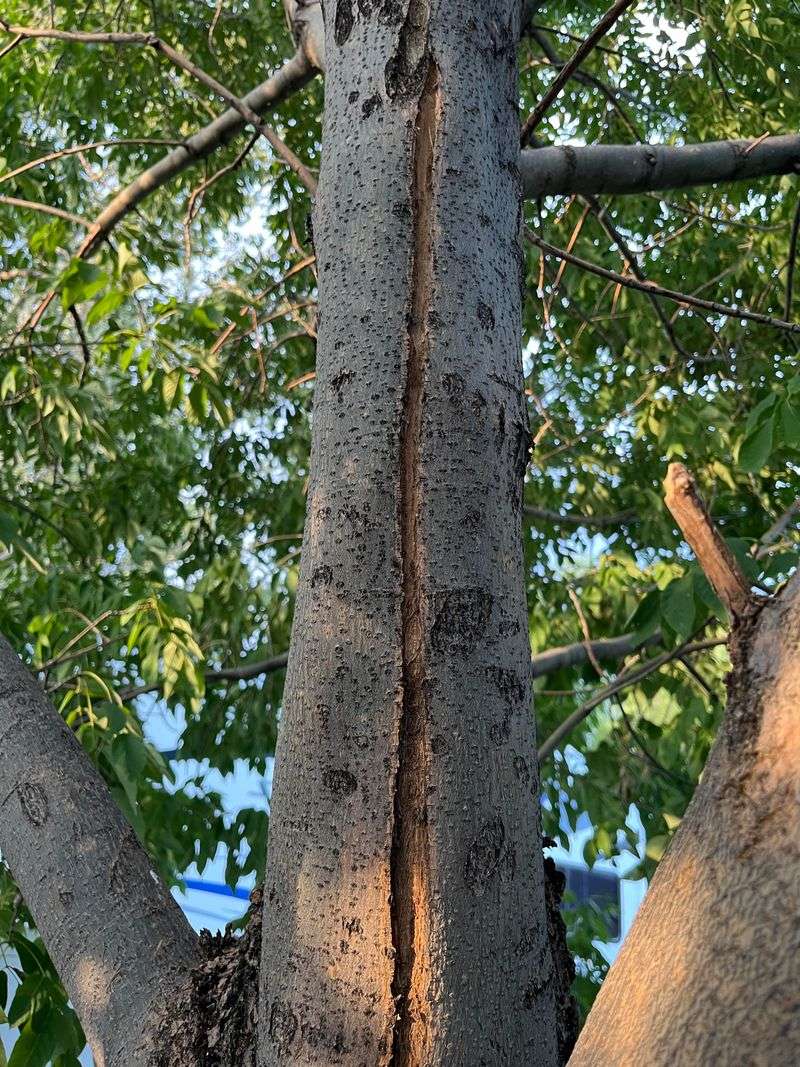
Ever noticed a long, narrow crack running down an ash trunk like a zipper someone forgot to close? These vertical splits often form right over larval galleries where the tree tries to grow healing tissue.
The tree builds callus around each wound, and that swelling pushes the outer bark apart from below. Through the narrow opening, you can sometimes glimpse the telltale S-shaped tunnels hiding underneath the bark.
I ran my hand along one split last spring and felt the raised, puffy edges on both sides. It reminded me how hard trees work to patch themselves, even when the odds stack against them.
Splits are commonly a few inches long, though they vary depending on tree size and how many larvae feed. Frost cracks look somewhat similar, but they tend to run deeper and form after sharp winter temperature swings.
Check the trunk and larger limbs from several sides, because cracks may face away from your usual view. A camera zoom works nicely on taller sections when a ladder feels like a bad idea.
One crack alone tells only part of the story, so look for holes or sprouts nearby as well. When splits show up alongside other symptoms, call an arborist to judge how much tree remains healthy.
6. Woodpeckers Flaking Off Pale Patches Of Ash Bark
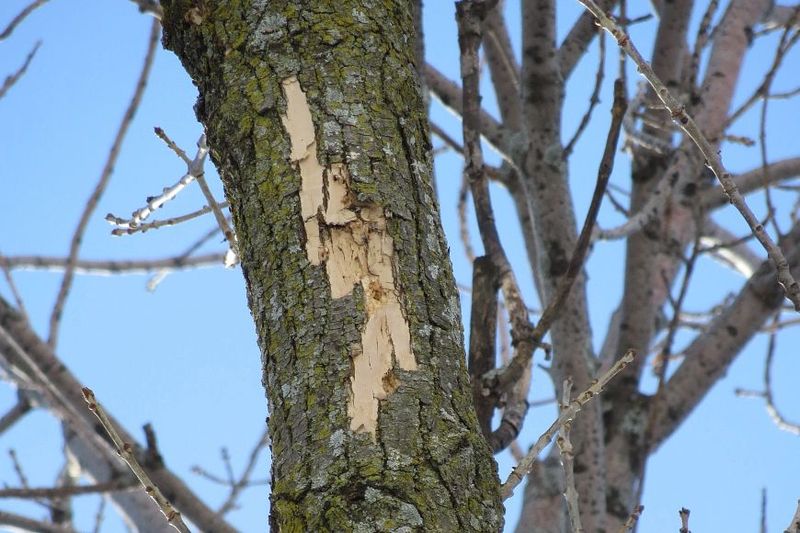
Woodpeckers love a buffet, and an infested ash serves up plump larvae just beneath the bark surface. While hunting, these birds chip away the dark outer bark and leave pale, tan patches behind.
Arborists call this blonding, and the light patches can make a tree look oddly splotchy from the street. In winter the contrast pops even more, since bare branches leave nothing to hide the scarred trunk.
I first noticed blonding on a roadside ash in Pennsylvania during a February drive and nearly missed my turn. The upper trunk looked like someone had scraped it with coarse sandpaper in bright, uneven streaks.
Look for small bark flakes scattered around the base, since busy woodpeckers drop plenty of debris. Damage often begins higher up and works downward as the infestation grows and more larvae move in.
Woodpeckers do eat a real share of the larvae, which makes them helpful allies in your yard. Still, they cannot keep up with a heavy infestation, so their visits signal trouble rather than a cure.
Keep your bird feeders nearby if you enjoy watching them, but treat heavy pecking as a reason to inspect. Your feathered neighbors might spot the problem years before you would notice anything on your own.
7. Ash Leaves Yellowing Weeks Too Early
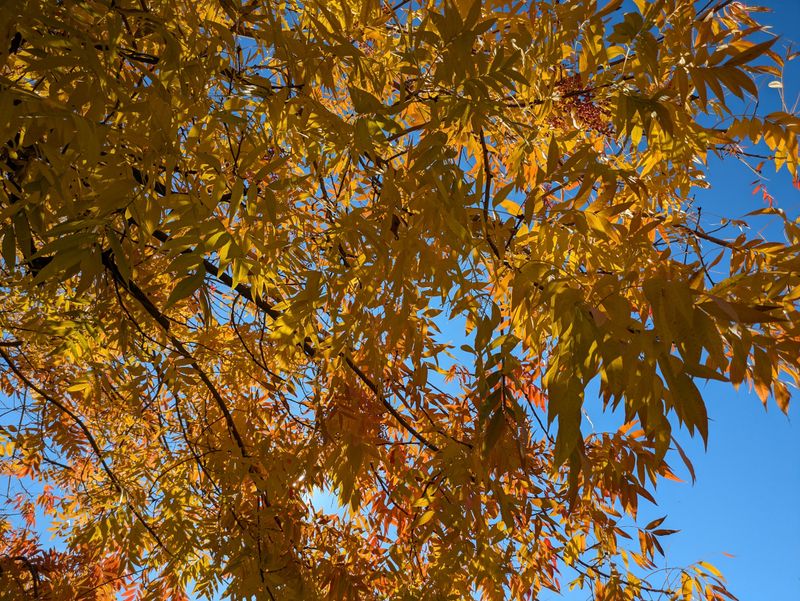
Golden leaves look lovely in October, but an ash turning yellow in August deserves a second glance. Infested trees sometimes color early because damaged tissue cannot move enough water up to the leaves.
I remember spotting one ash glowing yellow while its neighbors stayed deep green, and it bugged me for weeks. Sure enough, an arborist later found larval tunnels hiding under the bark on its upper branches.
Early color often shows up first in patches, especially in the upper crown where stress hits hardest. Leaves may also look smaller and a bit droopy compared with other ash trees growing nearby.
Keep in mind that hot, dry summers in the state can push many trees into early color too. Leaf diseases such as anthracnose also cause browning, so this sign works best alongside other clear clues.
Compare your tree with several other ash trees down the street rather than with maples or oaks. If only yours changes early, especially year after year, that steady pattern points toward something deeper underneath.
Watering deeply during dry spells helps any stressed tree, though it cannot stop borers already feeding inside. Note the date you first see yellowing, since that record helps a professional judge the situation later.
8. Small Notches Chewed Along Ash Leaflet Edges
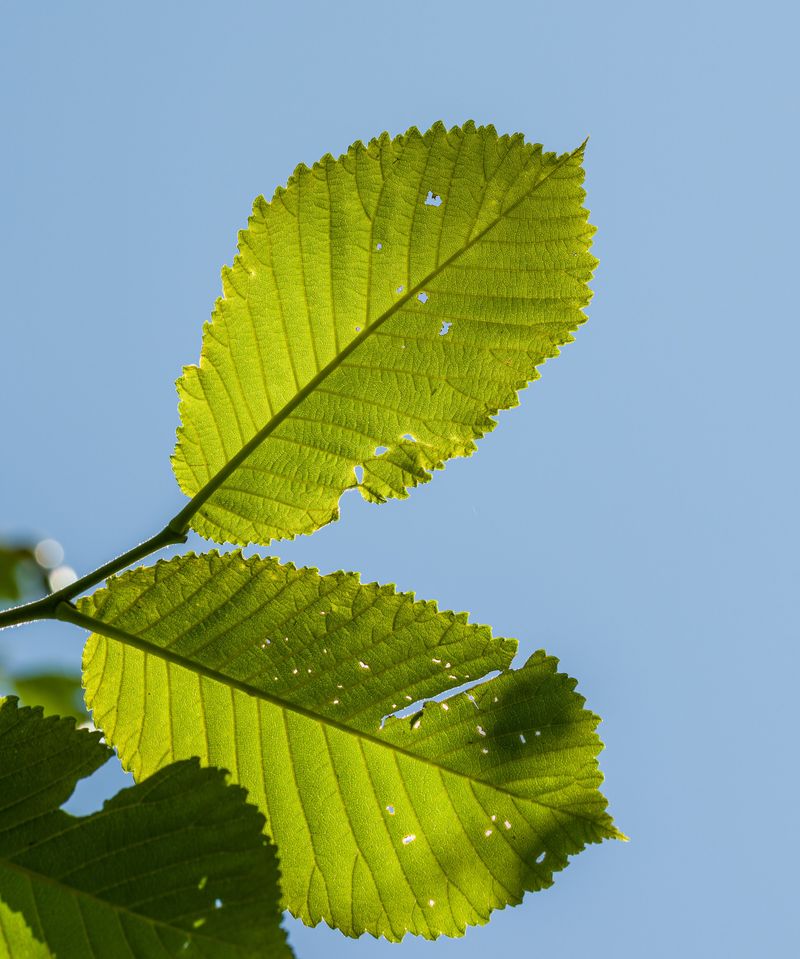
Adult beetles have a surprisingly modest appetite, nibbling small uneven notches along the edges of ash leaflets. Honestly, the damage looks so minor that most people walk right past it without a second thought.
Adults usually feed for about a week or two before mating and laying eggs in bark crevices. Peak feeding happens in early summer, so June and July offer your best chance to spot fresh notches.
I once spent a whole afternoon flipping leaflets on a low branch, feeling a bit like a detective. Finding those jagged little bites gave me a strange thrill, even though the news was not great.
Leaf notches rarely harm the tree, because the true damage comes from larvae feeding beneath the bark. Still, notched leaves tell you adult beetles are active right there, not just somewhere down the road.
Other insects such as caterpillars and sawflies chew ash leaves too, so notches alone cannot confirm anything. A small hand lens helps you compare the bite pattern and spot any beetles resting nearby.
Check sunny sides of the tree first, since adults seem to favor warm spots during the day. If you find notches plus other signs, share photos with your county extension office for guidance.
9. Metallic Green Beetles Or Flat Cream Larvae
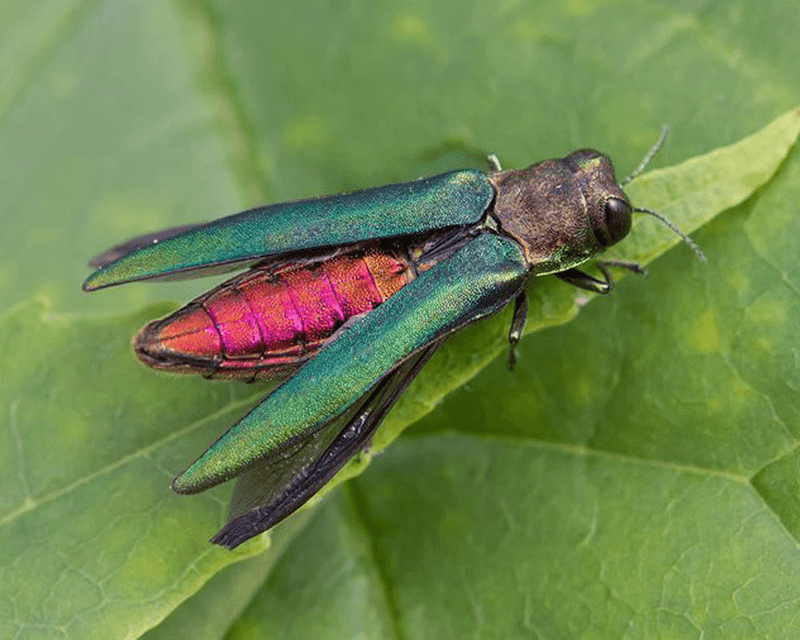
Spotting the actual culprit feels like catching a burglar with the goods, and it ends any guessing game. Adults are slender, metallic green beetles about half an inch long, shining like a tiny jewel.
Lift their wings, and you will find a bright coppery red back on the abdomen underneath. That flash of red helps separate them from other green insects such as tiger beetles or native jewel beetles.
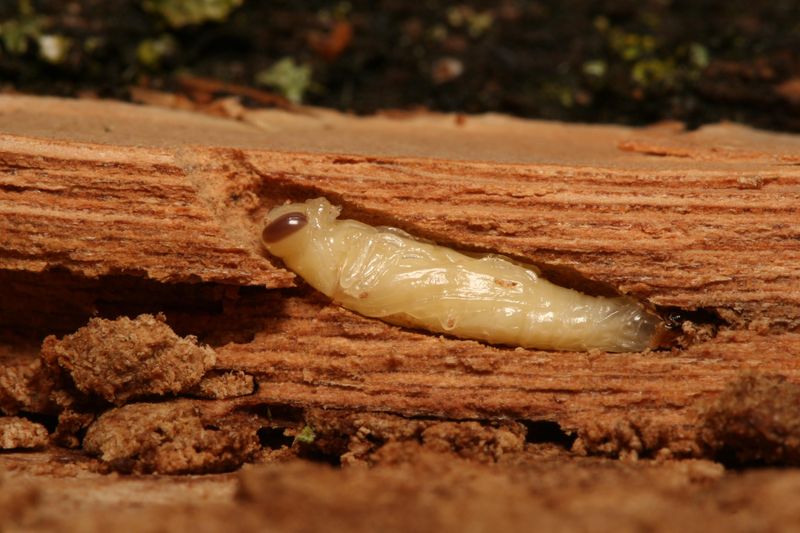
Larvae look nothing like adults, with flat creamy white bodies and segments shaped like little stacked bells. Fully grown, they stretch about an inch or more and carry a pair of tiny pincers at the tail.
Finding adults takes patience, since they spend much of their time high in the canopy during summer. I have only seen a handful myself, usually on sunny afternoons resting on sun-warmed ash bark.
Leave larva hunting on standing trees to trained professionals, because cutting into healthy bark creates fresh wounds. Logs and fallen limbs make safer places to peek if you feel curious about what lives inside.
Snap a clear photo and send it to Penn State Extension or the state Department of Agriculture for confirmation. Correct identification matters, since treatment choices for a treasured shade tree depend on knowing the true culprit.