Spring Bulbs Beyond Tulips And Daffodils That Michigan Gardeners Are Falling In Love With
Tulips and daffodils get most of the attention each fall, but they are only part of the story. Many lesser-known bulbs bloom earlier, last longer, or come back more reliably in Michigan’s cold climate. Some open while snow is still on the ground.
Others carpet the lawn in color or add bold round flowers in late spring. Squirrels and deer leave a few of them alone, which is a real bonus. Planting a mix of bulbs stretches the show across many weeks instead of a single burst.
The trick is knowing which ones to choose and when they bloom. Fall is the time to plant, so the choices you make now decide next spring’s display.
1. Alliums Bring Globes Of Color To Late Spring
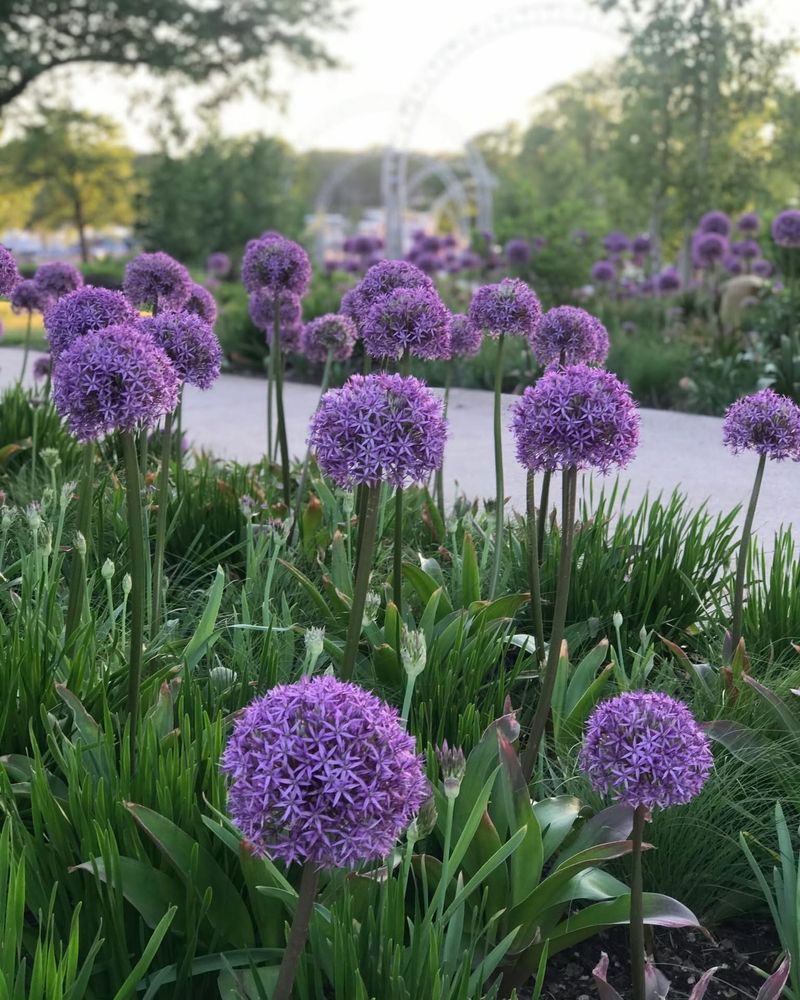
Just when the tulips start dropping their petals, alliums rise up like a fireworks show frozen in time.
These cousins of the onion grow round flower heads in purple, white, pink, or blue, all perched on tall, slender stems. They bloom in late spring and early summer, filling a gap that many gardens struggle to cover.
Gardeners adore them for good reasons. Bees and butterflies flock to the tiny star-shaped flowers packed into each globe, so your yard turns into a busy pollinator stop.
Even better, that mild onion scent makes deer, rabbits, squirrels, and voles turn up their noses and walk away.
Planting is simple. In fall, dig a hole about two to three times as deep as the bulb is tall, and choose a spot with full sun and well-drained soil. Soggy ground can cause bulbs to rot, so skip low areas where water sits.
Here is a smart trick. Allium leaves often turn yellow and floppy right as the flowers open, which can look a bit messy. Tuck the bulbs among perennials like catmint, salvia, or hostas, and their leafy neighbors will hide the fading foliage nicely.
After the blooms fade, resist the urge to snip them off. The dried seed heads look like tiny sculptures and add interest to the garden for weeks, sometimes even into fall.
Michigan is a great home for these bold beauties. Many alliums, such as Globemaster and Purple Sensation, are fully cold hardy here and come back reliably year after year.
Plant them once, and you can enjoy a summer welcome party every season with very little extra work on your part.
2. Crocus Opens The Season In Bright Colors
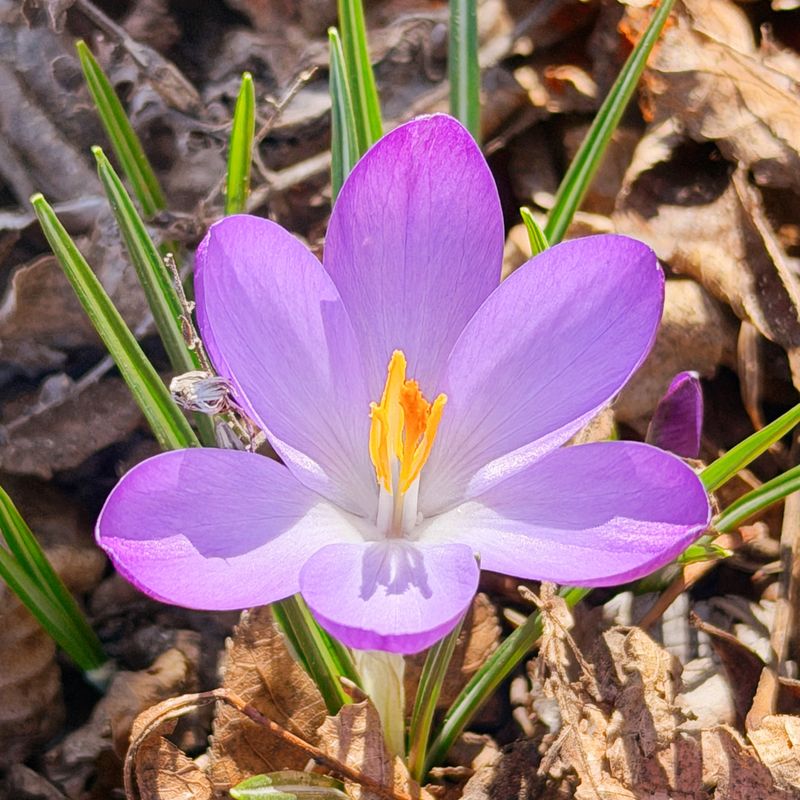
Snow still clings to the edges of the yard, and suddenly a splash of purple appears.
That cheerful pop is usually a crocus, one of the earliest flowers to greet Michigan gardeners each year. Its cup-shaped blooms come in purple, white, yellow, and pretty striped patterns.
Bees notice them too. On those first warm days, hungry bees leave their hives looking for food, and crocus flowers offer some of the earliest pollen around. A patch of crocus can make a real difference for these busy helpers.
Squirrels can be a problem, since they love digging up and munching on many crocus types. Snow crocus, known as Crocus tommasinianus, is less tasty to them, so it is a smart pick if furry diggers roam your yard. It also spreads well over time.
Fall is planting time. Set the corms about 3 to 4 inches deep in full sun to light shade. For a natural look, toss a handful across a lawn or bed edge and plant them right where they land.
Lawn plantings need a little patience. Wait to mow until the crocus leaves turn yellow and fade, because the foliage feeds the corms for next year. Usually that means holding off a few extra weeks in spring.
Crocus handles Michigan cold with ease and blooms dependably after even the snowiest winters. It is also a wonderful swap for Siberian squill.
Squill has become invasive in Michigan woodlands, crowding out native wildflowers, so choosing crocus gives you early blue and purple color without harming the forests nearby.
3. Hyacinths Fill The Garden With Fragrance
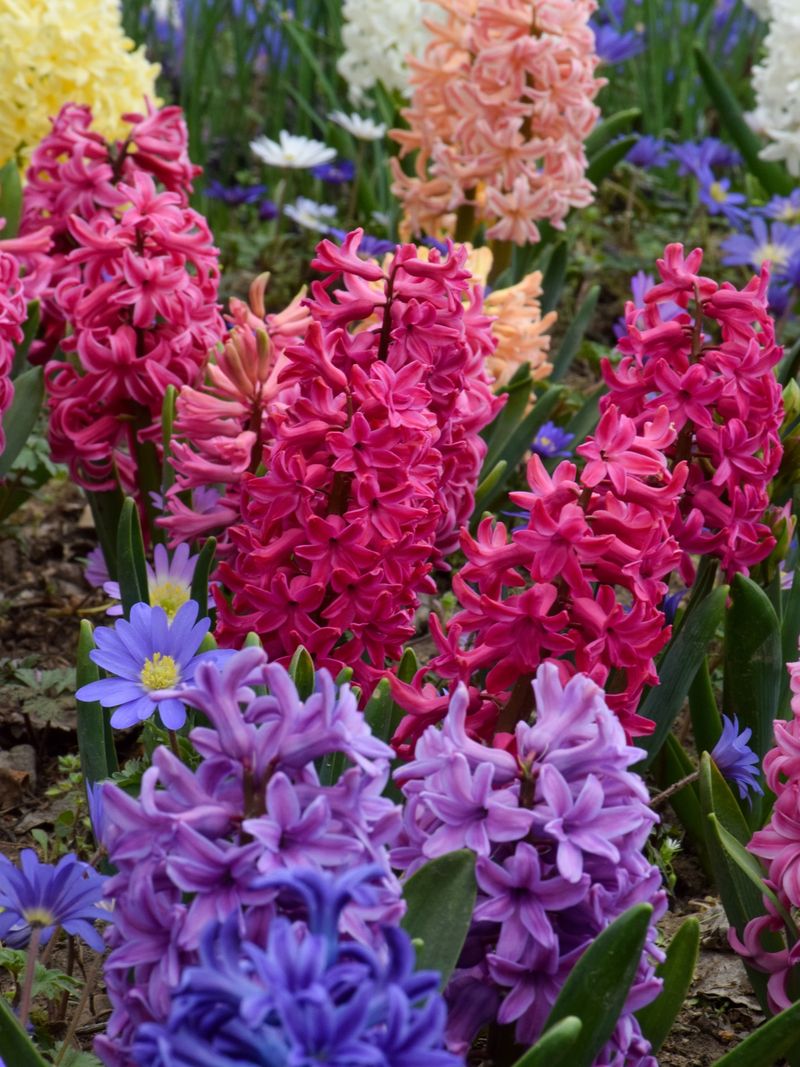
Walk past a blooming hyacinth on a spring morning, and you may stop in your tracks. The sweet, rich scent drifts across the yard and right through open windows. Few spring bulbs can match the powerful perfume of Dutch hyacinths, or Hyacinthus orientalis.
Looks matter as well, and hyacinths deliver. Each bulb sends up a thick spike crowded with small, starry flowers. Colors include deep purple, sky blue, soft pink, crisp white, and a warm coral that feels almost tropical.
Because they are so bold, hyacinths shine in beds near doors, walkways, and patios where people can enjoy the smell up close. They also look fantastic in containers. A few pots by the front steps can make your whole entryway feel like a flower shop.
Plant the bulbs in fall about 6 inches deep in full sun and well-drained soil. Wet, heavy soil can lead to rot, so add compost if your ground is mostly clay. Space them a few inches apart for a full, lush look.
One quick tip can save you some itching. Hyacinth bulbs can irritate skin, so slip on garden gloves before you handle them. Wash your hands afterward just to be safe.
Over time, you may notice the flower spikes grow looser and a bit smaller. That is normal, and many gardeners actually like the relaxed, cottage-style look of older hyacinths.
Michigan winters are a big help here. Hyacinths need a long cold period to bloom well, and our chilly months give them exactly what they crave, setting the stage for a fragrant spring show.
4. Checkered Lily Adds A Unique Pattern
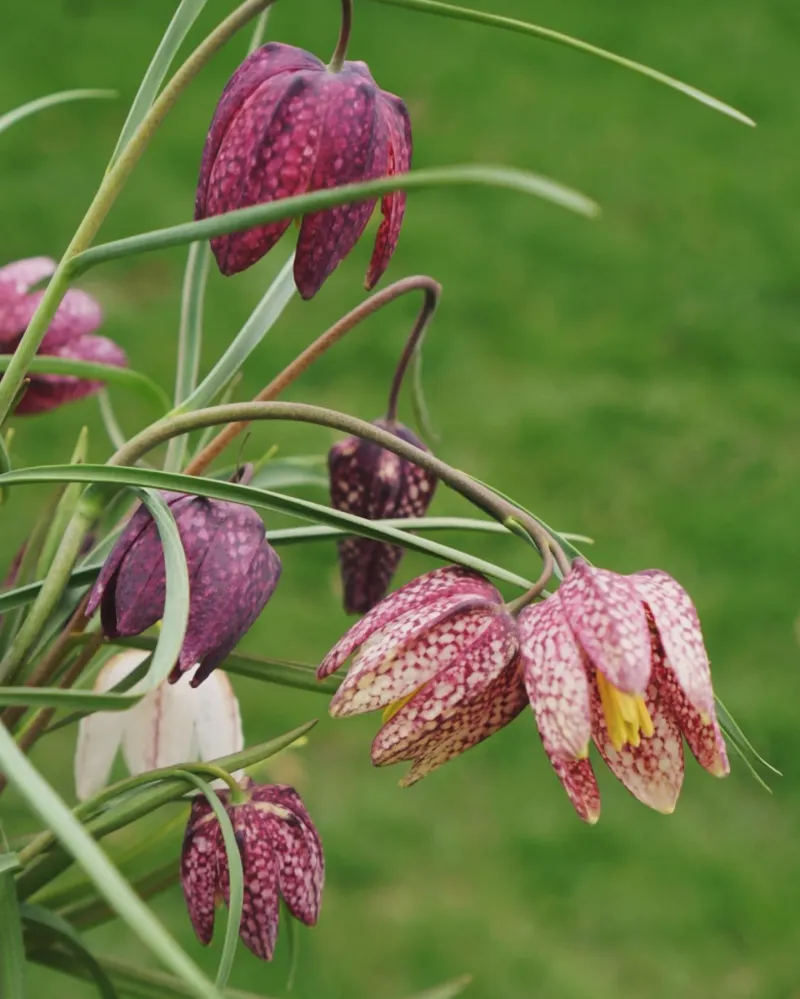
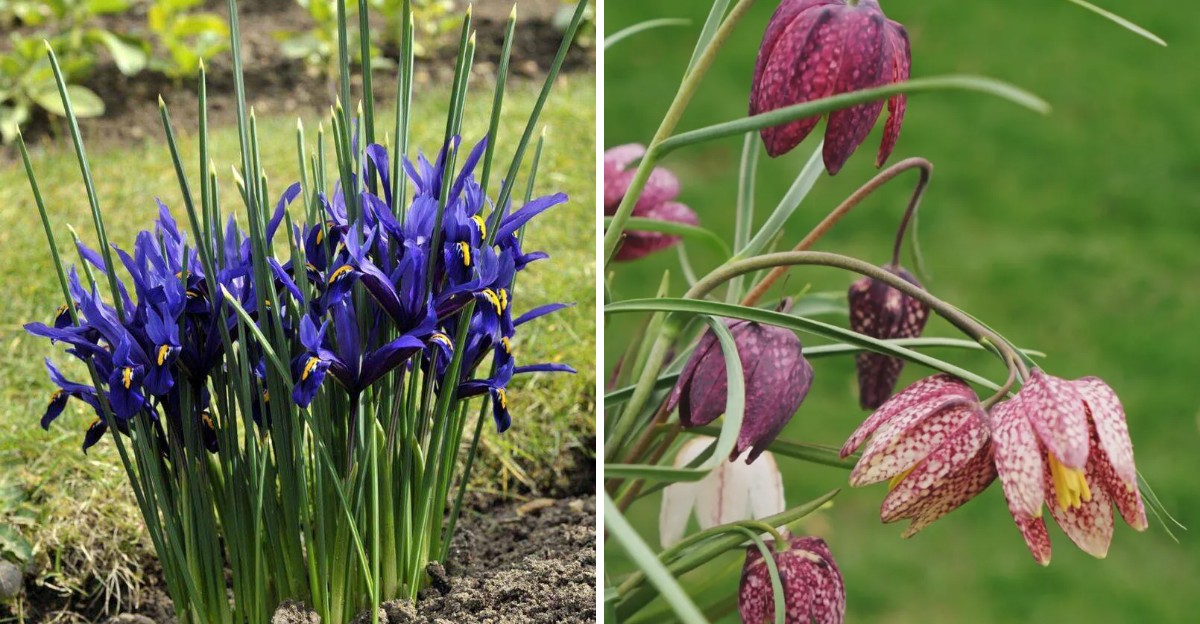
Some flowers look like they were designed by an artist with a ruler. The checkered lily, or Fritillaria meleagris, wears a purple and white checkerboard pattern so neat that visitors often ask if it is real.
You might also hear it called snake’s head fritillary, a name from its nodding, slightly scaly-looking buds.
Each slender stem holds one or two bell-shaped flowers that hang down shyly. Some plants bloom in solid white instead of checkered purple. Mixing both kinds creates a playful, storybook feel.
Wet soil gives many bulbs trouble, but checkered lilies actually enjoy it. In the wild, they grow in damp meadows across Europe. That makes them a clever answer for spots where tulips simply rot away.
Plant the bulbs about 4 inches deep in fall. They grow happily in part shade to full sun, as long as the soil stays moist but still drains. A woodland edge, a low corner of the yard, or the side of a pond can all work beautifully.
Timing matters with these bulbs. They dry out quickly once dug up, so plant them as soon as you bring them home. If they seem a little soft, soak them in water for a few hours before planting.
Leave them alone, and they will slowly naturalize, spreading into small drifts over the years. Michigan is a friendly place for them because they are fully cold hardy here.
They are perfect for those low, soggy spring spots that stay wet after snowmelt, turning a problem area into a charming conversation piece.
5. Camassia Brings Tall Blue Spikes To Wet Spots
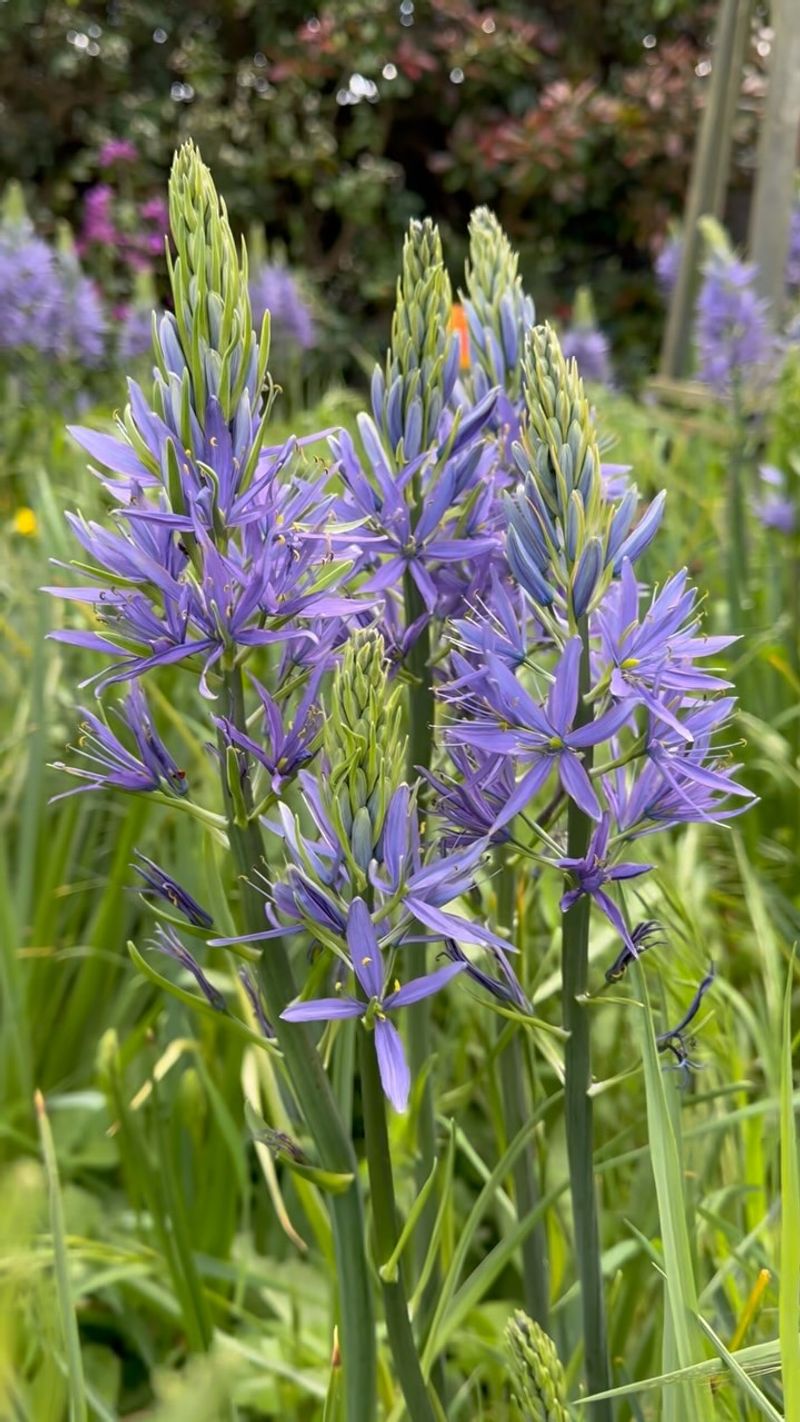
Got a soggy corner where nothing seems happy? Camassia might be the hero your yard has been waiting for. Also called camas, this bulb sends up tall spikes covered in star-shaped flowers of blue, purple, or white.
The blooms arrive in late spring, after the early bulbs finish but before most summer perennials get going. That timing helps keep your garden colorful without any awkward pauses. Some types reach two to three feet tall, so they make a real statement.
A bit of history adds to the charm. Native peoples in western North America once harvested camas bulbs as an important food source. Today, gardeners grow them mostly for their gorgeous, airy flower spikes.
Moisture is where camassia truly shines. It thrives in moist soil and can even handle wet spring conditions that would rot many other bulbs. That makes it a great match for rain gardens, ditches, and low areas near downspouts.
In fall, plant the bulbs about 4 to 6 inches deep. Pick a spot with full sun to part shade and soil that stays moist. Group them in clusters of five or more for the best effect.
Once the flowers fade, let the leaves yellow and wither naturally, since they feed the bulb for next year. Every few years, clumps may become crowded. Dig and divide them in late summer, then replant the extras somewhere new.
Michigan gardeners love camassia because it is cold hardy here and handles our wet springs with ease. Damp areas that stay soaked after snowmelt can finally become something to show off.
6. Reticulated Iris Blooms Early In Jewel Tones
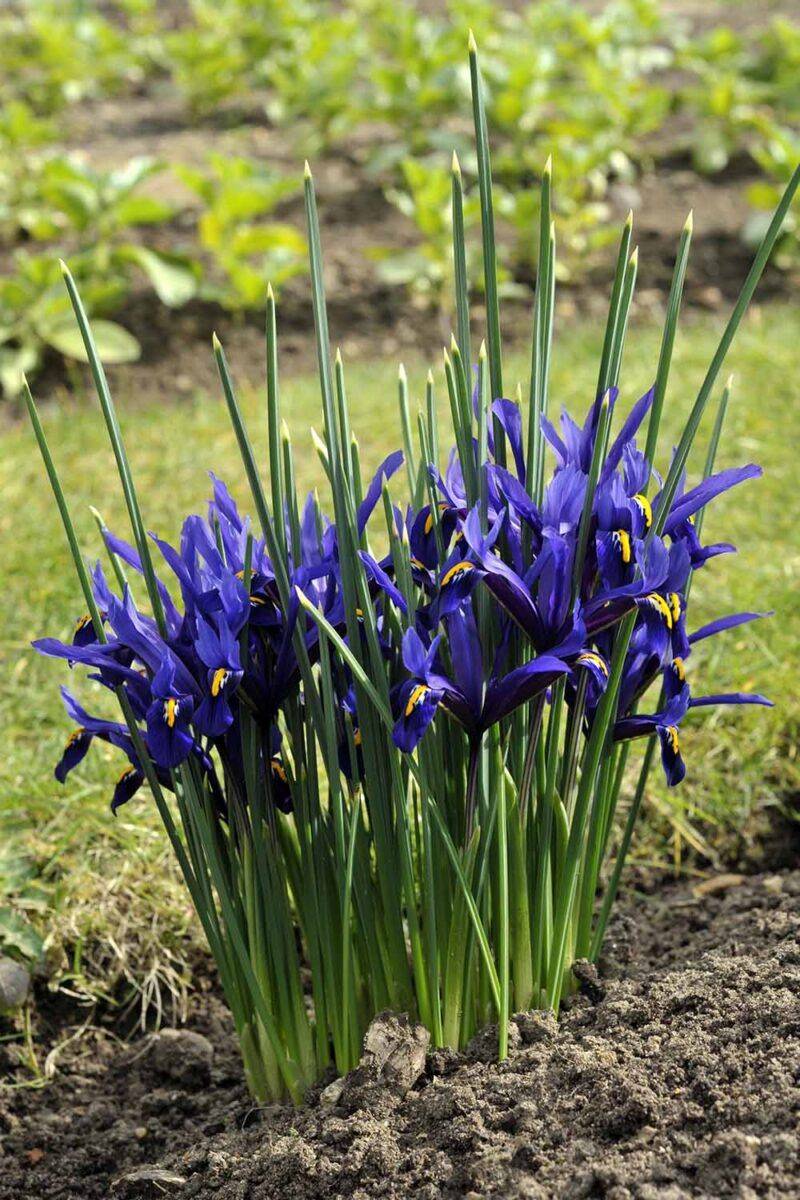
Late winter in Michigan can feel gray and endless. Then one sunny afternoon, tiny flowers in sapphire blue and royal purple appear near the foundation, glowing like gems. Meet reticulated iris, or Iris reticulata, one of the earliest bulbs to bloom.
Only about four to six inches tall, these little irises pack a big punch. Their petals carry bright yellow or white markings that look hand-painted. Many varieties, such as Harmony and Katharine Hodgkin, have become favorites for their rich colors.
Often they open while snow is still melting around them. A light frost or late snowfall rarely bothers them. They simply wait it out and keep blooming.
Planting is easy in fall. Set the bulbs about 3 to 4 inches deep in full sun and well-drained soil. Good drainage is key, since these small bulbs dislike sitting in wet ground.
Location makes a big difference. Rock gardens, raised beds, and spots near warm south-facing foundations heat up early in the year. Those warm pockets wake the bulbs sooner and help them come back season after season.
Plant them in clusters of ten or more instead of single rows. Because each flower is small, a tight group creates a much bigger splash of color. Placing them near a walkway lets you admire their details up close.
Michigan sunshine may be scarce in March, but sunny, well-drained spots warm faster than the rest of the yard. That head start brings reticulated irises into bloom before nearly everything else, giving you a jewel box of color long before spring officially arrives.
7. Snowdrops Signal The End Of Winter
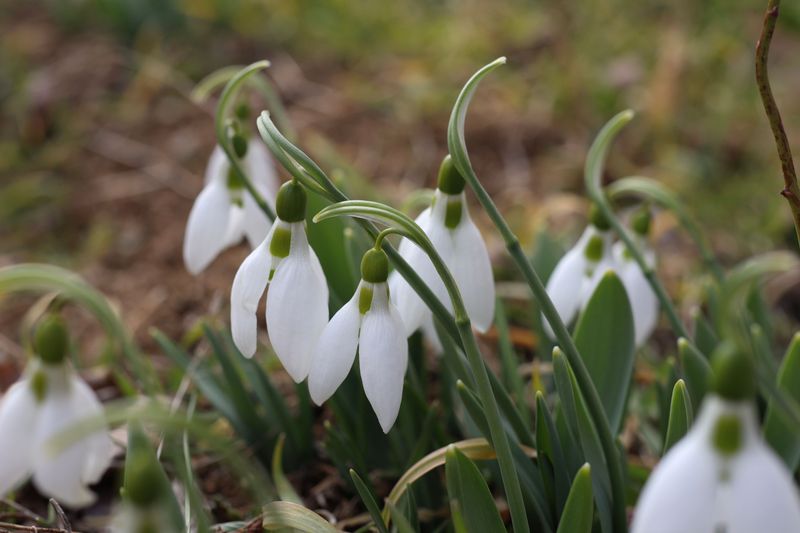
Long before robins return, a quiet promise appears in the snow. Small white bells with tiny green marks dangle from slender stems, nodding in the cold breeze.
Snowdrops, or Galanthus nivalis, are often the very first flowers Michigan gardeners spot each year.
Their timing feels almost magical. Snowdrops bloom in late winter to very early spring, sometimes pushing straight up through a blanket of snow. Seeing them is like getting a friendly note that warmer days are on the way.
Pests are rarely a worry. Deer, rabbits, and voles leave snowdrops alone, so you can plant them without fences or sprays. That makes them a relaxing choice for busy gardeners.
Plant the bulbs about 3 inches deep in fall. They love part shade, especially under deciduous trees that let in plenty of sunlight before their leaves fill out. Edges of paths and shady borders also work well.
After the flowers finish, let the leaves fade on their own. Those green leaves gather energy for next year, so avoid cutting or mowing them too soon.
Want more snowdrops without buying new bulbs? Experienced growers divide clumps just after flowering, while the leaves are still green, a method often called planting in the green. Gently lift a clump, separate it into smaller bunches, and replant them right away.
Michigan suits these tough little flowers perfectly. They naturalize well, slowly spreading into wide drifts that return year after year. Give them a few seasons, and a single small patch can grow into a sparkling white carpet that welcomes spring for decades.