Start These Georgia Fall Vegetables In July For A Harvest Before The First Frost
July does not usually feel like the time to think about fall gardening. Most people are focused on watering, pulling weeds, and helping their summer crops get through the heat.
The last thing on your mind is planting something new. That is exactly why this part of the season catches so many gardeners by surprise.
While one growing season is still in full swing, another is quietly getting ready to begin. Waiting until the weather feels cooler can leave some vegetables with too little time to mature before cold weather arrives.
A little planning now can make the weeks ahead much more rewarding.
Gardeners across Georgia know how quickly the seasons can change. Starting the right vegetables in July gives them a chance to establish before temperatures begin to drop.
If you are hoping for a productive fall harvest before the first frost arrives, now is the perfect time to start thinking ahead.
1. Broccoli Thrives Once Summer Heat Begins To Fade
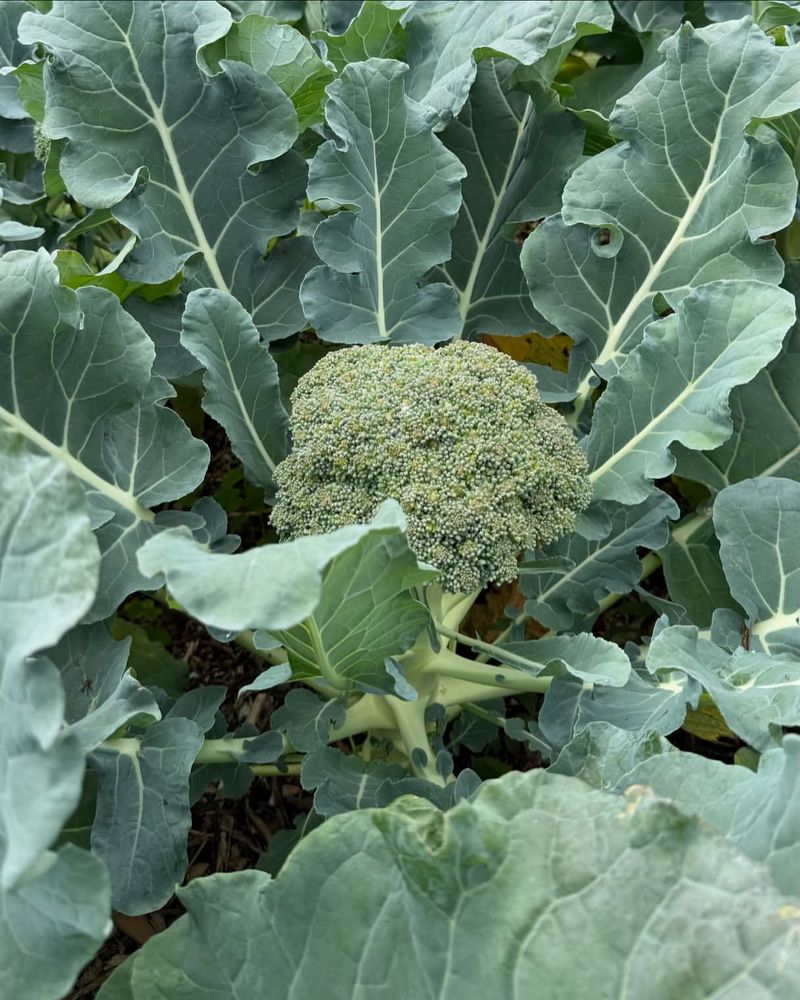
Few vegetables reward patient timing like broccoli does. Plant transplants in late July and the heads will form right as September temperatures start dropping.
That cooler air is exactly what broccoli needs to produce tight, dense crowns worth harvesting.
Start seeds indoors about six weeks before you plan to move them outside. Use a seed tray with good drainage and keep the soil consistently moist.
Broccoli seedlings are fragile at first but harden up quickly once they adjust.
Space transplants about 18 inches apart in a bed that gets full sun. Broccoli is a heavy feeder, so work compost into the soil before planting.
Side-dress with a balanced fertilizer once the plant reaches about six inches tall.
Watch for cabbage worms. Row covers help a lot during the early weeks.
Once plants are established, they handle minor pest pressure without much intervention.
Heads usually form within 60 to 80 days depending on the variety. Arcadia and Belstar both perform well in warm-climate fall gardens.
Harvest before the florets start to open or the flavor turns sharp.
After cutting the main head, leave the plant in place. Side shoots will continue producing smaller florets for several more weeks.
That extended harvest makes broccoli one of the most productive fall crops you can grow.
2. Cabbage Benefits From An Early July Start
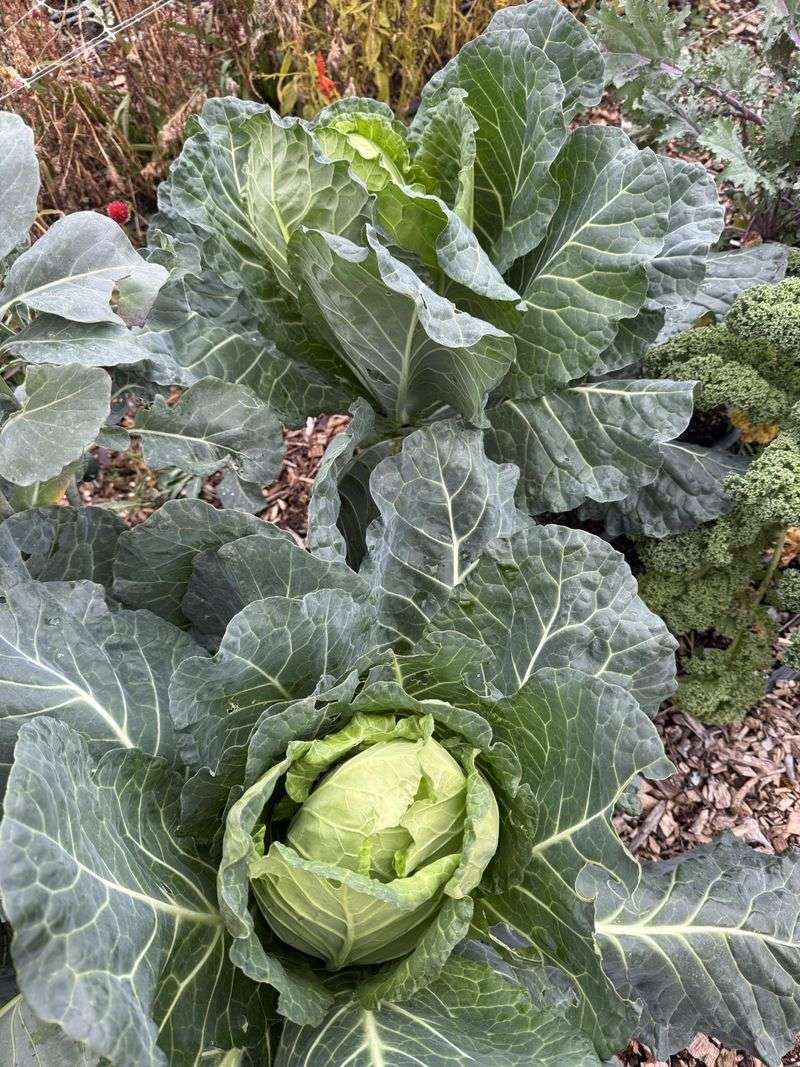
Cabbage planted in July has one major advantage over spring plantings: it matures into cooler weather instead of racing against rising heat. That timing makes a real difference in head quality and flavor.
Start seeds indoors around the first week of July. Transplant outdoors in late July or early August when seedlings have four to six true leaves.
Cabbage prefers firm, well-amended soil with consistent moisture.
Choose varieties with shorter days to maturity for fall planting. Stonehead and Golden Acre both finish in under 70 days.
Longer-season types may not make it before frost if you start too late.
Water deeply and consistently. Uneven watering causes heads to crack, which ruins the harvest.
A layer of mulch around each plant helps hold moisture and keeps roots cooler during the last hot weeks of August.
Your Georgia Garden Changes Every Week. Your Plan Should Too.
Gardening in Georgia changes quickly throughout the season. Every Friday you’ll receive a simple weekly plan showing exactly what to plant, prune, fertilize, harvest, and protect so you never miss the right timing.
Fertilize at planting and again when heads begin to form. Cabbage pulls a lot of nitrogen from the soil.
Without enough, outer leaves yellow and growth slows noticeably.
Pests like aphids and loopers are common. Check the undersides of leaves regularly and remove pests by hand or use an approved spray if pressure gets heavy.
Row covers work well early on.
Heads are ready when they feel firm and solid when squeezed. Cut at the base and store in a cool spot.
Properly stored cabbage keeps for weeks after harvest.
3. Cauliflower Needs A Longer Growing Season
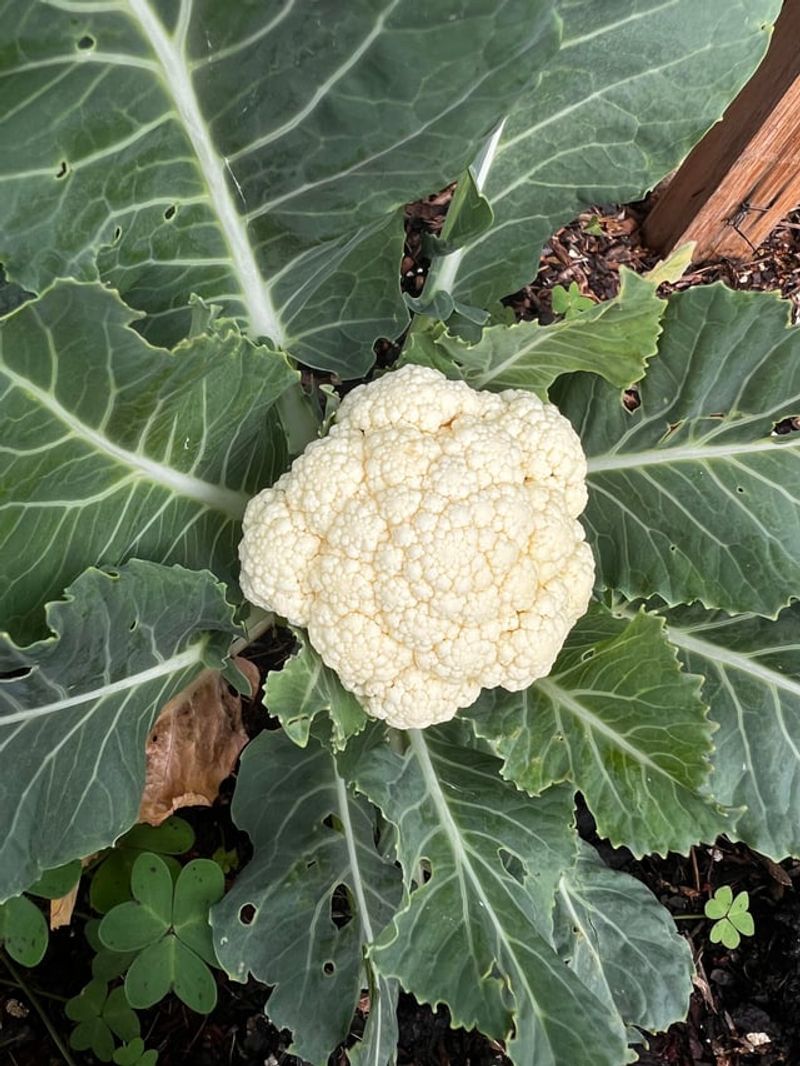
Cauliflower is the fussiest brassica in the fall garden, but getting it right is absolutely worth the effort. Start seeds in early July without delay.
Any later and the heads may not form before cold weather shuts everything down.
Cauliflower demands consistent conditions. Irregular watering or a sudden heat spike during head formation causes the curds to loosen or discolor.
Keep soil evenly moist throughout the entire growing period.
Choose a reliable fall variety. Snow Crown and Amazing both perform well in warm climates and finish in around 70 days.
Avoid varieties bred for spring planting since they often bolt in warm-weather stress.
Transplant seedlings when they have four to five true leaves. Space them 18 to 24 inches apart in full sun.
Cauliflower roots need room to spread and good airflow helps reduce disease pressure.
When the head reaches about two to three inches across, pull the large outer leaves up over it and secure them loosely. This process, called blanching, keeps the curd white and tender.
Without it, heads turn yellow and develop a bitter edge.
Feed with a nitrogen-rich fertilizer early, then switch to a balanced formula once the head starts forming. Too much nitrogen late in the season pushes leafy growth instead of curd development.
A layer of mulch helps keep soil temperatures more stable during the hottest weeks of summer.
Check plants regularly for cabbage worms, since they can damage leaves long before the developing head is visible.
4. Kale Stands Up To Chilly Fall Weather
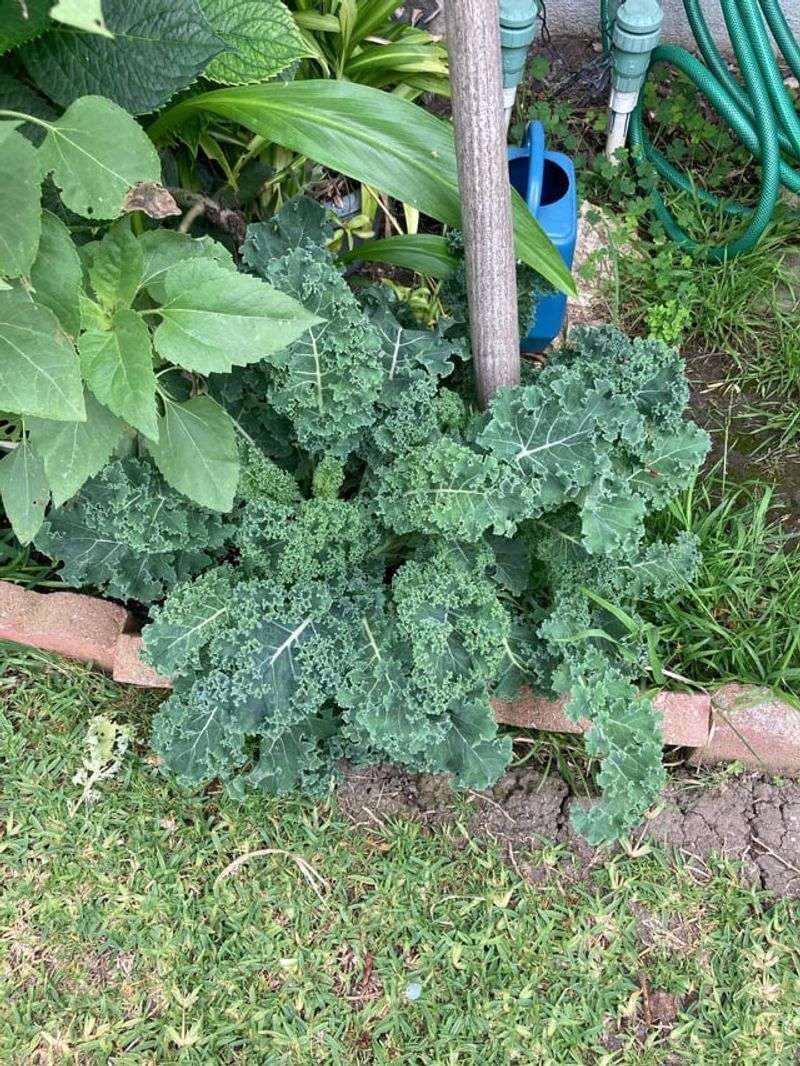
Kale might be the toughest vegetable you can grow in a fall garden. Light frost actually improves its flavor by converting starches into sugars, so plants that survive into November taste noticeably sweeter than summer-grown kale.
Sow seeds directly into the garden in mid-July. Kale germinates fast in warm soil and rarely needs to be started indoors.
Thin seedlings to about 12 inches apart once they reach three inches tall.
Lacinato, also called dinosaur kale, and Red Russian are both excellent fall choices. They handle temperature swings without losing quality.
Curly varieties work too but can get tough if moisture is inconsistent.
Water regularly during the hot stretch of August. Kale wilts dramatically in dry heat but bounces back quickly once watered.
Do not let the soil dry out completely between waterings or leaf quality suffers.
Fertilize with a nitrogen-heavy product early in the season. Once temperatures drop in September and October, ease back on feeding.
Too much late-season nitrogen makes leaves soft and less cold-tolerant.
Aphids love kale. Check plants often and knock them off with a strong stream of water.
Consistent monitoring prevents small infestations from spreading across the entire bed.
A light layer of mulch helps keep the soil cooler during the hottest part of summer and slows moisture loss.
As cooler weather arrives, kale usually produces sturdier leaves and develops better color.
5. Collard Greens Taste Better After Cool Nights
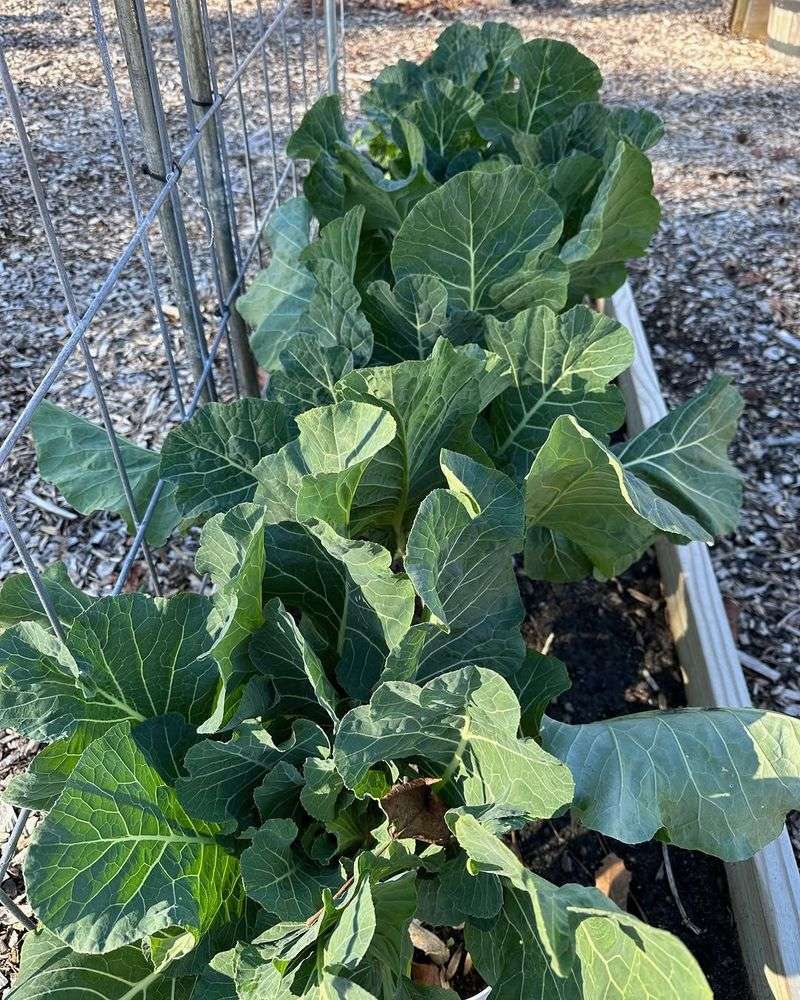
Collard greens are a fall garden staple across the South, and for good reason. Few vegetables are this easy to grow, this productive, and this willing to handle whatever the season throws at them.
Start seeds in mid-July directly in the garden or in transplant trays. Collards germinate quickly in warm soil.
Thin or transplant seedlings to about 18 inches apart so each plant has room to spread its large leaves.
Vates and Champion are two dependable varieties for fall planting. Both mature in around 75 to 80 days and hold up well through cold snaps.
Flavor improves noticeably after the first cool nights of October.
Water deeply once or twice a week during August heat. Collards are more drought-tolerant than most brassicas, but consistent moisture keeps leaves tender and mild.
Stressed plants produce tougher, more bitter leaves.
Work compost into the bed before planting and side-dress with fertilizer about four weeks after transplanting. Collards are heavy feeders and run out of steam without regular nutrition.
Yellowing lower leaves often signal a nitrogen shortage.
Cabbage worms and aphids are the main pests to watch for. Check under leaves weekly.
Hand-picking works fine for small populations, and row covers provide solid protection during the early weeks when plants are most vulnerable.
6. Carrots Sweeten As Fall Weather Arrives
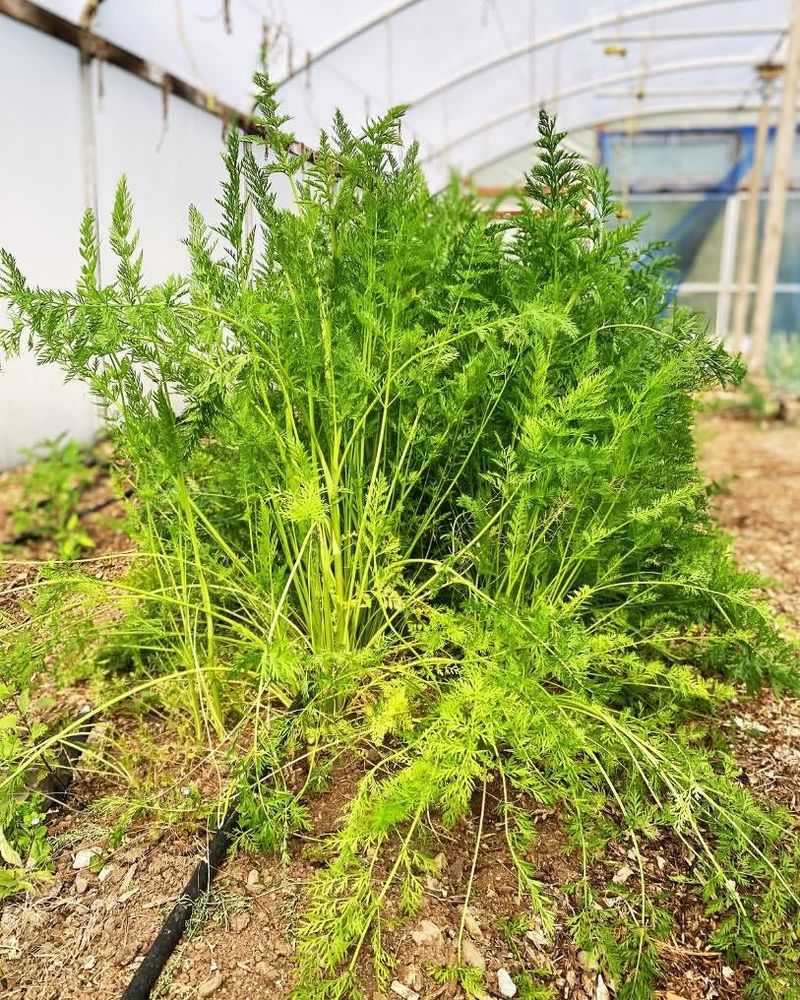
Carrots grown for fall harvest are genuinely sweeter than spring-planted ones. Cold soil triggers the plant to convert starch into sugar, and that natural process makes a huge difference in flavor at the table.
Sow carrot seeds directly in the garden in late July. Carrots do not transplant well, so direct sowing is the only reliable method.
Prepare the bed deeply, at least 12 inches, and break up any clumps or rocks that could cause forked roots.
Choose a variety suited to your soil type. Danvers 126 and Nantes perform well in heavier Southern soils.
Shorter varieties like Chantenay work better if your bed has clay content that resists loosening.
Keep the seedbed consistently moist until germination, which can take one to three weeks. Dry soil crusts over and blocks emergence entirely.
A light covering of row fabric or burlap helps retain surface moisture during the critical germination window.
Thin seedlings to about two inches apart once they reach two inches tall. Crowded carrots produce misshapen, stunted roots.
Thinning feels wasteful but skipping it costs you the entire harvest.
Side-dress with a low-nitrogen, phosphorus-rich fertilizer about four weeks after thinning. Too much nitrogen pushes leafy tops at the expense of root development.
Balance matters more with carrots than most other vegetables.
Roots are ready to harvest in 70 to 80 days. Leave them in the ground a bit longer after the first cool spell for maximum sweetness.
7. Beets Mature Well In Cooling Soil
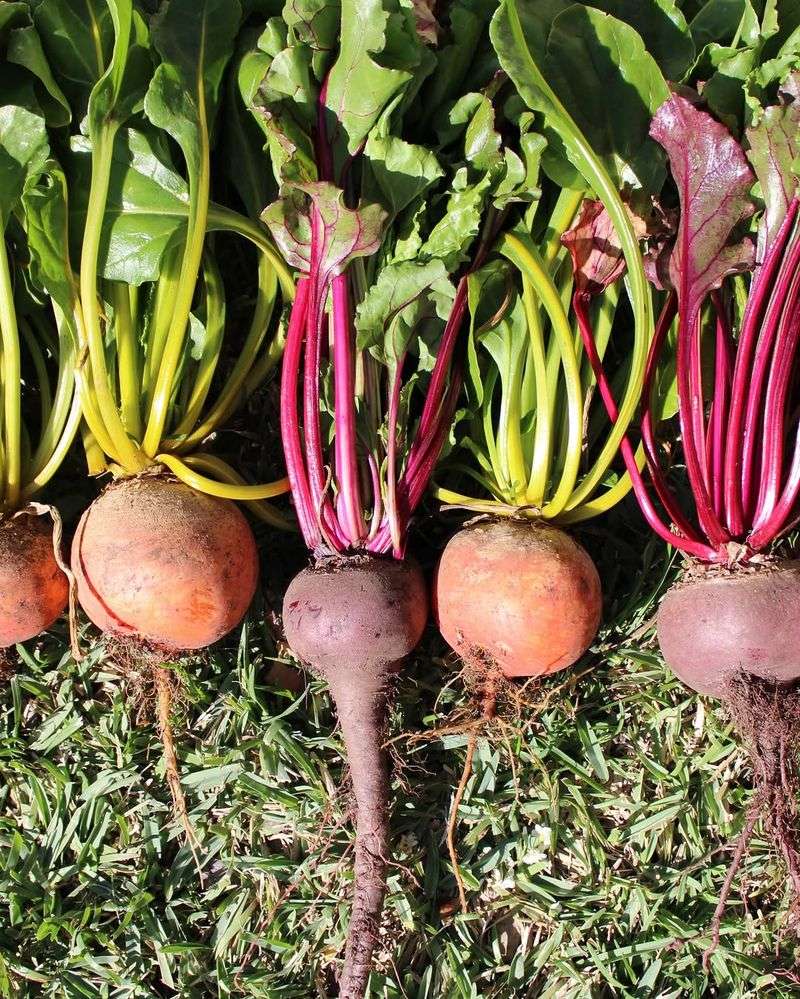
Beets are one of the most underrated fall vegetables you can grow. Plant them in July and they mature just as soil temperatures drop into the ideal range for root development.
Both the roots and the greens are edible, which makes them doubly productive.
Sow beet seeds about half an inch deep directly in the garden. Each seed is actually a cluster of two or three seeds, so expect multiple sprouts from each spot.
Thin to one plant every three inches once seedlings reach about two inches tall.
Detroit Dark Red and Chioggia are reliable varieties that perform well in fall gardens across the region. Both mature in around 55 to 65 days and hold quality in the ground for several weeks after reaching full size.
Beets prefer loose, well-drained soil with a near-neutral pH. Compacted or acidic soil causes stunted, misshapen roots.
Add lime if your soil tests below 6.0 and work the bed to a depth of at least eight inches.
Water consistently but avoid waterlogged conditions. Beets in soggy soil develop rot rather than firm roots.
Raised beds or well-draining in-ground beds both work well for fall production.
Fertilize lightly at planting. Beets do not need heavy feeding, and excess nitrogen causes lush tops with underdeveloped roots.
A single application of balanced fertilizer at planting is usually enough.
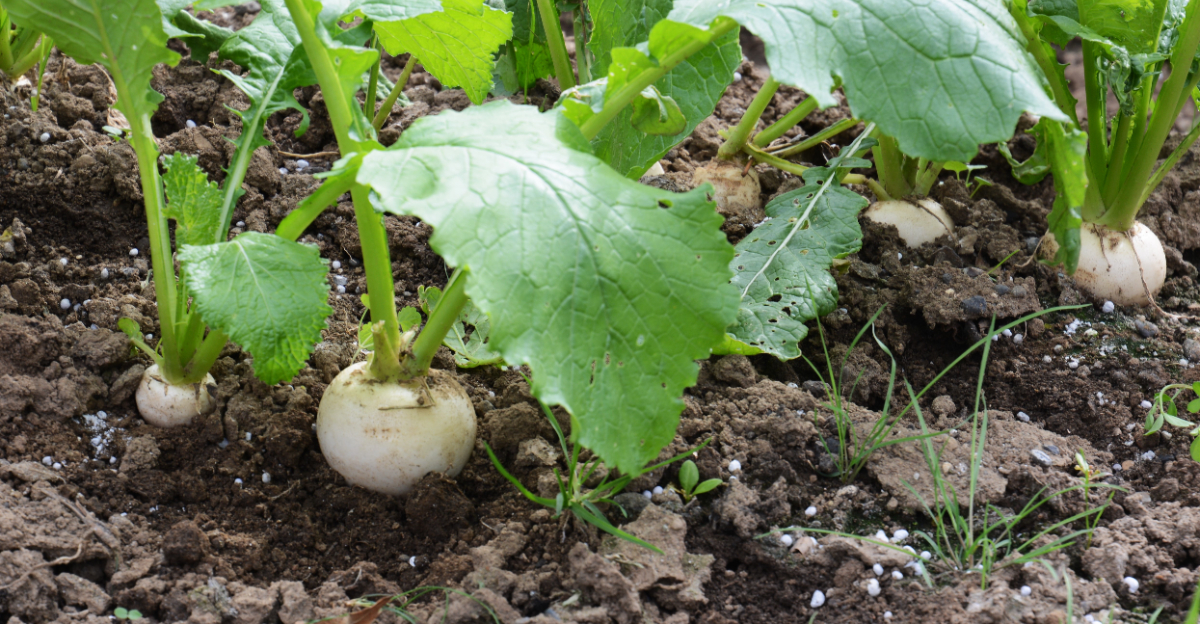
8. Turnips Deliver Both Crisp Roots And Tender Greens
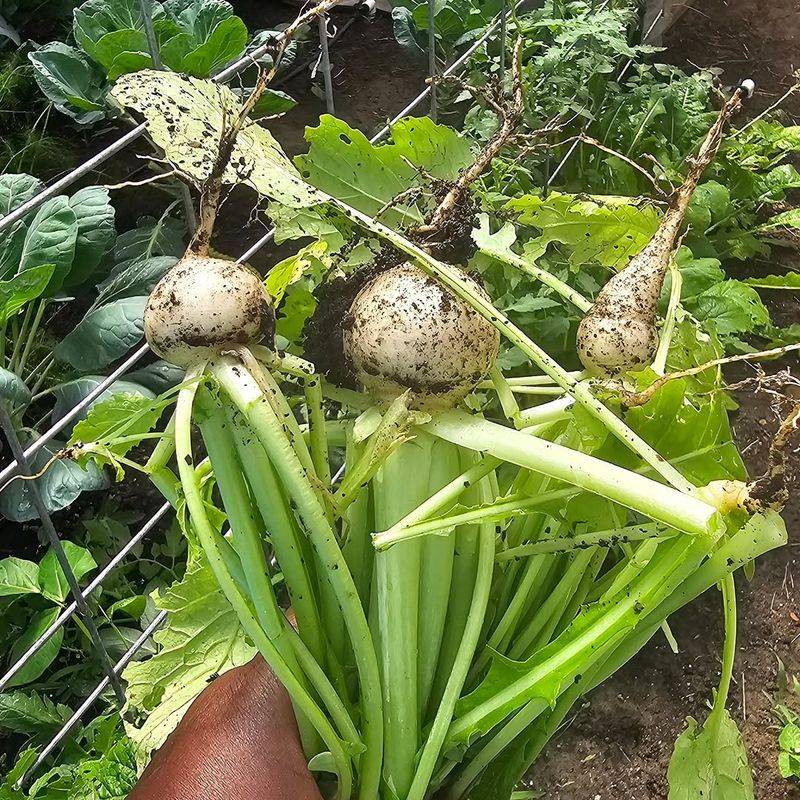
Turnips are one of the fastest fall vegetables you can grow, and they give you two harvests from a single planting. The roots are crisp and mild when harvested young, and the leafy tops cook up like a tender, slightly spicy green.
Sow seeds directly in the garden in late July or early August. Turnips do not need to be started indoors.
Scatter seeds thinly in rows or broadcast over a prepared bed and rake lightly to cover.
Purple Top White Globe is the classic choice and finishes in about 45 to 60 days. Tokyo Market is another fast option that produces small, sweet roots excellent for eating raw.
Both varieties handle fall weather in the South with no trouble.
Thin seedlings to about four to six inches apart once they emerge. Crowded turnips produce small, poorly formed roots.
Thinning also improves airflow and reduces disease risk in humid fall conditions.
Water regularly during dry spells in August. Turnips that experience drought stress develop a bitter, tough flavor.
Consistent moisture keeps roots mild and tender all the way through harvest.
Fertilize once at planting with a balanced product. Turnips grow fast enough that a single feeding usually carries them through to harvest.
Heavy feeding can cause excessive leaf growth at the expense of root quality.