Can California Gardeners Plant Native Shrubs Before The First Fall Rain?
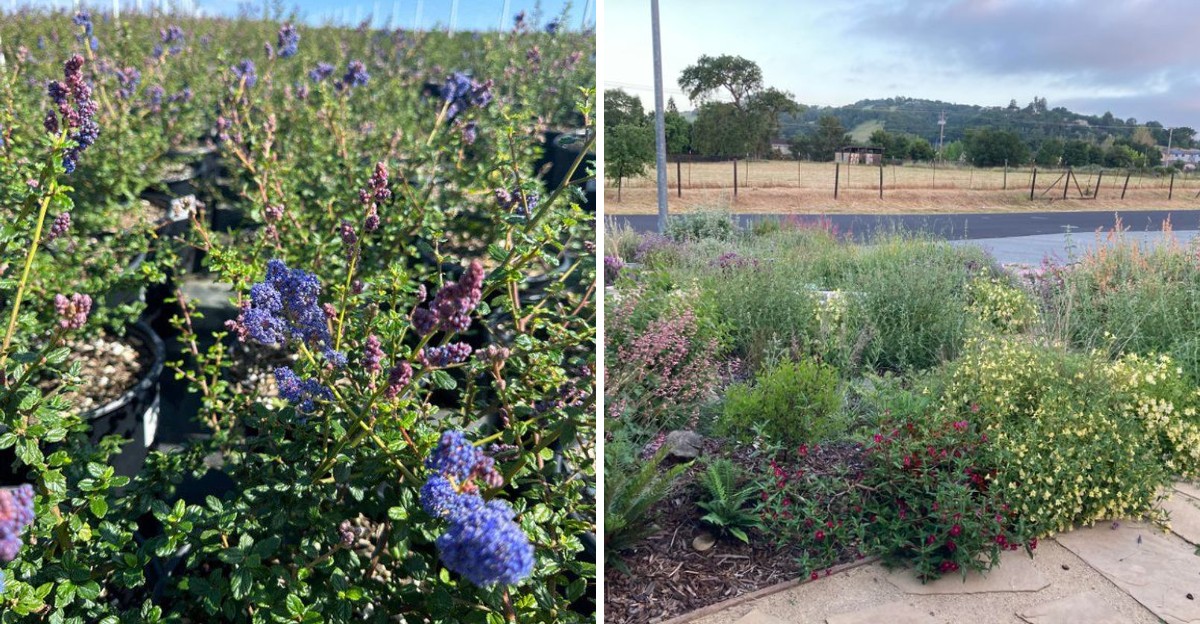
A warm Saturday in late September, and three native shrubs sit waiting by the front door, soil as dry as a cracker, roots ready to go into the ground.
A neighbor leaning over the fence says to wait for the first real rain.
Something about that advice sounds reasonable at first, the kind of thing that gets repeated at garden clubs until nobody questions it anymore.
Turns out the answer is more interesting than a simple yes or no, and it comes down to what’s actually happening underground long before any storm rolls in.
Curious whether those potted shrubs should go in the ground today, or sit waiting for a sky that might not cooperate for weeks? The answer starts with a comparison to the first day of school.
Planting Before Rain Gets A Head Start
Short answer? Yes, go ahead and plant.
Fall counts as the best time to plant most California native shrubs, and early fall counts just as much as late fall.
An early start helps for a simple reason.
Roots on a new shrub need time to grow out of the nursery pot soil and into the ground around them. When you plant a few weeks before the first storm, those roots get extra time to spread before winter rain soaks the soil.
Showing up early on the first day of school lets you find your locker, meet your teacher, and settle in before the crowds arrive.
A shrub planted early is already getting comfortable when the rains show up, so it can soak up that water right away.
By the time spring warms things up, an early-planted ceanothus or coffeeberry may have a deeper, wider root system than one planted months later.
That matters a lot in California, where summers bring months with little or no rain. Stronger roots mean a plant that can handle its first dry season with less help from you.
There’s one catch, and it’s a big one.
Planting before rain only works if you give your shrubs water yourself until the sky takes over.
Watering Still Matters Until Rain Arrives

A dry garden bed in October can fool you.
The top inch might look fine, but a brand-new shrub has all its roots packed into a small ball, and that ball can dry out in just a few days of warm weather.
Start strong on planting day.
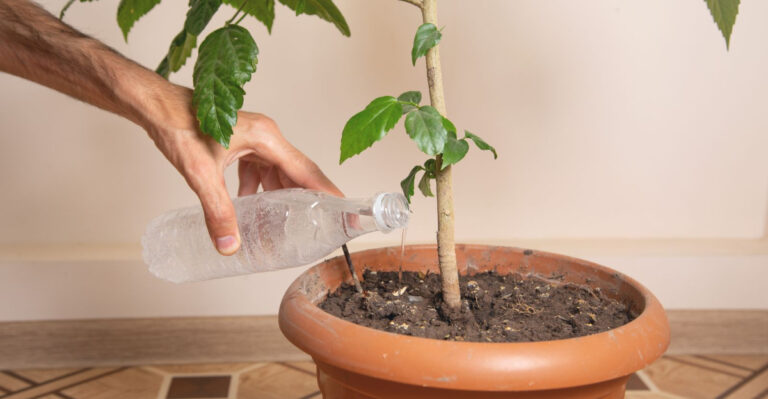
Filling the planting hole with water and letting it drain before you set the shrub in is generally suggested. After planting, water again slowly and deeply so the root ball and the surrounding soil are both moist.
Then keep checking until real rain comes.
A good habit is to poke a finger or a small trowel a few inches into the soil near the root ball. A soaker hose or a slow trickle from a regular hose works better than a quick spray.
If the soil feels dry, water deeply.
In many areas that works out to about once a week, but hot spells or dry Santa Ana winds can mean more often. Clay soil holds water longer, while sandy soil dries out fast.
Your California Garden Changes Every Week. Your Plan Should Too.
Gardening in California changes quickly throughout the season. Every Friday you’ll receive a simple weekly plan showing exactly what to plant, prune, fertilize, harvest, and protect so you never miss the right timing.
Watch out for one trap: a light sprinkle does not count as the first rain.
A quarter inch of drizzle barely wets the surface. Keep watering until you get a soaking storm, then ease off and let winter do the work.
Roots Adjust Faster In Cooler Soil
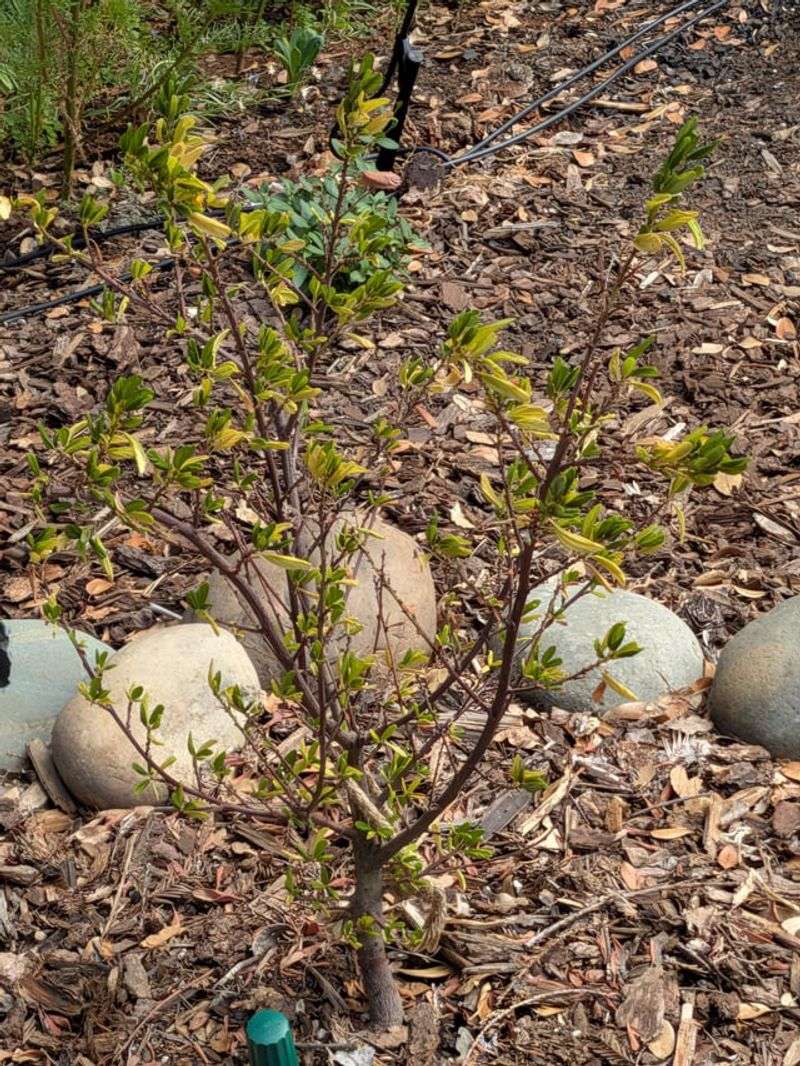
Here’s a fun fact that surprises many gardeners. In fall, soil cools down more slowly than air. Even when evenings turn crisp, the ground holds on to some of summer’s warmth for weeks.
That mix is great news for roots.
The soil is no longer baking like it was in August, but it’s still warm enough for roots to keep growing. Meanwhile, the cooler air means leaves lose less water, so the plant is not working as hard to stay hydrated.
A runner training in comfortable weather can focus on building strength instead of just surviving a heat wave.
A new shrub in fall can spend its energy growing roots rather than fighting to keep its leaves from wilting.
Best of all, this benefit has nothing to do with rain.
Soil temperatures drop on their own schedule as days get shorter and the sun sits lower in the sky. So a shrub planted in early October, before any storm, still gets the cooling-soil advantage as long as you keep it watered.
Summer planting is a different story.
Hot soil and hot air stress roots and leaves at the same time, which is why experts usually steer people away from planting natives in the middle of summer.
Timing It Right Reduces Establishment Stress
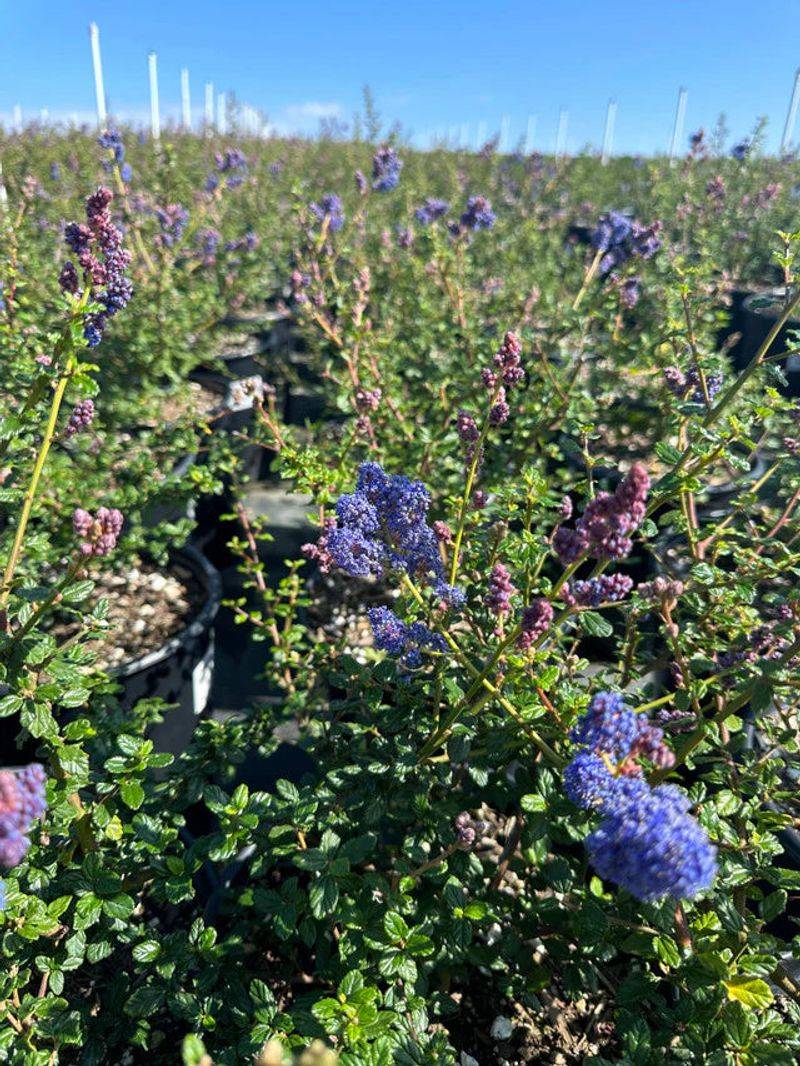
Moving to a new home is hard, even for a shrub. Gardeners call this transplant stress, and it happens when a plant leaves the cozy nursery pot and has to adjust to new soil, new sun, and new weather all at once.
Fall timing helps soften that move.
Shorter days mean fewer hours of strong sun. Cooler air means less water loss through the leaves.
Put those together, and your new sage or manzanita faces a much gentler first few months than it would in June.
Many California natives are also naturally tuned to this rhythm. In the wild, their roots tend to grow most actively once the hot, dry summer ends.
Notice that none of this depends on the exact day the first storm rolls in.
The overall season is what lowers stress, not a single rainfall. Your job is simply to choose a mild window within fall.
A few smart timing tips can help.
Skip planting during a heat wave, even in October, since inland valleys can still climb into the 90s. Try to avoid days with strong, dry Santa Ana winds, which can dry out leaves fast.
Planting in the late afternoon or on a cloudy day gives the shrub a cool night to recover before facing full sun.
Waiting For Rain Is Not Required
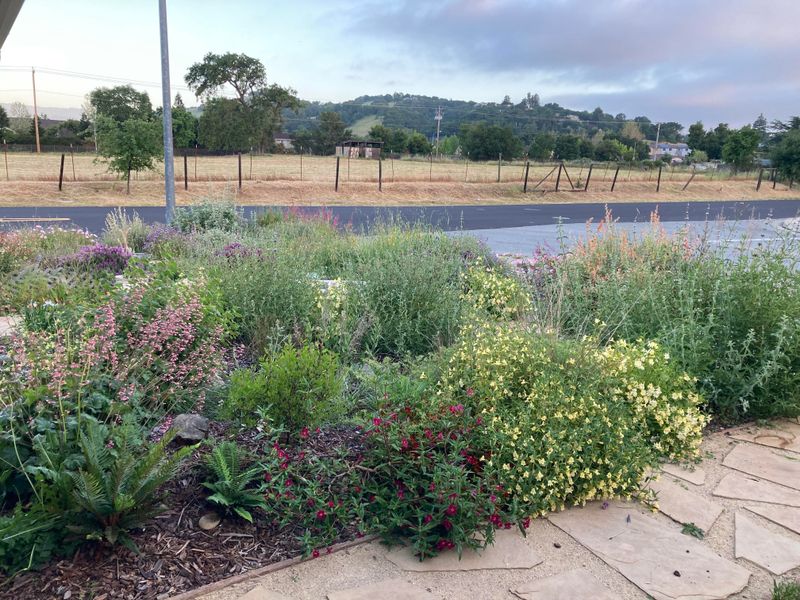
Wait for the first rain. Plenty of gardeners have heard this advice from a neighbor or at a garden club, and it’s not bad advice. It just isn’t a rule.
The idea behind it makes sense.
Rain soaks the soil deeply, makes digging easier, and means less hauling of hoses. Some gardeners with busy schedules prefer to let nature handle the watering from day one.
But the rain itself is not magic.
What a new shrub truly needs is moist soil around its roots and mild weather. A hose, a drip line, or a watering can deliver moisture just as well as a storm does, as long as you water deeply and consistently.
Here’s another reason not to wait forever.
In some years, the first real storm shows up in October, and in others it holds off until December or later. If you leave your potted plants sitting that long, they may get root-bound or dry out in their containers.
So if your shrubs are ready and the weather is mild, you’re free to plant. Just commit to being the rain for a while.
A Little Prep Work Pays Off Early
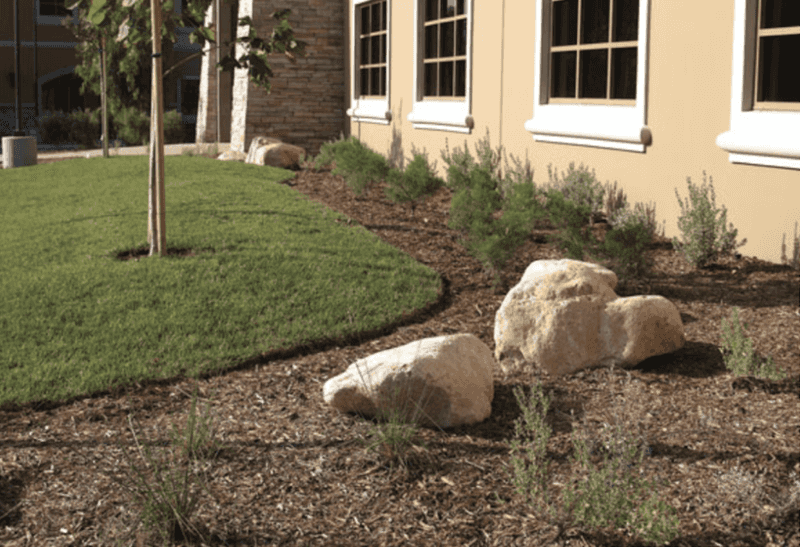
Got a free weekend before your plants arrive? Use it wisely, because a bit of groundwork makes early planting far easier.
Start by clearing weeds and grass from a circle a few feet wide where each shrub will go.
Weeds steal water, and before the rains begin, every drop you add counts. Next, test your drainage by digging a hole about a foot deep, filling it with water, and seeing how long it takes to empty.
If the water sits for many hours, you likely have heavy clay or compacted soil.
Many natives, like manzanita and ceanothus, dislike soggy roots, so choose tougher species or plant on a gentle mound. Adding lots of compost or fertilizer to the planting hole for natives is generally discouraged, since most prefer the soil they evolved in.
Dry, rock-hard ground is common before the first storm.
Soaking the planting area a day or two ahead softens it and makes digging much easier on your back.
After planting, spread two to three inches of wood chip mulch around the shrub, keeping it a few inches away from the stem.
Finally, build a small ring of soil, called a basin, around the root ball so water soaks in instead of running off.
Either Timing Can Work With Care

Every garden has its own rhythm, and so does every gardener.
Some people love getting a jump on the season in late September. Others would rather wait until the first storm soaks the ground and the hose can go back in the garage.
Good news: both approaches can lead to healthy, thriving shrubs.
Planting before the rain gives roots a head start, but it asks you to water faithfully until storms arrive. Planting after the first rain means less hauling of water up front, though your shrub gets a slightly shorter runway before spring.
Either way, the same basics apply.
Water deeply at planting time, mulch well, and keep an eye on the soil during any long dry stretch, even in winter. California can go weeks without rain in January, and young shrubs may need a drink then too.
So ask yourself a few simple questions.
Do you have time to water once a week or so this fall? Are your plants already waiting in pots, and is the weather mild right now?
What matters most is getting natives into the ground during the cool season, then giving them steady care through their first year or two.