The Arizona Wildflower Mistake That Prevents Reseeding Next Spring
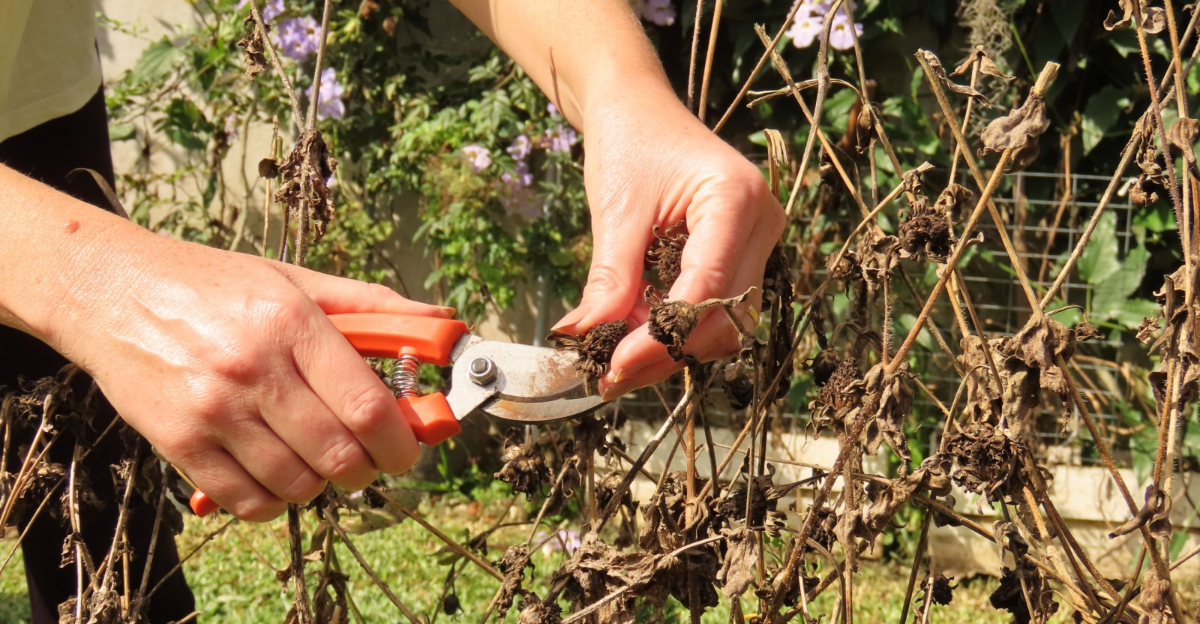
There’s a moment every Arizona gardener knows well. The wildflowers have peaked, things are starting to look a little raggedy, and every instinct is telling you to go out there and tidy everything up.
It looks messy. It feels unfinished. The neighbors might be judging.
Here’s the thing though, that urge to clean up too soon is actually one of the most common ways Arizona gardeners accidentally shortchange their own gardens.
Those faded, droopy, slightly chaotic stems and seed heads? They’re not done yet. Not even close.
They’re quietly doing some of the most important work of the entire season, loading up with seeds that will become next spring’s entire wildflower display.
Put the pruners down. Step away from the spent blooms. Your future garden is literally depending on your ability to embrace the mess right now.
1. Cutting Seed Heads Too Early Stops Reseeding
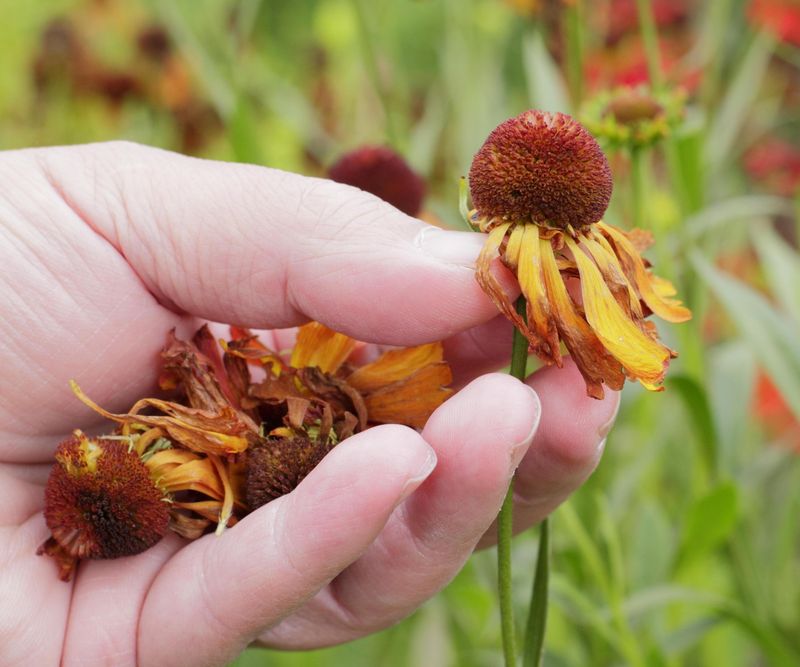
Seed heads on fading wildflowers are easy to overlook, especially when a garden starts to look a little ragged after peak bloom.
In Arizona, that late-spring and early-summer period is exactly when many wildflower seeds are still finishing their development inside those dried pods and capsules.
Cutting them off too soon means those seeds never reach the soil.
Gardeners often feel the urge to tidy up once blooms fade, but patience during this window can pay off in a big way. Species like Mexican gold poppies, desert bluebells, and owl clover all depend on seed heads being left intact long enough for seeds to ripen fully.
A seed that is not yet mature may not germinate, even if it reaches the ground.
In Arizona gravel beds and naturalized slopes, seed heads also serve another purpose: they catch and hold seeds near the parent plant, which is often the ideal spot for germination.
Waiting until the seed heads turn brown and begin to open or shatter naturally is a reliable cue.
Snipping too early, even with good intentions, can quietly reduce the number of wildflowers that return the following season without any obvious sign that something went wrong.
2. Deadheading Too Much Reduces Future Wildflowers
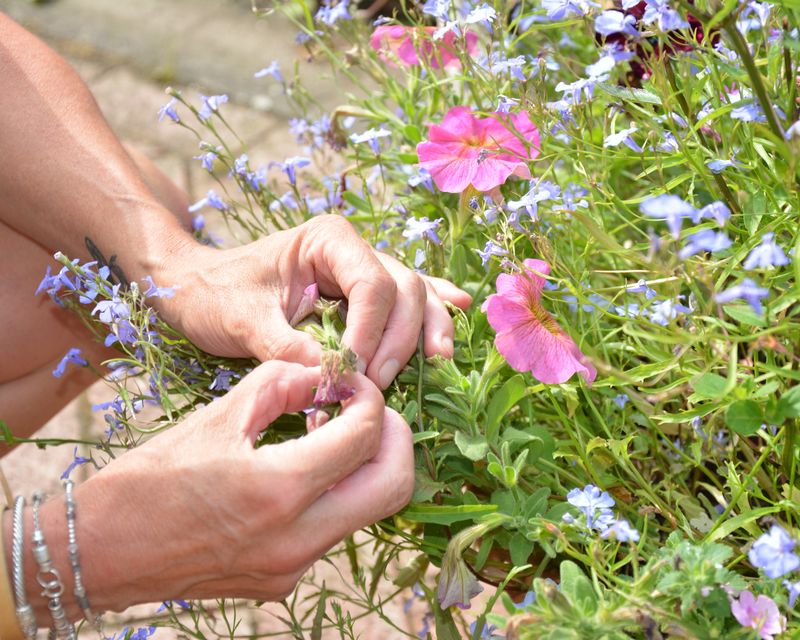
Deadheading is a well-known gardening habit that works beautifully for roses and perennials, but applying it too freely in a wildflower patch can quietly work against next season’s blooms.
When spent flowers are removed before seeds mature, the plant loses its chance to complete its reproductive cycle and drop seeds into the surrounding soil.
Arizona wildflower mixes often include annuals like Mexican gold poppy, Coulter lupine, and bladderpod, which rely entirely on self-seeding to return each year. These plants do not come back from a root system the way perennials do.
If deadheading removes every faded bloom before seeds are ready, that plant’s contribution to next spring’s display may simply disappear.
A balanced approach works well in most Arizona native plant areas. Removing only a portion of spent flowers early in the season while leaving the rest to go fully to seed can satisfy both the desire for a tidy garden and the need for natural reseeding.
Your Arizona Garden Changes Every Week. Your Plan Should Too.
Gardening in Arizona changes quickly throughout the season. Every Friday you’ll receive a simple weekly plan showing exactly what to plant, prune, fertilize, harvest, and protect so you never miss the right timing.
Watching for seed pods that have turned dry and papery is a helpful sign that seeds are close to ready.
In Arizona pollinator gardens and low-water borders, leaving even a few seed-producing stems can support a noticeable return of wildflowers the following spring.
3. Mowing Before Seeds Mature Removes Next Year’s Blooms
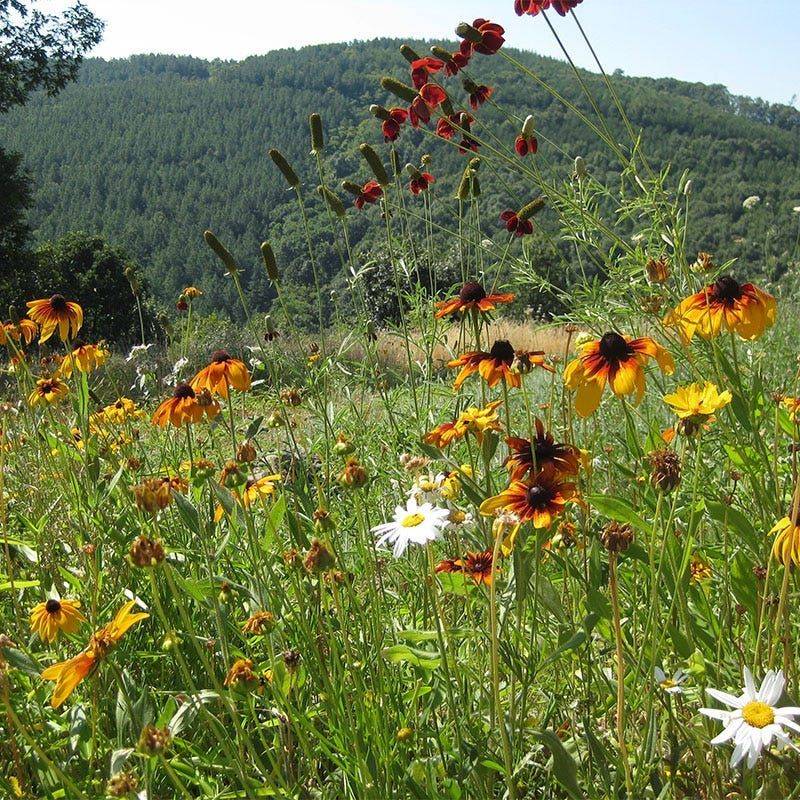
Mowing a wildflower area while seed heads are still green or only partially dry is one of the most effective ways to prevent reseeding, even if that is not the intention.
In Arizona, many homeowners manage naturalized slopes, gravel edges, and open yard areas where wildflowers grow in loose, informal patches.
Running a mower through these areas too early in the season can remove an entire crop of developing seeds in a single pass.
The timing of mowing matters a great deal. Arizona wildflowers that bloom in late winter and spring, including globe mallow, desert marigold, and various native poppies, often need several weeks after bloom to fully develop and disperse their seeds.
Mowing during that window, even at a high blade setting, can clip off seed heads before they have a chance to open and release seeds naturally.
A practical approach for homeowners is to delay mowing wildflower-heavy areas until the majority of stems have turned tan or brown and seed heads look dry and brittle.
Some gardeners mark the dates when blooms first appear and count forward several weeks before scheduling a cleanup mow.
This small adjustment in timing can preserve a healthy seed bank in the soil and support a much stronger wildflower showing when rains arrive again in autumn.
4. Cleaning Beds Too Soon Takes Away Seed Sources
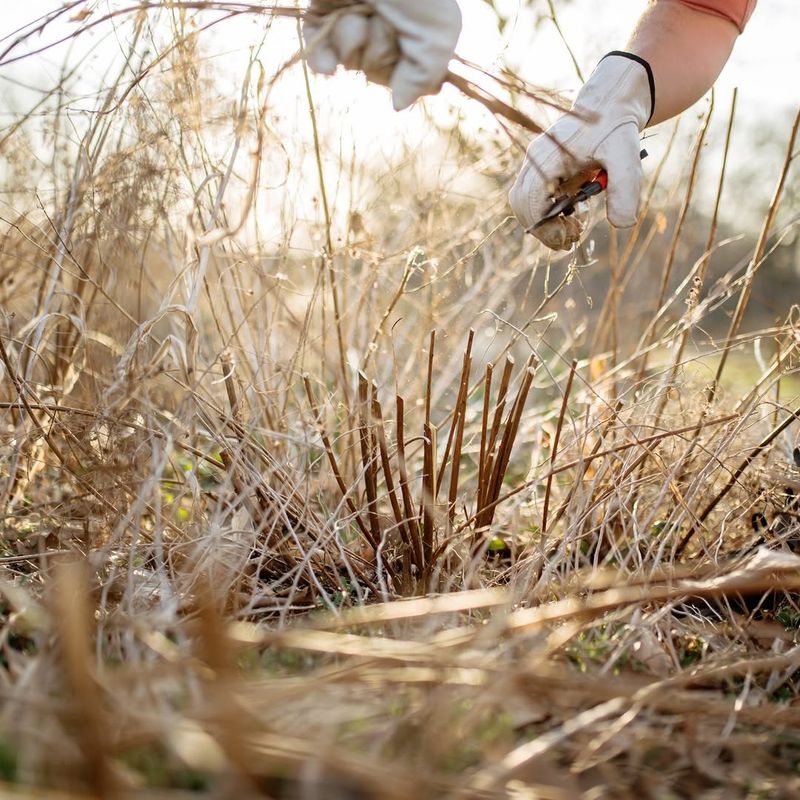
Spring cleanup feels satisfying, and for good reason. Clearing out spent plants, refreshing mulch, and tidying up borders gives a garden a fresh start.
In Arizona wildflower beds, however, doing this too early in the season can remove the very seed sources that would have supplied next year’s blooms.
Many gardeners do not realize how long it takes for wildflower seeds to fully ripen after the flowers fade. Depending on the species, seeds may need several additional weeks of warm, dry weather before they are truly mature and ready to fall to the ground.
Clearing the bed before that process completes means pulling out plants that are still in the middle of their seed cycle.
Low-water borders and desert-style beds in Arizona are particularly well-suited to natural reseeding when given a little extra time before cleanup. The dry, warm conditions that follow peak bloom actually help seeds mature quickly on the stem.
Waiting until stems are completely dry and brittle, and shaking a seed head gently to check if seeds fall freely, can help determine the right moment to begin cleanup.
Leaving a few spent plants in place a bit longer than feels comfortable can result in a noticeably fuller wildflower display the next time planting season rolls around.
5. Pulling Faded Annuals Can Interrupt Natural Reseeding
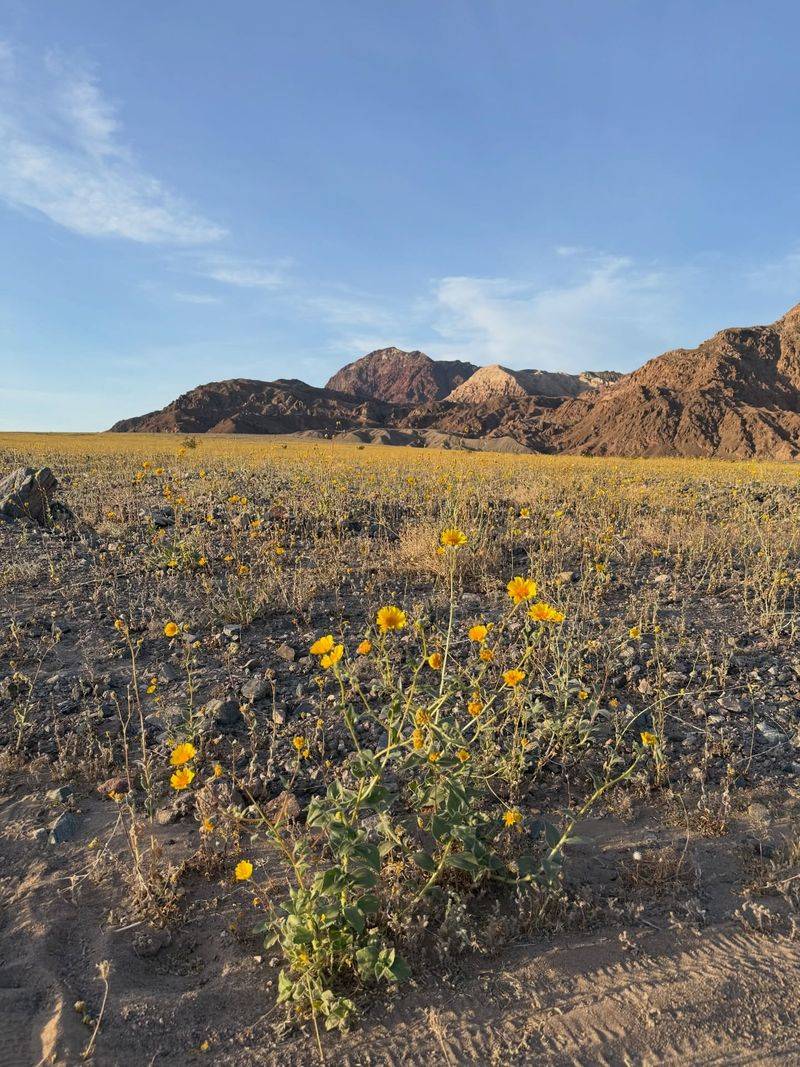
Faded annuals can look pretty unimpressive once their blooms are gone. Dry stems, yellowing leaves, and drooping seed pods do not exactly add curb appeal.
In Arizona pollinator gardens and native plant areas, though, those scraggly-looking plants are often doing important work right up until the moment they drop their seeds.
Annual wildflowers common to Arizona, including the beloved Mexican gold poppy and various species of phacelia, complete their entire life cycle in a single season. Once the plant fades, all of its energy goes into producing and releasing seeds.
Pulling faded annuals before that process finishes can break the reseeding cycle entirely, leaving bare soil with little chance of a natural return the following spring.
Timing is really the key factor here. Allowing faded annuals to remain in place until their seed pods have dried, opened, and begun releasing seeds gives those seeds the best possible chance of landing in the right spot.
In gravel beds and desert borders, seeds that fall close to the parent plant often find the soil contact they need for germination.
Resisting the urge to pull spent plants right away, even for just a few extra weeks, can make the difference between a wildflower patch that bounces back on its own and one that needs to be replanted from scratch each year.
6. Over-Mulching Can Block Seeds From Soil Contact
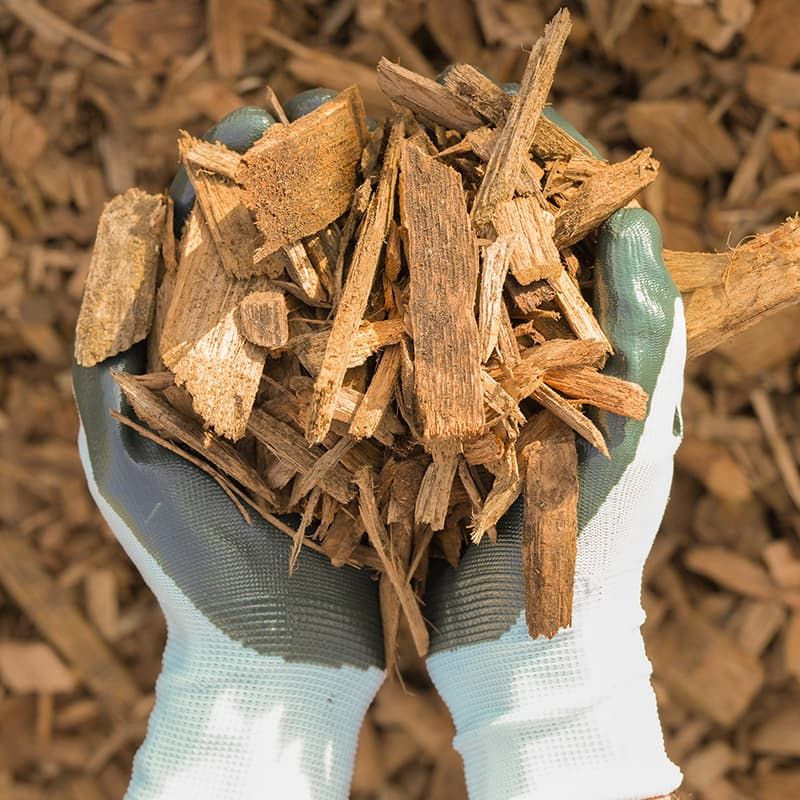
Mulch does a lot of good things in an Arizona garden. It holds moisture, moderates soil temperature, and reduces weed pressure.
When applied too heavily over a wildflower area, though, it can create a physical barrier that prevents small seeds from reaching the soil surface where they need to germinate.
Most wildflower seeds are quite small and rely on direct contact with bare or lightly covered soil to sprout successfully.
A thick layer of wood chips, shredded bark, or even decomposed granite piled on top of a bed after blooms fade can essentially bury those seeds under material they cannot push through.
Some seeds may remain viable in the soil for a season or more, but many will not germinate if the conditions are not right when moisture arrives.
In Arizona native plant areas and low-water landscapes, a light surface layer of fine-textured mulch, if used at all, tends to be more compatible with natural reseeding than deep applications of coarse material.
Gravel and decomposed granite, which are already common in many Arizona gardens, can actually support reseeding better than organic mulch in some situations because they allow seeds to settle into the gaps between particles.
Checking seed-to-soil contact before adding any new mulch layer is a useful habit for gardeners who want wildflowers to return naturally each season.
7. Raking Too Aggressively Can Move Seeds Away
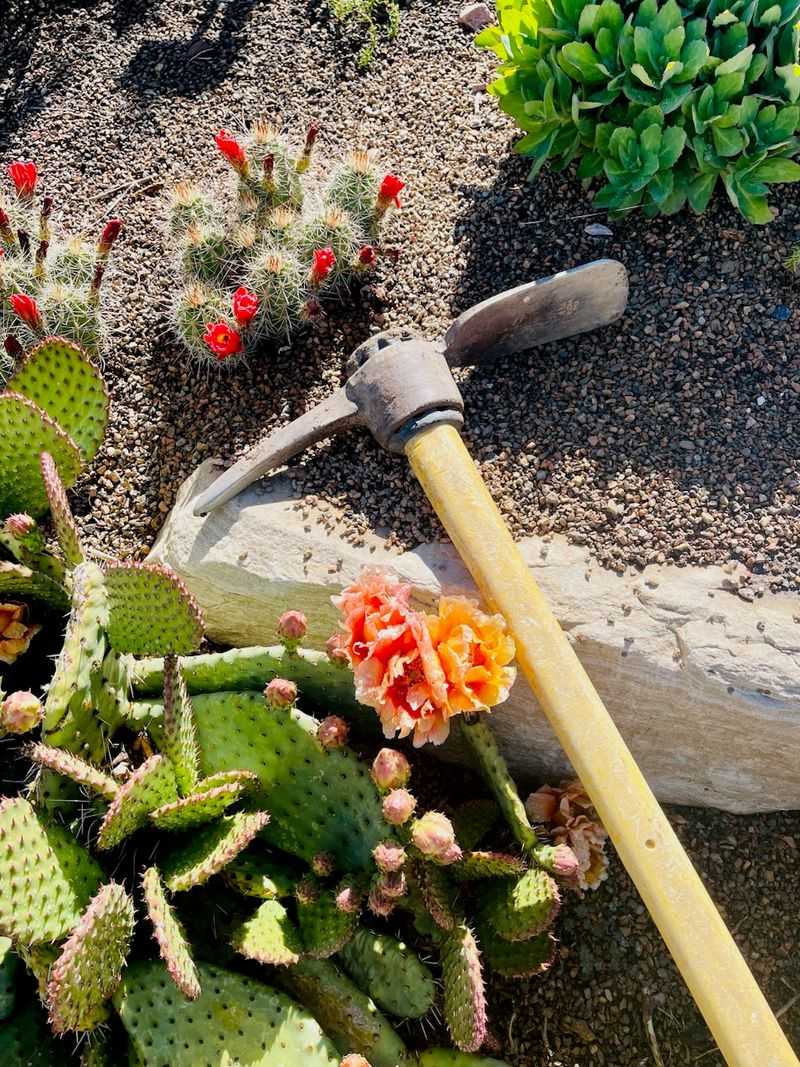
Raking is one of those garden tasks that can feel productive and harmless, but in a wildflower area, timing and technique matter more than most gardeners expect.
In Arizona, where wildflower seeds are often tiny and light, an aggressive raking session at the wrong time can scatter seeds far from the spots where they would have the best chance of germinating.
Small seeds from species like Arizona poppy, desert phlox, and owl clover can be easily moved by a stiff rake across gravel, decomposed granite, or sandy soil.
Seeds that land in spots without adequate soil contact, get pushed into deep crevices, or end up in shaded areas may not germinate even when seasonal rains arrive.
The act of raking also tends to bring up or remove the thin layer of surface debris that can actually help protect seeds from drying out too quickly in intense heat.
Gentle surface disturbance, rather than deep or forceful raking, is a better approach for wildflower areas in Arizona. Some gardeners use a light hand rake or simply scatter seeds by gently shaking dried stems over the area before doing any cleanup.
If raking is necessary to remove debris, doing it before seeds have fully dropped, or after they have had time to work into the soil, can reduce the chance of moving the seed bank out of position ahead of Arizona’s next planting season.
8. Expecting Every Wildflower To Reseed The Same Way
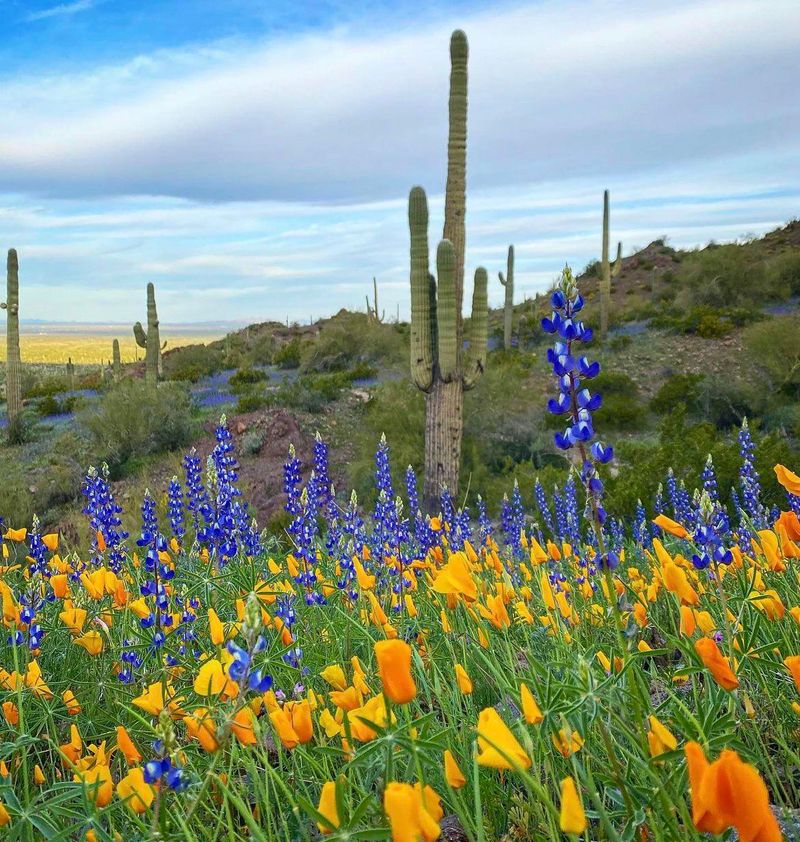
Not all Arizona wildflowers follow the same reseeding schedule, and assuming they do can lead to mistakes that reduce next season’s bloom. Some species drop seeds quickly after flowering, while others hold onto their seeds for weeks in tightly closed pods.
Managing a mixed wildflower area with one blanket approach does not always serve every plant well.
Mexican gold poppies, for example, tend to release seeds relatively soon after blooms fade, while some native lupines and desert marigolds may take considerably longer for their seed pods to fully ripen.
Gardeners who clean up the entire bed on the same day, based on how one species looks, may be cutting short the seed cycle of several others that needed more time.
Reseeding success also depends on factors beyond timing alone. Soil type, rainfall patterns, seed depth, and site conditions all influence whether seeds germinate the following season.
In Arizona, the gap between spring bloom and fall planting rains can be long and hot, which means seeds need to survive in the soil through summer before conditions become favorable again.
Getting familiar with the specific wildflowers growing in a given Arizona bed, gravel border, or pollinator patch, and learning the individual seed maturity cues for each one, can help gardeners make smarter decisions about when to tidy up and when to wait a little longer.